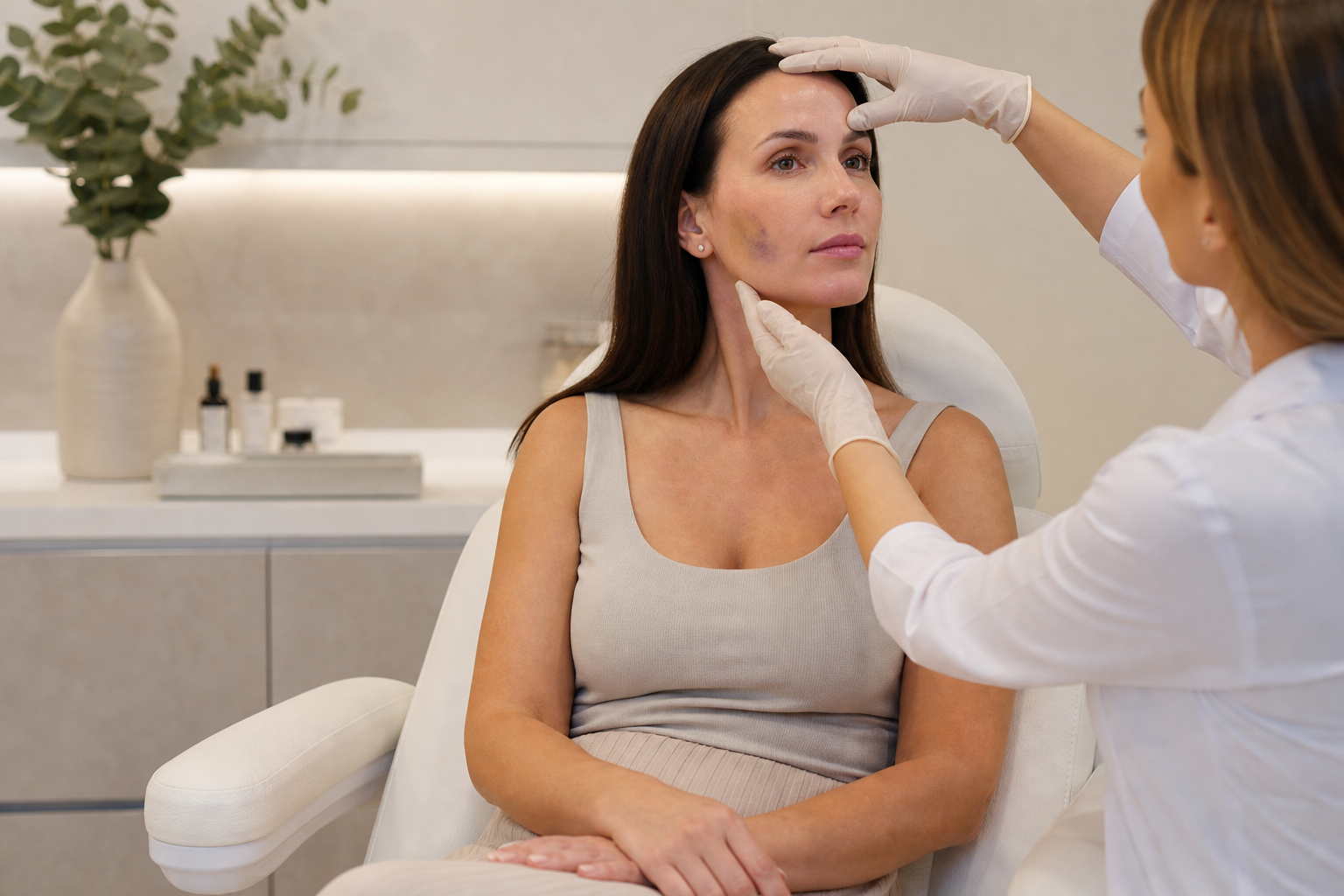
Botox, a widely recognized treatment for smoothing wrinkles and enhancing facial expressions, has become synonymous with cosmetic rejuvenation. Among the many aspects patients consider before undergoing this minimally invasive procedure, the possibility of bruising often emerges as a prominent concern. Understanding bruising after Botox is crucial—not only for individuals planning treatment but also for practitioners dedicated to optimizing patient safety and satisfaction.
Bruising following Botox injections is a frequently observed but sometimes underestimated side effect. As a naturally occurring response to needle insertion and tissue manipulation, bruising embodies the delicate interplay between anatomy, technique, and patient-specific factors. This editorial explores bruising after Botox comprehensively, clarifying its underlying mechanism, what patients can realistically expect, factors influencing its development, prevention strategies, treatment options, and when professional intervention is indispensable.
By delving into the nuances of bruising associated with Botox, this article aims to provide a practical, evidence-based resource within the larger context of "Adverse Reactions and Complications in Aesthetic Treatments." Such insight fosters informed decision-making for both recipients and providers, enhancing safety profiles and elevating the overall experience of Botox application.
The Biological Mechanism Behind Bruising in Botox Treatments
Bruising post-Botox primarily results from microtrauma inflicted on the superficial blood vessels during injection. Although Botox (botulinum toxin type A) acts pharmacologically at the neuromuscular junction to inhibit muscle contraction, the injection itself introduces a mechanical injury. Fine needles penetrate the skin and underlying tissues to deliver the product into specific muscle groups, inevitably leading to disruption of delicate capillaries and small veins.
The blood that escapes from these compromised vessels accumulates extracellularly within the dermal or subdermal layers, manifesting as visible discoloration—commonly referred to as a bruise or hematoma. The thin and richly vascularized skin of the face, especially in regions with a high density of superficial vessels such as around the eyes and forehead, is particularly vulnerable.
It is important to highlight that while bruising arises due to physiological microvascular injury, its occurrence does not imply poor injection technique or diminished efficacy of the botulinum toxin. Rather, it is often an inherent risk of any procedure involving needle puncture into soft tissues with a vascular network.
Typical Presentation and Duration of Bruising After Botox
Following Botox injection, bruises usually manifest within hours to a couple of days and evolve through predictable stages of discoloration. Initially, the affected area appears reddish or purplish due to freshly extravasated blood. As the blood undergoes enzymatic breakdown and reabsorption, colors gradually transition to blue, green, and yellow hues before complete resolution.
The typical lifespan of a Botox-induced bruise ranges from 5 to 14 days. However, individual variations arise from genetic factors, skin thickness, vascular anatomy, and underlying health conditions. Some bruises may be limited to faint petechiae or pinpoint spots, while others might develop into more noticeable patches depending on the extent of vascular injury and local tissue response.
Alongside discoloration, patients might experience mild swelling or tenderness around the injection site. These symptoms are usually transient and self-limiting. It is crucial to set realistic expectations: while most bruises are minor and resolve without intervention, visible discoloration during this healing window may affect clients’ social activities or self-image.
Identifying Patient-Specific Risk Factors for Bruising
Not all individuals have the same propensity for bruising after Botox. Several risk modifiers should be considered to appreciate why some patients develop more pronounced hematomas.
Medications and supplements influencing hemostasis play a pivotal role. Agents such as aspirin, nonsteroidal anti-inflammatory drugs (NSAIDs) like ibuprofen, certain herbal supplements (e.g., ginkgo biloba, fish oil), and anticoagulants compromise platelet function or coagulation pathways. Their presence can increase bleeding tendencies, resulting in more extensive bruising after even minor trauma.
Lifestyle factors also contribute significantly. Smoking impairs microcirculation and delays tissue repair, while excessive alcohol consumption can exacerbate bleeding risk. Moreover, individuals with fair or thin skin often exhibit greater visibility of underlying vascular responses, making bruises more apparent.
Underlying medical conditions affecting vascular integrity or clotting, such as connective tissue disorders or platelet abnormalities, necessitate careful evaluation prior to Botox administration. A detailed patient history remains indispensable for assessing bruising risk and guiding safe treatment planning.
Strategic Approaches to Minimize Bruising Before and After Botox
Effective bruising prevention begins long before the syringe contacts the skin. Educating patients on temporary discontinuation of blood-thinning agents—where medically feasible—and avoidance of substances known to impair clotting is a cornerstone preventive measure. Typically, a 7 to 10-day cessation period is advisable, but must be coordinated with healthcare providers managing chronic therapies.
Practitioner technique further mitigates vascular injury. Utilizing fine-gauge needles, administering superficial and precisely targeted injections, and applying gentle pressure during injection minimize capillary trauma. Selection of injection sites can also be adjusted considering the vascular anatomy and individual patient susceptibility.
Post-treatment, immediate application of cold compresses helps constrict blood vessels, reducing bleeding and swelling. Patients should refrain from strenuous exercise, heat exposure, alcohol consumption, and facial massages within the first 24 to 48 hours to prevent exacerbating circulation and bleeding at injection sites.
Additionally, using gentle skincare products that do not irritate or inflame treated areas supports optimal healing. This comprehensive approach significantly lowers the frequency and severity of bruising, ultimately benefiting patient satisfaction and treatment continuity.
Distinguishing Normal Bruising From Signs Requiring Medical Attention
While bruising is an expected and often harmless side effect of Botox, certain symptoms should prompt immediate consultation with a qualified specialist. Persistent bruises that do not begin to fade after two weeks could signal underlying hematoma complications or healing disorders requiring professional evaluation.
Intense pain, disproportionate swelling, increasing redness, heat, or systemic symptoms might represent infection or severe inflammatory reactions necessitating prompt intervention. Moreover, neurological signs such as drooping eyelids (ptosis), asymmetry, or weakness in injected regions—while not directly caused by bruising—may co-occur and demand urgent medical assessment due to possible botulinum toxin diffusion to unintended muscles.
Patients must be clearly instructed about these red flags during initial consultations to facilitate early recognition and management, safeguarding treatment outcomes and overall well-being.
Comparing Bruising Risks in Botox Versus Other Facial Aesthetic Procedures
Bruising is a common concern across various injectable and non-invasive facial rejuvenation treatments. However, the propensity and nature of bruising differ subtly between Botox and other modalities such as dermal fillers, chemical peels, or laser resurfacing.
For instance, dermal fillers involve deeper volumizing injections into the subcutaneous fat or soft tissues. Their more extensive needle penetration and volume displacement can produce larger or more intense bruises, particularly around highly vascularized areas like the lips or under the eyes. Conversely, Botox’s mechanism targets superficial muscle layers with smaller injected volumes, often leading to smaller, less conspicuous bruises.
Chemical peels and laser treatments induce controlled skin injury leading predominantly to superficial redness and peeling rather than discrete bruises. Therefore, while bruising is a shared risk in injectables, understanding these distinctions aids practitioners in tailoring patient counseling and aligning expectations accordingly.
The Essential Role of Patient Education in Managing Expectations and Outcomes
Transparent communication about potential side effects such as bruising is pivotal in fostering trust and satisfaction. Patients armed with knowledge about bruising mechanisms, typical timelines, and preventive steps are better prepared physically and emotionally for the treatment journey.
Consultations should include detailed discussions about individual risk profiles, anticipated appearance in the days following injections, and realistic expectations about recovery. Providing written instructions and reassurance about the transient nature of bruising further alleviates anxiety.
Moreover, cultivating an environment where patients feel comfortable reporting concerns or atypical symptoms ensures timely responses, enhancing safety and success rates. This educational partnership exemplifies best practices in contemporary aesthetic care.
Variations in Bruising Patterns Across Different Facial Injection Sites
The topography of facial bruising after Botox varies notably by injection location. The forehead region, characterized by thicker musculature and relatively robust skin, tends to exhibit fewer or less pronounced bruises. Conversely, periorbital and infraorbital regions are more susceptible due to thin skin and a dense capillary network.
Treatment areas around the glabella (between the eyebrows) also show variable bruise patterns influenced by superficial veins. Clinicians must adapt needle angles, depth, and volume to these anatomical realities to minimize adverse pigmentary changes.
Understanding these site-specific susceptibilities guides both injection planning and targeted post-treatment care, reducing the aesthetic impact of bruising and facilitating a smoother patient experience.
Recognizing the Limitations and Safety Considerations in Botox Use Related to Bruising
Despite its established safety and efficacy profile, Botox treatment is not exempt from limitations pertaining to bruising and other complications. Complete elimination of bruising risk is unattainable due to inherent anatomical and procedural variables.
Patients with coagulation disorders or those on chronic anticoagulation require tailored risk-benefit analysis, possibly deferring treatment or using enhanced precautionary techniques. Furthermore, individuals prone to pigmentary changes or slow healing warrant additional counseling and possibly alternative approaches.
From a safety standpoint, practitioners should maintain up-to-date training in injection techniques, anatomy, and emergency management. Appropriate patient selection, meticulous technique, and adherence to clinical guidelines collectively reduce complication rates associated with bruising and other adverse reactions.
Effective Therapeutic Approaches and Healing Enhancement for Botox-Induced Bruises
Once bruising occurs, several strategies help expedite resolution and improve cosmetic outcomes. Application of cold packs in the initial hours post-injection assists vascular constriction and minimizes hematoma formation. Subsequent gentle warming after 48 hours may enhance local circulation and resorption of extravasated blood.
Topical agents containing arnica montana or vitamin K have demonstrated potential in promoting bruise clearance through anti-inflammatory and pro-coagulant pathways, although evidence varies. Avoiding harsh skin care products and protecting bruised areas from sun exposure prevents pigmentary sequelae.
In rare or severe cases, clinical evaluation might warrant interventions such as corticosteroids or laser therapies to manage persistent discoloration effectively. Patients should be cautioned against unproven or aggressive home remedies that risk skin irritation or delayed healing.


