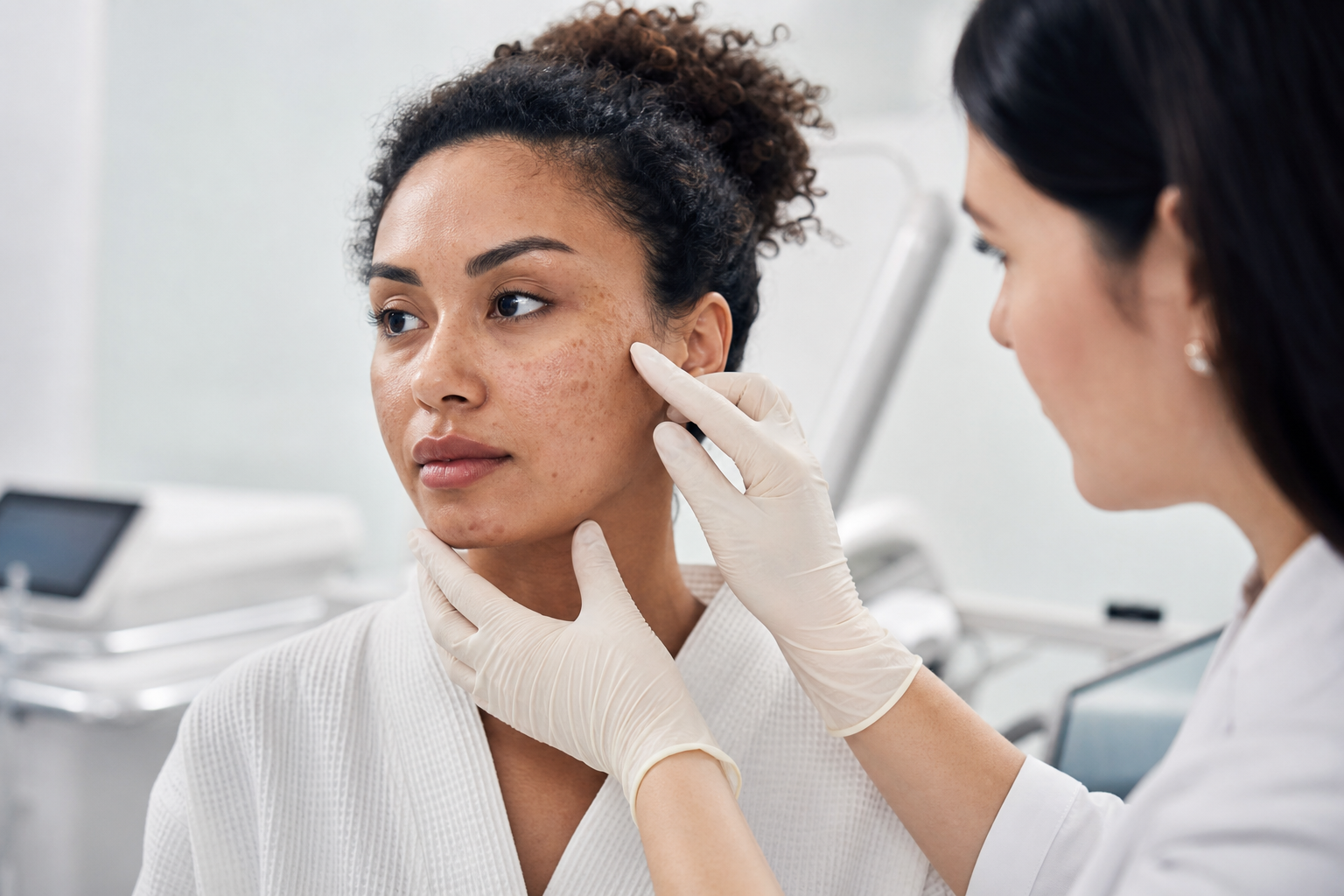
Laser pigmentation treatment has emerged as a remarkably effective solution for a variety of pigmentary conditions, from stubborn age spots and freckles to complex melasma. By precisely targeting and dispersing pigment within the skin, these laser procedures can significantly improve skin clarity and uniformity. However, despite these promising results, laser pigmentation treatment is not universally suitable. Identifying who is not a good candidate for such interventions is critical—not only to maximize therapeutic success but also to minimize risks, complications, and unsatisfactory outcomes.
This article delves into the nuanced factors that determine candidacy for laser pigmentation therapy. It is intended for individuals considering this treatment and for professionals in dermatology and aesthetic medicine seeking to deepen their understanding of patient safety and treatment planning. We focus on the interplay of patient skin characteristics, medical history, and technological aspects of laser devices that influence treatment suitability and safety. Special attention is given to darker skin phototypes and tanned skin, where treatment challenges and risks increase substantially.
Understanding who should avoid or defer laser pigmentation treatments is not merely an academic exercise—it is a foundational aspect of responsible clinical practice. It helps safeguard patient well-being, avoids exacerbation of pigmentary disorders, and informs clinical decisions regarding alternative therapies. While this discussion provides a comprehensive educational overview, it is no substitute for a personalized consultation with a qualified clinician.
What Are the Key Factors That Determine Suitability for Laser Pigmentation Treatment?
The cornerstone of safe and effective laser pigmentation treatment lies in meticulous candidate selection. A multifaceted assessment is necessary, examining skin type, pigmentation depth and nature, previous interventions, overall health status, and specific risk factors.
One of the primary classifiers is the Fitzpatrick skin type scale, which categorizes skin color and response to UV exposure from Type I (very light) to Type VI (very dark). Individuals with lighter skin types (Fitzpatrick I–III) generally tolerate most pigmentation laser treatments well, given the lower melanin concentration in their epidermis, which reduces the risk of unintended laser energy absorption by non-target tissues.
Conversely, darker skin types (Fitzpatrick IV–VI) present increased complexity. Elevated melanin levels make these skin types more vulnerable to laser-induced complications such as post-inflammatory hyperpigmentation (PIH) and hypopigmentation. Therefore, treatment parameters must be specifically tailored, often employing longer wavelength lasers such as Nd:YAG, and conservative energy settings to minimize adverse effects.
Equally important is an accurate characterization of the pigmentation itself. Superficial sun spots frequently respond well, whereas diffuse melasma or dermal pigmentation may require different strategies or combined therapies. Prior treatment history, including chemical peels or laser sessions, also influences skin sensitivity and risk profiles.
Which Medical and Dermatological Conditions May Exclude Patients from Laser Pigmentation Treatment?
Active skin infections or inflammatory conditions on the intended treatment area are absolute contraindications for laser pigmentation procedures. Conditions such as bacterial or viral infections, eczema flare-ups, or uncontrolled acne increase the risk of exacerbation and impair healing.
Patients prone to abnormal scarring, including keloid and hypertrophic scars, require cautious evaluation. Laser therapy can sometimes provoke or worsen scarring if tissue response is unpredictable.
Moreover, individuals with autoimmune diseases or systemic illnesses that affect wound healing or immune function warrant individualized risk-benefit assessments before proceeding.
Medication use is another crucial consideration. Certain drugs, particularly photosensitizing agents or anticoagulants, might increase susceptibility to laser-related adverse effects or complicate healing. Comprehensive medical history and medication review are indispensable before treatment.
Why Is Special Caution Necessary for Patients with Darker and Tanned Skin?
Dark and tanned skin types carry heightened risks because of their increased melanin content, which absorbs laser energy more readily. This can lead to thermal injury manifesting as burns, prolonged redness, blistering, or pigmentary disturbances.
Intense sun exposure before or after treatment can also jeopardize outcomes by stimulating melanocytes and aggravating pigmentation irregularities. Thus, strict photoprotection protocols are essential in managing these patients.
Laser devices must be carefully selected and calibrated. For example, long-pulsed Nd:YAG lasers, due to their deeper penetration and reduced melanin absorption, are preferred in darker skin to minimize surface damage. Conservative fluence settings and extended intervals between sessions also help mitigate risk.
Despite such precautions, the possibility of post-inflammatory hyperpigmentation or even hypopigmentation remains, demanding thorough patient counseling regarding realistic expectations and potential side effects.
How Do Device-Specific and Operator-Dependent Factors Impact Laser Treatment Safety?
The technical parameters of the laser—such as wavelength, pulse duration, fluence, and spot size—are pivotal in determining the safety and effectiveness of pigmentation removal. Different lasers are tuned to target specific pigments and depths within the skin.
Using an inappropriate device or incorrect settings can lead to inadequate treatment or, worse, complications like burns, scarring, or paradoxical pigmentation changes.
The skill and experience of the clinician operating the laser are equally significant. Despite technological advances, laser treatments remain operator-dependent procedures where clinical judgment is essential. Precise application, patient monitoring during sessions, and post-treatment care protocols are critical components of risk management.
Which Preventive Measures and Signs Warranting Medical Attention Should Patients Recognize Post-Laser Treatment?
Pre-treatment conditioning of the skin often includes sun avoidance and sometimes topical agents to stabilize pigmentary activity. Compliance with such preparatory steps reduces complication rates.
Following the procedure, patients must adhere strictly to photoprotection, use gentle skin care products, and avoid irritants that could trigger adverse skin reactions.
Warning signs such as persistent redness, swelling, blistering, or unexpected changes in skin color beyond the typical healing period should prompt immediate consultation. Early recognition and management of complications like post-inflammatory hyperpigmentation can optimize recovery and reduce long-term sequelae.
What Are the Most Common Questions Related to Laser Pigmentation Treatment Candidacy?
Individuals often inquire whether all pigmentation types are amenable to laser therapy. The answer depends largely on pigment depth, distribution, and etiology. Certain pigmentations, such as vascular lesions or some dermal discolorations, require alternative or adjunctive treatments.
Concerns about scarring are frequent; while relatively rare with proper technique, scarring is a potential risk if treatment parameters are inappropriate or in predisposed individuals.
The impact of tanning is also a common question—tanned skin increases treatment risk due to heightened melanocyte activity and pigment concentration, emphasizing the need to schedule treatments during periods of minimal sun exposure.
For those unsuitable for laser therapy, alternatives include chemical peels, microdermabrasion, and prescription topical agents. These methods may offer safer but sometimes less dramatic improvements.


