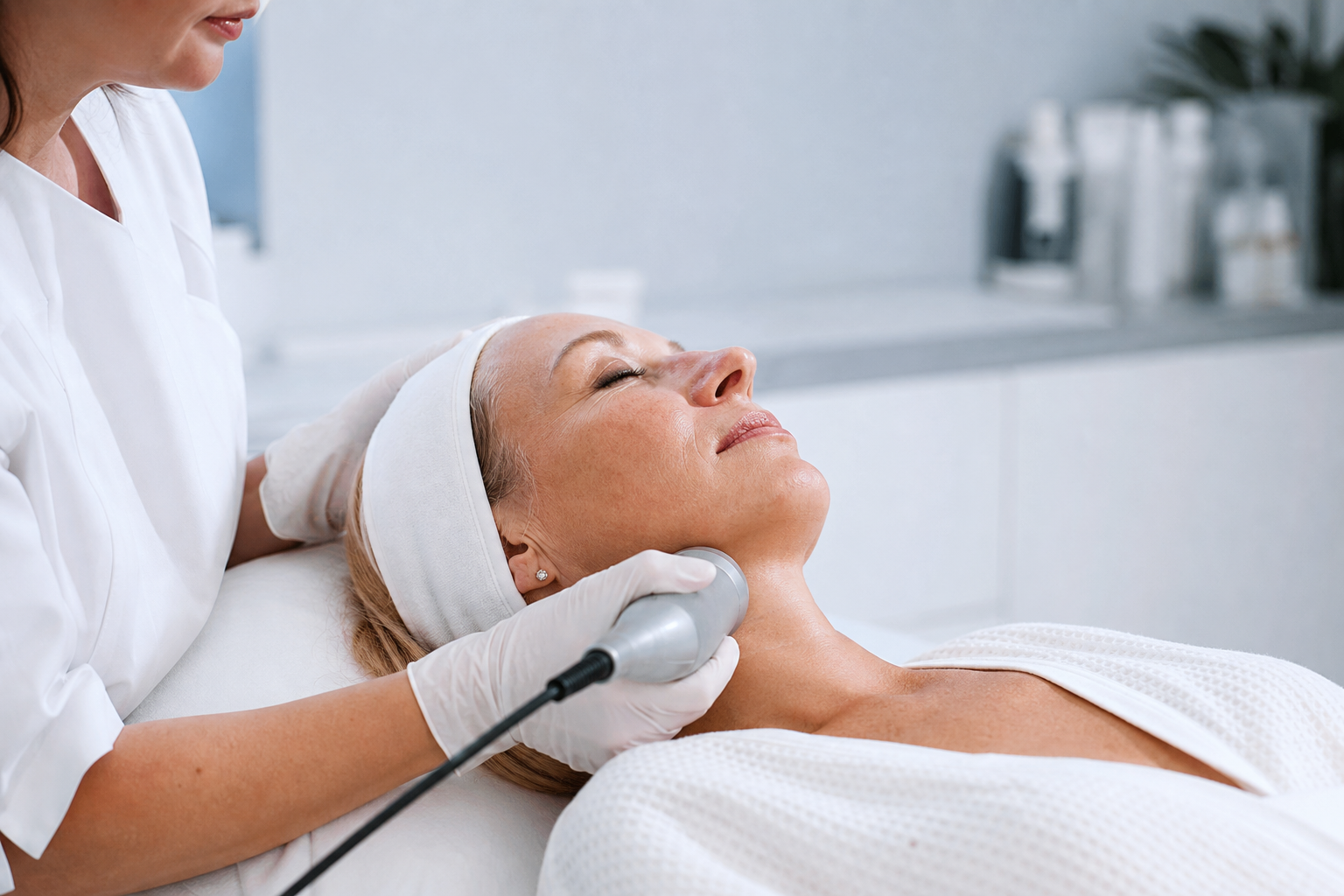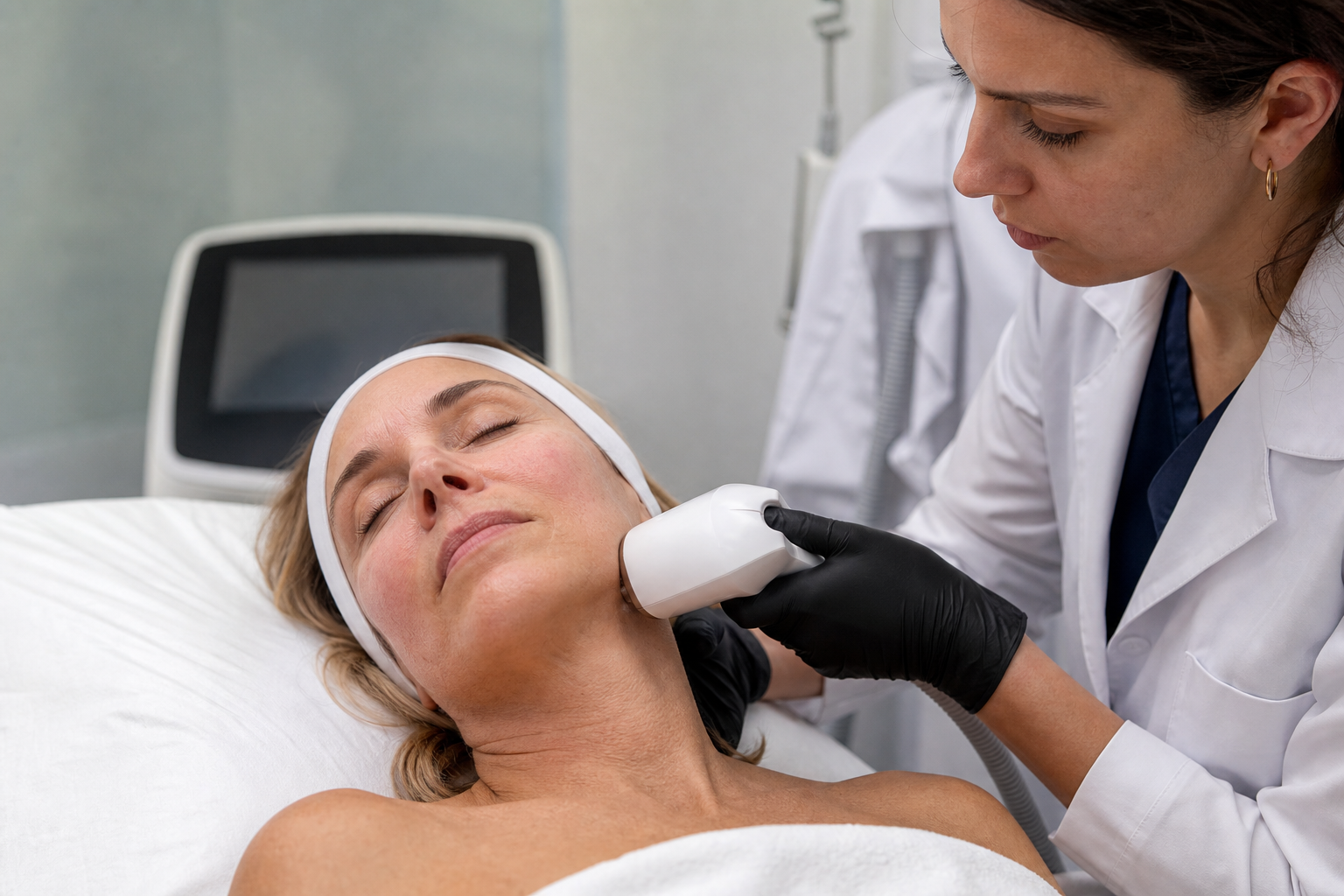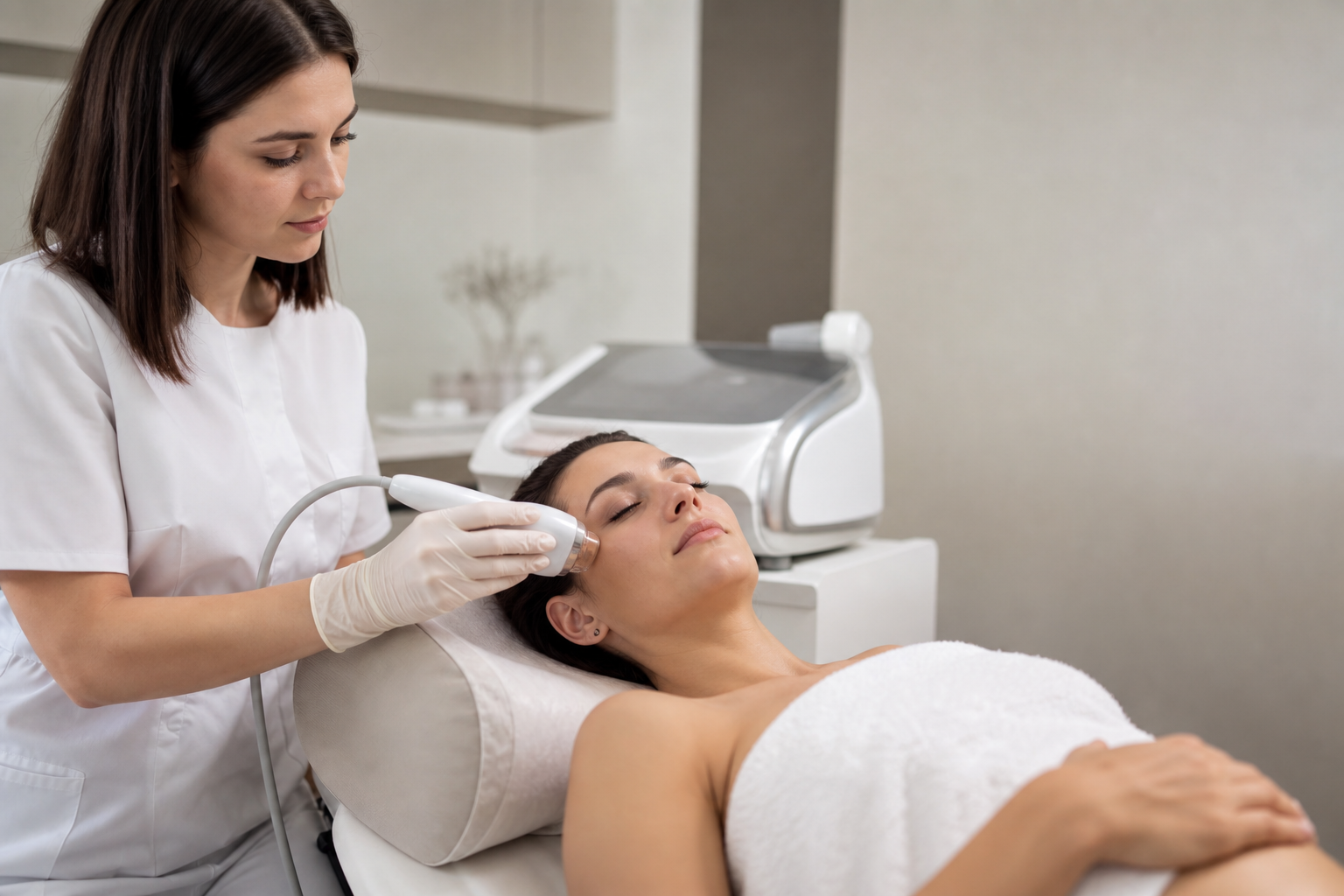
Radiofrequency (RF) lifting has become an increasingly sought-after non-invasive procedure designed to rejuvenate and tighten the skin. Utilizing radiofrequency energy to heat the deeper layers of the dermis, RF lifting stimulates natural collagen and elastin production—proteins essential for maintaining skin's firmness, elasticity, and youthful appearance. This treatment appeals to individuals who seek skin improvement without the risks, costs, or recovery time associated with surgery.
Though the concept may seem straightforward, the spectrum of RF technologies available today ranges from gentle surface treatments to more intensive methods like RF microneedling. This variety influences both safety profiles and expected outcomes. Consequently, understanding the nuances of RF lifting—its mechanisms, potential risks, contraindications, and the importance of selecting a qualified specialist—is crucial for anyone considering this cosmetic option.
In this comprehensive discussion, we will explore what RF lifting entails, who it is designed for, and why safety considerations are paramount. We will also delve into the different types of RF technologies, address the possible complications and contraindications, and provide guidance on how to choose the right practitioner to ensure an effective and safe treatment experience.
What Is RF Lifting and How Does It Work?
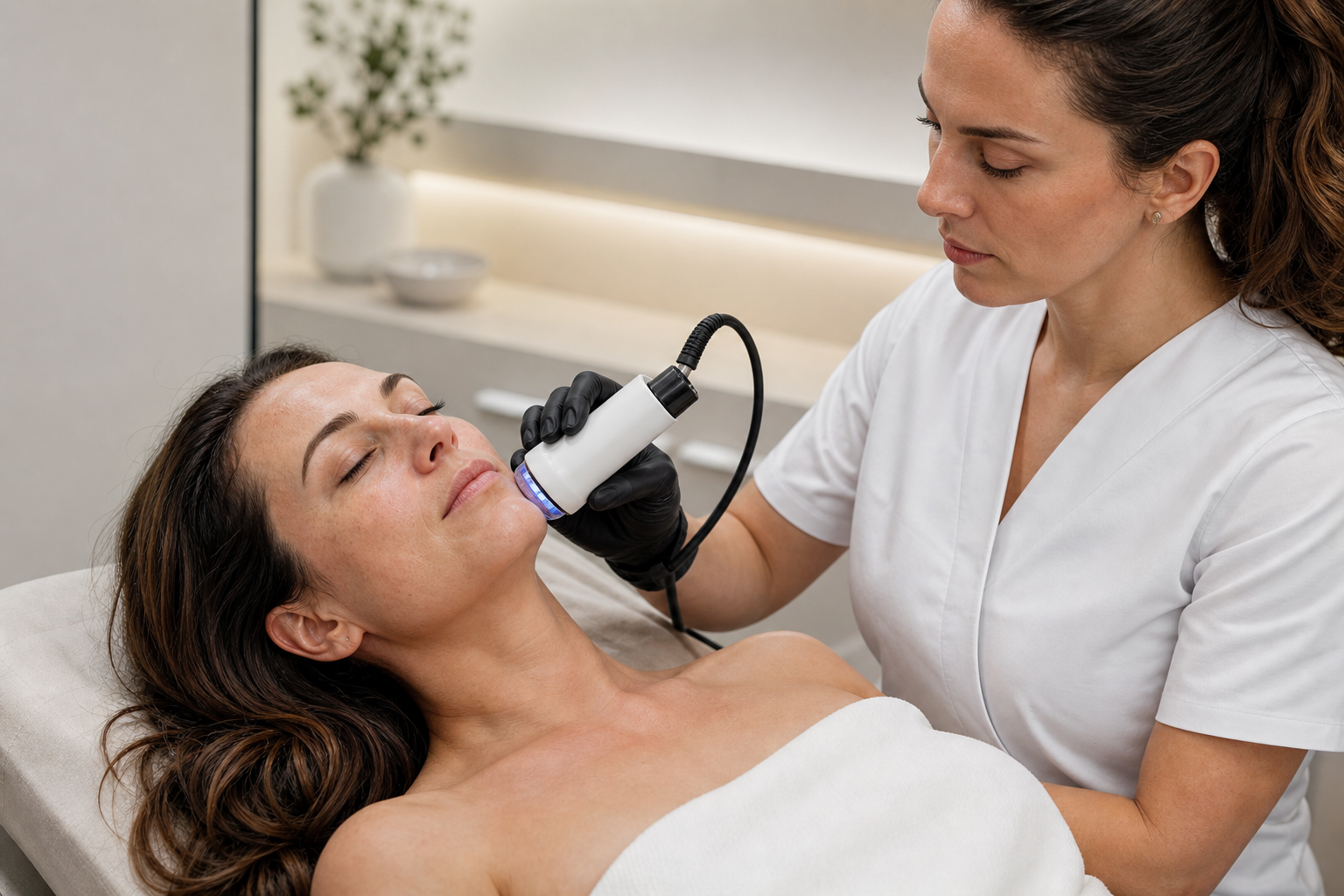
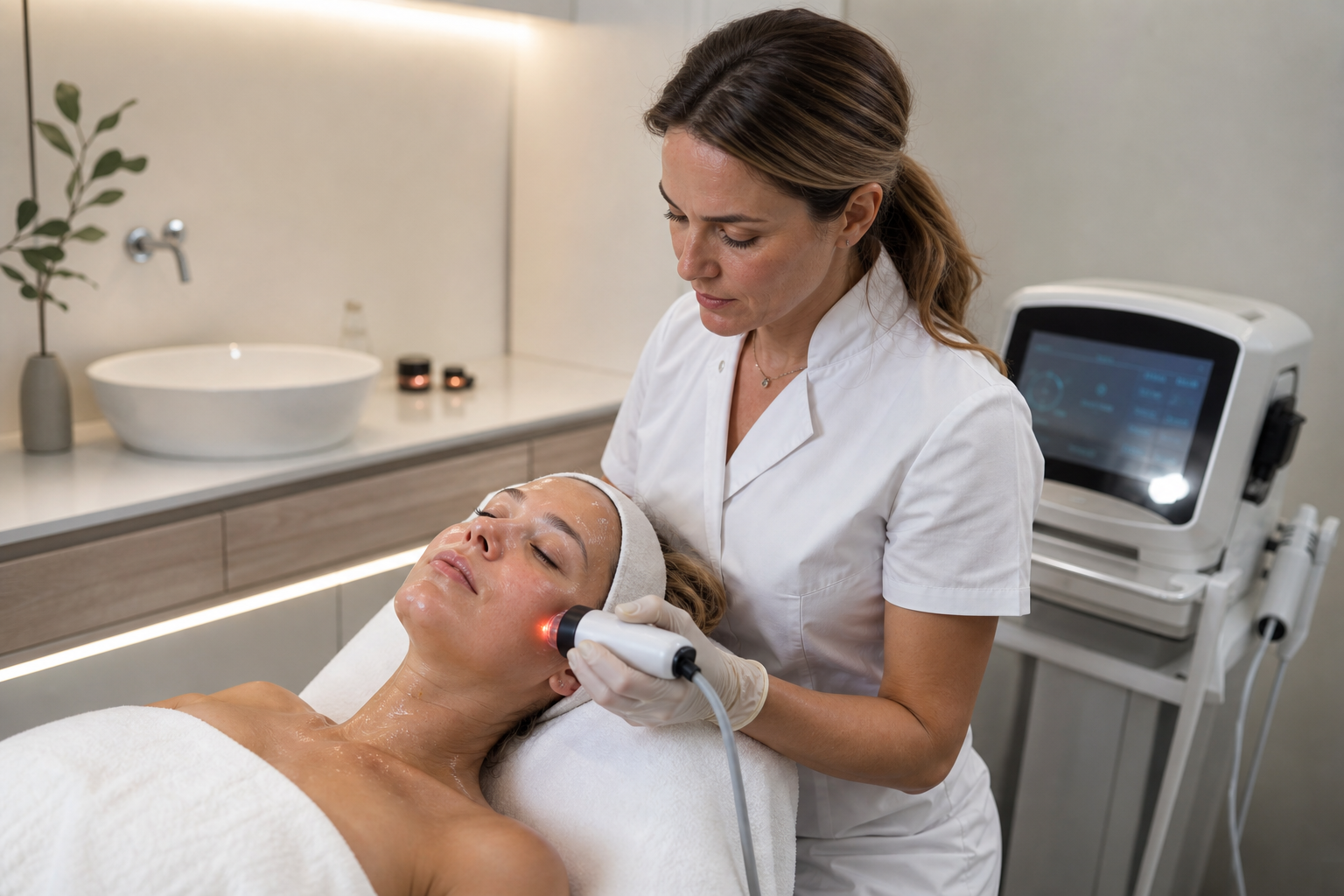
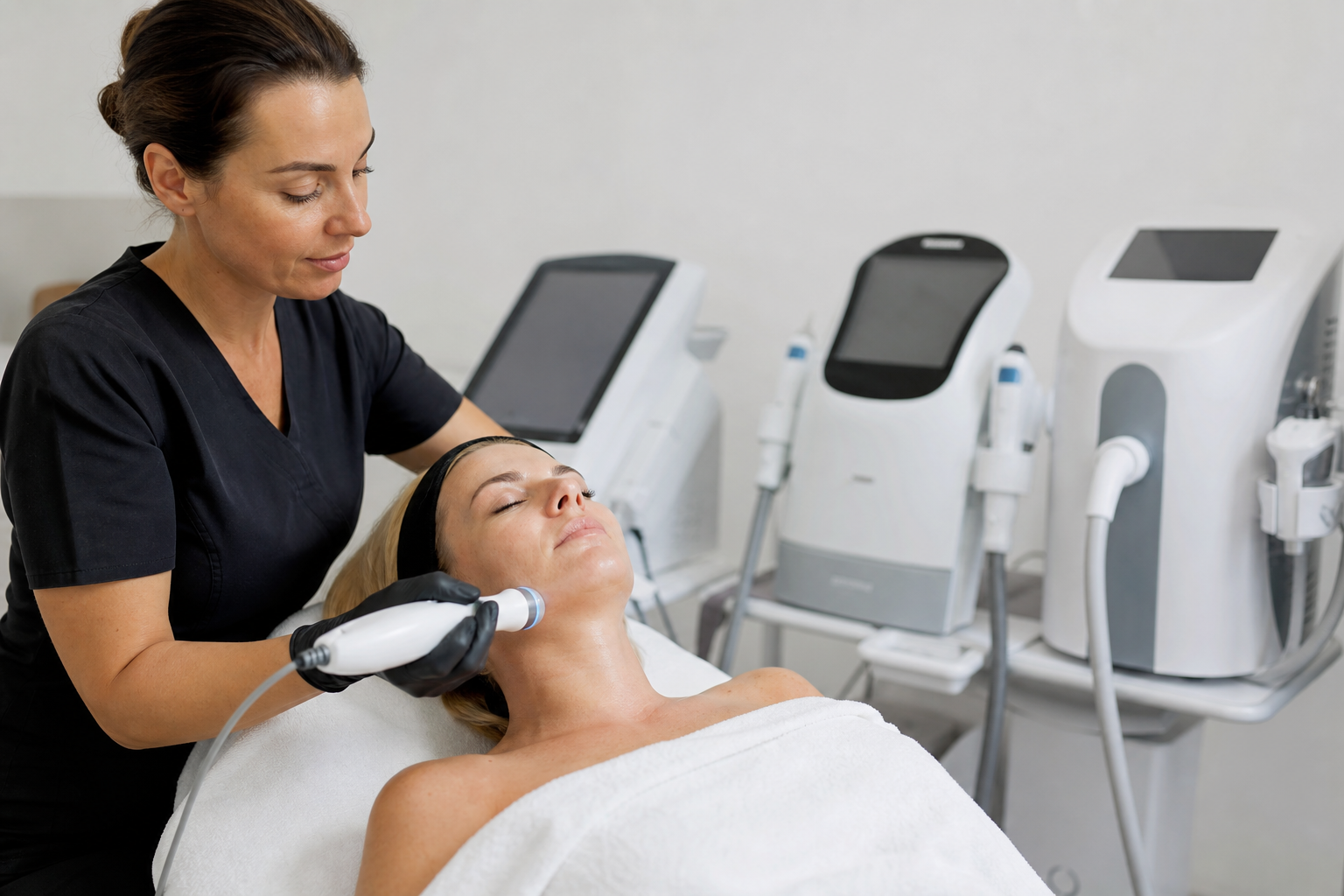
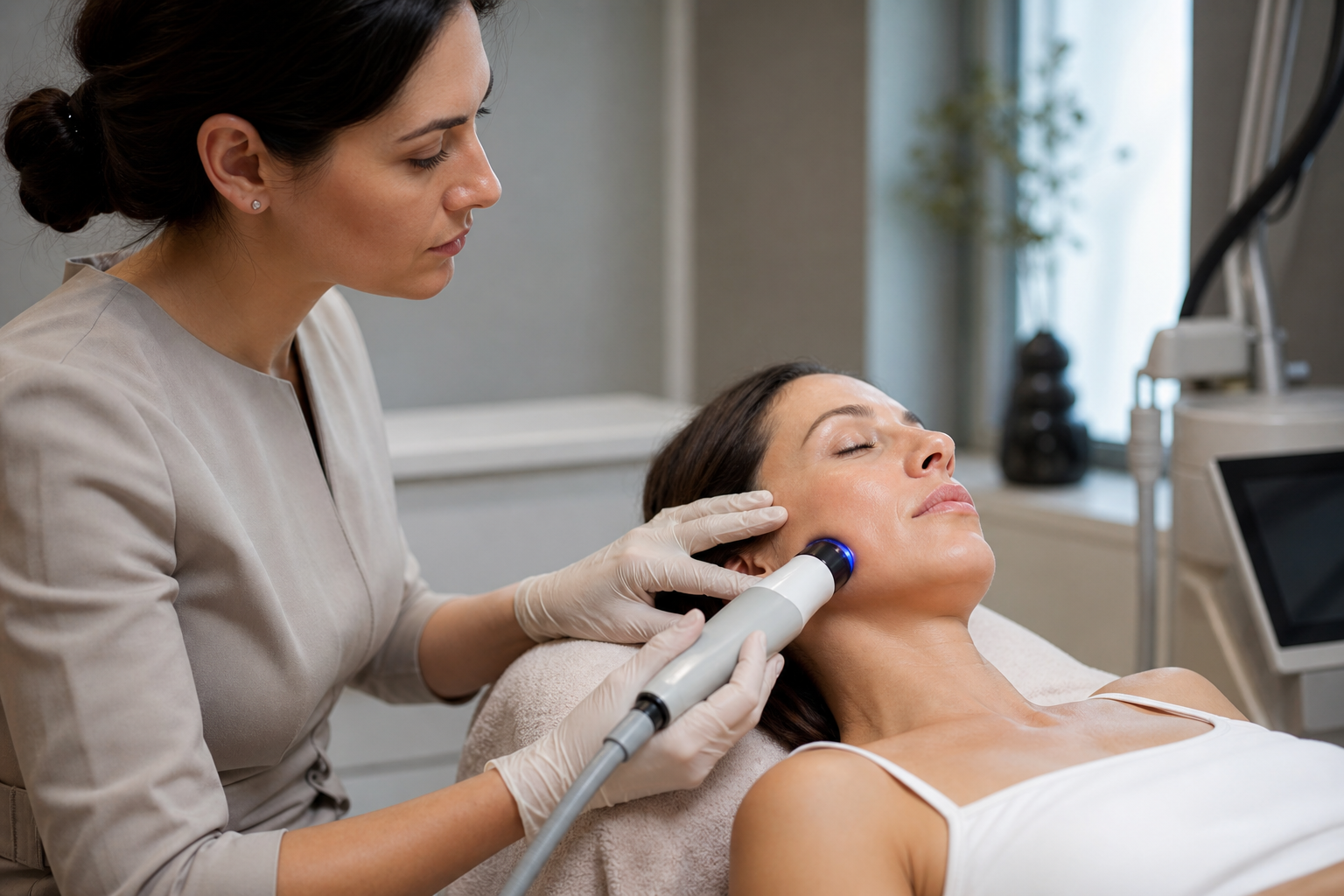
RF lifting uses radiofrequency waves to deliver controlled heat to the dermal layers beneath the skin's surface. Unlike surgical facelifts, which involve physical lifting and removal of excess skin, RF lifting stimulates the skin's inherent regenerative capacity by activating fibroblasts. Fibroblasts are specialized cells that produce collagen and elastin fibers, which provide structural support and elasticity.
The controlled thermal effect on the dermis promotes collagen remodeling and new collagen synthesis, resulting in tighter, smoother skin while enhancing overall skin texture and tone. Notably, the epidermis (outermost skin layer) remains largely unharmed due to the skin-cooling technologies integrated into RF devices, allowing for a safe and comfortable experience.
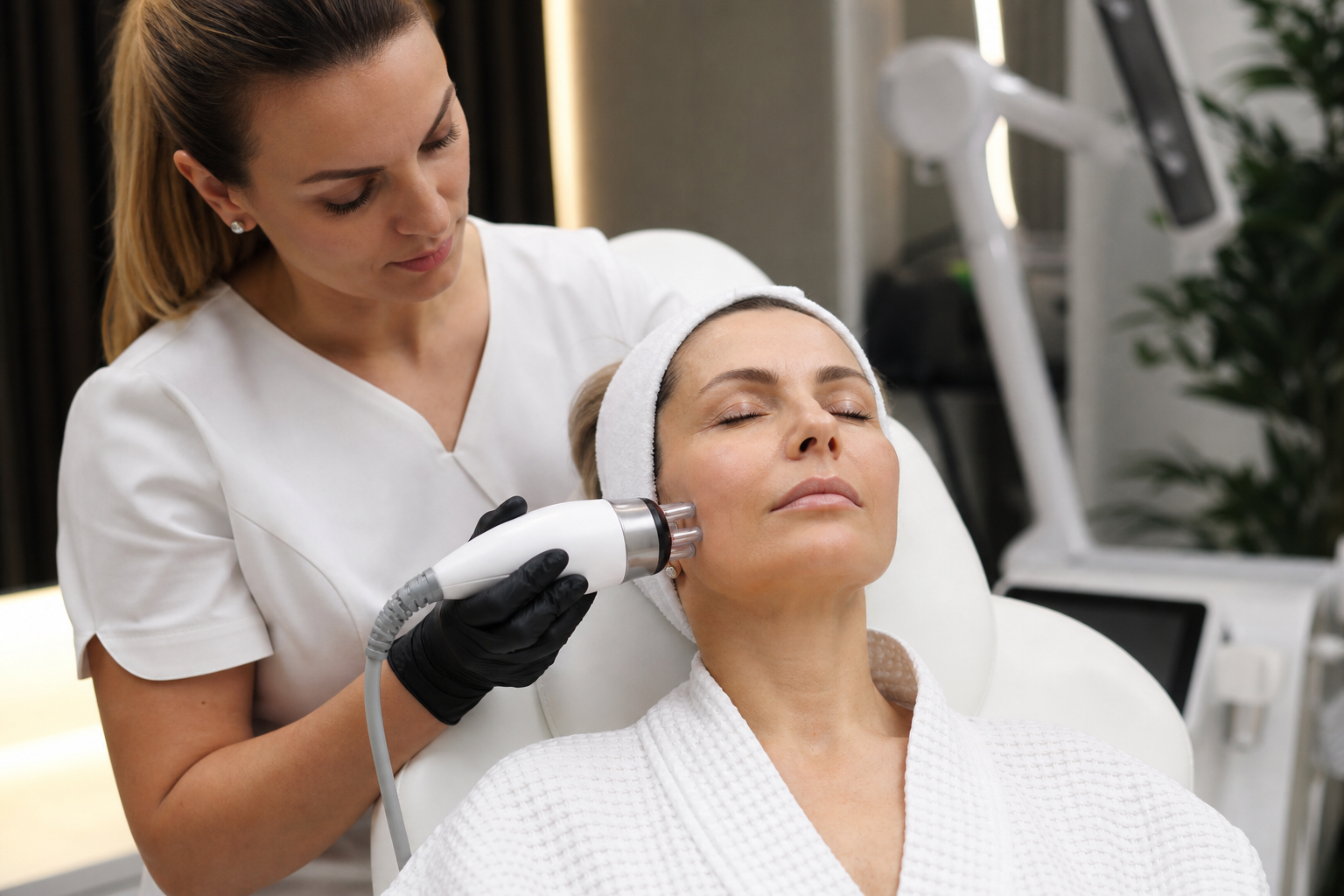
Several RF technologies exist, differentiated by their depth of penetration and method of delivery. Non-invasive RF treatments apply radiofrequency energy externally, primarily targeting superficial skin layers. Fractional RF without needles divides the radiofrequency energy into small zones, concentrating the effect to microscopic columns inside the skin, which maximizes collagen production while preserving healing zones.
RF microneedling combines radiofrequency energy with fine needle punctures, allowing direct energy delivery into deeper dermal layers for more intense collagen stimulation. This technique offers enhanced tightening and rejuvenation but typically involves a slightly longer recovery period than non-invasive methods.
Who Is an Ideal Candidate for RF Lifting?
RF lifting is suitable for adults experiencing early to moderate signs of skin aging, including mild to moderate laxity, fine lines, and loss of elasticity on the face, neck, or body. Individuals seeking subtle skin tightening without incisions or lengthy downtime often prefer RF treatments over surgical alternatives.
The treatment is versatile, benefiting those wanting to improve skin texture, diminish fine wrinkles, or reduce mild skin sagging. Additionally, RF therapies have applications in body contouring, such as cellulite reduction and localized fat tightening, making them appealing for broader cosmetic goals.
However, RF lifting is not a substitute for surgical intervention in cases of severe skin laxity or advanced aging signs. Patients must have realistic expectations; RF treatments provide gradual improvements as the body's collagen production is stimulated over weeks and months rather than instant results.
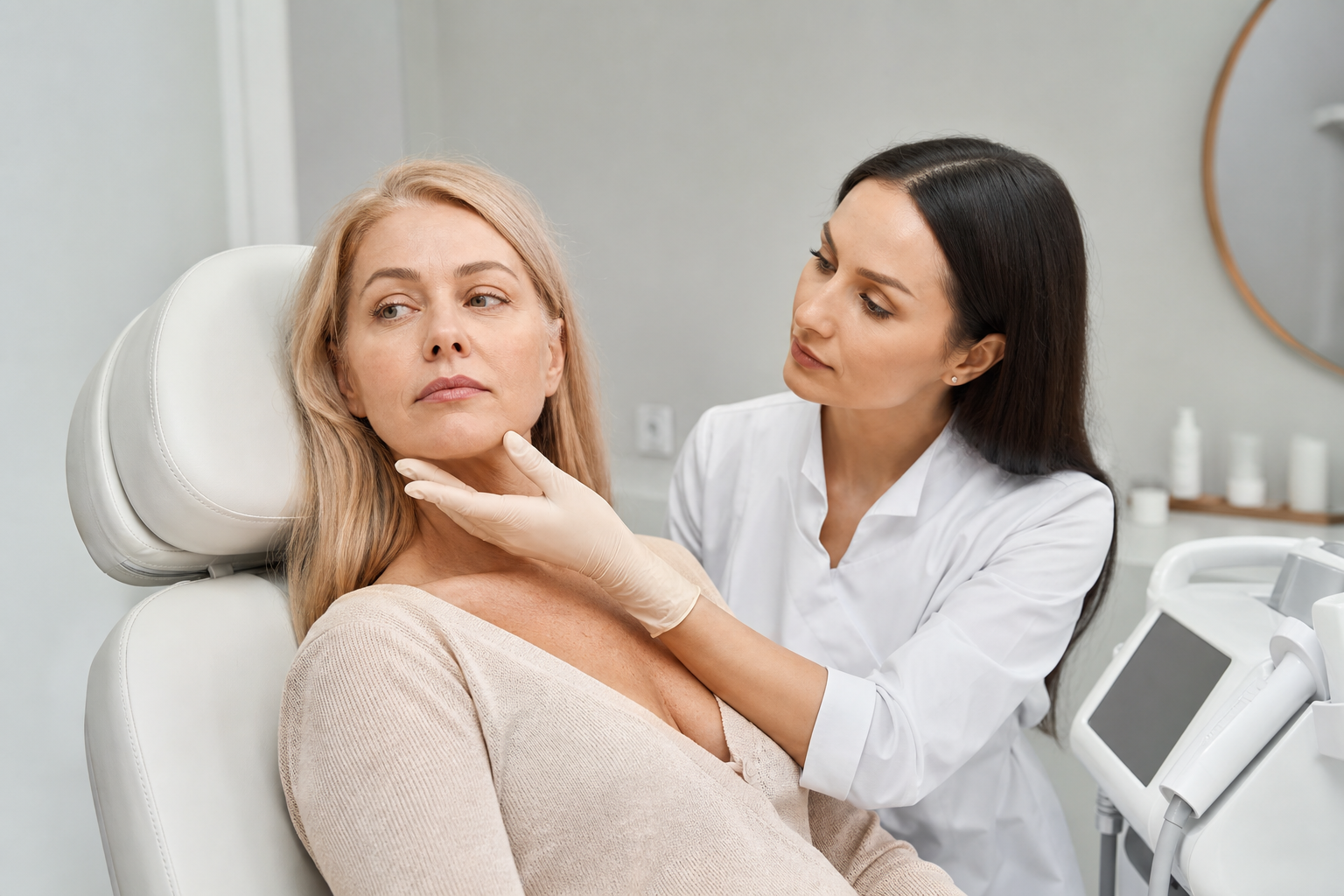
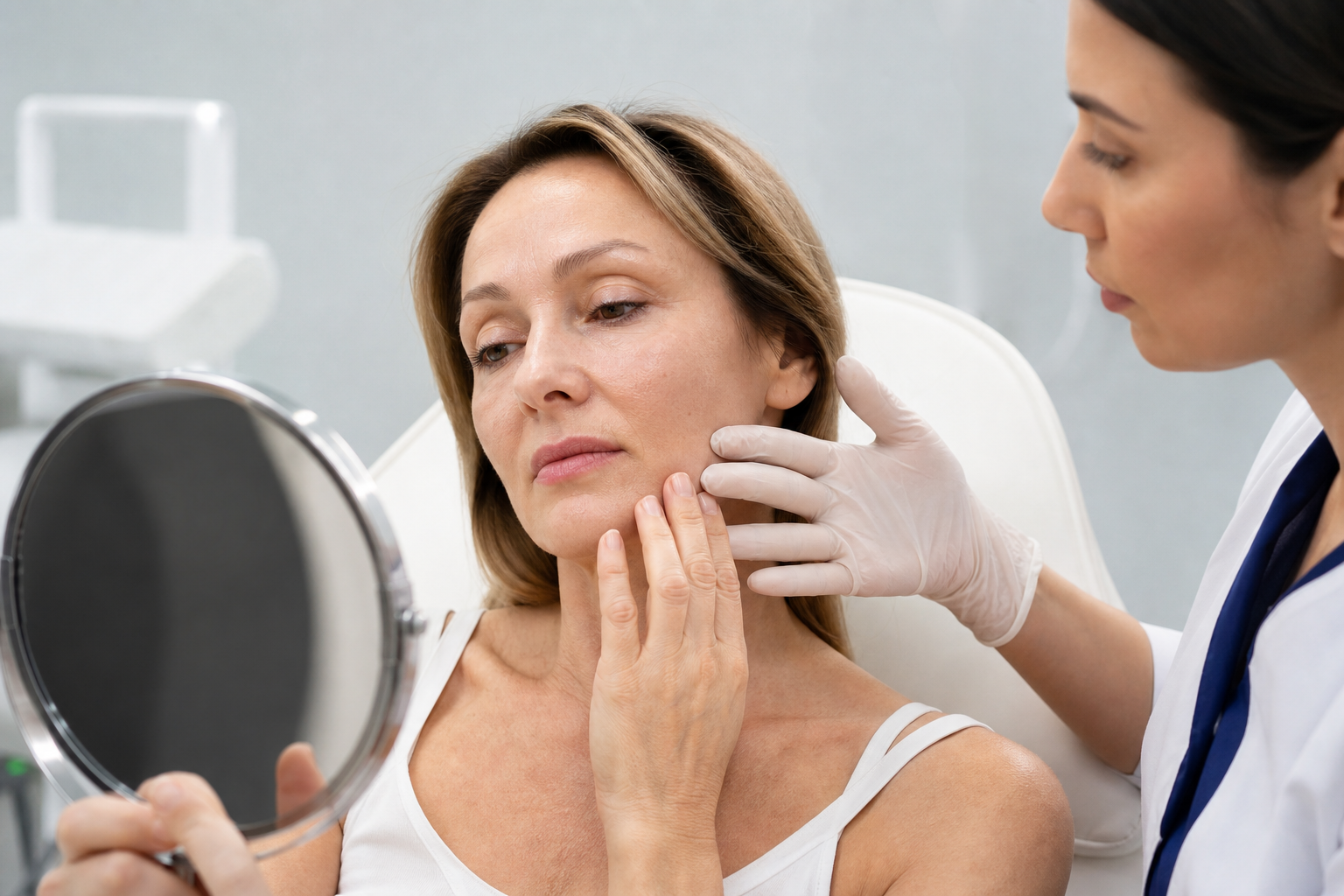
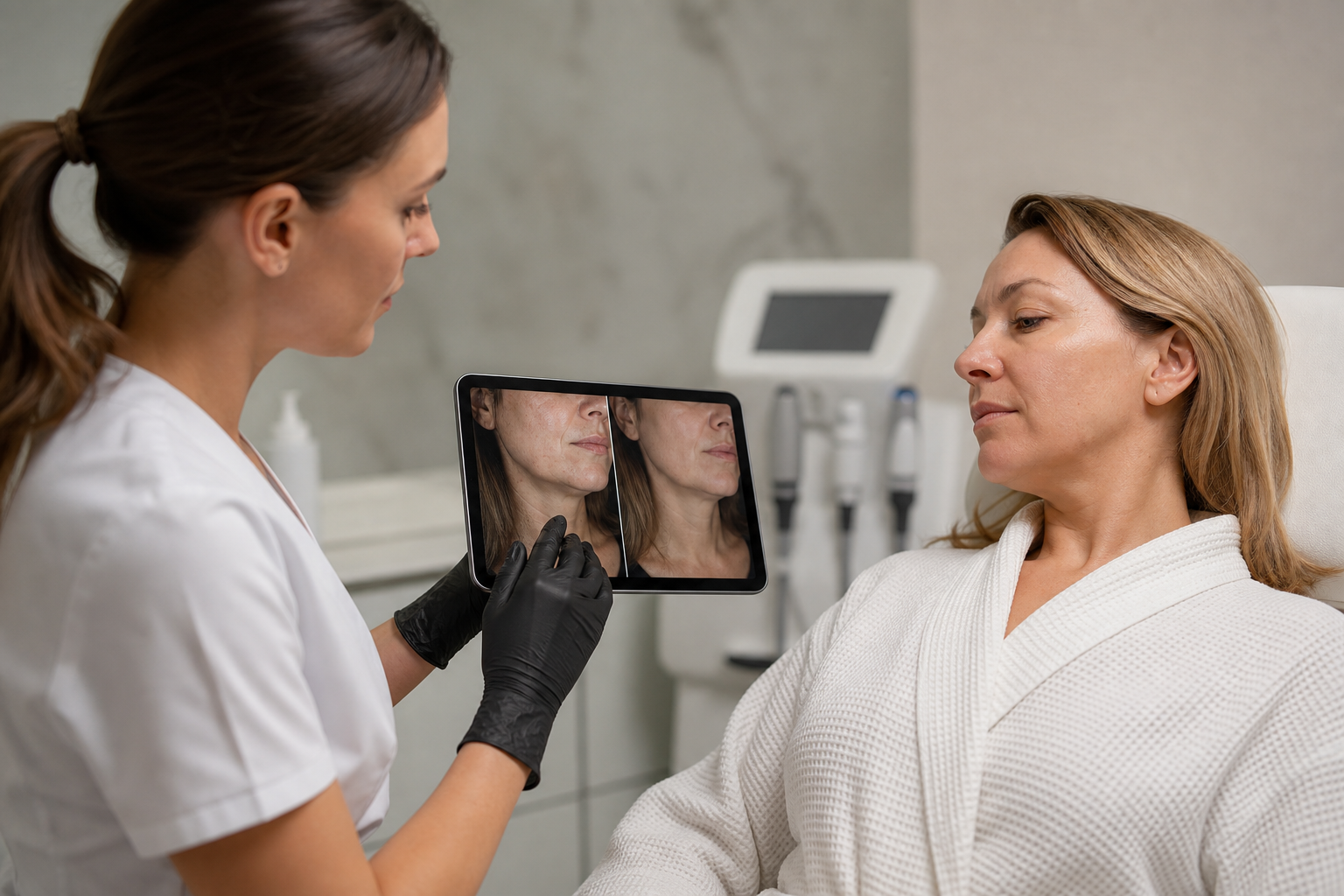
Proper evaluation by a skincare professional or physician experienced in RF treatments is essential to determine candidacy. This assessment ensures the chosen RF technology and treatment plan align with the patient’s skin condition, medical history, and aesthetic goals.
What Are the Potential Risks and Complications Associated with RF Lifting?
While RF lifting is generally considered safe, potential risks and side effects must be acknowledged. The primary concern arises from the heat delivered into skin layers, which, if improperly administered, can lead to superficial or deep tissue burns. Such burns may occur due to incorrect device settings, inadequate skin contact, or practitioner inexperience.
Common mild side effects include transient redness, swelling, tingling, or warmth at the treatment site. These symptoms typically resolve within hours to a few days following the procedure. Rarely, more pronounced adverse events such as blistering, pigmentation changes, or scarring can occur, particularly in individuals with sensitive skin or when contraindications are overlooked.
Specific risks vary with the type and invasiveness of the RF technique used. For example, RF microneedling carries a slightly higher risk profile due to the mechanical skin punctures combined with heat exposure, necessitating stringent hygiene protocols to avoid infection.
Patient factors such as skin type, underlying medical conditions, and previous skin treatments also influence the likelihood of complications. Comprehensive consultation and proper pre-treatment evaluation help minimize these risks.
What Are the Contraindications for Undergoing RF Lifting?
Certain medical conditions and circumstances make RF lifting unsafe or inadvisable. Firstly, individuals with implanted electronic medical devices such as pacemakers or defibrillators should avoid RF treatments because the radiofrequency energy may interfere with device function.
Pregnancy and breastfeeding are generally considered contraindications due to the lack of sufficient safety data on RF exposure during these periods. Additionally, patients with active skin infections, inflammatory skin diseases, open wounds, or severe chronic medical conditions need to postpone or avoid treatment until suitably resolved.
Metal implants or prosthetics located in or near the treatment area pose risks due to potential heating of metal components, which can damage surrounding tissues. A thorough medical history review is crucial to identify these and other contraindications before proceeding with RF lifting.
How Can One Choose the Right Specialist for RF Lifting?
The qualifications and expertise of the person performing RF lifting profoundly impact treatment safety and outcomes. Selecting a licensed dermatologist, plastic surgeon, or certified aesthetic practitioner with experience in the specific RF technology intended is essential.
Prospective patients should research clinics or practices to ensure that they use FDA-approved or scientifically validated RF devices. Availability of consultation sessions to discuss individualized treatment plans and thorough explanation of the procedure, risks, and expected results is also an indicator of professional care standards.
Reviews, testimonials, and before-and-after photographs can provide insight into a practitioner’s skill and patient satisfaction. Additionally, assessing whether the practitioner maintains ongoing education about advances in RF technologies and safety protocols is advisable.
Balances between cost, expertise, and safety should guide the decision-making process. Choosing a reputed specialist reduces risks of complications like burns or ineffective treatment results and supports a comfortable, informed patient experience.
What Are the Expected Outcomes and Recovery After RF Lifting?
Unlike surgical procedures, the results of RF lifting accrue gradually over time. Collagen remodeling stimulated by RF energy typically manifests as firmer, more elastic skin appearing weeks to months after multiple treatment sessions. Improvement often continues for up to six months post-treatment.
The non-invasive nature of most RF treatments means minimal downtime, allowing patients to resume normal activities immediately or shortly following the procedure. Mild redness or swelling resolving within a day or two are common but short-lived side effects.
Maintenance sessions may be recommended every several months or annually to sustain and enhance results, depending on individual aging processes and lifestyle factors such as sun exposure and skin care routines.
Optimal outcomes are achieved when RF lifting is integrated into a holistic skin care and anti-aging regimen tailored to the patient’s needs.