Facial RF lifting has emerged as a transformative advancement in the realm of aesthetic skin treatments, offering a non-invasive solution that harnesses the power of radiofrequency energy to rejuvenate and tighten the skin. Unlike traditional surgical facelifts, which involve incisions, significant recovery time, and higher risks, RF facial lifting presents a safer and more accessible option for individuals seeking to restore youthful skin elasticity without undergoing surgery. This procedure primarily targets those experiencing early to moderate signs of aging, such as mild sagging, loss of tone, and fine wrinkles, making it suitable for people looking to enhance their appearance while maintaining a natural look.
The significance of this technology lies in its capacity to stimulate the skin’s intrinsic regenerative processes, promoting the production of collagen and elastin—two vital proteins responsible for skin firmness and elasticity. As we age, collagen synthesis declines, leading to the gradual sagging and wrinkling of skin. By applying focused radiofrequency energy, facial RF lifting induces controlled heating of the dermal layers, prompting fibroblasts to generate new collagen fibers. This process results in improved skin texture, tighter contours, and a revitalized complexion. In an era where minimally invasive cosmetic procedures are increasingly desired, understanding the mechanics, benefits, and considerations of RF skin tightening is essential for anyone exploring effective skin rejuvenation methods.
What Is Facial RF Lifting and How Does Radiofrequency Work in the Skin?
Facial RF lifting, also known as radiofrequency skin tightening, is a procedure that utilizes electromagnetic waves in the radiofrequency spectrum to penetrate the skin selectively and generate controlled thermal energy within the deeper dermal and subdermal layers. This energy results in localized heating, which is a critical trigger for skin rejuvenation. Unlike laser treatments that primarily target water or pigment chromophores, radiofrequency energy heats tissue via resistance, allowing it to affect a broader set of skin components without damaging the surface.
When the radiofrequency energy is applied, it raises the temperature of the skin’s collagen-rich layers to approximately 39–43 degrees Celsius. This heat causes immediate contraction of collagen fibers, offering a temporary skin tightening effect. More importantly, it activates fibroblasts, the skin cells responsible for collagen and elastin production, initiating a cascade of biological events that stimulate new collagen synthesis over weeks to months. This natural remodeling process contributes to long-term improvements in skin density, elasticity, and overall firmness.
Furthermore, the heating effect enhances microcirculation and lymphatic drainage, which supports nutrient delivery and waste removal within the skin. These benefits combine to enhance skin tone, texture, and radiance, offering an all-encompassing approach to facial rejuvenation without incisions, injections, or extended recovery time.
Who Is an Ideal Candidate for RF Facial Lifting?
RF facial lifting is primarily suited for individuals who seek moderate skin tightening and rejuvenation without the risks and downtime associated with surgery. The ideal candidates typically display early signs of aging such as slight to moderate skin laxity, fine lines, minor wrinkles, and uneven skin texture but retain substantial skin elasticity. This treatment is favored by clients who prefer gradual, natural-looking results rather than dramatic changes.
People who are not yet at the stage requiring surgical intervention but desire a non-invasive option to refresh their appearance find RF lifting particularly appealing. It is also an excellent choice for those who might not be eligible for surgery due to medical contraindications or those who wish to avoid anesthesia and post-operative recovery.
However, RF lifting is not recommended for individuals with active infections in the treatment area, implanted electronic devices like pacemakers, pregnant women, or those with specific skin disorders without prior medical consultation. Patients must have realistic expectations and understand that while RF can significantly improve skin firmness and appearance, it is not a substitute for surgical facelifts in cases of advanced skin sagging.
Different Types of RF Treatments and Their Characteristics
The spectrum of RF technologies offers a variety of methods distinguished by their invasiveness, energy delivery techniques, and treatment depth. Understanding these distinctions enables personalized treatment plans compatible with individual skin conditions and aesthetic goals.
Non-Invasive RF Treatments: These utilize external electrodes placed on the skin surface that emit radiofrequency waves, heating the dermis without breaching the epidermis. They are painless, require no downtime, and are ideal for general skin tightening and texture improvement. Applications typically last 30 to 60 minutes per session.
Fractional RF Without Needles: This approach combines RF energy with fractional technology, creating microscopic areas of thermal damage in the skin. These targeted points stimulate a stronger remodeling response by inducing controlled injury while sparing surrounding tissue, accelerating collagen production with enhanced efficacy compared to fully non-invasive methods.
RF Microneedling: In this minimally invasive technique, tiny needles penetrate the skin to deliver RF energy directly into deeper layers. This direct stimulation is particularly effective for treating deeper wrinkles, acne scars, and uneven skin texture, combining mechanical injury from needles with thermal energy for dual stimulation of skin regeneration.
Combination and Minimally Invasive Procedures: Some treatments integrate RF with other modalities such as injection therapies, laser resurfacing, or ultrasound to tackle more advanced signs of aging. These hybrid approaches tailor sitz-dependent interventions that provide synergistic benefits for clients with complex skin concerns.
How Does Radiofrequency Energy Affect Collagen and Elastin?
The key to RF facial lifting’s efficacy lies in its direct influence on the skin’s fundamental structural proteins: collagen and elastin. Collagen provides tensile strength, while elastin imparts elasticity, enabling skin to stretch and return to its original form. Both proteins decline in quantity and quality with age due to intrinsic factors like genetics and extrinsic insults such as UV exposure.
When exposed to the controlled heat produced by RF energy, existing collagen fibers undergo immediate contraction because heat breaks some of the hydrogen bonds causing fibers to shrink. This accounts for the instant tightening effect following treatment. More importantly, heat serves as a potent stimulus for fibroblasts, awakening these cells to accelerate synthesis of new collagen and elastin fibers.
This neocollagenesis and elastinogenesis lead to a gradual thickening of the dermis and increased skin resilience over time. Additionally, remodeling of the extracellular matrix enhances skin architecture, contributing to a smoother surface and diminished wrinkles. The process can persist for several months post-treatment, allowing continuous skin improvement.
What Are the Benefits and Limitations of Facial RF Lifting?
Benefits:
Facial RF lifting boasts several advantages that make it a sought-after choice in aesthetic medicine:
1. Non-Invasiveness and Safety: Without surgical incisions or anesthesia, it significantly reduces the risk of complications and eliminates downtime, enabling everyday activities post-treatment.
2. Versatility Across Skin Types: RF energy can be adjusted for various skin tones with a minimal risk of pigmentation changes, unlike laser treatments which require caution in darker skin.
3. Gradual and Natural Results: Rather than abrupt, artificial enhancements, RF facilitates subtle rejuvenation fostering natural skin texture and contours.
4. Short Procedure Time: Treatments usually last under an hour, with multiple sessions spaced weeks apart to maximize collagen remodeling.
Limitations:
Despite its merits, RF lifting presents certain drawbacks worth considering:
1. Incremental Improvement: It does not provide the dramatic lifting effect a surgical facelift offers, making it less suitable for advanced aging or severe sagging.
2. Multiple Sessions Required: Optimal benefits arise from a series of treatments, necessitating patience and commitment from the patient.
3. Variable Individual Response: Outcomes depend on factors such as age, skin condition, lifestyle, and genetics — meaning results can vary widely.
What Happens During a Typical RF Facial Treatment Session?
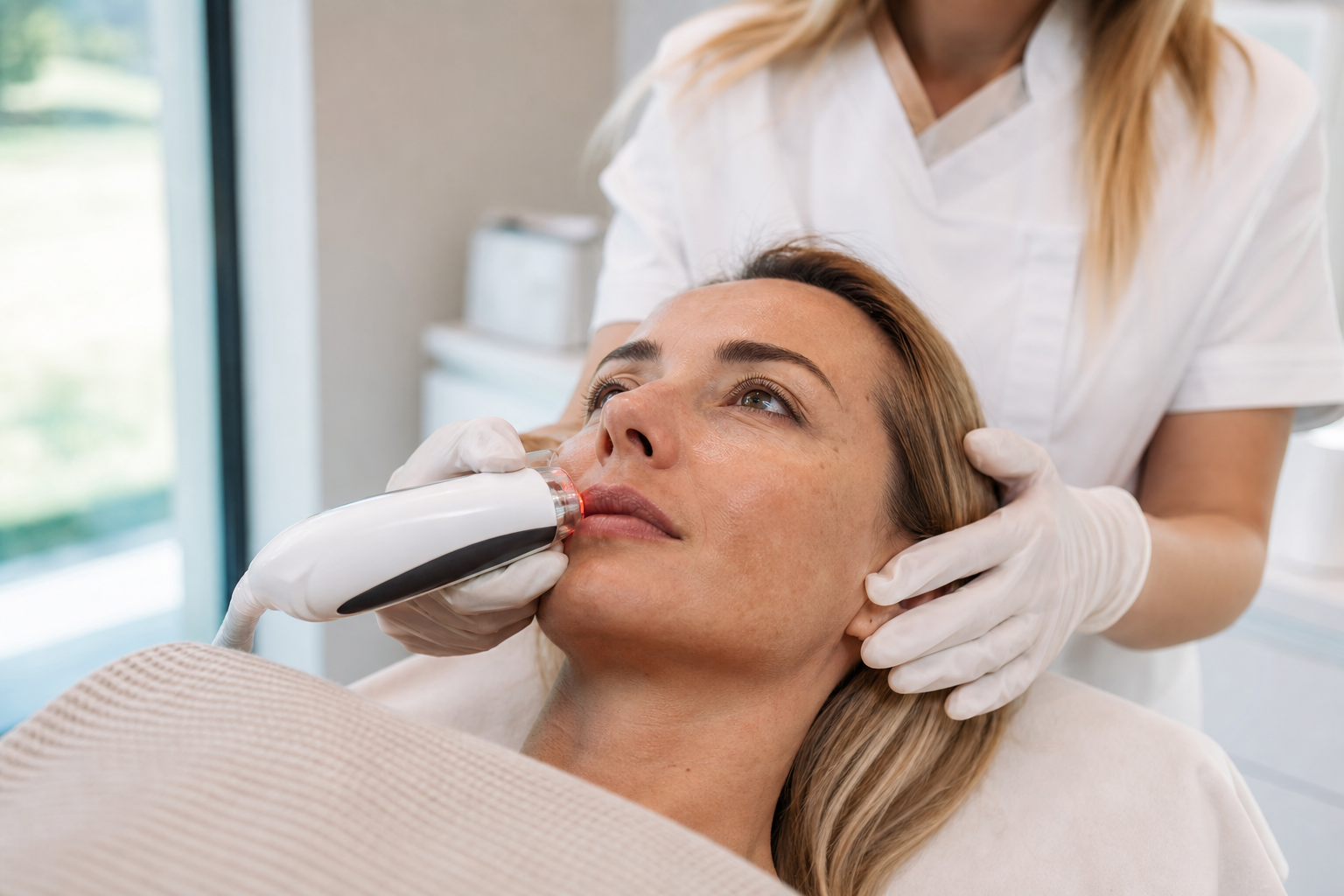
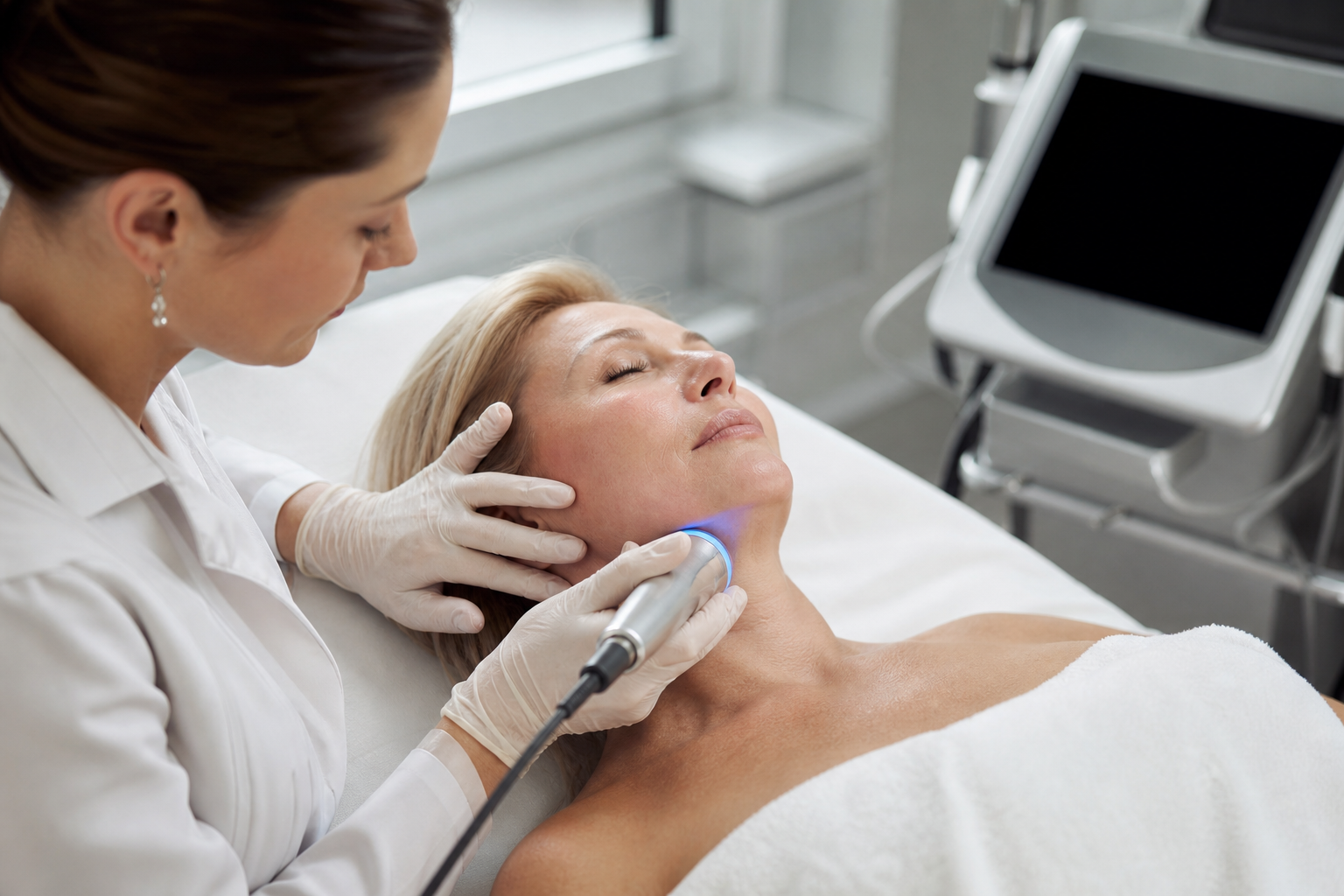
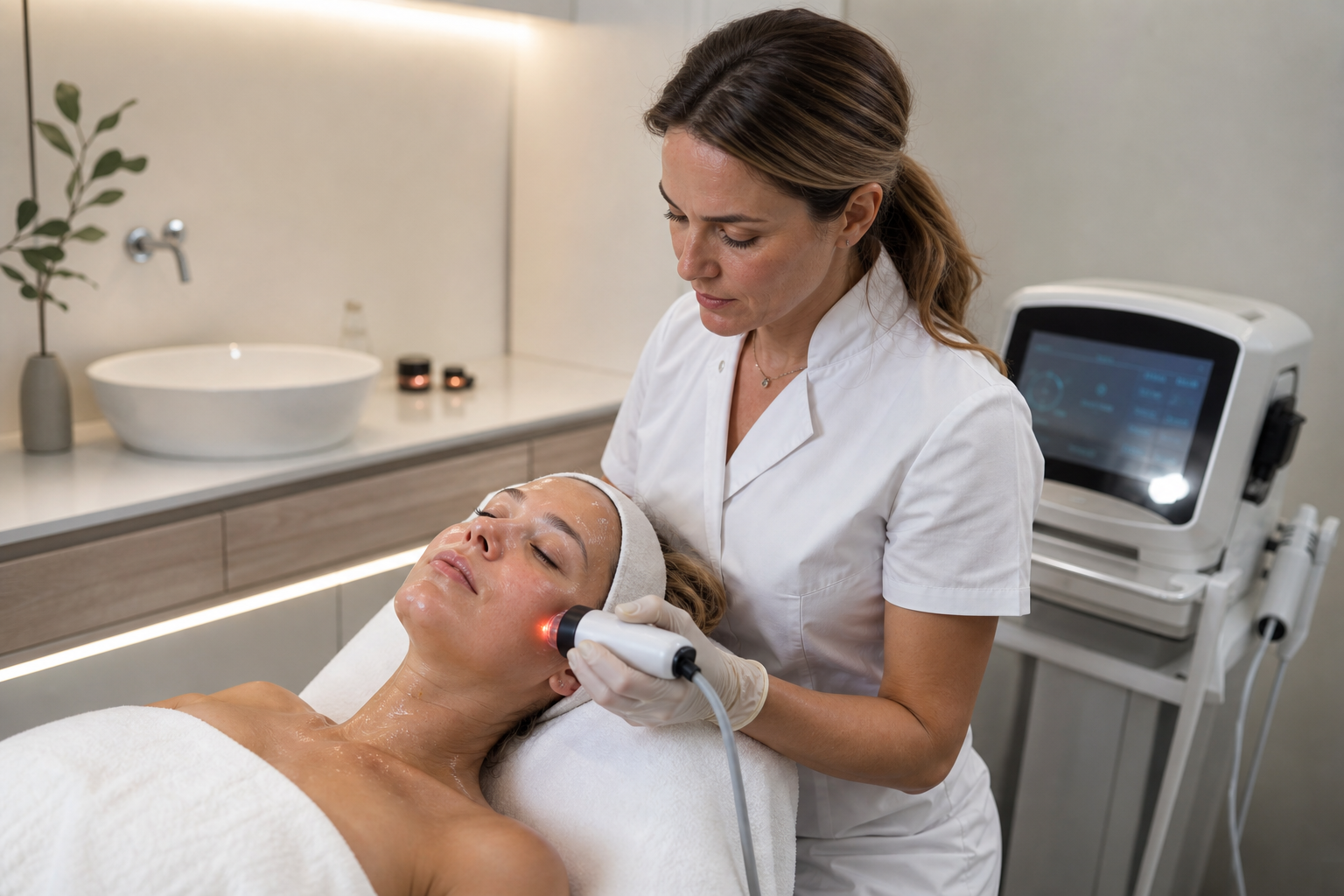
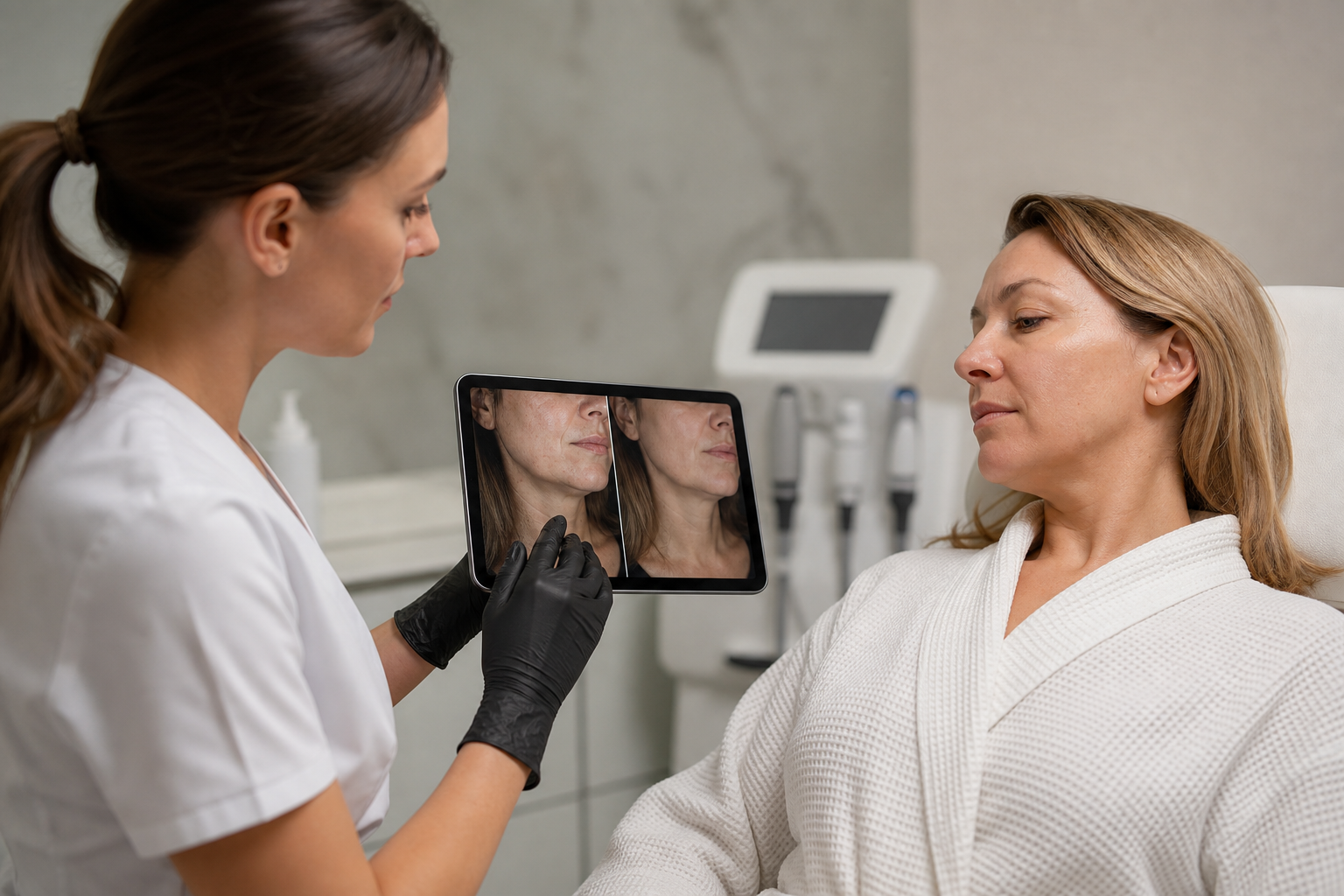
The experience of undergoing RF facial lifting is straightforward and generally well-tolerated. After an initial consultation and skin assessment, the treatment area is cleansed and prepared. A conductive gel may be applied to facilitate the transmission of radiofrequency waves and ensure even heat distribution.
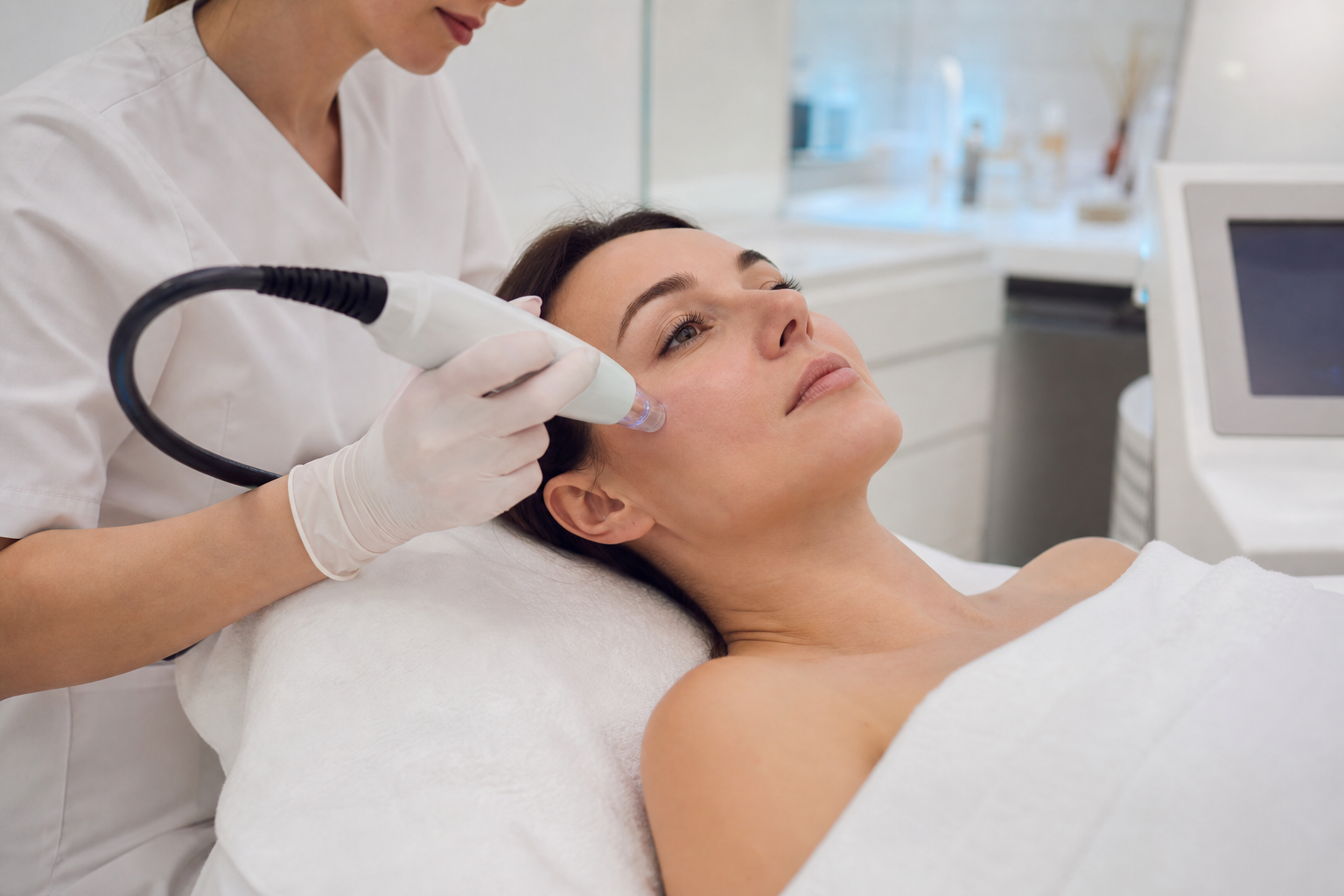
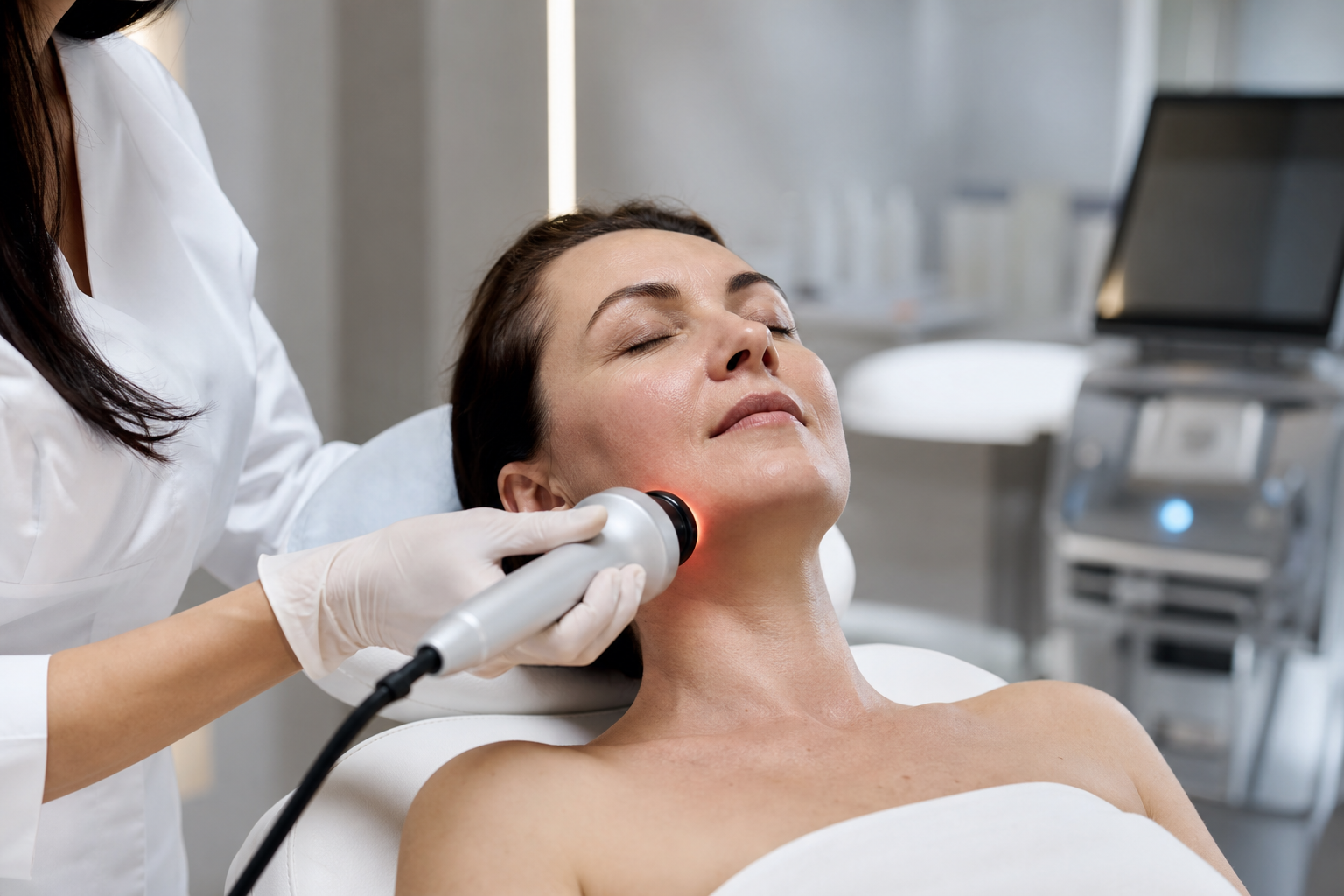
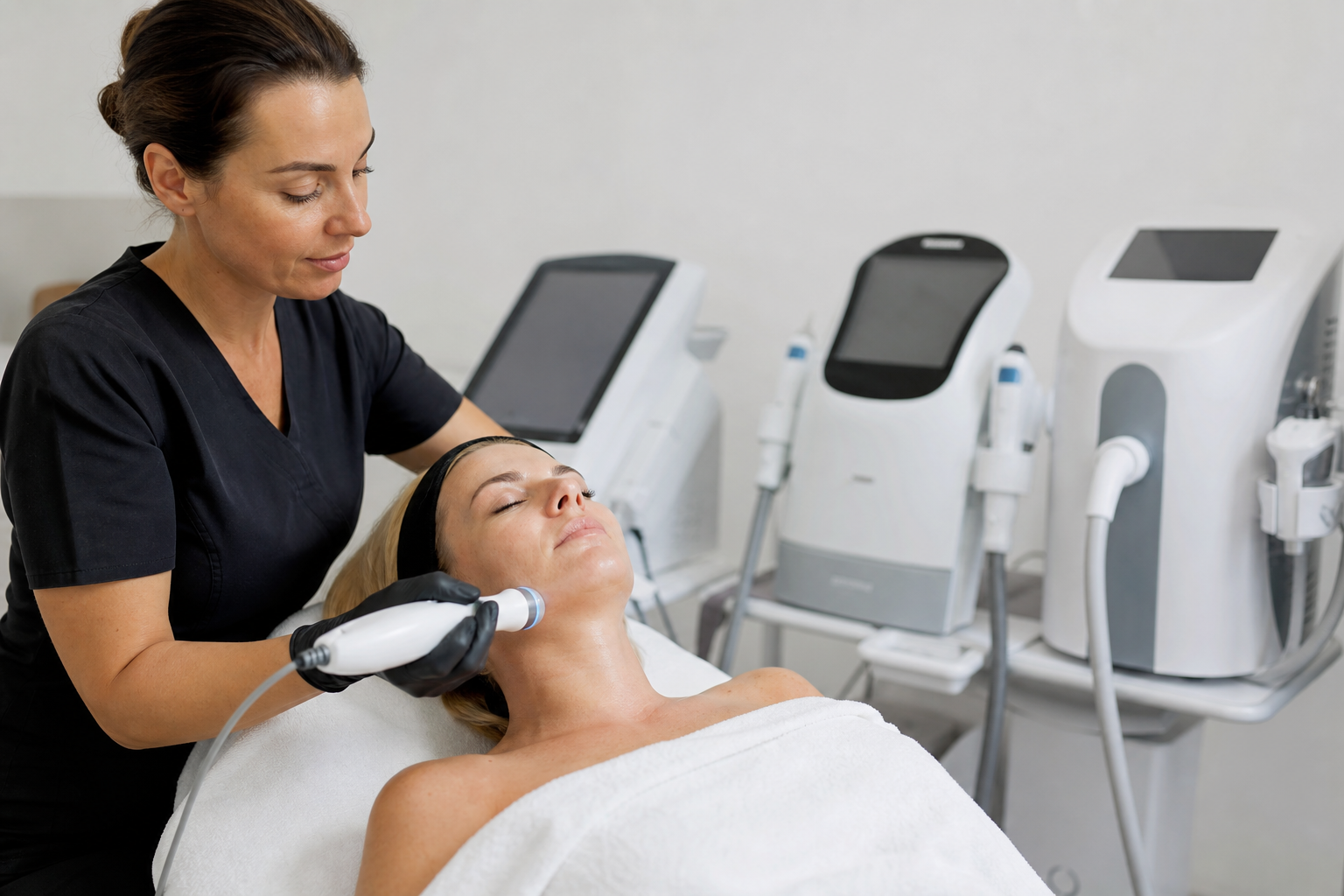
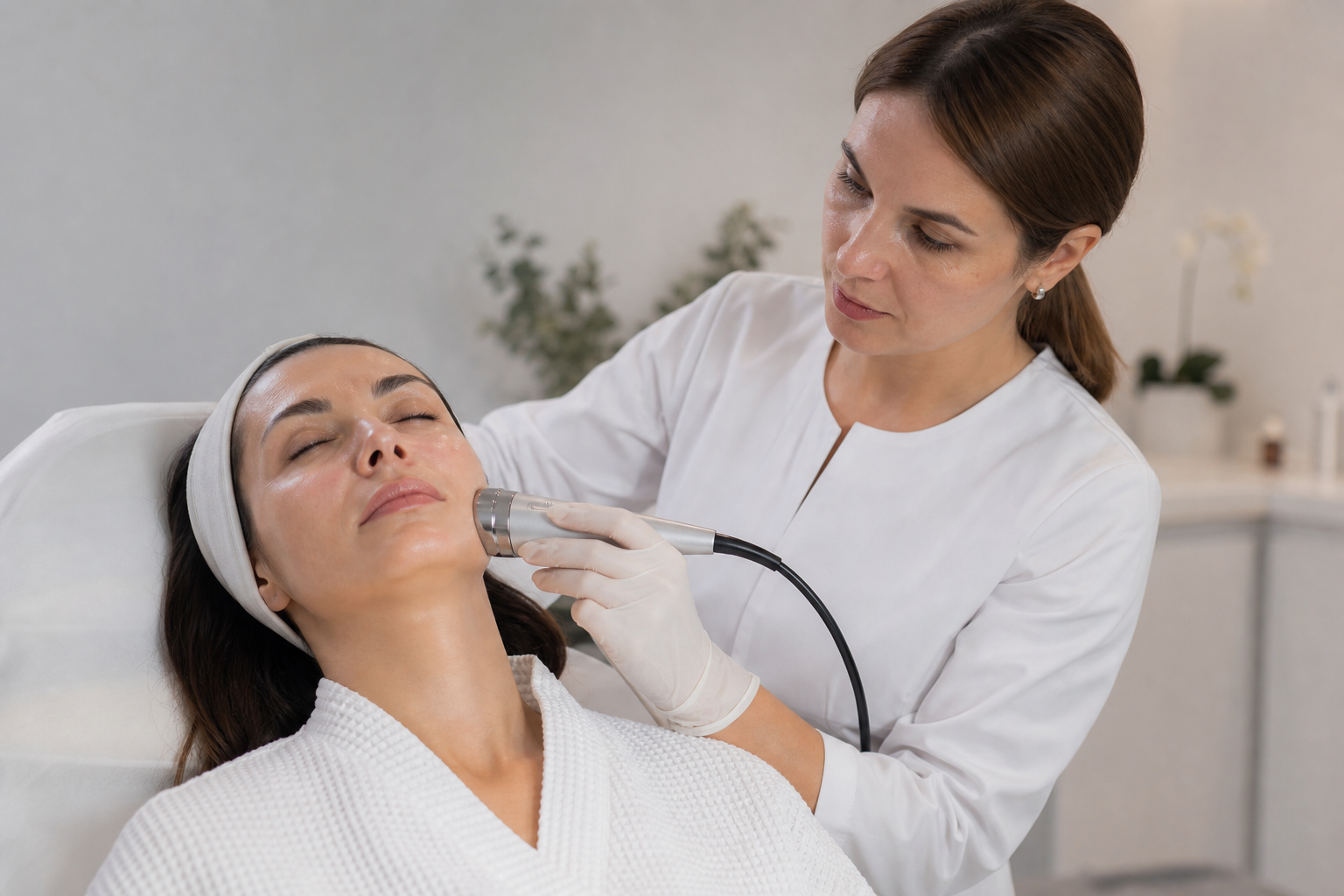
The practitioner then uses a handheld device equipped with electrodes to deliver RF energy through the skin surface. During the procedure, patients typically sense a warm, soothing sensation as the deeper layers reach the therapeutic temperature threshold. Most find the treatment comfortable, though settings can be adjusted based on tolerance.
Sessions usually last between 30 and 60 minutes, depending on the extent of the area treated. Following the procedure, mild redness or a warming sensation may persist temporarily but resolves quickly. Patients can resume normal activities immediately, avoiding sun exposure and using gentle skincare products to support recovery.
Frequently Asked Questions About RF Facial Lifting
Does RF lifting really tighten the face?
Yes, RF lifting promotes collagen contraction and regeneration which results in firmer, tighter skin. The degree of tightening depends on individual factors and the severity of skin laxity.
How deep does radiofrequency energy penetrate the skin?
RF energy typically affects tissues ranging from 2 to 6 millimeters beneath the surface, encompassing the dermis and upper subcutaneous layers where collagen fibers reside.
Is RF lifting the same as a surgical facelift?
No, RF lifting is non-invasive and yields more subtle improvements over time, whereas facelifts involve surgical removal and repositioning of skin, producing immediate and dramatic results.
Does RF treatment stimulate new collagen production?
Absolutely, by inducing controlled heating, RF activates fibroblast cells to synthesize new collagen and elastin, underpinning its rejuvenating effects.
Is there downtime after an RF lifting session?
Most patients experience no significant downtime and can return to regular routines immediately. Transient redness or mild swelling can occur but usually resolves within hours.