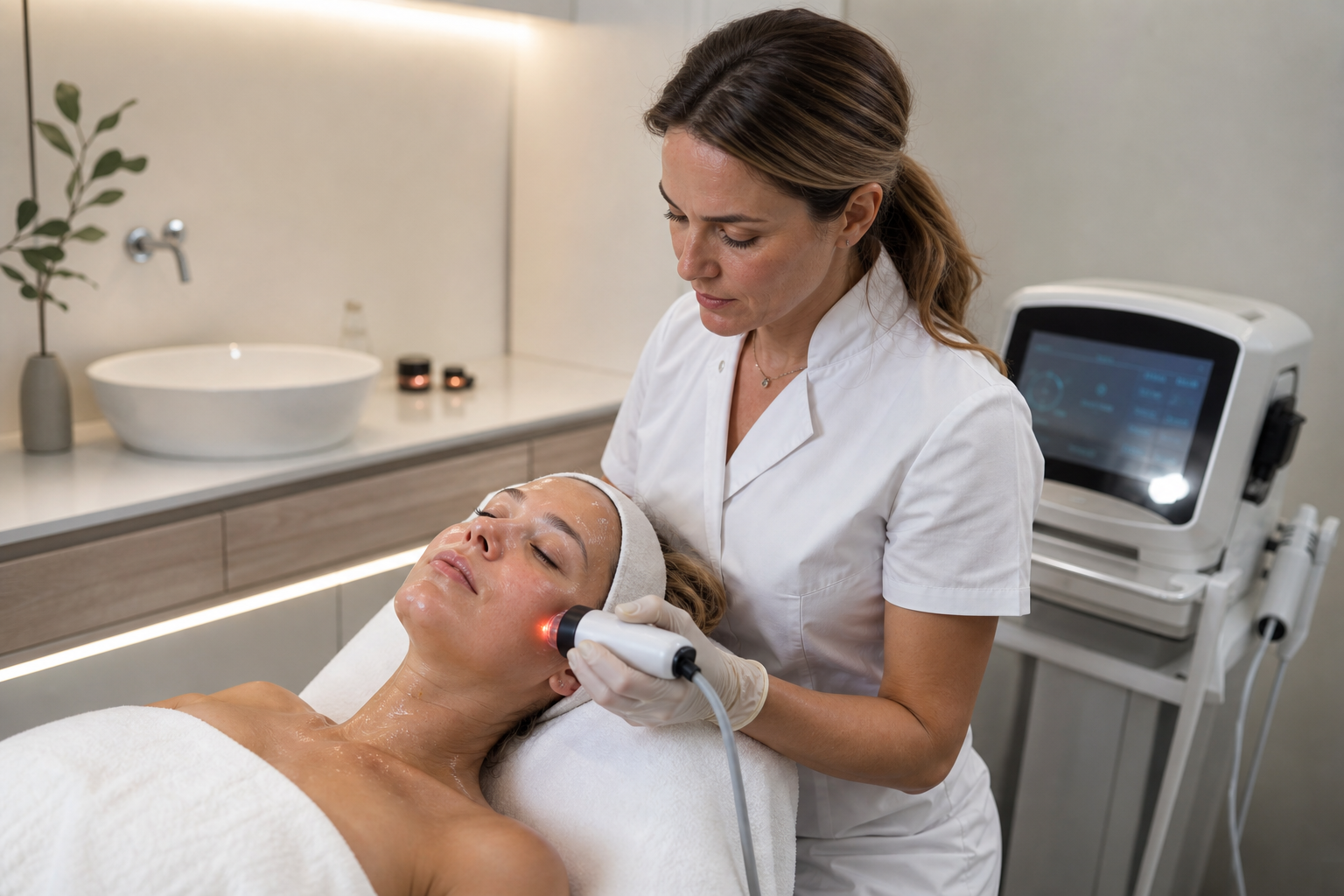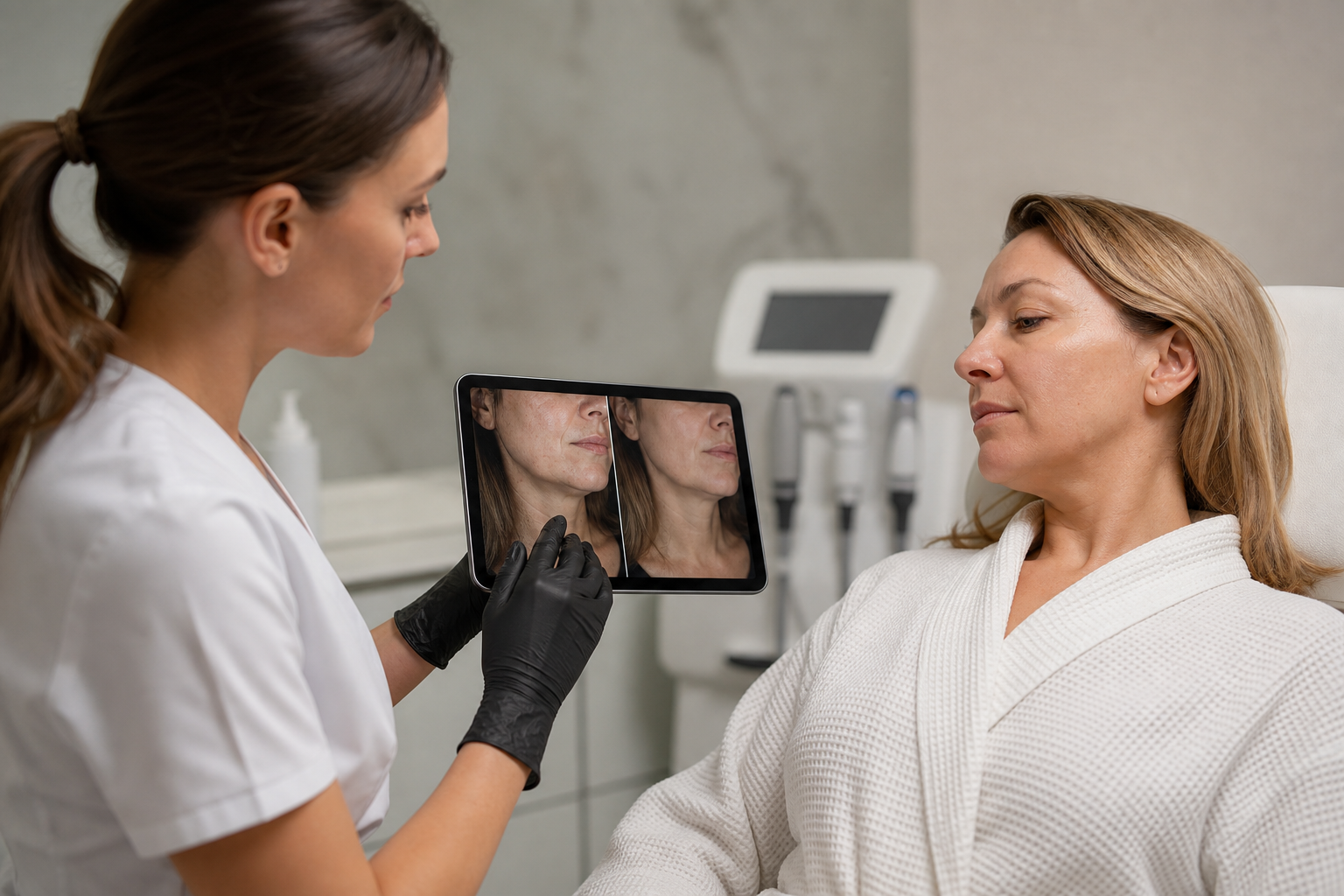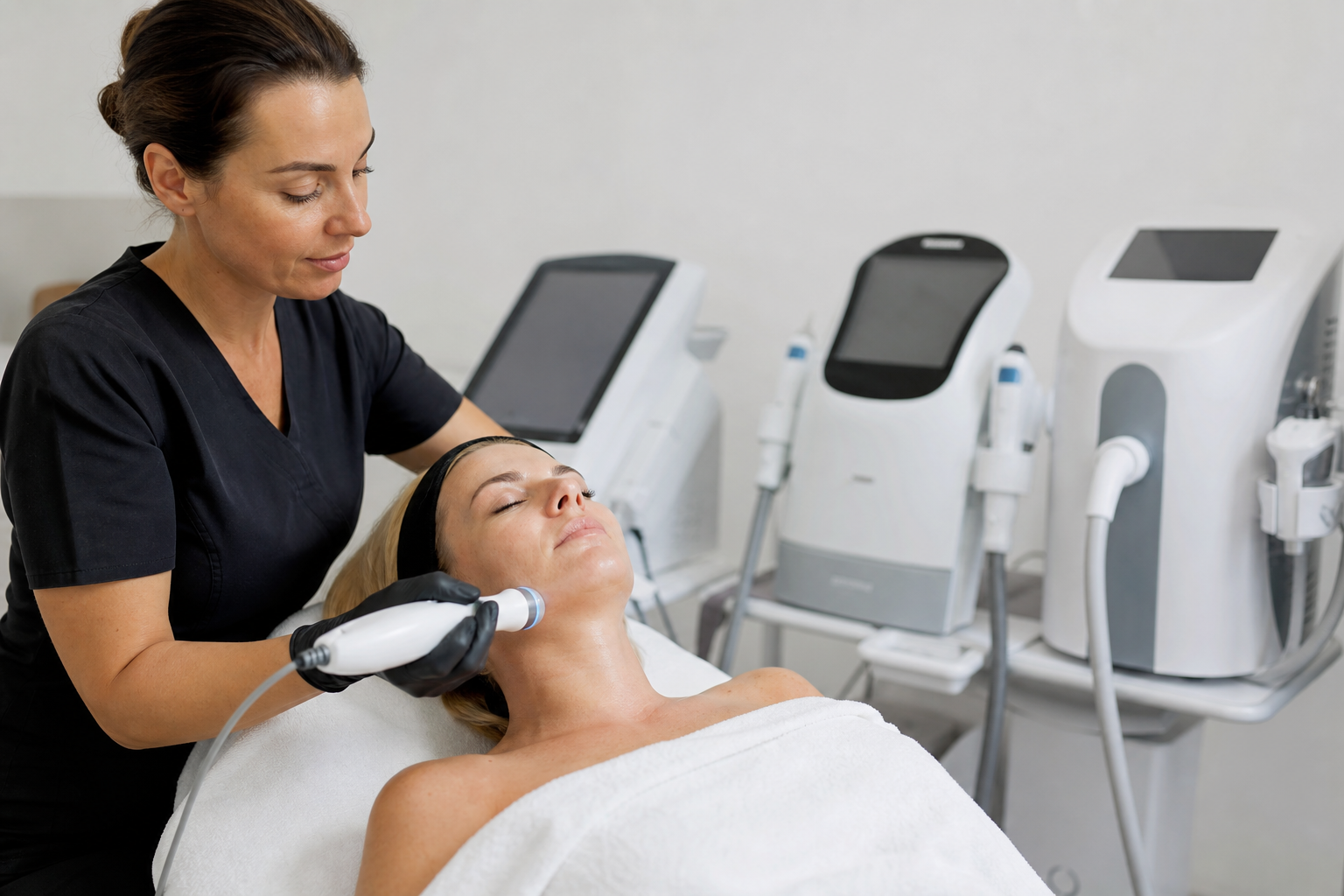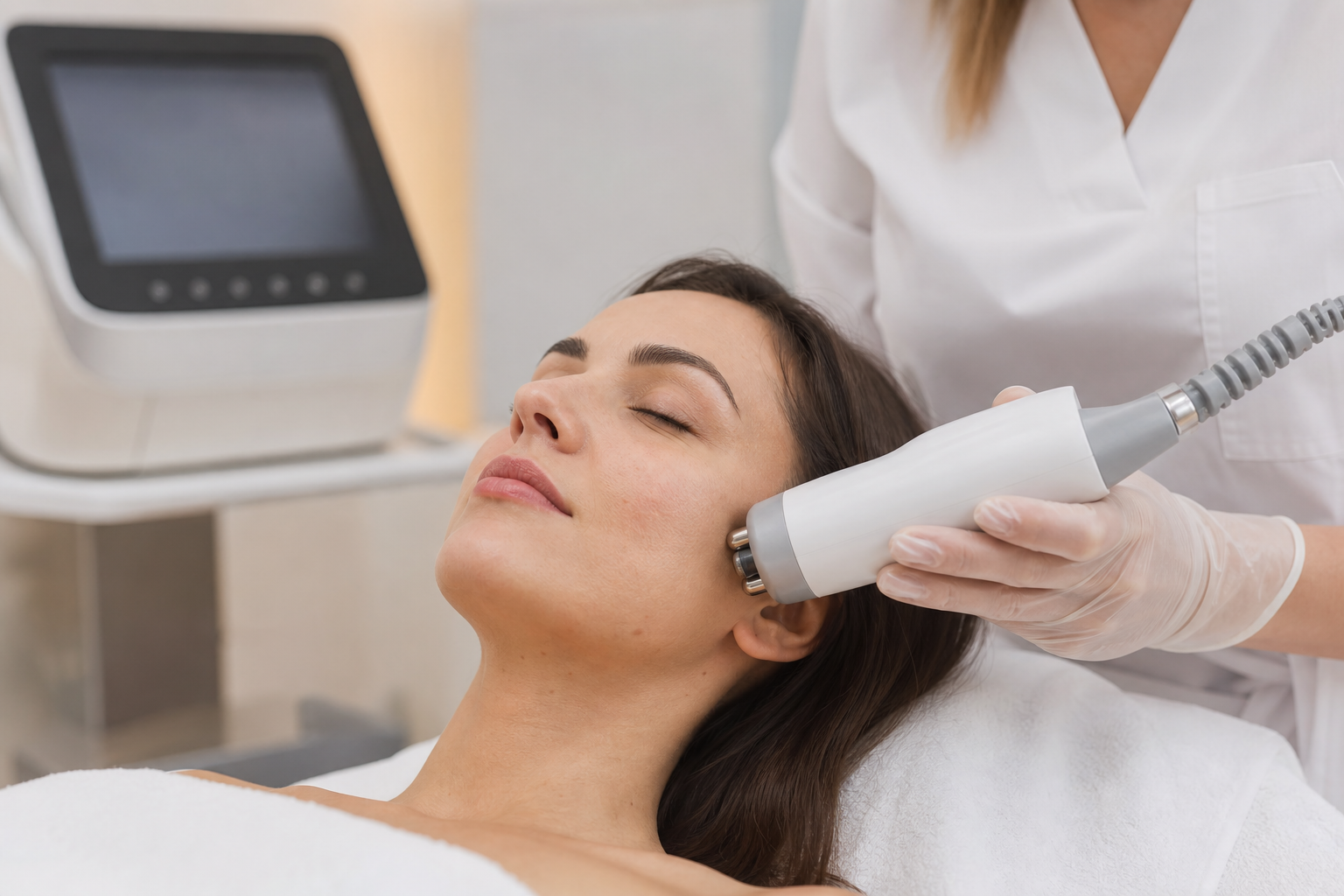
Enlarged pores are a common aesthetic concern affecting individuals across various age groups, particularly those with oily or combination skin types. While they do not pose a health risk, enlarged pores can significantly impact the skin's appearance, often making it look uneven, shiny, and prone to blemishes such as acne. Traditionally, many have sought ways to minimize pore size using topical treatments or invasive procedures, but the rise of radiofrequency (RF) treatments has introduced a promising non-invasive alternative. RF treatment for enlarged pores, also called RF lifting or radiofrequency skin tightening, harnesses radio waves to stimulate the skin’s natural collagen production, rejuvenating the complexion and promoting a tighter, healthier skin surface without surgery.
This article is tailored for individuals keen on improving their skin texture and pore visibility through a gentle yet effective method. It is particularly suited for those wary of invasive procedures or extended recovery times. Understanding how RF treatment works, its benefits, different modalities within RF technology, and realistic expectations post-procedure is essential to making an informed decision about this modern skincare approach.
The significance of comprehending the nuances of RF treatment extends beyond superficial beauty. It involves a holistic understanding of skin health and regenerative capability. Throughout this comprehensive editorial, we will elucidate each critical aspect related to RF treatment for enlarged pores, providing clear insights to help readers determine if this technology aligns with their skincare goals.
What Is Radiofrequency Skin Tightening and How Does It Address Enlarged Pores?
Radiofrequency skin tightening, popularly known as RF lifting, is a minimally invasive cosmetic treatment that employs specific electromagnetic waves targeting the deeper layers of the skin. These radio waves penetrate beneath the surface without damaging the epidermis, generating controlled heat that stimulates the synthesis of collagen and elastin. These two proteins are crucial for maintaining skin firmness, elasticity, and structural integrity.
Enlarged pores primarily develop as a result of increased sebum production from overactive oil glands, reduction in skin tone due to aging, environmental factors like ultraviolet radiation and pollution, and sometimes due to genetic predisposition. The heat produced by RF treatments induces a biological response, enhancing microcirculation and accelerating cellular turnover. This promotes the slow but steady tightening of the skin tissue surrounding the pores, effectively reducing their diameter over time.
It is important to clarify that RF treatments do not instantly close pores like a cosmetic filter. Instead, through a series of sessions, they empower the skin to rebuild its natural defenses, leading to a visibly smoother complexion with less pronounced pores. This regenerative process is subtle and builds momentum with each application, distinguishing it from temporary or superficial pore-minimizing solutions.
What Are the Various Types of RF Treatments and Their Specific Roles in Targeting Enlarged Pores?
The umbrella term RF treatment encompasses several methods that differ by their depth of action, application technique, and invasiveness. Selecting the appropriate modality depends on the individual's skin condition, the severity of pore enlargement, and overall aesthetic objectives.
Non-invasive RF treatments deliver thermal energy via handheld devices across the skin surface, leading to gentle heating without breaking the skin barrier. This method is ideal for general skin tightening, improving skin tone, and producing mild to moderate pore size reduction. The advantage lies in its minimal discomfort, absence of downtime, and suitability for various skin types.
A more advanced variant is fractional RF without needles, where the energy is delivered to the dermal layer in a fractional pattern, creating microthermal zones. This approach stimulates more intensive collagen remodeling and shows enhanced efficacy in refining pore size, smoothing skin texture, and treating superficial scars. The fractional delivery enables targeted treatment, minimizing collateral thermal damage.
Further along the spectrum, microneedling RF combines controlled micro-injuries created by fine needles with simultaneous radiofrequency energy. This minimally invasive technique promotes collagen induction more aggressively, fostering profound skin tightening and effective pore minimization. The penetration depths and energy parameters can be adjusted to address moderate to severe skin laxity and pronounced pore dilatation, but may require some recovery time.
Understanding these distinctions helps in tailoring treatments that balance efficacy with comfort and recovery needs, ensuring the best outcomes for individual patients.
Who Can Benefit Most from RF Treatment for Enlarged Pores?
RF treatments are suitable for a broad demographic but offer specific advantages for particular groups. Individuals with oily or combination skin who experience chronic pore enlargement can find this treatment especially beneficial as it addresses the underlying loss of elasticity rather than just surface sebum effects.
Those concerned with early signs of skin aging, such as mild facial skin laxity and uneven texture, may also gain benefits by integrating RF procedures into their skincare regimen to maintain skin resilience and pore refinement. RF lifting techniques can complement other facial contouring efforts, assisting in areas like the jawline and lower face where skin tends to sag and pores appear more visible.
Patients who seek non-surgical options due to constraints like personal preference, budget, or busy lifestyles will appreciate RF treatments for their minimal downtime and gradual, natural-looking improvements. Additionally, people wary of procedures involving extensive redness, peeling, or risk of pigmentation changes often opt for RF as a safer alternative.
How Does RF Treatment Work Mechanistically to Reduce Pore Size?
The core mechanism centers on the thermal effect of radiofrequency energy as it interacts with skin tissues. When RF waves penetrate the dermis, the resultant controlled heating disrupts existing collagen fibers, prompting the body to initiate a healing response. Fibroblasts become activated, synthesizing new collagen and elastin fibers that weave together to restore skin strength and elasticity.
This neocollagenesis thickens the dermal matrix, providing a supportive scaffold around the pilosebaceous units (pores and associated oil glands). As the skin gains firmness, the shape and size of pores naturally constrict, reducing their visibility on the surface. Enhanced blood flow and lymphatic drainage further facilitate the removal of toxins and dead skin cells, clearing pores and promoting a fresher appearance.
The repetitive stimulation from multiple RF sessions solidifies these effects, transitioning the skin from lax and enlarged-pored to taut and smooth. This biological remodeling is the foundation of RF’s lasting impact compared to superficial treatments that only mask or temporarily shrink pores.
What Outcomes and Improvements Should Be Expected After RF Treatment for Enlarged Pores?
Post-treatment, patients typically observe a gradual refinement of skin texture. Pores appear less dilated, and overall skin tone gains uniformity. The face may feel firmer to the touch, and skin surface irregularities begin to diminish as collagen regeneration accelerates. These results tend to manifest over weeks to months because skin remodeling is a naturally progressive process.
Many report a youthful radiance returning to their complexion with reduced oiliness and fewer breakouts due to improved pore function. In addition, enhanced skin tightening can subtly redefine facial contours, addressing secondary effects of enlarged pores linked to skin sagging.
It is crucial to understand that while RF treatment greatly improves pore appearance, it is not a one-time fix. Optimal results generally require a series of planned treatments spaced several weeks apart, followed by maintenance sessions that sustain collagen levels and skin firmness.
What Are Common Concerns and Frequently Asked Questions Regarding RF Treatments for Pore Reduction?
Patients often inquire about the pain level associated with RF procedures. Most non-invasive treatments are described as comfortable with a warming sensation, whereas microneedling RF might cause mild discomfort mitigated by topical anesthetics.
Questions regarding safety are common, and RF technology is widely regarded as safe for most skin types due to its precise energy delivery and non-ablative nature. Possible side effects are typically mild and transient, including slight redness or swelling.
Another frequent topic is downtime, which is minimal for non-invasive methods but may extend to a few days for fractional and microneedling variants, depending on individual skin sensitivity.
Patients also wonder about combining RF treatments with other modalities like chemical peels or laser resurfacing. While combination approaches can amplify results, they require professional evaluation to avoid overstressing the skin.
How Does RF Facial Lifting Complement Pore Reduction Efforts?
RF facial lifting is a specialized application targeting skin laxity, wrinkles, and contour irregularities, often overlapping with concerns related to enlarged pores. By tightening and toning the skin of the face, particularly the jawline and lower face areas, RF lifting enhances overall facial aesthetics and supports the reduction of pore prominence.
Its synergy with pore refinement arises from boosting dermal density and resilience, which re-establishes pore function and structure. Individuals experiencing mild facial skin laxity alongside visible pores often find that RF facial lifting addresses multiple issues concurrently, providing a comprehensive skin rejuvenation experience without surgical intervention.
When Should One Consider RF Treatment as the Preferred Option for Enlarged Pores?
RF treatment emerges as an ideal choice when topical treatments prove insufficient in delivering noticeable pore size reduction, and when one prefers low-risk, minimal downtime solutions over invasive surgeries or aggressive resurfacing procedures.
For patients who are in early to moderate stages of skin aging, or for those with persistent oily skin and enlarged pores combined with mild laxity, RF therapy offers an effective pathway toward smoother and tighter skin. It is also suitable for maintaining skin health with age, serving as a preventive and corrective regimen.
Consulting with a qualified skincare professional will help determine candidacy based on individualized skin assessments, lifestyle, and aesthetic goals.