RF facial lifting, also widely known as radiofrequency skin tightening, represents a groundbreaking advancement in non-surgical aesthetic treatments aimed at rejuvenating and firming the skin. Utilizing controlled radiofrequency energy, this method heats the deeper layers of the skin without damaging the surface, thereby stimulating natural collagen and elastin production. For individuals seeking a youthful appearance without the risks and downtime associated with surgery, RF facial lifting offers a promising solution.
This treatment is suitable for a broad range of people—from those noticing the earliest signs of aging, such as fine lines and minor sagging, to those with more pronounced skin laxity who prefer non-invasive options. Understanding how much RF facial lifting costs is crucial for prospective patients, as pricing varies notably based on the type of procedure, number of sessions required, and specific skin conditions addressed. Knowing these factors allows individuals to make informed decisions that align with both their aesthetic goals and budget considerations.
The relevance of RF facial lifting in today’s advanced cosmetic landscape cannot be overstated. It bridges the gap for those desiring visible improvements in skin tone and tightness without undergoing complex surgical interventions, offering a treatment with minimal discomfort, little to no downtime, and gradually improving results. This comprehensive editorial aims to unpack the components shaping RF facial lifting costs and to illuminate the nuanced benefits and considerations behind this popular aesthetic technique.
What Is RF Facial Lifting and How Does It Differ From Other Skin Tightening Treatments?
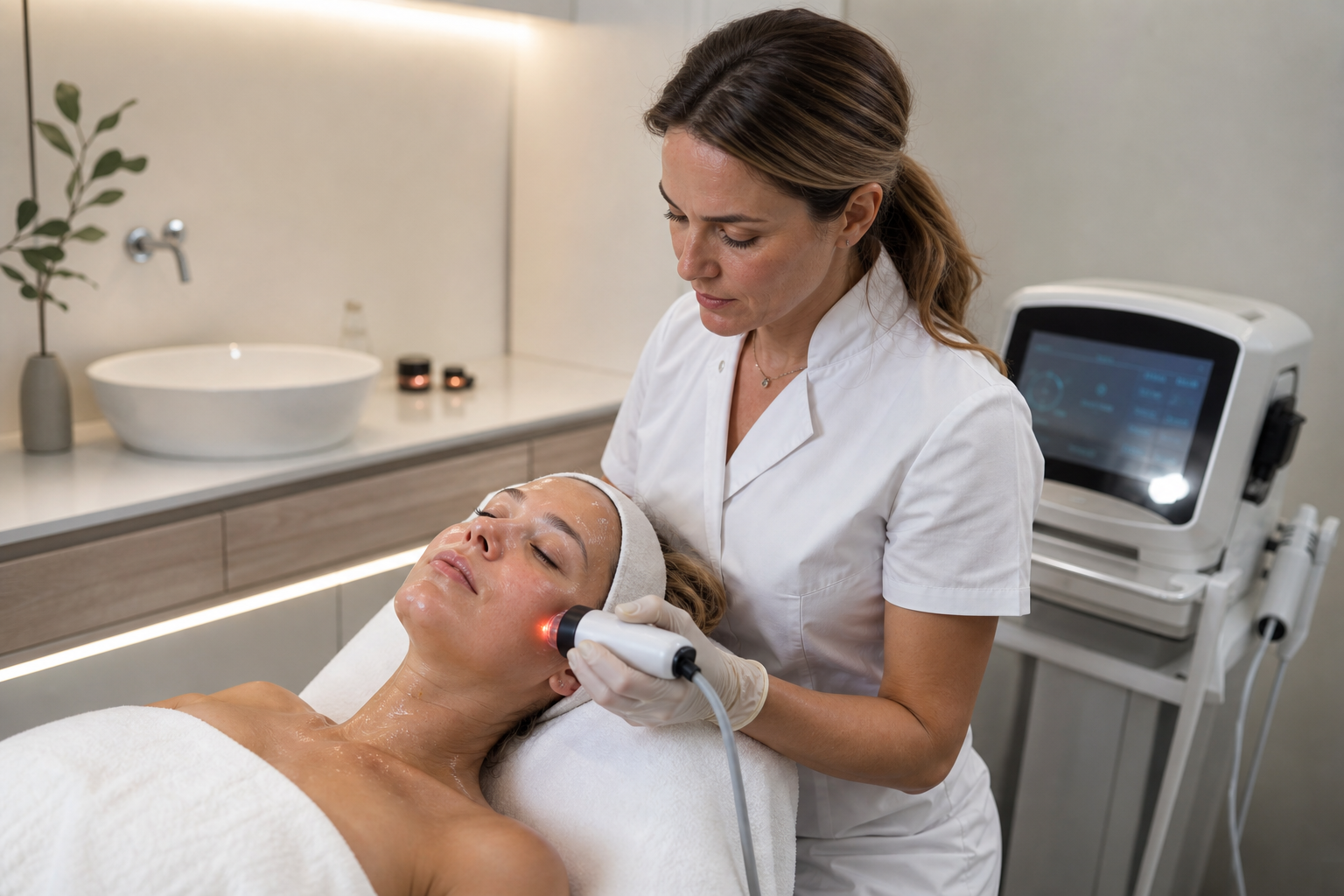
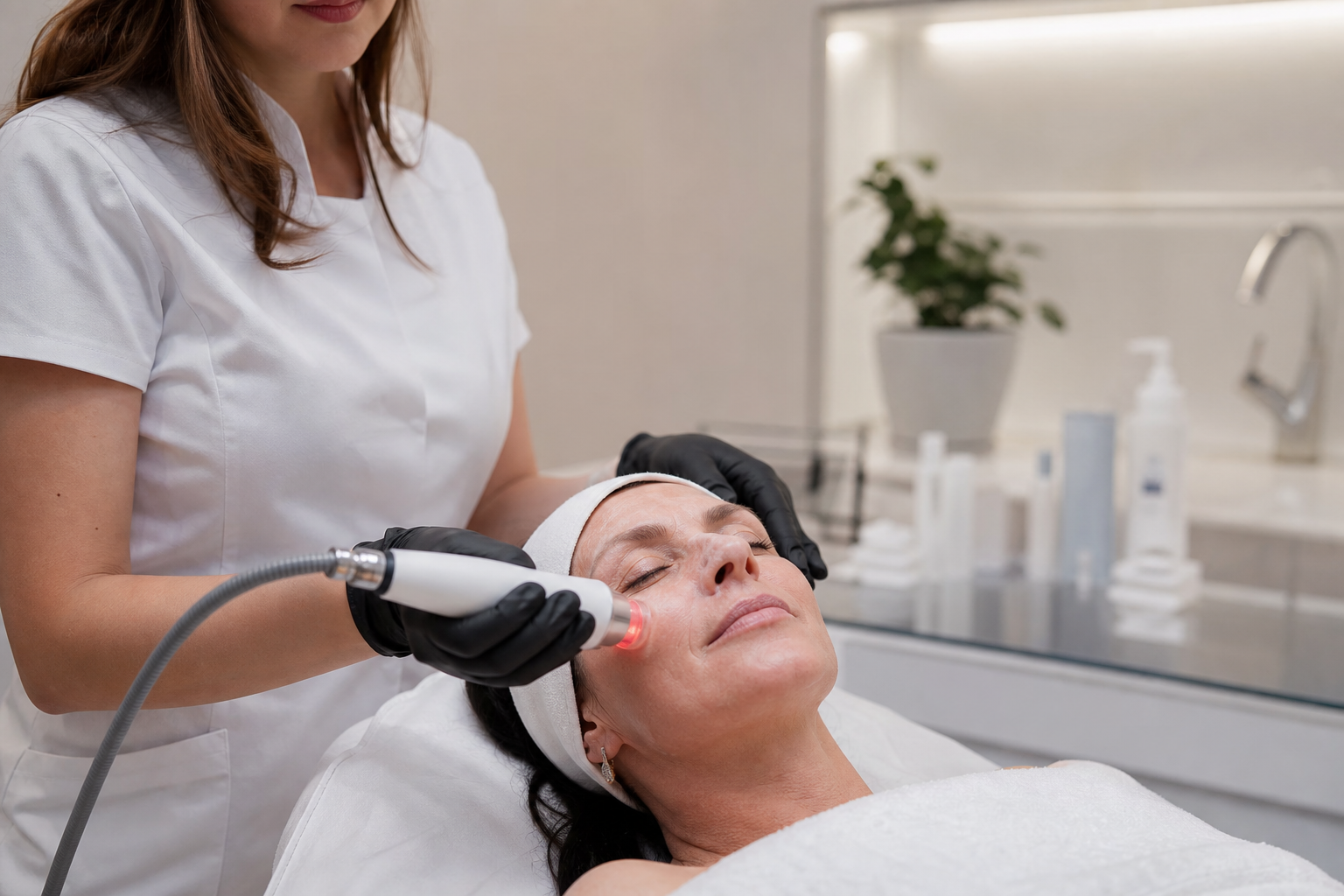
Radiofrequency (RF) facial lifting is a technique that employs radiofrequency energy to generate heat deep within the dermal layers of the skin. This heat triggers the body's natural wound-healing response, stimulating fibroblast activity and enhancing the synthesis of collagen and elastin—key proteins responsible for skin elasticity and firmness. Unlike invasive surgical facelifts, RF facial lifting is non-invasive, involves no incisions, and minimizes recovery time.
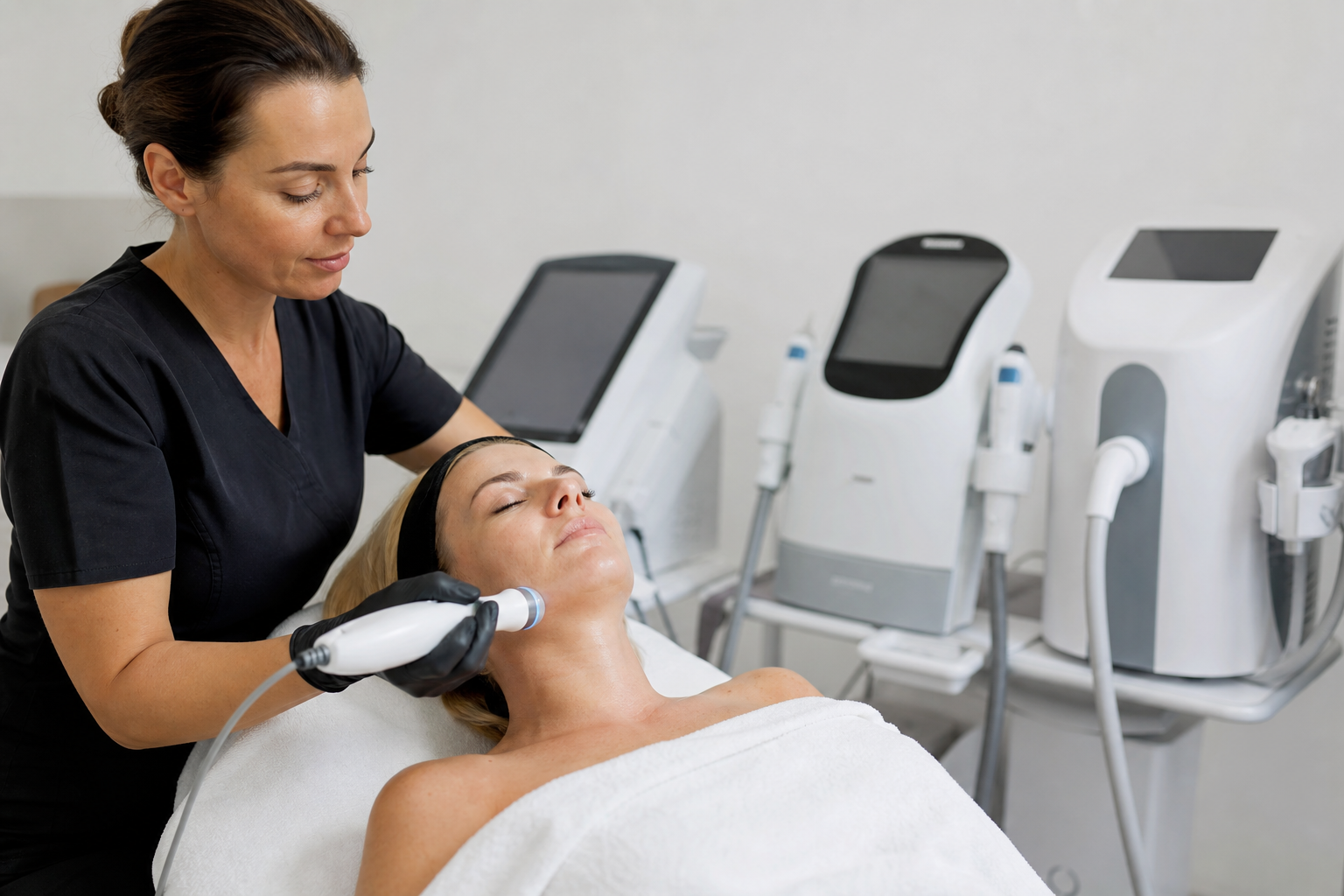
There are several variations of RF facial lifting treatments, each with different mechanisms, intensities, and recovery expectations. Non-invasive RF treatments typically pass radiofrequency waves through the skin's surface using handheld devices, making them suitable for individuals with mild to moderate skin laxity seeking gentle rejuvenation. Fractional RF technologies introduce controlled micro-injuries to enhance collagen production more intensively, often necessitating a slightly longer recovery period but offering more noticeable results. RF microneedling combines traditional microneedling with RF energy delivery, penetrating deeper skin layers to address more significant concerns such as deep wrinkles and acne scars.
The differentiation among these methods informs their pricing, expected outcomes, and suitability for various skin types and aging concerns. When evaluating the cost of RF facial lifting, recognizing these distinctions helps contextualize the investment involved.
Who Can Benefit From RF Facial Lifting and What Skin Concerns Does It Address?
RF facial lifting caters to a diverse group of people concerned with the appearance and health of their facial skin. It is especially appropriate for those observing early to moderate signs of aging, including mild skin sagging, fine wrinkles, loss of skin elasticity, and uneven skin texture. Both women and men in their 30s to 60s can find this treatment beneficial as part of their skin maintenance or rejuvenation routine.
The treatment effectively targets common problem areas such as the cheeks, jawline, neck, and around the eyes where skin often loses firmness first. Additionally, individuals with dryness, mild pigmentation irregularities, or dull complexion can experience improvements due to enhanced circulation and collagen remodeling. Importantly, RF facial lifting is not recommended for individuals with severe skin relaxation requiring surgical correction, those with implanted electrical devices like pacemakers, or active skin infections.
By choosing RF facial lifting, patients gain a controllable, low-risk way to improve skin resilience and appearance, making it an attractive alternative for anyone seeking to avoid the invasiveness and complications that can accompany surgical facelifts.
How Does RF Facial Lifting Work and What Changes Can Patients Expect?
The mechanism underpinning RF facial lifting involves the targeted emission of radiofrequency waves that heat the dermis to temperatures typically between 40 to 45 degrees Celsius. This controlled thermal stress activates fibroblasts to produce new collagen and elastin fibers, which gradually replace degraded skin matrix components responsible for sagging and wrinkling. Carefully calibrated energy delivery ensures that the superficial skin layers remain unharmed, maintaining patient comfort and minimizing side effects.
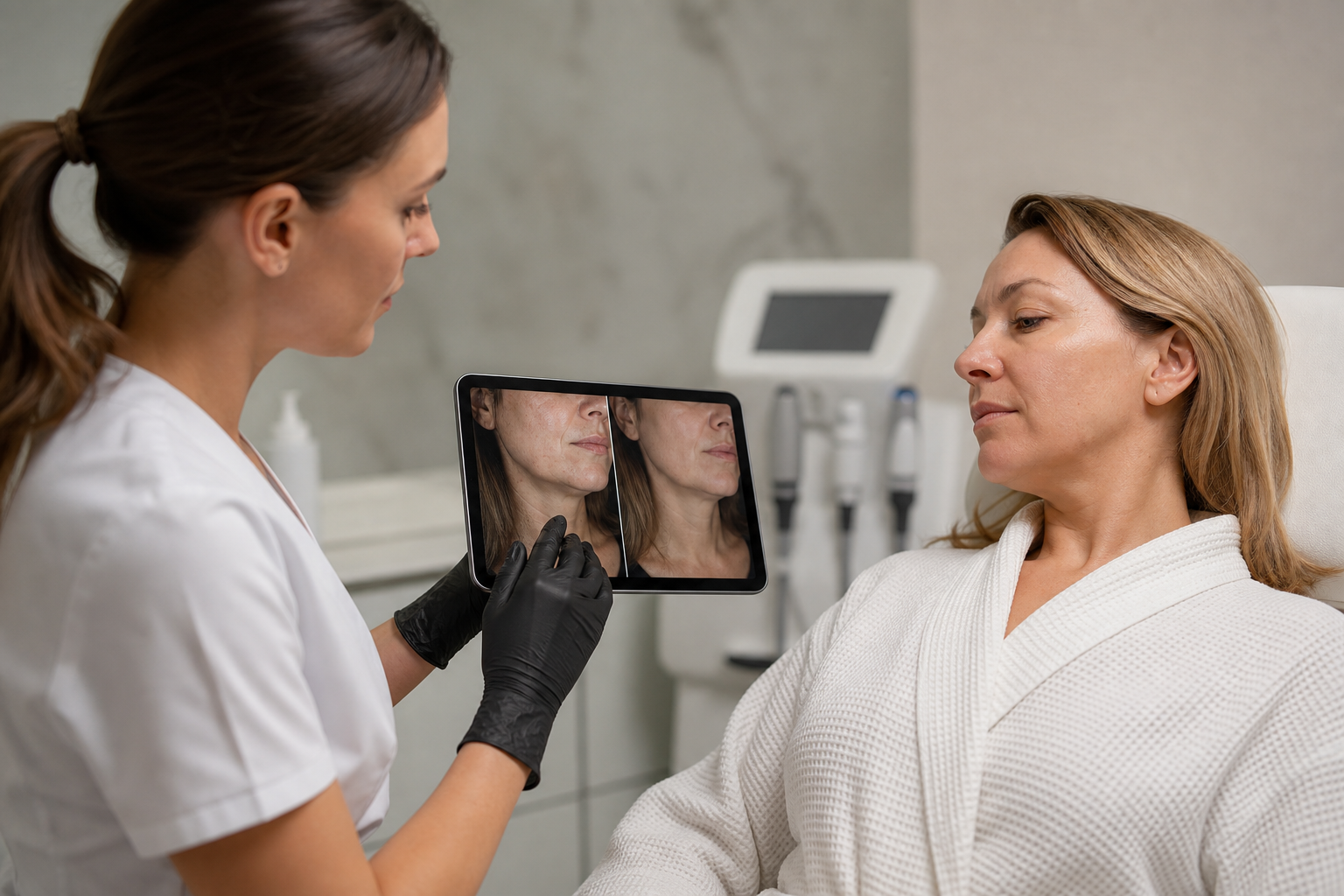
Following treatment, patients often observe a progressive improvement in skin tightness, texture, and tone over weeks and months. Early results may include a subtle lifting effect and a reduction in fine lines, while continued collagen remodeling leads to more significant skin firmness and radiance. Enhanced blood flow and hydration from the thermal stimulus also contribute to a healthy, glowing complexion. Unlike invasive procedures, the complete rejuvenation process unfolds naturally, requiring multiple sessions for optimal and lasting effects.
Patient experiences typically report mild warmth during the procedure with minimal discomfort, and post-treatment redness usually subsides within hours. Overall, the process is designed to restore youthful skin qualities gradually and safely.
Understanding the Cost Variables of RF Facial Lifting: What Influences Price?
The cost of RF facial lifting can vary substantially based on multiple factors, making transparency and individual consultation essential. Key cost determinants include the type of RF technology used, the size of the treatment area, the number of sessions required for satisfactory results, and the geographic location and prestige of the providing clinic or practitioner.
Treatments that employ basic non-invasive RF devices for localized areas tend to be more affordable, with prices ranging from moderate to higher depending on the clinic's market. Advanced fractional RF or RF microneedling treatments, given their greater complexity and efficacy, often command higher prices per session. Patients should also budget for multiple sessions—a typical course might involve three to six treatments spaced several weeks apart to maximize collagen rebuilding.
Additional costs may include consultation fees, post-treatment care products, and follow-up visits, all of which contribute to the comprehensive care pack. Clinics that invest in cutting-edge technology, experienced medical staff, and medically supervised protocols may price their services higher, but these factors often correlate with treatment safety and effectiveness. Therefore, cost must be weighed against value, expertise, and patient satisfaction.
How to Choose the Right RF Facial Lifting Treatment and Provider?
Selecting the appropriate RF facial lifting treatment starts with a thorough skin evaluation by a qualified dermatologist or licensed aesthetic practitioner who understands the nuances of various RF technologies and patient skin types. This personalized approach helps tailor treatment plans that balance efficacy with patient comfort and budget.
Prospective patients should prioritize clinics or specialists with verifiable credentials, positive patient outcomes, and access to state-of-the-art equipment. Transparency regarding expected treatment schedules, achievable results, potential side effects, and cost breakdown is critical. Reviews and word-of-mouth recommendations can provide valuable insights into the reputation and service quality of providers.
A professional provider will also offer comprehensive pre- and post-treatment care instructions, ensuring patients optimize results and minimize complications. Starting with a single treatment session as a trial can also be a prudent step before committing to a full series, permitting assessment of individual skin response and comfort levels.
What Can Patients Expect During and After RF Facial Lifting Sessions?
During RF facial lifting, patients typically experience a warming sensation as the device glides over the skin. The procedure lasts between 30 to 60 minutes depending on the size and number of areas treated. Most patients find the treatment comfortable, with any heat-induced mild tingling or prickle quickly dissipating.
Immediate side effects are generally mild and transient, including slight redness or swelling that resolves within a few hours. Since the epidermis is unharmed, daily activities can usually resume immediately post-treatment, making RF facial lifting an attractive option for individuals with busy lifestyles.
Visible improvements are gradual, emerging within several weeks as collagen remodeling advances. Continued results build up through sequential treatment sessions, reaching their peak several months following the final session. Patients are advised to protect the skin from sun exposure, maintain regular moisturizing, and adhere to healthy lifestyle habits to prolong benefits.
Maintaining Results and Recognizing When to Schedule Follow-Up Treatments
While RF facial lifting induces considerable improvement in skin firmness and appearance, the natural aging process persists. To preserve results, many patients opt for maintenance sessions once or twice a year depending on individual aging patterns and skin response. Periodic treatments help sustain collagen production and delay the onset of new wrinkles and sagging.
Lifestyle factors, including nutrition, hydration, sun protection, and avoidance of smoking, significantly affect how long the benefits last. Incorporating professional skincare products recommended post-treatment enhances skin health and prolongs rejuvenation outcomes.
If patients notice a gradual return of skin laxity, fine lines, or texture irregularities, consulting their aesthetic provider can clarify the timing and type of follow-up treatments best suited to restore their youthful appearance effectively.