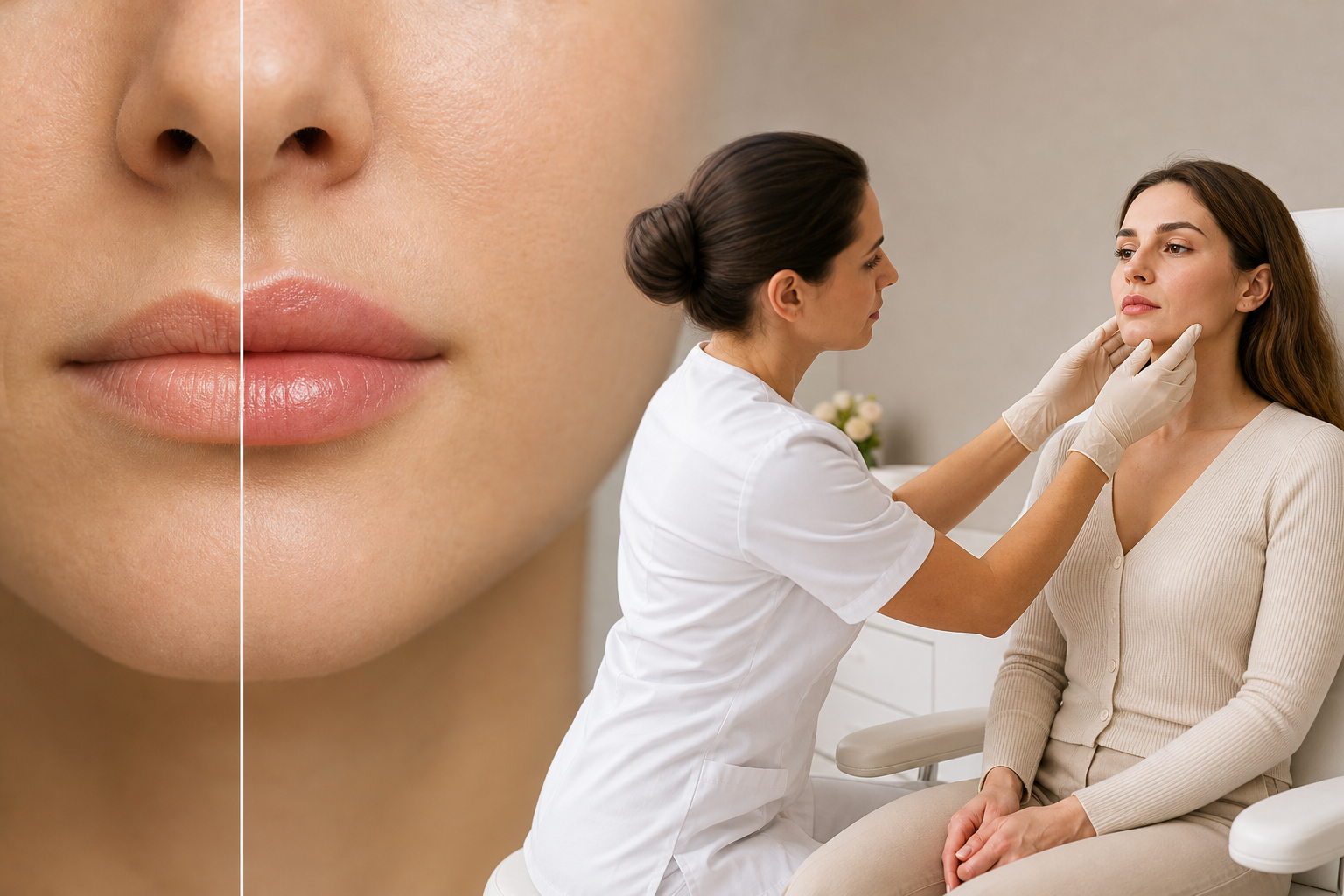
In the evolving landscape of aesthetic medicine, non-surgical procedures have grown immensely popular, offering individuals subtle yet impactful enhancements that emphasize natural beauty. Among these treatments, those aimed at enhancing the lips have garnered significant attention. The lip area plays a vital role not only in facial balance and symmetry but also in communication and expression, making it a focal point of cosmetic interest.
Two of the most sought-after techniques for enhancing the lips are the lip flip and lip fillers. While both procedures target the lips to improve their appearance, they differ fundamentally in methodology, results, duration, and suitability. Understanding these nuanced differences is critical for anyone considering a treatment to enhance their smile or lip contour.
This editorial provides a comprehensive exploration of lip flip versus lip fillers, framed within the context of the broader field of non-invasive facial rejuvenation, particularly under the umbrella of Botox treatments for the nose, lips, and smile lines. It serves readers who are contemplating lip enhancements, equipping them with expert insights about how each option works, the benefits and limitations inherent to each, and safety considerations that dictate appropriate practice. Ultimately, the goal is to empower patients to make informed decisions in tandem with qualified medical professionals.
Fundamental Principles Behind Lip Flip and Lip Fillers
The lip flip is a minimally invasive procedure involving the strategic application of botulinum toxin type A (commonly known as Botox) to specific muscles around the upper lip. By relaxing the muscles that pull the upper lip downward, the procedure induces a gentle outward rotation, creating the illusion of a fuller lip without adding volume. This subtle "flip" enhances the visibility and contour of the upper lip while preserving its natural shape.
On the other hand, lip fillers involve the injection of hyaluronic acid-based gels directly into the lip tissue. Hyaluronic acid is a naturally occurring substance in the skin responsible for moisture retention and volume. This method physically increases the size and reshapes the lips, enabling the creation of plumper, more defined lips. Fillers can also correct asymmetries, smooth perioral lines, and restore volume lost due to aging.
These foundational differences—muscle relaxation versus volumizing augmentation—set the stage for the varying effects, indications, and procedural considerations that define lip flip and lip filler treatments.
The Mechanism and Application of Botox in Lip Flip Procedures
Botox functions by inhibiting the release of acetylcholine at neuromuscular junctions, thereby temporarily paralyzing targeted muscles. In the context of the lip flip, small doses of Botox are carefully injected into the orbicularis oris and depressor labii superioris muscles—muscles responsible for pulling the upper lip downward.
This selective weakening diminishes the downward pull, allowing the upper lip to evert and elevate slightly. The subtle outward curling present when smiling or speaking lends the lip a softer, more pronounced appearance without increasing bulk. Importantly, as no filler substance is inserted, the lip's volume remains unchanged.
The procedure itself is quick, usually completed within 10 to 15 minutes, and involves minimal discomfort. Side effects such as swelling or bruising are rare, making it an appealing option for individuals seeking low-downtime aesthetic enhancements. The effects manifest within days and typically last between 2 and 3 months, after which retreatment can be performed to maintain the desired look.
Ideal candidates for a lip flip are individuals with naturally thin upper lips who desire a minor yet noticeable improvement without the commitment of volume increase. It is also beneficial for those hoping to better showcase their teeth or create a more balanced upper-to-lower lip ratio.
Hyaluronic Acid Fillers for Lip Volumization and Contouring
In contrast to the lip flip, lip fillers directly modify the structural volume and shape of the lips. Hyaluronic acid-based gels are injected into targeted areas to add fullness, enhance contours, and correct textural imperfections such as fine lines or asymmetry.
The procedure typically lasts from 20 to 40 minutes and may be accompanied by mild swelling or bruising around the injection sites that usually subsides within a few days. Fillers provide a longer-lasting effect, generally maintaining their presence for 6 to 12 months depending on factors such as the amount of filler used, the specific product, and individual patient metabolism.
This treatment suits those seeking a more dramatic change in lip volume or shape, or those wanting to reverse age-related volume loss. Additionally, fillers can be tailored to sculpt very precise lip contours, enabling patients to achieve a wide range of aesthetic goals, from natural enhancement to more visibly augmented lips.
Safety Considerations and Importance of Professional Consultation
The safety of lip flip and lip filler treatments largely depends on the expertise of the administering practitioner, the quality and purity of products used, and appropriate patient selection. Both procedures generally have low risk profiles when performed by qualified professionals trained in facial anatomy and bottling toxin or filler administration.
With the lip flip, common minor adverse effects may include asymmetry in smiling or subtle muscle weakness, which typically resolve on their own over time. More significant complications are rare but underscore the importance of precise technique and dosing.
For lip fillers, risks can include swelling, bruising, lumpiness, and in exceptional cases, vascular occlusion—which can lead to skin necrosis if not promptly addressed. Thus, practitioners must have both the skills and equipment to manage potential side effects effectively.
Individuals with neuromuscular disorders, active infections in the treatment area, or allergies to treatment components should disclose these conditions to their provider. Additionally, pregnant or nursing individuals are usually advised against such aesthetic procedures until postpartum.
Consulting with an experienced aesthetic medicine specialist enables a thorough evaluation of individual anatomy, medical history, and cosmetic goals. This ensures the most suitable treatment plan is selected, maximizing efficacy and minimizing risk.
Setting Realistic Goals and Understanding the Limits of Both Treatments
Clear communication and expectation management are critical when considering lip flip or filler treatments. The lip flip offers a subtle enhancement that improves the upper lip's lift and visibility but does not add actual volume. Individuals expecting pronounced plumpness will be disappointed by the modest outcome of this approach.
Conversely, lip fillers produce a tangible increase in volume and can significantly modify lip shape. However, overfilling can produce an unnatural appearance or asymmetry, emphasizing the need for a moderate and artistic approach to augmentation.
Both treatments involve temporary results requiring maintenance sessions. Patients should consider how the duration of effects, transient side effects, treatment cost, and personal tolerance for repeated procedures align with their preferences.
The Complementary Roles of Botox and Fillers in Lip and Smile Enhancement
In many modern aesthetic practices, combining Botox and hyaluronic acid fillers yields comprehensive rejuvenation around the lips and smile lines. While fillers add volume and structure to the lips, Botox can relax adjacent muscles to prevent downward lip pull and soften dynamic wrinkles.
Comprehensive protocols within the broader framework of Botox treatments for the nose, lips, and smile lines frequently use this synergy to create balanced, refreshed, and natural outcomes. For example, botulinum toxin may be applied to the nose tip muscles to correct downward drooping when smiling, complementing the enhanced lip volume and contour achieved through fillers.
This integrative approach calls for a nuanced understanding of facial anatomy and expression to harmonize static enhancements with dynamic muscle action.
Personalizing the Choice Between Lip Flip and Fillers
The decision between lip flip and lip fillers rests upon individual desires, anatomic considerations, lifestyle, and budget. Those aiming for a gentle accentuation with minimal intervention might find the lip flip suitable, particularly as an entry point into aesthetic treatments.
In contrast, individuals seeking significant lip enlargement or correction of specific asymmetries often lean towards fillers despite requiring longer recovery and higher investment.
Comprehensive consultation, including facial analysis and a review of patient priorities, remains indispensable for crafting a customized treatment plan. By involving a knowledgeable practitioner, patients can align expectations with achievable outcomes, ensuring satisfaction and safety.
The Critical Importance of Expertise in Executing Lip Enhancement Procedures
Both lip flip and filler treatments demand high technical skill and deep understanding of facial muscle function and anatomy to avoid adverse effects and create aesthetically pleasing results. Professionals with proven experience in botulinum toxin and filler applications tailored to the perioral area are best positioned to deliver optimal care.
Careful injection placement, correct dosing, and the ability to recognize and manage complications are hallmarks of quality practice. Moreover, personalized treatment strategies that may include combined botulinum toxin and filler use require a clinician’s refined judgment.
Choosing a qualified aesthetic medicine specialist thus emerges as a pivotal factor in achieving subtle, natural enhancements that heighten individual beauty without compromising function or expression.
Key Practices for Ensuring Safe and Effective Lip Enhancement Treatments
Prior to any lip enhancement procedure, it is essential to engage in open dialogue with your provider about your goals, concerns, and medical background. Understanding all facets of the procedure, from expected outcomes to possible side effects and aftercare, contributes to informed consent and realistic expectations.
Adherence to post-treatment advice—such as avoiding strenuous activity, excessive sun exposure, or certain medications—can minimize complications and prolong results. Scheduling appropriate treatment intervals and follow-up evaluations helps monitor progress and maintain optimal appearance.
Ultimately, investing in a safe, evidence-based aesthetic procedure guided by a competent professional yields the highest satisfaction and supports enduring confidence in one's appearance.


