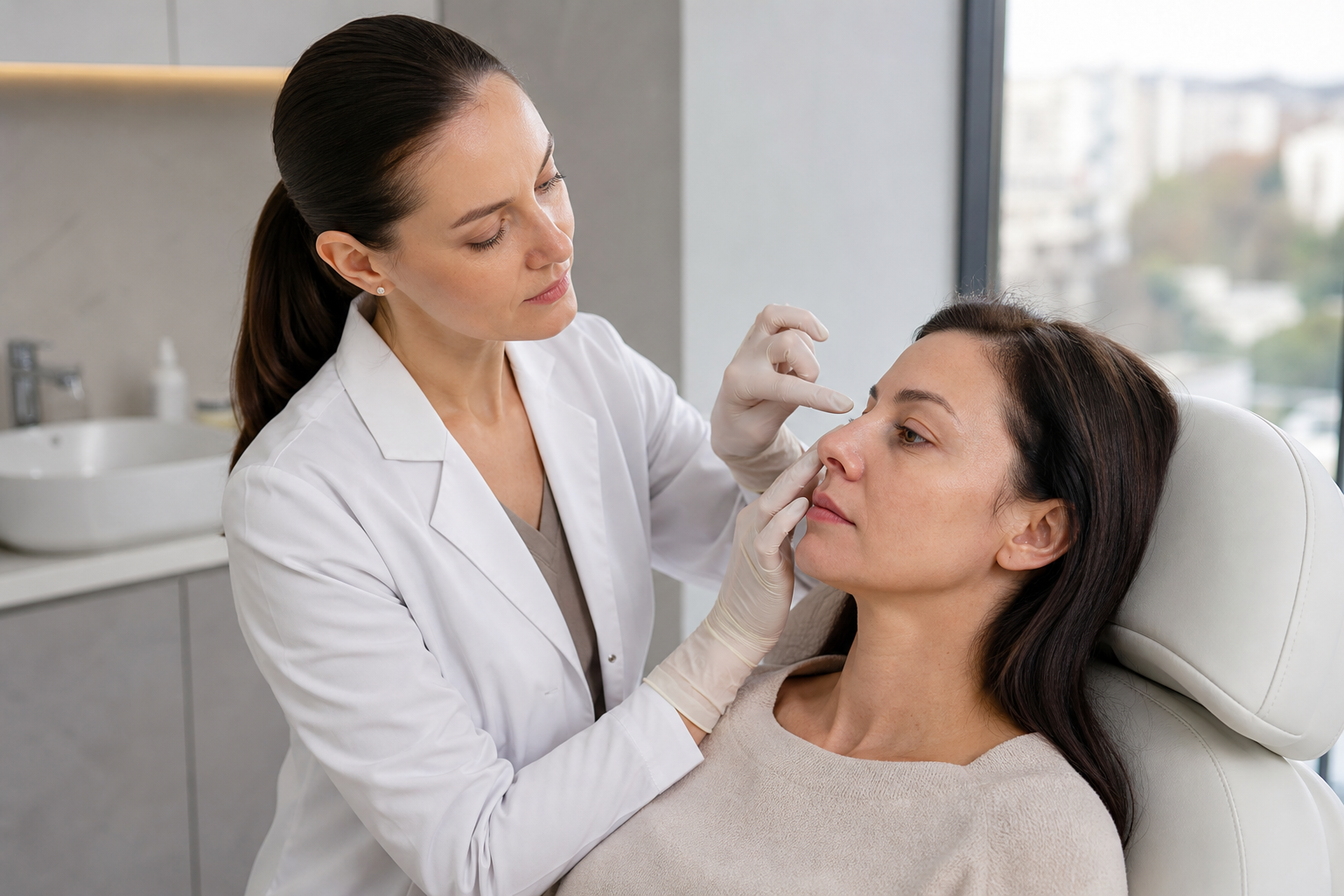
Visible capillaries, often manifesting as fine red or purple lines on the skin, can be a source of distress and self-consciousness for many individuals. These tiny blood vessels, also known as telangiectasias, commonly appear on the face, particularly around the nose, cheeks, and chin, contributing to a flushed or uneven complexion. For those seeking to address these concerns, laser treatment has emerged as a prominent, non-invasive solution, promising to diminish or eradicate unwanted vascular markings and restore clearer skin.
Laser treatment for capillaries involves using specific wavelengths of light to target the hemoglobin within blood vessels, causing them to heat, collapse, and eventually be absorbed by the body. This process offers a targeted approach, sparing surrounding skin while effectively treating visible vessels. However, patients often have numerous questions about the timing and longevity of results, the number of sessions required, and the possibility of capillaries reappearing or new ones forming.
This comprehensive article delves into these vital topics, guiding readers through the nuances of laser capillary treatment. Whether considering the procedure for facial redness, skin clarity, or cosmetic improvement, understanding when results appear and how long they last is essential for informed decision-making. Here, we explore the gradual closure and resorption of treated vessels, maintenance needs, and factors influencing outcomes, offering a detailed reference for anyone contemplating vascular laser therapy.
Understanding Laser Treatment for Visible Vessels and Redness
Laser treatment for visible capillaries specifically targets tiny blood vessels responsible for redness and spider veins on the face and other areas. The principle relies on selective photothermolysis, where laser light is absorbed by the pigment hemoglobin within the blood, causing the vessels to heat and collapse without damaging the surrounding skin. This triggers the body’s natural healing processes to clear the treated vessels over time.
Different types of lasers and light-based devices are used for vascular treatments, including pulsed dye lasers (PDL), potassium titanyl phosphate (KTP) lasers, and intense pulsed light (IPL) systems. Each works slightly differently but shares the common goal of inducing vessel closure. The choice of laser depends on factors such as the vessel size, location, skin type, and equipment availability.
Laser therapy is a preferred method for patients with facial redness due to rosacea, spider veins, broken capillaries from sun damage, or skin irritation. It offers a non-surgical alternative with minimal downtime, providing gradual aesthetic improvements in complexion and texture.
When Will You See Results From Laser Capillary Removal?
After a laser session targeting facial capillaries, visible improvement is not immediate. Treated blood vessels undergo a biological process that takes days to weeks. Initially, the reddened vessels may darken temporarily due to coagulated blood within them, appearing bruised or more prominent. Over time, white blood cells gradually break down the vessel walls, leading to resorption.
Typically, patients start noticing reduction in redness and visible vessel prominence between one and four weeks following treatment. It’s crucial to understand that treated capillaries do not vanish instantaneously; the skin's natural healing response requires patience. Full results may take up to six weeks or longer to manifest as the area remodels and inflammation subsides.
Moreover, initial improvements may vary depending on the size and depth of vessels targeted. Smaller, superficial capillaries tend to respond faster compared to larger or deeply situated veins.
How Many Treatments Are Needed for Facial Capillaries?
The number of laser treatments necessary for optimal capillary clearance depends on multiple factors, including the severity and extent of vascular lesions, skin type, and the individual’s healing response. Typically, patients undergo several sessions spaced about four to six weeks apart to allow adequate time for vessel resorption and skin recovery.
For most patients, between three to six treatments are recommended to achieve significant improvement. Some individuals with mild redness may require fewer sessions, while others with extensive or clustered vessels might need additional treatments for satisfactory results.
Spacing treatments appropriately is vital to minimize skin irritation and optimize efficacy. Attempting too frequent sessions can provoke inflammation and may reduce overall treatment success.
Can One Treatment Remove Nose Capillaries?
The nose is a common area for visible capillaries due to its vascular nature. While a single laser treatment can substantially reduce the appearance of some capillaries on the nose, it is rare for one session to completely remove all visible vessels permanently. The dense and intricate vascular network in this area often requires multiple treatments for thorough clearance.
Additionally, the delicate skin on and around the nose may be prone to redness or sensitivity following laser therapy, necessitating cautious treatment approaches and adequate healing intervals.
Patients should maintain realistic expectations, understanding that aggressive targeting of delicate nasal vessels in one session is avoided to prevent skin damage and adverse effects.
Why Don’t Some Capillaries Disappear After the First Treatment?
It is common for certain capillaries to persist after the initial laser session. Several reasons contribute to this phenomenon. Firstly, deeper or larger vessels may only partially respond because the laser energy may not penetrate sufficiently or may not induce complete vessel collapse in a single pass.
Secondly, laser parameters such as pulse duration, fluence, and wavelength must be carefully calibrated. If the energy delivered is insufficient, vessels may survive or repair themselves rather than being permanently closed.
Individual variability in skin thickness, blood flow, and immune response also affects outcomes. Some patients may require higher settings or multiple treatments to achieve closure due to these factors.
Does a Treated Capillary Disappear Permanently?
Once a capillary is effectively treated with laser and closed, it is generally considered permanently removed. The body reabsorbs the damaged vessel over weeks, and the blood flow reroutes through surrounding vasculature. This means the specific treated vessel does not return.
However, while the individual vessel disappears, the underlying predisposition to develop new capillaries remains unaffected. Factors such as genetics, sun exposure, skin trauma, rosacea, or hormonal influences can prompt the formation of new vessels over time.
Therefore, ongoing skin care and maintenance can help manage this predisposition, but patients should anticipate that new capillaries might appear years later, potentially requiring further treatment.
Why Can New Capillaries Appear After Laser Treatment?
New capillaries may emerge for several reasons unrelated to the laser procedure itself. The skin’s blood vessel network is dynamic and constantly evolving. Risk factors such as chronic sun exposure, environmental irritants, inflammation, and conditions like rosacea stimulate angiogenesis, the natural formation of new blood vessels.
Repeated mechanical stress or skin damage can also provoke vessel proliferation. Lifestyle factors including smoking, alcohol consumption, and temperature extremes contribute to vascular fragility and the appearance of new capillaries.
It is important to recognize that laser treatment addresses the existing visible vessels but does not modify the skin’s intrinsic vascular tendencies. Consequently, patients should expect possible new capillary development over time, reinforcing the value of periodic maintenance therapy and protective skincare habits.
How Long Do Vascular Laser Results Last?
The efficacy of vascular laser treatment for capillaries can provide long-lasting results for the treated vessels, often extending several years or more. Once a vessel is successfully closed and absorbed, it does not typically reappear. However, the appearance of new vessels may shorten the perceived duration of improvement.
Maintenance treatments are often recommended annually or as needed to address newly formed capillaries and keep skin tone even. This approach helps manage ongoing redness and vascular visibility effectively over time.
Lifestyle measures such as diligent sun protection, gentle skincare, and avoidance of triggers that exacerbate redness play a pivotal role in prolonging the benefits of laser capillary removal.
How Should One Evaluate Before-and-After Photos for Laser Capillary Treatment?
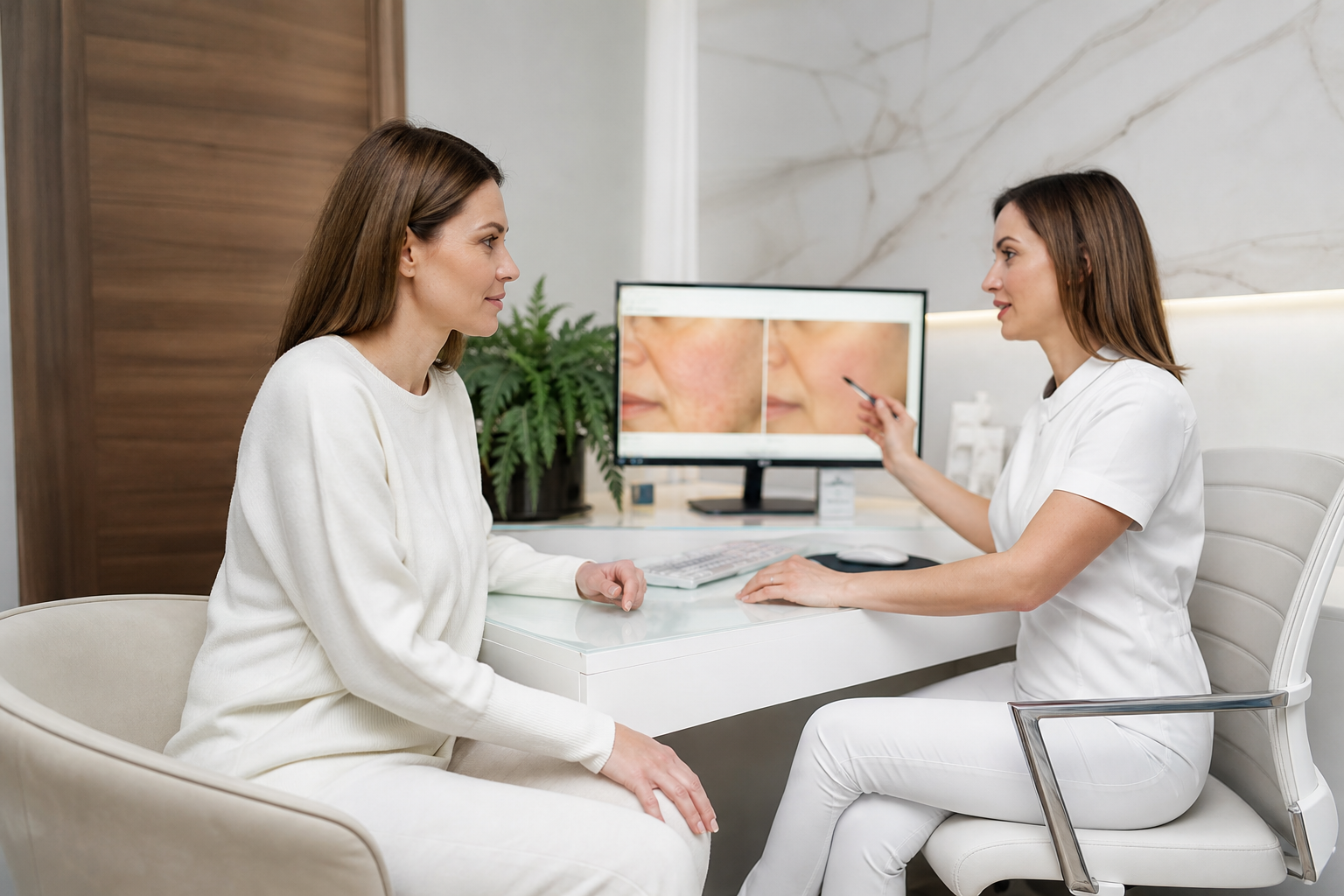
Before-and-after images can be valuable for assessing laser treatment efficacy but require critical evaluation to avoid misconceptions. Photographs should be taken under consistent lighting conditions, with similar camera settings and angles to accurately reflect changes.
Color balance and skin tone variations can influence perceived redness, so objective assessment of vessel visibility is ideal. Additionally, photos taken too soon after treatment may show residual redness or swelling, misleading viewers about actual results.
Realistic before-and-after comparisons showcase gradual improvement over weeks, not instant elimination, emphasizing the importance of patience and multiple sessions for optimal outcomes.
Factors Influencing Pricing and Cost Considerations in Laser Capillary Treatment
The cost of laser treatment for visible capillaries varies according to factors such as the number and size of vessels, the geographic location of the clinic, the technology used, and expertise of the medical provider. Pricing models may be per session or based on treatment areas.
While financial considerations are important, patients should prioritize quality and safety, ensuring treatments are delivered by qualified professionals with appropriate equipment to maximize results and minimize risks.
Some clinics may offer package deals for multiple sessions, recognizing the need for several treatments for comprehensive clearance, which can improve affordability over time.
Maintenance and Long-Term Care After Laser Capillary Treatment
Maintaining clear skin after vascular laser therapy involves protective measures to reduce recurrence and new vessel formation. Regular use of broad-spectrum sunscreen shields vulnerable skin from ultraviolet radiation that can cause vessel dilation and fragility.
Avoiding excessive heat exposure, harsh skincare products, and behaviors like rubbing or picking at the skin can prevent irritation and vascular injury. For those with underlying conditions such as rosacea, ongoing medical management complements laser therapy.
Periodic touch-up sessions may be necessary to manage new appearances of visible capillaries, ensuring long-term aesthetic control and patient satisfaction.