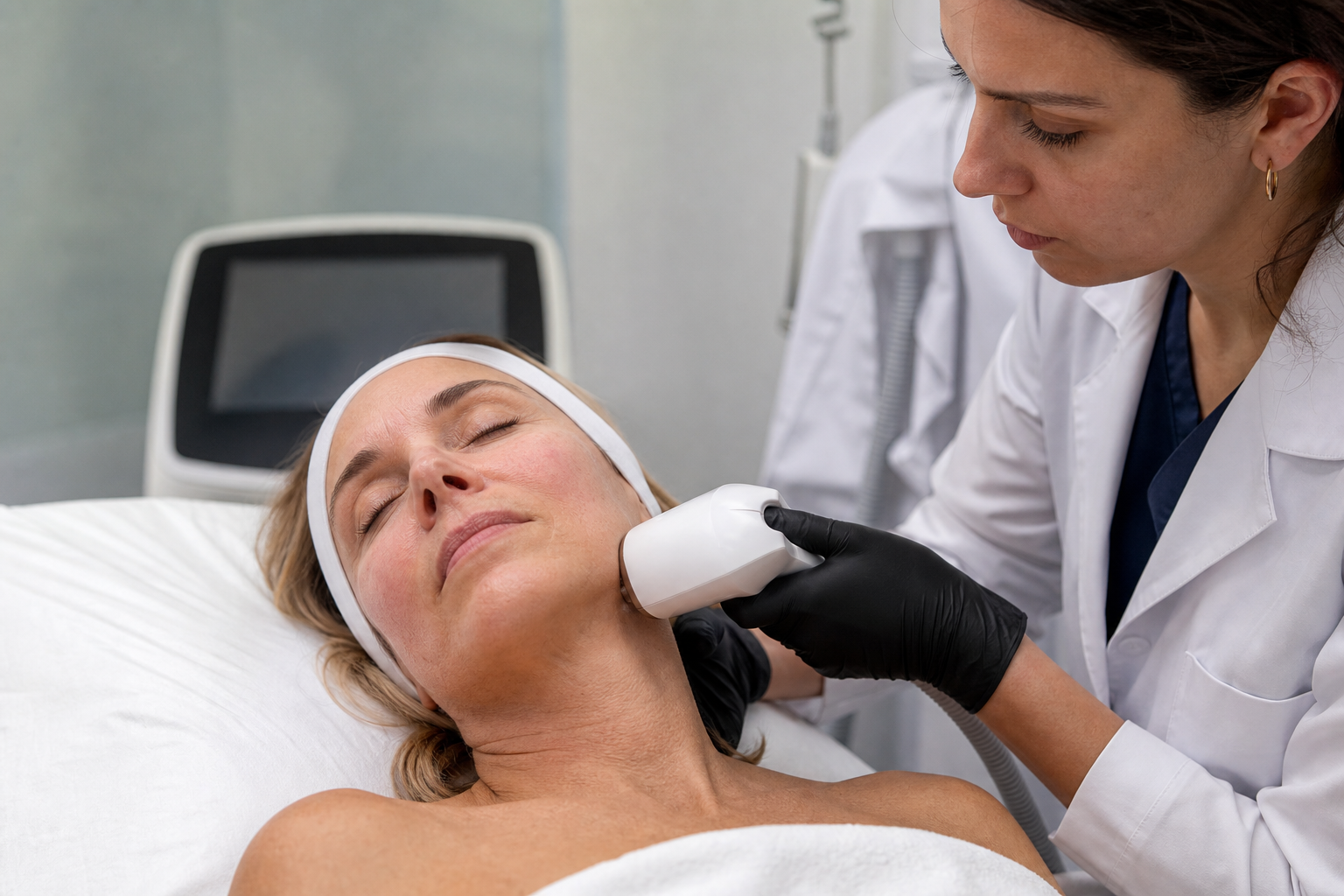
Radiofrequency (RF) treatments have emerged as a leading technology in the realm of non-invasive skin rejuvenation and tightening. Offering a compelling alternative to surgical interventions, RF procedures harness controlled radiofrequency energy to stimulate collagen production deep within the dermis, aiming to restore skin elasticity and youthful contour. As the popularity of RF lifting continues to ascend, a central question arises among prospective patients and aesthetic professionals alike: can RF treatments cause fat loss?
This inquiry holds significant weight for individuals considering RF therapy for facial or body skin tightening, especially those who might be sensitive about maintaining their natural facial volume or are wary of unintended changes in contour. Understanding whether RF technologies influence adipose tissue is critical to making informed decisions and aligning expectations with clinical realities.
In this comprehensive exploration, we will illuminate the nature of RF treatments, differentiating between the various modalities such as non-invasive RF lifting, fractional RF without needles, and RF microneedling. We will delve into their mechanisms, target tissues, and the latest safety insights, including an FDA warning issued in 2025 concerning potential risks associated with some RF procedures. Our goal is to clarify the effects RF treatments may—or may not—have on fat cells, dissect the nuances between different techniques, and guide patients on candidacy, preparation, and safety protocols.
What Exactly Is Radiofrequency Skin Tightening and How Does It Work?
Radiofrequency skin tightening, commonly referred to as RF lifting, is a non-surgical procedure that delivers radiofrequency energy to heat underlying layers of the skin. This thermal effect induces controlled dermal injury that stimulates fibroblast activity, leading to increased collagen and elastin synthesis. The remodeling of these structural proteins results in firmer, more elastic, and smoother skin.
The RF energy primarily penetrates the dermis and subdermal layers without damaging the epidermal surface, a feature that permits minimal downtime and a low risk of adverse effects. By contracting existing collagen fibers and promoting new collagen formation, the skin’s tone and texture improve gradually over several weeks following treatment.
Several types of RF procedures are in clinical use:
Non-invasive RF treatments: These use external applicators to deliver RF energy across the skin surface without puncturing it, targeting superficial to mid-dermal layers to tighten and rejuvenate the skin.
Fractional RF without needles: This technology creates microscopic zones of thermal injury within small areas, intensifying collagen stimulation while preserving surrounding tissue. It penetrates slightly deeper than traditional non-invasive RF but does so without breaking the skin barrier.
RF microneedling: A hybrid treatment combining physical penetration of microneedles with synchronous RF energy delivery deep into the dermis. This method not only induces collagen remodeling mechanically but also thermally, making it effective for more pronounced skin issues but more invasive as well.
Can RF Treatments Cause Fat Loss? Understanding the Effects on Adipose Tissue
A paramount concern for many considering RF therapy is whether the treatment inadvertently reduces subcutaneous fat, altering facial or body volume. The short answer is: traditional non-invasive RF skin tightening does not cause fat loss. The technology is designed to specifically heat the dermis and stimulate collagen without significantly affecting adipocytes, the fat-storing cells, in the subcutaneous layers.
However, some RF-based treatments can impact fat tissue under certain circumstances. For example, when RF energy is combined with mechanical disruption techniques or applied at higher energy settings in deeper layers—such as with RF microneedling or specialized RF-assisted body contouring devices—a process akin to thermolipolysis may occur. Thermolipolysis refers to the targeted thermal destruction of fat cells, which are then naturally cleared by the body over time, resulting in localized fat reduction.
It is crucial to differentiate these therapeutic goals and settings. The FDA's October 2025 warning highlights real concerns related to RF microneedling devices, which use needles to deliver RF energy directly into the skin and subcutaneous tissue. Improper use or excessive energy delivery can lead to unintended consequences, including burn injuries, scarring, nerve damage, and notably, loss of fat tissue. This fat loss can cause contour irregularities and asymmetry, underscoring the necessity for skillful application by trained medical professionals.
Conversely, standard RF facial lifting treatments performed on the skin surface have no clinical evidence supporting fat loss. Their primary function remains collagen stimulation and skin tightening.
What Distinguishes Non-Invasive RF from RF Microneedling in Terms of Safety and Fat Loss Risk?
The divergence in safety profiles between non-invasive RF and RF microneedling stems predominantly from their mode of energy delivery and depth of tissue impact.
Non-Invasive RF: These treatments focus on external application, limiting energy penetration to the dermis and superficial subdermal regions. The skin remains intact, with thermal effects precisely controlled to avoid damaging any underlying fat or nerve structures. Due to these factors, the risk of fat cell damage and subsequent atrophy is minimal to none. Mild transient symptoms like redness or swelling are the most common side effects.
RF Microneedling: Combining controlled skin penetration with RF energy, microneedling reaches deeper tissue layers, including the subcutaneous fat. While this enhances collagen production and can be effective in treating textural skin abnormalities and scars, it comes with increased risk. The FDA’s warning emphasizes how inappropriate depth or excessive energy may injure fat cells and delicate nerve endings, potentially causing volume loss and sensory changes.
These differences highlight why RF microneedling should be performed exclusively by practitioners adept in the technique, with comprehensive knowledge of facial and body anatomy, and adherence to safety guidelines.
Who Is an Ideal Candidate for RF Skin Tightening? When Should It Be Avoided?
RF lifting suits a broad range of individuals seeking mild to moderate improvement in skin laxity without resorting to surgery. The ideal candidate typically exhibits early signs of aging, such as diminished skin tightness, fine lines, or initial sagging, and desires a procedure with minimal downtime and risks.
However, certain conditions warrant caution or contraindicate the use of RF treatments:
Pregnant or breastfeeding women should avoid RF therapy due to insufficient safety data.
Those with electronic implants, such as pacemakers, must refrain since RF energy could interfere with device function.
Individuals possessing metallic implants near the treatment zone risk adverse reactions from the energy conduction.
Active skin infections or inflammations in the area to be treated are contraindications until resolved.
Patients with certain autoimmune disorders or fragile skin may require thorough evaluation before considering RF treatments.
For RF microneedling, the candidacy criteria are stricter given the increased invasiveness and risks. A detailed medical assessment and discussion of previous skin responses to trauma or procedures are essential.
How Should Patients Prepare for an RF Procedure and What Outcomes Can They Expect?
Preparation begins with a clear consultation involving a dermatologist or qualified aesthetic provider to assess skin condition, discuss realistic results, and review medical history. It is vital for the patient to disclose all relevant health information, medications, and prior cosmetic treatments.
The procedure usually lasts 30 to 60 minutes depending on the treatment area and modality. Devices often include temperature regulation sensors to minimize burns or discomfort.
Post-treatment effects may include mild redness, swelling, or warmth, typically resolving within hours to days. Results appear gradually over several weeks as collagen rebuilds, leading to firmer and more youthful skin texture.
Multiple sessions spaced over weeks are often recommended for optimal and sustained improvements. Patients should avoid sun exposure and aggressive skin care products immediately after treatment to support healing.
What Are the Potential Complications of RF Treatments and How Can They Be Avoided?
While RF skin tightening is generally safe, complications can occur, especially if performed improperly or in unsuitable patients. Common side effects are mild and transient, such as:
Skin erythema (redness)
Localized swelling
Sensory disturbances like tingling or mild discomfort
Serious complications, although rare, may include:
Burns due to excessive energy delivery or device malfunction
Scarring from tissue injury, more likely with RF microneedling
Damage to adipose tissue resulting in unintended fat loss and volume loss
Nerve injury causing numbness or altered sensation
Mitigation of risks necessitates selection of certified professionals trained in RF techniques, thorough patient evaluation, precise parameter settings on devices, and close monitoring during and after treatment.


