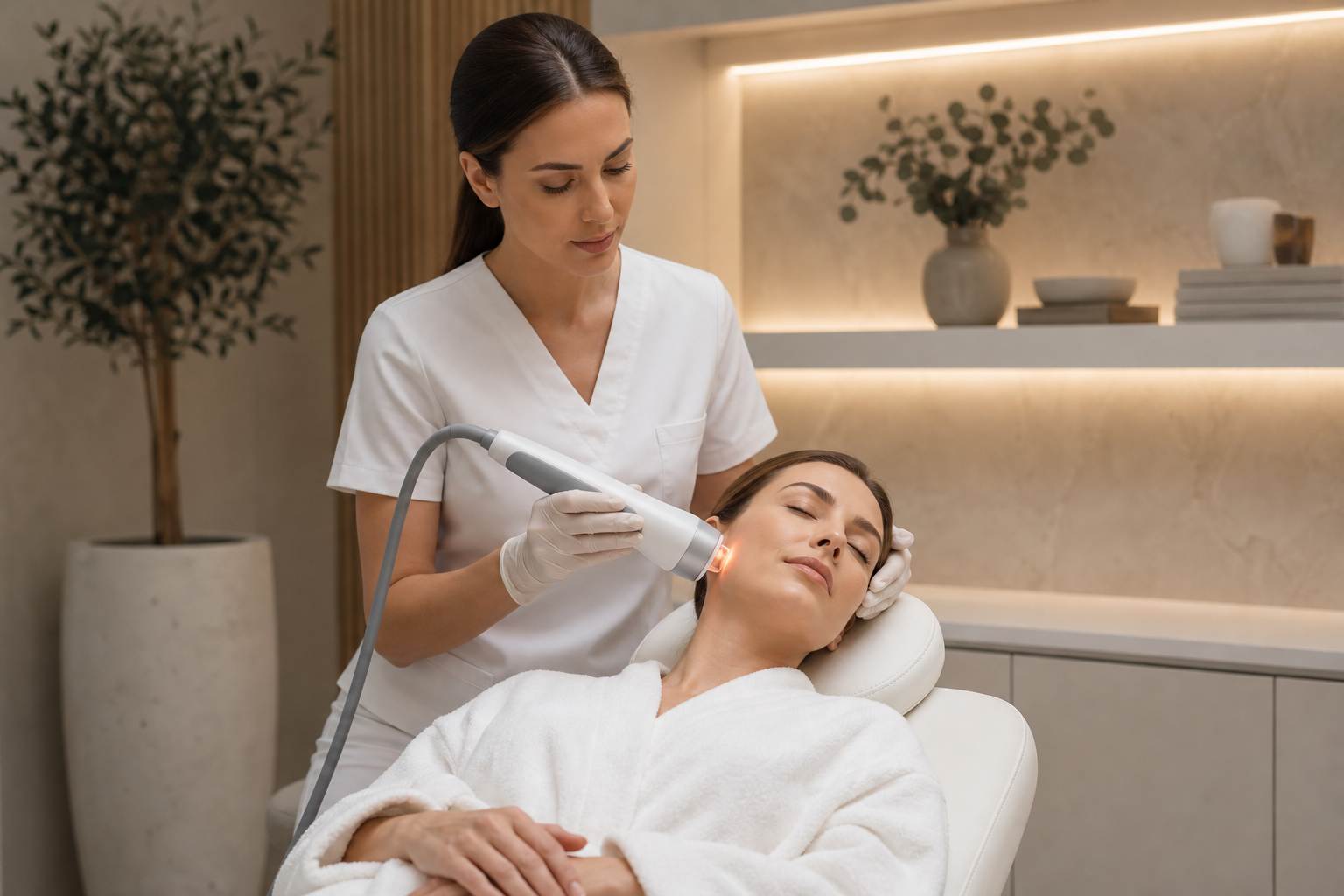
In the world of aesthetic treatments, maintaining youthful and vibrant skin remains a paramount concern for many individuals seeking to combat the natural signs of aging. Among the myriad options available, collagen and laser skin tightening have emerged as prominent techniques due to their efficacy in improving skin texture, firmness, and elasticity without extensive downtime. These treatments harness the body’s innate ability to regenerate collagen, a critical protein that provides structure and resilience to the skin, thereby addressing common issues such as sagging, fine lines, and loss of elasticity.
This article delves into the science and application of collagen and laser skin tightening, examining how these treatments work synergistically to rejuvenate the skin. Whether you are considering your first skin tightening procedure or seeking to understand how to enhance and maintain your results, understanding the mechanisms behind collagen stimulation and laser technology can empower you to make informed decisions tailored to your aesthetic goals.
For individuals concerned with aging skin, uneven texture, or mild to moderate laxity, collagen and laser skin tightening present non-invasive or minimally invasive pathways to restore a firmer, more youthful complexion. As interest grows in treatments that offer both efficacy and convenience, the value of comprehending how collagen production can be activated and supported through laser interventions becomes increasingly relevant.
What Is Collagen and Why Is It Essential for Skin Tightening?
Collagen is the most abundant structural protein in the human body, serving as a fundamental component of connective tissues, including the skin. Within the dermis, collagen fibers form a dense, supportive network that maintains skin's firmness, elasticity, and hydration. As we age, collagen production naturally declines, leading to disruptions in this structural matrix. This degradation manifests as wrinkles, sagging, and a loss of skin tone.
Understanding collagen's role illuminates why stimulating its synthesis is central to skin tightening treatments. By boosting collagen levels, the skin gains enhanced support and resilience, effectively reversing or minimizing age-related changes. Collagen not only restores firmness but also contributes to improved skin texture and a healthier, more radiant appearance.
How Does Laser Skin Tightening Work to Stimulate Collagen Production?
Laser skin tightening utilizes specific wavelengths of light energy to target the dermal layers beneath the epidermis without damaging the surface skin. The controlled heat generated by the laser energy causes a mild injury or thermal effect that stimulates the skin's natural healing response. This process triggers fibroblasts—the skin cells responsible for producing collagen—to increase collagen synthesis, gradually improving skin firmness and elasticity over time.
Different types of lasers, such as non-ablative and fractional lasers, offer tailored approaches to skin tightening. Non-ablative lasers penetrate deeper layers while causing minimal disruption to the outer skin, promoting collagen remodeling with less downtime. Fractional lasers create microscopic treatment zones allowing for faster healing and effective collagen stimulation. The cumulative effect of these treatments leads to skin contraction, lifting, and the softening of fine lines.
Who Is an Ideal Candidate for Collagen and Laser Skin Tightening Treatments?
Collagen and laser skin tightening are suitable for adults experiencing mild to moderate skin laxity, premature signs of aging, or those seeking to enhance their skin texture and firmness without invasive surgery. These treatments are often preferred by individuals who desire gradual, natural-looking improvements with minimal recovery periods.
Ideal candidates possess realistic expectations about the outcomes and understand that while laser skin tightening can notably improve skin tone and tightness, it cannot replicate the dramatic lifting effects of surgical procedures. Moreover, patients with healthy skin, minimal sun damage, and no active skin infections typically achieve the best results. Consultation with an experienced dermatologist or aesthetic specialist is crucial to assess skin type, medical history, and treatment goals.
What Are the Benefits of Combining Collagen Stimulation with Laser Procedures?
Integrating collagen stimulation with laser skin tightening offers several distinct advantages over traditional treatments. Firstly, the approach leverages the body's natural regenerative capabilities, resulting in improved skin quality and sustained benefits. Unlike topical skincare products that primarily impact surface layers, laser-induced collagen stimulation addresses deeper dermal structures, yielding more pronounced lifting and contouring effects.
Additionally, laser treatments can be customized in intensity and area coverage, facilitating comprehensive rejuvenation tailored to individual needs. The non-invasive nature of these treatments minimizes risks associated with surgery, including scarring and prolonged downtime. Patients often experience a comfortable procedure with mild transient side effects such as redness or swelling, which resolve quickly.
How Many Sessions Are Typically Required and What Is the Timeline for Results?
The number of laser skin tightening sessions needed varies depending on the degree of skin laxity, the specific laser technology used, and individual skin response. Generally, a series of 3 to 6 treatments spaced 4 to 6 weeks apart is recommended to achieve optimal collagen regeneration and skin firming outcomes.
Results develop gradually as new collagen forms over several weeks to months following treatment. Initial improvements such as slight tightening and enhanced skin texture may be noticeable within a few weeks, while fuller lifting effects typically emerge between 3 to 6 months. Maintenance sessions may be advised annually or biannually to preserve results, especially as natural aging progresses.
What Should Patients Expect During and After Laser Skin Tightening Treatments?
During the procedure, patients usually experience a warming sensation on the skin as the laser energy is delivered. Most systems incorporate cooling mechanisms to increase comfort and protect the skin surface. The treatment duration depends on the size of the area addressed, ranging from 20 minutes to an hour.
Post-treatment, mild redness, swelling, or a sunburn-like feeling is common but typically resolves within a few hours to a couple of days. Patients can usually resume normal activities immediately, although sun protection and gentle skincare are essential to support healing. Adhering to professional aftercare recommendations enhances safety and treatment effectiveness.
Are There Any Risks or Limitations Associated with Collagen and Laser Skin Tightening?
While laser skin tightening is generally safe when performed by qualified professionals, potential risks include temporary redness, swelling, bruising, pigment changes, or, rarely, burns if improperly administered. Patients with certain medical conditions or skin types may face higher risk for adverse reactions, highlighting the importance of a thorough consultation and skin assessment.
It's also important to recognize that laser treatments are more effective for mild to moderate skin laxity and are not substitutes for surgical lifting in cases of significant sagging. Individuals with unrealistic expectations or those seeking immediate, dramatic results may find laser skin tightening insufficient for their needs.
How Does Collagen and Laser Skin Tightening Compare to Alternative Treatments?
Compared to invasive surgical options like facelifts or neck lifts, collagen and laser skin tightening provide a less intrusive alternative with fewer risks and shorter recovery times. However, the outcomes are more subtle and develop over time rather than instantaneously.
Other non-invasive modalities, such as radiofrequency or ultrasound-based skin tightening, also stimulate collagen production but differ in energy delivery and depth of penetration. Laser skin tightening offers precise targeting and predictable results, particularly beneficial for facial rejuvenation and localized skin laxity.
What Advances Are Shaping the Future of Collagen Stimulation and Laser Skin Tightening?
Technological improvements continue to refine the efficacy and safety of laser skin tightening. Emerging laser devices integrate real-time skin monitoring and adjustable energy settings to optimize treatment personalization. Innovations in fractional laser technologies and combination protocols with other modalities like microneedling or platelet-rich plasma further enhance collagen induction and overall rejuvenation.
Ongoing research explores the molecular pathways of collagen synthesis, encouraging development of adjunctive therapies that may amplify laser treatment benefits. These advances aim to offer more durable results with fewer sessions and expanded applicability across diverse skin types.


