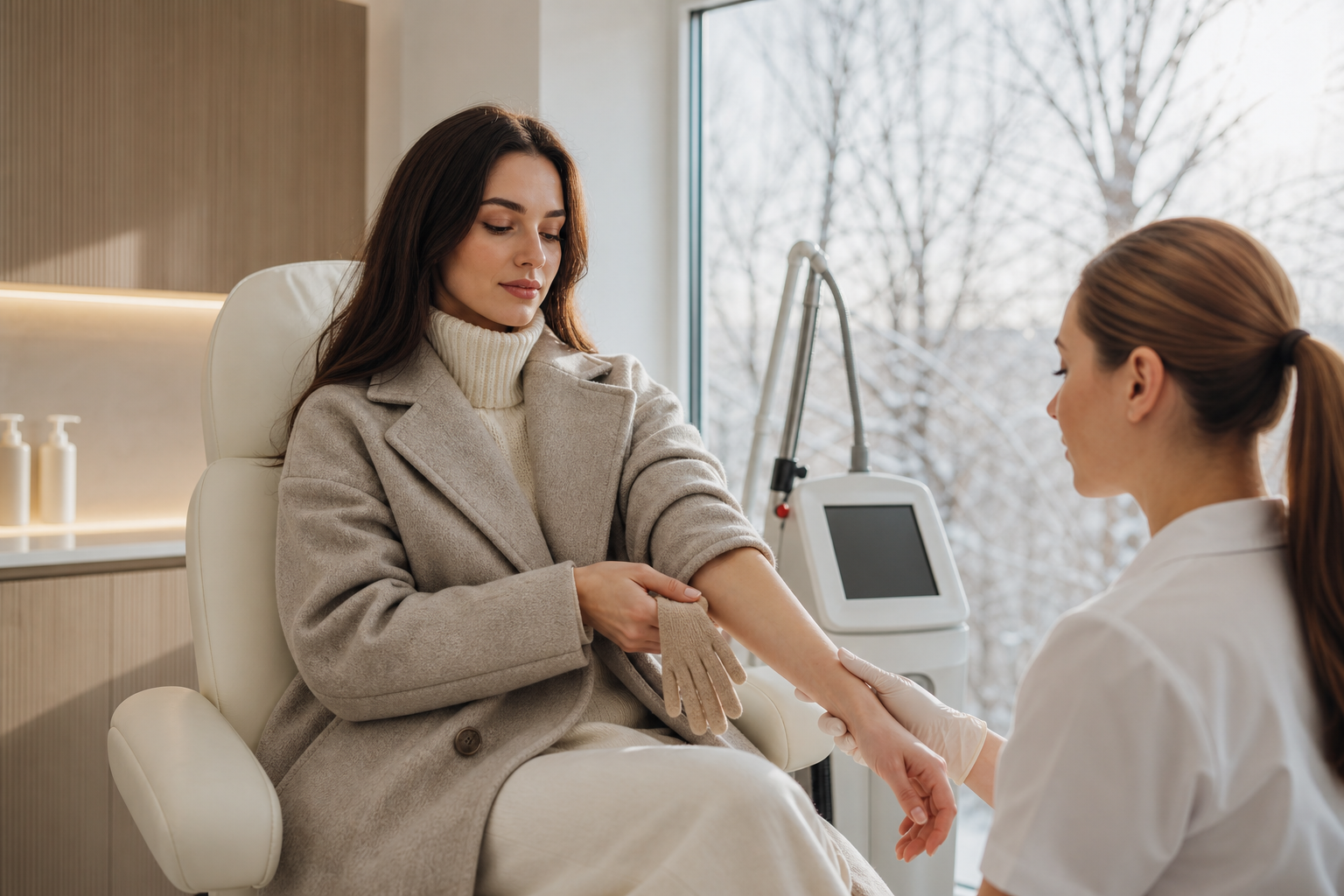
Laser hair removal in winter has become an increasingly popular choice for those seeking a long-term solution to unwanted hair. This elective cosmetic procedure uses targeted laser technology to disable hair follicles, resulting in permanent hair reduction over a course of treatments. Choosing the winter months for laser hair removal can provide practical advantages that enhance both safety and effectiveness. However, understanding the nuances of how winter conditions interact with the laser treatment process is essential for optimizing results.
This article is intended for anyone considering or preparing for laser hair removal, especially those who want to understand why winter might be the ideal season for this procedure. From the impact of reduced UV exposure and easier coverage of treated areas, to special considerations around winter activities such as skiing or travel to sunny destinations, we explore all relevant facets. By revealing the interplay of environmental factors, personal preparation, and scheduling, this guide aims to equip readers to make informed choices about timing and care before, during, and after laser hair removal in winter.
Choosing the right season for laser hair removal goes beyond convenience; it significantly affects treatment outcomes and skin health. While winter presents attractive benefits, it does not eliminate the need for prudence regarding tanning, sun protection, and skin preparation. In this comprehensive exploration, we unpack the key reasons why winter often emerges as a preferred period, detail the preparatory steps necessary, and examine common questions and concerns associated with the procedure during colder months.
Why Is Winter Often Considered the Optimal Season for Laser Hair Removal?
Laser hair removal’s efficacy depends largely on the contrast between hair color and skin pigmentation. The laser targets melanin within the hair follicle to disrupt growth, which means lighter skin and darker hair enhance treatment precision and safety. In winter, most people experience reduced exposure to ultraviolet (UV) rays, leading to lighter, less tanned skin. This natural seasonal lightness allows the practitioner to utilize laser settings that maximize hair removal effectiveness while minimizing risks like burns or hyperpigmentation.
Another significant benefit during winter is the ease with which treated areas can be covered with clothing. Since sun exposure should be minimized immediately following laser treatment to protect sensitive skin, winter clothing such as long sleeves, pants, and scarves provide a simple but highly effective physical barrier against incidental UV exposure. This coverage helps preserve treatment integrity and reduces complications arising from post-treatment sun sensitivity.
Furthermore, seasonal lifestyle habits in winter tend to favor recovery and treatment adherence. Activities such as swimming or tanning bed use are less frequent, both of which are generally contraindicated during laser hair removal regimes. The overall environment—drier air, cooler temperatures, and the absence of activities involving intense sun exposure—supports safer management of the skin’s healing process.
What Preparations Are Essential Before Undergoing Laser Hair Removal in Winter?
Despite winter’s inherent advantages, proper preparation is vital for safe and effective laser hair removal. Initial consultation with a qualified dermatology or laser aesthetics specialist is imperative. The professional will assess your skin type, degree of tanning, hair characteristics, and medical history to design a treatment plan tailored to your needs.
Key preparatory steps include refraining from sunbathing, tanning beds, and chemical self-tanners for at least four weeks before treatment. These activities elevate melanin levels in the skin, making it more susceptible to laser-induced injury. Patients should also avoid waxing, tweezing, or using epilators—methods that remove hair follicles—for at least four to six weeks prior, as laser effectiveness depends on the presence of intact hair follicles.
Maintaining clean, dry skin on treatment day is important. Avoiding deodorants, lotions, perfumes, or other topical products ensures clear laser targeting and reduces the risk of skin irritation. For winter treatments, patients should also be mindful of skin dryness; moisturizing regularly is encouraged to optimize skin condition without applying heavy creams immediately prior to sessions.
How Does Winter’s Dry, Cold Climate Affect the Laser Hair Removal Process and Skin Recovery?
Winter’s cold temperatures and low humidity often cause skin dryness and increased sensitivity, factors that require special attention in the context of laser hair removal. Dry skin can become more easily irritated by the laser’s heat and light energy, potentially leading to discomfort, redness, or prolonged healing times if not properly managed.
To minimize these effects, patients should implement a robust skincare routine incorporating gentle cleansers and intensive moisturizers that restore the skin barrier without clogging pores or provoking sensitization. Avoiding hot baths, long showers, and harsh soaps is also advisable, as they can exacerbate dryness and compromise skin integrity. Protective clothing against wind and cold temperatures further protects the skin’s surface during the vulnerable post-treatment phase.
Practitioners may adjust laser parameters to accommodate increased skin sensitivity in winter, such as reducing energy levels or modifying pulse durations. Post-treatment instructions often emphasize soothing topical agents—formulated without irritants like alcohol or fragrance—and the avoidance of any exfoliating treatments until the skin has fully recovered.
How Should One Coordinate Laser Hair Removal Treatments with Winter Sports and Travel Plans?
Many patients planning laser hair removal in winter also engage in activities such as skiing or have travel plans that could impact their skin exposure and recovery. Skiing often involves high-altitude sun exposure and cold wind, both of which amplify UV radiation effects and can pose increased risks post-laser treatment. It is recommended that treatment sessions be scheduled with at least a two-week buffer before such activities to allow skin sufficient time to heal.
When winter travel involves sunny or tropical destinations, the timing requires even more careful consideration. Since direct sun exposure is strongly discouraged following laser treatments—to reduce complications and preserve efficacy—it is often wiser to schedule the majority of treatments after returning from sun-intensive vacations. If travel during a treatment series is unavoidable, stringent sun protection protocols including high-SPF sunscreens, protective clothing, and avoidance of peak sun hours become critical.
Communicating travel and activity plans upfront with your laser specialist allows for tailored scheduling, maximizing treatment outcomes while minimizing risk. This level of planning is crucial for maintaining the safety and effectiveness of laser hair removal across the often-extended timeline of multiple treatment sessions.
What Are the Expected Experiences and Outcomes During a Winter Laser Hair Removal Treatment Series?
Typically, laser hair removal requires multiple sessions spaced four to six weeks apart to target hair follicles effectively throughout their growth cycles. In winter, patients often report favorable treatment tolerability, with less post-procedure discomfort attributed to cooler ambient temperatures and reduced outdoor heat exposure.
Immediately following treatment, the skin may exhibit redness, mild swelling, or a sensation akin to a sunburn. These effects are usually transient, resolving within a few days, especially when post-care instructions emphasizing moisturizing and sun avoidance are followed diligently. The absence of intense summer sun during winter shortens these recovery phases and reduces complications.
Over the course of treatment, gradual reduction in hair density and thickness becomes apparent. The likelihood of side effects such as hyperpigmentation or skin burns is diminished in winter due to lighter skin tone and better sun protection. Patients should expect steady progress, with full results often visible several weeks after completing the recommended treatment regimen.
Frequently Asked Questions About Laser Hair Removal in Winter
Does winter mean I can skip sun protection after laser treatment?
While UV exposure is reduced in winter, it is not eliminated. Reflective surfaces like snow can amplify UV rays, potentially harming treated skin. Consistent use of broad-spectrum, high-SPF sunscreen and physical barriers remain essential post-treatment precautions year-round.
Can I use moisturizers or skincare products immediately after laser hair removal?
Yes, but only those free from irritants such as alcohol, fragrances, or harsh chemicals. Specialized soothing creams recommended by your practitioner optimize healing without provoking adverse reactions.
Is laser hair removal more painful in cold weather?
The cold itself generally does not increase pain and may have a slight numbing effect. However, individual sensitivity varies. Communication with the technician during treatment helps manage comfort levels.
Can I continue shaving between laser sessions?
Yes, shaving is allowable and recommended, as it maintains skin smoothness without disrupting hair follicles. Avoid waxing, plucking, or epilating, which remove follicles that the laser needs to target.
For a broader perspective on seasonal considerations These resources provide deeper insight into how time of year affects treatment planning and outcomes.


