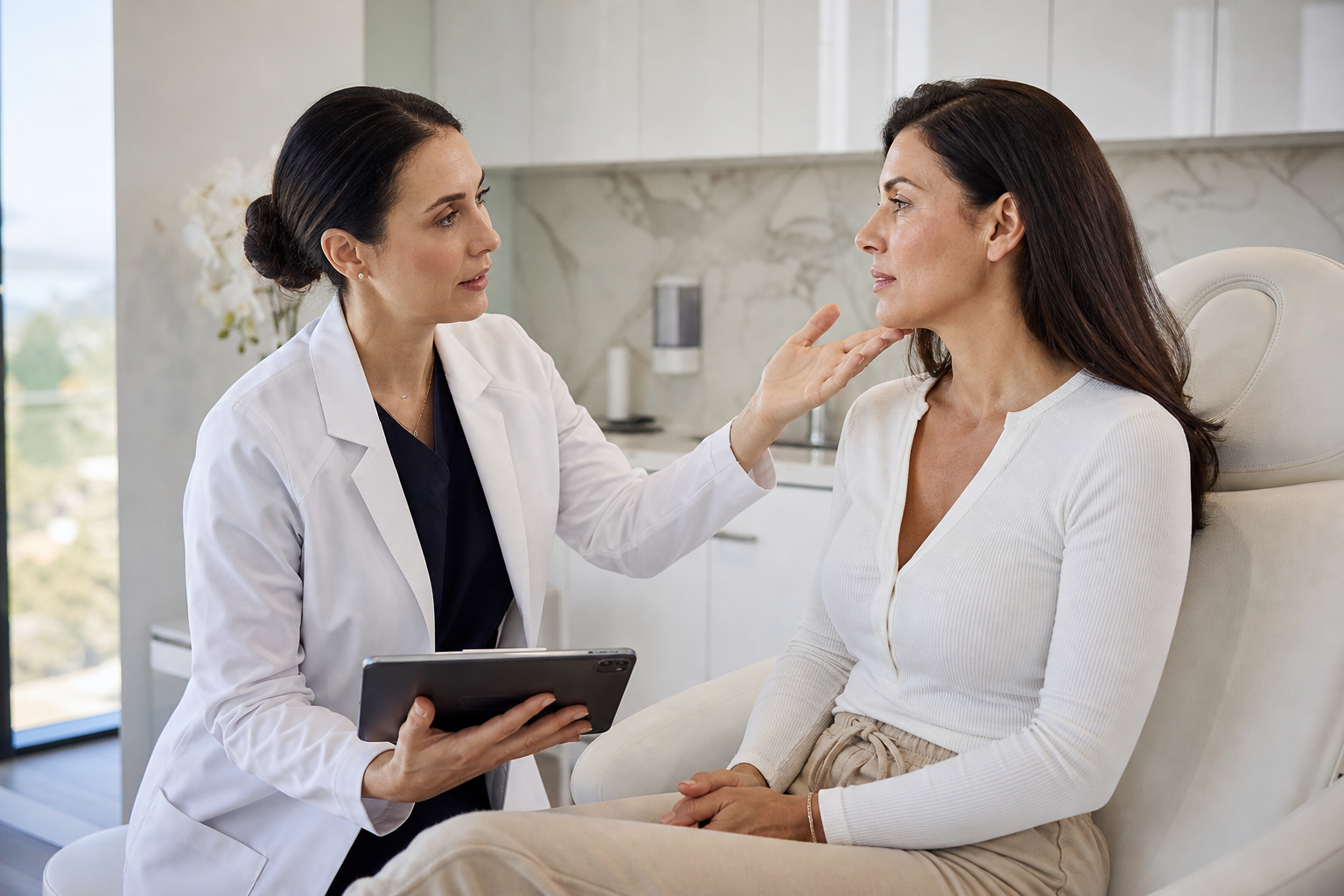
When considering laser treatments for skin rejuvenation or other dermatological benefits, one common concern among patients is the appropriate time frame for resuming makeup use after the procedure. "When Can You Wear Makeup Again After Laser Treatment?" is a question that many seek to understand not only from an aesthetic standpoint but also from a health and healing perspective. This article aims to clarify the considerations surrounding makeup application post-laser treatments, outlining the key factors that influence timing, potential risks of premature usage, and guidance on how to protect and care for your skin during recovery.
This information is crucial for individuals undergoing laser procedures such as fractional or ablative laser resurfacing, laser hair removal, or treatments for pigmentation and vascular issues. Understanding when it is safe to apply makeup again helps ensure optimal recovery, prevents complications like irritation or infection, and supports the success of the treatment outcomes.
What makes this topic complex is that there is no one-size-fits-all answer. The timing for safely wearing makeup after laser therapy depends on the type of laser used, the intensity of the treatment, the patient’s skin condition, and instructions given by the treating clinician. This nuanced approach underscores the importance of individualized recovery plans in aesthetic medicine.
Understanding the Impact of Laser Treatments on Skin Integrity
Laser treatments work by targeting specific layers and components of the skin to stimulate healing and regeneration or to remove unwanted pigmentation or hair. Procedures such as ablative lasers remove or damage the outer skin layers to promote new collagen formation, while non-ablative lasers work deeper within the skin to encourage rejuvenation without significant surface disruption.
The immediate effect of many laser treatments is a compromised skin barrier, leaving the skin more vulnerable to irritation and infection. This disruption can manifest as redness, swelling, peeling, or sensitivity. Since makeup often contains chemicals, fragrances, and pigments, applying it too soon can interfere with the natural healing process and exacerbate inflammation or cause allergic reactions.
Why Delaying Makeup Application After Laser Therapy Is Important
Post-laser skin is in a delicate state during the initial recovery phase. The stratum corneum, the outermost layer of skin that normally serves as a protective barrier, may be temporarily damaged or removed depending on the laser intensity. This makes the skin more permeable and reactive to external substances.
Makeup products often contain preservatives, dyes, and other additives intended for use on intact, healthy skin. When applied prematurely after laser procedures, these substances can clog pores, cause irritation, or promote infections since the skin's defense mechanisms are compromised.
Moreover, occlusive makeup products can impede oxygen exchange, which is vital for skin cell regeneration. They may also trap sweat and bacteria on the skin, delays healing, and could potentially diminish the beneficial effects that the laser treatment aims to achieve.
How Different Laser Procedures Influence Makeup Resumption Timing
Not all laser treatments affect the skin in the same way, and consequently, the period for which makeup should be avoided varies accordingly. Ablative lasers (e.g., CO2 or Erbium YAG) are more invasive and remove the upper skin layers, thus requiring a longer healing period before makeup can be safely applied. Patients may experience redness, peeling, and sensitivity that can last from several days to weeks.
In contrast, non-ablative lasers, which work by heating underlying skin without damaging the surface, typically have a shorter downtime. Makeup may be reapplied sooner, often within a couple of days, as the epidermis remains largely intact with only mild redness or swelling.
Fractional laser treatments create micro-injuries surrounded by intact skin, promoting quick healing. Even so, depending on the intensity, a waiting period is necessary before introducing makeup to avoid irritation or infection.
Additional treatments such as laser hair removal, intense pulsed light (IPL), or vascular lasers also have varied recovery profiles that influence how soon makeup can be worn after the session.
Individual Factors Affecting Recovery and Makeup Readiness
While the type of laser and treatment intensity are primary determinants, individual patient factors also play a significant role. Skin type, sensitivity, underlying conditions (such as rosacea or eczema), and the patient’s adherence to aftercare instructions will influence the healing timeline.
For example, someone with sensitive or compromised skin may require a more extended makeup-free period to prevent adverse effects. Similarly, environmental factors such as sun exposure and lifestyle habits can affect skin recovery.
Communicating openly with your dermatologist or aesthetic practitioner about your skin history and any post-treatment concerns can ensure personalized recommendations that support a safe resumption of makeup use.
Post-Treatment Skincare: What to Use Instead of Makeup During Recovery
During the makeup-free healing period, it is essential to focus on gentle skin care routines that support barrier repair and comfort. Hydrating, fragrance-free moisturizers containing ingredients like aloe vera or panthenol help soothe inflammation and maintain skin hydration.
Gentle cleansers that avoid harsh detergents or exfoliants are advisable. Avoid products containing alcohol, synthetic fragrances, or other potential irritants that can exacerbate sensitivity.
Sun protection is critical after laser treatments since the skin is more susceptible to UV damage. Using mineral-based sunscreens with physical blockers such as zinc oxide or titanium dioxide provides broad-spectrum coverage without irritating sensitive skin.
Guidelines for Reintroducing Makeup Safely After Laser Procedures
When your clinician approves the use of makeup post-treatment, it is best to ease back into application with cautious choices. Opt for mineral-based or hypoallergenic cosmetic products designed for sensitive or post-procedure skin. These typically have fewer irritants and allow the skin to breathe more freely.
Light formulations such as tinted moisturizers or mineral powders can offer coverage without clogging pores. Avoid heavy foundations, waterproof makeup, or thick creams initially, as they may cause mechanical irritation or microbial buildup.
Proper removal of makeup at the end of each day using gentle cleansers is crucial to prevent inflammation and maintain skin health.
When to Consult Your Doctor Regarding Makeup Use and Post-Laser Care
If any signs of irritation, unusual redness, swelling, pain, or allergic reaction appear after resuming makeup, it is vital to seek prompt medical advice. Early intervention can mitigate potential complications such as infection or prolonged inflammation.
Always report any concerns during your follow-up visits, and do not hesitate to ask your clinician about suitable makeup products or alterations to your skincare routine based on your recovery progress.


