Melasma is a complex and often frustrating skin condition marked by hyperpigmented, irregular patches primarily on facial areas such as the cheeks, forehead, nose, and upper lip. Affecting predominantly women during their reproductive years, melasma presents a significant aesthetic concern, often deeply affecting self-esteem and quality of life. Addressing melasma requires a nuanced understanding of its underlying mechanisms and the limitations inherent in various treatment modalities.
Among the therapeutic options, a combined approach of laser and topical therapies has garnered considerable interest in dermatological practice. This intricate balance leverages the strengths of both modalities while aiming to mitigate their risks, such as inflammatory flare-ups or postinflammatory hyperpigmentation (PIH). This article is intended for dermatologists, skincare professionals, and patients seeking an informed perspective on how laser treatments, integrated with carefully selected topical agents and strict photoprotection, can serve as a measured strategy for managing melasma.
By grounding our discussion in the current body of medical evidence and clinical observations, we will explore the potential benefits and unavoidable limitations of combining these therapies. Emphasizing a personalized treatment paradigm, we will underscore the necessity of patient-specific assessments to optimize outcomes, acknowledging the absence of a permanent cure yet highlighting achievable improvements with responsible care.
What Is Melasma and Why Does Its Treatment Require a Cautious Approach?
Melasma is recognized as a chronic hyperpigmentary disorder characterized by the deposition of excess melanin within the epidermis, dermis, or both. Influenced by an intricate interplay of genetic predisposition, hormonal fluctuations—particularly related to estrogen and progesterone—and ultraviolet (UV) radiation exposure, melasma manifests typically as symmetrical, poorly demarcated, brownish patches.
Clinical classification delineates melasma into epidermal, dermal, and mixed types, which differ in pigment localization and respond variably to treatment. Such diversity complicates standardization of therapy and necessitates individualized management plans. Furthermore, melasma's inherent tendency to recur or exacerbate following triggers—ranging from hormonal changes to inflammation induced by cosmetic procedures—further challenges clinicians aiming for sustained remission.
This complexity underscores why any treatment must be approached with caution, prioritizing the prevention of procedural adverse effects such as PIH and recognizing that an integrative regimen combined with ongoing preventative care offers the most prudent course.
How Do Laser Treatments Function in Melasma Management?
Laser therapies have emerged as promising tools in pigmentary disorder management by targeting melanocytes or accumulated melanin to reduce visible pigmentation. Various laser types—including toning lasers (such as low-fluence Q-switched Nd:YAG lasers), picosecond lasers, intense pulsed light (IPL), and fractional lasers—each possess distinct wavelengths, pulse durations, and depths of skin penetration, influencing their mechanism of action and clinical outcomes.
The goal of these laser systems is multifaceted: fragmenting melanin granules, attenuating melanocyte activity, and stimulating dermal remodeling. Despite their potential, the inflammatory response triggered by laser energy can sometimes paradoxically induce PIH, worsening pigmentation particularly in patients with darker skin phototypes (Fitzpatrick IV-VI) or those with epidermal sensitivity.
Therefore, lasers employed without a comprehensive protocol may yield temporary improvements but carry a risk of pigmentary rebound or persistent discoloration. The precision in energy setting, treatment intervals, and patient selection critically determines safety and efficacy, reinforcing that laser application in melasma is not a standalone panacea but a component within a broader therapeutic strategy.
Why Combine Laser Therapy with Topical Treatments for Melasma?
The rationale for combining laser with topical agents hinges on their complementary modes of action. While lasers physically disrupt pigment deposits and initiate dermal remodeling, topical therapies modulate melanogenesis biochemically and counteract pigment production and inflammation.
Common topical agents include hydroquinone, a tyrosinase inhibitor; tretinoin, which accelerates epidermal turnover; azelaic acid, possessing melanin synthesis inhibition and anti-inflammatory properties; and mild corticosteroids, which reduce inflammatory mediators. Integrating these agents with laser treatments helps mitigate melanocytic hyperactivity that might be triggered by laser-induced inflammation.
This synergistic approach not only enhances the depth and durability of pigment reduction but also allows the use of lower laser fluences and fewer sessions, potentially reducing side effect profiles and improving patient tolerance and compliance. Thus, combination therapy represents a judicious balance aiming to maximize therapeutic benefits while guarding against adverse consequences.
What Are the Risks and Limitations Associated with Combining Laser and Topical Therapies?
Despite encouraging clinical outcomes reported in studies examining combined laser and topical treatments, a cautious interpretation is warranted. Melasma’s heterogeneity in clinical presentation and the complex pathophysiology mean that treatment responses vary significantly among patients. Currently, there is no universally accepted, evidence-based protocol for laser-topical combination therapy, reflecting gaps in robust, large-scale clinical trials.
Risk of PIH remains a major concern, particularly in patients with darker skin or those with a history of photosensitivity. The precision in laser parameter settings and formulation or concentration of topical agents is crucial; overdosing or incorrect combinations may provoke irritant dermatitis or paradoxical pigmentation exacerbation.
Additionally, melasma’s chronic nature means that treatment success is often transient without sustained intervention. Hormonal influences, cumulative sun exposure, heat, and other environmental factors continue to drive melanogenesis, challenging long-term maintenance of cleared pigmentation. Realistic patient counseling about the possibility of recurrence and side effects is essential to prevent misunderstandings and unrealistic expectations.
How Important Is Individualized Assessment and Rigorous Photoprotection in Combined Therapy?
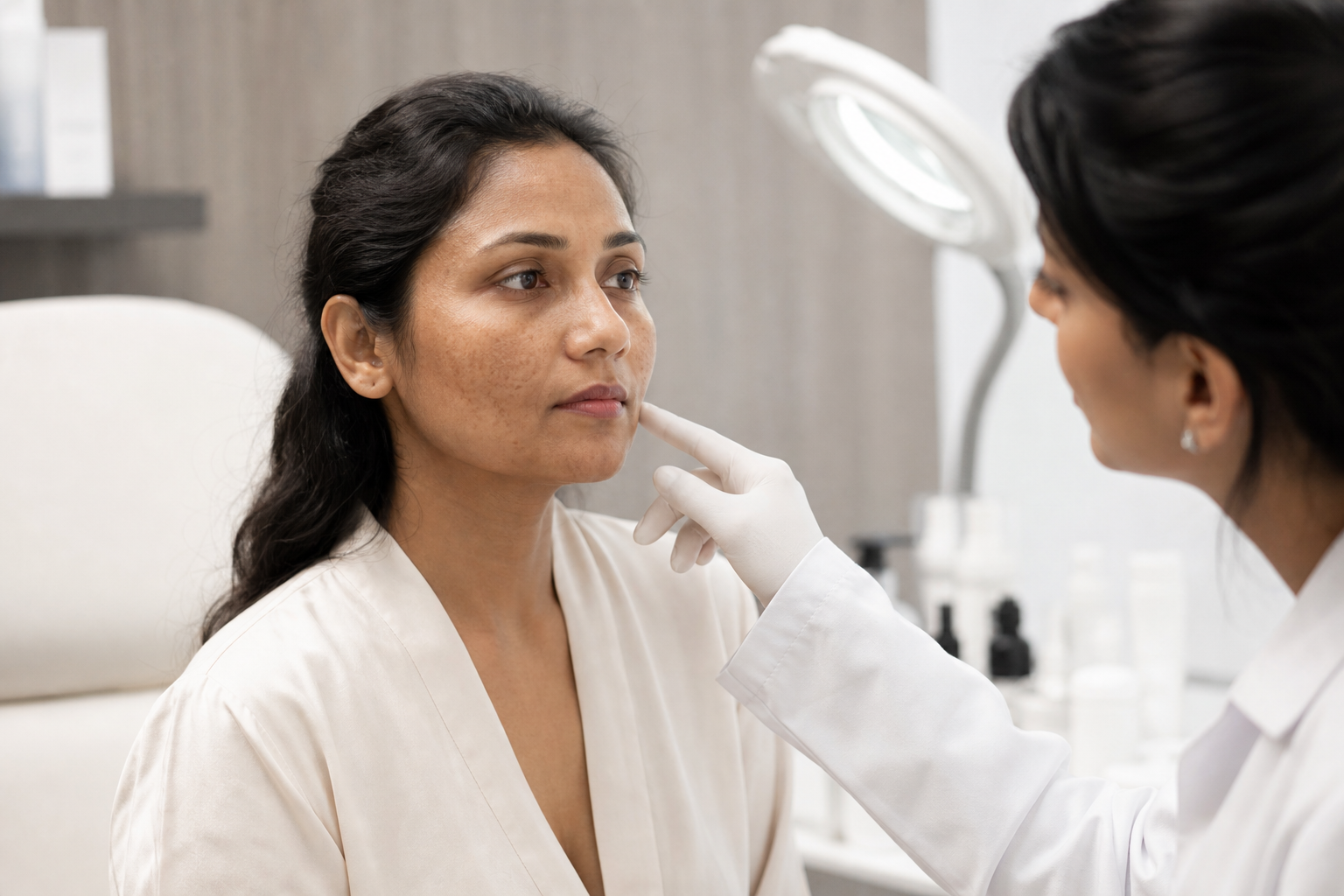
Personalized treatment planning is the cornerstone of safe and effective melasma management. Assessment should include determination of the patient’s Fitzpatrick skin type, melasma subtype, lesion depth, and prior treatment history. This information guides the choice of laser type, energy settings, topical agents, and treatment sequence.
Moreover, photoprotection is indispensable. UV radiation, including UVA, UVB, and visible light, is a primary trigger for melasma onset and exacerbation. Excellent sun protection employing broad-spectrum physical and chemical sunscreens with high sun protection factor (SPF), adjunctive mechanical modalities such as hats or umbrellas, and behavioral modifications reducing sun exposure are critical before, during, and after treatment courses.
Photoprotective measures serve not only to prevent new pigment formation but also to minimize post-treatment hyperpigmentation. Adherence to sun-safe practices significantly influences treatment durability and patient satisfaction, reinforcing photoprotection as a therapeutic pillar rather than an adjunct.
What Does a Typical Protocol for Combined Laser and Topical Treatment Look Like?
Though protocols vary, a frequently adopted regimen begins with preparatory topical therapy that may last several weeks. This initial phase aims to lighten pigmentation, stabilize melanocyte activity, and reduce skin inflammation, allowing the skin to better tolerate laser treatment. Agents such as low-concentration hydroquinone and retinoids are often introduced during this time.
Following adequate skin preparation, laser sessions are administered at planned intervals to progressively reduce residual pigmentation while monitoring skin response carefully. Variations in laser type and dosing are used depending on patient characteristics and response.
Post-laser, topical therapy is resumed or intensified to consolidate pigment clearance and suppress melanogenesis. Continuous photoprotection is maintained throughout. Regular dermatological evaluations facilitate adjustments to therapy, ensuring maximum efficacy and safety over time.
Frequently Asked Questions About Laser and Topical Treatments for Melasma
Can laser therapy permanently remove melasma?
Given melasma’s recurrent nature and multifactorial triggers, laser therapy does not offer a permanent cure. However, it can lead to significant pigment reduction and improve appearance when combined with supportive treatments and lifestyle modifications.
Why might melasma worsen after laser treatments?
Laser-induced inflammation can stimulate melanocytes excessively, promoting PIH, especially if treatment parameters are aggressive or photoprotection is inadequate. Careful technique and adjunctive topical regimens are essential to minimize this risk.
Which topical agents work best alongside laser therapy?
Hydroquinone, tretinoin, azelaic acid, and mild corticosteroids are widely used in combination regimens. The choice depends on patient skin type, tolerance, melasma depth, and previous responses.
How can melasma recurrence be prevented after treatment?
Lifelong photoprotection, hormonal management where possible, stress reduction, and regular dermatological follow-ups constitute the best defense against relapse.