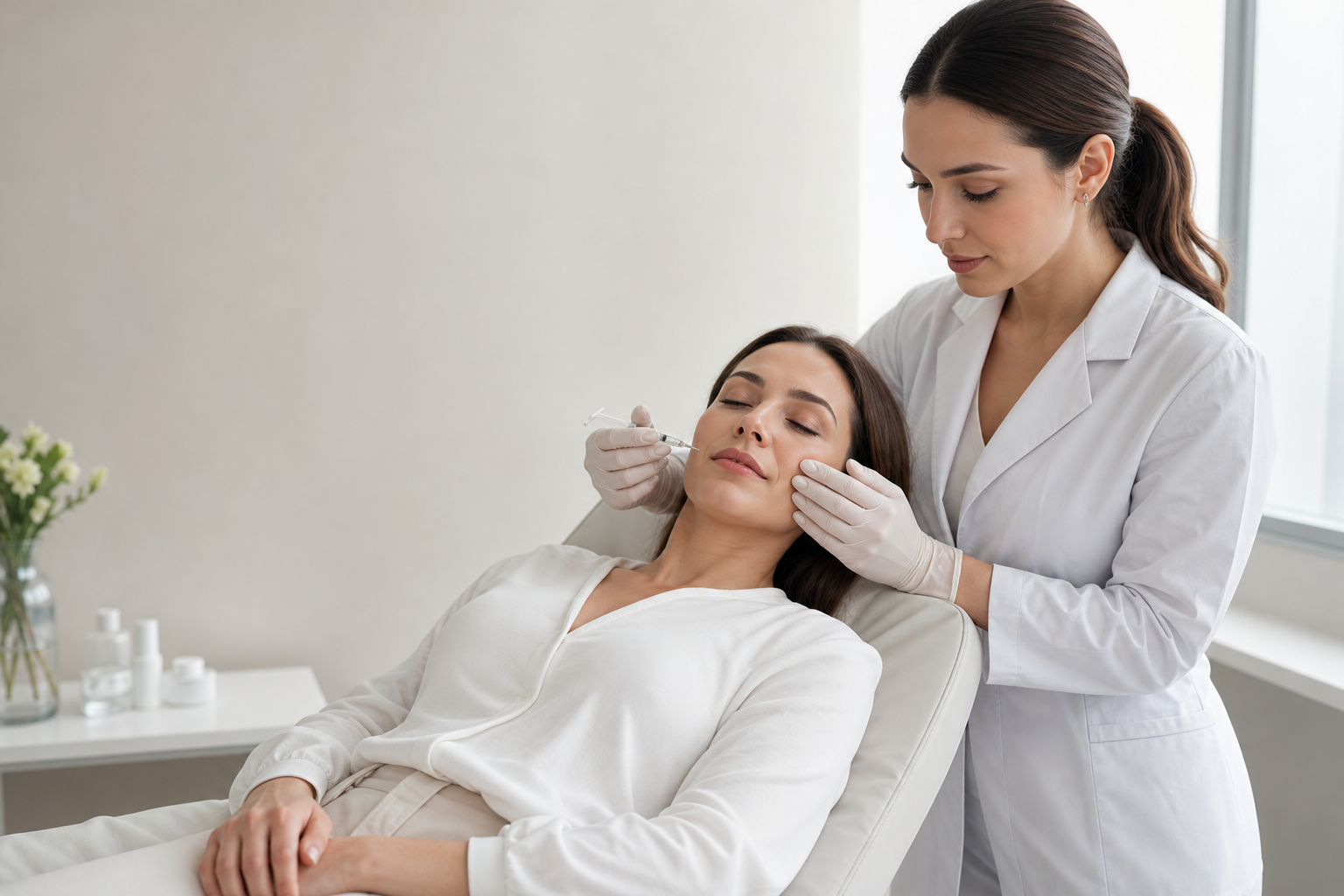
In the realm of aesthetic medicine, treatments like Botox and dermal fillers have gained remarkable popularity for their ability to soften the visible signs of aging. An increasing number of individuals seek professional expertise to diminish wrinkles, restore facial volume, and rejuvenate their appearance. However, alongside their growing acceptance, a host of myths, misunderstandings, and unrealistic expectations accompany these treatments. These often culminate in dissatisfaction with the results and confusion about what such therapies can genuinely achieve. This editorial explores the complex interplay between myths, expectations, and treatment outcomes, offering a clear-eyed perspective for those considering aesthetic enhancements as well as the practitioners who provide them.
The topic of myths, expectations, and dissatisfaction with treatment outcomes is crucial because it addresses the psychological and practical realities of aesthetic interventions. It unpacks the often unspoken assumptions clients bring into consultations — assumptions shaped by media portrayals, social networks, and anecdotal stories — and contrasts these with scientific understanding and clinical experience. For anyone contemplating Botox or hyaluronic acid fillers, this discussion provides essential knowledge to approach treatments with an informed mindset, enhancing satisfaction and mitigating disappointment.
By examining common misconceptions about how these treatments function, dissecting the psychological factors that shape client satisfaction, and highlighting the importance of candid communication between patient and professional, we aim to foster realistic expectations. Additionally, we emphasize the critical role of medical evaluation, safety considerations, and individualized treatment planning in achieving desirable outcomes. Understanding the nuances of these treatments beyond surface-level appearances is vital to appreciating their benefits and limitations.
Demystifying Botox and Hyaluronic Acid Fillers: Foundations for Realistic Expectations
The foundation of managing expectations begins with understanding what Botox and hyaluronic acid fillers actually are and how they work. Despite their widespread use, many misconceptions persist that cloud comprehension and misguide patients. For example, a prevalent myth is that Botox invariably causes a "frozen" expression, robbing the face of natural movement and emotion. In reality, Botox, which is a purified form of botulinum toxin, works by temporarily inhibiting the communication between nerves and specific muscles responsible for dynamic wrinkles. When skillfully administered, it softens facial lines while preserving natural expressiveness, allowing subtle movement that reflects authentic emotion.
Confusion also arises from conflating Botox with hyaluronic acid-based fillers, despite their fundamentally different mechanisms and purposes. Botulinum toxin targets muscle contraction to reduce wrinkles caused by repeated facial movements, while hyaluronic acid fillers restore volume and contour by physically filling depressions and enhancing tissue structure. Hyaluronic acid is a naturally occurring substance in the skin that supports hydration and elasticity. By replenishing this component, fillers can instantly smooth static wrinkles and subtly augment facial features.
Another misleading notion is that Botox creates dependency or worsens wrinkles when discontinued. Scientific evidence does not support these claims. Rather, if treatments cease, the muscles regain their original activity pattern, and the face gradually returns to its prior state. Importantly, continued treatments can maintain wrinkle softening and may even prevent deepening over time. However, these effects are cosmetic and temporary; neither Botox nor fillers alter the underlying biological aging process.
The Psychological Dimension of Expectations and Its Impact on Treatment Satisfaction
Expectations are deeply intertwined with psychological factors and profoundly influence perceived success or failure of aesthetic procedures. Often, individuals approach treatments with an idealized vision fueled by sharply retouched images, viral social media content, or anecdotal success stories portraying dramatic transformations. The allure of swift, conspicuous results can overshadow a realistic evaluation of what these treatments can deliver.
Yet, actual outcomes are frequently more nuanced and subtle, evolving over days or weeks. This natural gradualness can be misinterpreted as ineffective or disappointing, especially if communication prior to treatment did not clarify timing and degree of change. Satisfaction depends not only on the physical effects but also on how closely results align with the patient’s preconceived notions and emotional readiness to embrace change.
Open, transparent dialogue between patient and practitioner is therefore essential. Medical professionals must assess individual facial anatomy, skin quality, muscle dynamics, and aesthetic goals to tailor treatments appropriately. Setting achievable objectives together and discussing limitations fosters trust and prepares clients for potential variations in response. Moreover, acknowledgment of underlying emotional factors such as fear of loss of identity or societal pressures can help manage anxiety or unrealistic hopes.
Why Some Botox Treatments Fail to Meet Expectations
Several factors contribute to unsatisfactory Botox outcomes. Biological variability plays a significant role; differences in muscle mass, skin thickness, metabolic rate, and genetic factors influence how an individual responds to treatment. Some clients may metabolize botulinum toxin more rapidly, requiring adjustments in dosage or frequency. Misinterpretation of these physiological differences can lead to premature labeling of therapies as ineffective.
Technical issues during administration also impact results. The precision of injection placement, dosage calibration, and the injector’s understanding of facial musculature are paramount. Incorrect dosing or inaccurate targeting can cause asymmetry, unnatural muscle inhibition, or unintended effects like eyelid drooping or altered expressions. These adverse outcomes highlight the necessity of highly trained, experienced practitioners who perform comprehensive evaluations before treatment.
It is equally important for patients to understand that Botox effects do not appear instantaneously. The maximal effect often materializes after several days and evolves over a week or two. Premature assessment may bias perception of efficacy. Furthermore, while reversible to a degree, any attempts to "undo" Botox effects should be medically supervised as interventions may carry risks and variable success.
The Unique Role of Hyaluronic Acid Fillers and Their Specific Challenges
Hyaluronic acid fillers serve distinct purposes compared to neuromodulators like Botox. They replenish lost volume and enhance contours, addressing signs of aging such as hollow cheeks, sunken temples, and deep nasolabial folds. Unlike Botox, fillers provide immediate volumizing effects that last from several months up to over a year, depending on the product and treatment area.
Despite their seeming straightforwardness, fillers demand nuanced understanding. Variations in skin quality, hydration levels, vascular anatomy, and tissue resilience affect both aesthetic outcomes and longevity of results. Some patients mistakenly expect fillers to yield drastic changes akin to surgical procedures, leading to disappointment when subtle, proportional improvements are achieved instead.
Additionally, because fillers physically occupy space beneath the skin, misplacement or injection of inappropriate product types can cause lumps, asymmetry, or unnatural contours. Managing these complications necessitates careful product selection, meticulous technique, and prompt medical attention if adverse events occur. Patient education on procedural limits and realistic timelines is critical to align perceptions.
Strategies for Addressing and Overcoming Post-Treatment Dissatisfaction
When patients encounter outcomes that differ from expectations, managing dissatisfaction constructively is vital for preserving psychological well-being and therapeutic relationships. The cornerstone of addressing such concerns is immediate, honest communication between the client and practitioner. Patients should feel empowered to discuss their perceptions without judgment, enabling tailored corrective plans.
In cases where aesthetic asymmetry, overcorrection, or underwhelming results are evident, medical professionals can provide interventions ranging from minor adjustments to additional treatments. These solutions depend on the nature of the concern, product used, and individual anatomy. For example, hyaluronidase can be applied to dissolve excess hyaluronic acid fillers when necessary. Conversely, Botox effects fade naturally over time.
Importantly, patients must avoid self-treatment attempts or interventions without professional guidance, as these may compound problems. Vigilance for serious adverse effects following injections — such as marked swelling, skin discoloration, or most critically, difficulty breathing or swallowing — is imperative. Such symptoms demand emergency medical intervention, underscoring the need for treatments within controlled clinical environments.
The Indispensable Role of Comprehensive Consultation and Patient Education
Fundamental to achieving satisfactory aesthetic outcomes is a thorough consultation process which lays the groundwork for individualized, safe, and effective treatment plans. This process involves detailed medical history review, assessment of facial structure and function, and open discussion about patient motivations and expectations.
Medical professionals must provide nuanced information regarding the treatments’ mechanisms, registered indications, off-label uses (as applicable per country regulations), and potential risks. Transparency about variability in results and the temporary nature of these effects helps clients adopt measured outlooks. Educating patients about the importance of maintenance treatments and realistic goals further enhances informed consent and engagement.
Such comprehensive education empowers patients to become active participants in their aesthetic journey, fostering trust and collaborative decision-making. By dismantling myths and addressing unrealistic expectations upfront, foundational clarity paves the way for greater satisfaction and reduces the likelihood of disappointment or dissatisfaction.