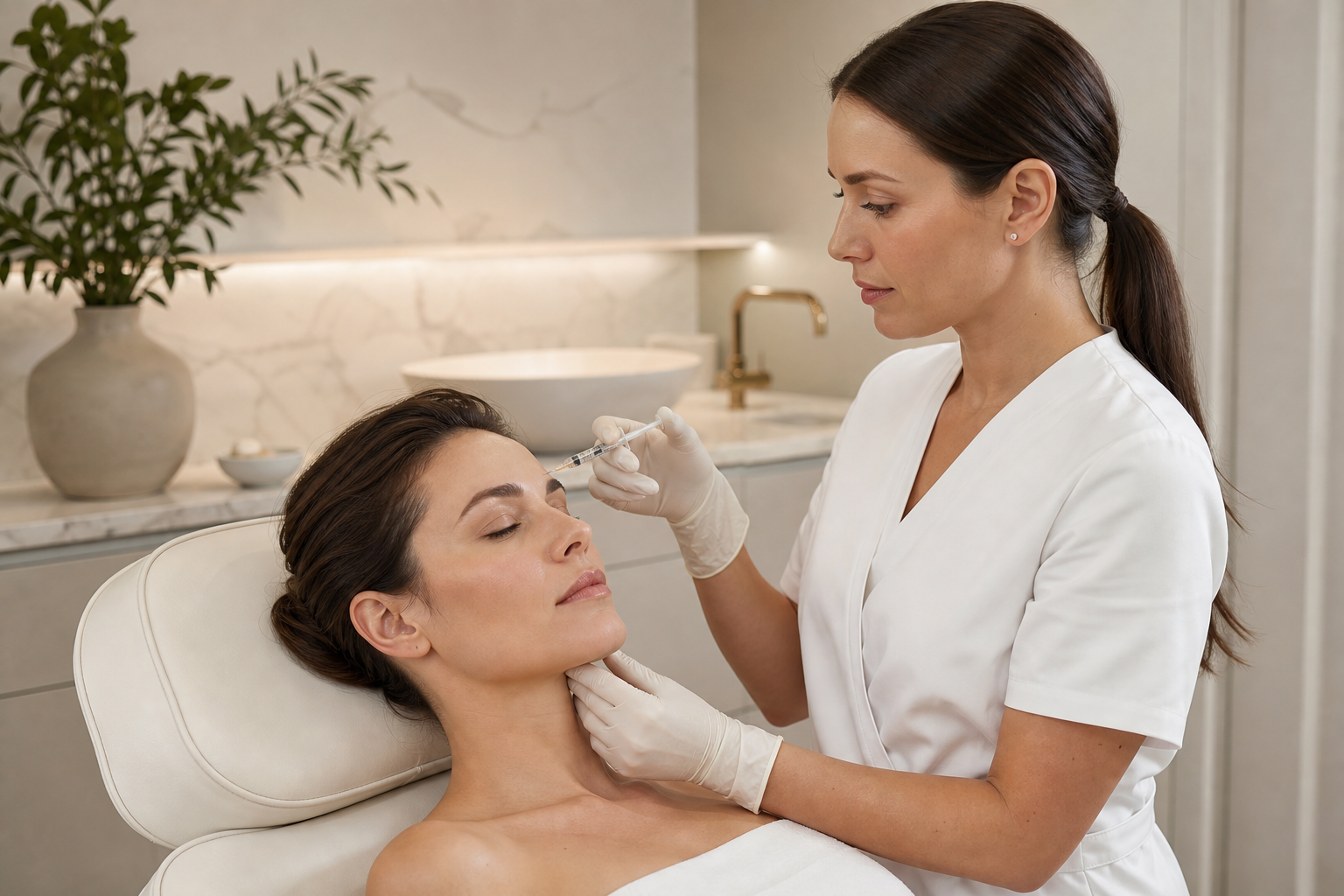
Botox and chemical peels are cornerstone treatments in the realm of modern aesthetic medicine, celebrated for their ability to rejuvenate the skin and mitigate the visible signs of aging. While each procedure operates through distinct mechanisms—Botox targeting muscle activity to soften wrinkles and chemical peels promoting skin renewal through controlled exfoliation—their strategic combination offers a powerful synergy. This allows patients to address both dynamic wrinkles and skin texture, achieving a refreshed, youthful appearance. However, the success of these treatments extends beyond their application; proper recovery planning is essential to maximizing results and ensuring patient safety.
This comprehensive editorial is crafted for individuals contemplating Botox and chemical peel treatments, whether they are first-time patients or seasoned recipients aiming to enhance their outcomes. It shines a spotlight on understanding the science behind these procedures, realistic expectations, personalized recovery strategies, and the vital role of professional guidance. By exploring these dimensions, readers can confidently navigate the path to a radiant complexion while minimizing risks and optimizing healing.
The significance of well-structured recovery protocols after Botox and chemical peels cannot be overstated. Suboptimal aftercare may lead to complications such as prolonged redness, irritation, or even skin damage, which not only compromise cosmetic results but also patient well-being. Therefore, acquiring knowledge about the healing timelines, protective measures, and individualized considerations is imperative. This editorial endeavors to deliver clear, practical insights to empower readers in their aesthetic journeys.
The Distinct Mechanisms Underpinning Botox and Chemical Peels
Botox, derived from botulinum toxin type A, functions by temporarily inhibiting nerve signals to targeted muscles, thereby reducing their contractions responsible for facial expression lines. The onset of visible effects typically occurs within three to ten days post-injection, lasting for an average of three to six months. This muscle relaxation smooths dynamic wrinkles, especially around the eyes and forehead, offering a natural and refreshed facial appearance.
Conversely, chemical peels involve applying acidic solutions of varying strengths to exfoliate damaged skin layers. This controlled injury stimulates increased collagen production and accelerates cellular turnover, enhancing skin texture, tone, and clarity. Chemical peels are generally classified as superficial, medium, or deep, with the depth of penetration dictating the intensity of peel and the recovery duration required.
Executed together thoughtfully, Botox relaxes the underlying facial muscles preventing wrinkle formation, while chemical peels revive the epidermis, reducing imperfections like uneven pigmentation, fine lines, and roughness. Yet, the differing biological impacts necessitate tailored recovery timelines and protocols to accommodate the unique healing processes each treatment induces.
Pre-Treatment Considerations and Safety Protocols for Combined Procedures
Before undergoing Botox injections and chemical peels—individually or in combination—consultation with a qualified dermatologist or cosmetic practitioner is indispensable. This assessment includes evaluating the patient’s skin condition, overall health, medical history, and cosmetic goals to design a treatment plan that balances efficacy and safety.
Preparation may involve pre-conditioning the skin with barrier-enhancing products such as moisturizers or gentle exfoliants to bolster skin resilience ahead of peeling. Avoidance of sun exposure and strict use of high-protection sunscreens reduce the risk of post-inflammatory hyperpigmentation. For Botox, patients should minimize blood-thinning medications and alcohol intake shortly before treatment to reduce bruising.
When scheduling both treatments, the timing matters: superficial peels may be safely combined with Botox in a single session or spaced closely, whereas medium to deep peels often necessitate separate appointments with defined intervals to avoid overstressing the skin. This staggered approach supports optimal healing while harnessing the benefits of each modality.
The Role of Individual Factors in Shaping Recovery Dynamics
Every patient’s recovery trajectory is influenced by intrinsic elements such as age, skin type, sensitivity, and prior skincare routines. For example, individuals with sensitive or dry skin might experience extended redness and peeling following a chemical peel, while those with oily skin types might notice increased sebum production. Similarly, patients with robust facial musculature may require more precise Botox dosing to avert asymmetry or unwanted effects.
Moreover, pre-existing conditions like eczema, rosacea, or history of keloids necessitate cautious planning and possible treatment customization. Understanding these nuances allows clinicians to set realistic expectations, offer tailored aftercare advice, and mitigate adverse reactions.
Open communication between patient and provider regarding lifestyle factors such as sun exposure, smoking, and skincare habits further refines recovery strategies, optimizing outcomes and preserving skin health long term.
Strategic Skin Care and Precautions During the Recovery Phase
Post-treatment skin care forms the backbone of a successful recovery period for both Botox and chemical peels. Following Botox injections, patients are advised to avoid massaging the treated areas or engaging in vigorous exercise for at least 24 to 48 hours to prevent unwanted migration of the toxin. Limiting exposure to heat sources, including saunas and intense sunlight, reduces swelling and prolongs the effect.
Recovery after chemical peeling may involve visible redness, dryness, and peeling that can persist from several days to weeks based on peel depth. Gentle cleansing routines employing mild, fragrance-free cleansers prevent additional irritation. Emollients enriched with soothing ingredients like hyaluronic acid, ceramides, and niacinamide help replenish moisture and strengthen the skin barrier.
Rigorous photoprotection is paramount, as the new skin layers are especially vulnerable to ultraviolet radiation, risking hyperpigmentation and sensitivity. Patients should consistently use broad-spectrum sunscreens with high SPF and wear protective clothing. Avoiding harsh skincare products such as retinoids, exfoliants, or alcohol-based toners until full recovery prevents setbacks and encourages optimal healing.
If unexpected symptoms arise, including persistent redness, pronounced swelling, pain, or signs of infection, immediate consultation with the treating specialist is crucial to initiate prompt management and avert complications.
The Essential Guidance of Qualified Specialists Throughout Recovery
The expertise and ongoing support of experienced practitioners are critical for navigating the post-treatment period effectively. Beyond performing the procedures, specialists customize recovery timelines, recommend appropriate topical agents, and adjust treatment plans based on individual healing responses. This personalized oversight facilitates early detection and handling of any adverse events, ensuring patient safety and satisfaction.
Regular follow-up appointments allow for monitoring the effects of Botox and the evolution of skin condition after chemical peels. Such interactions also provide opportunities to reinforce skincare routines, clarify patient concerns, and schedule subsequent treatments with calibrated intervals to sustain aesthetic benefits.
Integrating patient education on lifestyle factors—diet, hydration, sun avoidance—and stress reduction further supports skin recovery and enhances long-term results, promoting overall dermatological wellness.
Developing Realistic Expectations for Sustained Aesthetic Improvements
Understanding the limitations and potential of Botox and chemical peels is key to appreciating their role in a comprehensive anti-aging regimen. Botox offers a temporary relaxation of dynamic wrinkles, with repeat treatments necessary to maintain results. Patients should anticipate gradual fading over months rather than permanent wrinkle eradication.
Chemical peels, particularly medium to deep variants, often require a series of sessions spaced to allow full skin regeneration. While they markedly improve skin texture, coloration, and fine wrinkling, peels cannot halt intrinsic aging processes or eliminate deep lines entirely. Long-term maintenance through sun protection, skincare, and periodic touch-ups is essential for lasting improvements.
Combining these treatments judiciously, with appropriately timed recovery phases and expert supervision, enables a harmonious balance that enhances facial contours and skin quality while preserving natural expressions. Such an approach fosters confidence grounded in safety and realistic outcomes.


