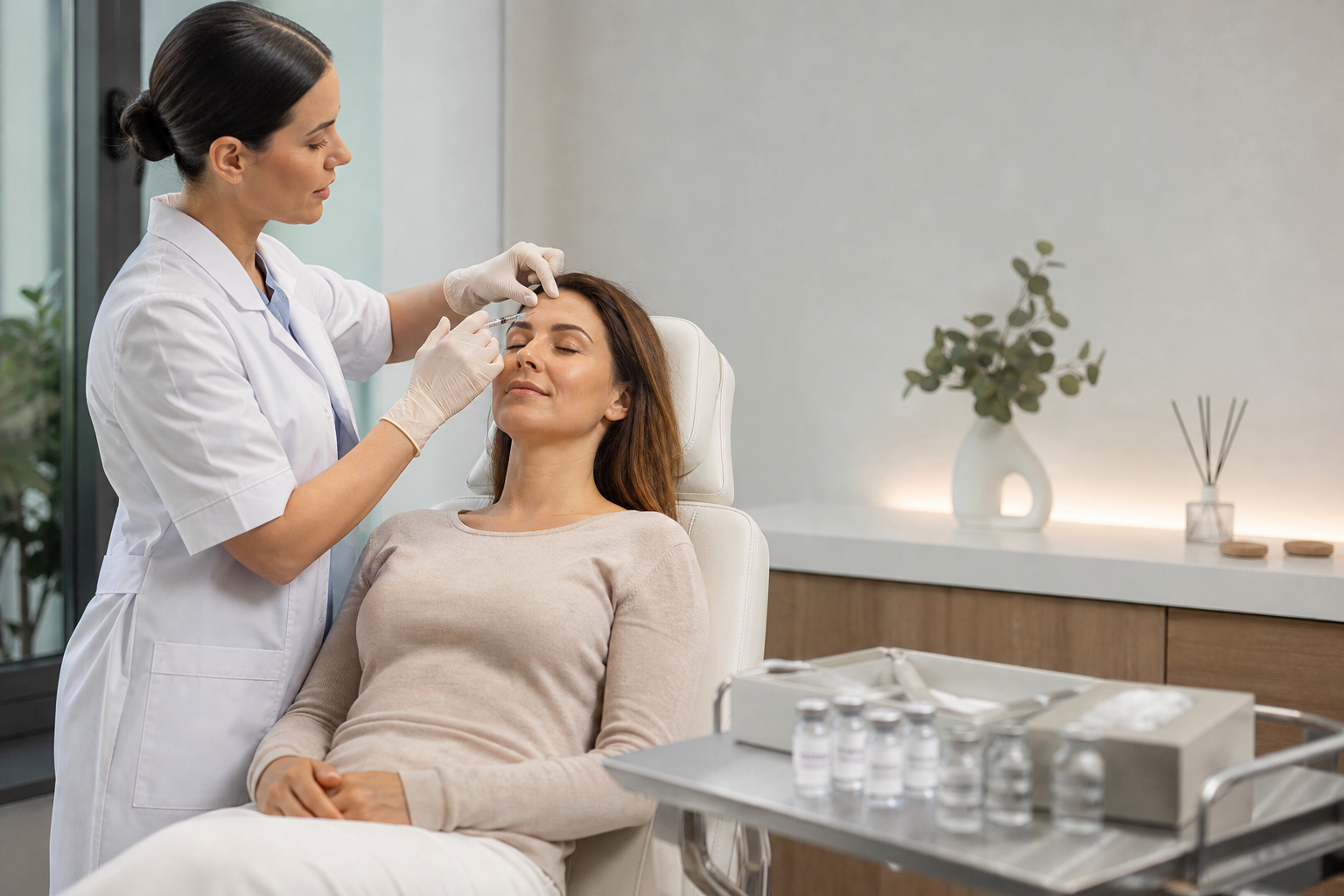
In the rapidly evolving field of aesthetic medicine, especially when it comes to Botox treatments, the safety of patients and the quality of procedures are paramount. One critical factor that has gained increased attention in recent years is the traceability of the products used during these treatments. Simply put, product traceability refers to the ability to track the origin, quality, and distribution pathway of a Botox formulation from the manufacturer all the way to the patient receiving the injection.
This article is aimed both at prospective patients considering Botox injections and at practitioners administering these treatments. Understanding product traceability transcends being a mere bureaucratic step; it is a fundamental component that directly impacts the safety and effectiveness of each procedure. Given the exponential growth in the market of aesthetic products, which at times includes counterfeit or substandard items, traceability offers a reliable mechanism to guarantee authentic, certified, and properly stored preparations.
Throughout this editorial, we will dissect the operational principles underpinning product traceability systems, highlight their pivotal role in ensuring treatment transparency and patient safety, and provide guidance on how patients can identify trustworthy clinics and legitimate Botox products. Furthermore, the discussion will address realistic expectations for Botox outcomes, its inherent limitations, and the crucial interdependence between physician choice and product traceability.
Understanding Product Traceability: Definition and Significance in Aesthetic Medicine
Product traceability in aesthetic medicine denotes a thoroughly documented process that logs every stage a Botox product undergoes from the manufacturing plant to its application on patients. In practice, this means each Botox vial carries a distinctive serial number, detailed information about the manufacturing facility, expiration date, storage conditions, and the entire chain of distributors and healthcare providers who handled it.
This system is indispensable for consumer safety. Periodically, the market faces infiltrations by dubious or counterfeit products that can lead to adverse effects, including allergic reactions, infections, or ineffective treatments. Traceability allows quick identification and mitigation of such issues, thereby fostering a higher level of public trust in aesthetic medical services.
For clinics and practitioners, the ability to trace the product aids in timely responses should unexpected side effects or complications arise, since the exact product batch and its handling context are known. While Botox treatment is generally safe, it is still an invasive procedure that carries risks if not performed with properly tracked and certified materials.
The Mechanisms Linking Traceability and Enhanced Safety in Botox Treatments
Ensuring the quality of pharmaceutical products through each supply chain phase is a fundamental safety principle in medical practice. Botox manufacturers only release products that pass rigorous clinical and laboratory testing. However, without a robust traceability system, importation, distribution, and storage processes may compromise product integrity through improper handling or environmental exposure.
Traceability enables monitoring of storage conditions, which is critical for Botox because it is highly temperature-sensitive. For instance, records can reveal if a batch has been subjected to unsuitable temperatures during transit or storage, preventing administration of potentially degraded product.
Moreover, traceability confirms Botox authenticity and provides medical practitioners access to product certifications, batch numbers, and manufacturer details. This transparency streamlines communication with regulatory bodies should further investigations be needed or product recalls be initiated.
By minimizing the risk of administering unverified or mishandled Botox, traceability reduces the occurrence of adverse events and complications, giving patients greater assurance that their treatments will be both effective and medically safe.
Setting Realistic Expectations for Botox Efficacy Through the Lens of Product Traceability
Botox is a highly effective solution for reducing wrinkles and preventing new ones but its success is contingent on multiple variables beyond physician skill — foremost among them being the quality and safety of the product itself. When traceability standards are upheld, patients can have confidence in the composition and efficacy of the Botox used.
It is important to recognize Botox's limitations; it cannot permanently erase wrinkles or fundamentally alter skin texture but it significantly softens expression lines by temporarily inhibiting muscle activity. Having a properly stored and certified Botox preparation ensures an optimal dosage is delivered, which lowers the risk of side effects and enhances treatment outcomes.
Absent traceability, preparations might have lost potency or undergone degradation, which can lead to suboptimal or transient effects. Patients in such scenarios might mistakenly perceive the treatment as ineffective when in reality, the problem lies with the origin or condition of the product rather than the procedure itself.
Furthermore, the availability of post-treatment consultation hinges on the clinic’s commitment to transparency and traceability, fostering trust and providing an avenue for addressing any issues or concerns related to the Botox administered.
The Crucial Role of Physician and Clinic Selection Within the Traceability Framework
The efficacy and safety of Botox treatments rely not only on the product but equally on the expertise of the administering physician and the integrity of the clinic. Choosing a practitioner who operates transparently and in compliance with legal and professional standards is essential to ensure the use of Botox preparations with verified product traceability.
Prospective patients should verify the qualifications and certifications of their providers, confirm memberships in relevant professional organizations, and evaluate clinical experience with Botox administration. Additionally, it is reasonable to request documentation regarding the origin and handling of the Botox being used to confirm its traceability credentials.
Clinics committed to responsible aesthetic practice willingly provide evidence of product provenance and storage protocols. This openness not only reflects adherence to regulatory demands but also fosters patient confidence — a key component of a successful treatment experience.
Another important aspect is the assurance of accessible medical support following treatment. Clinics that maintain comprehensive traceability records facilitate prompt follow-up care if adverse effects arise, ensuring all product information remains available for medical review or regulatory inquiry.


