Laser hair removal has become a cornerstone procedure in aesthetic dermatology, offering a sophisticated approach to reducing unwanted hair with lasting results. However, its application is far from one-size-fits-all; the efficacy and safety of this treatment critically depend on a comprehensive understanding of skin types and their interaction with laser technology. This article serves as a detailed expert guide on laser hair removal and skin type, intended for both prospective patients seeking informed choices and professionals striving to refine their expertise.
At its core, laser hair removal uses focused beams of light to target melanin pigments in hair follicles, disabling hair growth mechanisms. The challenge lies in the fact that melanin is also abundant in skin, varying in quantity and type across individuals, thus influencing the treatment’s success and risk profile. Recognizing the nuances of skin pigmentation, particularly through systems like the Fitzpatrick phototype classification, as well as appreciating the technical parameters of laser devices, are indispensable for delivering personalized care and avoiding complications.
This comprehensive discourse unfolds the complex relationship between skin pigment types, laser parameters, and patient outcomes, dispelling common misconceptions and providing a refined framework for navigating laser hair removal safely and effectively across diverse skin tones. Throughout, we emphasize the necessity of professional judgment over simple categorizations, inviting a nuanced perspective that respects individuality and technological sophistication.
Understanding the Fitzpatrick Phototype Classification and Its Role in Laser Hair Removal
The Fitzpatrick phototype scale is a widely adopted framework in dermatology that categorizes human skin based on its response to ultraviolet (UV) exposure, ranging from phototype I (very fair skin, always burns, rarely tans) to phototype VI (deeply pigmented dark brown or black skin, never burns). This system, originally developed to estimate skin cancer risk and sun sensitivity, has become a useful preliminary tool in assessing suitability and risks associated with laser hair removal procedures.
In the context of laser hair removal, the Fitzpatrick scale helps practitioners anticipate how much melanin is present in the epidermis, which influences laser energy absorption. For lighter phototypes (I to III), less melanin in the skin reduces the risk of epidermal damage; thus, standard laser parameters may be adequate. Conversely, higher phototypes (IV to VI) contain more epidermal melanin, increasing the potential for thermal injury if inappropriate settings are used.
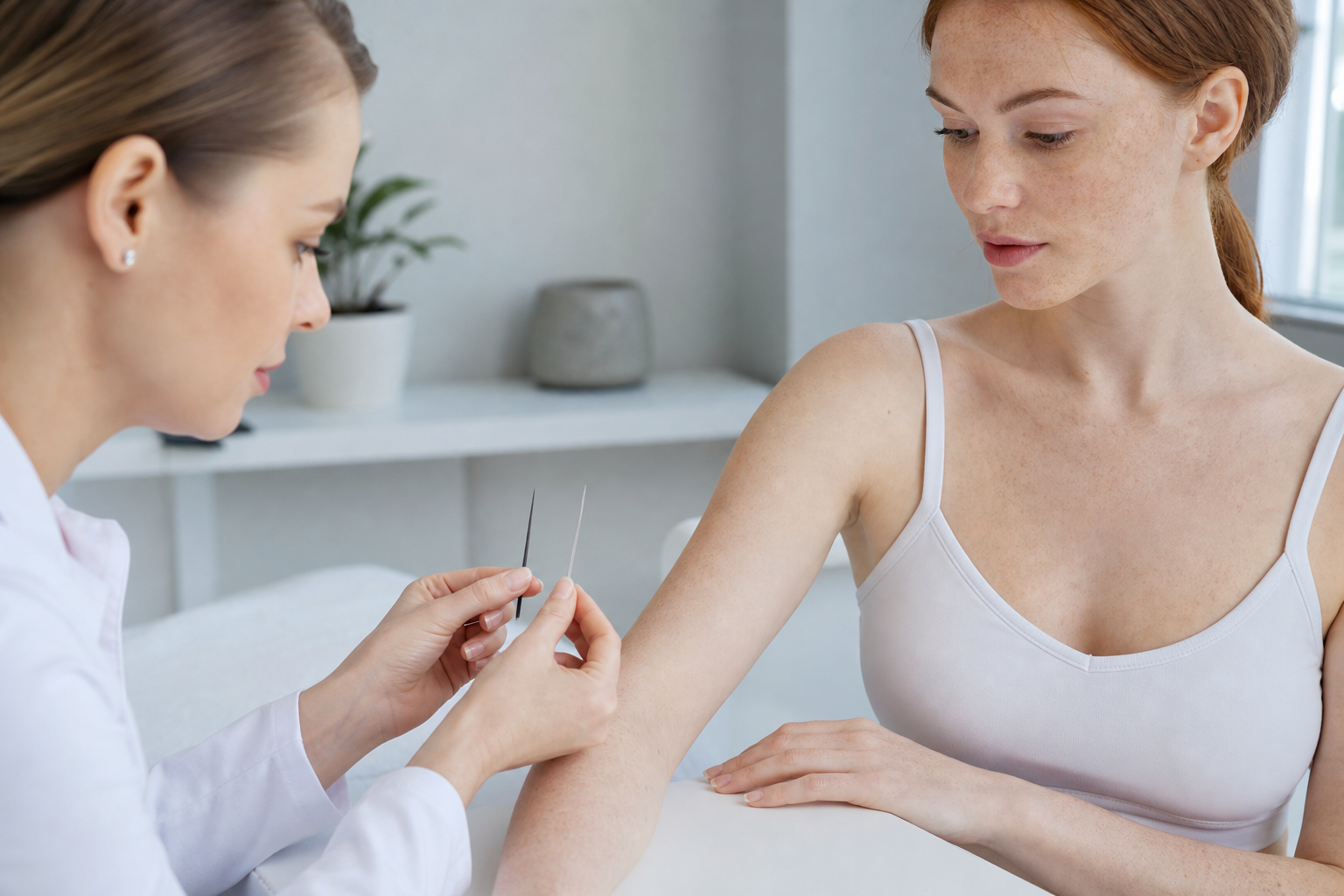
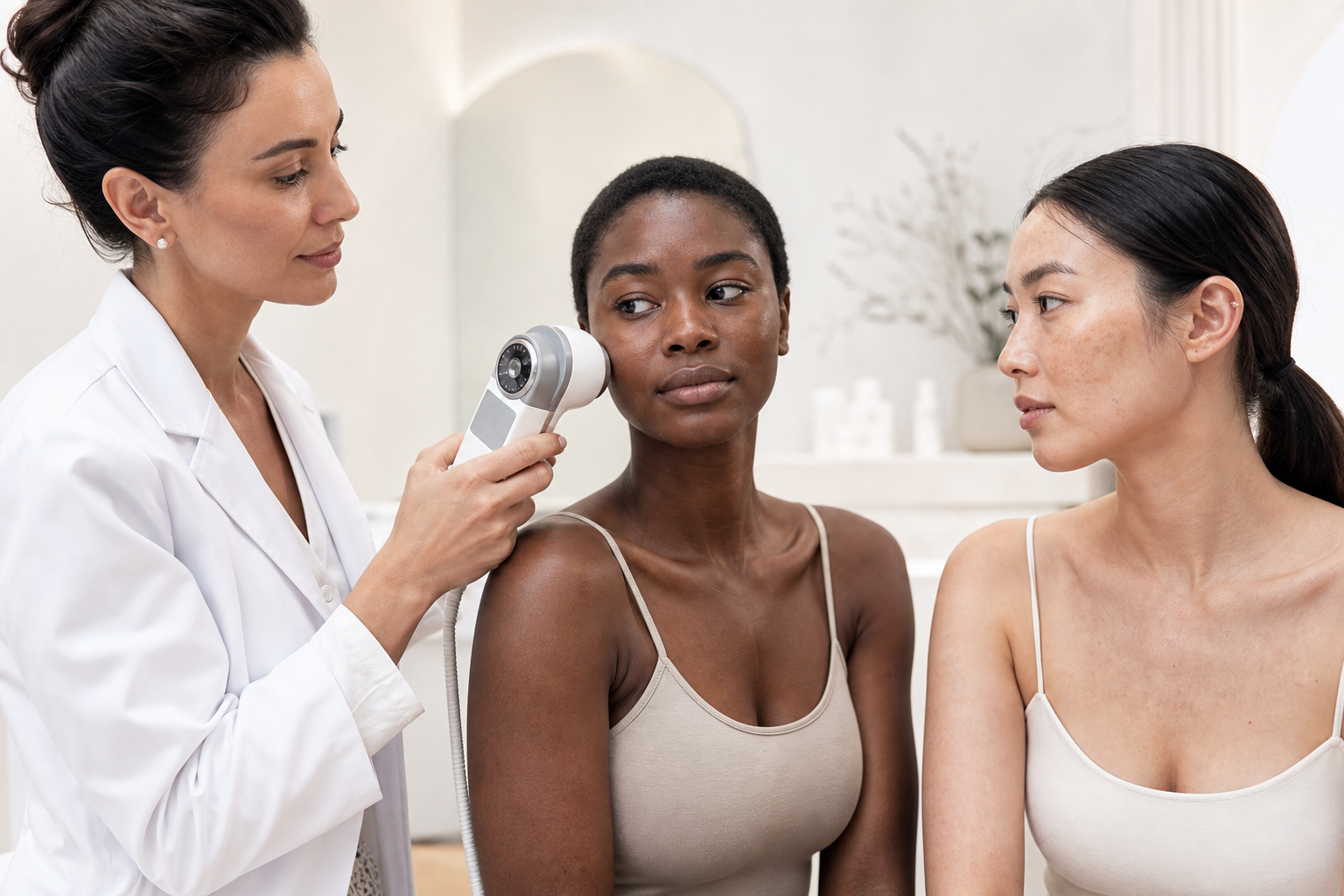
Nonetheless, the Fitzpatrick scale is a starting point rather than a definitive guide. Skin pigmentation is dynamic, affected by recent sun exposure, tanning behaviors, ethnic background, and localized pigmentary changes such as freckles or birthmarks. Therefore, a practitioner’s assessment must extend beyond the phototype, integrating real-time evaluation of the patient’s apparent skin color, texture, and medical history to tailor laser parameters precisely. This comprehensive approach mitigates risks and ensures the treatment’s efficacy across diverse individuals.
The Biology of Melanin in Skin and Hair: Why Pigment Matters
Melanin, the primary pigment responsible for skin and hair color, exists predominantly in two forms: eumelanin, which is dark brown or black, and pheomelanin, which is reddish-yellow. The ratio and distribution of these pigments in the skin and hair follicles determine not just cosmetic appearance but also the responsiveness to laser hair removal.
Laser hair removal targets follicles by directing light energy absorbed predominantly by eumelanin within hair shafts. This energy transforms into heat, damaging the follicle to inhibit further growth. Consequently, dark, coarse hair rich in eumelanin is the most responsive to treatment. In contrast, fine, light-colored hair containing less eumelanin or predominantly pheomelanin absorbs less laser energy, making hair removal more challenging.
Similarly, skin melanin competes for laser energy absorption. High epidermal melanin content, particularly in darker skin types, increases the risk of unintended thermal damage, manifesting as burns, hyperpigmentation, or hypopigmentation. A favorable contrast between dark hair and lighter skin enhances selective targeting—this contrast forms the basis for selecting appropriate laser wavelengths and treatment settings.
How Laser Wavelengths and Parameters Adapt to Different Skin Types
Laser hair removal devices operate at various wavelengths, each with distinct penetration depths and melanin absorption characteristics. Selecting the appropriate wavelength is pivotal to maximizing follicle targeting while minimizing epidermal damage, especially relevant when treating varied skin types.
Shorter wavelengths such as the Alexandrite laser (755 nm) are highly absorbed by melanin, making them effective for lighter skin with dark hair but riskier for darker skin tones. Conversely, longer wavelengths like the Nd:YAG laser (1064 nm) penetrate more deeply with less epidermal absorption, making them safer options for higher Fitzpatrick phototypes though potentially requiring more treatment sessions for equivalent results.
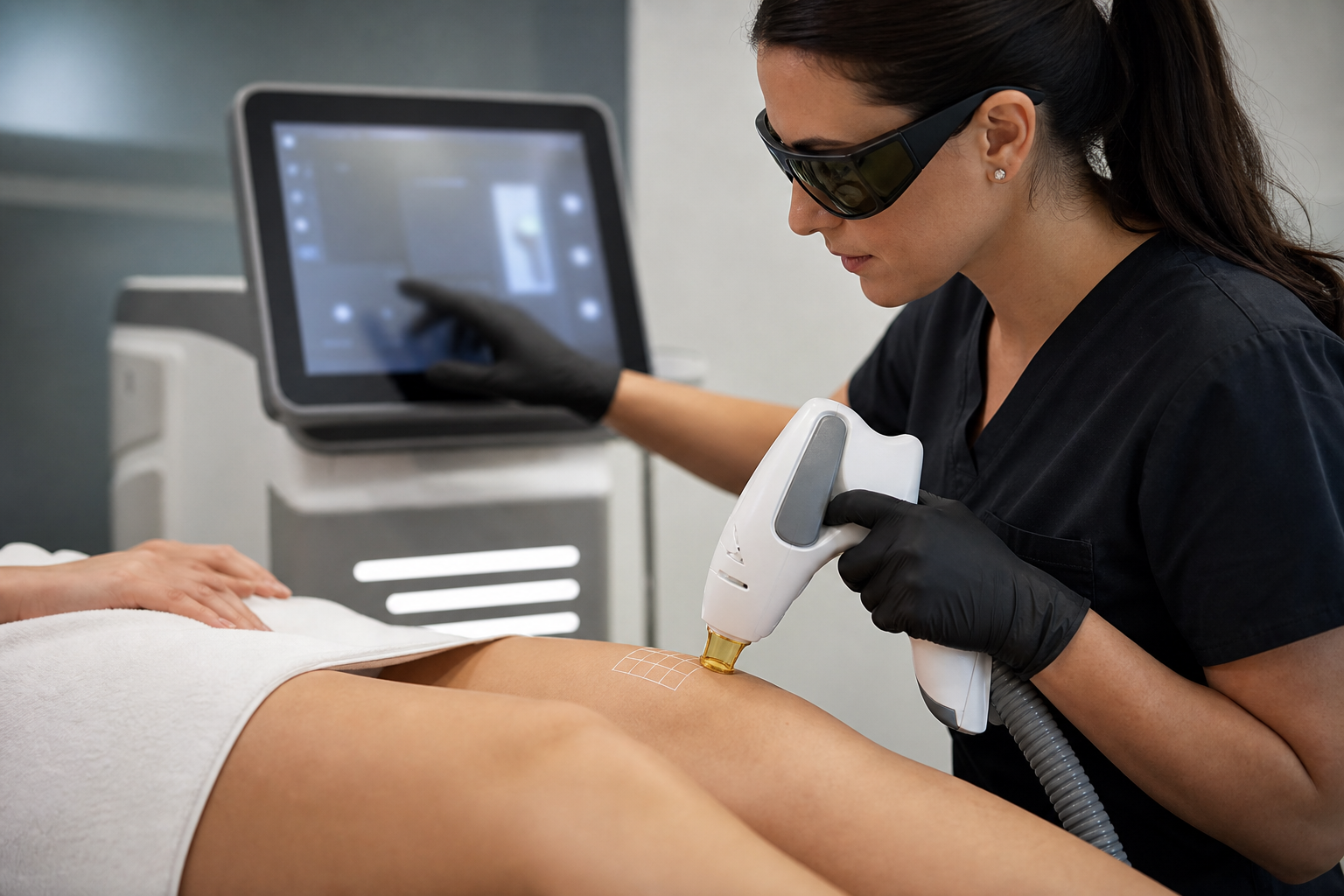
Besides wavelength, other laser parameters critically influence safety and efficacy: pulse duration, fluence (energy density), spot size, and repetition rate. Pulse duration must be matched to the thermal relaxation time of hair follicles to confine heat to the target without diffusing into surrounding tissue. Fluence must be sufficient to damage the follicle but not excessively high to harm the epidermis. Larger spot sizes increase penetration depth but must be balanced against precision needs, while repetition rate affects treatment duration and patient comfort.
Modern laser systems incorporate sophisticated cooling mechanisms—contact cooling, cryogen spray, or air cooling—to protect the epidermis during treatment, especially valuable when managing different skin types and sensitive skin areas.
Laser Hair Removal for Light, Dark, and Sensitive Skin Types: Tailored Approaches
For light skin types (Fitzpatrick I–III), standard laser systems with wavelengths such as Alexandrite or diode lasers excel due to high contrast between skin and hair pigment and lower epidermal melanin risks. Treatments are generally well tolerated with minimal adverse effects, but care is still required to avoid over-treatment and skin irritation.
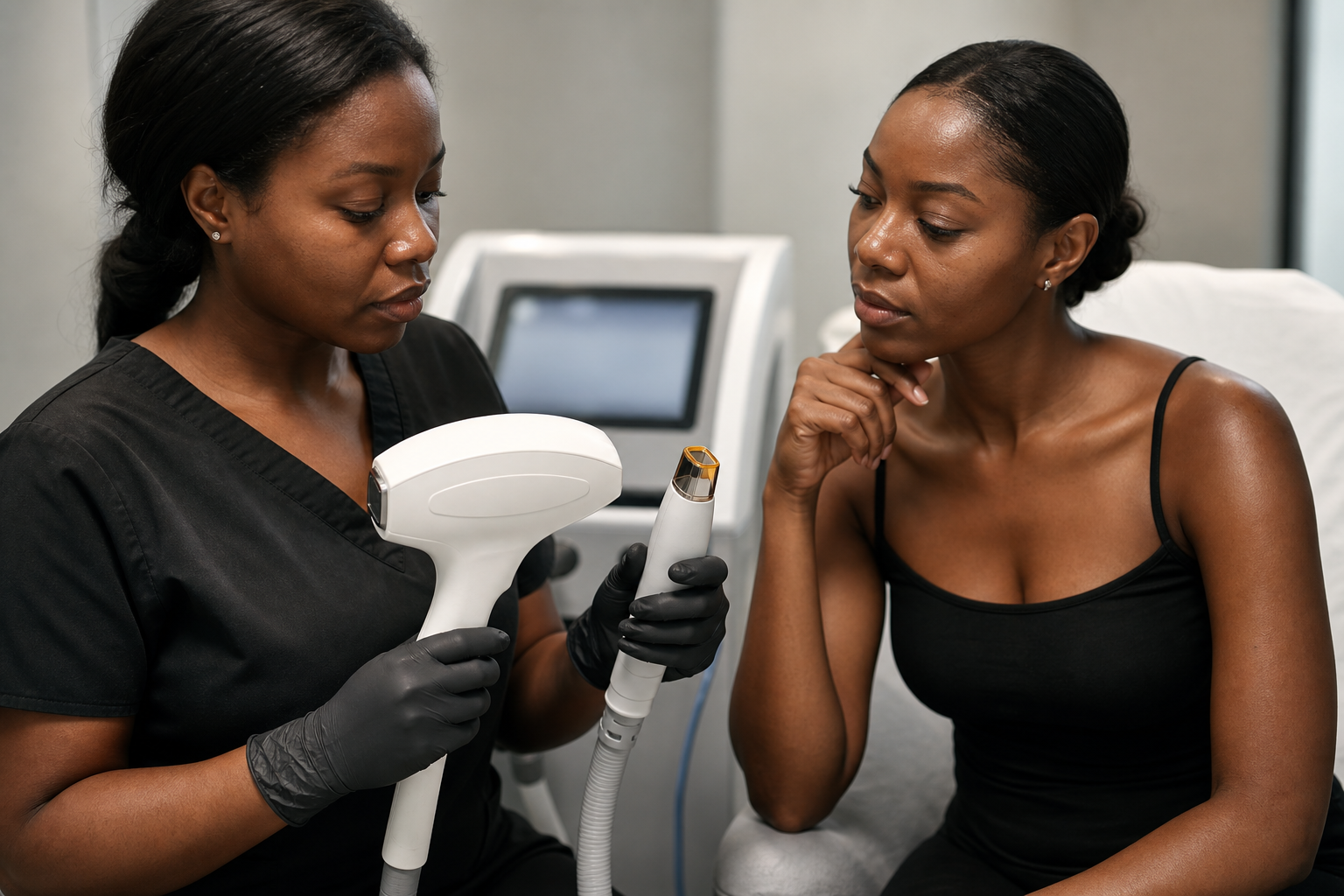
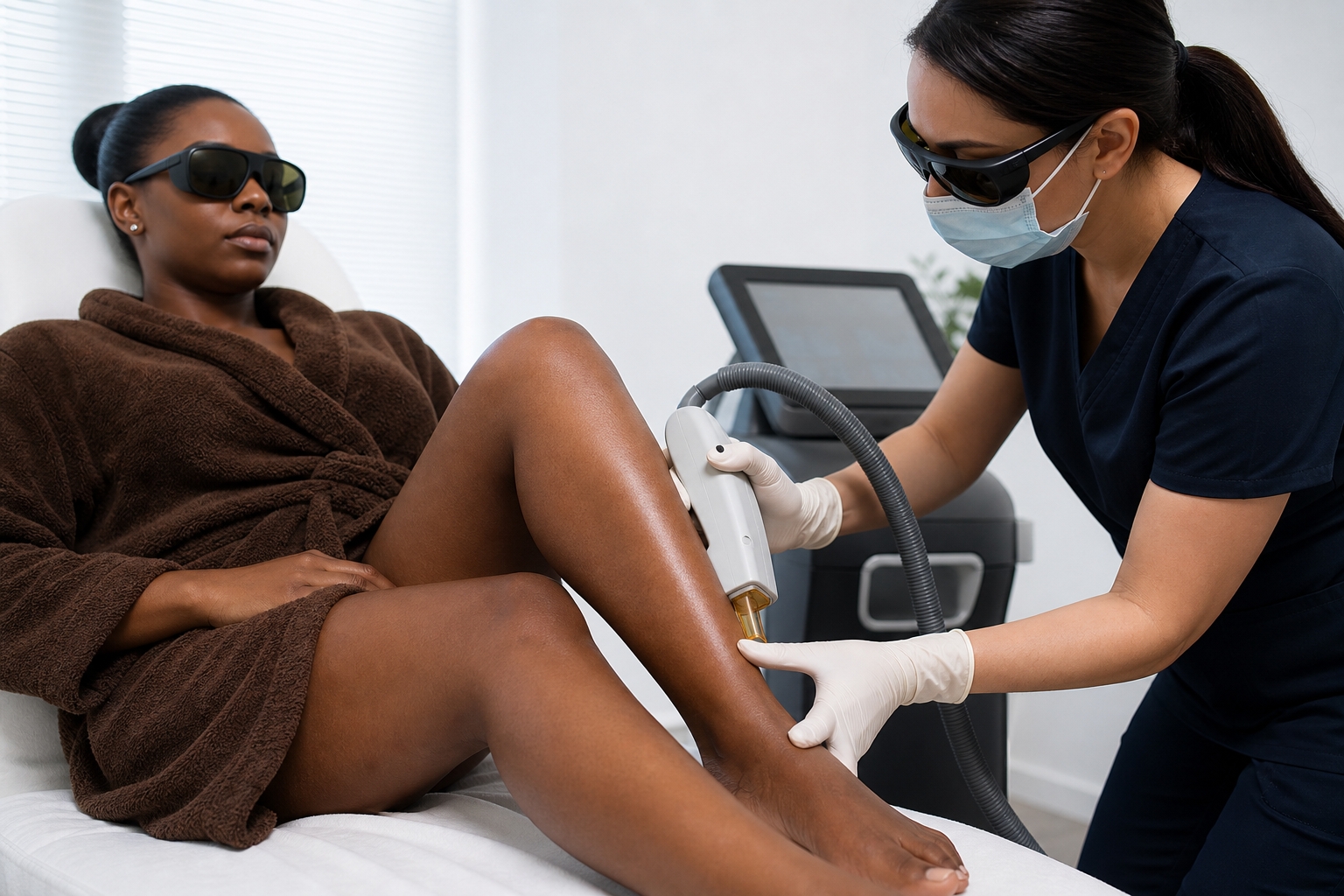
Dark skin types (Fitzpatrick IV–VI) require nuanced management. The increased epidermal melanin necessitates lasers with longer wavelengths, like the Nd:YAG laser, to safely reach deeper follicles while protecting the skin surface. Operators adjust fluence and pulse duration conservatively and employ advanced cooling to reduce the risk of pigmentary changes or burns. Such treatments demand highly experienced practitioners skilled in parameter customization and patient selection.
Sensitive skin, irrespective of phototype, also demands cautious protocols. Sensitivity may reflect underlying dermatologic conditions or inherent skin fragility. Here, laser parameters are often lowered, cooling is aggressively applied, and treatment intervals are prolonged to allow optimal skin recovery. Patient history and skin assessments play pivotal roles in decision-making, underscoring the principle that no technology suits all skin types universally.
The Crucial Role of Operator Expertise in Safe and Effective Treatments
No laser system, regardless of technological sophistication, can substitute for the applied knowledge and clinical judgment of an experienced operator. Expertise encompasses understanding skin anatomy and pathology, laser physics, and patient psychology. It entails meticulous assessment before treatment, precise selection and adjustment of laser parameters, vigilant monitoring during the procedure, and post-treatment guidance to optimize results and manage complications.
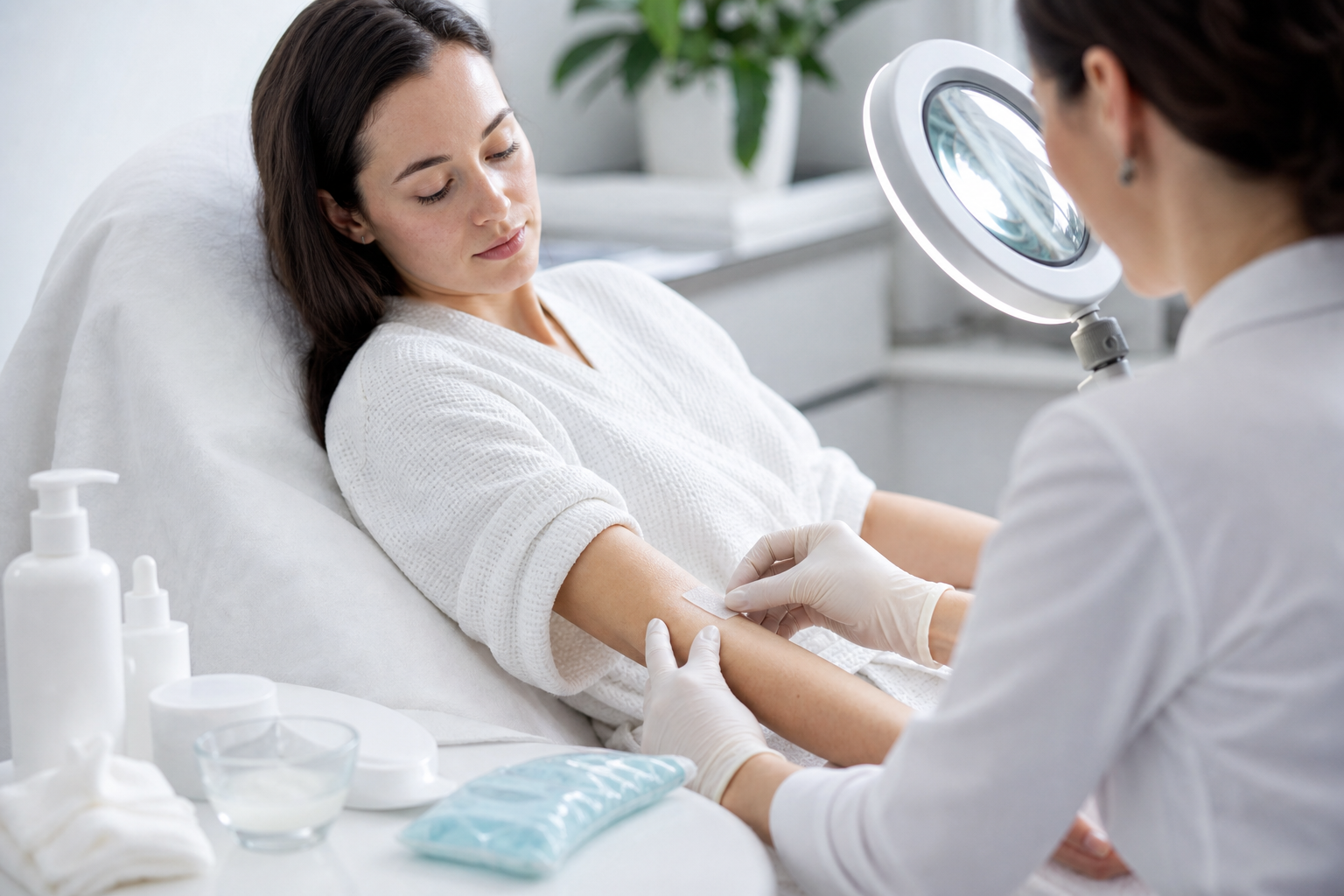
Expert operators conduct pre-treatment test spots tailored to skin type and analyze the skin’s immediate and delayed reaction, adjusting protocols accordingly. They also manage patient expectations, emphasizing realistic outcomes and the necessity for multiple sessions, and provide comprehensive aftercare instructions to maintain skin health and efficacy.
Institutions offering laser hair removal should ensure that practitioners hold appropriate certifications, continue to update their skills with emerging evidence, and operate in environments that prioritize patient safety. This professional competence dramatically reduces adverse outcomes and enhances client satisfaction.
Preparing for Laser Hair Removal: What Patients Should Know Based on Their Skin Type
Preparation is essential for maximizing the safety and effectiveness of laser hair removal. Patients with all skin types should avoid sun exposure and tanning beds for several weeks before treatment, as tanned skin increases melanin levels in the epidermis and the risk of burns. The treated area should not have undergone waxing or plucking recently because the laser targets hair follicles, which are removed by such methods, rendering the session ineffective.
Patients should disclose any history of skin conditions, photosensitivity, or recent use of photosensitizing medications to their provider to avoid complications. For darker and sensitive skin types, this disclosure is even more critical, as such factors may influence treatment suitability and parameters.
During treatment, some discomfort such as mild stinging or heat sensation may occur, mitigated by cooling systems and topical anesthetics in some cases. Post-treatment, transient redness or swelling may be experienced, generally resolving within hours to days. Following post-care instructions—avoiding sun exposure, applying moisturizers, and refraining from irritating products—is vital for recovery and long-term skin health.
Addressing Common Misconceptions and Setting Realistic Expectations
Laser hair removal is often surrounded by misconceptions that can lead to disappointment or hesitation. A prevalent myth is that it is ineffective or unsafe for darker skin types; modern laser technologies and expert techniques have dispelled this barrier, permitting safe and effective treatment across nearly all skin tones.
Another misunderstanding lies in perceiving laser hair removal as a single, permanent eradication session. In reality, multiple treatments spaced according to hair growth cycles are necessary for meaningful long-term reduction, with maintenance sessions sometimes needed. Results also vary based on hormonal influences, genetic makeup, and hair color and density.
Patients may fear intense pain or dangerous side effects; while some discomfort and mild side effects are normal, carefully calibrated treatments with skilled operators minimize these experiences. Understanding these nuances fosters informed consent and enhances satisfaction.