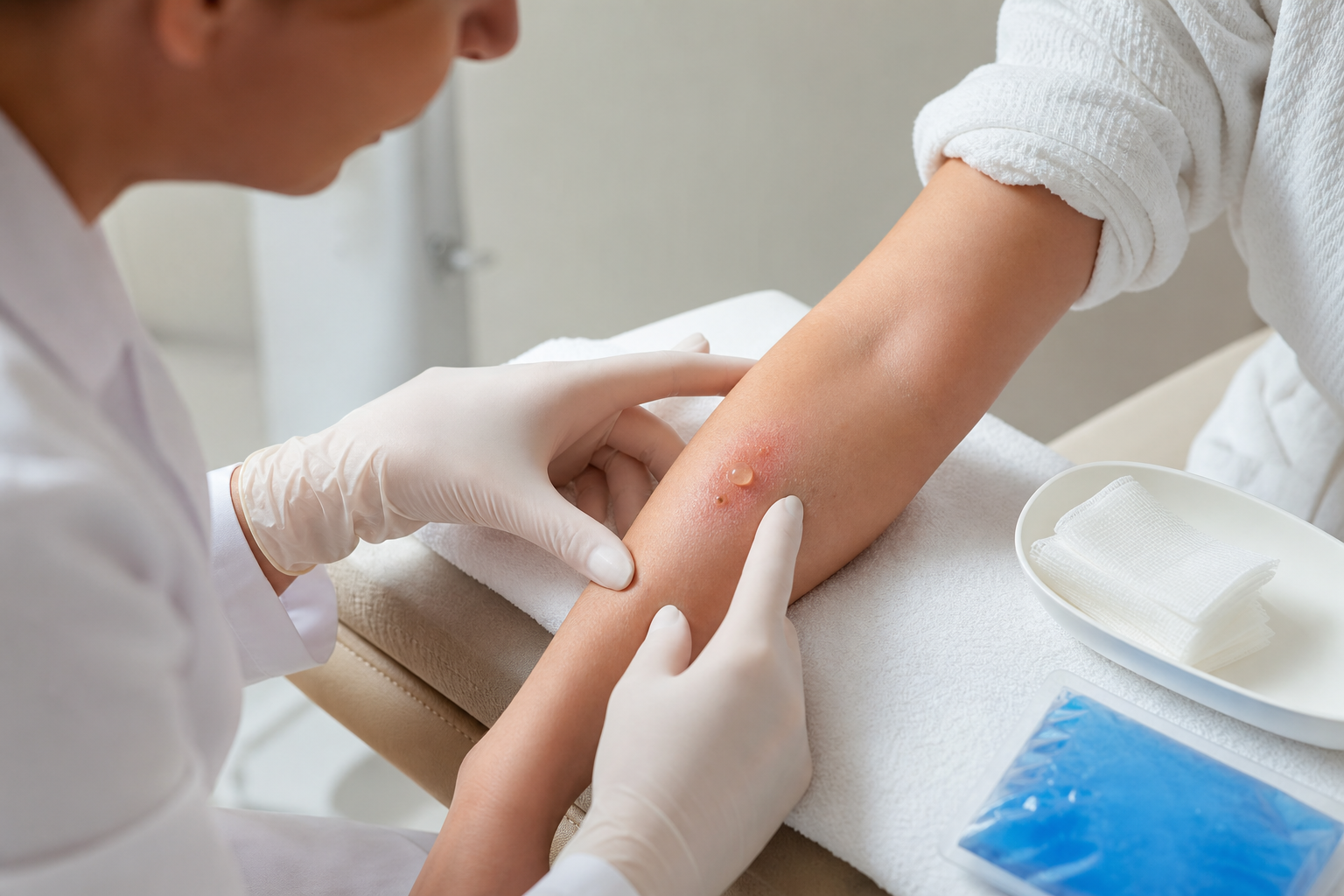
Laser hair removal has surged in popularity as a reliable and long-lasting technique to reduce unwanted hair and achieve smooth skin. Millions of people worldwide seek this procedure for both cosmetic satisfaction and convenience. While the method is generally safe and effective, like any medical or aesthetic treatment, it carries certain risks. One such potential complication, though relatively uncommon, is skin burns following laser hair removal.
Understanding the difference between expected treatment outcomes—such as mild warmth or transient redness—and actual burns is crucial. This knowledge empowers patients and practitioners alike to act promptly and appropriately to safeguard skin health. Whether you are contemplating laser hair removal, preparing for an upcoming session, or have recently undergone treatment, a thorough grasp of burn-related risks and management will aid you in making informed decisions and recognizing warning signs.
Burns after laser hair removal manifest as excessive thermal injury to the skin caused by the laser energy intended to target hair follicles. Differentiating these from normal post-treatment effects involves attention to symptoms that go beyond typical, brief redness or slight warmth. This article provides a detailed examination of how burns differ from expected skin responses, identifies key risk factors, outlines safe immediate steps should a burn occur, and clarifies when professional medical consultation is essential. The approach here is earnest but measured—aiming to inform and caution without inciting undue alarm.
What Are Burns After Laser Hair Removal and How Do They Differ from Normal Skin Reactions?
Laser hair removal works by directing focused light energy into hair follicles to inhibit hair growth. This energy generates heat, which can affect not only the targeted follicle but also the surrounding skin layers. When the heat delivered surpasses the skin’s tolerance threshold, it can lead to a burn injury.
Typically, immediately following laser hair removal, the treated skin exhibits mild redness (erythema) and a sensation of warmth or slight tingling. This reaction stems from a controlled inflammatory response and usually subsides within a few hours to a day, requiring no specific intervention. Such temporary discomfort is expected and considered part of the skin's natural healing process.
Conversely, burns are characterized by more intense and prolonged symptoms. These include escalating or severe pain that does not diminish with time, the development of blisters filled with clear fluid (vesicles), open sores or crusted areas indicating deeper skin layer damage, and later changes in pigmentation manifesting as darker (hyperpigmentation) or lighter (hypopigmentation) patches. These signs suggest that the skin’s epidermis and possibly dermis have sustained injury exceeding normal therapeutic effect.
Recognizing these distinctions promptly is essential, as they dictate different responses and interventions to prevent complications or permanent skin damage.
Who Is at Greater Risk of Experiencing Burns After Laser Hair Removal?
Several factors increase the likelihood of burns following laser hair removal. Understanding these risk elements helps both patients and providers implement preventive strategies.
Skin Type and Pigmentation: Individuals with darker skin tones or heavily pigmented areas are more susceptible to burns because melanin, responsible for skin color, absorbs laser energy. Higher melanin levels can result in excessive heat generation in the epidermis, increasing burn risk.
Laser Parameters and Device Selection: The choice of laser type and adjustment of its settings (wavelength, energy density, pulse duration) must align with the patient's skin and hair characteristics. Inappropriate settings can deliver excessive energy to the skin surface, leading to burns.
Recent Sun Exposure: Skin exposed to ultraviolet (UV) radiation shortly before laser treatment becomes more reactive and fragile. Sunburnt or tanned skin is less tolerant of laser energy and more prone to injury.
Operator Expertise: The skill and experience of the professional performing the procedure are critical. Incorrect technique, speeding through the treatment, or failure to account for individual patient factors can increase burn risk.
Photosensitizing Substances: Certain medications, topical agents, or skin care products can heighten the skin’s sensitivity to light, making burns more likely if applied near the treatment time.
What Immediate Steps Should You Take if You Suspect a Burn After Laser Hair Removal?
Prompt and cautious action can reduce burn severity and promote healing after laser hair removal complications. However, it is vital to proceed without self-medicating with unverified products.
Cooling Measures: Apply cool (not icy) compresses to the affected area to alleviate pain and decrease inflammation. Avoid direct ice contact as it may further damage sensitive skin tissues.
Gentle Cleaning: Wash the skin gently with lukewarm water to keep the area clean. Pat dry carefully without rubbing, which can worsen irritation.
Avoid Unapproved Topicals: Do not apply oily creams, essential oils, perfumed products, or over-the-counter ointments without prior confirmation from a healthcare provider. Such substances can exacerbate inflammation or introduce infection.
Minimal Sun Exposure: Shield the skin from sunlight or artificial UV sources to prevent pigment changes and additional harm during the healing phase.
Observing these measures ensures the skin environment remains optimal for recovery until professional evaluation occurs.
When Should You Contact Your Clinic, a Dermatologist, or Seek Urgent Care?
Knowing when professional help is necessary after laser hair removal is paramount for patient safety.
Contact your laser hair removal clinic or a dermatologist if you notice:
• Worsening or unrelenting pain in the treated area
• Formation of blisters or vesicles that may rupture
• Open sores, crusting, or signs of skin breakdown
• Persistent or spreading redness beyond the treatment site
• Noticeable pigment alterations developing days to weeks after treatment
• Signs suggestive of secondary infection, such as pus, foul odor, swelling, or fever
Urgent or emergency medical care is advised if systemic symptoms emerge, such as:
• High fever or chills
• Rapid heart rate or breathing difficulties
• Confusion or dizziness
Acting promptly can minimize scar formation, fading of pigmentation changes, and other lasting adverse effects.
How Do Burns Differ from Other Common Skin Reactions Post-Laser Hair Removal?
It is important to differentiate burns from other frequent but less serious side effects associated with laser hair removal.
Redness (Erythema): This is a mild and transient response appearing shortly after treatment. It typically resolves within 24 to 48 hours without complication.
Itching: Often linked to skin dryness or modest irritation; generally manageable with gentle moisturization and not indicative of burn.
Folliculitis: Inflammation or infection of hair follicles presenting as small red bumps or pustules. While potentially uncomfortable, folliculitis does not usually cause blistering or severe pain seen in burns.
Recognizing these differences helps in applying the correct post-treatment care and in communicating effectively with healthcare providers.
What Pigment Changes Can Burns Cause After Laser Hair Removal, and How Can You Spot Them?
Burn-related pigment alterations can be distressing due to their impact on skin appearance and confidence.
Hyperpigmentation: Darker patches develop due to excessive melanin production triggered by inflammatory responses. These spots may emerge several days or weeks post-burn and can persist for months.
Hypopigmentation: Conversely, lighter areas occur where melanocyte function is impaired or melanocytes are destroyed. This change may appear after deeper skin injury.
Early recognition of these pigmentary changes allows dermatologists to devise appropriate management plans, potentially improving outcomes and preventing permanent discoloration.
What Best Practices Reduce The Risk of Burns and Other Side Effects After Laser Hair Removal?
Careful adherence to post-treatment guidelines minimizes complications and preserves skin integrity.
Sun Protection: Avoid sun exposure and tanning beds for at least two weeks before and several weeks after treatment. Utilize broad-spectrum sunscreens with high SPF regularly.
Skin Hygiene: Maintain cleanliness of the treated area without excessive washing or scrubbing.
Avoid Irritants: Stay clear of perfumed cosmetics, harsh exfoliants, or any topical products not approved by your clinician.
Follow Treatment Schedules: Respect recommended intervals between sessions to allow adequate skin recovery.
Communicating openly with your laser technician or dermatologist about your skin history and any medications or products used ensures a safer, more tailored approach.


