When considering advanced cosmetic procedures, such as radiofrequency (RF) facial lifting, questions regarding post-treatment care are crucial for both maximizing results and maintaining skin health. Among these concerns, a common and persistent question arises: when is it safe to apply makeup after undergoing an RF treatment? Understanding the nuances of post-treatment skin care, especially related to the timing of cosmetic product application, is essential not only for individuals pursuing aesthetic enhancements but also for the professionals guiding them through the process.
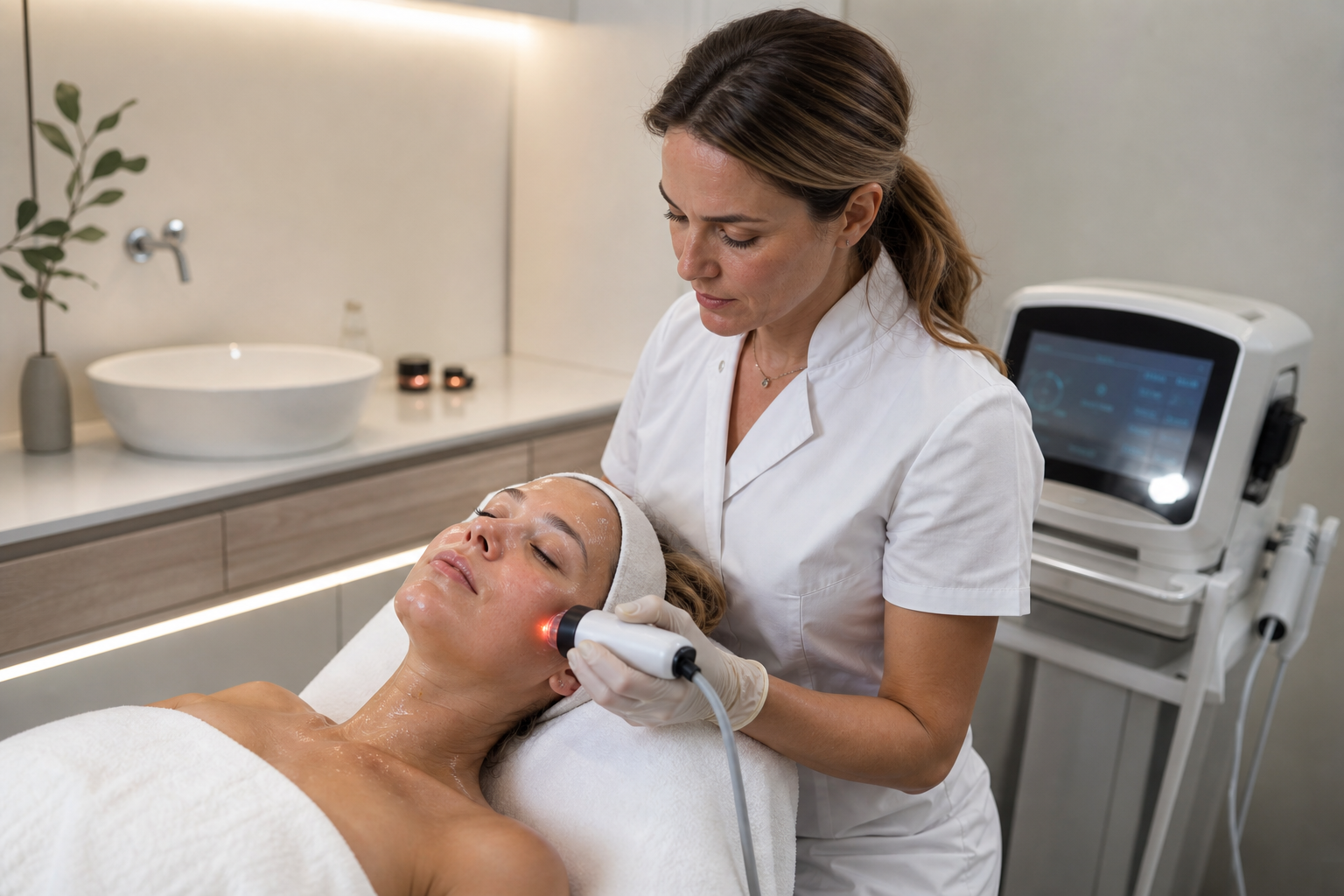
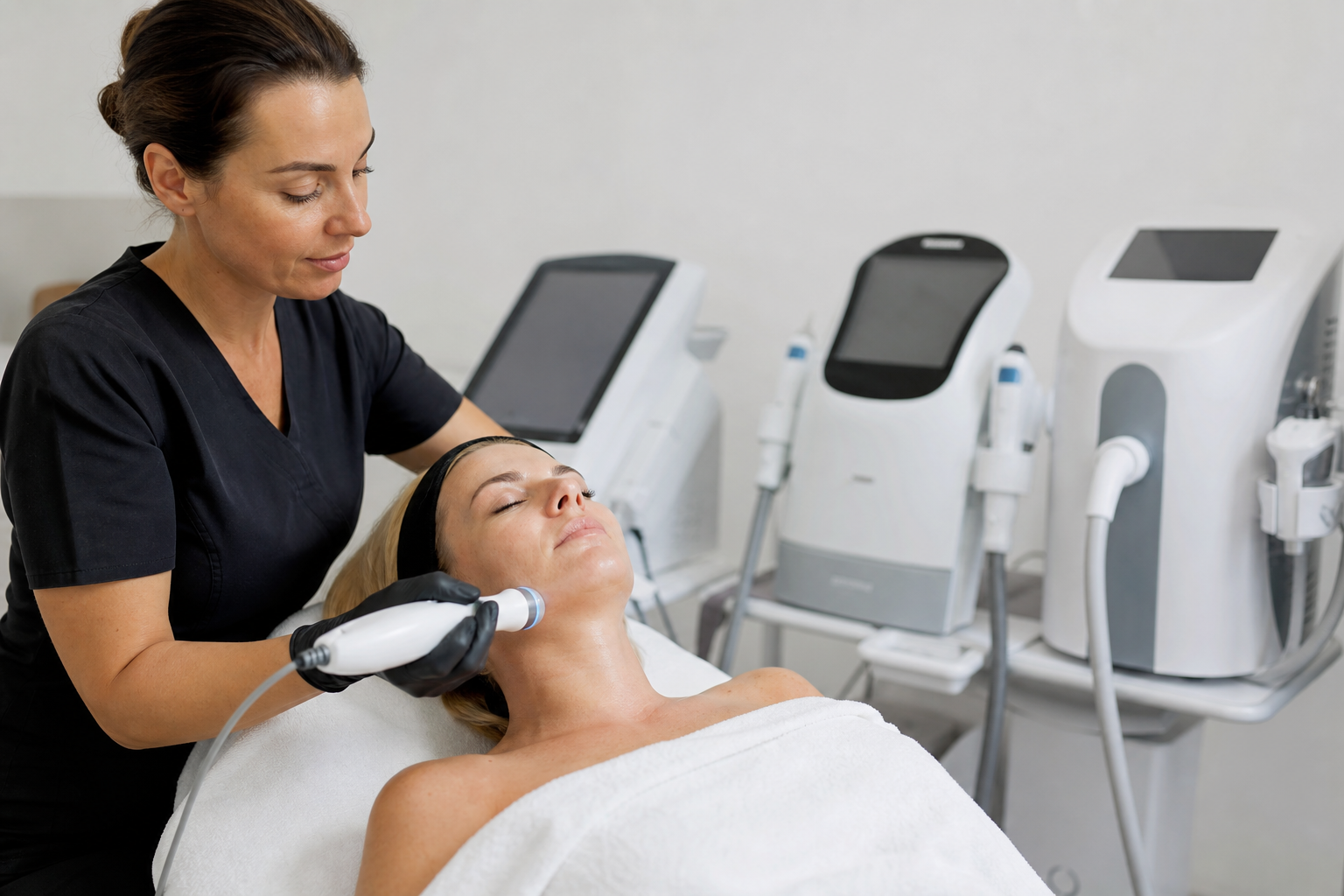
RF facial lifting is a prominent non-invasive technique designed to rejuvenate and tighten the skin by stimulating collagen and elastin production through controlled radiofrequency energy. This treatment has gained popularity because it delivers visible improvements with minimal discomfort and downtime. However, the skin's sensitivity and barrier function after treatment vary depending on the specific RF modality employed, influencing when makeup can safely be reapplied.
For anyone considering or recently having undergone RF facial treatment, knowing the safe timing and best practices for makeup application after the procedure is essential. Applying makeup too soon may lead to irritation, inflammation, or even compromise the aesthetic benefits of the treatment. Conversely, adhering to recommended guidelines ensures optimal healing, minimizes adverse reactions, and helps to preserve the youthful results achieved through RF therapy.
What Exactly Is RF Facial Lifting and How Does It Affect the Skin?
Radiofrequency facial lifting represents an innovative approach that employs radiofrequency waves to deliver precise heat energy to the deeper layers of the skin. This controlled thermal stimulation promotes the natural production of collagen and elastin, two key proteins that provide structural support, elasticity, and firmness to the skin.
Unlike surgical facelifts, RF facial lifting is non-invasive or minimally invasive, provoking collagen remodeling without damaging the skin's surface extensively or causing significant downtime. The generated heat encourages tissue contraction and triggers fibroblast activity, resulting in skin tightening and a reduction in fine lines and wrinkles over time.
RF technology encompasses various treatment types, each with distinct mechanisms and skin impact, such as:
Non-invasive RF treatments that target skin via external application without needle penetration, ideal for mild rejuvenation needs; Fractional RF without needles, which focuses on specific skin zones to stimulate remodeling without surface disruption; and RF microneedling, a minimally invasive approach that combines micro-punctures with RF energy to enhance collagen synthesis more deeply but requires more deliberate post-care.
Why Is the Timing of Makeup Application Critical After RF Treatments?
The skin undergoes a healing and regeneration phase following RF treatment. During this period, its natural protective barrier is often temporarily compromised, making it more vulnerable to irritants, infections, or inflammatory reactions.
When makeup is applied prematurely on such sensitive skin, the risk of clogging pores, introducing bacteria, or triggering allergic responses increases. This can manifest as redness, swelling, itchiness, or even pustular eruptions, which not only discomfort the patient but can also interfere with the treatment's positive outcomes.
Additionally, makeup may contain ingredients that hamper the absorption of post-treatment skincare products intended to soothe and repair the skin, thereby prolonging the recovery time and potentially diminishing the collagen-boosting effect of RF therapy.
How Soon Can You Apply Makeup After Non-Invasive RF Facial Treatments?
For non-invasive RF facial treatments that do not penetrate or disrupt the epidermal layer, the skin typically experiences mild redness or sensitivity shortly after the procedure. These effects generally subside within a few hours to 24 hours.
In such cases, makeup application is often considered safe approximately 24 hours post-treatment, provided the skin feels calm and there are no signs of irritation. Using light, non-comedogenic, hypoallergenic cosmetics is highly recommended to prevent unnecessary stress on the skin.
The makeup products should ideally be free of potential irritants such as fragrances, alcohol, and heavy oils. Mineral-based foundations can be a preferable choice, as they tend to be gentler while offering sufficient coverage.
When Can Makeup Be Applied After Fractional RF Without Needles?
Fractional RF without needle technology targets specific segments of the skin to promote remodeling without creating open wounds or micro-injuries. This focused action may lead to localized redness or a slight sensation of tightness, but the overall skin surface integrity remains intact.
Given the controlled and mild nature of skin response, makeup may typically be applied between 24 to 48 hours after treatment. This timeframe allows inflammation to diminish sufficiently and minimizes the risk of triggering adverse skin reactions.
Before full makeup application, it is advisable to test a small amount of product on a less conspicuous area to observe any potential sensitivity. Ensuring the makeup is mineral-based and gentle enhances compatibility with recovering skin.
What Is the Recommended Waiting Period for Makeup After RF Microneedling?
RF microneedling entails creating numerous tiny punctures in the skin while simultaneously delivering RF energy below the surface. This dual mechanism results in more pronounced tissue remodeling but also leaves micro-wounds that necessitate careful post-procedure handling.
Because the skin barrier is disrupted, the healing process involves closure and repair of these microchannels, which can take several days. To avoid infection and irritation, professionals generally advise refraining from makeup use for at least 48 to 72 hours following RF microneedling.
During this period, gentle skin care focusing on hydration and soothing ingredients is paramount. Once the skin barrier has sufficiently recovered, cautious introduction of non-irritating, light-coverage makeup products is permissible, ideally under the guidance of a dermatologist or aesthetician.
What Factors Influence the Safe Timing for Makeup After RF Treatments?
The suitable time frame for post-RF treatment makeup application depends on multiple factors that interact to shape individual skin recovery:
Type of RF Treatment: More invasive techniques like RF microneedling require longer healing than non-invasive methods.
Individual Skin Sensitivity: Some individuals have inherently more reactive or slower-healing skin, demanding extended precaution.
Adherence to Aftercare Instructions: Following professional guidelines for cleansing, moisturizing, and protecting the skin expedites healing and influences when makeup can be safely applied.
Makeup Product Ingredients: Selecting formulas formulated for sensitive skin that are non-comedogenic and allergen-free ensures compatibility with healing tissue.
How Should You Care for Your Skin Before Applying Makeup Post-RF Treatment?
Prior to resuming makeup use, the skin should be well-hydrated and calm. Initiate with gentle cleansing routines using mild, fragrance-free cleansers to avoid irritation or dryness.
Incorporate soothing and repairing products containing ingredients such as hyaluronic acid, aloe vera, chamomile extract, and vitamin E, which aid in skin barrier restoration and provide anti-inflammatory benefits.
Sun protection is indispensable, as UV exposure can exacerbate post-treatment sensitivity and slow down recovery. Utilize broad-spectrum sunscreen with appropriate SPF every day, even if makeup is not yet applied.
Avoid exfoliating scrubs, peels, or potent active ingredients like retinoids and acids until the skin has fully recovered to prevent aggravation.
What Can You Expect When Applying Makeup for the First Time After RF Treatment?
When makeup is reapplied within the recommended period and with appropriate product choices, the experience should be comfortable and without negative reactions. The skin often exhibits a rejuvenated glow and tightened texture, enhancing cosmetic appearance naturally.
However, if makeup is applied prematurely or unsuitable products are chosen, signs such as redness, tingling, itching, or bumps may arise. These symptoms indicate skin distress and warrant immediate cessation of makeup use and escalation of skin-soothing care.
In such scenarios, prompt consultation with a skincare professional is important to assess the condition and adjust the post-procedure regimen accordingly.
What Makeup Products Are Most Suitable After RF Facial Treatments?
Opt for light, breathable formulas that do not obstruct pore function. Mineral-based foundations and powders that provide pigmentation with minimal additives are highly regarded in post-treatment care.
Products labeled as non-comedogenic and hypoallergenic reduce the likelihood of irritation or acneiform reactions. Avoidance of perfumes, alcohols, parabens, and heavy oils is essential.
Consider makeup designed for sensitive or post-procedure skin, often enriched with calming ingredients. Such products facilitate coverage while supporting skin recovery.
Proper removal of makeup at the end of the day with gentle cleansers and without harsh rubbing protects skin integrity and aids continuous healing.
When Should You Consult a Specialist About Makeup Use After RF Treatments?
If any adverse skin reactions develop after applying makeup, such as persistent redness, swelling, blistering, crusting, or itching, seek evaluation from a dermatologist or aesthetic professional immediately. These signs could indicate infection, allergic response, or complications related to impaired healing.
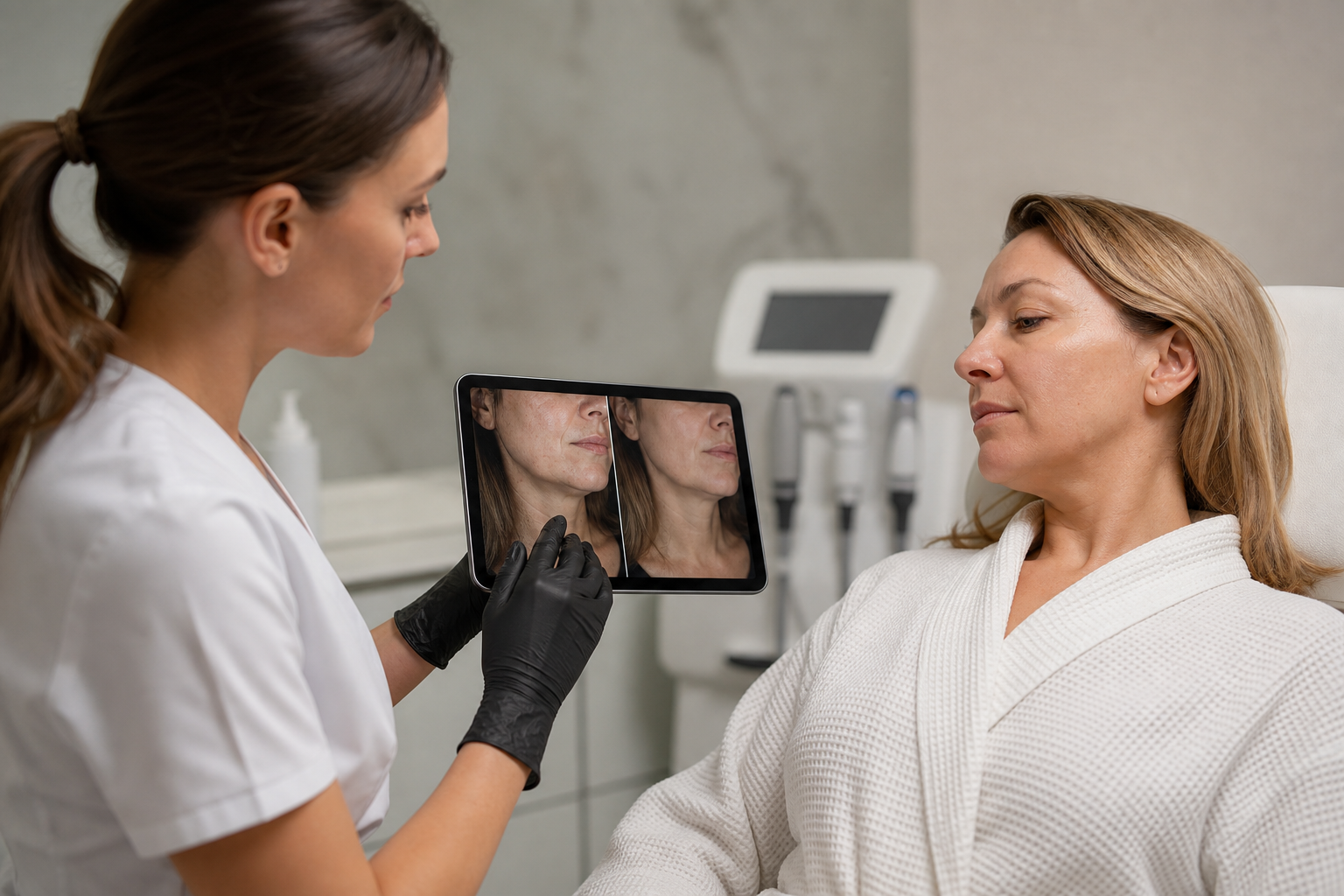
Regular follow-up visits post-RF treatment help monitor skin progress and allow for tailored recommendations regarding cosmetics and skincare adjustments.
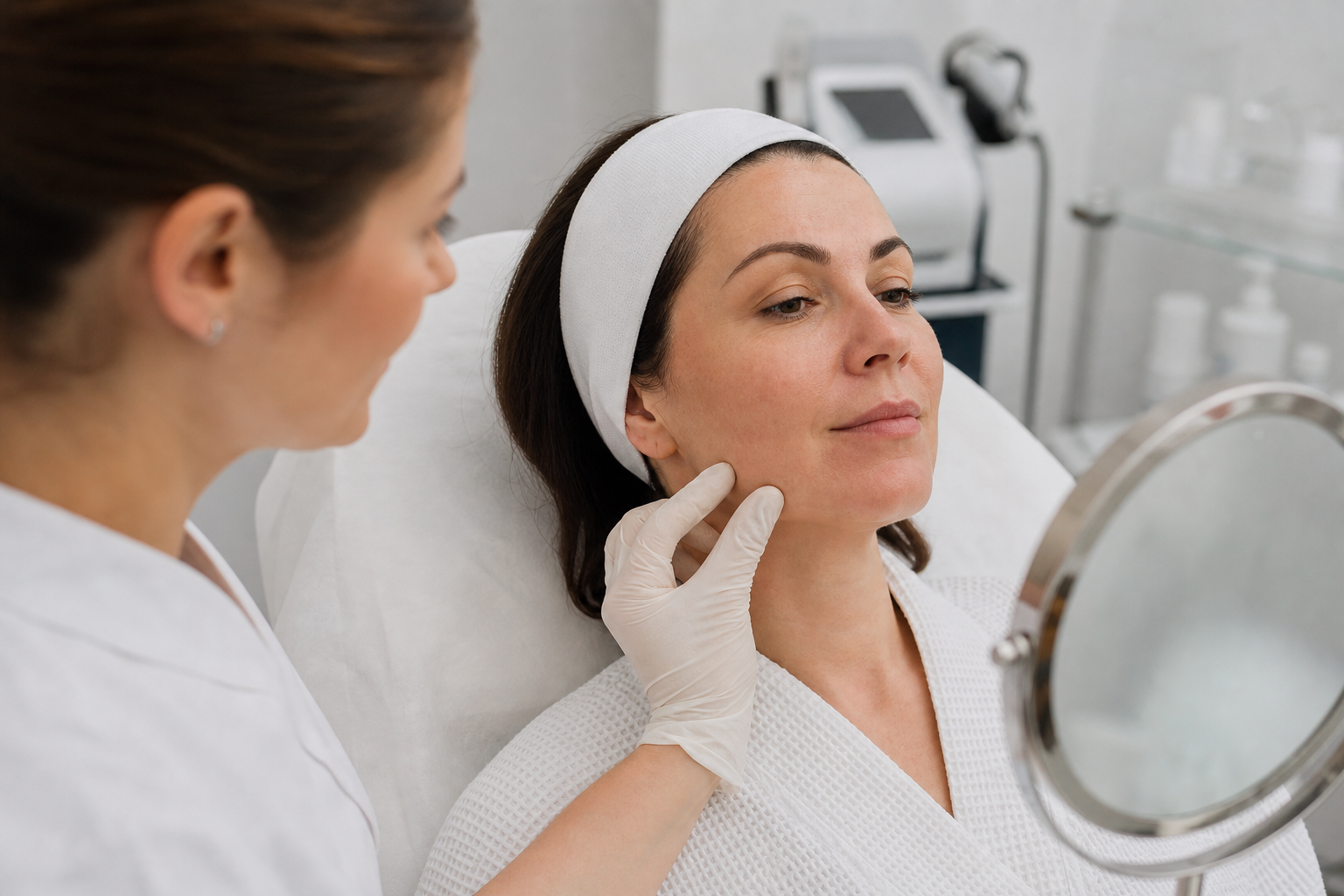
Moreover, discussing your makeup routine with your practitioner before resuming use ensures alignment with your treatment plan and individual skin needs.