Botox has become synonymous with effective wrinkle reduction and a youthful, refreshed appearance. For millions seeking to turn back time without surgery, Botox offers a minimally invasive route to smoother skin and diminished frown lines, crow’s feet, and forehead wrinkles. However, what often goes underappreciated in the excited anticipation of new radiance is the pivotal role played by the post-Botox checkup. This follow-up visit is essential for ensuring treatment success, optimizing aesthetic outcomes, and safeguarding patient safety.
This article provides a comprehensive exploration of what to expect during your post-Botox checkup, unraveling why this appointment matters so profoundly. Whether you are a first-time patient curious about the journey your Botox treatment entails, or a repeat recipient looking to deepen your understanding of aftercare and result evaluation, this editorial will illuminate the mechanisms, timelines, safety considerations, and practical nuances of the post-procedure review.
Understanding the post-Botox checkup means recognizing it as a key stage—not just a routine visit—where your specialist appraises the early effects, addresses any concerns, and tailors subsequent care to maximize natural and harmonious results. Far beyond the initial injection, the checkup ensures that your treatment evolves responsively and your expectations remain grounded in the biological realities of neurotoxin action and skin dynamics.
The Biological Timeline: Onset of Action and Early Assessment
Botox (botulinum toxin type A) exerts its wrinkle-smoothing magic by temporarily blocking the nerve signals responsible for muscle contraction. Unlike immediate cosmetic fixes, the effects do not appear instantly upon injection. Instead, the neurotoxin undergoes a gradual process of uptake into the targeted muscles, leading to relaxation and reduced dynamic wrinkling over days.
Typically, patients may start noticing subtle changes within 24 to 72 hours after treatment, but the full aesthetic effect generally unfolds over 7 to 14 days. This timeline is crucial to bear in mind to avoid premature conclusions about treatment success or failure.
During the early post-treatment days, your specialist will be attentive to any signs that the injected doses are responding appropriately. The first checkup often occurs within this two-week window, allowing for an informed evaluation of muscle relaxation and wrinkle reduction. This precise timing ensures the provider can distinguish between normal onset variability and potential issues requiring adjustment.
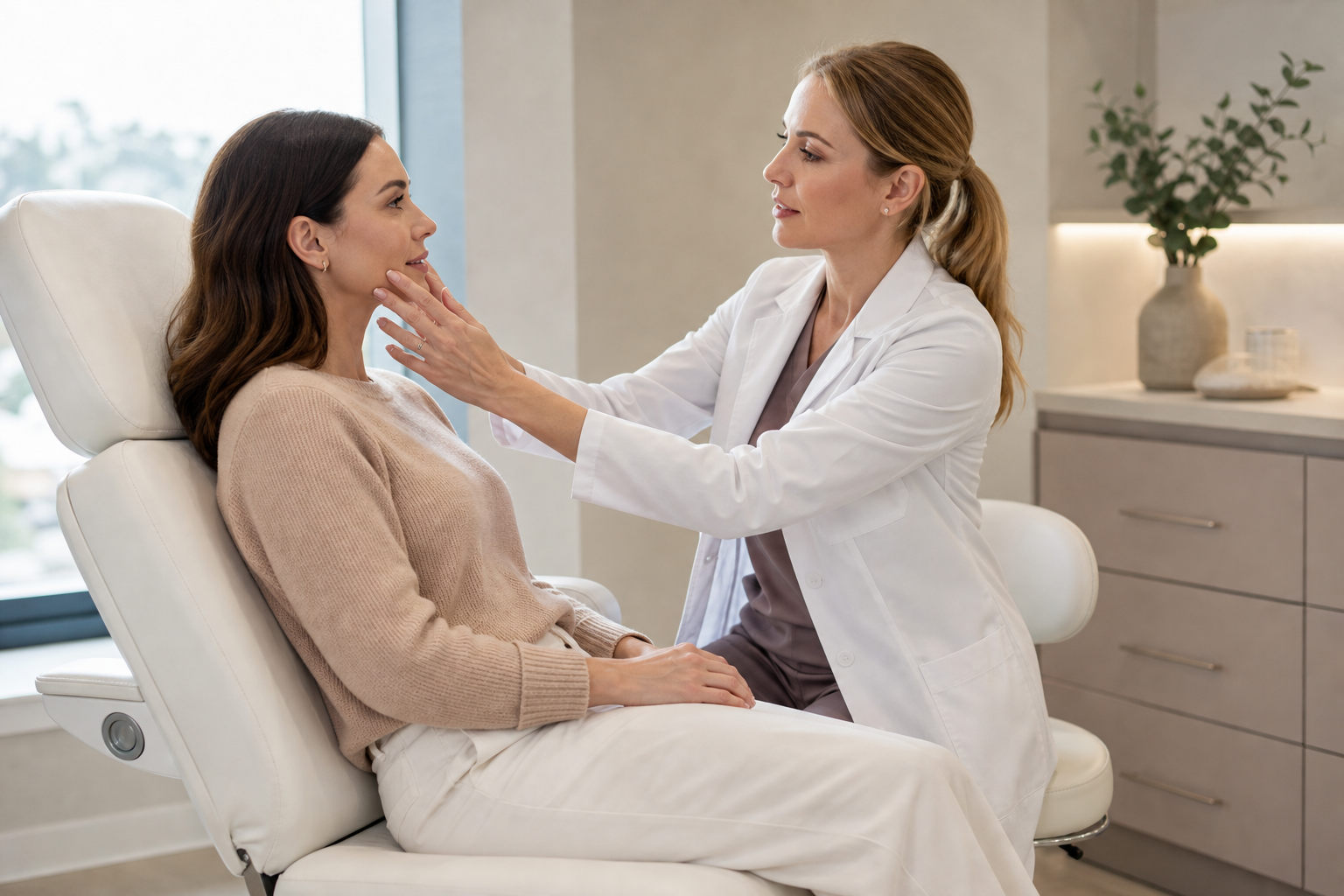
The specialist examines your facial expressions meticulously, observing muscle tone both at rest and in motion. This dynamic assessment helps confirm that treated areas have achieved sufficient relaxation without compromising natural facial movements that convey emotion and personality. The delicate balance between smoothing wrinkles and preserving expressiveness underscores the art and science at the heart of Botox treatments.
Recognizing and Responding to Variability in Results
Not every patient experiences uniform effects following Botox treatment. Factors such as individual metabolism, muscle strength, injection technique, and even prior Botox exposure can influence the speed and extent of visible results. Some patients may perceive an uneven onset of Botox effect, where certain muscles respond more quickly or thoroughly than others. While this variability can be concerning at first glance, it is often a normal facet of neurotoxin performance.
The post-Botox checkup serves as a safe space to address these nuances. Your specialist can identify asymmetries or areas where muscle activity persists more than expected. Importantly, this visit allows opportunities for minor corrections—often via carefully placed supplementary injections—that bring about a more balanced, natural look.
Open communication during the checkup reinforces realistic expectations and empowers patients with knowledge about the typical fluctuation of Botox outcomes. Understanding that the effects plateau and may require fine-tuning prevents unnecessary disappointment and reaffirms the specialist’s role in ongoing treatment stewardship.
Monitoring Safety and Managing Side Effects
While Botox is widely regarded as safe when administered by qualified professionals, the post-treatment checkup is an indispensable component of its risk management. The specialist uses this appointment to screen for any adverse effects that may have emerged, including localized bruising, mild swelling, or muscle fatigue beyond the expected range.
Prompt identification of side effects allows for appropriate interventions, whether through supportive care or altering future dosing strategies. This vigilance is especially vital for first-time recipients or those with specific medical histories that may predispose them to complications.
The checkup also emphasizes patient education regarding symptoms to watch for and how to care for treated areas in the days following injection. Guidance on avoiding direct sun exposure, vigorous massage, or strenuous exercise near the treatment sites helps maintain the integrity of results and minimizes complications.
When and Why Botox Touch-Ups Are Needed
Botox’s cosmetic benefits are not permanent—their duration depends on diverse patient factors but generally ranges between three to six months. As the neurotoxin’s effects gradually diminish, muscle contractions resume, and wrinkles begin reappearing. The post-Botox checkup is the starting point for planning maintenance treatments to preserve the renewed youthful appearance.
During this visit, your provider assesses whether the results are holding adequately or if there is a premature return of muscle activity indicating the need for a touch-up. This assessment ensures that re-injections are timed to sustain the look you desire without overtreating or creating unnatural stiffness.
Your specialist also gauges the cumulative effects of repeated treatments, making adjustments to dosage or injection sites to optimize long-term skin health and facial harmony. This personalized approach underscores how Botox care extends beyond a single session, embracing a continuum of attentive monitoring and adaptation.
The Communication and Collaboration That Define Exceptional Care
The success of Botox therapy hinges not only on the injection itself but on the ongoing dialogue between patient and provider. The post-Botox checkup catalyzes this relationship, providing a forum to discuss your experience, voice concerns, and refine goals.
This two-way conversation is a cornerstone of patient-centered aesthetic medicine. It allows your specialist to educate you about the mechanisms of Botox, dispel myths, and tailor recommendations specific to your facial anatomy and lifestyle. Such collaboration enhances satisfaction by aligning clinical possibilities with personal preferences.
Moreover, continuous follow-up visits build trust, reinforce safety, and allow prompt response to any changes—phenomena that underscore responsible practice and patient empowerment.
What Happens During the Post-Botox Checkup: A Step-by-Step Overview
On the day of your checkup, expect a focused yet comfortable evaluation lasting approximately 15 to 30 minutes. The specialist will:
- Observe your face at rest and during expressions such as smiling, frowning, or raising eyebrows, assessing muscle movements and wrinkle presence.
- Measure symmetry and smoothness across both sides of the face ensuring evenness of effect.
- Inquire about any sensations, discomfort, or unexpected changes since treatment.
- Evaluate any visible side effects like bruising or swelling and recommend care if needed.
- Discuss your satisfaction with the outcomes and adjust treatment plans if minor touch-ups or future modifications are indicated.
- Provide aftercare instructions and advice tailored to your treatment experience and goals.
This structured approach ensures a thorough review while respecting your time and comfort.


