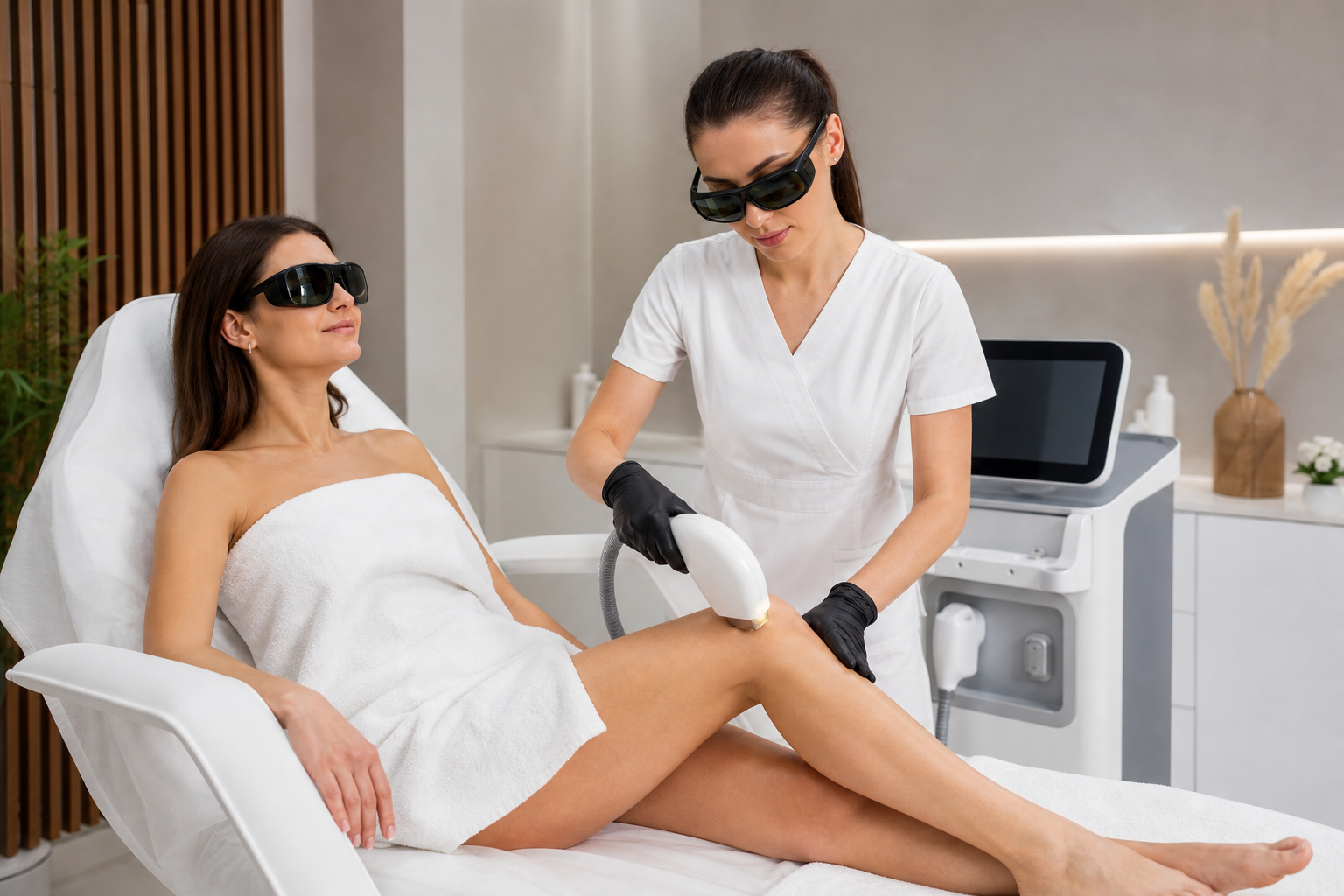
Laser hair removal has transformed the way individuals approach hair reduction, promising a long-term solution that is both effective and minimally invasive. However, to truly appreciate the efficacy and optimal use of this aesthetic procedure, it is crucial to understand the biological foundation upon which it operates: the hair growth cycle. This complex, natural process regulates how hair follicles produce hair over time and significantly influences the responsiveness of hair to laser treatments.
The hair growth cycle is relevant to anyone considering laser hair removal—from those seeking permanent reduction of unwanted hair to practitioners aiming to optimize treatment protocols. Understanding this cycle can clarify why multiple sessions are necessary, why some hairs respond better than others, and how the timing of treatments impacts results. Moreover, it enables realistic expectations, ensuring a well-informed decision and satisfaction with the aesthetic outcome.
In this comprehensive discussion, we will delve into the phases of the hair growth cycle, elucidate why each phase matters for laser hair removal, and explore how this knowledge transforms treatment strategies for skin rejuvenation and pigmentation correction alongside hair removal. By the end of this article, readers will possess a thorough understanding of the biological dynamics that underpin laser hair removal efficacy and how this guides both patients and professionals toward optimal results.
What Is the Hair Growth Cycle and What Are Its Phases?
The hair growth cycle is a natural, continuous process through which hair follicles progress to produce new hair strands, maintain them, and eventually shed old hair. This cycle occurs in three distinct, but overlapping, phases: anagen, catagen, and telogen. Each follicle independently cycles through these stages, which is why at any given moment, hair on our body and scalp is at various points in this process.
Anagen Phase (Growth Phase): This is the active stage of hair growth, where the hair follicle is robustly producing hair cells, resulting in the lengthening of the hair shaft. The anagen phase can last from several weeks to several years, depending on the hair location and individual physiological factors. For scalp hair, this phase is the longest, contributing to longer hair length, whereas body hair generally has a shorter anagen duration.
Catagen Phase (Transitional Phase): Following anagen, the follicle enters a brief transitional stage lasting a few weeks. During catagen, hair growth ceases, the lower portion of the follicle shrinks, and the hair detaches from its blood supply. This phase serves as a bridge between active growth and rest.
Telogen Phase (Resting Phase): In this phase, hair follicles remain dormant, and the hair strand is held in place without active growth. Telogen typically lasts weeks to months, after which the hair naturally sheds, making way for the growth of a new hair in the upcoming anagen phase.
This cyclical process ensures hair regeneration but also impacts how and when hair can be effectively targeted for removal.
Why Does the Hair Growth Cycle Matter for Laser Hair Removal?
Laser hair removal works by emitting light energy absorbed selectively by melanin – the pigment in hair. This energy converts to heat, damaging the hair follicle to inhibit further growth. However, for the laser to target the follicle effectively, the hair must be in the right phase of its growth.
The anagen phase is pivotal because the hair follicle is actively producing hair, and the hair shaft is physically connected to the follicle. This allows the laser’s light energy to be absorbed efficiently, delivering sufficient heat to disable the follicle. By contrast, in the catagen and telogen phases, the follicle is shrinking or resting, and the hair shaft is disconnected or loosely attached. Consequently, the laser energy cannot be adequately absorbed or is less effective, resulting in reduced hair removal success.
Practically, this biological reality means that only a subset of hair follicles—those in the anagen phase at the time of treatment—will respond fully to a laser hair removal session. Since not all follicles are synchronously cycling, multiple treatment sessions spaced appropriately are necessary to catch hair in the anagen phase as it progresses through the cycle. This foundational understanding helps explain why patients need several sessions to achieve significant and lasting hair reduction.
How Does the Hair Growth Cycle Vary Across Different Body Areas?
The duration and proportions of each hair growth phase differ significantly depending on the part of the body. This variation directly affects the laser hair removal process and treatment planning.
Facial Hair: Generally, facial hair has a relatively short anagen phase—about 2 to 3 weeks. This quick turnover means hair follicles cycle rapidly, necessitating more frequent treatments or careful scheduling to coincide with the anagen phase for optimal results.
Legs and Arms: Hair in these areas has an anagen phase lasting approximately 3 to 6 months. This longer growth window allows for more predictable timing of treatments but also requires patience as dormant hairs cycle into growth phases over time.
Body Hair (e.g., chest, back): Similar to arms and legs, body hair tends to have a moderate anagen duration. Treatments typically must be scheduled at intervals to catch these hairs in growth.
Scalp Hair: Though scalp hair is not typically targeted for removal, it features an anagen phase lasting years, which explains the potential length and thickness of scalp hair compared to body hair.
Laser hair removal specialists must tailor treatment intervals to accommodate these differences, ensuring sessions coincide effectively with phases of active follicle growth in the treated area.
Who Benefits Most from Understanding the Hair Growth Cycle in Laser Hair Removal?
Understanding the hair growth cycle empowers several groups involved in laser hair removal:
Patients: Having realistic expectations about the number of sessions and timing reduces frustration. Knowledge of the cycle helps patients appreciate why laser hair removal is not instantaneous and why patience and commitment to the treatment schedule are important.
Practitioners: For dermatologists, aestheticians, and laser specialists, grasping the hair growth cycle enables personalized treatment plans. By considering individual differences like hair type, skin tone, and targeted area, professionals can optimize the intervals between sessions and select laser parameters tailored to the follicle’s growth phase, enhancing efficacy and minimizing side effects.
Individuals with Different Hair and Skin Types: Those with lighter or finer hair may require modified protocols because fewer hairs contain absorptive melanin. Similarly, contrasting skin tones influence laser selection, and understanding how hair cycles interplay with these factors can improve outcomes.
How Does Laser Hair Removal Synchronize with the Hair Growth Cycle?
Successful laser hair removal treatment is a strategic synchronization of laser application with the dynamic activity of hair follicles. Because only hairs in anagen respond well, treatments are scheduled at intervals that correspond to the natural progression of follicles cycling into this phase.
Typically, sessions occur every 4 to 8 weeks, a time frame that depends on the treatment area and individual hair growth rates. This spacing allows dormant follicles to enter the anagen phase, making them susceptible to laser energies during subsequent sessions. Over a series of treatments, a substantial percentage of hair follicles are targeted when active, cumulatively reducing hair growth over time.
Moreover, certain advanced laser technologies use various wavelengths or pulse durations to improve targeting efficiency across a broader range of hair follicle conditions, accommodating differences in melanin concentration or depth within the follicle.
What Are the Expected Outcomes When Treatments Align with the Hair Growth Cycle?
When laser hair removal treatments are appropriately timed with consideration of the hair growth cycle, patients can anticipate significant hair reduction. Though individual results vary, many achieve between 70% to 90% permanent hair reduction after a full series of sessions.
Alignment with the cycle reduces the chance of retaining non-responding hair and minimizes the need for frequent touch-ups. Predictable patient progress improves satisfaction, as the gradual thinning and diminution of hair become apparent with each successive treatment.
Furthermore, understanding the cycle helps manage side effects and reduces the risk of complications, such as skin irritation or pigment changes, by optimizing laser settings for follicular states.
How Does This Knowledge Influence Treatment of Related Laser Procedures?
Comprehensive aesthetic laser treatments often combine hair removal with other modalities like skin rejuvenation, pigmentation correction, and vascular therapies. While these treatments have distinct mechanisms, knowledge of skin and hair biology remains important for holistic outcomes.
For instance, skin rejuvenation involves stimulating collagen and elastin remodeling, processes that can be carefully balanced with hair removal sessions to avoid cumulative stress on the skin. Pigmentation correction treatments must consider melanin presence to accurately target pigment irregularities without affecting hair follicles unnecessarily.
Integrating hair growth cycle awareness with these treatments allows for a more nuanced and effective aesthetic plan. It ensures long-lasting results and patient comfort across various laser applications, reinforcing the importance of biological understanding beyond simple hair reduction.
Common Questions and Considerations About Hair Growth and Laser Hair Removal
Why are multiple sessions required? Because hair follicles cycle independently and cannot all be in anagen simultaneously, multiple treatments spaced over weeks are necessary to achieve substantial reduction.
Can laser hair removal work on all hair colors and skin types? The procedure is most effective on dark, coarse hair due to melanin absorption but advances in laser technology have expanded possibilities for treating various hair colors and skin tones with suitable adjustments.
How long should I wait between sessions? Treatment intervals typically range between 4 to 8 weeks tailored to the body area and individual follicle cycling speed, ensuring active hair follicle targeting.
Is hair regrowth possible after treatment? Some regrowth can occur due to hair follicles not being in the right cycle phase during treatment or hormonal changes, which is why occasional maintenance sessions may be recommended.


