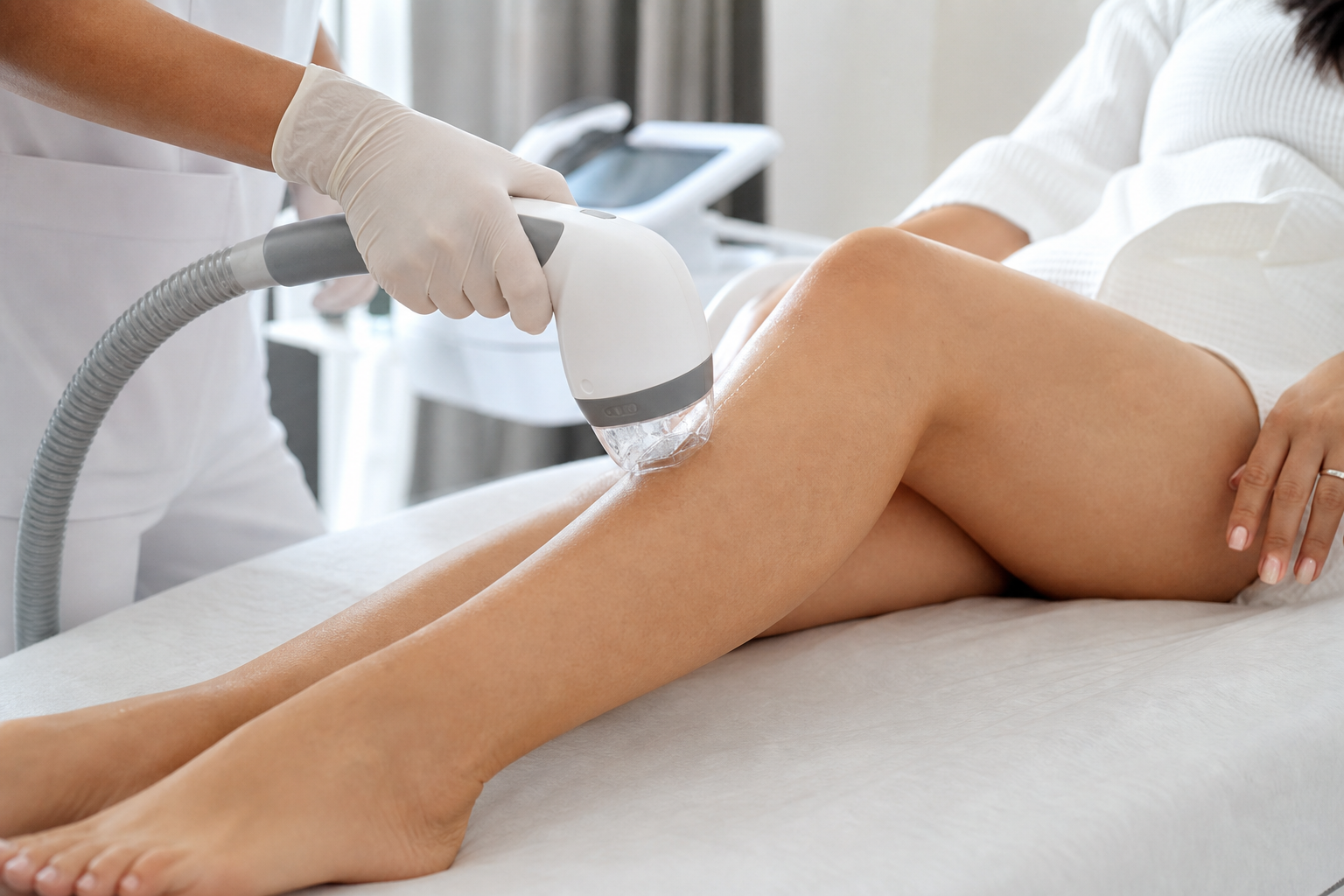
Laser hair removal has established itself as a leading solution for long-term reduction of unwanted hair, widely sought by those aiming for smoother skin and a convenient alternative to traditional methods like shaving and waxing. However, while the laser technology itself plays a central role in disabling hair follicles, the comfort and safety experienced during treatment are equally critical to successful outcomes. Among the factors influencing patient experience and safety, laser cooling systems emerge as vital components that protect the skin, reduce pain, and enable the use of effective treatment parameters.
This detailed editorial article is crafted for prospective laser hair removal clients, dermatologists, and aesthetic practitioners who seek to deepen their understanding of how different cooling systems function during laser procedures. We will explore contact, forced-air, and cryogen cooling systems, assessing their impact on epidermal protection, patient comfort, and treatment efficacy. Recognizing that comfort and efficacy, though interrelated, are not identical, we will clarify common misconceptions and provide guidance based on skin phototype, treatment area, hair density, and individual pain sensitivity. Additionally, pragmatic advice on assessing treatment safety and pertinent practitioner questions will be included to help readers make informed decisions.
By the conclusion, you will gain a comprehensive perspective on how laser cooling not only safeguards the skin but also facilitates optimal treatment conditions, ensuring that your laser hair removal experience balances comfort with results, tailored to your unique characteristics and needs.
Why Is Cooling Crucial During Laser Hair Removal Treatments?
Laser hair removal targets melanin within hair follicles using pulses of light energy. This energy converts into heat, selectively damaging the follicle to inhibit future hair growth. However, surrounding the follicles is the epidermis—the outermost skin layer—that is susceptible to heat-induced injury and discomfort. Without adequate protection, excess heat can cause pain, burns, hyperpigmentation, or other adverse effects.
Cooling systems mitigate these risks by dissipating heat from the skin’s surface, preventing excessive thermal buildup. This capability is paramount to enhancing patient safety and comfort and enabling practitioners to apply laser settings that maximize hair reduction efficacy. When cooling is insufficient, patients may experience heightened pain or tissue damage, which could lead to treatment interruptions, reluctance to continue sessions, or suboptimal laser parameters that diminish results.
Hence, cooling is not merely a luxury but an integral safety and comfort measure that influences treatment quality and patient adherence.
Comparing the Main Types of Cooling Systems Used in Laser Hair Removal
Several distinct technologies provide skin cooling during laser hair removal, each with unique mechanisms, benefits, and limitations. Understanding the differences between contact cooling, forced-air cooling, and cryogen spray cooling helps clarify their appropriate clinical applications.
Contact Cooling: This method involves a cold interface surface—typically a sapphire or ceramic plate—that directly touches the skin throughout the laser application. The plate remains chilled by internal refrigeration, continuously extracting heat from the epidermis. Contact cooling allows precise, localized cooling and has become common with diode and Alexandrite lasers. Because the laser light transmits through the cooled plate, epidermal temperature can be controlled while delivering powerful laser energy beneath. This approach reduces pain and lowers the risk of epidermal burns, supporting higher fluences (laser energy densities) for effective hair reduction.
Forced-Air Cooling: This non-contact technique projects a stream of cooled air onto the treatment area before, during, and after laser pulses. It provides a general cooling effect by lowering skin temperature and decreasing superficial pain sensations. Although it is less focused than contact cooling and has limited depth of cooling, forced-air systems are valued for their flexibility and are often used in conjunction with shorter pulse lasers or for sensitive skin areas. This approach is also effective in areas where a physical cooling device might be impractical or uncomfortable.
Cryogen Spray Cooling: Cryogen cooling employs brief bursts of a cooling agent—often tetrafluoroethane—that rapidly evaporates on the skin surface, inducing a sudden drop in temperature. This method, frequently paired with Alexandrite lasers, offers swift, intense surface cooling immediately before laser pulses. While powerful, cryogen spray cooling requires careful control to prevent tissue injury such as frostbite or irritation, especially on thin or sensitive skin areas. Its rapid action can enhance comfort but has a transient effect, thus demanding precise timing and dosage.
How Do Cooling Systems Protect the Epidermis and Ensure Treatment Safety?
The epidermis is vulnerable to thermal damage during laser hair removal because melanin in the epidermis also absorbs some laser energy, albeit less than the hair follicle. Excess heat can disrupt this delicate layer, leading to burns, redness, swelling, discoloration, and prolonged healing. Cooling systems serve as thermal buffers, absorbing and dispersing heat so that epidermal temperatures remain within safe limits.
Contact cooling is particularly effective because its continuous, controlled interface promotes even temperature reduction across the treated area. This uniformity prevents hot spots and allows the practitioner to utilize laser settings that effectively target deeper follicles without compromising skin integrity. Forced-air cooling complements this by alleviating superficial discomfort and minor heat accumulation, while cryogen spray’s rapid but fleeting cooling shields the surface in a more punctuated fashion.
Moreover, efficient epidermal protection through cooling reduces the incidence of pigmentation changes post-treatment, a crucial factor for individuals with darker skin phototypes, who are at increased risk of hyperpigmentation or hypopigmentation after laser exposure. By maintaining epidermal safety, cooling helps avoid adverse outcomes that can extend healing and negatively affect cosmetic results.
Distinguishing Thermal Comfort From Treatment Effectiveness
While cooling systems primarily enhance comfort and safety, it is important to separate the concepts of treatment comfort and efficacy. Robust epidermal cooling typically reduces pain and discomfort, making treatments more tolerable and supporting longer sessions or higher fluences. However, stronger or more aggressive cooling alone does not guarantee superior hair reduction results.
Laser efficacy depends chiefly on several parameters: wavelength selection, pulse duration, energy density, spot size, and pulse repetition rate. Cooling enables the use of optimal parameters by protecting the skin, but it does not directly influence the selective photothermolysis mechanism that damages hair follicles. In fact, over-cooling or cooling that excessively reduces follicle temperature could theoretically impair laser effectiveness if the intended thermal injury to hair roots is compromised.
Therefore, practitioners balance cooling to achieve a dual goal: minimize epidermal injury and patient discomfort while ensuring sufficient heat penetrates to target follicles. Unrealistic expectations should be set with clients to emphasize that comfort-enhancing cooling is an enabler rather than a primary driver of hair removal success.
Adapting Cooling Approaches by Skin Phototype, Treatment Area, Hair Density, and Pain Threshold
Personalizing cooling strategies according to individual patient and treatment characteristics is critical for maximizing comfort and safety.
Skin Phototype: Melanin content varies across the Fitzpatrick scale, with lighter skin types (I–III) generally tolerating more aggressive parameters and milder cooling, while darker skin types (IV–VI) require heightened epidermal protection due to increased risk of pigmentation alterations. Contact cooling is often preferred for darker skin types, given its more effective and consistent epidermal safeguarding.
Treatment Area: Sensitivity and skin thickness differ across body regions. Thin, delicate areas like the face, neck, or underarms possess more nerve endings and less subcutaneous tissue, necessitating gentle but efficient cooling systems, often with contact cooling or combined cooling methods. Larger, less sensitive zones such as the legs or back may be comfortable with forced-air cooling, provided treatment parameters are adjusted accordingly.
Hair Density and Thickness: Denser or coarser hair demands higher laser energies to achieve follicle damage, which can increase heat generation. Effective cooling becomes essential to disperse excess epidermal heat and maintain comfort without compromising the treatment impact. Here, contact cooling supports higher fluence treatments better than air cooling alone.
Individual Pain Threshold: Patient tolerance to discomfort varies widely, influenced by genetics, psychology, and prior experience. A lower pain threshold warrants more aggressive or combined cooling techniques, including pre-application of topical anesthetics in some cases. Regular feedback during treatment helps the practitioner adjust cooling intensity dynamically to maintain patient comfort.
Anticipating Safety Signals and Key Questions to Discuss With Your Practitioner
As a patient preparing for laser hair removal, awareness and dialogue around cooling systems empower you to advocate for your safety and comfort. Key safety signals during treatment include unexpected or persistent redness, blistering, intense pain, swelling, or changes in skin coloration. Reporting these promptly enables your practitioner to halt treatment, modify settings, or implement remedial measures.
Before your session, inquire about the type of cooling system utilized and how it will be adapted for your skin type and treatment area. Ask how practitioners monitor your skin’s reaction in real-time and what protocols are in place to prevent overheating or epidermal injury. Understanding their experience with various skin phototypes and sensitivity profiles can inform you about their ability to tailor treatments effectively.
Discuss realistic expectations regarding discomfort and results, so you are mentally prepared and can actively participate in feedback during sessions. A well-informed patient-practitioner partnership contributes significantly to a safe, effective, and comfortable laser hair removal journey.


