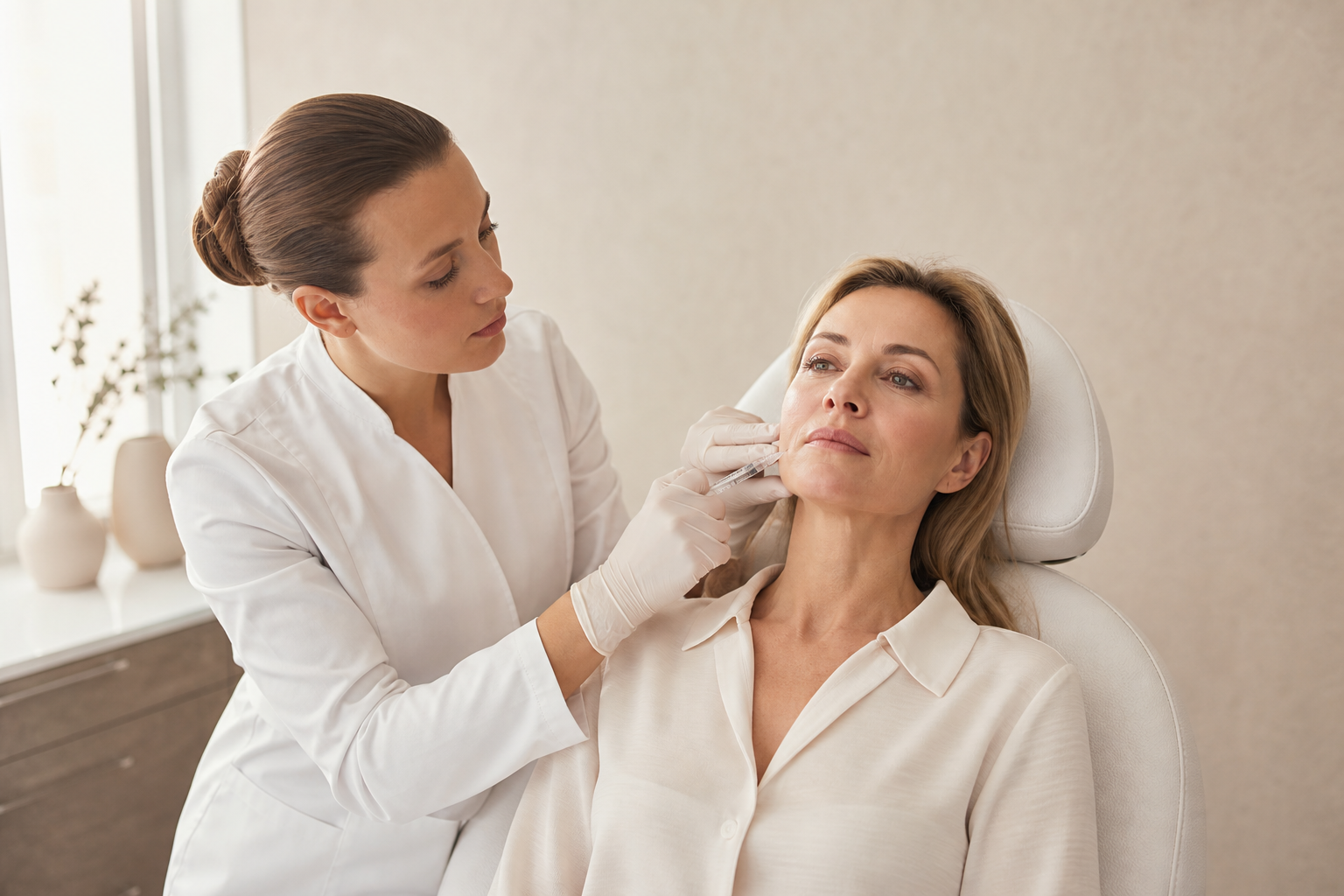
Drooping mouth corners, a common sign of aging, can subtly yet profoundly alter the facial expression, often imparting a look of sadness, fatigue, or concern that contradicts a person's actual mood. This phenomenon results from complex anatomical changes in the lower face, affecting muscular balance and tissue support. Addressing this issue is not merely about vanity but about restoring a face's natural expressiveness and the confidence that comes with it. Among the various aesthetic treatments available, Botox has become a particularly noteworthy option for lifting and revitalizing the corners of the mouth. Its targeted approach offers a means to ease the downward pull and refresh the lower facial appearance without invasive surgery.
This editorial is intended for individuals contemplating Botox treatment to correct drooping mouth corners, whether they have just started noticing subtle changes or have prior experience with Botox in other facial areas. Understanding the capabilities and inherent limitations of Botox in this context is essential for making an informed decision that aligns expectations with achievable outcomes. Moreover, safety considerations and appropriate specialist consultation are critical components of a successful aesthetic journey.
The Anatomical and Aesthetic Factors Behind Drooping Mouth Corners
The drooping of mouth corners is primarily the result of a dynamic interplay between muscular vectors, tissue volume loss, and gravitational effects. The depressor anguli oris—a muscle that pulls the mouth corners downward—and the platysmal bands of the neck exert a persistent downward force. With age, the tonicity of these muscles intensifies in relative prominence due to weakening of the levator muscles responsible for elevating the mouth’s corners.
Concurrently, the skin and subcutaneous structures lose elasticity and volume. Subcutaneous fat atrophy, diminished collagen production, and skin laxity contribute to the sagging that accompanies muscle imbalance. These soft tissue changes manifest as deepening marionette lines, accentuated folds extending from the mouth toward the chin, and an overall look that can appear prematurely aged or emotionally negative despite an individual’s true feelings.
Integrating this understanding underscores why the drooping mouth corners are not merely a cosmetic inconvenience but a composite anatomical issue requiring nuanced intervention. Clients seeking treatment wish to restore balance—to reduce the downward pull and rejuvenate the youthful elevation of the smile—and may anticipate these changes to reflect in their social interactions and psychological well-being.
How Botox Functions to Elevate Mouth Corners
Botox, a refined neurotoxin, operates by inhibiting the release of acetylcholine at the neuromuscular junction, thereby temporarily relaxing targeted muscles. When administered to muscles responsible for downward traction on the mouth corners—most notably the depressor anguli oris and certain platysmal fibers—the muscular pull relaxing effect permits the antagonistic levator muscles to exert relatively greater influence. This muscular recalibration yields a subtle lifting of the mouth corners, contributing to a softer, more positive facial expression.
Administration must be executed with precision; the lowest effective dose to achieve the desired relaxation ensures preservation of natural facial expressions and oral function. Over-treatment could lead to compromised speech articulation or asymmetries, underscoring the importance of anatomical expertise. Typically, results become evident within two weeks and endure from three to six months, necessitating maintenance injections to sustain outcomes.
It's important to note that Botox does not directly restore skin volume or correct tissue laxity but modifies muscle dynamics. Thus, its role in elevating mouth corners is part of a broader therapeutic palette to enhance lower face aesthetics.
Realistic Outcomes and the Boundaries of Botox Efficacy for Mouth Corners
Prospective patients should approach Botox treatments for drooping mouth corners with informed expectations. While Botox can significantly ease the depression caused by muscular pull, it cannot single-handedly reverse all signs of aging in the perioral region. For instance, pronounced volume loss in the cheeks, jawline, or lips often requires adjunctive therapies such as hyaluronic acid fillers to replenish lost fullness and define contours.
Moreover, in cases where the mouth corners are markedly sagged or accompanied by deep marionette folds, the lifting effect of Botox alone may be modest. The subtlety of Botox results is frequently an asset, creating natural-looking enhancements rather than drastic transformations, but it demands patience and sometimes combined treatment strategies.
Another factor influencing outcomes is individual variability in muscle anatomy, skin quality, and physiological response to botulinum toxin. Customization of dose, injection sites, and integration with complementary procedures is often necessary for optimal results. Patients with underlying neurological or muscular conditions may also respond differently or be contraindicated for Botox treatment.
Safety Considerations for Botox in the Lower Face and Neck
The application of Botox in the perioral and submental regions is a procedure requiring meticulous technique due to the proximity of critical anatomical structures including nerves, muscles involved in speech and swallowing, and vascular elements. Proper patient screening to exclude contraindications such as existing neuromuscular disorders, active skin infections, or hypersensitivity to botulinum toxin is mandatory.
Qualified injectors must possess thorough knowledge of the complex anatomy and functional aspects of the lower face and neck to prevent adverse outcomes like asymmetry, facial weakness, or impaired oral competence. The treatment environment should adhere to high standards of hygiene and patient safety protocols.
Patients should be counseled on transient side effects such as mild bruising, local discomfort, or temporary weakness, and informed about the procedure’s timeline and post-treatment care. Immediate follow-up is essential to monitor the effect and adjust subsequent treatments if necessary.
Combining Botox with Complementary Aesthetic Techniques for a Harmonious Lower Face Rejuvenation
Given the multifactorial nature of aging-related changes around the mouth and chin, an integrated treatment approach frequently delivers superior outcomes. After Botox attenuates the downward muscle pull, dermal fillers can restore lost volume in the cheeks, nasolabial folds, and chin area, thereby smoothing contours and supporting facial architecture. This synergy enhances the lifting effect and contributes to a naturally refreshed appearance.
Additional treatments may include skin tightening procedures, lip augmentation, or even botulinum toxin applications targeting platysmal bands in the neck to improve jawline definition. Collectively, these methods address both static and dynamic aging signs, ensuring that modifications in one zone are complemented by refinements in adjacent areas, maintaining facial harmony.
Crucially, treatment personalization based on thorough facial analysis and patient goals is fundamental to achieving balanced, natural-looking enhancement rather than disjointed results that can betray over-intervention.
Key Considerations for Selecting a Qualified Specialist for Botox in Drooping Mouth Corners
Because of the nuanced exposure and precision required for Botox injections in the lower face and neck region, entrusting treatment to a board-certified dermatologist, plastic surgeon, or experienced aesthetic physician is essential. Their expertise ensures correct muscle identification, appropriate dosing, and safe injection technique, reducing risks and enhancing satisfaction.
An initial comprehensive consultation should include a detailed patient history, examination, transparent discussion of benefits, risks, and alternatives, and photographic documentation for progress tracking. Clear communication about realistic outcomes and maintenance plans fosters trust and sets the foundation for a positive therapeutic relationship.
In cases where Botox alone may not address a patient’s concerns, a skilled specialist can coordinate multidisciplinary interventions, including filler therapy, skin resurfacing, or surgical options, guiding the patient toward a holistic rejuvenation strategy.


