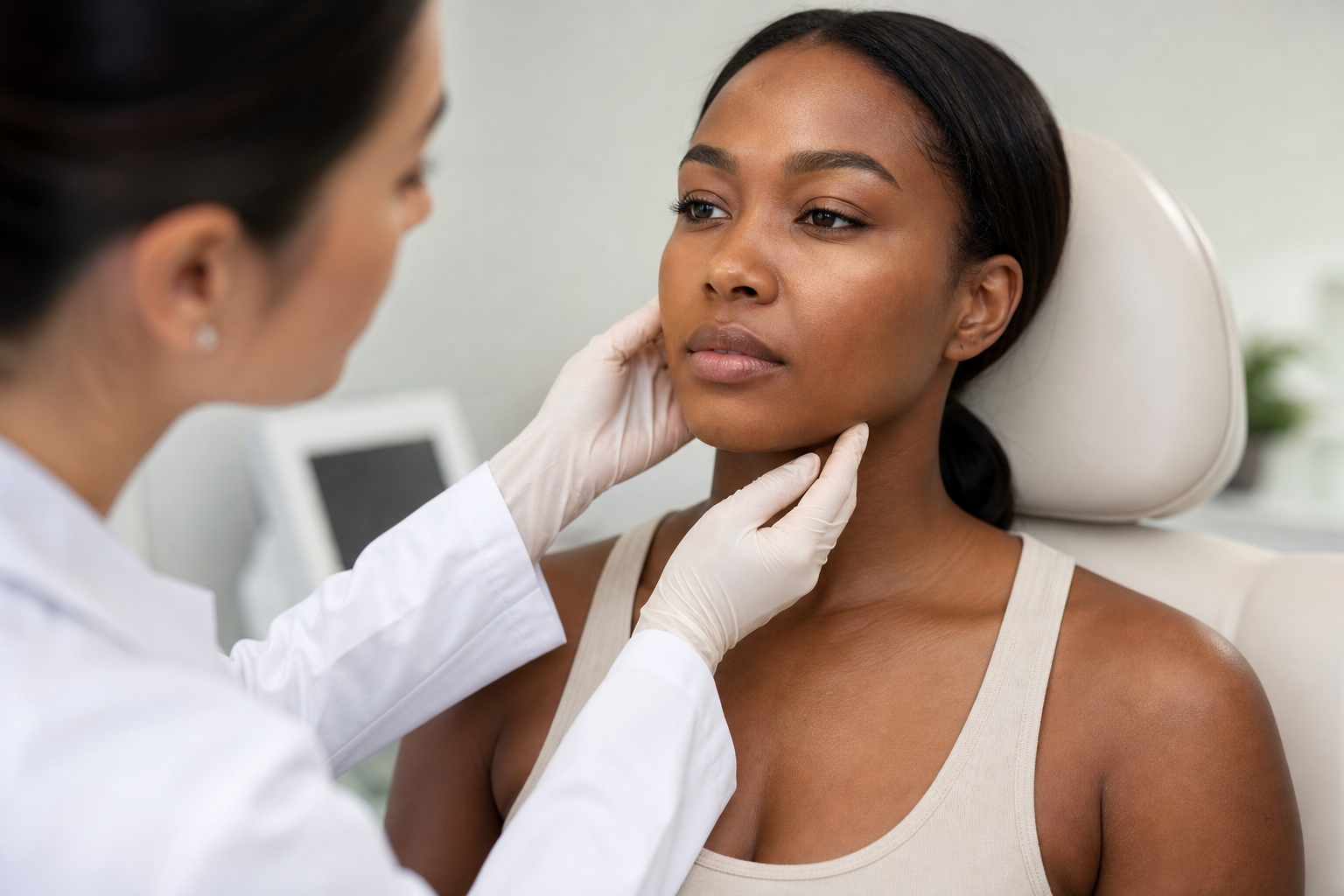
Pigmentation lasers have revolutionized the approach to treating uneven skin tone and various pigmentary conditions, enabling the reduction of dark spots, melasma, sunspots, and age-related discoloration with remarkable precision. However, when it comes to darker skin tones—categorized within Fitzpatrick skin types IV, V, and VI—the use of pigmentation lasers becomes a nuanced and highly specialized undertaking. The inherent melanin richness of darker skin significantly changes the skin’s response to laser energy, thereby requiring tailored strategies to ensure both safety and efficacy.
This article is designed specifically for individuals with darker or tanned skin considering laser treatment for pigmentation, as well as for clinicians who seek a deeper understanding of how to safely perform such procedures. Given the increased risks such as post-inflammatory hyperpigmentation, hypopigmentation, and scarring associated with laser therapies on darker phototypes, it is essential to emphasize an informed, cautious approach that supports optimal outcomes while minimizing complications. The following detailed overview delves into patient-specific factors, laser device selection, treatment preparation, and post-procedural care—anchored in current knowledge and best practices—without substituting for individualized clinical assessment by a qualified specialist.
Understanding pigmentation lasers for darker skin is critical because the greater melanin concentration in these skin types fundamentally alters the interaction between laser energy and tissue. Without careful consideration, the potential for adverse effects increases, highlighting why this topic matters deeply to those seeking pigment correction and the professionals entrusted to guide them.
Why Are Laser Treatments for Pigmentation More Complex in Darker Skin?
The complexity of treating pigmentation in darker skin with lasers stems primarily from the biological and optical properties associated with increased melanin. Melanin, the pigment responsible for skin color, acts as a chromophore that absorbs laser energy. In darker skin tones, the abundance of melanin is not limited to unwanted pigmentary lesions; it is dispersed throughout the epidermis and dermis, impacting laser-tissue interaction dynamics.
Laser devices emit specific wavelengths targeting pigment; however, in darker skin, the abundant epidermal melanin competes with the melanin in the lesion for absorption of laser light. This can cause excessive heating of the surrounding healthy skin, increasing the risk of thermal injury, inflammation, and pigmentary changes such as post-inflammatory hyperpigmentation (PIH) or hypopigmentation. These risks necessitate selecting laser parameters that balance effective lesion targeting while sparing surrounding melanocytes.
Additionally, darker skin has a greater propensity for an inflammatory response after injury, which can perpetuate pigmentary alterations and even lead to tissue remodeling and scarring. For these reasons, clinicians must adapt treatment strategies—laser selection, fluence, pulse duration, and treatment interval—carefully to protection surrounding pigmented cells and reduce injury risks.
How Do Patient Factors Influence Safety and Efficacy of Pigmentation Laser Treatments in Darker Skin?
A comprehensive assessment of patient-specific factors is the cornerstone of safely administering pigmentation laser treatments for individuals with darker skin tones. The Fitzpatrick skin type classification is widely used to determine susceptibility to ultraviolet and laser-induced skin responses, with types IV to VI representing higher melanin content and increased complication risk.
Beyond phototype, the characteristics of the pigmentary lesion itself—including size, depth, uniformity, and type—affect treatment choice. For instance, superficial sunspots may respond better to certain lasers than the deeper, more diffuse pigment of melasma, which often requires multi-modal approaches.
History of previous dermatologic conditions is also critical; patients who have experienced PIH, keloid tendencies, or other pigmentary disorders may demand more conservative treatment. The presence of recent sun exposure or tanning is another vital consideration since increased melanin from recent UV exposure heightens photosensitivity and pigment alteration risk post-treatment.
The use of photosensitizing medications, including certain antibiotics, retinoids, and herbal supplements, can amplify skin sensitivity to laser energy, necessitating medication reviews and adjustments prior to treatment.
Which Types of Lasers Are Most Suitable for Pigmentation Treatment on Darker Skin?
The selection of laser type is arguably the most critical decision in treating pigmentation in darker skin safely. Lasers differ by wavelength, pulse duration, and method of energy delivery, all impacting their interaction with melanin and other skin components.
The Q-switched Nd:YAG laser at 1064 nm is widely regarded as safer and more effective for darker skin. Its longer wavelength penetrates deeply with reduced melanin absorption compared to shorter wavelengths, thus minimizing epidermal injury risk. It is routinely used for removing benign pigmented lesions and treating melasma with relatively lower incidence of PIH.
Picosecond lasers emitting at 1064 nm or 755 nm provide ultra-short pulse durations that break pigment particles into smaller fragments more efficiently without excessive thermal diffusion, reducing collateral damage and inflammation. This feature is particularly advantageous for darker skin types by curbing unwanted pigmentary shifts.
Conversely, Alexandrite (755 nm) and Diode (800–810 nm) lasers, with higher melanin absorption at shorter wavelengths, are often avoided or used cautiously in darker skin due to significantly higher risks of causing burns, pigmentary changes, and scarring.
Ultimately, a skilled clinician must tailor laser choice and parameter settings to the unique pigmentation type and skin phototype to strike a balance between maximal efficacy and minimal adverse events.
What Should Patients with Darker Skin Do to Prepare for Laser Pigmentation Treatment?
Preparation plays a pivotal role in achieving safe and effective laser pigmentation treatments in darker skin. Prior sun protection and avoidance of tanning or sun exposure for at least four weeks pre-treatment is highly recommended to reduce baseline epidermal melanin and lower photosensitivity.
Patients should undergo thorough dermatologic consultation, including an examination of the pigmented lesions and possibly test spot treatment on a small skin area. This trial run helps predict skin response and fine-tune parameters, reducing the risk of unexpected pigmentary complications.
Pre-treatment regimens may involve topical agents such as hydroquinone, retinoids, or azelaic acid to suppress melanogenesis and improve pigment uniformity. These should be used under medical supervision with clear guidance on duration and application to avoid irritation.
Setting realistic expectations is essential; patients should understand that multiple treatment sessions at intervals may be necessary and that complete pigment removal is not guaranteed. Ongoing skin care and sun avoidance will be critical throughout the treatment course.
What Signs After Treatment Should Alert Patients and Clinicians to Potential Complications?
Close monitoring after laser treatment is vital for early identification and management of adverse reactions. While some erythema and mild edema are expected in the immediate post-treatment period, persistence beyond a few days or escalation in redness and swelling may indicate excessive inflammation requiring prompt intervention.
Development of blistering, erosions, or crusting is a sign of epidermal injury or burn and warrants urgent dermatologic evaluation to prevent infection and scarring.
One of the most common concerns in darker skin treated with pigmentation lasers is post-inflammatory hyperpigmentation. Darkening of the treated areas that appears within days to weeks after treatment and persists is an alarm signal. Similarly, the emergence of hypopigmented or depigmented spots, often white or lighter than surrounding skin, can indicate melanocyte damage and may be irreversible.
Patients should be educated to report such changes early for timely management, which might include topical anti-inflammatory or pigment-modulating agents.
How Can One Minimize Risks and Enhance Results When Using Pigmentation Lasers on Darker Skin?
Reducing the risk of complications while optimizing treatment outcomes involves a multifactorial approach. Adherence to selecting lasers with a safer profile for dark skin, such as the 1064 nm Nd:YAG or picosecond lasers, and calibrating fluence, spot size, and pulse duration to the lowest effective dose is imperative.
Performing test spots to observe skin response allows for parameter adjustments prior to full treatment. Incorporating pre-treatment skin conditioning with topical agents can lessen melanin load and stabilize the epidermal barrier.
Post-treatment care is equally important. Patients should use broad-spectrum sunscreens regularly and avoid sun exposure rigorously to protect the skin during its vulnerable reparative phase. Gentle moisturizing and avoiding irritants support healthy skin recovery and minimize inflammatory flares.
Finally, ongoing dialogue between patient and clinician regarding skin responses and treatment modifications enhances safety and patient satisfaction.
When Is Laser Treatment for Pigmentation Not Advisable in Individuals with Darker Skin?
There are circumstances necessitating deferral or contraindication of pigmentation laser treatments in darker-skinned individuals due to heightened complication risks. Active skin infections or inflammations should resolve before any laser intervention to avoid exacerbating the condition.
Pregnancy and breastfeeding periods are generally avoided given the lack of safety data and potential unknown risks to mother and child.
Photosensitizing medications or supplements require careful review and possible discontinuation to prevent severe photosensitivity reactions post-laser.
Patients with autoimmune skin disorders, extensive scarring tendencies, or uncontrolled dermatologic diseases like psoriasis or eczema often cannot safely undergo laser treatments without heightened risk.
Additionally, recent tanning or sunburn places the skin in a state of increased melanin load and inflammation, rendering laser treatment too risky until the skin normalizes.


