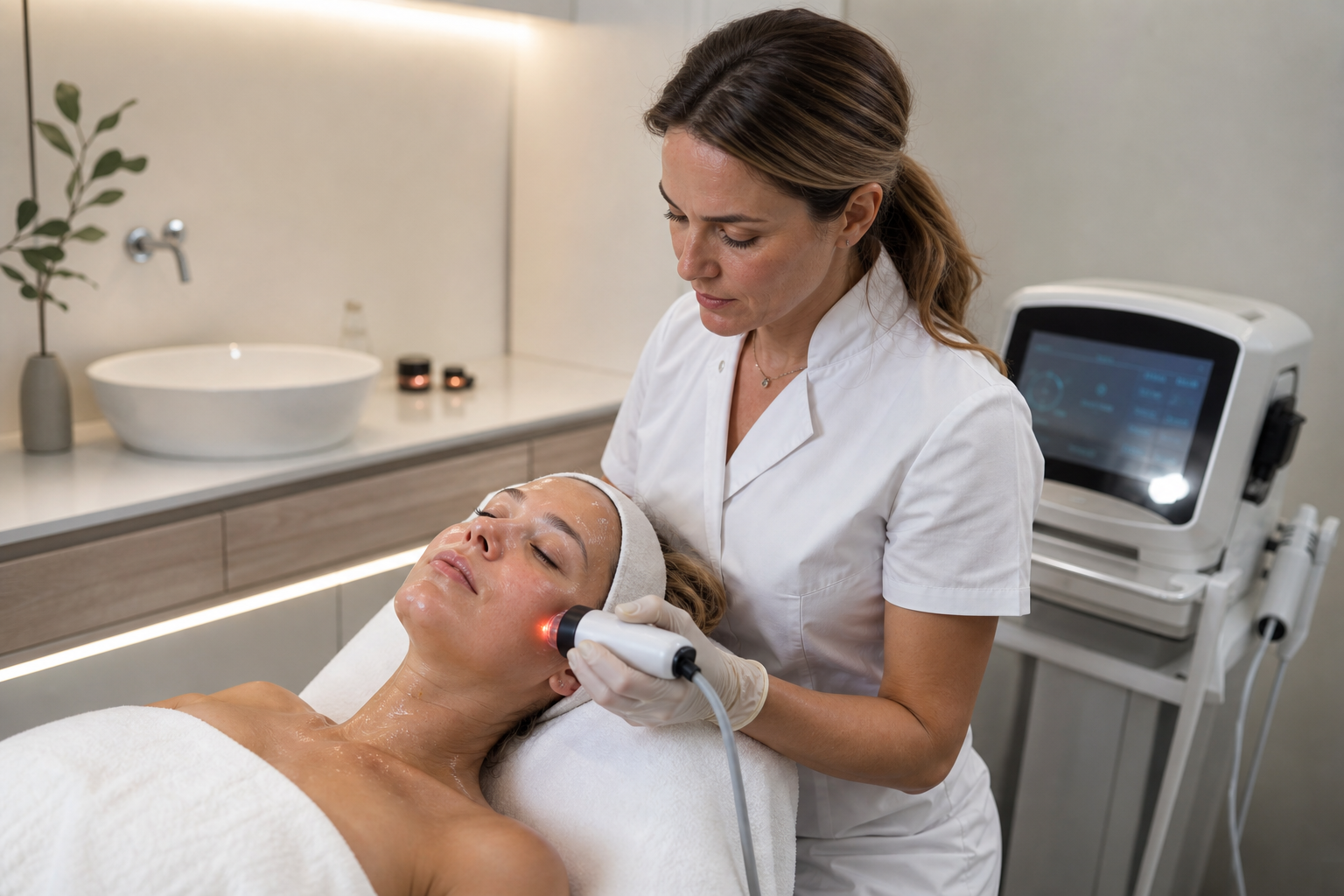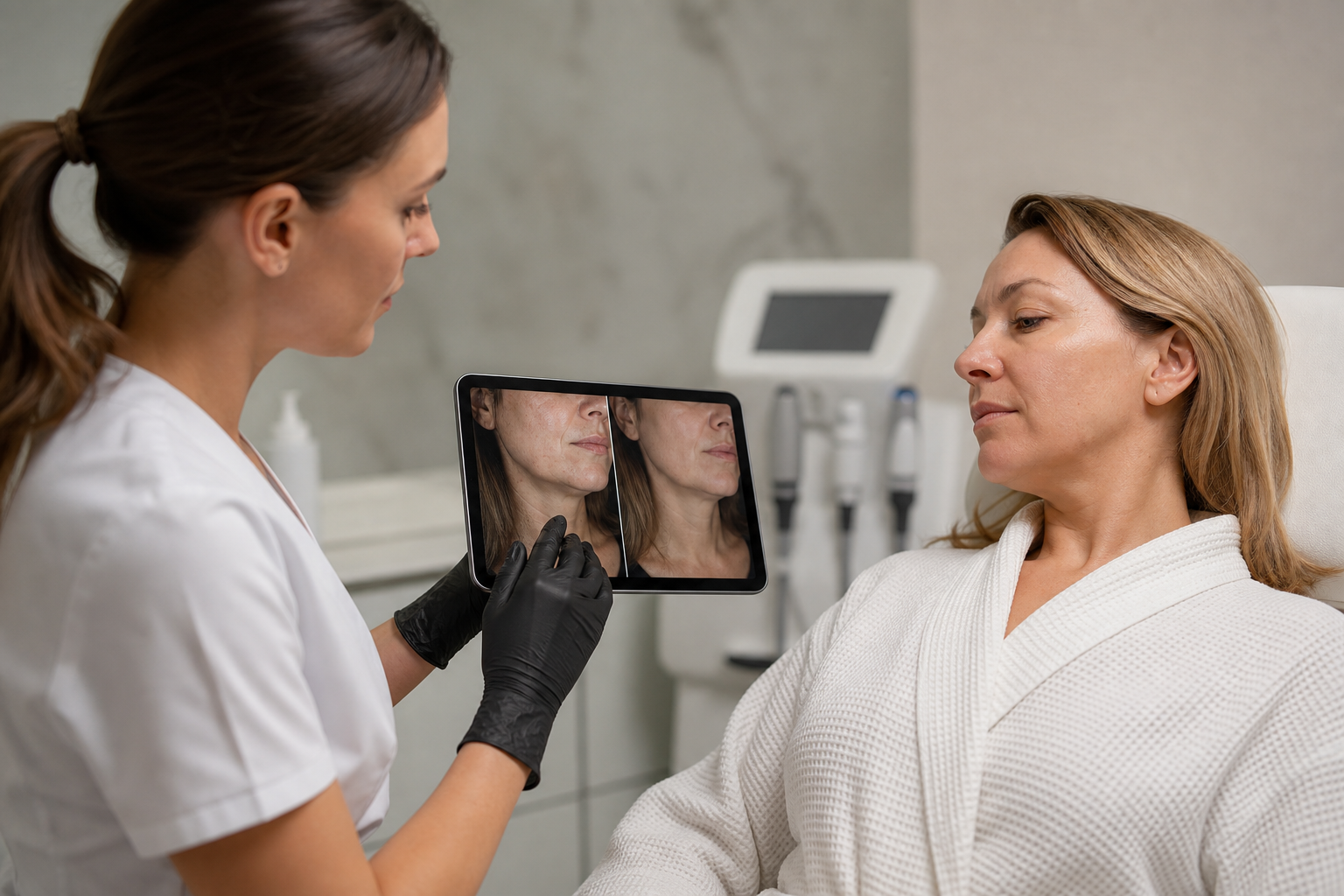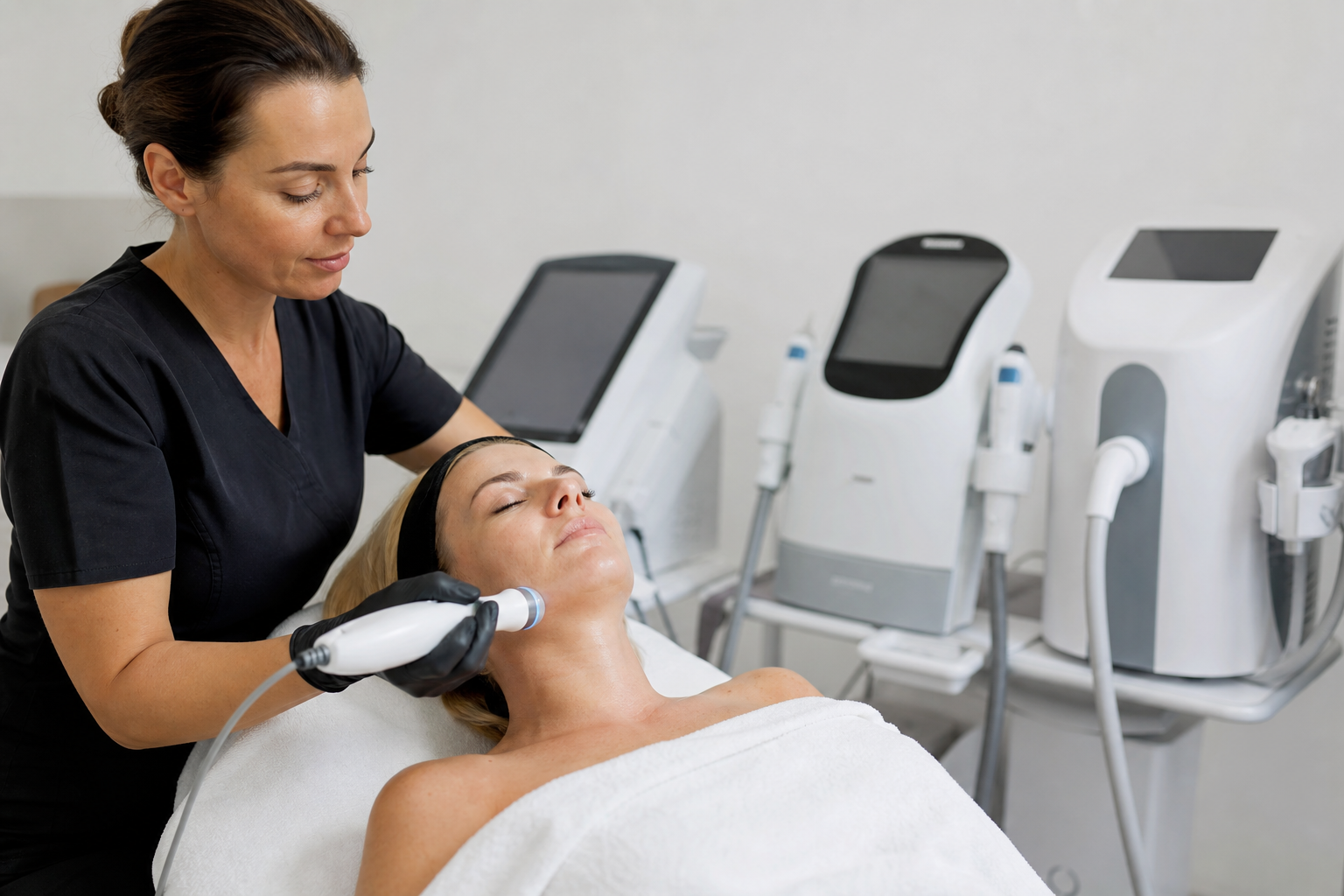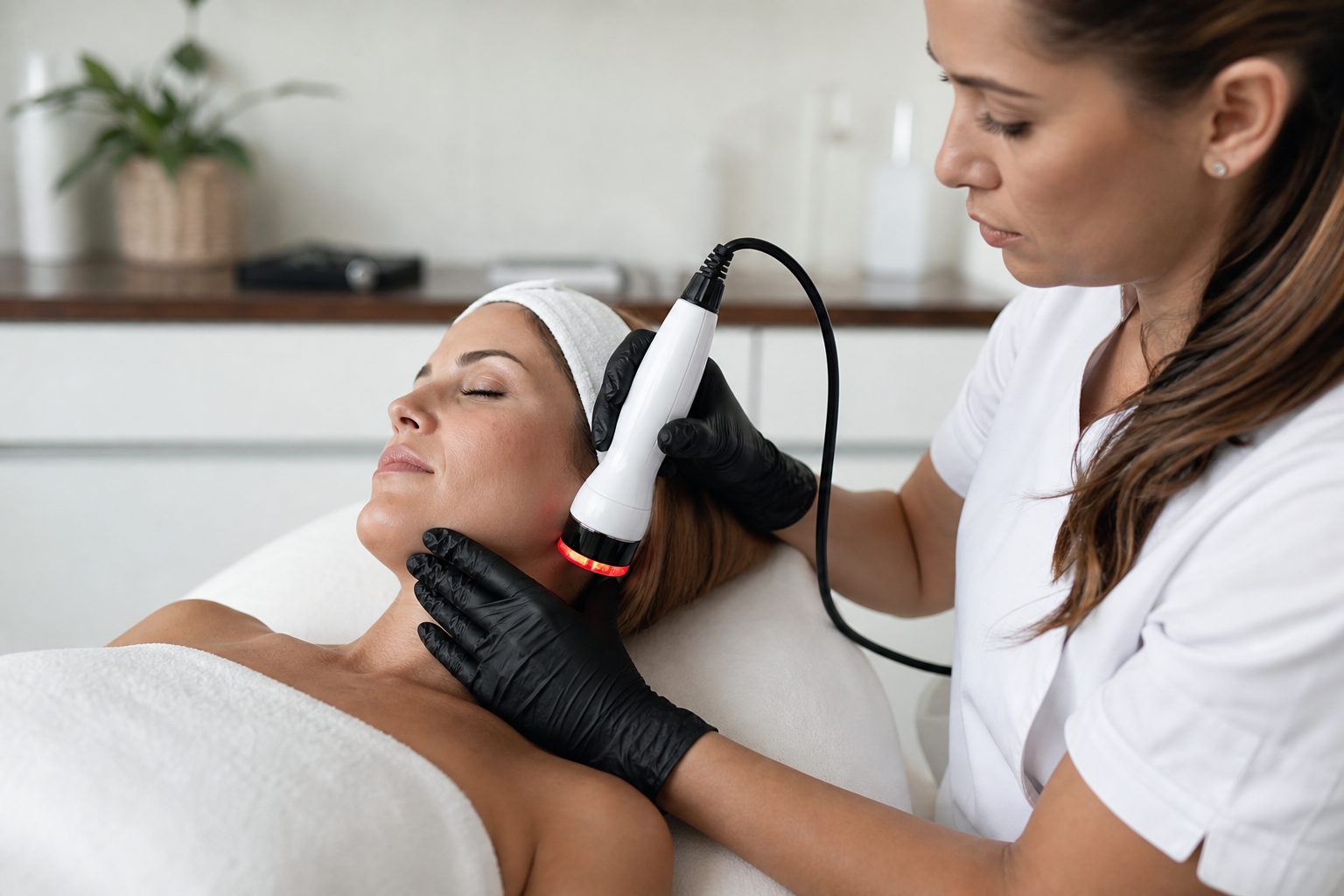
Radiofrequency (RF) treatments have revolutionized the landscape of non-invasive skin rejuvenation. Utilizing controlled radiofrequency energy, these procedures stimulate the natural production of collagen and elastin within the deeper layers of the skin, resulting in a firmer, smoother, and more youthful appearance. Popularly known as RF lifting or RF skin tightening, these treatments offer a sought-after alternative to surgical interventions, combining efficacy with minimal downtime.
However, the success of any RF treatment extends beyond the procedure itself. What patients do in the critical days and weeks following RF therapy can significantly influence the quality and longevity of results. Avoiding certain behaviors and environmental factors post-treatment is essential not only to protect the delicate rejuvenated tissue but also to maximize collagen synthesis and skin strengthening.
This comprehensive editorial serves as an essential resource for individuals considering RF treatments as well as for those who have recently undergone the procedure. It outlines the key post-treatment precautions and explains why adhering to carefully tailored aftercare protocols is indispensable. Beauty professionals and aesthetic practitioners will also find insight here to enrich their patient education and support optimal outcomes.
Understanding RF Treatments: What Are They and Who Are They For?
RF treatments employ radiofrequency energy to gently heat the dermis without damaging the skin's surface. The thermal effect encourages fibroblasts to ramp up collagen and elastin production, the two fundamental proteins responsible for skin’s elasticity and tensile strength. Over time, this process manifests as tighter, more lifted skin, and reduced appearance of fine lines and wrinkles.
Ideal candidates for RF lifting are adults seeking skin tightening without invasive surgery. Common areas treated include the face, neck, décolletage, and other body regions affected by laxity such as arms and abdomen. These treatments suit those with mild to moderate skin looseness, wanting natural-looking improvement with minimal risk and no downtime.
RF modalities vary: from fully non-invasive surface devices, which offer painless, gradual results, to fractional RF systems that use microneedles to deliver energy deeper into the skin, achieving more dramatic remodeling. Regardless of the technique, the common benefit lies in skin regeneration through collagen stimulation without incisions or anesthesia.
Why Post-Treatment Care Is Crucial After RF Skin Tightening
Although RF treatments are generally safe with low complication rates, the skin remains in a sensitive state immediately after each session. This period is pivotal—as the skin mounts its healing response, it requires an optimal environment free from stressors that could impede collagen formation or provoke adverse reactions.
Failing to observe recommended precautions can lead to several problems. Excessive heat exposure, for example, can exacerbate inflammation or cause discomfort. Similarly, applying harsh topical products too soon might irritate the skin barrier, disrupting the healing cascade. Contaminants and bacteria from unclean environments risk infection, particularly if micro-injuries have occurred during fractional RF.
Conversely, following aftercare guidelines—such as keeping the skin hydrated, protected from UV rays, and avoiding excessive physical exertion that induces sweating—can enhance treatment efficacy and safety. This proactive care helps the skin harness the full regenerative potential unlocked by the RF energy.
What to Avoid Immediately After RF Treatments
Post-RF treatment protocols emphasize several key restrictions in the first 24 to 72 hours, critical to safeguarding tender skin.
Avoid Direct Sun Exposure: The newly stimulated skin is highly vulnerable to UV radiation. Unprotected sun exposure can cause hyperpigmentation, redness, or even burns. Use broad-spectrum sunscreen with high SPF, stay in shaded areas, and wear protective clothing when outdoors.
Avoid Heat and Hot Environments: Steer clear of saunas, hot tubs, steam rooms, and hot showers. Heat can intensify inflammation, leading to discomfort and possibly adverse pigmentation changes.
Do Not Use Harsh Skincare Products: Products containing retinoids, alpha hydroxy acids (AHAs), beta hydroxy acids (BHAs), or strong exfoliants should be paused. These can irritate or sensitize the skin at a time when the barrier is delicate.
Avoid Intense Physical Exercise: Vigorous workouts increase sweating and thermogenesis, heightening the risk of irritation or infection. Gentle activities can usually be resumed after 48–72 hours, depending on the practitioner's advice.
Refrain From Makeup Application: Makeup can clog pores and introduce bacteria to the freshly treated skin surface. It is best to delay makeup use for at least 24 hours or as directed by your clinician.
Which Skin Care Practices and Habits to Avoid in the Weeks After Treatment
Beyond the initial phase, several habits should be monitored or adjusted over the first few weeks post-RF treatment to preserve skin integrity and promote collagen maturation.
Avoid Aggressive Exfoliation: Mechanical scrubs or chemical peels can disrupt the healing skin and lead to irritation or redness. Instead, choose gentle, hydrating cleansers and moisturizers recommended by your aesthetic provider.
Limit Alcohol and Smoking: Both substances impair circulation and oxygen delivery to the skin, potentially slowing repair mechanisms and undermining collagen building. Reducing or abstaining supports optimal recovery and skin quality.
Avoid Frequent or Premature RF Sessions: While RF treatments are safe, scheduling sessions too close together can overload the skin, hindering full regeneration between treatments. Follow the advised treatment intervals—typically 4 to 6 weeks—to allow for collagen remodeling.
Be Cautious With Other Cosmetic Procedures: Combining RF with chemical peels, laser treatments, or microdermabrasion too soon post-RF can provoke skin reactions. Coordinating timing between modalities with your aesthetic practitioner ensures safe synergy.
How Environmental and Lifestyle Factors Affect RF Treatment Outcomes
Environmental exposure and individual lifestyle choices significantly impact the skin’s capacity to benefit from RF treatments.
Sun Protection Maintenance: Minimizing cumulative sun damage by diligent protection accelerates skin healing and prolongs the lifting effect. UV light breaks down collagen and elastin, negating the benefit of collagen induction.
Hydration and Nutrition: Proper hydration and a diet rich in antioxidants and skin-supportive nutrients help the body synthesize collagen effectively. Nutrients such as vitamin C, amino acids, and omega fatty acids play indispensable roles in skin health.
Stress Management and Sleep Quality: Chronic stress and insufficient rest elevate inflammatory markers and cortisol levels, impairing skin regeneration. Getting adequate quality sleep enhances cellular repair and youthful skin maintenance.
Common Misconceptions About Post-RF Treatment Care
Despite growing popularity, RF treatments are still often misunderstood, especially regarding the recovery phase.
Myth 1: "You Need to Completely Avoid All Facial Products." While some actives should be paused, gentle moisturizers and sunscreens are encouraged to support barrier function.
Myth 2: "Any Discomfort Means Something Is Wrong." Minor redness, warmth, or tingling are normal short-term effects reflecting the treatment's activation of skin repair processes.
Myth 3: "Results Are Immediate and Permanent." RF lifting results develop gradually over weeks to months as collagen forms. Maintenance sessions may be necessary to sustain improvements.
Practical Tips for Comfortable and Effective Recovery
The healing experience after RF lifting can be markedly improved by integrating simple but effective habits.
Keep Skin Clean and Moisturized: Use lukewarm water and mild cleansers. Apply nourishing, fragrance-free moisturizers to soothe and protect.
Use Cold Compresses If Needed: To minimize temporary swelling or discomfort, cold compresses can be gently applied, avoiding excessive pressure.
Follow Professional Recommendations Closely: Adherence to personalized post-care instructions from your treatment provider ensures a tailored approach addressing your skin's needs.
Plan Treatments According to Lifestyle and Calendar: Scheduling RF sessions when you can minimize sun exposure and intense activity post-treatment optimizes recovery conditions.
What to Expect in Terms of Skin Sensations and Visual Changes After RF Lifting
Understanding the normal tissue responses after RF skin tightening helps set realistic expectations and distinguish expected effects from complications.
Immediately post-procedure, the skin may feel warm with slight redness resembling a mild sunburn. This usually subsides within hours to a couple of days. Some may experience mild swelling, tingling, or slight tenderness - all signs of active tissue remodeling.
Within a few days to weeks, the skin texture may begin to improve subtly as collagen synthesis unfolds gradually. The full aesthetic benefits typically emerge over 6 to 12 weeks. Patience and proper care during this window are crucial.
If excessive redness, blistering, or prolonged discomfort occur, consulting your practitioner promptly is imperative to prevent adverse outcomes.
Integrating RF Treatments Into Holistic Skin Care for Long-Term Rejuvenation
RF lifting forms a valuable component of a broader skin care regimen aimed at aging gracefully and healthily. When combined with sun protection, balanced nutrition, adequate hydration, and gentle daily skincare, RF procedures can enhance and preserve skin vitality over the long term.
Regular maintenance treatments spaced appropriately help sustain collagen levels and skin firmness in the dynamic environment of aging skin. Complementary therapies addressing hydration, pigmentation, and surface texture can synergize with RF-induced improvements.
Ultimately, adopting a mindful approach—embracing lifestyle disciplines and respecting post-treatment protocols—allows patients to fully experience and maintain the transformative benefits of RF skin tightening.