Laser hair removal has rapidly become a staple in aesthetic dermatology, acclaimed for its promise of long-lasting hair reduction and smooth skin. Yet, while the procedure is widely sought after, its success hinges significantly on an often overlooked but critical factor: the type of hair being treated. Understanding how various hair characteristics—such as color, thickness, density, and growth phase—interact with laser technology is essential for anyone considering this treatment, as well as for practitioners aiming to deliver safe and effective results.
This comprehensive guide delves into the intricate relationship between hair type and laser hair removal efficacy. It sheds light on the fundamental biology of hair pigmentation, explains why some hairs respond better than others, and clarifies common misconceptions surrounding the universality of laser hair removal solutions. Intended for potential patients, dermatologists, and aesthetic specialists alike, this article empowers readers with the knowledge needed to set realistic expectations, select appropriate treatment modalities, and optimize outcomes.
By unpacking the science behind melanin—the pivotal target of laser treatments—and exploring how various hair and skin characteristics influence the mechanism of selective photothermolysis, this guide highlights why laser hair removal is not a one-size-fits-all approach. With candid discussions on the limitations faced by individuals with white, grey, very light, or many red hairs, and potential alternatives such as electrolysis, the article equips readers to make informed decisions grounded in evidence and expertise.
What Is the Role of Melanin in Laser Hair Removal?
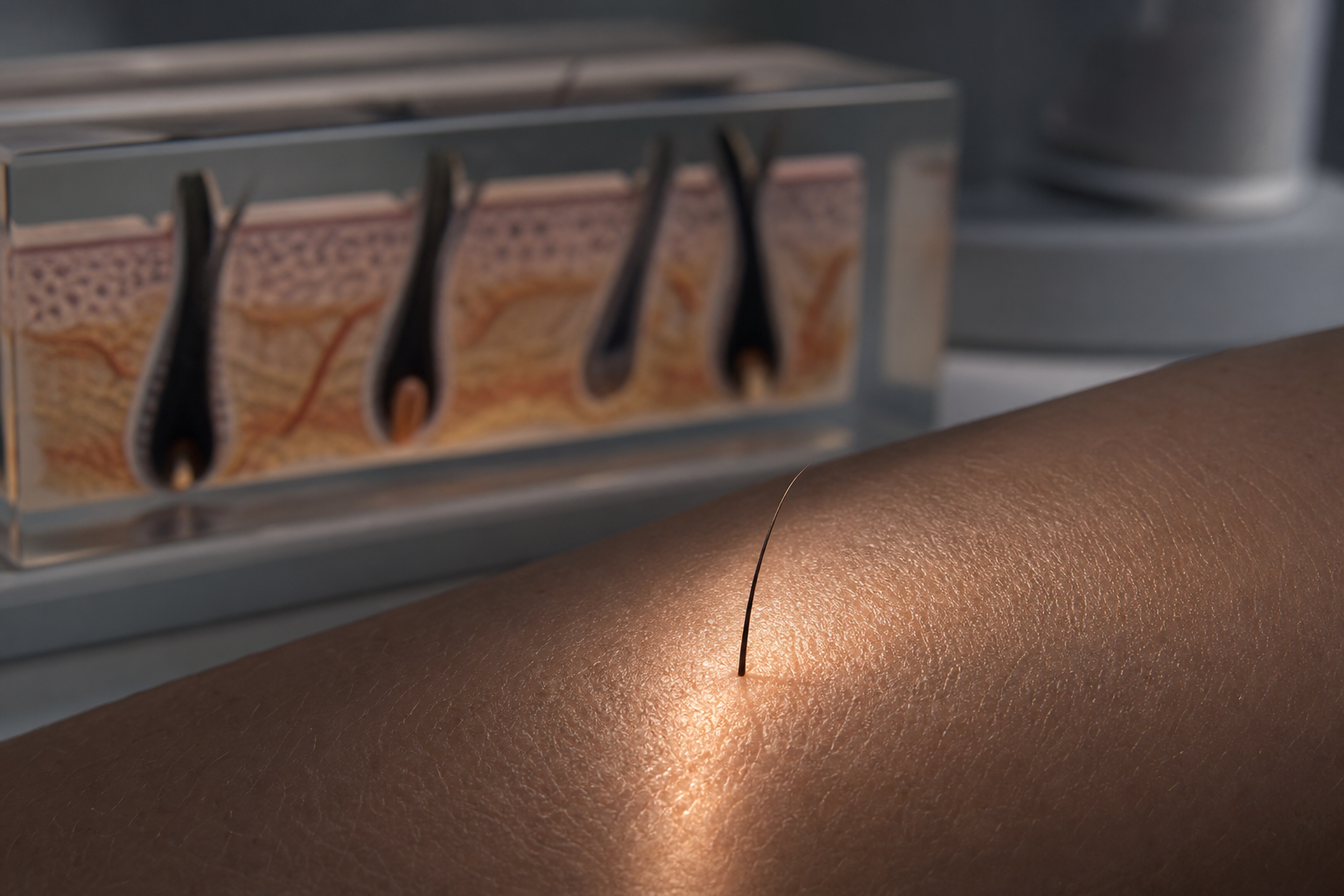
Laser hair removal operates on the principle of selective photothermolysis, whereby a specific wavelength of laser light is absorbed preferentially by a target chromophore—in this case, melanin—within the hair follicle. The energy absorbed converts to heat, damaging the follicle’s regenerative capacity and leading to permanent or long-term hair reduction.
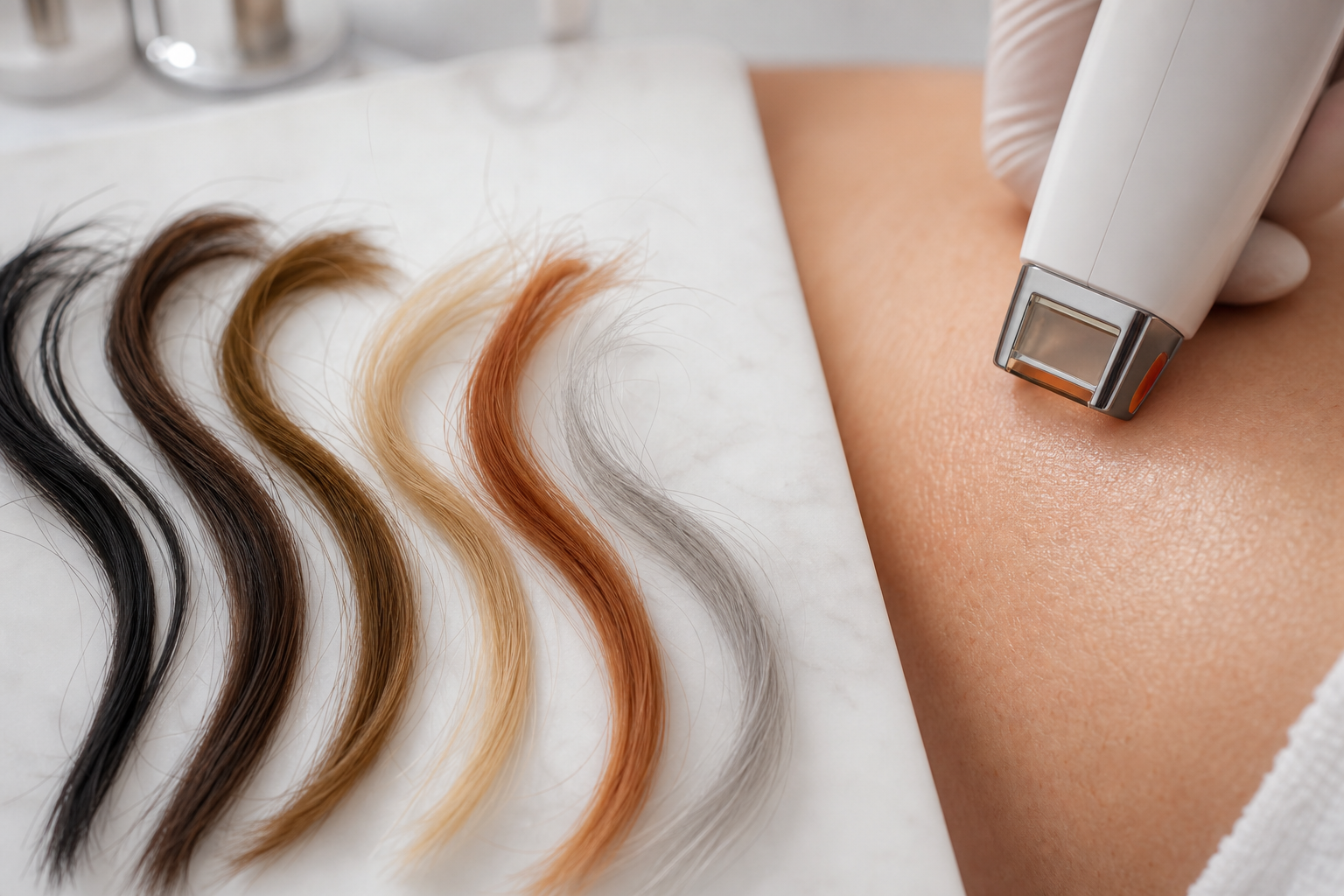
Melanin governs hair color and exists primarily in two biochemical forms: eumelanin and pheomelanin. Eumelanin is a dark pigment found abundantly in black and brown hair, boasting a high capacity to absorb laser light. This makes eumelanin-rich hairs ideal candidates for laser removal. Pheomelanin, by contrast, imparts a reddish or yellow hue seen notably in red and blonde hairs. Its lower absorption efficiency poses challenges for conventional laser hair removal technologies.
Because melanin is also present in the skin, especially among individuals with darker skin tones, treatment parameters such as laser wavelength, pulse duration, and fluence must be carefully calibrated to maximize follicular targeting while minimizing epidermal injury. This precise thermal targeting is what underpins the safety and selective nature of laser hair removal.
How Does Hair Color Affect Laser Hair Removal Success?
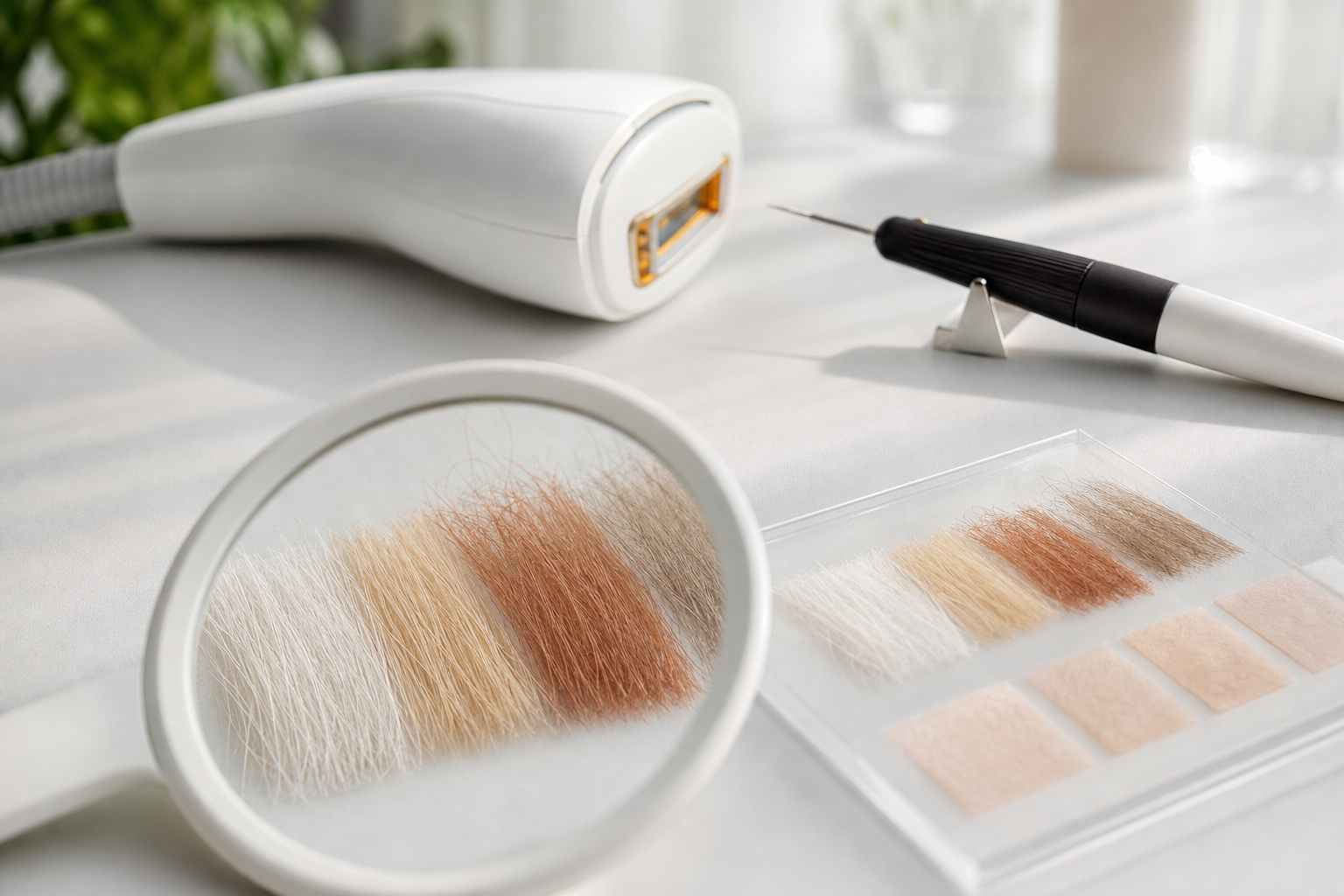
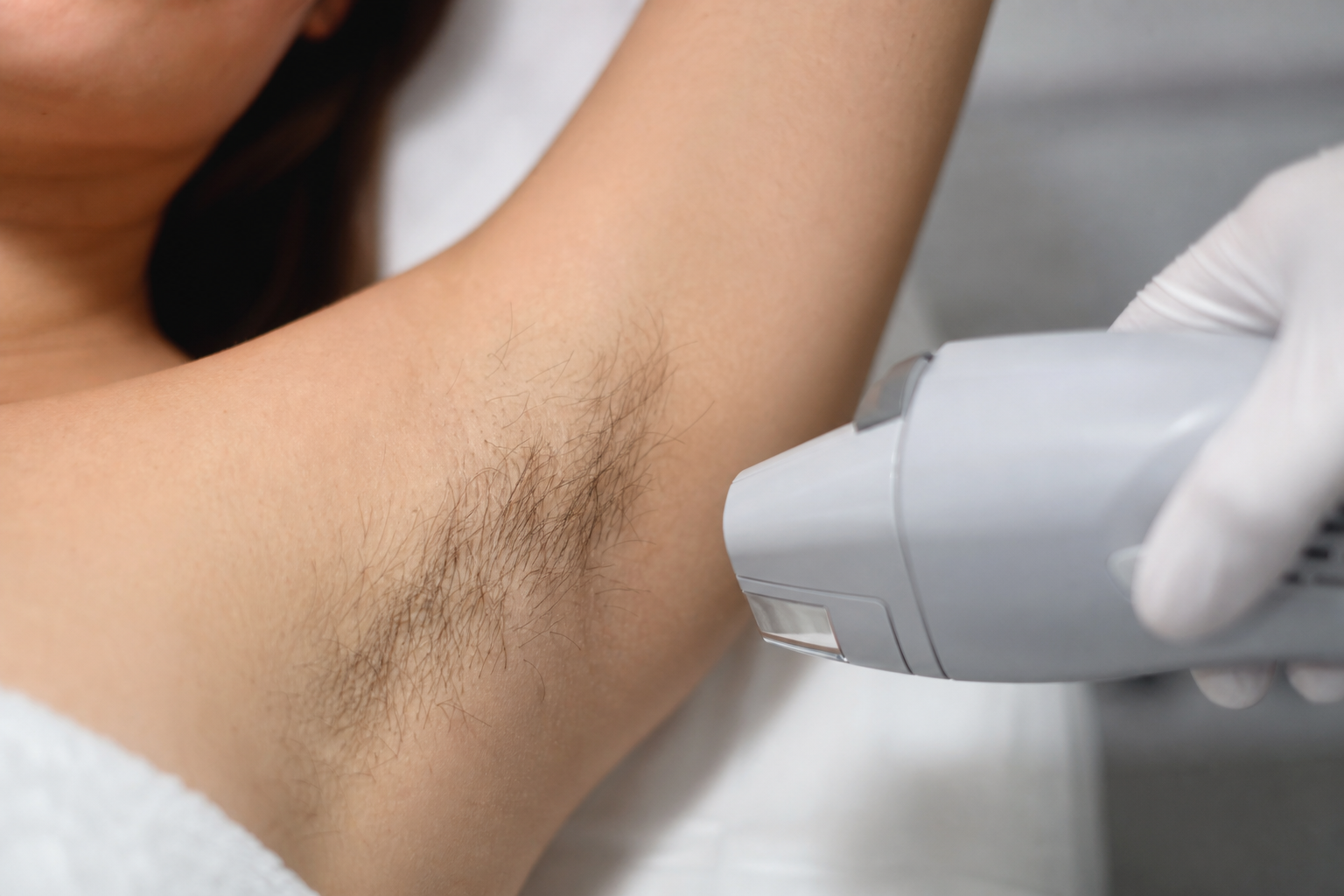
Hair color stands as the single most influential factor determining laser hair removal efficacy. Dark hair, rich in eumelanin, readily absorbs laser energy, allowing rapid heating and destruction of the follicle. These conditions translate into fewer treatment sessions and higher rates of permanent hair reduction.
In contrast, blonde, red, white, and grey hairs contain markedly less melanin or predominately pheomelanin, making laser absorption less efficient. For example, red hair’s high pheomelanin content results in poor energy absorption, limiting the effectiveness of many standard laser systems. Similarly, white and grey hairs lack sufficient pigment as a target, effectively rendering conventional lasers ineffective.
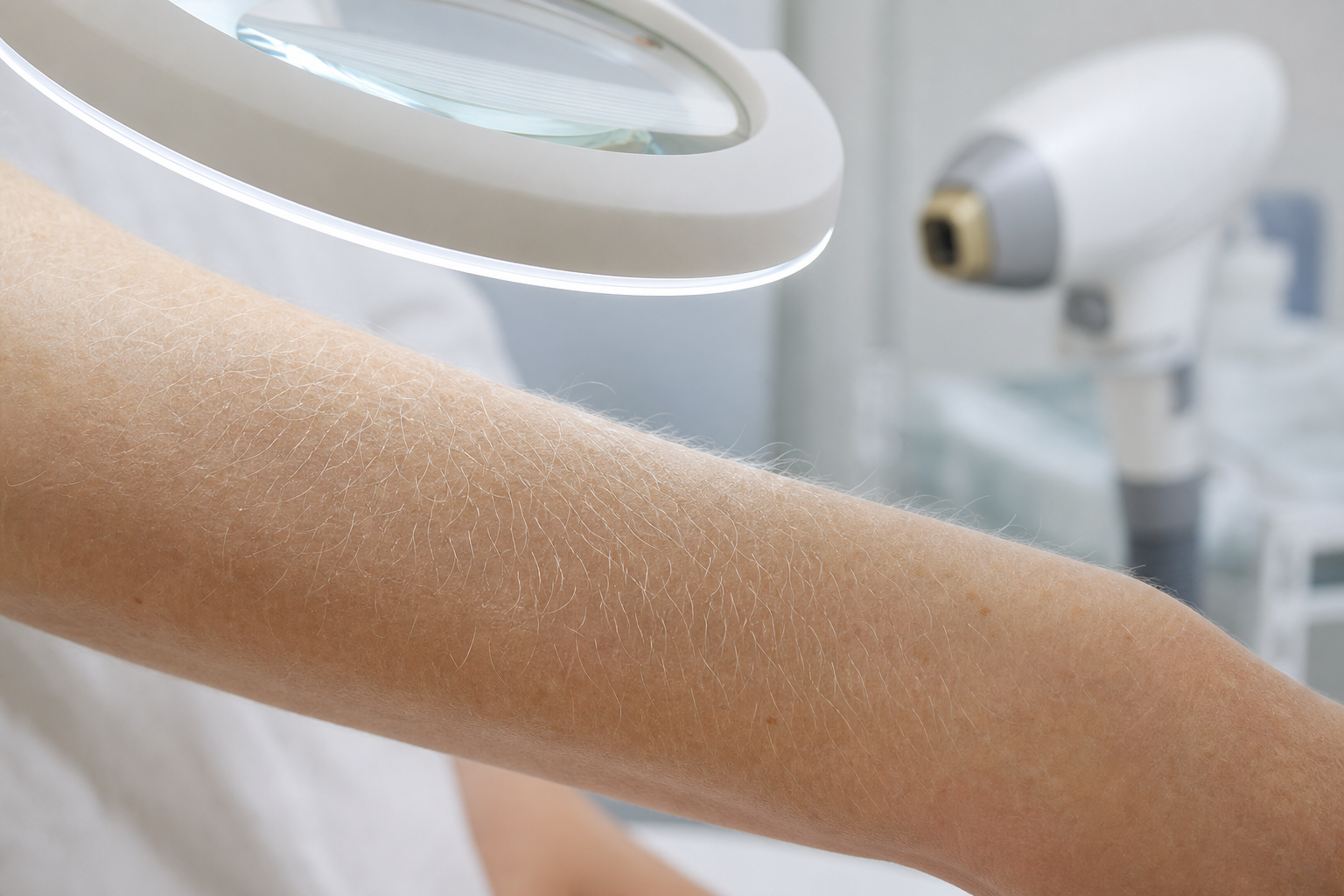
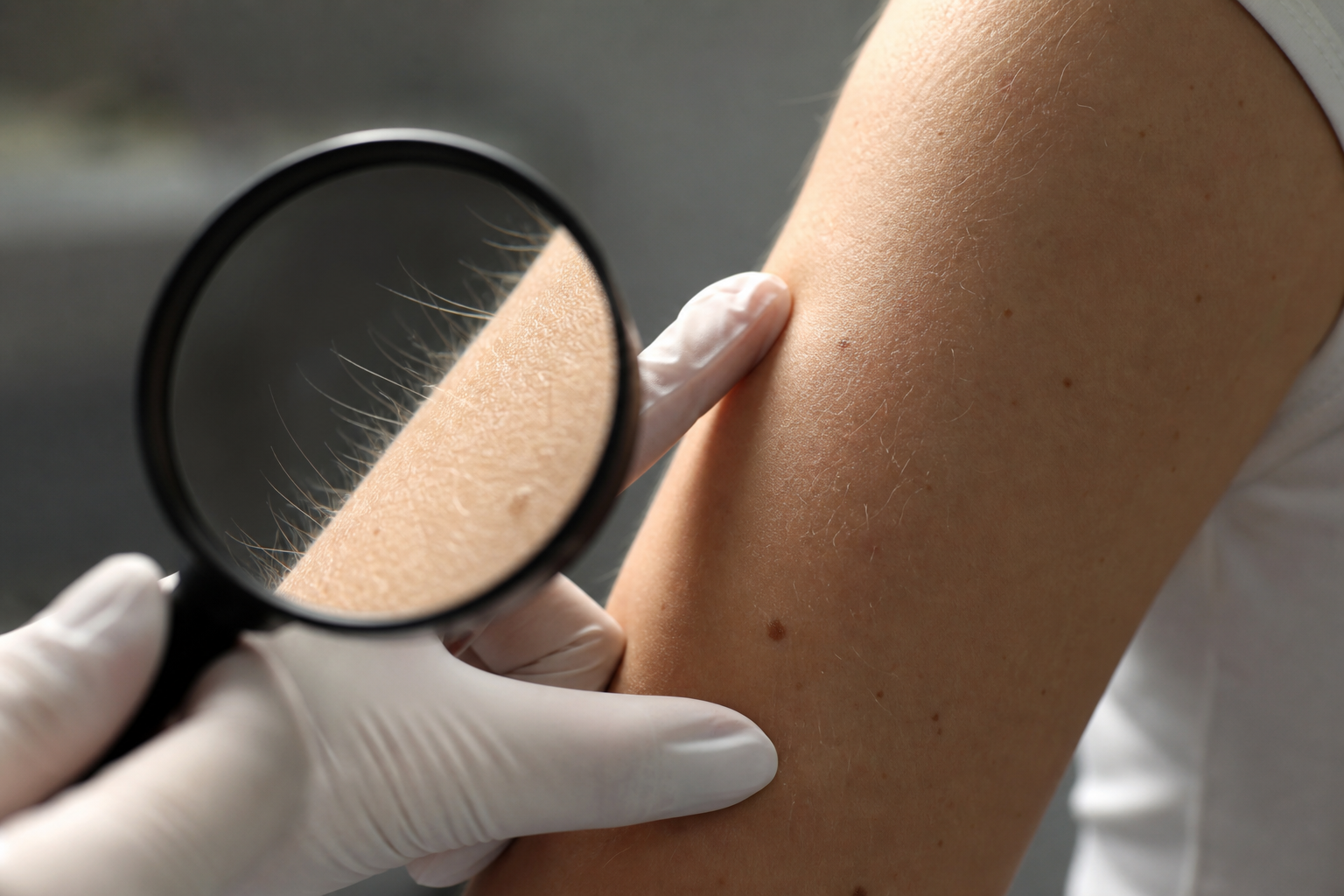
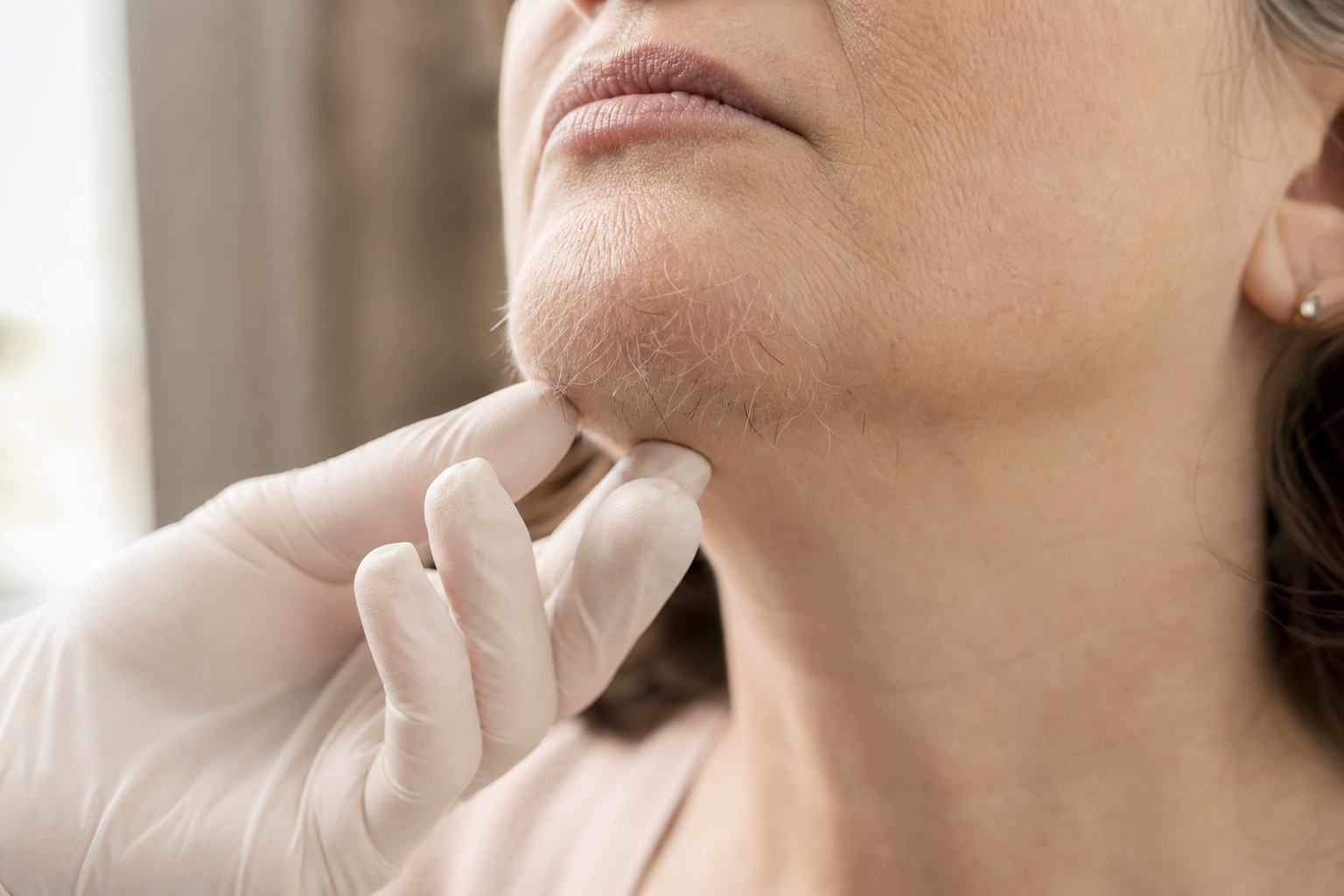
Light blonde or vellus hairs—which are fine, short, and lightly pigmented—also pose substantial challenges, as their minimal melanin content restricts laser interaction. Consequently, patients with these hair colors often face diminished outcomes or require alternative hair removal methods.
Why Do Hair Thickness, Density, and Depth Matter?
Beyond color, the physical characteristics of hair greatly influence treatment results. Terminal hairs—the coarse, thick hairs found on the scalp, legs, and underarms—typically contain more melanin and extend deeper into the dermis, making them prime targets for laser energy. Their robust structure allows for better energy absorption and deeper follicular damage.
Conversely, fine or vellus hairs are thinner, less pigmented, and positioned more superficially, complicating laser targeting. Their sparse melanin content often results in insufficient heat generation within the follicle, reducing the likelihood of permanent destruction.
The density of hair in a treatment area also shapes session duration and cumulative efficacy. Denser hair requires more pulses and careful coverage to maximize follicular impact, whereas sparse hair may need tailored settings to avoid paradoxical effects, such as stimulation of dormant follicles.
How Does the Hair Growth Cycle Influence Laser Hair Removal?
Hair follicles cycle through phases: anagen (active growth), catagen (transitional), and telogen (resting). Lasers exert maximal effect during the anagen phase because the follicle is metabolically active and richly pigmented, allowing efficient photothermal damage. In catagen and telogen phases, reduced melanin concentration and follicular inactivity diminish laser susceptibility.
Since follicles within a treatment area exist asynchronously across these phases, multiple sessions spaced weeks apart are essential to target hairs as they enter anagen. This cyclical nature explains why single or insufficient sessions rarely yield lasting hair removal.
What Limitations Are Imposed by Conventional Lasers on Certain Hair Types?
While laser hair removal excels in treating dark, coarse hairs on lighter skin, conventional technologies face inherent obstacles when addressing white, grey, very light blonde, and many red hairs. These hair types lack robust melanin targets, leading to poor absorption of laser energy. Despite marketing claims promising universal efficacy, evidence underscores these limitations clearly.
This disparity necessitates cautious patient screening and personalized treatment planning. Unrealistic expectations fostered by broad marketing rhetoric can cause frustration and disappointment for patients whose hair types are not well-suited for laser intervention.
Moreover, laser parameters optimized for eumelanin-rich hairs risk paradoxical side effects—such as hypertrichosis or paradoxical stimulation—in patients with lighter or fine vellus hairs, emphasizing the need for professional assessment and tailored protocols.
When Should Electrolysis or Alternative Hair Removal Methods Be Considered?
For hair colors and types refractory to laser treatment, such as white, grey, or fine blonde hairs, electrolysis emerges as a viable alternative. This method employs electrical currents to destroy hair follicles directly, bypassing dependence on pigment absorption. While effective across hair types, electrolysis is typically more time-consuming and may involve greater discomfort compared to laser approaches.
Patients with mixed hair types or those who do not qualify for laser hair removal based on skin tone or hair color may benefit from combined strategies, integrating electrolysis and laser treatments. Emerging technologies are also exploring broader wavelength ranges and novel mechanisms to address currently challenging hair types.
Selecting the most appropriate method warrants consultation with qualified professionals who can evaluate individual characteristics and prioritize methods that balance safety, efficiency, and patient comfort.
What Is the Risk of Paradoxical Stimulation and How Is Patient Candidacy Assessed?
Paradoxical stimulation refers to an uncommon but documented phenomenon where laser treatment leads to increased hair growth rather than reduction, most frequently observed with fine or vellus hairs. This counterintuitive outcome underscores the complexity of hair follicle responses and laser-tissue interactions.
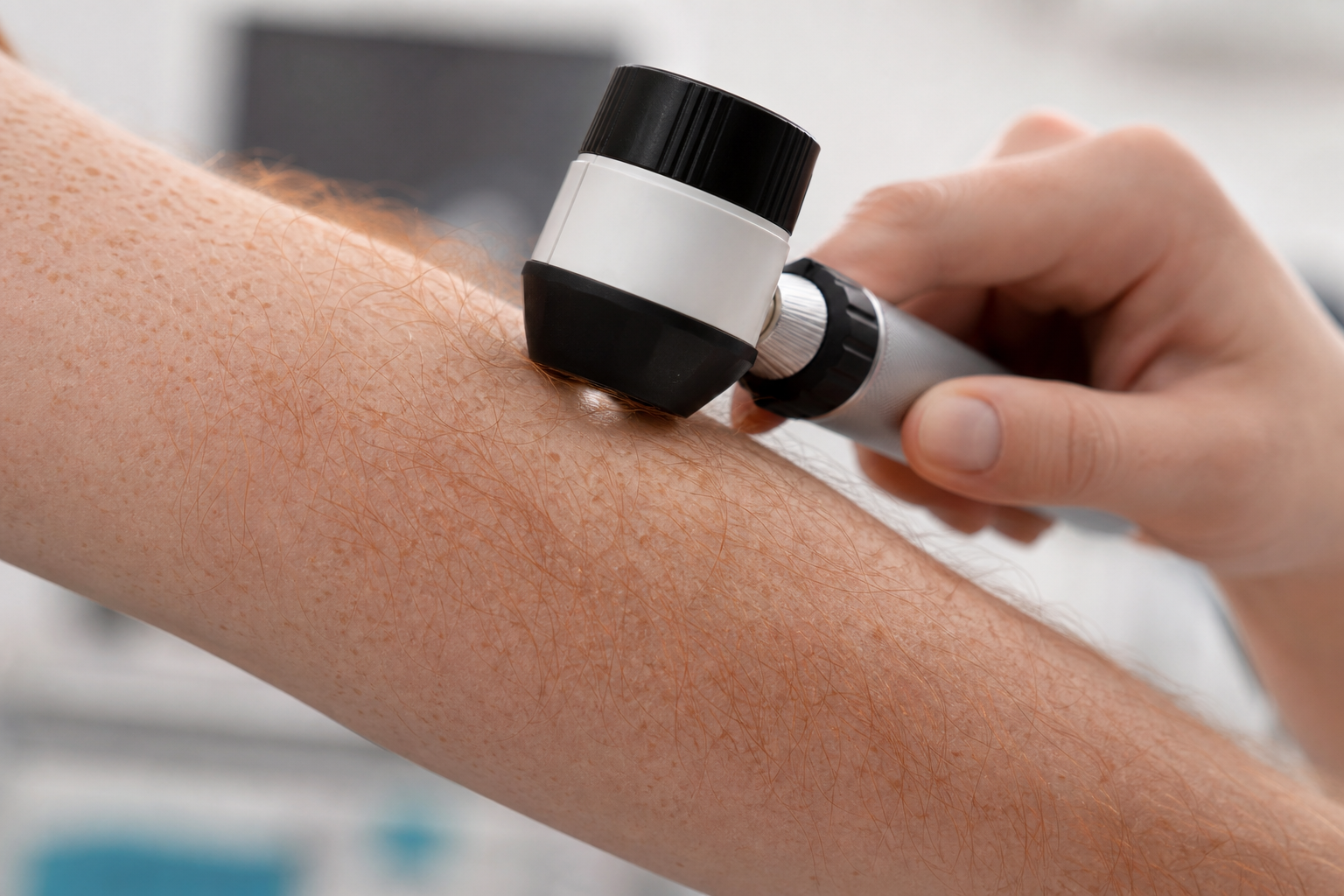
Mitigating such risks requires comprehensive pre-treatment evaluation encompassing hair color, density, caliber, and skin type. Dermatologists and laser specialists employ diagnostic tools and clinical expertise to identify suitable candidates, choosing laser types and settings designed to optimize efficacy and minimize side effects.
Patients should seek providers who offer individualized assessments and maintain transparent communication about realistic outcomes and potential complications, thereby aligning treatment goals with achievable results.
How Do Hair Types Vary Across Different Body Areas and What Does It Mean for Treatment?
Hair characteristics are not uniform across the body. Terminal hairs on the legs, underarms, and bikini line tend to be thick, dark, and deeply rooted, making laser hair removal especially effective. Contrastingly, facial hairs, particularly in women, may be finer, lighter, or vellus in nature, necessitating altered approaches or complementary methods.
Body areas with deeply embedded follicles or with particularly fine, sparse hair may demand more conservative energy settings or alternative technologies to prevent skin damage or paradoxical hair stimulation. The regional variation of hair underscores the importance of treatment customization and reinforces that laser hair removal must be adapted to site-specific anatomy and hair characteristics.
What Should Patients Expect When Pursuing Laser Hair Removal Given Their Hair Type?
Patients undergoing laser hair removal should anticipate a personalized treatment journey shaped by their unique hair type and skin characteristics. Those with dark, coarse hair and lighter skin can expect relatively swift and robust results after multiple sessions, typically spaced four to eight weeks apart to align with hair growth cycles.
Individuals with lighter or red hair should approach treatment with measured expectations, understanding that results may be less dramatic and may require a greater number of sessions or adjunctive treatments. For white, grey, or extremely fine hairs, laser hair removal may be an unsuitable choice, and alternative options like electrolysis could be explored.
Ultimately, patience, adherence to treatment schedules, and open dialogue with providers facilitate optimal outcomes. A collaborative, informed approach bolsters satisfaction and safety throughout the laser hair removal process.