Facial laser treatments have become a cornerstone of modern dermatological and aesthetic medicine, offering an array of solutions from skin rejuvenation and pigmentation correction to vascular lesion removal. As demand for these non-invasive procedures grows, so does the interest in their timing, particularly whether such treatments can be safely and effectively administered during the summer months. The question "Can Facial Laser Treatment Be Done in Summer?" reflects a genuine concern shared by many patients and healthcare providers alike, pertaining to safety, skin reaction risks, and optimal treatment outcomes amid seasonal environmental factors.
This article addresses this question comprehensively, providing clear, medically responsible guidance for individuals considering facial laser procedures during the summer. It is especially pertinent for those who are unsure about the influence of heightened UV exposure, elevated temperatures, and lifestyle changes characteristic of summer on laser treatment safety and efficacy. Furthermore, it offers insight into candidacy criteria, potential limitations, recovery expectations, and when professional assessment is essential. By grounding the discussion in evidence-based practice and expert opinion, the article aims to clarify the seasonal nuances of laser therapy without resorting to unwarranted generalizations or speculative claims.
Understanding the interplay between laser treatments and the summer season is crucial because improper timing and inadequate precautions can lead to adverse effects such as prolonged healing, skin irritations, pigmented lesions, or even burns. For this reason, patients and practitioners must navigate the decision with thorough knowledge and individualized assessment. This editorial synthesizes current standards and clinical considerations to enhance readers’ understanding and support informed decision-making.
Why Is the Timing of Facial Laser Treatments Important During Summer?
The fundamental concern regarding performing facial laser treatments in summer revolves around the skin's increased sensitivity and potential vulnerability due to intensified ultraviolet (UV) radiation. During summer, the environment subjects skin to heightened UV exposure, which can precipitate a range of undesirable reactions post-laser therapy. Unlike cooler months, skin exposed to direct sunlight undergoes physiological changes, including melanocyte activation leading to pigmentation changes and elevated inflammatory responses.
Laser procedures, by their very mechanism, create controlled micro-injuries or thermal effects in the skin to induce regenerative processes such as collagen synthesis or cellular turnover. These controlled injuries render the skin temporarily more susceptible to additional stressors, particularly UV radiation, which can exacerbate inflammation and lead to complications such as post-inflammatory hyperpigmentation (PIH) or even burns.
Therefore, the summer season's intrinsic characteristics—intense sunlight, increased outdoor activity, sweating, and heat—pose unique challenges that must be factored into treatment planning. Moreover, the skin’s phototype, individual patient history, and the type of laser used (ablative vs. non-ablative, wavelength specifics) all contribute to the risk profile and subsequent management. These factors collectively necessitate careful evaluation to determine if a summer laser treatment is advisable and how it can be safely executed.
Which Facial Laser Treatments Are Common and How Do They Fare in Summer?
Facial laser treatments are diverse, each with distinct mechanisms and indications. The most common include laser skin resurfacing (ablative and non-ablative), laser treatments for pigmentation (such as melasma or sunspots), vascular lesion treatments, and laser hair removal of facial hairs. Given their differing impacts on skin integrity and sensitivity, their suitability for summer varies considerably.
Laser Skin Resurfacing: This category generally entails ablative or fractional laser methods that remove or injure the outer skin layers to stimulate regeneration. Due to the invasiveness and resultant skin barrier disruption, these treatments significantly increase photosensitivity and are typically discouraged in summer months or periods of high sun exposure. Patients must avoid UV light pre- and post-treatment for several weeks, which is often impractical during sunny seasons.
Laser Pigmentation Correction: Procedures targeting hyperpigmentation involve energy delivered to disperse melanin deposits. These treatments also carry risk of worsening pigmentation if followed by sun exposure, making summer a less favorable time unless strict photoprotection can be maintained. Often, practitioners recommend scheduling these treatments during seasons with lower UV index to maximize safety.
Vascular Lesion Treatment: Targeting blood vessels or redness with specific laser wavelengths may be more adaptable to summer timing, but careful patient selection and rigorous sun avoidance afterward are imperative to preventing pigmentary changes and optimizing healing.
Laser Hair Removal: Among facial procedures, laser hair removal is commonly sought year-round, including summer. However, it requires that skin not be recently tanned or sunburned to reduce adverse effects such as burns and PIH. Melanin-rich tanned skin absorbs more laser energy, increasing complication risk. Therefore, laser hair removal in summer is feasible but demands cautious evaluation and implementation of photoprotection strategies.
What Are the Key Risks and Contraindications of Summer Facial Laser Treatments?
Despite their benefits, facial laser treatments carry intrinsic risks amplified by summer conditions. The main risks include:
Post-inflammatory Hyperpigmentation (PIH): Increased UV exposure post-treatment can trigger or worsen hyperpigmentation, particularly in individuals with medium to darker skin tones (phototypes III-VI).
Sunburn and Burns: Pre-existing skin tanning or recent sun damage sensitizes skin, raising burn risk during laser therapy. Post-procedure skin is vulnerable, and exposure to sun without protection can cause epidermal injury or prolonged inflammation.
Infections and Delayed Healing: Sweat, heat, and humidity in summer may predispose skin to bacterial colonization, slowing recovery and increasing infection risk.
Phototoxic or Photoallergic Reactions: Concurrent use of photosensitizing medications or topical agents can exacerbate adverse photoreactions when combined with laser treatments and sunlight exposure.
Contraindications specific to summer include:
- Recent intense sun exposure or tanning (including the use of tanning beds)
- Active skin infections or inflammatory skin conditions in the treatment area
- History of keloids, abnormal scarring, or uncontrolled pigmentary disorders
- Use of photosensitizing agents such as certain antibiotics (e.g., doxycycline), retinoids, or other medications that increase UV sensitivity
- Pregnancy and specific systemic health conditions that warrant caution
Each contraindication should prompt thorough professional evaluation before proceeding with facial laser therapy in summer.
How Should Patients Prepare Their Skin for Laser Treatments in Summer?
Preparation is paramount to ensure safety and favorable outcomes when performing facial laser treatments during summer months. Key preparatory steps include:
Sun Avoidance: Avoid direct sun exposure and tanning for at least two to four weeks prior to treatment. This decreases melanin concentration in the skin, diminishes photosensitivity, and lowers complication risks.
Strict Use of Photoprotection: Application of broad-spectrum, high-SPF (30 to 50+) sunscreens daily, along with physical barriers such as wide-brimmed hats and protective clothing, helps shield treated skin and minimize UV insult.
Skin Hydration and Barrier Health: Well-hydrated, healthy skin responds better to laser therapies. Patients should maintain a consistent moisturizing regimen and avoid irritants or harsh exfoliants before treatment.
Discontinue Photosensitizing Agents: When possible, under medical supervision, photosensitizing medications or topical products should be halted to reduce risk.
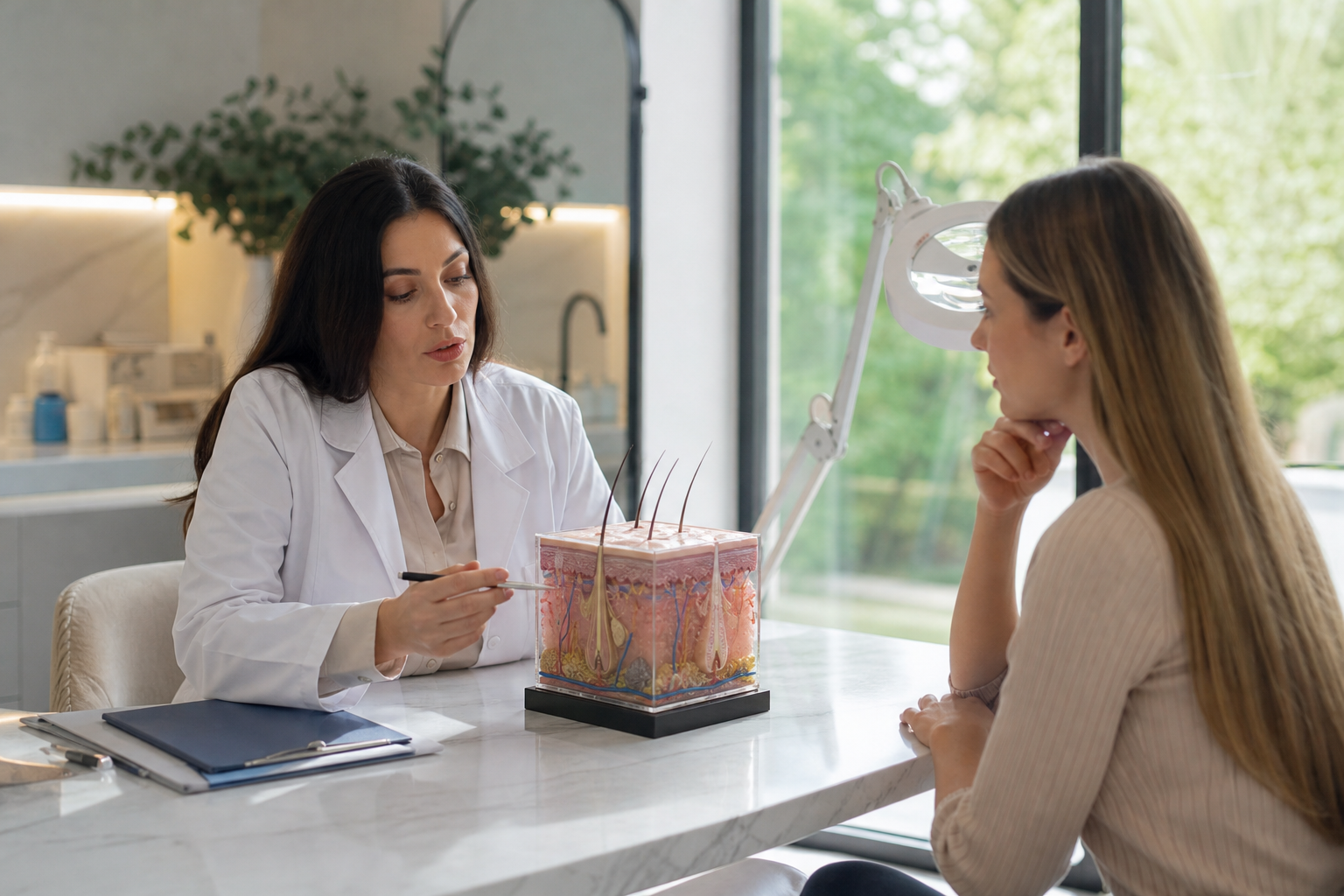
Pre-Treatment Consultation: A detailed review of patient history, skin type, recent sun exposure, and medications with a certified dermatologist or laser specialist is essential to tailor treatment protocols.
When Should Facial Laser Treatments Be Deferred or Rescheduled Because of Seasonal Factors?
Facial laser treatments should be postponed if any red flags are present that increase risk under summer conditions, including:
- Skin recent tanning or sunburn within the last four weeks
- Active dermatological issues such as dermatitis, acne flare-ups, or infections in the target area
- Use of photosensitizing drugs without sufficient washout period
- Patient plans significant outdoor exposure or travel to high UV index regions immediately after scheduled treatment
In these situations, deferring treatment until late autumn or winter months, when UV radiation is less intense, can be prudent. This decision prioritizes patient safety and optimizes treatment efficacy, reaffirming the importance of individualized care planning and professional judgment.
What Can Patients Expect During Recovery from Facial Laser Treatment in Summer?
The recovery phase following facial laser treatments in summer must be managed with heightened caution due to environmental factors. Common post-treatment responses include mild redness, swelling, and sensitivity, which can be exacerbated by heat and UV exposure. Patients should anticipate:
- Increased risk of prolonged erythema or irritation if photoprotection is inadequate
- Necessity to avoid outdoor sun exposure strictly for several weeks
- Use of soothing and reparative topical agents recommended by the clinician, focusing on hydration, barrier support, and anti-inflammatory effects
- Monitoring for signs of complications such as blistering, persistent hyperpigmentation, or infection, warranting immediate medical attention
Effective recovery hinges on adherence to post-procedure instructions, including sunscreen application every two hours when outdoors, protective clothing, and gentle skincare products compatible with healing skin.
Why Is Professional Assessment Crucial Before Undertaking Summer Facial Laser Treatments?
Facial laser treatment is a medical procedure requiring comprehensive expertise to ensure safety and desired outcomes. Professional assessment enables:
- Accurate evaluation of skin phototype, condition, and history to determine candidacy
- Selection of appropriate laser type, settings, and timing tailored to individual risk profiles
- Identification of contraindications and risk factors that may necessitate deferral or alternative therapies
- Formulation of a personalized pre- and post-treatment care plan optimizing protection and recovery
Without professional guidance, patients risk ill-advised treatments leading to adverse events. Dermatologists and laser specialists are equipped to navigate these variables and deliver evidence-based recommendations, underscoring the non-negotiable nature of clinical consultation before any facial laser procedure, especially during summer.


