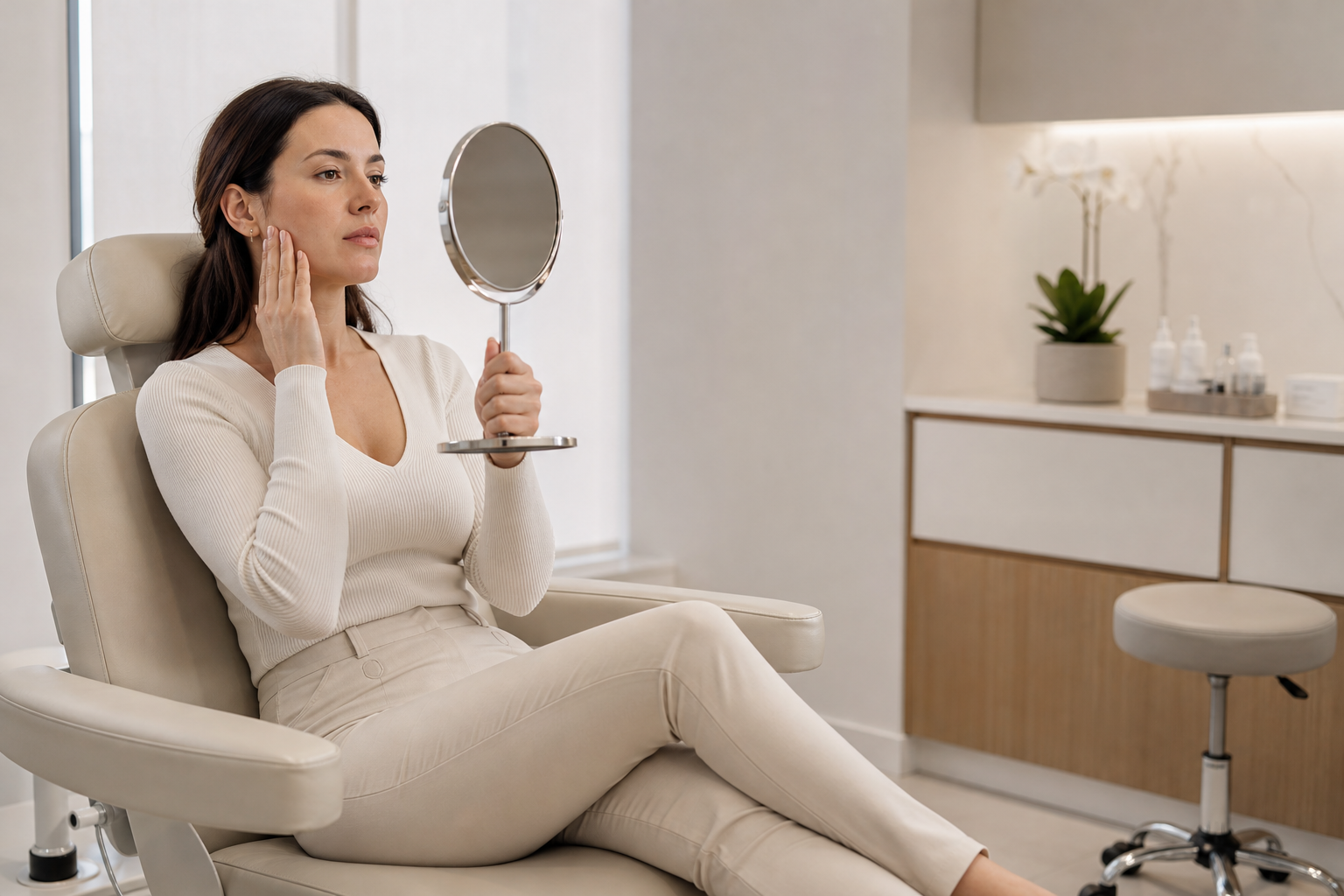
Botox has firmly established itself as a leading cosmetic treatment worldwide, celebrated for its ability to soften pronounced wrinkles, slow the early signs of aging, and deliver a naturally refreshed facial appearance. Its popularity, coupled with relative procedural simplicity, has made it accessible to a broad spectrum of individuals seeking rejuvenation without surgery. Yet, despite how commonplace Botox treatments have become, the critical period immediately following the injections—the first few hours—demands careful attention and care to ensure optimal results and safety.
This article serves as a detailed, expert-founded, and practical guide to navigating the crucial initial hours after receiving Botox. It highlights the science behind Botox’s mechanism, sets realistic expectations, and outlines important precautions. Readers will gain clear insights into recommended behaviors, potential risks, and when to seek professional advice, all grounded in the latest medical understanding and real-world dermatological experience.
Understanding these early moments is vital because the way you tend to your skin and body immediately post-treatment directly shapes the efficacy, distribution, and longevity of the Botox effect. Whether you are a first-time recipient or a seasoned patient, knowing what to expect and how to care for yourself right after the procedure can deeply influence your safety and satisfaction with the outcome.
The Science Behind Botox: What Happens in the First Hours?
Botox, or botulinum toxin type A, works by temporarily blocking nerve signals that instruct muscles to contract. This targeted muscle relaxation reduces the dynamic activity responsible for wrinkle formation, particularly in common zones such as the forehead, around the eyes (crow’s feet), and between the eyebrows (glabellar lines). Despite immediate subtle changes, the full visible effects typically emerge over several days, lasting roughly six to eight months before gradual fading.
During the first several hours after injection, Botox is actively interacting with nerve endings and local tissues but has not yet firmly bound to its site of action. This transient window allows the toxin to be vulnerable to displacement if the treated areas are manipulated excessively. As a result, behaviors in this timeframe hold substantial weight in ensuring the Botox settles where intended, leading to symmetric and natural-looking outcomes without side effects.
Practical Guidelines for Activity and Care Immediately After Treatment
Experts consistently emphasize avoiding touching, rubbing, or pressing on treated zones for at least four to six hours post-injection. These simple precautions prevent unwanted migration of the toxin into adjacent muscles, which can cause complications like drooping eyelids (ptosis) or uneven facial expressions. Maintaining an upright posture and deliberately avoiding lying down during this period reduces gravitational spread and supports the toxin’s proper localization.
It is equally advisable to refrain from strenuous exercise and elevated body temperature environments, such as saunas or hot baths, soon after treatment. Elevated circulation can accelerate toxin dispersal, potentially undermining treatment uniformity and increasing bruising risk. Similarly, prolonged sun exposure should be avoided to minimize skin irritation and vascular fragility.
Facial hygiene during this phase also demands caution. Washing the face gently with lukewarm water and using mild skincare products helps maintain skin health without irritation or mechanical disturbance to injection sites. Avoid facial exfoliants, masks, or chemical peels during the immediate post-Botox window to prevent inflammation or disruption of the healing process.
Safety Considerations and Monitoring Potential Adverse Reactions
Though Botox treatments are generally safe when administered by qualified professionals, the first hours post-injection are critical for detecting any unusual or severe reactions. Patients should stay vigilant for signs such as rapidly spreading redness or swelling, sharp or throbbing pain, vision difficulties, or breathing problems. These rare but serious symptoms warrant urgent medical evaluation.
Mild side effects localized to the injection sites, like minor swelling, redness, or bruising, are common and typically resolve spontaneously within days. However, persistent discomfort or worsening skin changes should prompt consultation with the treating physician to rule out complications or the need for intervention.
Open, ongoing communication with your healthcare provider is essential. Reporting unexpected reactions early allows timely management and promotes confidence throughout your treatment journey.
Individual Factors Influencing Post-Botox Care and Outcomes
No two patients’ responses to Botox are identical; factors such as age, skin condition, underlying health issues, and concurrent medications can all impact both the injection process and recovery. Tailoring post-treatment care recommendations accordingly is necessary to optimize results and enhance safety.
For instance, individuals with compromised immune systems or a predisposition to scarring may require closer monitoring and more conservative behavioral adjustments post-injection. Providing thorough medical history and relevant information before treatment enables your practitioner to craft a personalized care plan that respects your unique physiology and lifestyle.
Heat Exposure, Sauna Use, and Timing Considerations for Best Results
Exposure to heat sources shortly after Botox injections can significantly affect outcomes. Heat causes vasodilation, increasing blood flow and facilitating toxin diffusion beyond the targeted muscle fibers. To safeguard the precision of your treatment, avoid visiting saunas, steam rooms, or sunbathing intensively for at least 24 to 48 hours post-procedure.
This precaution minimizes risks such as bruising, uneven muscular effects, and accelerated toxin metabolism, thereby supporting prolonged duration and natural appearance. When resuming exposure to heat, gradual and moderate reintroduction is advised to reduce skin stress.
Facial Cleansing and Skin Care Routines in the Hours and Days Following Botox
Caring for your skin after Botox injections involves a gentle yet consistent routine centered on maintaining a clean, nourished, and protected complexion. Initially, washing the face with mild cleansers and lukewarm water avoids irritation and mechanical disruption of injection sites. Avoid scrubbing or using abrasive products that might inflame sensitive skin.
Moisturizing regularly helps support skin barrier function and reduces potential dryness or redness. Applying a broad-spectrum sunscreen daily protects newly treated areas from UV damage, which is critical for overall skin health and aesthetic longevity.
Until the skin fully settles, postponing intensive facial treatments like chemical peels, microdermabrasion, or laser resurfacing ensures no added stress or risk to healing tissues. Your healthcare provider can help advise an ideal timeline to resume such therapies without compromising Botox results.
Preparing for Future Botox Sessions: What Early Observations Teach
The days and hours immediately following Botox provide valuable feedback regarding your skin’s sensitivity, reaction patterns, and functional outcomes. Observing how your face responds helps your provider fine-tune injection sites, dosages, and techniques tailored precisely for your needs in future visits.
Maintaining a treatment record, including notes on any bruising, asymmetry, or muscle response nuances, empowers both patient and clinician to collaborate effectively for ongoing facial harmony. Adhering to recommended post-care protocols repeatedly contributes to enhanced consistency and satisfaction with each subsequent treatment cycle.
When performed judiciously and paired with thoughtful post-treatment practices, Botox can deliver subtle yet impactful improvements that not only diminish wrinkles but also elevate self-confidence and quality of life.


