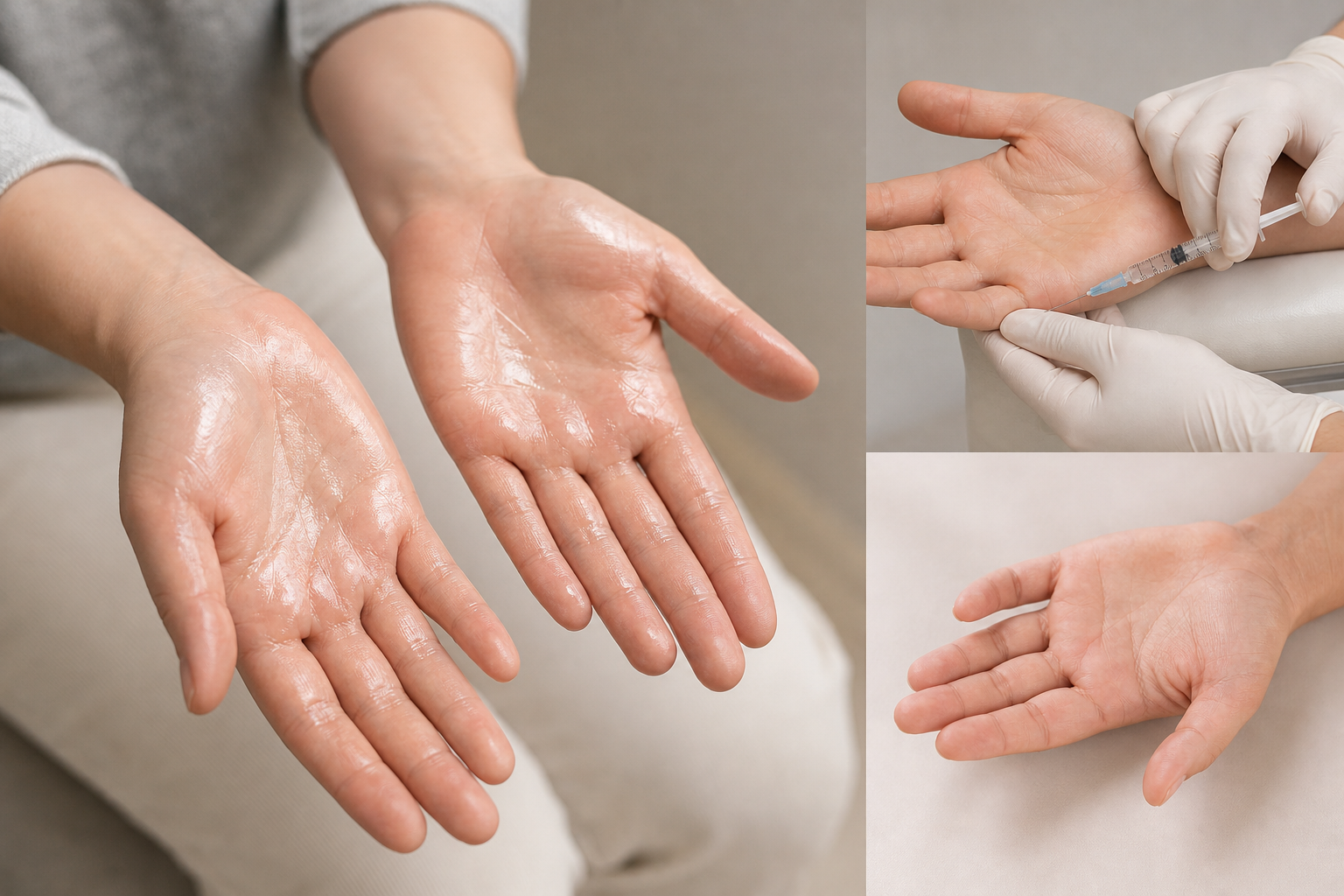
Palmar hyperhidrosis, characterized by excessive sweating of the palms, is a medical condition that profoundly impacts the lives of those who suffer from it. This disorder, driven by overactive sweat glands in the hands, can turn routine interactions—be it a handshake, handling paperwork, or using digital devices—into sources of discomfort and embarrassment. For many, it diminishes self-confidence, hinders professional performance, and forces avoidance of social situations, creating a ripple effect that erodes quality of life.
Traditional treatments like antiperspirants or iontophoresis offer some respite but often fall short when the sweating is severe or persistent. In such contexts, botulinum toxin (commonly known as Botox) emerges as a promising therapeutic option that has transformed the management of palmar hyperhidrosis over the last few decades. This editorial delves into the science behind botulinum toxin’s application for palmar hyperhidrosis, examining its mechanisms, realistic outcomes, safety profile, and the clinical criteria that guide its use, underscoring its role in advancing patient care in this niche of dermatological treatment.
Understanding how botulinum toxin functions to address the distressing symptoms of palmar hyperhidrosis not only illuminates its position among treatment modalities but also empowers patients and clinicians to make informed decisions about care pathways that enhance functionality and confidence.
The Neurophysiological Mechanism of Botulinum Toxin in Controlling Palmar Sweating
Botulinum toxin combats palmar hyperhidrosis by targeting the underlying neurochemical pathways responsible for sweat production. Sweat secretion is primarily controlled by the sympathetic nervous system through cholinergic fibers that stimulate eccrine sweat glands. In palmar hyperhidrosis, these nerves transmit exaggerated signals, causing excessive perspiration.
When botulinum toxin is injected into the palms, it temporarily inhibits the release of acetylcholine, a neurotransmitter crucial for the activation of sweat glands. By blocking this neural communication, the sweat glands remain inactive, drastically reducing sweat output. Importantly, this effect is localized and reversible; the toxin does not destroy sweat glands but transiently suspends their function until nerve endings regenerate, which typically happens over six to eleven months.
This mechanism distinguishes botulinum toxin from conventional treatments that simply mask or absorb sweat. Instead, it addresses the root cause by disabling the excessive neural signals that provoke hyperhidrosis, leading to a more profound and durable response. The targeted inhibition allows individuals to regain control over their palmar sweating without impacting normal physiological functions elsewhere.
Identifying Ideal Candidates for Botulinum Toxin Therapy for Palmar Hyperhidrosis
The suitability for botulinum toxin treatment hinges on the severity of hyperhidrosis and the impact on daily life. Candidates are typically adults experiencing persistent, significant sweating of the palms that interferes with professional, social, or personal activities and have not achieved satisfactory relief from topical antiperspirants or less invasive remedies.
Professions involving frequent handshakes, the use of electronic devices, or handling delicate materials often find palmar hyperhidrosis especially debilitating. For these individuals, the social stigma and practical difficulties of moist palms can lead to anxiety and avoidance behaviors, underscoring the need for effective intervention.
Importantly, patients must undergo thorough medical evaluation to exclude contraindications like allergies to the toxin components, existing neurological disorders, or local infections that could complicate treatment. This ensures therapy is safe, effective, and tailored. Open dialogue with a qualified dermatologist or trained specialist in aesthetic medicine is essential to explore expectations, procedural nuances, and any personal health considerations.
Advantages of Botulinum Toxin Compared to Alternative Treatments for Palmar Excessive Sweating
While multiple strategies exist for managing palmar hyperhidrosis, botulinum toxin offers distinct advantages that elevate its status among treatment options. Unlike topical antiperspirants that temporarily block sweat pores and can cause skin irritation or iontophoresis that requires multiple, time-consuming sessions, botulinum toxin injections deliver targeted, sustained suppression of sweat gland activity.
The durability of botulinum toxin’s effect—lasting from six months up to nearly a year—significantly reduces treatment frequency, enhancing convenience and adherence. Moreover, the minimally invasive nature of the injections, particularly when paired with appropriate anesthesia or cooling, contrasts favorably with surgical interventions like sympathectomy, which involve greater risks and longer recovery.
The precision of the toxin’s blockade at the neurotransmitter level means that side effects are generally mild and transient when administered by experienced clinicians. Collectively, these factors position botulinum toxin as an elegant, patient-friendly approach that effectively addresses the disabling symptoms of palmar hyperhidrosis while prioritizing comfort and safety.
Step-by-Step Overview of the Botulinum Toxin Treatment Procedure and Patient Expectations
The treatment process begins with a comprehensive examination to assess sweating intensity, skin health, and overall suitability. The affected area is marked to guide precise injection placement targeting the densest clusters of sweat glands. To improve patient comfort, local anesthetic techniques such as topical creams or forearm nerve blocks may be employed.
The procedure itself entails a series of fine intradermal injections dispersed across the palmar surface, generally concluded within 30 to 60 minutes. Post-injection, mild discomfort or transient swelling may occur but typically resolves quickly. Patients can resume normal activities shortly after with minimal restrictions, avoiding excessive hand use or exposure to heat for a day or two to optimize results.
The onset of reduced sweating usually manifests within three to five days, with peak effect achieved between one to two weeks. Clinical outcomes often reflect an 80% to 95% decrease in perspiration, empowering individuals with newfound confidence and significantly improved quality of life. Maintenance treatments are commonly scheduled semiannually or annually depending on symptom recurrence.
Safety Profile and Potential Side Effects of Botulinum Toxin in Palmar Hyperhidrosis Management
Botulinum toxin therapy boasts a robust safety record. However, awareness of possible adverse events is critical for informed consent and prompt management. Common side effects include localized pain at injection sites, bruising, and transient numbness or weakness in the hands. Such symptoms generally subside within days to weeks as the toxin’s effect attenuates.
More rarely, improper injection technique or excessive dosing can lead to functional difficulties such as reduced grip strength — an outcome underscoring the importance of expertise and anatomical knowledge in administration. Allergic reactions to botulinum toxin components are exceedingly uncommon but necessitate vigilance.
Contraindications include pregnancy, neuromuscular disorders like myasthenia gravis, and active skin infections at the injection site. Patients on anticoagulant therapy or with bleeding disorders require additional precautions. Post-treatment follow-up enables assessment of response and early detection of any complications, ensuring that benefits consistently outweigh risks.
Therapeutic Choices: Weighing Botulinum Toxin Against Antiperspirants and Iontophoresis for Palmar Hyperhidrosis
The treatment landscape for palmar hyperhidrosis offers several modalities, each with unique merits and limitations. Topical antiperspirants containing aluminum chloride are first-line options for mild cases but often fail to control severe sweating or provoke skin irritation with prolonged use.
Iontophoresis utilizes electrical currents to temporarily reduce sweat gland activity and can be effective without pharmacologic intervention. However, it demands multiple sessions per week, sustained over time, and may be cumbersome or impractical for many, with variable efficacy.
In contrast, botulinum toxin provides a streamlined alternative: a one-time treatment is enough to deliver durable improvement, thereby minimizing treatment burden. This has significant implications for adherence and psychological relief. Selecting an optimal therapy necessitates careful patient evaluation, factoring in symptom severity, lifestyle considerations, and individual preferences in concert with medical guidance.
Unique Considerations in Administering Botulinum Toxin Injections for Palmar Hyperhidrosis Compared to Other Body Sites
The anatomical and physiological characteristics of the palms demand specialized consideration when delivering botulinum toxin treatment. The palms possess an exceptionally dense concentration of sweat glands alongside sensitive nerve endings and a thin layer of soft tissue covering vital musculature and tendons.
Consequently, injections require precise depth and spacing to strike a balance between efficacy and avoidance of side effects such as temporary muscle weakness or numbness. The distinctive sensitivity of this area can also render injections more uncomfortable compared to underarms or feet, necessitating adjunctive pain management strategies like topical anesthetics or cooling techniques during treatment.
Moreover, maintaining hand function is paramount given the role of the palms in dexterous tasks. Therefore, doses must be carefully calibrated, and the clinical expertise of the injector is of utmost importance. This contrasts with other hyperhidrosis sites where anatomical complexity and functional implications may be less critical.
Patient Preparation and Post-Treatment Care Guidelines for Botulinum Toxin Injection in the Palms
Effective management of palmar hyperhidrosis through botulinum toxin begins long before the needle penetrates the skin. Patient preparation encompasses candid discussions on expectations, thorough review of medical history, and cessation of medications that could elevate bleeding or bruising risk.
Before the procedure, patients should avoid alcohol, nonsteroidal anti-inflammatory drugs, and certain herbal supplements for several days. Hydration and good skin hygiene also optimize treatment conditions. Patients must be educated on potential sensations during and after the injections.
Following therapy, patients are advised to keep the hands clean and dry, refrain from strenuous manual activities, avoid heat exposure, and monitor for any unusual symptoms. Adhering to these guidelines supports toxin efficacy, minimizes adverse events, and enhances overall satisfaction with treatment outcomes.
The Crucial Role of Experienced Medical Professionals in the Safe and Effective Use of Botulinum Toxin for Palmar Hyperhidrosis
The success and safety of botulinum toxin treatment for palmar hyperhidrosis are intrinsically linked to the qualifications and expertise of the administering clinician. Precise knowledge of hand anatomy, mastery of injection techniques, and thorough patient evaluation are non-negotiable pillars of quality care.
Leading specialists, including dermatologists, plastic surgeons, and trained aesthetic medicine practitioners, bring the clinical acumen necessary to individualize treatment plans, manage patient expectations, and mitigate risks. Comprehensive pre-treatment consultation ensures contraindications are ruled out and realistic goals are set.
Furthermore, these professionals are equipped to recognize and address rare but possible complications, ensuring continuity of care and patient reassurance. The collaborative patient-physician relationship fosters empowerment and supports adherence, ultimately maximizing therapeutic benefits.


