In the ever-evolving realm of aesthetic medicine, the pursuit of youthful, radiant skin has driven remarkable innovations in non-surgical treatments. Among these advances, RF lifting, HIFU, laser therapies, and microneedling stand out as cutting-edge modalities that promise skin tightening, rejuvenation, and a revitalized complexion without the need for invasive surgery. Understanding the nuances of each treatment is essential not only for practitioners but also for individuals seeking effective ways to combat skin aging, laxity, and texture imperfections.
RF lifting, or radiofrequency skin tightening, harnesses the power of controlled radio waves to stimulate the skin’s collagen and elastin production, resulting in gradual firming and improved tone. In contrast, HIFU (High Intensity Focused Ultrasound) dives deeper, targeting tissue layers beneath the surface to facilitate a lifting effect akin to surgical facelifts but without incisions. Laser treatments employ light energy to resurface and rejuvenate the skin, while microneedling utilizes fine needles to create micro-injuries that trigger natural repair processes and enhance overall skin quality.
This comprehensive exploration is designed for anyone considering these advanced treatments—whether new to aesthetic procedures or familiar with them. It aims to clarify the distinct mechanisms, indications, expected outcomes, and advantages each offers, empowering readers to make informed choices tailored to their specific skin concerns and goals.
What Is RF Lifting and How Does It Rejuvenate the Skin?
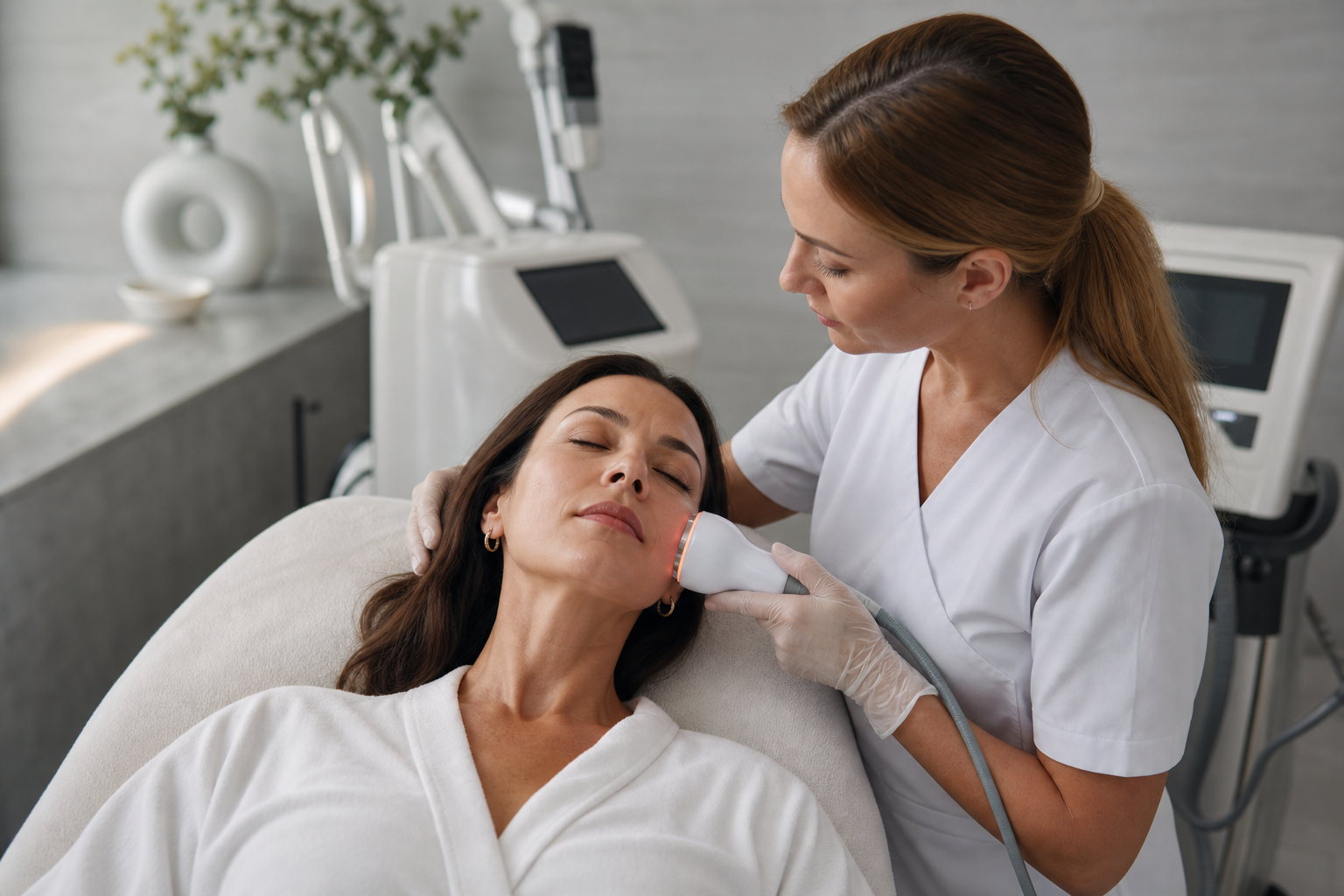
Radiofrequency lifting is a non-invasive or minimally invasive procedure that employs electromagnetic waves in the radiofrequency range to generate heat within the dermis and subcutaneous tissues. This thermal effect stimulates fibroblast activity, which enhances the synthesis of collagen and elastin, essential structural proteins that confer firmness and elasticity to the skin.
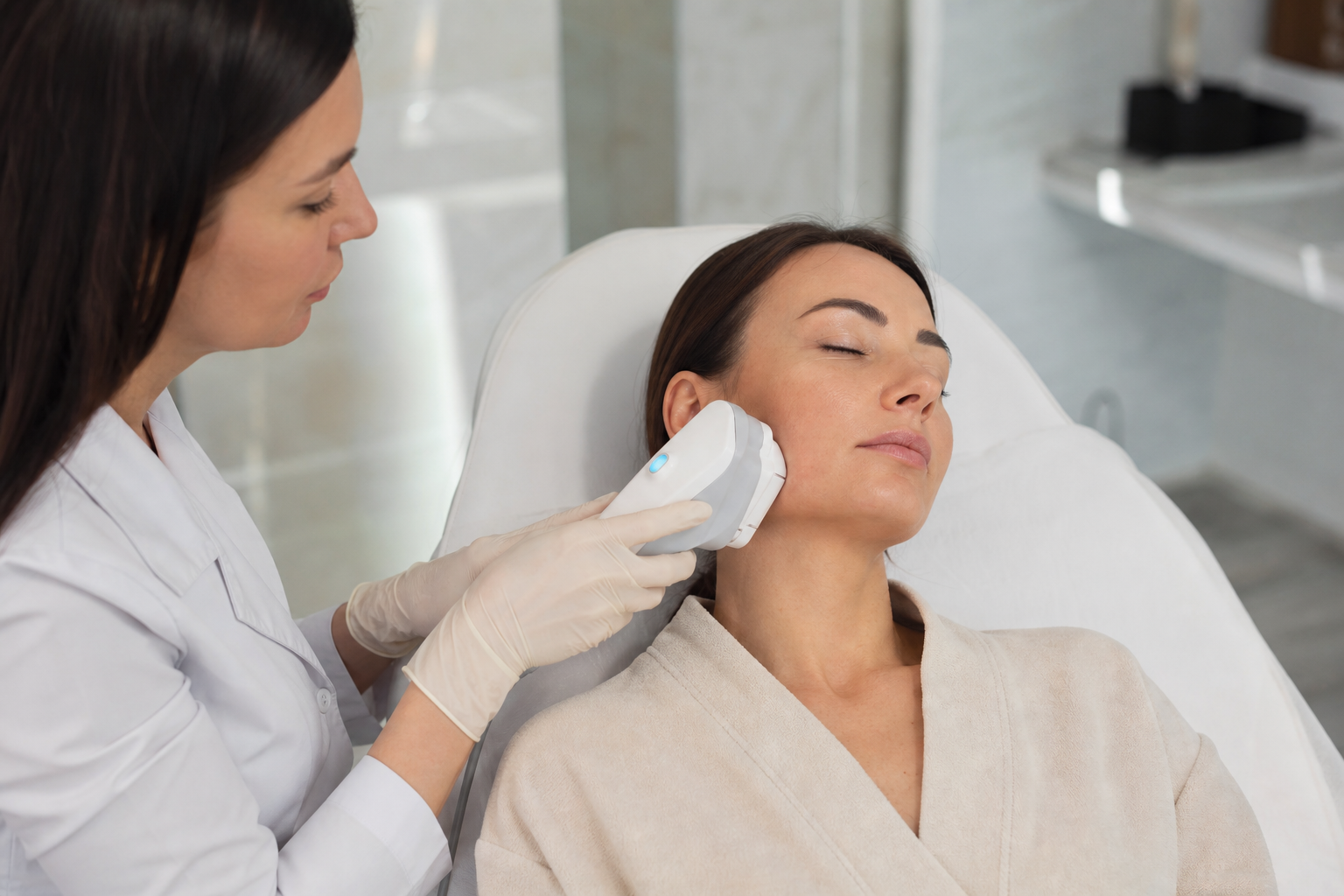
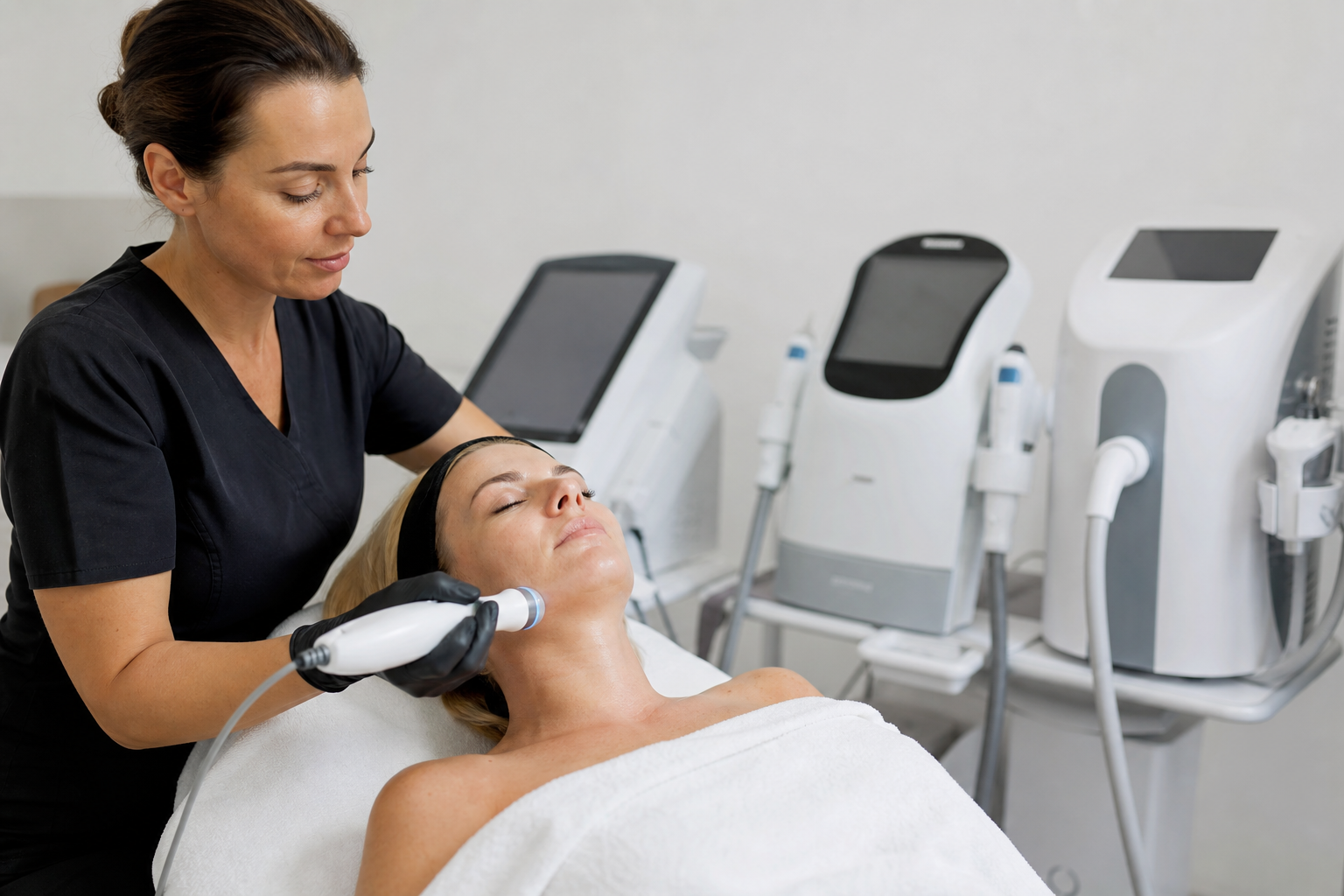
Unlike surgical facelifts that physically reposition skin and underlying tissues with incisions, RF lifting induces a natural remodeling process. The controlled heating also promotes dermal thickening and improved blood circulation, contributing to brighter, healthier skin over time. Treatments typically involve the application of specialized hand-held devices that deliver uniform energy across targeted areas.
Because it produces gradual improvements without breaking the skin barrier or requiring recovery downtime, RF lifting suits individuals beginning to notice mild to moderate skin laxity, fine lines, and loss of natural radiance. It is suitable for diverse skin types and areas beyond the face, including the neck, décolletage, arms, abdomen, and thighs.
How Does HIFU Differ From RF Lifting in Mechanism and Results?
High Intensity Focused Ultrasound, or HIFU, harnesses focused ultrasonic energy to penetrate deeply into the skin, reaching layers that include the superficial muscular aponeurotic system (SMAS) — the very foundation addressed during surgical facelifts. This focused ultrasound creates thermal coagulation points that stimulate collagen regeneration and tissue contraction at precise depths.
While RF lifting predominantly targets the superficial to mid-dermal layers, resulting in surface-level tightening and improved texture, HIFU’s ability to treat deeper layers offers a more pronounced lifting and contouring effect. This makes HIFU particularly effective for individuals experiencing more significant sagging or those seeking a non-surgical alternative to a traditional facelift.
Sessions tend to last longer and sometimes involve slightly more noticeable sensations during treatment compared to RF. However, like RF lifting, HIFU typically requires no downtime, allowing patients to resume daily activities immediately after their appointment.
In What Ways Do Laser Treatments Enhance Skin Quality Compared to RF and HIFU?
Laser therapy encompasses a broad spectrum of techniques utilizing specific light wavelengths to target chromophores within the skin. Depending on the device and settings, lasers can address pigmentation irregularities, vascular lesions, acne scars, and signs of photoaging, as well as stimulate collagen formation through controlled microthermal injury.
Fractional laser resurfacing, for example, creates micro-columns of thermal damage that prompt the skin’s natural healing mechanisms, resulting in renewed texture, diminished fine lines, and overall rejuvenation. Unlike RF and HIFU, which primarily focus on tightening and contouring by collagen induction, lasers often excel at improving surface irregularities, pigmentation, and scars.
However, laser treatments may involve mild to moderate downtime including redness and peeling, depending on their intensity. Choosing a laser modality also hinges on skin type, as some devices carry higher risks of hyperpigmentation in darker skin tones.
How Does Microneedling Work and What Benefits Does It Provide?
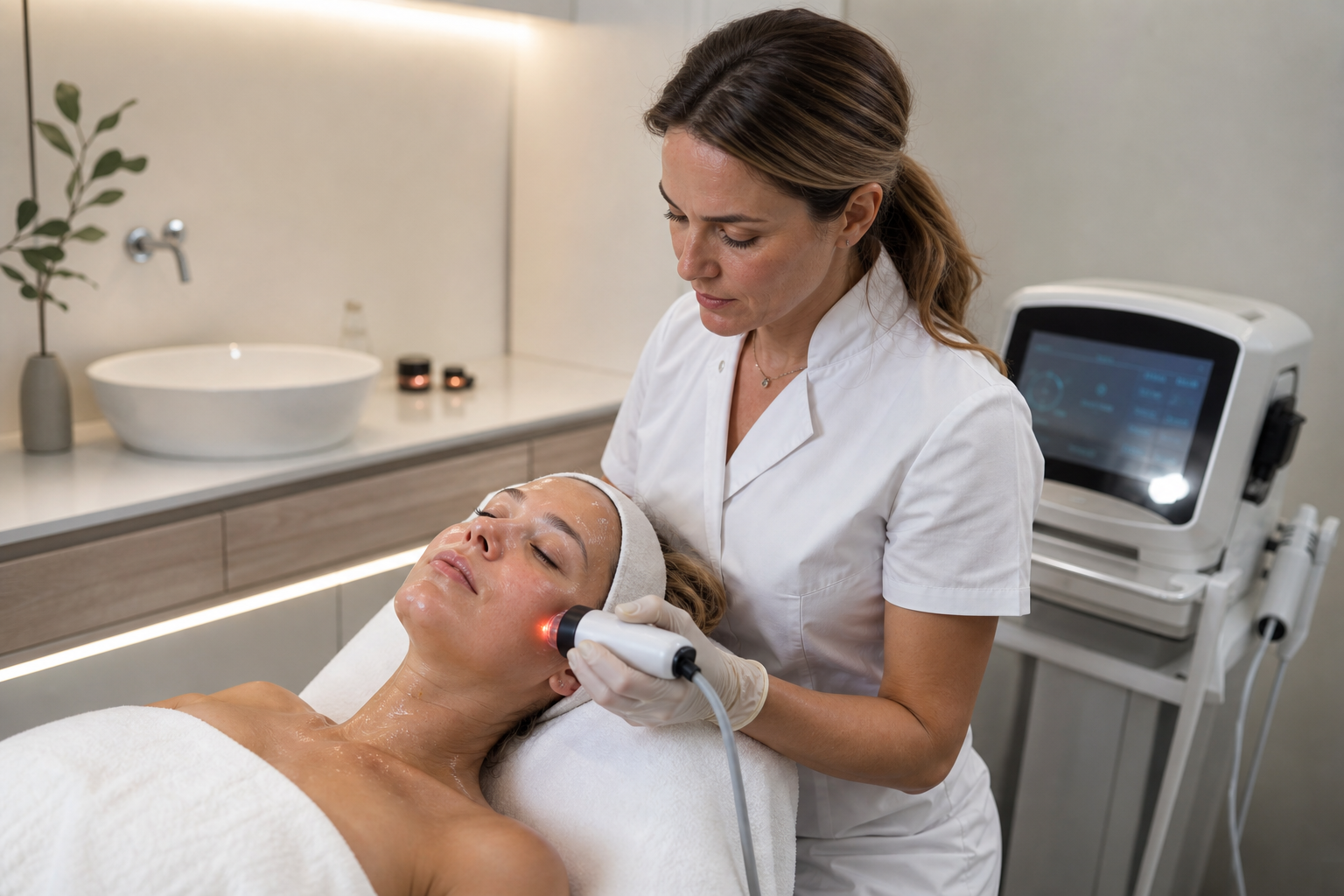
Microneedling employs a device equipped with an array of fine needles that create controlled micro-injuries in the skin’s surface. This minimally invasive approach triggers a cascade of physiological responses, chiefly collagen and elastin production, aimed at skin repair and regeneration.
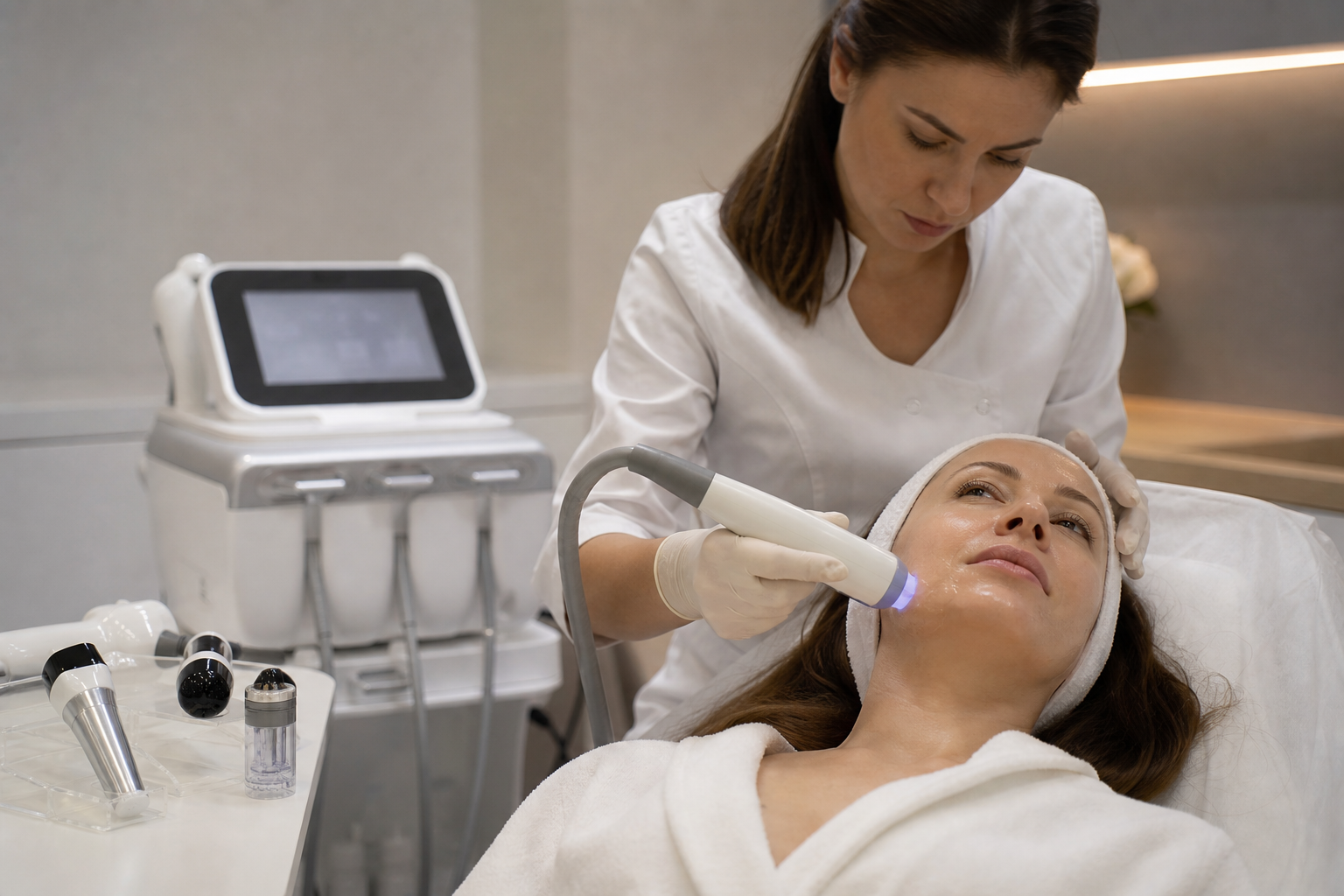
Besides its intrinsic benefits, microneedling can be combined with serums or radiofrequency energy to enhance efficacy. Radiofrequency microneedling delivers heat energy deeper into the dermis through the needles, blending the benefits of both methods — improved skin tightening alongside texture enhancement.
Microneedling is versatile and effective for improving fine lines, acne scars, stretch marks, and overall skin rejuvenation. Generally, it requires several sessions spaced weeks apart to achieve optimal results and entails minimal recovery, with temporary redness often resolving within a few days.
Who Is the Ideal Candidate for Each Treatment and What Should They Expect?
Successful treatment outcomes depend on careful patient selection and realistic expectations. RF lifting suits individuals with early signs of aging, mild to moderate skin laxity, or those who prefer gradual improvements without downtime. It offers versatility in treating various body areas and skin types.
HIFU is better suited for patients seeking more substantial lifting effects without surgery and who tolerate deeper energy delivery. It is ideal for moderate to advanced sagging and jowling, especially on the lower face and neck.
Laser treatments fit patients aiming to correct skin tone, pigmentation, scars, and texture irregularities. Those with lighter skin tones may have a broader selection of laser types, while others require tailored approaches to minimize risks.
Microneedling benefits a wide range of clients, including those with acne scarring, stretch marks, or dull skin. When combined with radiofrequency, it also addresses mild to moderate laxity.
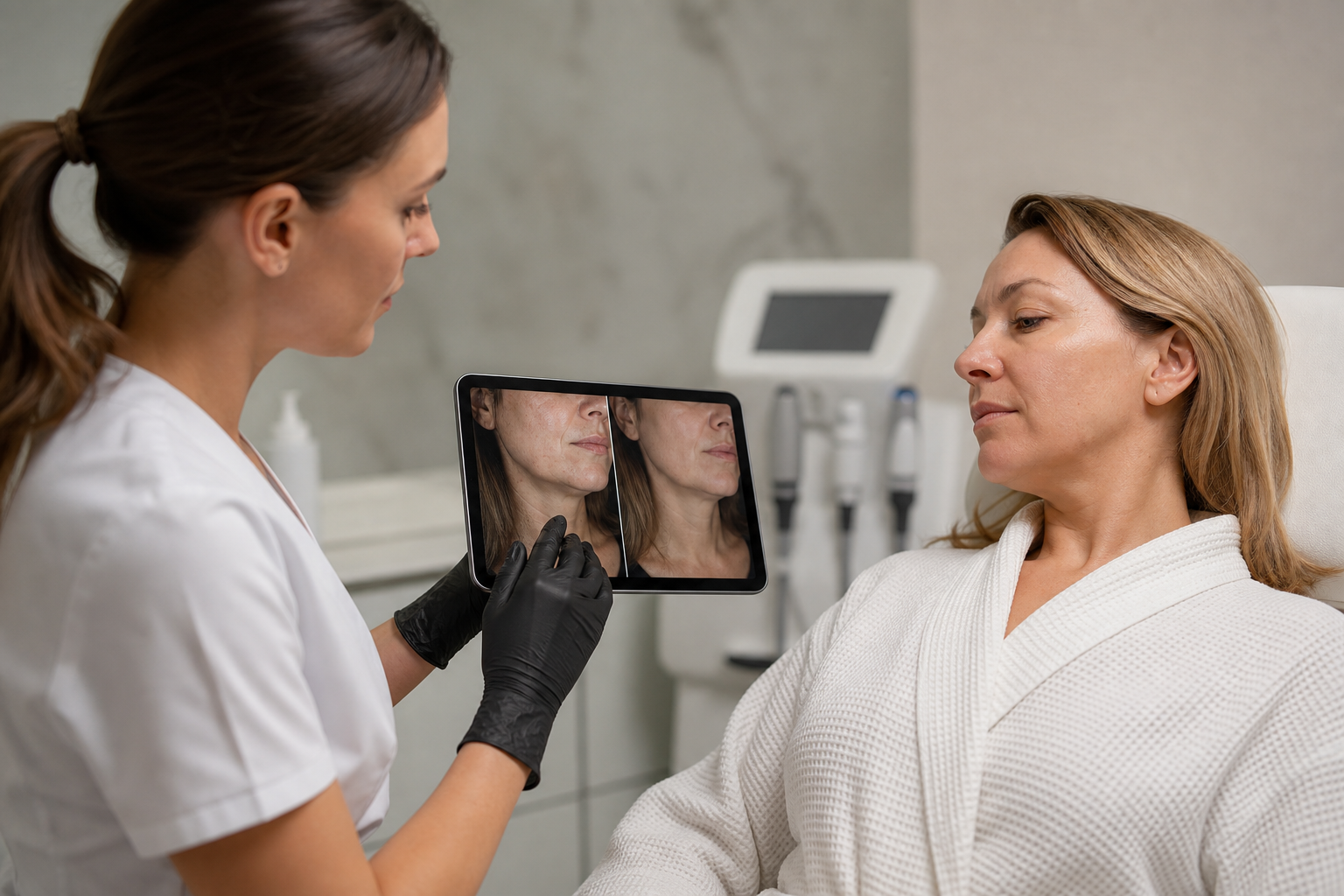
In every case, practitioners assess individual skin condition, medical history, and aesthetic objectives to recommend appropriate protocols that align with patient goals.
Can These Treatments Be Combined for Enhanced Effects?
Integrative approaches often yield synergistic benefits, with combinations tailored to target multiple skin concerns simultaneously. For example, RF lifting may be paired with microneedling to improve both skin texture and firmness. Similarly, patients might alternate between HIFU and RF treatments over a few months to optimize lifting and smoothing outcomes.
Combining laser therapies with RF or microneedling can also enhance collagen remodeling while addressing pigmentation or surface imperfections. However, timing, skin sensitivity, and cumulative energy exposure must be considered to avoid over-treatment and potential complications.
Expert consultation ensures an individualized treatment plan that maximizes safety and efficacy.
How Do RF Lifting, HIFU, Laser, and Microneedling Compare to Injectables Like Botox and Fillers?
Injectables address aging differently: Botox relaxes dynamic wrinkles by targeting muscle activity, making it effective for expression lines, while fillers restore volume loss and contour by adding substance beneath the skin. They offer immediate, though temporary, correction of wrinkles and facial volume deficiencies.
Conversely, RF lifting, HIFU, lasers, and microneedling focus on stimulating the skin’s intrinsic ability to regenerate and firm through collagen and elastin production. These treatments aim for gradual, natural enhancements rather than instant wrinkle erasure or volume augmentation.
In many cases, combining injectables with energy-based treatments creates a comprehensive approach, utilizing muscle relaxation and volumization alongside skin tightening and texture improvement for youthful, harmonious rejuvenation.
What Is the Difference Between RF Microneedling and Fractional Laser Therapy?
RF microneedling combines mechanical injury from needles with the thermal stimulation of radiofrequency, targeting deeper skin layers to enhance tightening and collagen deposition with minimal surface damage. Fractional laser therapy produces microthermal zones of injury using focused light energy, resurfacing the epidermis and stimulating dermal remodeling.
While both techniques trigger collagen synthesis, RF microneedling tends to produce less epidermal disruption, resulting in quicker recovery times. Fractional lasers, particularly ablative types, may address more significant pigmentation and scarring but require longer healing periods.
Choosing between the two depends on patient skin type, tolerance for downtime, and targeted concerns—texture and tone improvement versus tightening and lifting.
Why Does Understanding These Differences Matter for Your Skin Health and Treatment Satisfaction?
Skin aging and concerns are multifactorial, influenced by genetics, environment, and lifestyle factors. Selecting a treatment without a clear understanding of its mechanism, indications, and realistic results can lead to disappointment or suboptimal outcomes.
By comprehensively exploring RF lifting, HIFU, laser, and microneedling treatments, individuals can align their aesthetic goals with scientifically grounded procedures that match their skin’s needs. Awareness of treatment depth, downtime, potential risks, and expected timeline for results fosters informed decisions and enhances satisfaction.
Consultation with knowledgeable professionals who assess individual parameters remains crucial to developing personalized plans that maximize safety and efficacy.