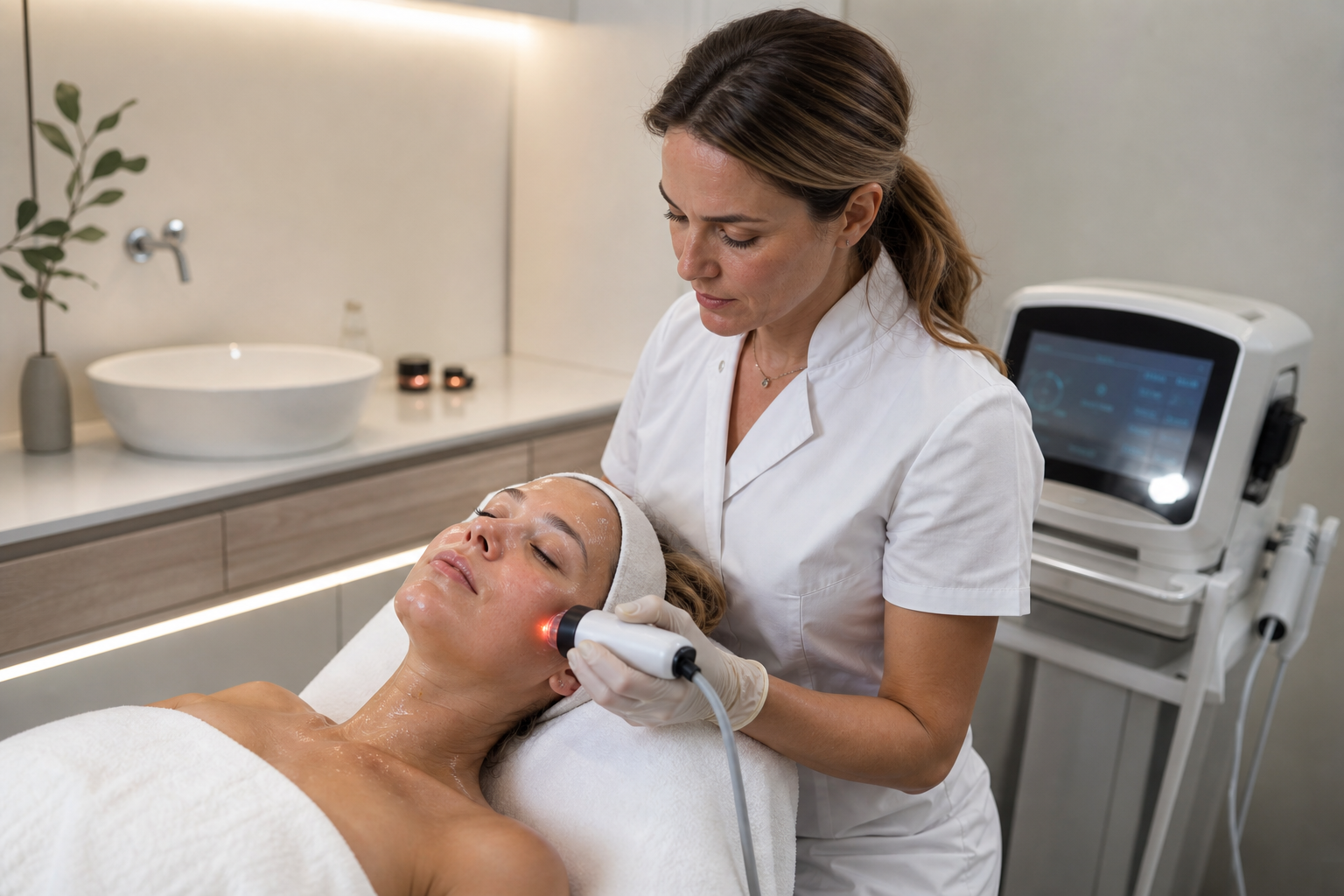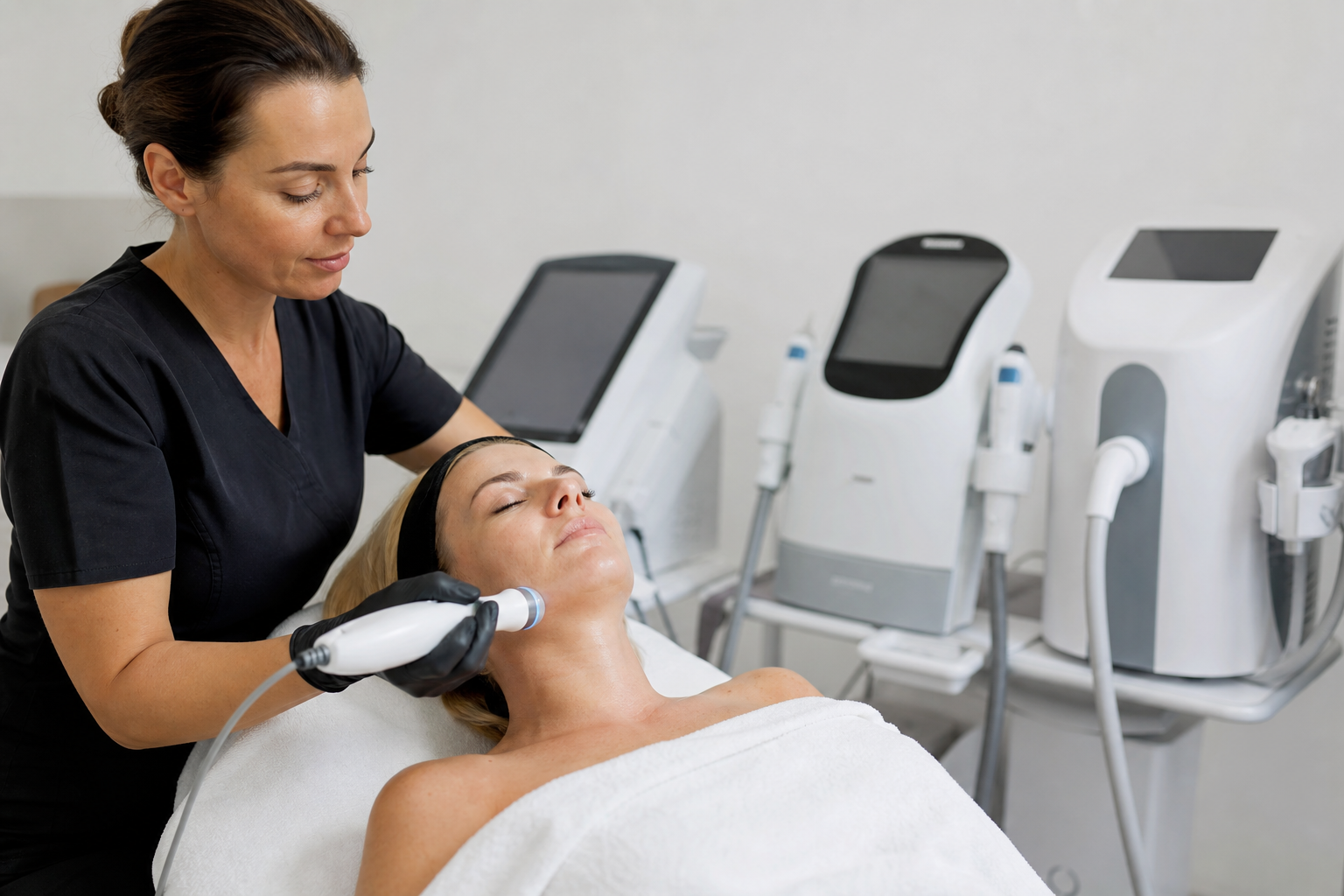
Radiofrequency (RF) skin tightening, commonly referred to as RF lifting, is an innovative, non-surgical technique prized for its ability to rejuvenate and tighten the skin by stimulating collagen production deep within the dermis. Designed for individuals seeking to improve skin tone and texture without undergoing invasive procedures, this method harnesses controlled heat energy to trigger the body’s natural regenerative processes, yielding firmer, smoother, and more youthful skin.
As interest grows in effective yet minimally disruptive aesthetic treatments, understanding when to schedule RF maintenance treatments becomes crucial for those who have undergone or plan to undergo RF lifting. Proper timing of these follow-up sessions not only preserves but also enhances treatment outcomes, ensuring lasting benefits aligned with the skin's unique response and aging trajectory.
In this comprehensive exploration, we delve into the principles of RF lifting, who stands to benefit most from it, and the reasons why maintaining results plays a pivotal role in the treatment journey. We also elucidate the nuances between various RF techniques, outline recommended maintenance schedules, and provide guidance on what patients can realistically expect over the long term. By doing so, this article serves as an essential resource for individuals aiming to maximize and sustain the transformative effects of RF skin tightening.
What Is RF Lifting and Who Can Benefit from This Treatment?
Radiofrequency lifting is a non-invasive or minimally invasive cosmetic procedure that targets the deeper layers of the skin, applying radiofrequency energy to gently heat the dermis. This stimulation prompts fibroblast activity, leading to increased synthesis of collagen and elastin—proteins integral to skin firmness, elasticity, and overall youthfulness.
RF lifting is versatile and suitable for a wide demographic range. Younger individuals often use it as a preventive measure to maintain skin elasticity and delay the onset of wrinkles. Middle-aged adults commonly seek RF treatments to address early signs of aging such as sagging skin, fine lines, and uneven texture. Meanwhile, older adults benefit by improving skin laxity with a non-surgical approach that carries fewer risks and requires minimal downtime.
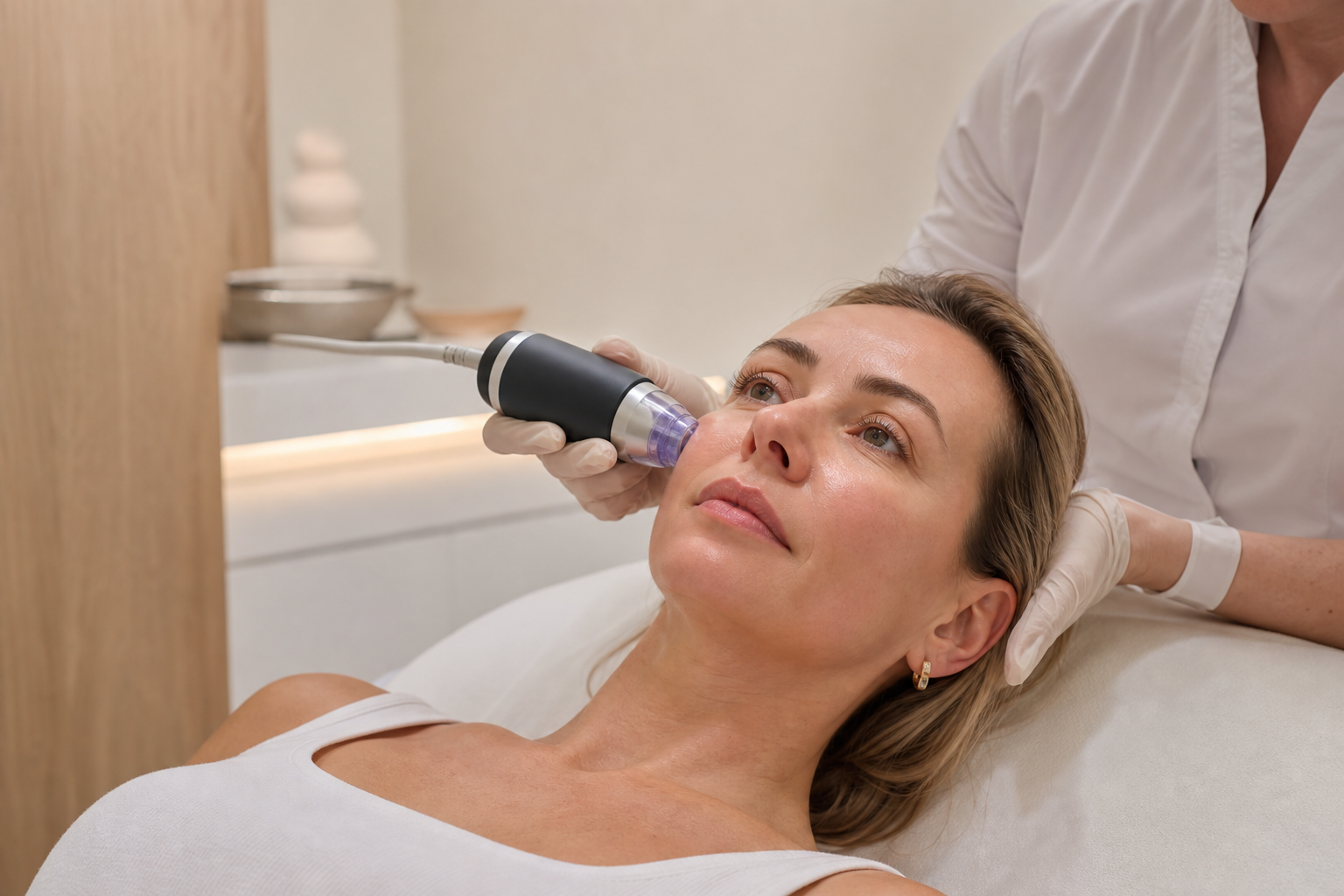
Moreover, RF techniques can be tailored according to skin type and concerns. Some patients present with deep wrinkles, scars, or pigment irregularities, demanding more advanced modalities such as fractional RF or RF microneedling, which combine radiofrequency heat with controlled injury to deeper skin layers for enhanced collagen remodeling.
Why Is Maintaining RF Lifting Results Essential?
While RF lifting induces meaningful collagen production, the natural aging process and environmental factors inevitably diminish these benefits over time. Collagen turnover, exposure to ultraviolet radiation, lifestyle habits, and genetic predispositions all influence how long the skin retains its improved tone and resilience after treatment.
Without appropriate maintenance, initial tightening effects can gradually fade, leading to a return of skin laxity and fine lines. Scheduling regular follow-up sessions ensures that collagen reserves remain stimulated, sustaining the skin’s youthful appearance and preventing premature deterioration.
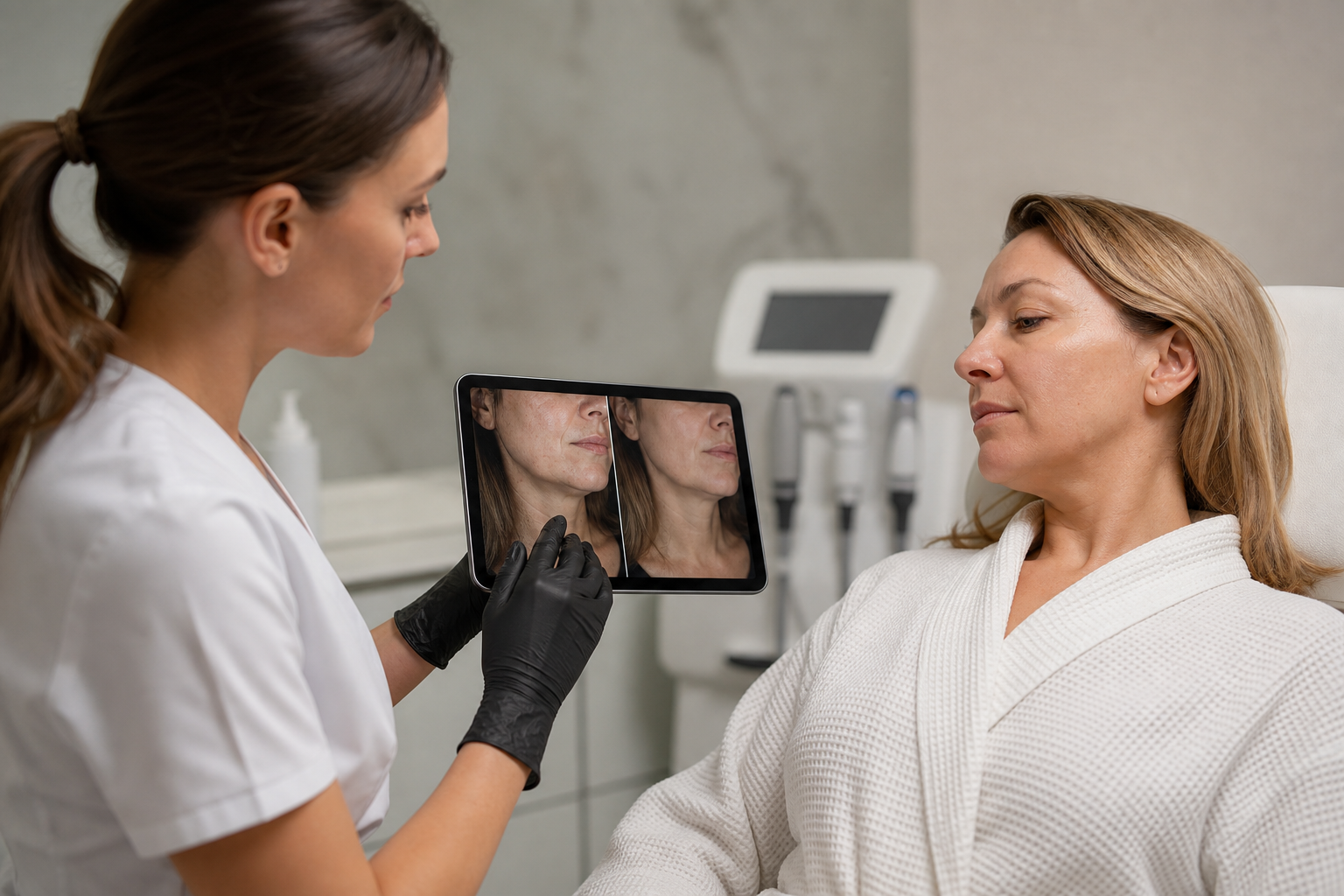
Effective maintenance also allows practitioners to monitor progress and adjust treatment parameters according to individual skin responses, optimizing outcomes and patient satisfaction.
Understanding Different RF Techniques: Non-Invasive vs. Minimal Invasive Procedures
RF treatments encompass a spectrum of technologies differentiated by their invasiveness and depth of action. Each offers distinct advantages and considerations for users aiming to maintain youthful skin.
Non-invasive RF: These treatments operate via surface electrodes that deliver radiofrequency waves without penetrating the skin barrier. They require no anesthesia, cause minimal discomfort, and involve no downtime. Gradual skin tightening and collagen stimulation occur over weeks, making this a popular choice for patients desiring subtle, cumulative improvements.
Fractional RF without needles: This method administers RF energy in a fractional pattern, targeting discrete skin zones to encourage deeper remodeling while maintaining surface integrity. It offers amplified collagen induction compared to fully non-invasive RF, with a slightly more pronounced but tolerable level of skin reaction.
RF Microneedling: Combining micro-injuries from fine needles with radiofrequency heat delivery, this minimal invasive treatment allows highly focused stimulation of the dermis. It is particularly effective for deeper wrinkles and scar revision but entails a short recovery period and temporary redness or swelling.
Minimal invasive combination procedures: These approaches may incorporate RF microneedling alongside adjunctive therapies like platelet-rich plasma or mesotherapy, further enhancing skin regeneration. Due to increased invasiveness, professional evaluation and personalized planning are critical.
How Is RF Maintenance Scheduled and What Are the Recommended Intervals?
Initial RF lifting commonly involves a series of 3 to 6 treatments spaced approximately 2 to 4 weeks apart to build a robust collagen network. Following this foundational phase, maintenance treatments become necessary to uphold and reinforce results.
Generally, maintenance sessions are advised every 6 to 12 months, but the exact timing depends on individual aging rates, skin condition, environmental exposures, and lifestyle factors. Signs that indicate a maintenance session is due include subtle softening of skin firmness, reappearance of fine lines, or noticeable changes in contour.
Regular consultations with skilled practitioners are indispensable as they allow for timely assessment and recalibration of treatment schedules. Overly frequent sessions may induce excessive heat accumulation, risking tissue irritation, while infrequent treatments risk loss of benefits.
In addition to professional interventions, complementary skincare regimens emphasizing sun protection, antioxidant use, and hydration help preserve collagen and augment the durability of RF effects.
What to Expect from Long-Term RF Treatment Maintenance?
Consistent RF maintenance treatments lead to cumulative improvements in skin elasticity, texture uniformity, and wrinkle softening. Patients typically observe a more lifted facial contour, refined pores, and an overall refreshed appearance.
However, it is crucial to maintain realistic expectations: RF lifting does not replicate the dramatic skin tension changes associated with surgical facelifts, nor does it permanently erase deep-set wrinkles. Its strength lies in gradual rejuvenation, leveraging the body’s innate capacity to rebuild supportive skin architecture.
The efficacy of maintenance also varies among individuals. Factors such as adherence to skincare, health status, and environmental exposure mediate how long benefits last and may dictate some treatment customization.
When approached with a measured schedule and supportive care, RF maintenance can effectively slow visible signs of aging, resulting in skin that consistently appears more youthful compared to untreated aging trajectories.
How to Choose the Right RF Treatment and Plan Your Maintenance
Selecting the optimal RF treatment begins with a comprehensive skin evaluation and candid discussion of expectations. Individuals should consult with certified dermatologists or licensed aesthetic professionals who possess familiarity with RF modalities and their nuanced applications.
Factors influencing treatment choice include the patient’s age, skin laxity degree, presence of wrinkles or scars, pain tolerance, and downtime availability. Cost and schedule flexibility must also be considered.
Experienced providers tailor protocols thoughtfully to balance desired outcomes against safety and comfort. They will advise patients on initial treatment phases, appropriate intervals between sessions, and long-term maintenance frameworks.
Once a program is established, maintaining adherence is paramount. Respecting the suggested timing for renewals avoids diminishing returns or complications from excessive treatment frequency, thereby maximizing benefits.