Hormonal pigmentation, known medically as melasma or chloasma, represents a common yet perplexing dermatological condition characterized by the emergence of dark, uneven patches on the skin. Most frequently manifesting on the face—particularly the cheeks, forehead, upper lip, and nose—these pigmentation changes pose both cosmetic concerns and considerable psychological distress to those affected. Understanding the triggers of hormonal pigmentation and the reasons behind its recurring nature is crucial for patients seeking effective management, for dermatologists devising treatment plans, and for practitioners considering advanced modalities such as laser procedures. This article aims to provide a comprehensive exploration of hormonal pigmentation, elucidating key mechanisms, associated factors, challenges in treatment, and the pivotal role of dermatologic assessment prior to interventions.
Hormonal pigmentation primarily arises due to imbalances and fluctuations in hormone levels that stimulate melanocytes—the pigment-producing cells—to overproduce melanin. While the condition predominantly affects women in their reproductive years, especially during pregnancy or when using hormonal contraceptives, it can also occur, though less frequently, in men under certain hormonal influences. The aesthetic concerns prompted by these irregular pigmentation patterns often translate into a significant impact on quality of life, with patients seeking interventions that not only reduce visible signs but also prevent recurrence.
The importance of delineating hormonal pigmentation from other pigmentary disorders before initiating interventions cannot be overstated. Misdiagnosis or inadequate treatment choices—particularly the indiscriminate use of laser therapies—may exacerbate hyperpigmentation or incite adverse effects. Therefore, a meticulous dermatologic evaluation including, when appropriate, tools such as the Wood's lamp examination is indispensable to guide safe and effective treatment plans. This editorial addresses these critical facets, offering insights into what hormonal pigmentation entails, its causative factors, why it tends to recur, and how evidence-based approaches—involving both topical and laser treatments—can be judiciously employed.
What Is Hormonal Pigmentation and Who Is Most Affected?
Hormonal pigmentation refers to the development of hyperpigmented macules or patches precipitated by an increase in melanin production triggered by hormonal stimuli. This form of pigmentation contrasts with other types induced primarily by ultraviolet (UV) exposure, inflammatory skin conditions, or trauma. Melasma, a prototypical manifestation, is marked by symmetric, softly contoured, brownish lesions predominantly on sun-exposed facial areas including the cheeks, forehead, upper lip, and chin.
The condition is disproportionately common among women, particularly those aged 20 to 50 who experience hormonal shifts such as during pregnancy—earning the colloquial term "pregnancy mask"—or from use of oral contraceptives and hormone replacement therapy. While men constitute a smaller subset of cases, hormonal imbalances secondary to endocrine disorders or medications can precipitate similar pigmentary changes.
Ethnicity and skin phototype also play a role; individuals with Fitzpatrick skin types III to V tend to be more susceptible, given their baseline higher melanin content that predisposes to visible pigmentation changes. The psychological burden and aesthetic dissatisfaction accompanying hormonal pigmentation underline the need for targeted therapeutic strategies and patient education.
What Are the Common Triggers That Initiate Hormonal Pigmentation?
The pathogenesis of hormonal pigmentation is multifactorial, involving a complex interplay between endogenous hormones and environmental agents. Chief among provocateurs are fluctuations in estrogen and progesterone, which upregulate melanocytic activity. During pregnancy, elevated levels of these hormones stimulate melanogenesis, leading to marked pigmentary patterns; similarly, exogenous hormone administration in contraceptives or menopausal therapies can evoke comparable effects.
Sun exposure represents a significant cofactor that exacerbates and perpetuates hormonal pigmentation. Ultraviolet radiation stimulates melanin synthesis and can deepen or enlarge existing lesions. Seasonal trends generally reveal a worsening of pigmentation in the summer months when UV indices peak, amplifying the significance of photoprotection as both preventive and adjunctive therapy.
Genetic predisposition is also implicated, as familial clustering of melasma suggests a hereditary link influencing skin’s susceptibility. Moreover, certain drugs and topical products containing irritant or photosensitizing agents may aggravate pigmentary anomalies by eliciting subclinical inflammation or photosensitivity that drives hyperpigmentation.
Why Does Hormonal Pigmentation Tend to Return After Treatment?
One of the most challenging aspects of managing hormonal pigmentation is its propensity to recur despite initially successful interventions. This recurrent nature stems from persistent or fluctuating stimuli that continue to activate melanocytes.
Hormonal fluctuations can be ongoing due to physiological changes such as pregnancy or life stage transitions like perimenopause, or pathological endocrine disorders. Until these imbalances stabilize, the melanogenic signal persists, increasing the propensity for reappearance.
Inadequate sun protection post-treatment is a major contributor to relapse. Without rigorous photoprotection, UV radiation reactivates melanocytes and deepens pigmentation, undermining therapeutic gains. Furthermore, treatments may occasionally fail to address deeper dermal pigmentation or inflammatory processes, rendering the improvement temporary.
Therefore, comprehensive management plans must include strategies to mitigate these triggers, including hormonal regulation where feasible, strict UV avoidance, and maintenance skincare to consolidate treatment successes and minimize recurrences.
When Should a Dermatologist Be Consulted Before Considering Laser Treatment?
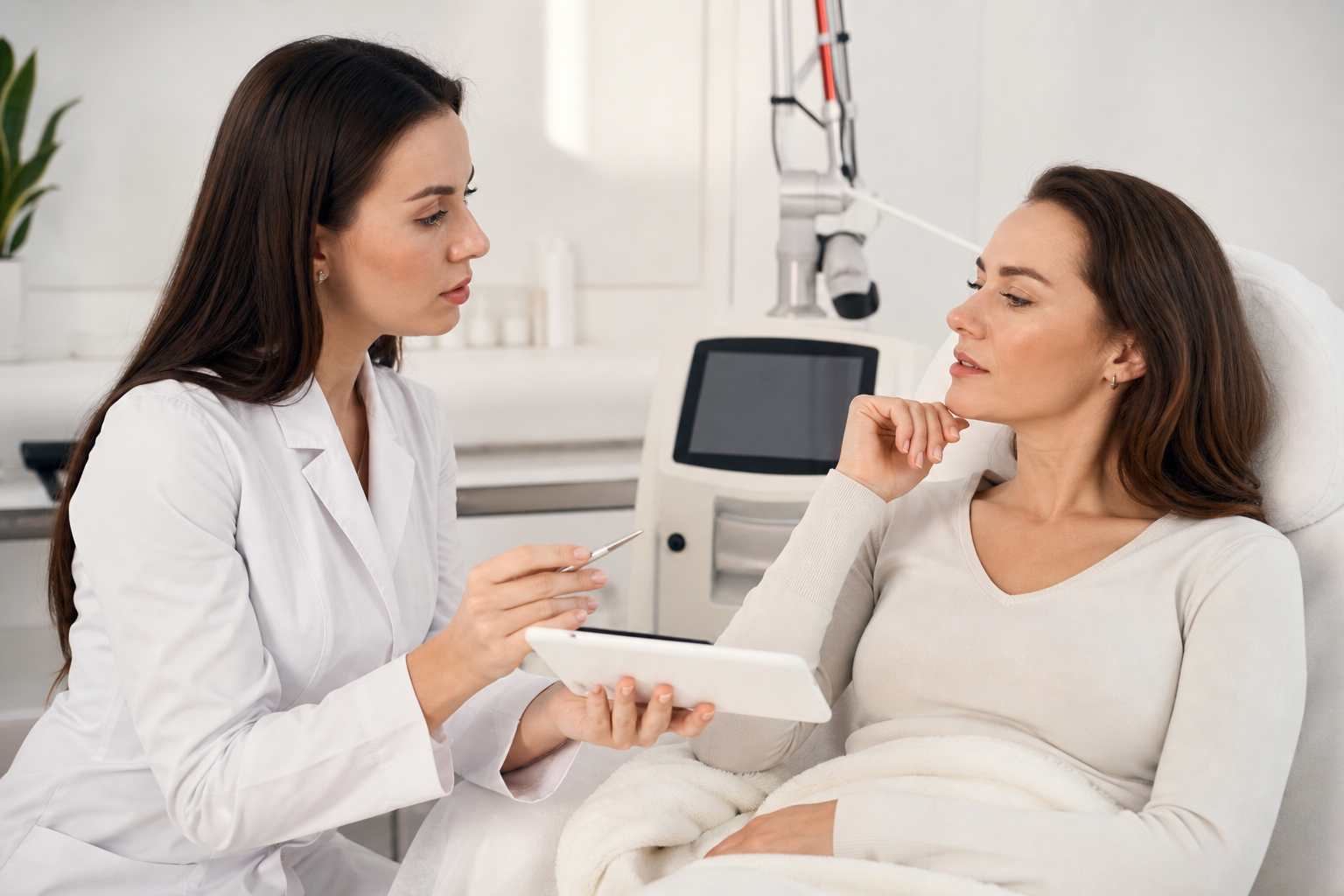
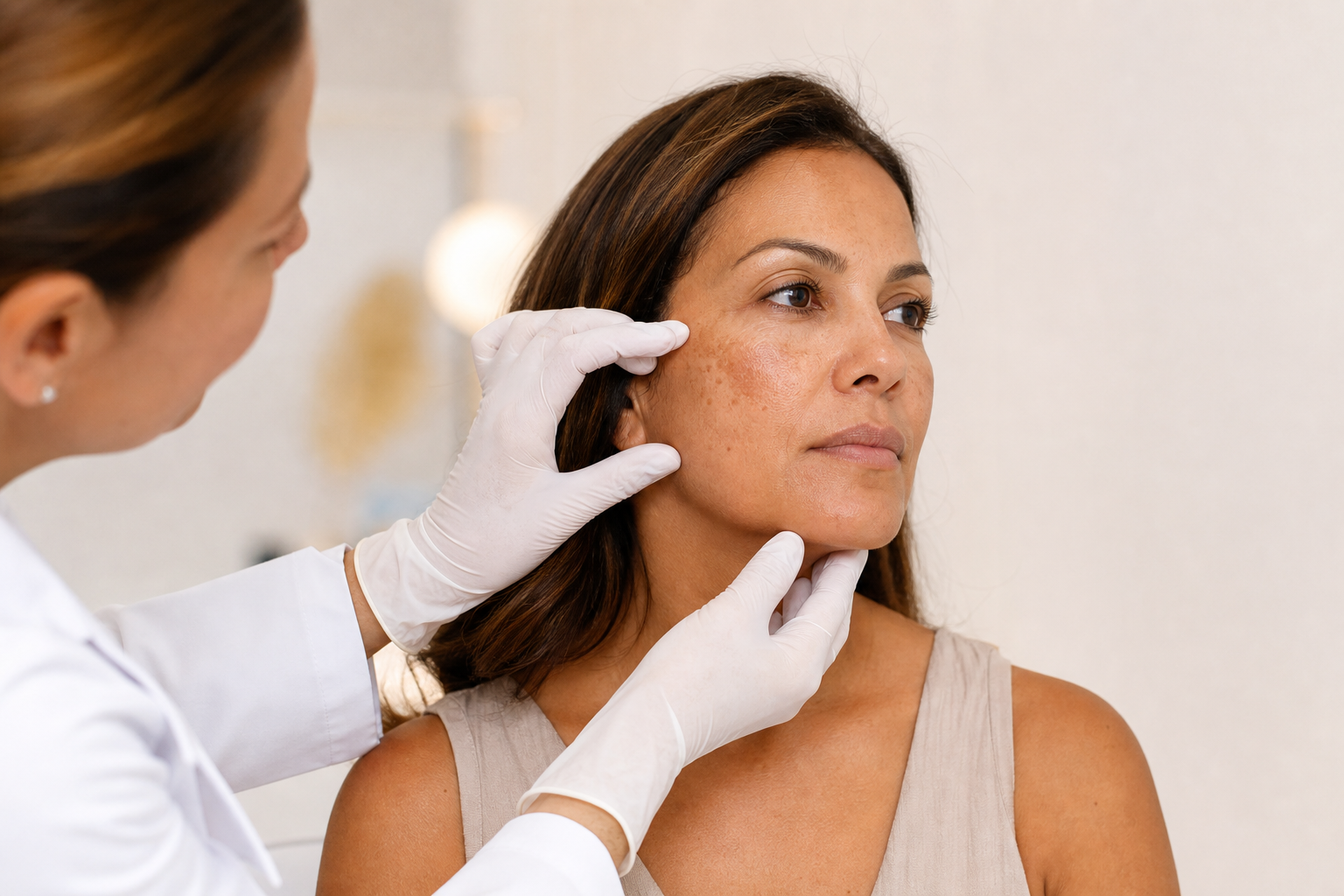
Given the complexities of hormonal pigmentation and its underlying mechanisms, consultation with a dermatologist before commencing laser therapy is imperative. Dermatologists possess the expertise to accurately diagnose the type of pigmentation and determine the depth and pattern of melanin deposition, essential considerations for safe and efficacious laser application.
Diagnostic modalities such as Wood's lamp examination aid in distinguishing epidermal from dermal pigmentation—an important factor since lasers are typically more effective and safer when targeting epidermal pigment. Attempting laser treatment on incorrect pigment depths may provoke adverse effects including post-inflammatory hyperpigmentation or worsening of the lesion.
Moreover, dermatologic assessment helps identify contraindications to laser therapy such as active skin inflammation, certain infections, or photosensitive conditions, and ensures that pretreatment preparations and postprocedural care are optimized. In-depth consultation avoids indiscriminate laser use and underlines the importance of individualized treatment plans aligned with clinical findings and patient factors.
What Are the Most Effective Current Treatments for Hormonal Pigmentation?
The management of hormonal pigmentation encompasses addressing hormonal imbalances, protecting from ultraviolet radiation, applying topical agents, and, in selective cases, incorporating procedural interventions such as laser therapy. Each modality plays a complementary role in achieving improvement while minimizing recurrence.
Regulating hormonal status is foundational, particularly where underlying endocrine disorders are identified or exogenous hormones can be modified. Collaborative care with endocrinologists or gynecologists may facilitate hormonal harmonization.
Photoprotection represents the cornerstone of any treatment regimen. Consistent use of broad-spectrum sunscreens with high SPF ratings, alongside physical barriers such as hats and protective clothing, reduces UV-induced melanogenesis and protects treated skin.
Topical agents that inhibit melanin synthesis have demonstrated significant benefits. Ingredients like hydroquinone, azelaic acid, vitamin C, niacinamide, and retinoids impede tyrosinase activity and promote epidermal turnover, thus fading pigmentation over time. However, product selection should be evidence-based and tailored to the individual's skin type and tolerance to avoid irritation.
Laser therapies—including Q-switched and picosecond lasers—target pigmented areas by fragmenting melanin particles, enabling their clearance via the skin’s natural processes. Fractional lasers also stimulate collagen remodeling, enhancing skin texture alongside pigment reduction. Importantly, treatment selection is predicated on detailed dermatologic evaluation and pigment depth analysis to optimize outcomes and minimize side effects.
What Should Patients Expect During and After Laser Treatment for Hormonal Pigmentation?
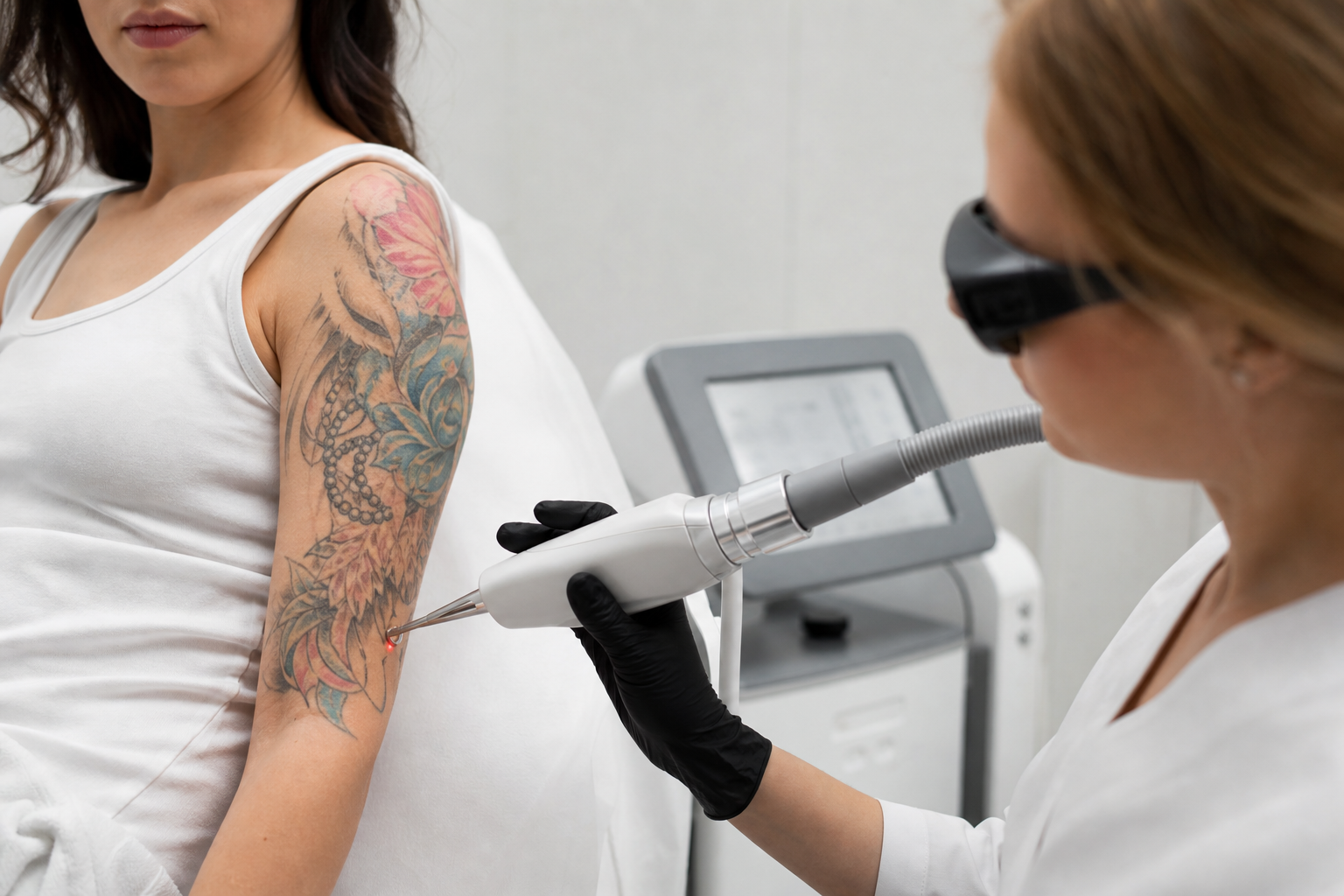
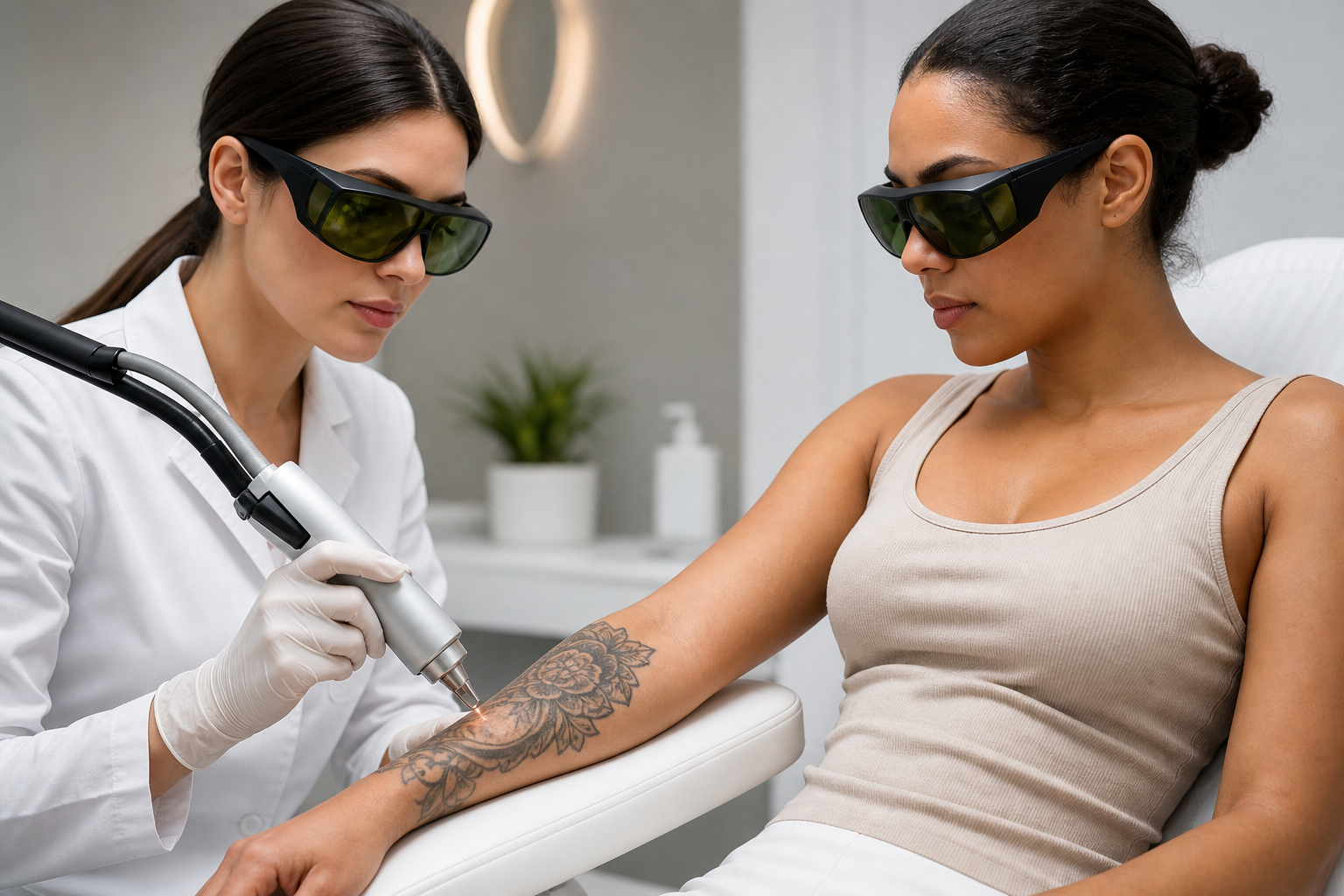
Laser treatment sessions are typically brief, taking between 15 and 30 minutes depending on lesion extent. Patients may experience sensations ranging from mild tingling to warmth during the procedure. Protective eyewear is mandatory to shield the eyes from laser exposure.
Immediately post-treatment, transient erythema, edema, and slight peeling are common and represent normal skin responses as it undergoes regeneration. These effects usually resolve within days. Visible improvements often unfold gradually over subsequent weeks as fragmented pigment is cleared and skin tone homogenizes.
Multiple sessions may be necessary to achieve desired results, spaced appropriately to allow skin recovery. Strict photoprotection and avoidance of irritants during this period are critical to prevent unwanted complications.
Follow-up with the treating dermatologist allows monitoring of treatment response, side effects, and guidance on maintenance care to prolong benefits and prevent relapse.