Radiofrequency (RF) skin tightening treatments have emerged as a leading non-invasive solution for individuals seeking to rejuvenate and firm their skin without undergoing surgery. This technology harnesses the power of radiofrequency waves to stimulate the skin’s natural collagen and elastin production, resulting in a gradual but noticeable improvement in skin texture, elasticity, and overall youthful appearance. As interest in aesthetic treatments grows, understanding how to properly prepare for RF skin tightening is essential to ensure safety, enhance treatment efficacy, and achieve satisfying results.
Whether you are considering RF skin tightening for the first time or looking to refine your preparation for an upcoming procedure, having a clear, comprehensive guide is invaluable. Preparing thoughtfully can reduce side effects, facilitate recovery, and help you maintain realistic expectations about the outcomes. This article is intended for adults interested in improving facial or body skin tone and texture through RF therapy, including those who want to postpone more invasive procedures or avoid surgery altogether. It will demystify the treatment, outline preparation steps for different RF modalities, and provide insights into what you can expect during and after the procedure.
The significance of this knowledge lies in the increasing popularity of RF treatments within the field of advanced aesthetics. A well-prepared patient is more likely to have a comfortable experience and achieve results that truly enhance confidence and satisfaction. Understanding the nuances of non-invasive RF, fractional RF without needles, and RF microneedling, along with their distinct preparation requirements, empowers you to make an informed decision aligned with your skin goals.
What Exactly Is Radiofrequency Skin Tightening and Who Should Consider It?
Radiofrequency skin tightening is a procedure designed to combat the visible effects of aging and environmental damage on the skin. By using high-frequency radio waves to gently heat the dermal layers beneath the skin’s surface, the treatment activates fibroblast cells responsible for producing collagen and elastin—critical proteins that maintain skin’s firmness and elasticity. This process helps to tighten sagging skin, reduce fine lines and wrinkles, and improve skin texture without cutting or disrupting the epidermis.
This treatment is ideal for adults experiencing mild to moderate skin laxity on the face, neck, or body who prefer a non-surgical option. It appeals to individuals who want visible anti-aging benefits while minimizing downtime and avoiding the risks intrinsic to surgery. Patients seeking subtle but cumulative improvement over time, with maintenance treatments as needed, often find RF skin tightening a suitable choice.
Moreover, RF treatments may be beneficial for younger adults aiming for preventative skin care by maintaining collagen levels and preserving skin health before significant signs of aging emerge. It is also a favored option for those with busy lifestyles who require effective treatments that allow quick return to daily activities.
Differences Between Non-Invasive RF, Fractional RF Without Needles, and RF Microneedling
Understanding the distinctions among various RF treatment modalities is crucial for proper preparation and setting expectations. Each variant utilizes radiofrequency energy in unique ways, tailored for different skin concerns and desired outcomes.
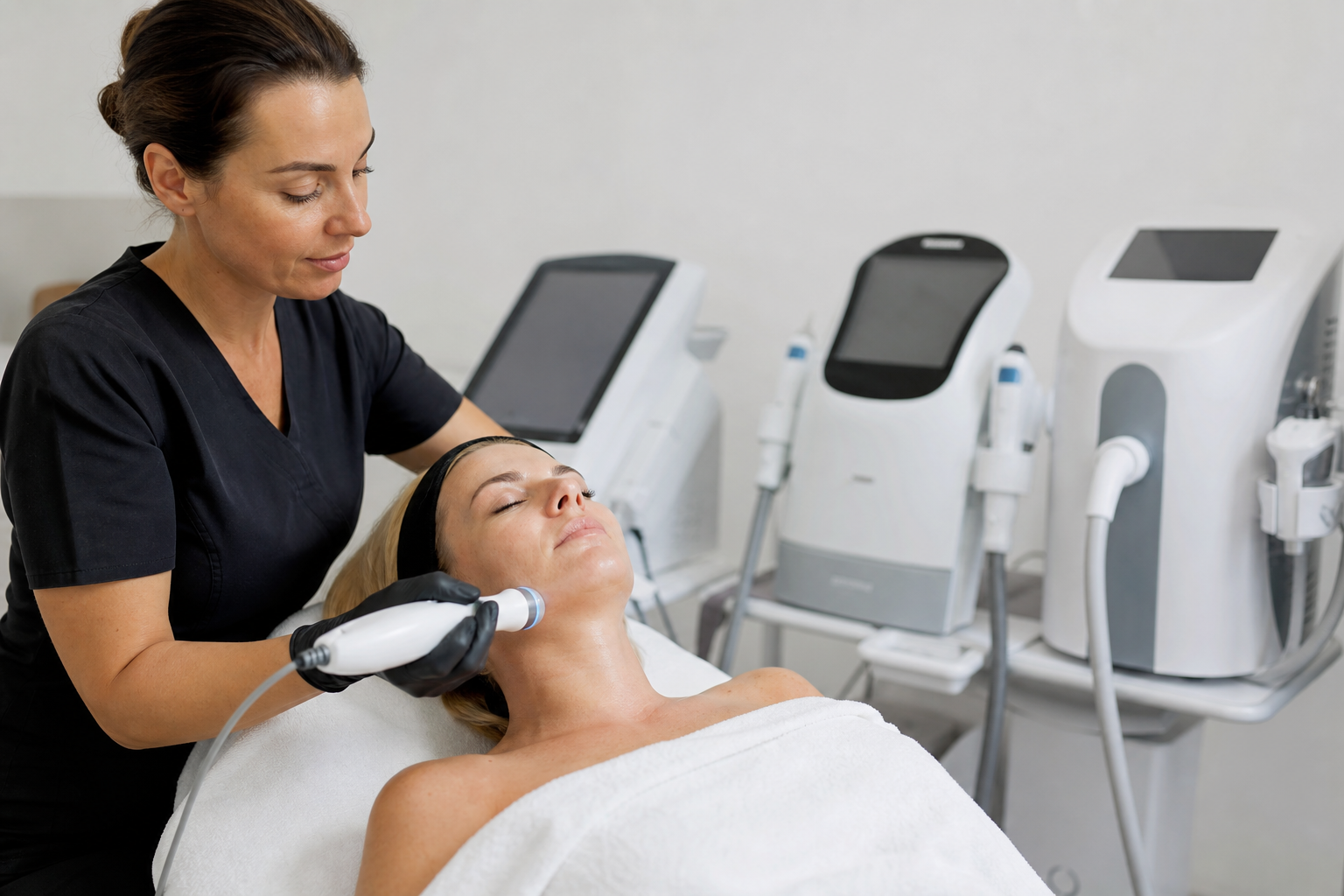
Non-Invasive RF Treatments involve the application of electrodes or a handheld device on the skin’s surface. This method delivers controlled heat to the deeper dermal layers without penetrating the skin, making it a painless and comfortable experience. Since it is non-invasive, the risk of side effects is minimal, and no anesthesia is typically required. Preparation focuses on skin hydration and avoiding factors that might impede energy conduction such as bronzers or heavy lotions.
Fractional RF Without Needles
RF Microneedling
Why Is Proper Preparation Critical Before Radiofrequency Skin Tightening?
While RF skin tightening is generally safe with minimal risks, adequate preparation significantly enhances treatment safety, comfort, and effectiveness. Preparation reduces the risk of complications such as burns, excessive redness, swelling, or delayed healing. It also ensures that the skin is in optimal condition to respond positively to the radiofrequency energy.
Proper preparation also shapes your overall experience. Being mindful of skin health prior to treatment, following pre-procedure guidelines, and communicating your medical history and medications with your practitioner helps tailor the approach to your unique needs. This communication prevents contraindications and allows for avoidance of unnecessary side effects.
Moreover, realistic expectations grounded on thorough understanding can reduce anxiety and foster satisfaction. Preparation is not merely logistical; it is foundational for the best aesthetic and health outcomes.
Key Preparation Steps Before Your RF Skin Tightening Treatment
Preparing for an RF skin tightening session involves a combination of skincare care, lifestyle adjustments, and medical considerations. Below are the most important actions to take in the days and weeks leading up to your appointment:
1. Avoid Sun Exposure and Tanning
UV radiation increases skin sensitivity and risk of irritation. It is advisable to avoid prolonged sun exposure, tanning beds, and self-tanners at least two weeks before treatment to reduce potential redness or pigment changes.
2. Discontinue Certain Medications and Products
If you are taking blood thinners, aspirin, non-steroidal anti-inflammatory drugs (NSAIDs), or supplements that increase bleeding risk (like fish oil, vitamin E), consult your healthcare provider about stopping these safely at least one week before treatment to minimize bruising. Also, avoid retinoids, alpha hydroxy acids, and exfoliating products for several days prior, as these can increase skin sensitivity.
3. Maintain Skin Hydration and Gentle Care
Use a gentle cleanser and moisturizer to keep your skin healthy and resilient. Avoid harsh scrubs or chemical peels immediately before treatment. Well-hydrated skin improves treatment comfort and outcomes.
4. Inform Your Practitioner About Your Medical History
Disclose any skin conditions (eczema, psoriasis, active infections), recent procedures, or allergies to your provider. This ensures the treatment plan is safe and customized.
5. Avoid Alcohol and Smoking
Alcohol can dehydrate skin and increase bleeding risk, while smoking slows healing. Refraining from these for at least 24–48 hours pre-treatment supports better skin condition and recovery.
6. Plan Your Schedule
Consider your social and professional calendar. While RF treatments typically have minimal downtime, mild redness or swelling may occur, especially after fractional or microneedling RF. Arranging your treatment around important events helps manage expectations.
What to Expect During Your RF Skin Tightening Procedure
Understanding the treatment process can alleviate anxieties and help you feel confident and prepared on the day of your appointment. RF skin tightening is generally straightforward and comfortable, but experiences vary depending on the type of RF used.
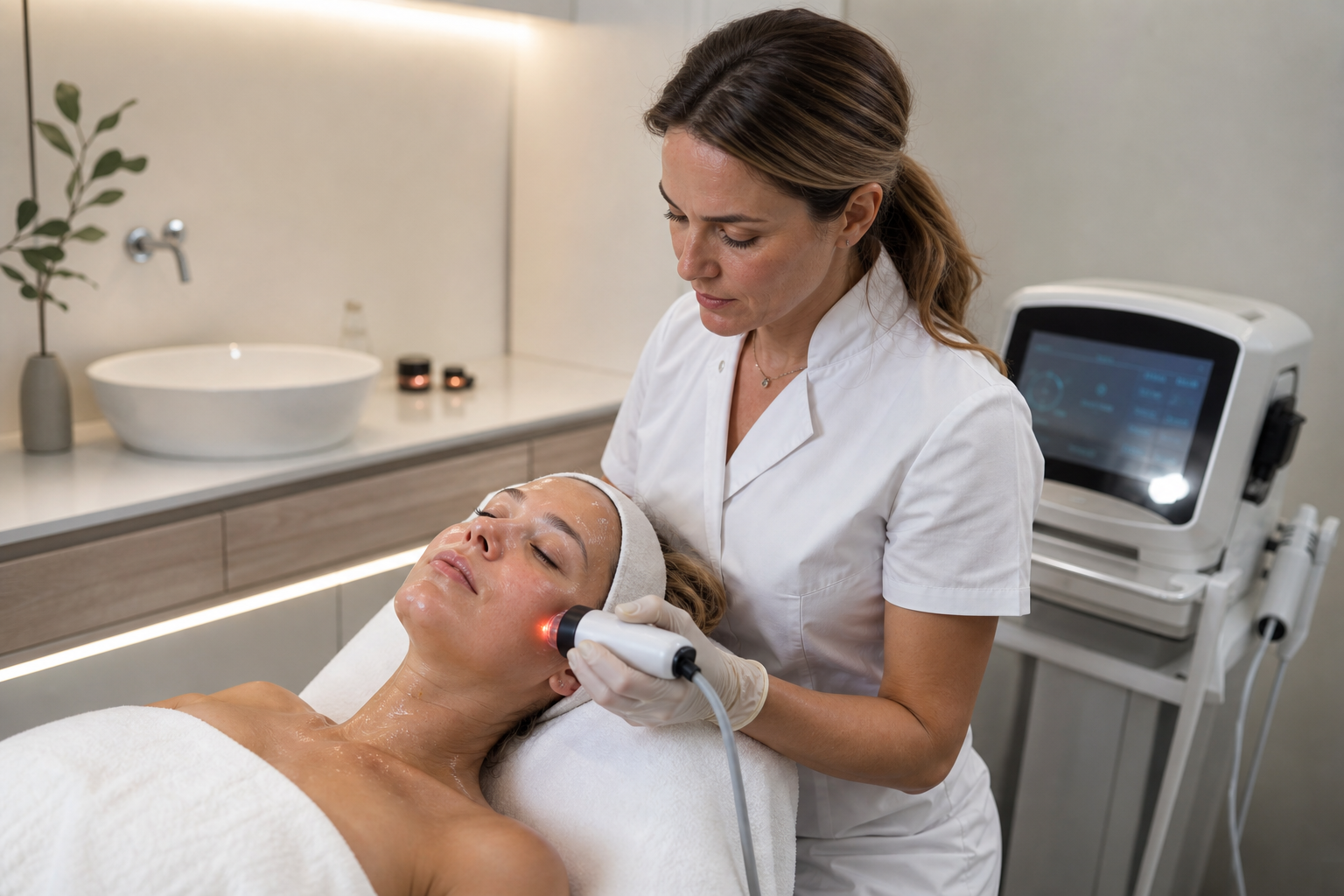
At the start, your skin will be cleansed thoroughly. For RF microneedling, a topical anesthetic may be applied 30 to 45 minutes before the procedure to reduce discomfort. Your practitioner will then glide the RF device over the treatment area, delivering controlled heat energy. Some devices incorporate cooling mechanisms to protect the skin surface.
The sensation is often described as a warm, sometimes prickly feeling. Most patients tolerate non-invasive and fractional RF treatments without pain, with only mild heat sensation. Microneedling RF may be slightly more uncomfortable but manageable with proper numbing.
Treatment duration depends on the size of the area but typically ranges from 20 to 60 minutes. After completing the session, the skin may appear flushed with slight swelling, but these effects usually subside within a few hours to a couple of days.
Post-Treatment Considerations and Recovery Expectations
Post-care plays a vital role in maximizing results and minimizing any transient side effects. Following basic guidelines will promote smooth recovery:
Protect Your Skin
Avoid direct sun exposure and apply broad-spectrum sunscreen diligently. Your skin will be more sensitive after treatment, and protection helps prevent pigmentation changes.
Hydrate and Nourish
Keep your skin moisturized using gentle, non-irritating products to support the healing process and maintain suppleness.
Avoid Irritants
For several days, refrain from exfoliants, retinoids, and strong active ingredients to prevent irritation. Avoid hot showers, sweating, and heavy exercise immediately after, especially with microneedling RF.
Monitor for Side Effects
Mild redness, swelling, or slight tenderness are common and usually resolve quickly. Contact your provider if you experience prolonged discomfort, blistering, or unusual symptoms.
Recovery time is minimal with non-invasive RF, allowing immediate return to routine activities. Fractional and microneedling RF may require a few days’ caution, depending on individual response.
Understanding the Expected Outcomes and Frequency of RF Treatments
Results from RF skin tightening are gradual and cumulative. Most patients notice improved skin texture and firmness within a few weeks as collagen production increases. Optimal effects typically appear 2 to 3 months post-treatment.
Multiple sessions are usually recommended, ranging from three to six treatments spaced 3 to 6 weeks apart, depending on the device and clinical goals. Maintenance sessions every 6 to 12 months can sustain and enhance results over time.
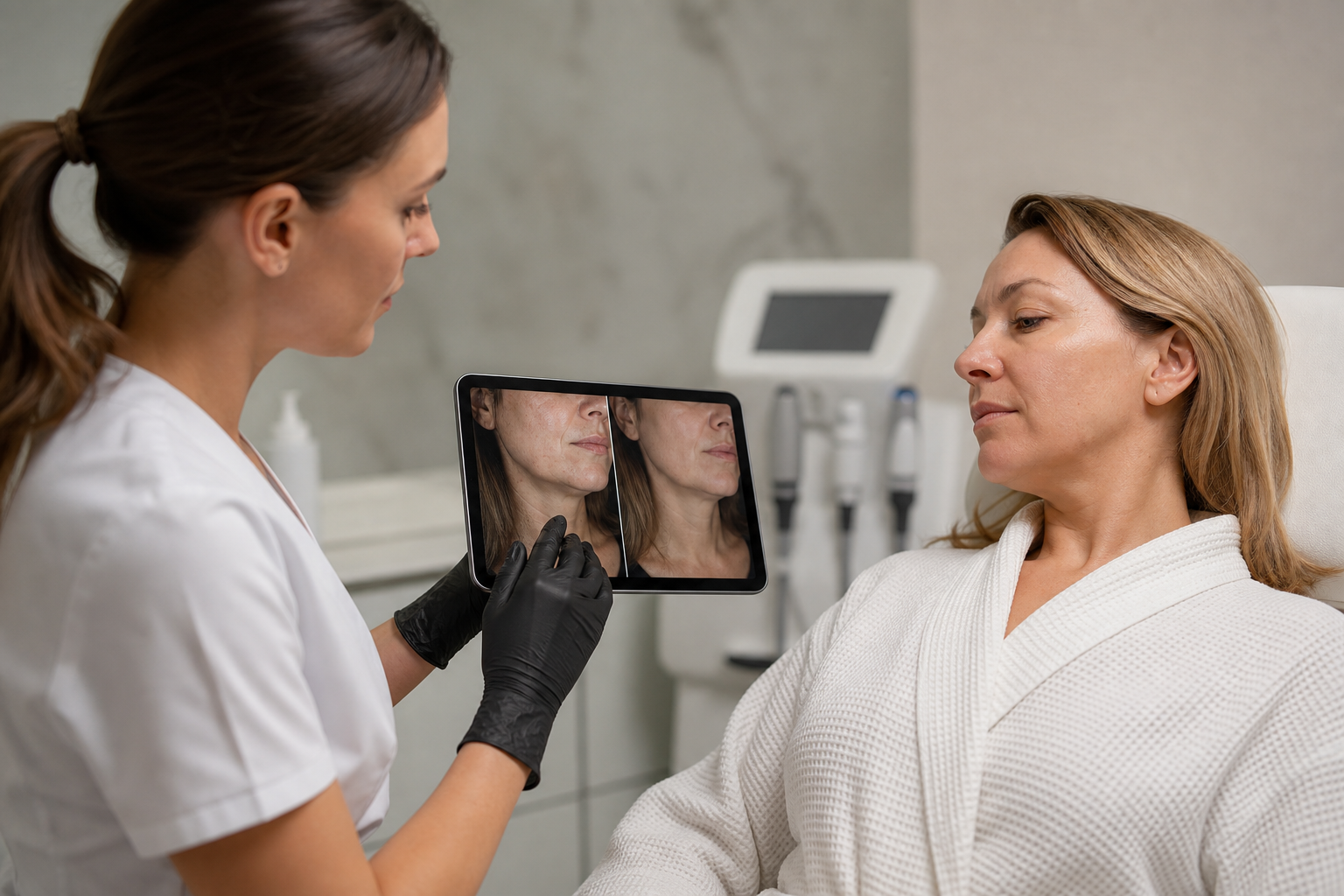
While RF skin tightening improves mild to moderate laxity, it is not an alternative to surgical lifting for severe sagging. Setting realistic expectations aligned with your practitioner’s assessment ensures satisfaction.
Common Questions and Concerns About RF Skin Tightening
Does RF treatment hurt? Most patients experience mild warmth or tingling but no significant pain. Microneedling RF may cause some discomfort that can be managed with numbing agents.
Is anesthesia needed? Non-invasive RF typically requires none. Microneedling RF often involves topical numbing to enhance comfort.
How long does an RF facial treatment take? Sessions generally last between 20 and 60 minutes depending on treatment area.
Are there side effects? Minor redness and swelling can occur but usually resolve within hours or a few days.
When can I resume normal activities? Immediate return to routine is often possible for non-invasive RF; fractional and microneedling RF may require a short recovery period.