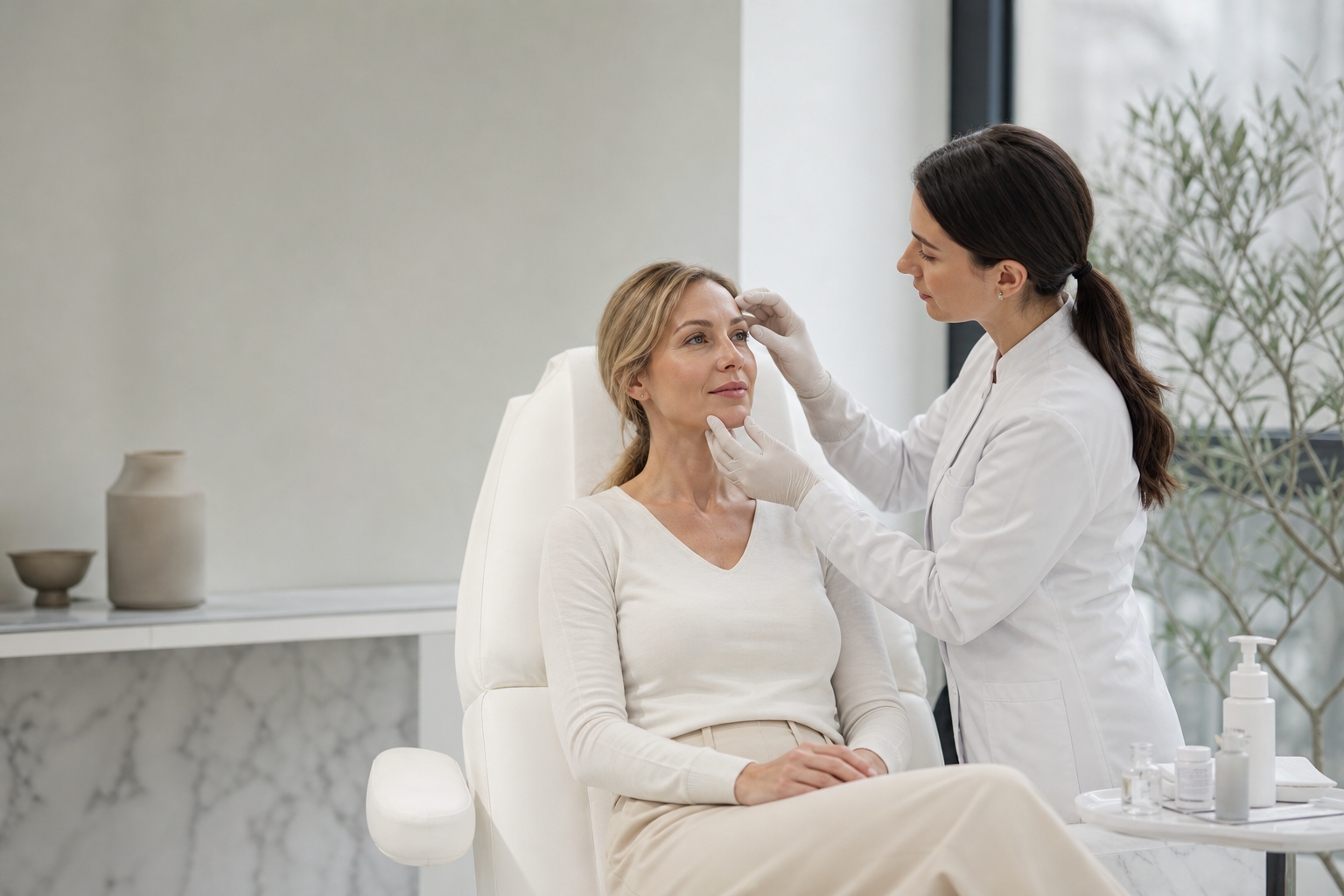
In the realm of modern aesthetic medicine, Botox has carved out a prominent position as a non-surgical treatment renowned for its ability to reduce the appearance of wrinkles and prevent their future formation. This injectable therapy, derived from botulinum toxin type A, serves not only to soften expression lines but also to provide a refreshed, youthful visage that boosts confidence and enhances patient satisfaction. However, a critical yet frequently overlooked aspect of achieving optimal outcomes with Botox lies in the timing of assessing its effects. Patients often fall into the common pitfall of prematurely judging the results immediately after treatment, a misstep that can cloud realistic expectations, impact satisfaction, and even influence the course of subsequent interventions.
This editorial aims to elucidate why it is essential not to evaluate Botox results too early. Intended for both prospective patients and aesthetic practitioners, this discourse delves into the underlying pharmacological mechanisms of Botox, realistic timelines for onset and peak efficacy, best practices for evaluating outcomes, and the importance of patient education and specialist consultation. By comprehending these facets, individuals can cultivate a balanced understanding of what to expect from Botox treatments, thereby fostering more positive experiences and informed decisions.
Given Botox’s extensive utilization within advanced aesthetic treatments, particularly in the domain of wrinkle smoothing and facial contour enhancement, the precision in timing for result appraisal is as critical as the administration itself. Recognizing this allows practitioners to guide patients appropriately, manage expectations effectively, and optimize treatment plans tailored to individual physiological responses.
Understanding the Mechanism Behind Botox and Its Time-Dependent Effects
Botox operates on the fundamental principle of neuromuscular blockade. It contains botulinum toxin type A, a highly purified neurotoxin that temporarily inhibits the release of acetylcholine at the neuromuscular junction. This inhibition prevents muscle contraction in the areas injected, leading to muscle relaxation beneath the skin. Because many wrinkles—particularly dynamic wrinkles such as frown lines, crow’s feet, and forehead lines—result from repetitive muscle contractions, reducing this muscular activity softens the overlying skin, smoothing out the wrinkles.
However, this mechanism is not instantaneous. After Botox is injected, the neurotoxin molecules bind to nerve endings but require time to internalize, disrupt neurotransmitter release, and achieve significant muscle relaxation. Typically, patients may start noticing subtle changes within 2 to 3 days post-treatment. The gradual nature of this process means that the full therapeutic effect is often not realized until approximately 10 to 14 days after injection. Hence, assessing the treatment effects too early—such as within the first few days—will not reliably reflect the final outcome and may lead to premature dissatisfaction or unnecessary corrective procedures.
Variation in onset and maximal response can be influenced by factors such as individual metabolism, muscle mass, injection technique, and dosage administered. Some patients may experience a slightly earlier or delayed onset of action, while others might notice the peak effect in a slightly shorter or longer timeframe than average. Understanding this variability underscores the importance of patience and tailored follow-up schedules in the post-Botox treatment phase.
Establishing Realistic Expectations Through Informed Evaluation Practices
One of the most important aspects of patient satisfaction following Botox treatments is setting and maintaining realistic expectations regarding outcomes and timelines. When patients comprehend that visible improvements evolve progressively rather than instantaneously, they are more prepared to observe and appreciate subtle transformations over time rather than expecting drastic changes overnight.
Professionals advise that the initial formal evaluation of Botox efficacy should ideally occur no sooner than two weeks following the injection session. This timeframe allows the neurotoxin to exert its full effect across targeted muscle groups, let transient post-injection swelling or bruising subside, and produce a stable baseline from which both practitioner and patient can discuss the results.
Moreover, evaluating Botox effects should be conducted in a controlled manner. Consistency in photographic documentation, for instance, is paramount to objectively monitor changes. Photographs should be taken under identical lighting conditions, at the same angle, with a neutral facial expression and, ideally, at the same distance from the camera. This controlled approach helps eliminate biases that may arise from variations in environmental or expressive factors and provides both parties with clear visual evidence of progress.
It is equally vital for practitioners to communicate the limitations inherent to Botox treatments. While Botox is highly effective for dynamic wrinkles caused by muscle activity, it does not exert the same impact on static wrinkles rooted in deeper dermal or structural changes. Patients should understand that deeper lines caused by aging, sun damage, or gravity might require adjunctive therapies, such as dermal fillers or skin resurfacing, for enhanced results.
The Crucial Role of Patient Education and Partnership in the Treatment Journey
Educating patients thoroughly about Botox’s mechanism, timeline, and realistic outcomes is central to fostering a collaborative relationship between clinician and client. When patients are informed that the results develop progressively, they are less likely to feel anxious or disappointed during the initial waiting period and more inclined to adhere to scheduled follow-ups and aftercare instructions.
An informed patient can also better discern when an outcome deviates from expectations due to suboptimal response or complications rather than normal variations. For example, should there be asymmetry in muscle relaxation, excessive weakness leading to unnatural expressions, or lack of noticeable improvement by two weeks, they are empowered to seek timely professional advice rather than resorting to self-adjustments or premature re-intervention.
This proactive communication strengthens trust and optimizes treatment satisfaction. Patients who feel supported and guided are more likely to continue with maintenance treatments as part of a long-term aesthetic strategy rather than abandoning therapy due to misunderstood early judgments.
Safety Considerations and the Importance of Certified Specialist Consultation
The safety profile of Botox is well-established when administered properly by qualified healthcare professionals with comprehensive training in facial anatomy and injection techniques. However, inappropriate dosing, incorrect injection sites, or rushed assessments that prompt unnecessary touch-ups can increase the risk of adverse effects, including bruising, ptosis (drooping of the eyelid), or distorted facial expression.
Early dissatisfaction that leads to unsanctioned top-up injections heightens these risks by cumulatively increasing toxin exposure without allowing the initial dose to fully take effect. This misstep frequently arises from impatience or misinformation regarding the treatment timeline.
Therefore, consultations with certified specialists who follow evidence-based protocols and endorse conservative, patient-specific treatment plans are essential. Expert providers not only execute the injections meticulously but also guide patients through post-treatment expectations, timing for result evaluation, and steps to take in case of unexpected outcomes. Prompt professional intervention is critical if any complications arise or if the result after two weeks diverges significantly from the anticipated outcome.
Patience as a Pillar for Achieving Lasting and Natural-Looking Botox Results
In aesthetic medicine, patience is as vital as precision. Giving Botox the necessary time to manifest its full effect respects the biological processes at play and honors the individuality of patient responses. This mindful approach encourages a gradual unveiling of improved contours and relaxed muscles, culminating in a natural yet visibly rejuvenated appearance that does not compromise expressive authenticity.
Moreover, recognizing the enduring nature of Botox results requires an understanding that maintaining smooth, youthful skin involves periodic treatments spaced at scientifically recommended intervals. Results commonly last three to four months depending on the individual, after which muscle activity resumes and wrinkles may reemerge. Promptly scheduling maintenance sessions within optimal timeframes preserves aesthetic gains and prevents deepening of wrinkles.
Patients with realistic expectations and willingness to embrace a consistent treatment rhythm tend to experience higher satisfaction, less disappointment, and fewer complications. The narrative of Botox is not about instant perfection but steady enhancement achieved through a partnership built on transparency, knowledge, and respect for time.


