Visible facial capillaries, often recognized as fine reddish or purple lines under the skin, can significantly affect the appearance and confidence of many individuals. These tiny blood vessels, technically known as telangiectasias, are most commonly visible on sensitive areas of the face such as the nose, cheeks, and chin. While generally harmless in a medical sense, their prominence can indicate underlying skin conditions or simply result from factors related to lifestyle, genetics, or environmental exposure. Understanding the nature of visible facial capillaries, their causes, and the available treatment options is essential not only for those seeking cosmetic improvement but also for individuals aiming to maintain healthy skin and prevent further vascular issues.
Facial capillaries differ from larger leg veins in size, location, and treatment methodology, making specialized approaches necessary for their effective management. For anyone frustrated by persistent redness, dilated vessels, or the gradual increase in facial flushing, exploring the reasons behind visible capillaries and the emerging laser and light-based therapies provides clear avenues towards clearer and more even skin. This in-depth editorial presents a comprehensive examination tailored to readers curious about the etiology of facial capillaries and those considering professional treatments to mitigate their visibility.
Whether you are someone noticing early signs of telangiectasias, a skincare enthusiast looking for evidence-based options, or a patient contemplating vascular laser treatments, the following insights outline causes, distinguish visible facial vessels from other vascular concerns, and explain how modern interventions work to restore confidence and skin uniformity without invasive procedures.
What Are Visible Facial Capillaries and Why Do They Matter?
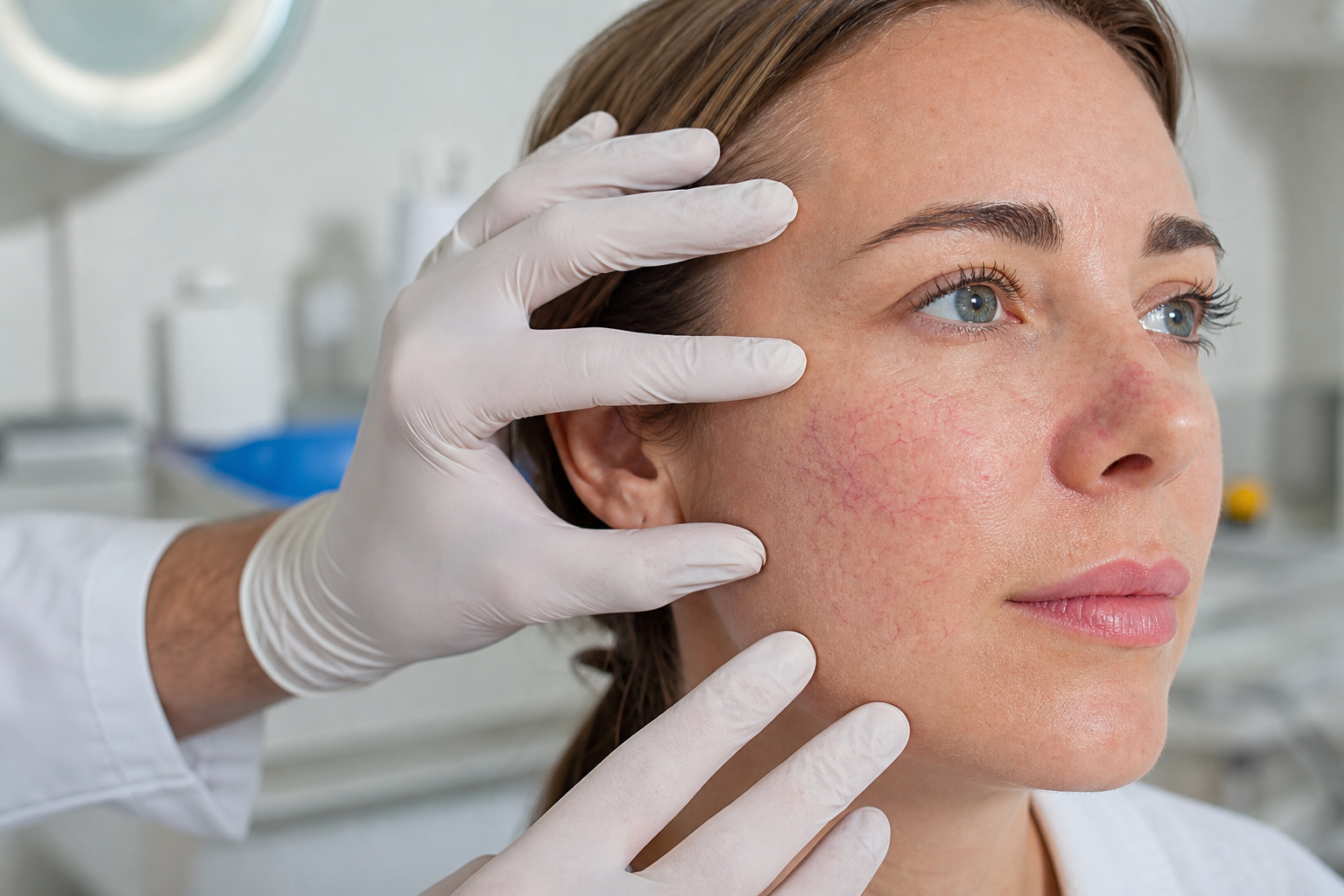
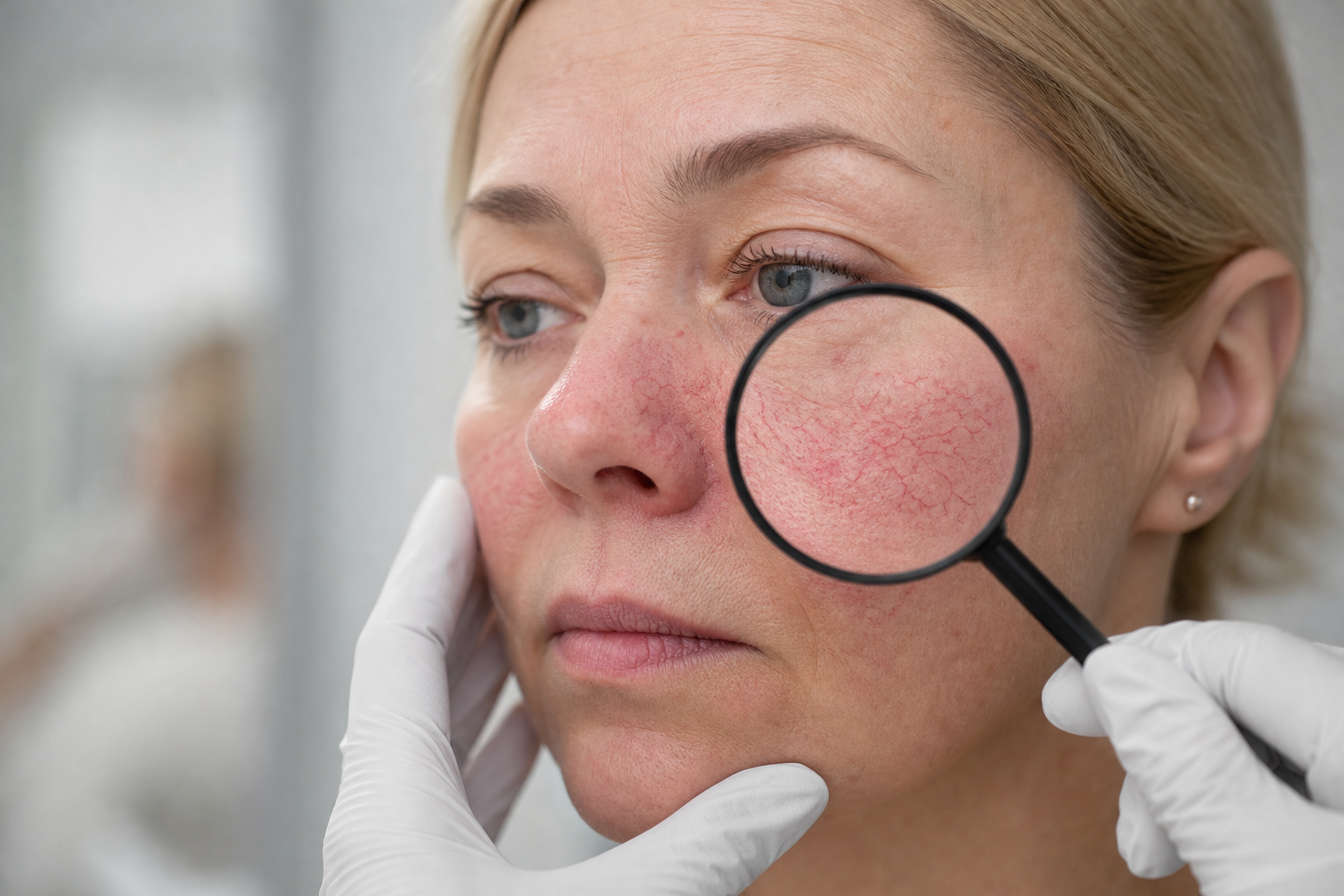
Visible facial capillaries are small, dilated blood vessels that become apparent just beneath the surface of the skin, manifesting as fine red, blue, or purple lines. Known medically as telangiectasias, these vessels can resemble spider veins but are much finer and typically grouped in clusters that create a characteristic pattern. They most often appear on the nose, cheeks, chin, and sometimes around the eyes, contributing to a flushed or ruddy complexion.
Understanding why these capillaries become visible is critical because their presence can signal underlying concerns such as rosacea, sun damage, or other vascular conditions. For many, the issue is primarily cosmetic, impacting self-esteem and social interactions. Furthermore, untreated visible capillaries may worsen over time, increasing in number and visibility.
Addressing visible facial capillaries goes beyond simple aesthetic improvement—it involves identifying the precipitating factors and choosing targeted therapies that reduce redness and vessel prominence without compromising the skin’s health. This matter is important for anyone who wishes to achieve a balanced skin tone and prevent complications linked to chronic vascular dilation.
Why Do Capillaries Appear on the Face? Common Causes and Triggers
The appearance of facial capillaries results from a complex interplay of intrinsic and extrinsic factors. Intrinsic factors include genetics, skin type, and the presence of chronic skin conditions, while extrinsic contributors range from environmental exposures to lifestyle habits.
One prevalent cause is hereditary predisposition. Individuals with fair skin, particularly those of Celtic or Northern European descent, are more prone to develop visible capillaries owing to thinner skin and fragile blood vessels. This vulnerability means minor irritations can trigger vessel dilation and rupture.
Chronic sun exposure is another significant cause, as ultraviolet radiation breaks down collagen and elastin fibers supporting the capillary walls, leading to their weakening and subsequent enlargement. Ultraviolet damage also induces inflammatory responses, further exacerbating vessel visibility.
Rosacea, a common inflammatory skin condition, is closely associated with facial telangiectasias. Persistent facial redness, outbreaks of papules and pustules, and sensitive skin often coincide with visible capillaries. The exact cause of rosacea is multifactorial, involving immune dysregulation, microbial factors, and environmental triggers such as heat, spicy foods, and alcohol.
Additional triggers include sudden temperature changes, harsh skincare products, alcohol consumption, smoking, and hormonal fluctuations. These factors cause repeated vasodilation that weakens vessel walls. Physical trauma and conditions like fragile capillary membranes in systemic diseases can also be involved.
Understanding Telangiectasias: How Do They Appear and Differ from Other Vascular Lesions?
Telangiectasias are characterized by permanent dilation of small blood vessels near the skin surface, leading to visible red or purple lines usually measuring 0.1 to 1 millimeter in diameter. They may be linear, branching, or spider-web-like in shape.
Unlike larger varicose veins, which commonly affect the legs and are bulging and rope-like, telangiectasias remain flat against the skin. They differ from bruises or petechiae, as these involve bleeding or sudden capillary disruption, while telangiectasias reflect a chronic vascular dilation.
On the face, telangiectasias most frequently manifest on the cheeks, nose, chin, and occasionally forehead. They appear as grouped vessels and may become more noticeable with flushing or heat exposure. Facial telangiectasias often accompany redness and are a hallmark sign of rosacea subtype 1.
It is essential to distinguish between idiopathic telangiectasias and those secondary to systemic disease or medications. For example, liver disease can cause spider angiomas—a subtype of telangiectasia with a central feeding vessel. Precise identification guides appropriate treatment choices.
Nose Capillaries: What Causes Them and How Are They Treated?
Capillaries on the nose are commonly among the earliest facial vessels to become visible due to the nose’s high vascularity and central location. The skin here is relatively thin, and frequent exposure to environmental elements can aggravate capillary dilation.
Causes specific to nose capillaries include repeated flushing induced by temperature fluctuations, alcoholic beverage consumption, or spicy foods. Structural differences in nasal vasculature may predispose some individuals to this condition. Additionally, inflammatory skin conditions such as rosacea often target the nose, exacerbating visible capillaries.
Treatment approaches for nose capillaries have evolved significantly. Non-invasive options such as gentle skincare, sun protection, and trigger avoidance form the foundational management. For persistent or pronounced vessels, vascular laser therapy offers effective closure by selective photothermolysis—targeting hemoglobin to coagulate and collapse the vessel without damaging surrounding tissue.
Clinicians often employ pulsed dye lasers or intense pulsed light (IPL) devices tailored to the precise vascular characteristics of nose capillaries. Multiple sessions may be required for comprehensive clearance. Post-treatment, vessels themselves close and fade, but new ones may appear due to underlying predisposition, emphasizing the need for maintenance and preventive strategies.
Cheek Capillaries: Possible Causes and Treatment Modalities
Visible capillaries on the cheeks are among the most common complaints in vascular skin concerns, often giving a blotchy, uneven complexion. The reasons include photoaging from ultraviolet radiation, chronic inflammatory conditions such as rosacea, and skin trauma from aggressive exfoliation or harsh topical agents.
Additional contributors include wind exposure and cold weather, which induce recurrent vasodilation episodes leading to vessel fragility. Psychological stress and emotional triggers can also cause temporary but repetitive capillary expansion resulting in telangiectasias with prolonged exposure.
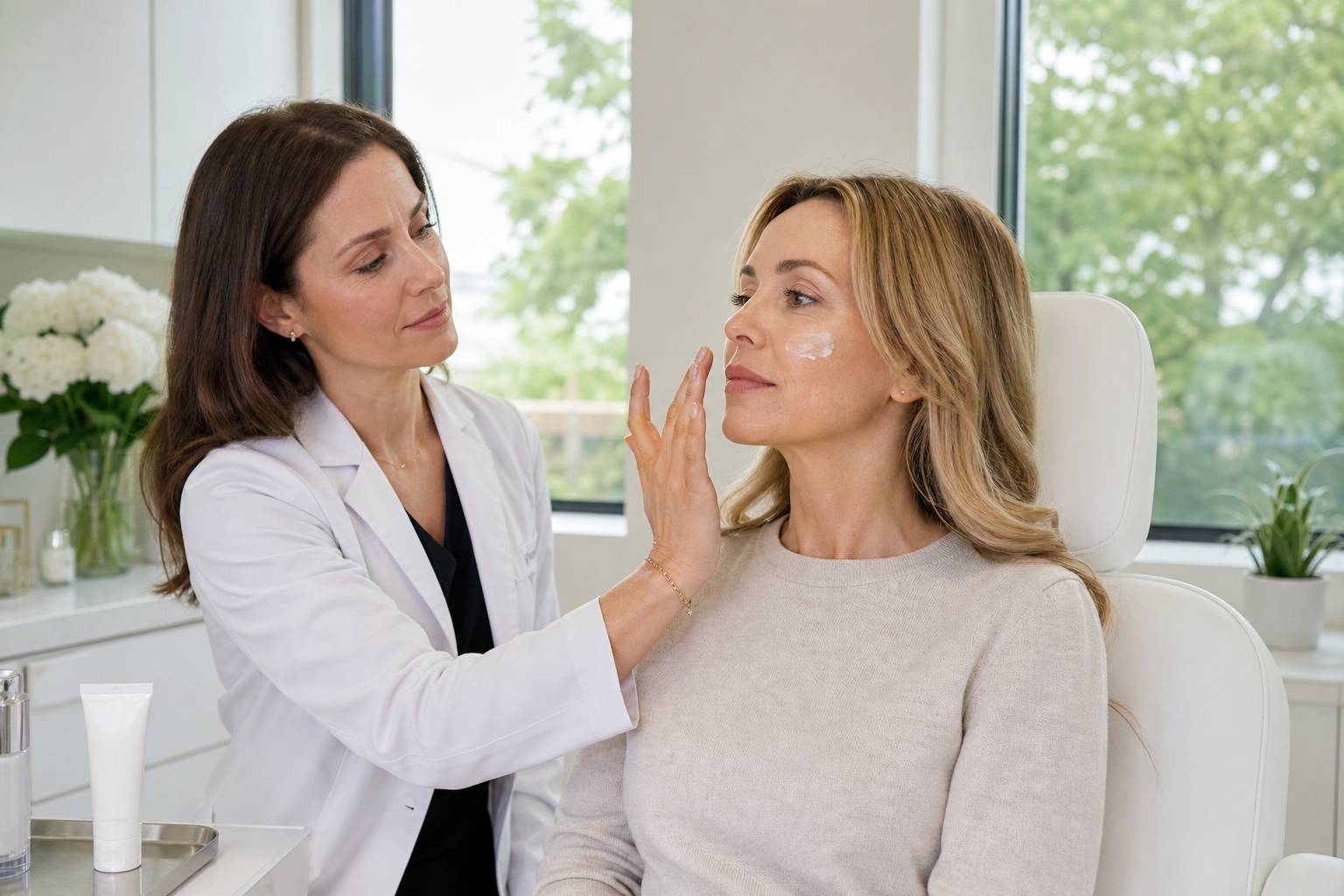
Treatment options for cheek capillaries extend beyond laser therapies to include topical agents with anti-inflammatory and vascular strengthening properties. Ingredients like niacinamide and vitamin K may reduce redness.
Vascular laser treatments, including the 532 nm KTP laser and IPL, are highly effective in treating cheek telangiectasias. These devices selectively target hemoglobin, causing vessel closure. Treatments are typically well-tolerated, with minimal downtime, and improve skin texture and tone when combined with photoprotective regimes.
Capillaries Around the Nose: Laser, IPL, or Other Treatments?
When deciding between laser, IPL, or other therapies for capillaries around the nose, it is important to consider vessel size, skin type, and patient preferences. Laser treatments provide a highly focused beam targeting specific vessels, often resulting in quicker clearance in fewer sessions.
IPL devices emit a broad spectrum of light wavelengths, enabling treatment of a wider area with simultaneous benefit for diffuse redness, pigmentation irregularities, and skin texture improvement. However, IPL may require multiple sessions for optimal results and is generally better suited for lighter skin tones to minimize the risk of side effects.
Other treatment methods include sclerotherapy, traditionally used for leg veins but rarely for facial capillaries due to risk of skin necrosis. Emerging therapies such as topical vasoconstrictors and vascular-specific pharmacological agents remain under investigation but currently supplement rather than replace procedural interventions.
In clinical practice, many dermatologists combine laser and IPL treatments individualized to patient needs, ensuring safety and efficacy. The choice depends on vessel characteristics, treatment goals, and tolerance for recovery periods.
Chin Capillaries: When Should You Consult a Dermatologist?
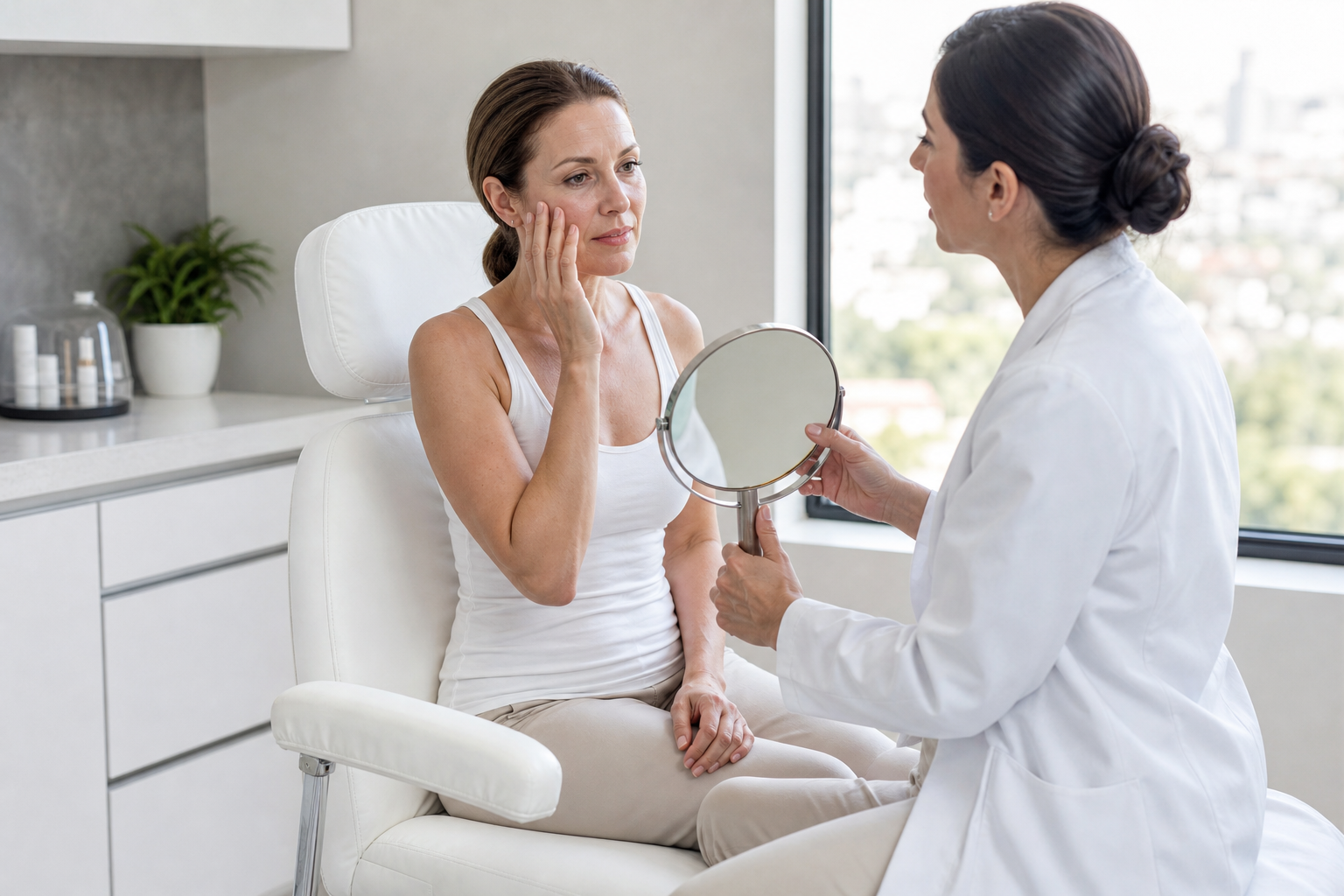
Visible capillaries on the chin may be subtle initially but tend to increase over time. Patients should consult a dermatologist if these vessels are accompanied by persistent redness, inflammation, or if significant cosmetic concerns arise.
Medical evaluation is also necessary to distinguish benign telangiectasias from other vascular anomalies or skin disorders requiring specialized treatment. Additionally, the presence of multiple facial capillaries, including on the chin, may suggest rosacea or systemic conditions warranting comprehensive management.
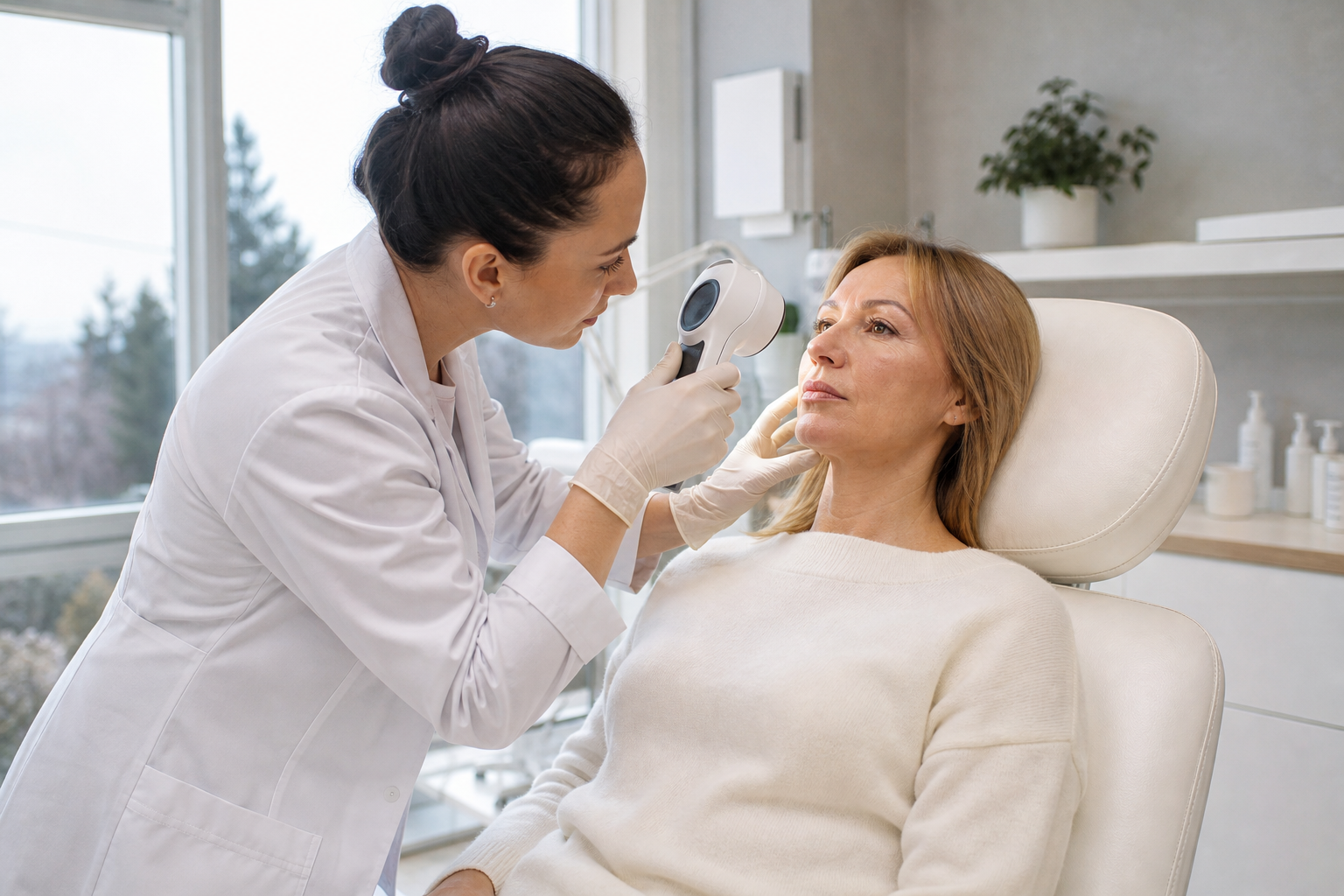
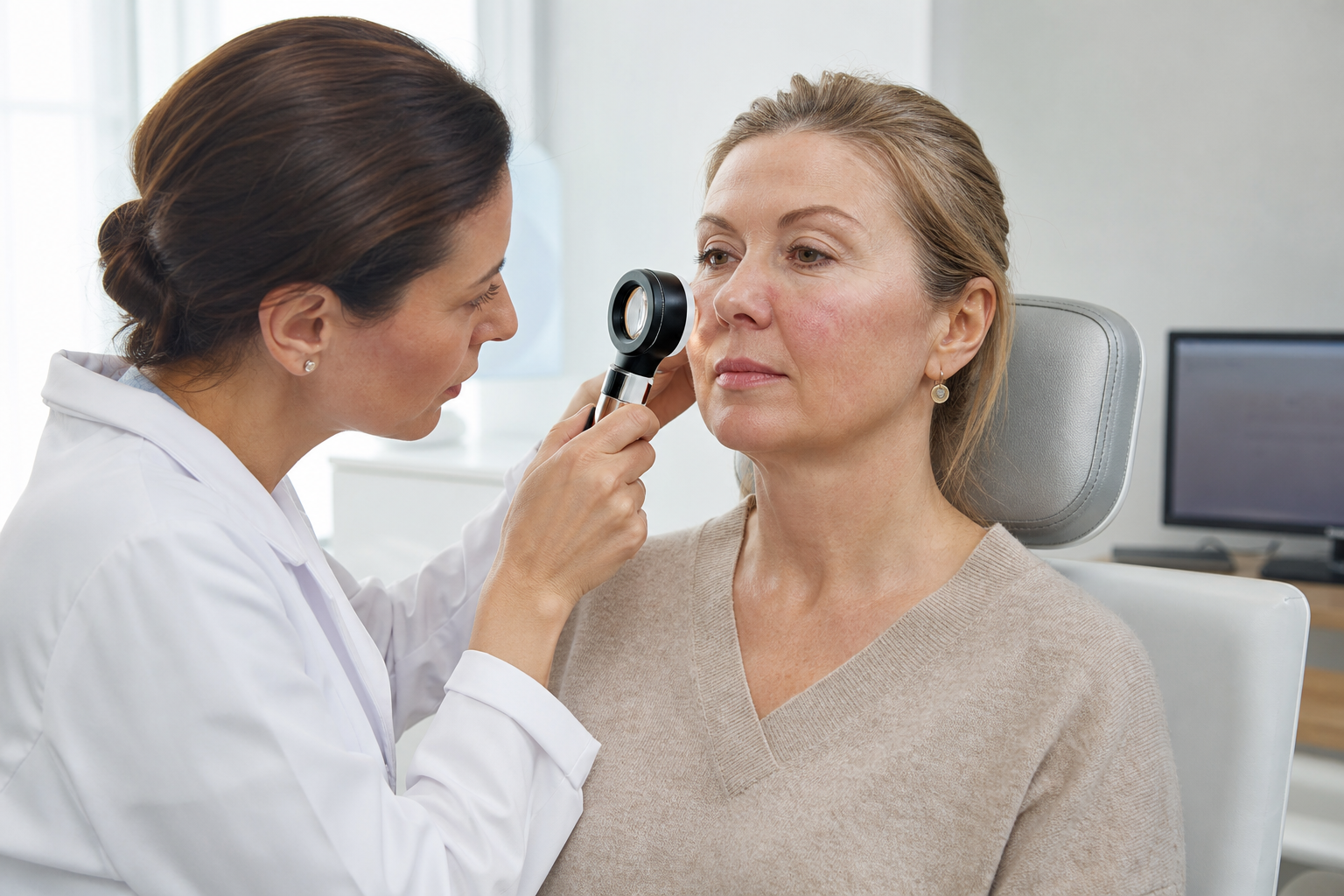
A dermatologist can offer accurate diagnosis, recommend the appropriate laser or light therapies, and provide individualized care plans. Early consultation optimizes treatment outcomes and prevents progression. Moreover, advice on skincare routines and lifestyle modifications specific to chin capillaries can be invaluable in controlling flares and preventing new vessel formation.
Leg Capillaries: Do They Require the Same Treatments as Facial Capillaries?
Leg capillaries, commonly called spider veins, differ notably from facial capillaries in size, depth, and underlying pathology. They tend to be larger, more prevalent in the lower extremities due to gravitational effects, and often associated with venous insufficiency—a condition requiring distinct treatment considerations.
While some laser devices can treat both facial and leg capillaries, the parameters, wavelengths, and techniques differ. For legs, longer wavelengths capable of penetrating deeper tissues are typically used, and sclerotherapy remains a standard approach. In contrast, facial capillaries respond well to shorter wavelength lasers and IPL with superficial penetration.
Patients should not assume that treatments recommended for facial capillaries will automatically suit leg veins. Professional vascular assessment guides suitable therapies, ensuring efficacy and minimizing risks.
How Does Laser Treatment for Visible Vessels and Redness Work? A Complete Guide
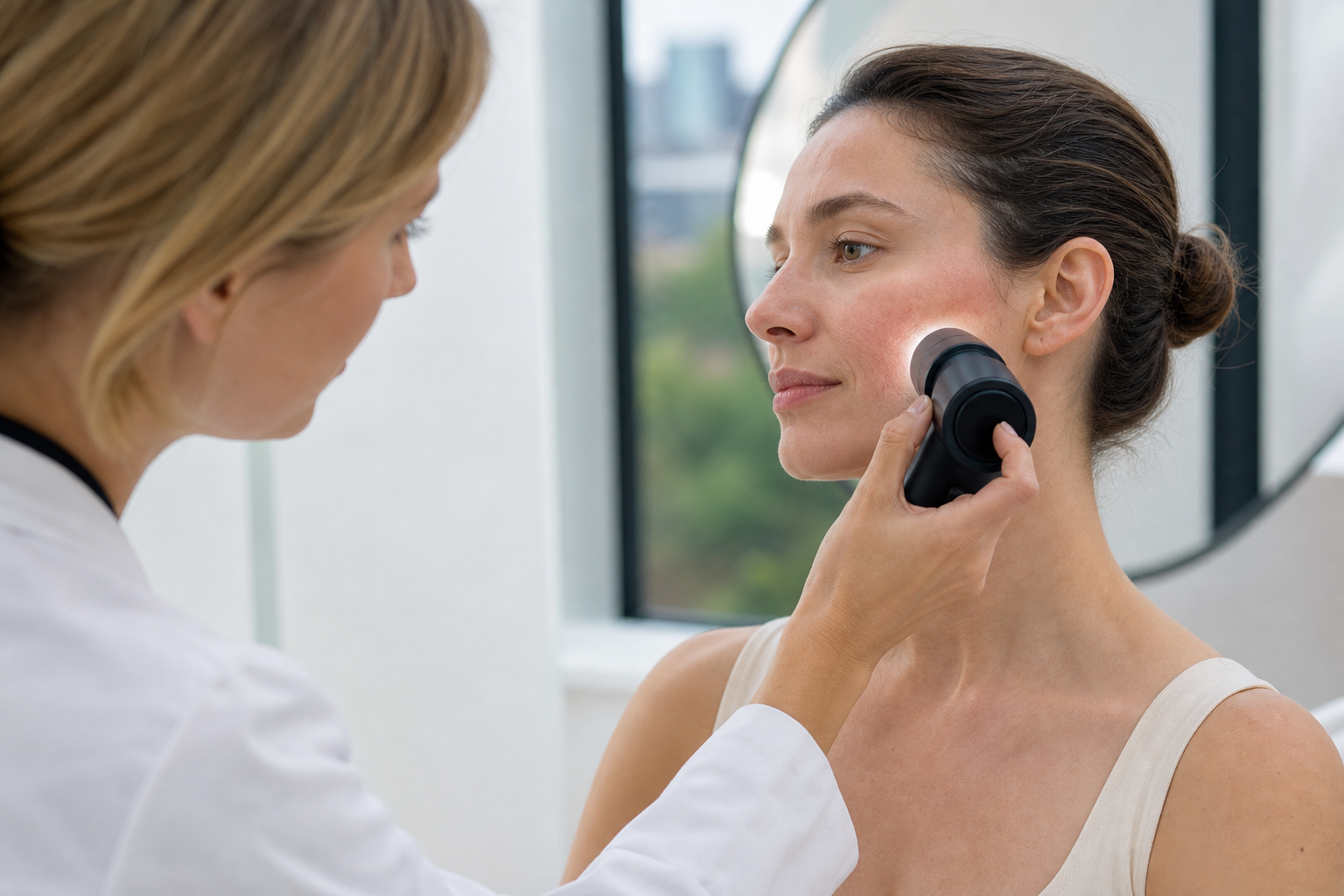
Laser treatment for visible facial vessels and redness operates on the principle of selective photothermolysis, wherein specific wavelengths of light target hemoglobin within the capillaries, generating heat that coagulates the blood and damages the vessel walls. This process results in vessel closure, absorption, and eventual disappearance under the skin’s surface.
Different types of lasers serve this purpose, such as pulsed dye lasers, KTP lasers, and Nd:YAG lasers, each with varying penetration depths and target specificity. IPL devices also serve to treat superficial blood vessels along with diffuse redness and pigmentation.
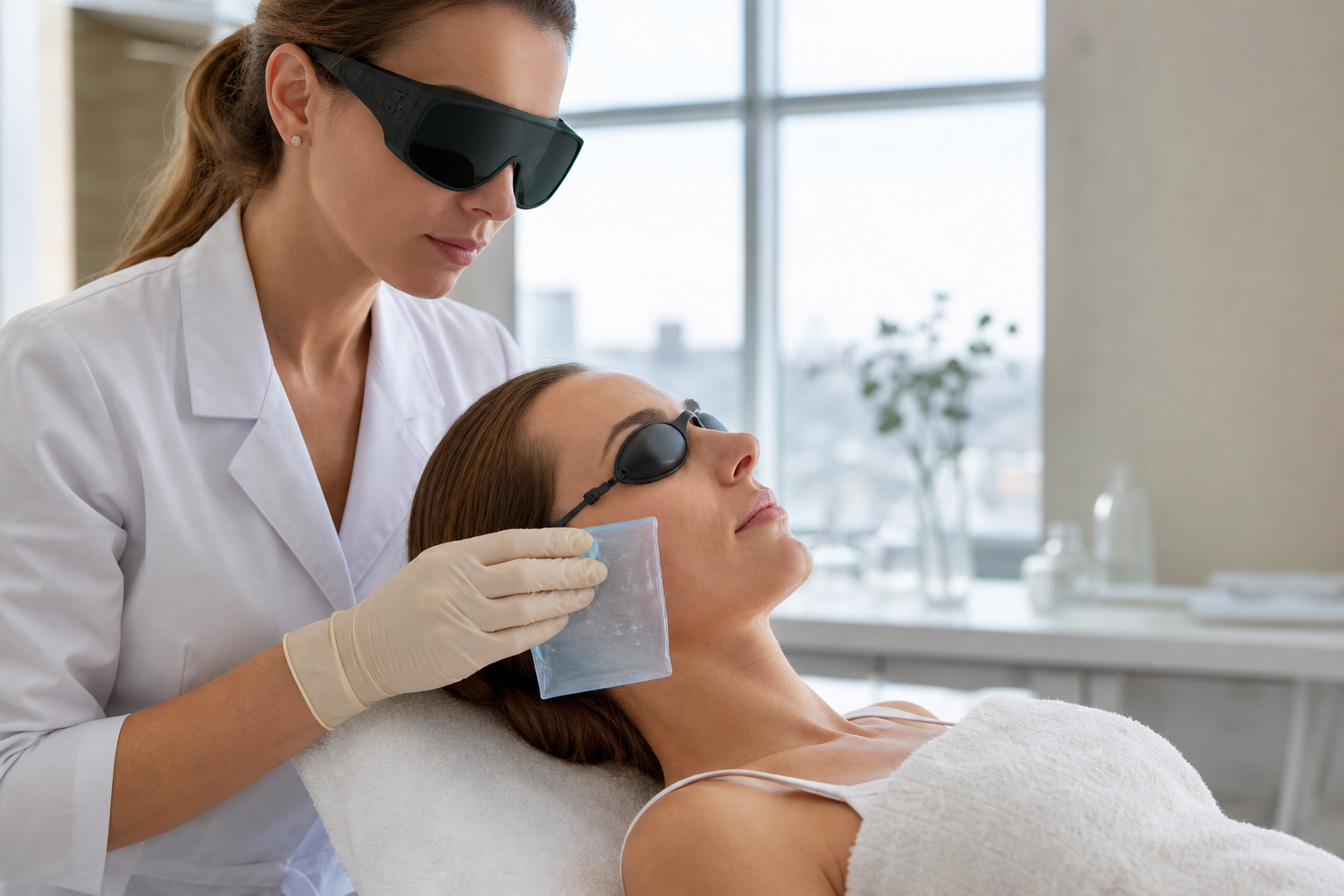
The procedure is minimally invasive, typically causing mild discomfort akin to a rubber band snap. Protective cooling is often applied to enhance patient comfort and safeguard the epidermis. Multiple sessions spaced weeks apart are usually necessary to treat all affected vessels fully.
Post-treatment care involves sun avoidance, skin hydration, and monitoring for transient bruising or swelling. Most patients observe significant improvement in redness and vessel appearance, with lasting effects when combined with trigger management.
Predisposition to New Vessels and Vessel Closure After Treatment
While laser and light-based treatments effectively close visible vessels, they do not eliminate the underlying predisposition for new capillaries to form. Genetics, ongoing environmental exposure, and lifestyle habits continue to influence vascular integrity.
Patients may notice fading of treated vessels within weeks, but emerging capillaries can occur if aggravating factors persist. Therefore, maintenance treatments and preventive measures such as strict photoprotection, gentle skincare, and avoidance of known triggers are essential components of long-term management.
Regular follow-up with a dermatologist can help monitor skin changes and schedule touch-up sessions if needed. Emphasizing vascular health and skin barrier support fosters clearer complexion and reduces the risk of extensive telangiectasia development.