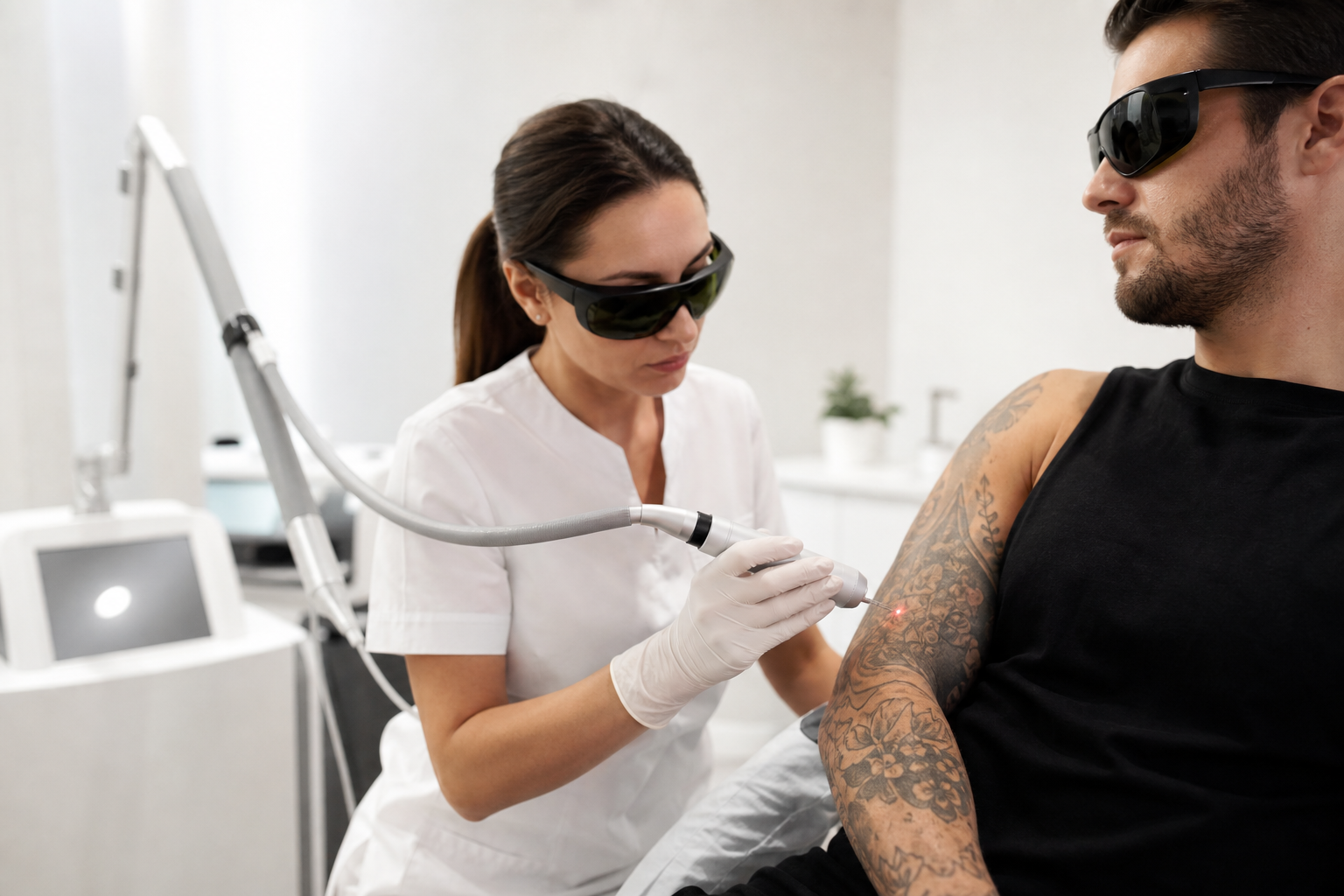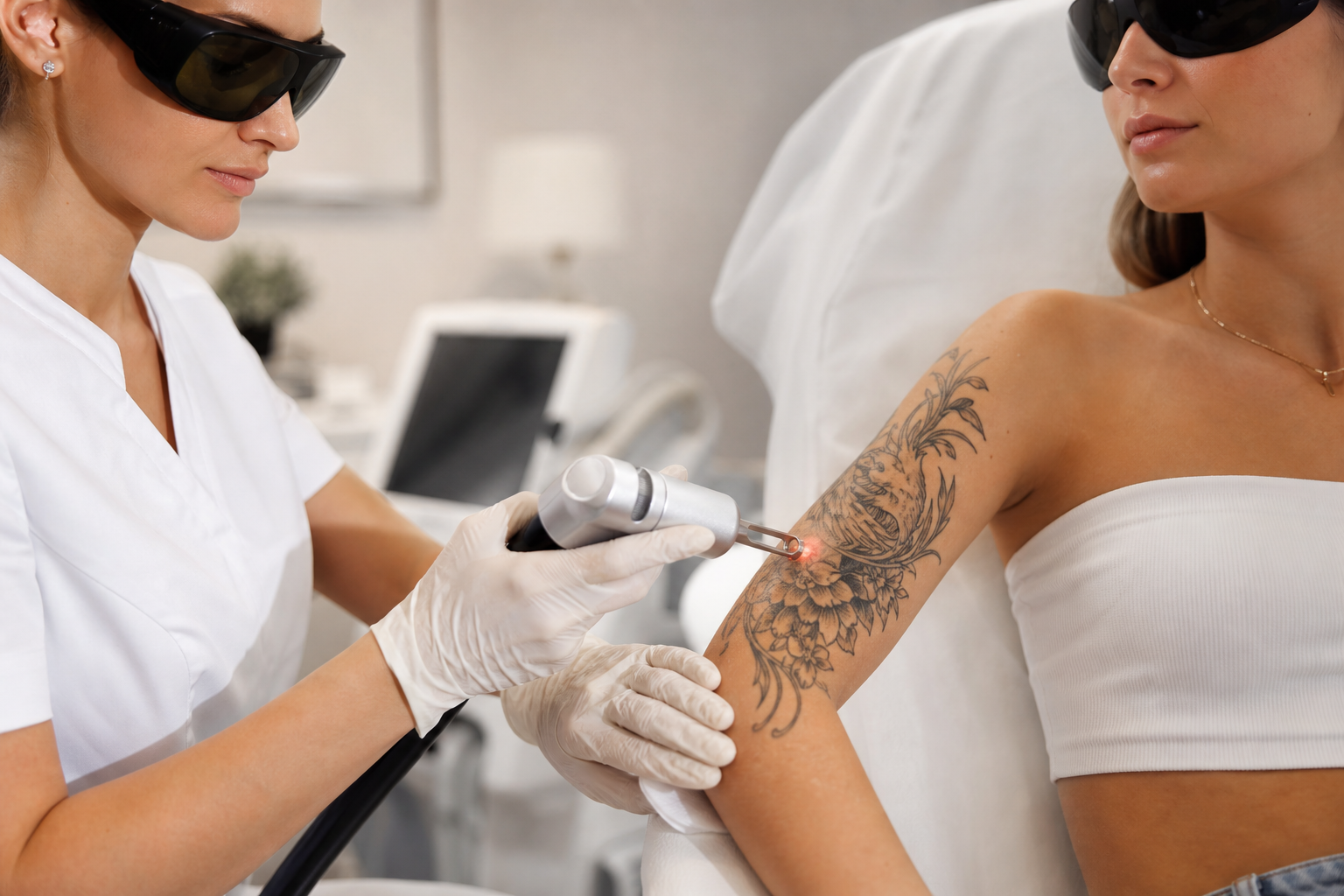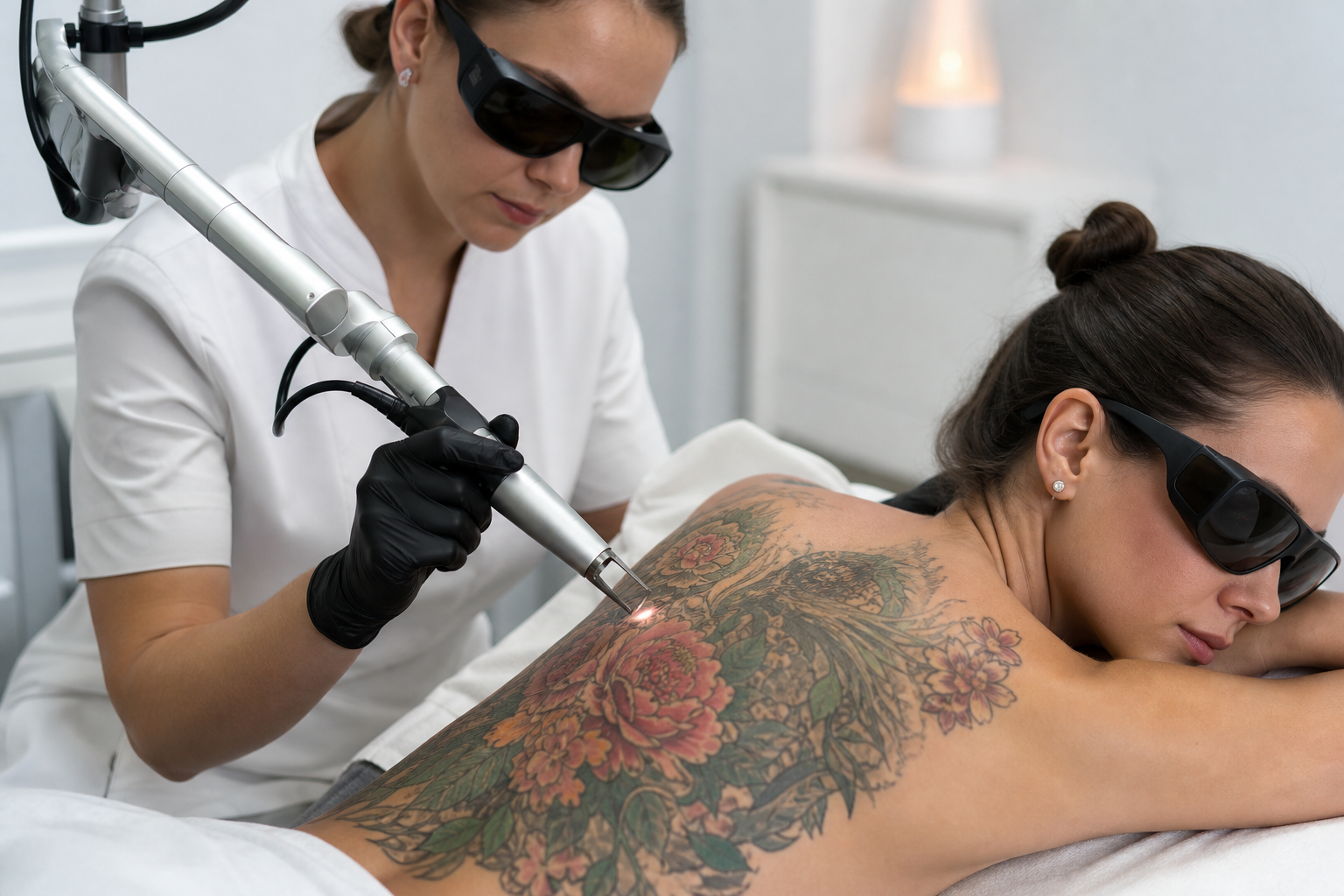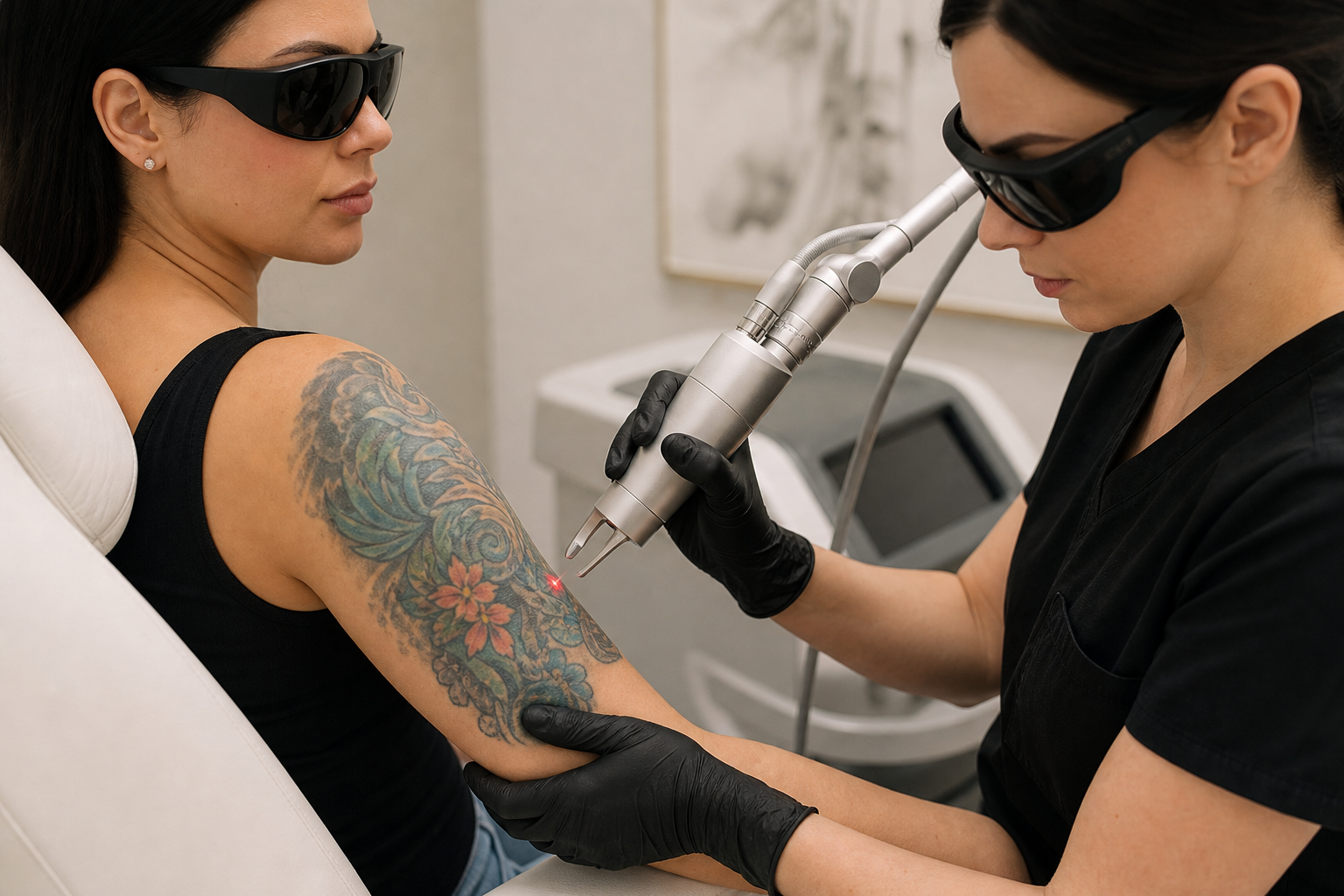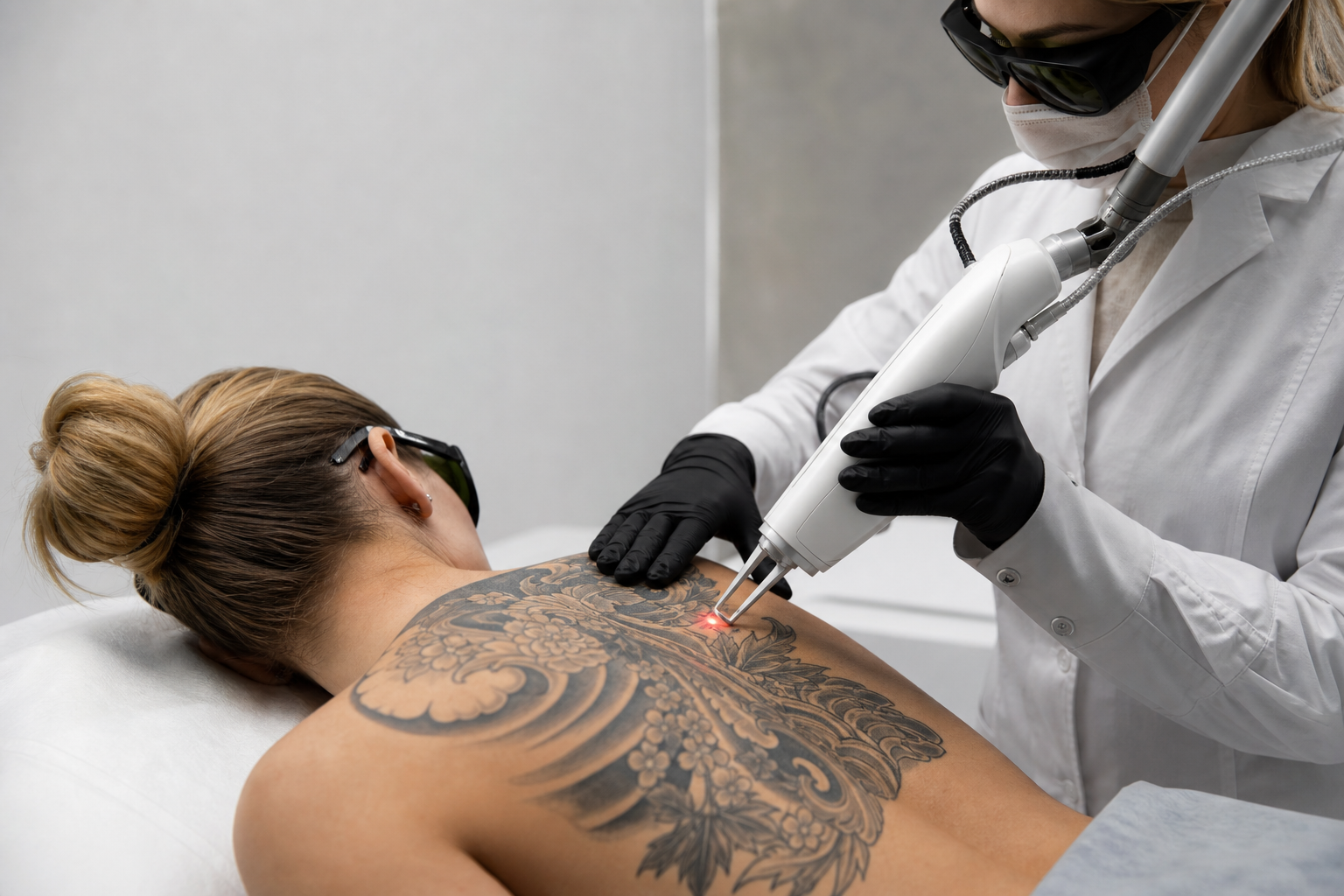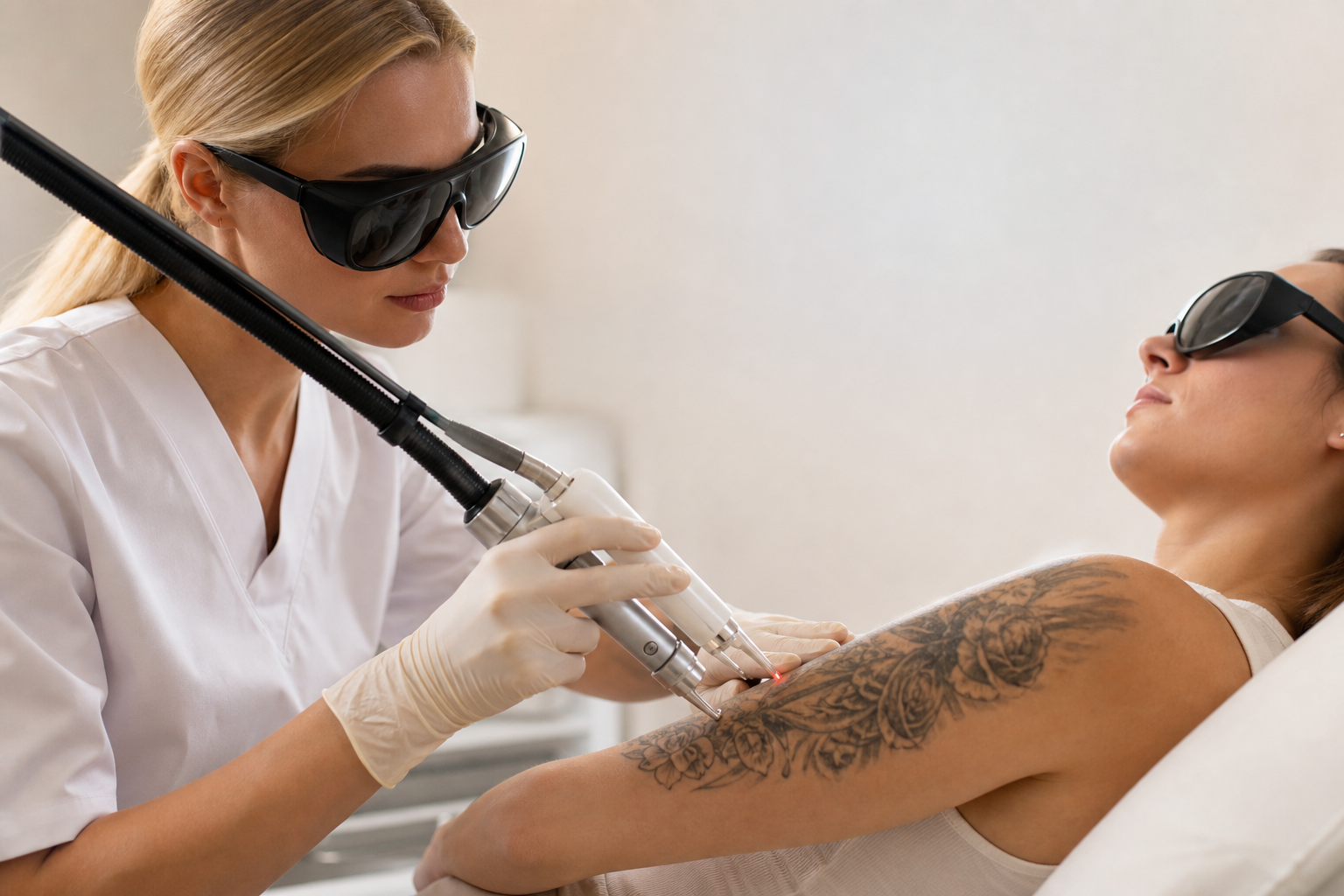
Tattoo removal through laser technology represents one of the most sophisticated and effective methods available today for breaking down tattoo pigments and allowing the body to naturally eliminate these fragments. This topic is particularly relevant for anyone considering the removal of unwanted tattoos, as well as dermatology and aesthetic medicine professionals seeking to understand the current laser technologies and their applications. Understanding which lasers are used to remove tattoos and how these devices function is essential for setting realistic expectations and choosing the most appropriate treatment.
Laser tattoo removal is far more complex than a simple cosmetic procedure. It requires careful evaluation of the tattoo’s characteristics—such as the colors used, the depth of pigment in the skin, and the skin type of the patient—to ensure the selected laser effectively targets the ink without causing undue harm to the surrounding tissue. A responsible, individualized approach is necessary to optimize results and minimize risks like scarring or incomplete pigment clearance.
This article aims to provide a comprehensive overview of the various types of lasers employed in tattoo removal, explaining their physical principles, ideal applications, and limitations. It is designed not only for individuals exploring tattoo removal options but also for medical professionals who wish to stay informed on advanced laser techniques specific to tattoo treatments. By delving into the distinct laser technologies such as Q-switched lasers, picosecond lasers, Nd:YAG, Alexandrite, and Ruby lasers, readers will acquire a clear understanding of how these devices differ and how to recognize the appropriate choice for their particular needs.
What is Laser Tattoo Removal and Why Is It Clinically Complex?
Laser tattoo removal involves directing concentrated light energy at the tattooed skin to target and fragment the pigment particles suspended in the dermis. The laser's pulses deliver high-intensity bursts of light at specific wavelengths, which are absorbed by the colored tattoo pigments. This absorption causes a photothermal and photoacoustic reaction that breaks down the ink into smaller particles. Subsequently, the body’s immune system gradually carries away these fragments, leading to the fading and eventual disappearance of the tattoo over multiple treatment sessions.
Despite its apparent simplicity, the process is clinically challenging because no two tattoos are identical. Variations in ink color, particle size, pigment depth, skin type, and individual immune response affect how well a tattoo responds to laser treatment. Additionally, improper laser selection or settings may cause adverse effects such as burns, pigment changes, or scarring.
Effective laser tattoo removal must be planned with care. The clinician must consider the tattoo’s ink composition—black, red, green, blue, yellow, or mixed colors—since different pigments absorb different wavelengths of light. Furthermore, the patient's overall skin tone and sensitivity influence laser choice and treatment parameters. Because the pigment cannot be eliminated in a single session, treatment typically requires a series of procedures spaced weeks apart to allow the skin to recover and the immune system to clear debris.
Which Types of Lasers Are Commonly Used for Tattoo Removal?
The market offers several laser systems tailored to tattoo removal, each with unique characteristics suited to particular pigment colors and skin types. The most widely recognized and clinically validated lasers include Q-switched lasers, picosecond lasers, Nd:YAG lasers, Alexandrite lasers, and Ruby lasers.
Q-switched lasers have long been the gold standard in tattoo removal. The term “Q-switching” describes technology that produces very high peak power light pulses of extremely short duration, typically in nanoseconds. This short pulse duration allows the laser to shatter tattoo pigments efficiently without excessive heat buildup in the surrounding tissue. Different Q-switched lasers emit light at various wavelengths targeting specific ink colors: for example, 1064 nm for dark inks like black and blue, 532 nm for reds, and occasionally other wavelengths for different colors.
Picosecond lasers
How Do Q-Switched Lasers Function and What Are Their Roles?
Q-switched lasers produce brief, high-energy pulses of light that selectively target tattoo pigment based on wavelength absorption properties. Different pigments absorb specific wavelengths more readily, so the choice of laser wavelength is critical for efficacy. For example, the Q-switched Nd:YAG laser commonly emits light at 1064 nm, which penetrates deeply and is best suited for black and dark blue inks. A frequency-doubled version of this laser emits 532 nm, more suitable for red and orange pigments.
The rapid pulses create a shockwave effect inside pigment particles, fragmenting them mechanically rather than just heating the tissue. This minimizes damage to surrounding skin while maximizing pigment breakdown. Despite their power, Q-switched lasers typically require multiple sessions spaced at least 6 to 8 weeks apart, ensuring proper skin healing and pigment clearance.
Due to their extensive clinical history and proven safety profiles, Q-switched lasers remain a reliable option for both physicians and patients. However, limitations include less efficient clearance of certain stubborn pigments, such as green and blue, and prolonged total treatment duration.
What Advantages Do Picosecond Lasers Offer Over Traditional Q-Switched Lasers?
Picosecond lasers provide a significant advancement in tattoo removal technology by delivering pulses 10 to 100 times shorter than those of Q-switched lasers. This ultrashort pulse duration intensifies the photomechanical impact on ink particles, enabling finer fragmentation. This can accelerate the body’s clearance process and potentially reduce the number of treatments required.
One of the main benefits of picosecond lasers is their improved efficacy on stubborn colors such as greens, blues, and complex multi-color tattoos. Furthermore, picosecond lasers may result in less collateral skin damage, reduced hypopigmentation risk, and better overall cosmetic outcomes. These attributes make picosecond lasers highly desirable, especially in cases where traditional Q-switched lasers have been less effective.
It is important to recognize, however, that picosecond laser treatments might not be suitable or necessary for all cases, and their higher cost and limited availability can pose constraints. A thorough assessment by a qualified professional remains essential to determine the appropriateness of picosecond laser treatment for each individual tattoo.
Why Are Nd:YAG Lasers Particularly Suitable for Black and Dark Blue Inks?
The Nd:YAG (Neodymium-doped Yttrium Aluminum Garnet) laser is a workhorse in the realm of tattoo removal, especially effective against black and dark blue pigments. Operating predominantly at a 1064 nm wavelength, this laser penetrates deeply into the skin with minimal absorption by melanin and hemoglobin, making it safer for treating darker skin types without causing excessive pigmentary alteration.
Nd:YAG lasers are frequently equipped with Q-switched technology, allowing the delivery of rapid, high-energy pulses necessary for tattoo pigment fragmentation. The longer wavelength of 1064 nm is less readily absorbed by epidermal melanin, minimizing risks of burns and pigment changes in patients with medium to dark complexions.
This laser also has the option of a frequency-doubled 532 nm light, which targets red and orange pigments more efficiently but requires more caution given its higher melanin absorption. Thus, Nd:YAG lasers are versatile tools that cover a broad spectrum of tattoo colors when appropriately utilized by trained clinicians.
Which Tattoos Respond Best to Alexandrite and Ruby Lasers?
The Alexandrite laser emits light at around 755 nm, a wavelength well-absorbed by green and blue pigments, making it particularly useful for these challenging colors. It is known for its relatively strong penetration and shorter pulse durations, which can effectively break down pigments in these hues. Its application, however, requires experience to balance efficacy with safety, especially for darker skin tones prone to hyperpigmentation.
The Ruby laser, operating at a wavelength of 694 nm, was among the earliest lasers used for tattoo removal and remains valuable for removing green tattoos. Its relatively long wavelength allows absorption by several pigment colors, but it has largely been supplanted by more advanced laser types offering shorter pulses and better skin compatibility.
Both Alexandrite and Ruby lasers require careful patient selection and treatment planning, as their absorption characteristics can increase the risk of epidermal injury or pigment changes in darker skin tones. Nevertheless, for particular pigment colors and skin types, they can contribute significantly to a comprehensive laser tattoo removal strategy.
What Determines the Choice of Laser for Individual Tattoo Removal Cases?
The decision on which laser to use hinges on multiple factors, including tattoo color(s), ink depth, skin type, patient sensitivities, and previous treatment history. For example, black tattoos, being the most common and absorbing across a broad light spectrum, generally respond well to Q-switched Nd:YAG lasers at 1064 nm. Conversely, tattoos with mixed colors may require multiple lasers or wavelengths targeted sequentially for each pigment.
Assessment should also factor in the patient’s skin pigmentation since melanin competes for laser absorption. Lighter skin tones have greater tolerance for visible light wavelengths (like 532 nm or 755 nm), while darker skin types benefit from longer wavelengths like 1064 nm to reduce the risk of pigmentary changes.
The age and quality of the tattoo, ink type, and prior treatments may influence outcomes, as older or amateur tattoos can sometimes respond more quickly than dense, professional multicolor tattoos. Thus, laser selection is a nuanced process requiring clinical expertise and may combine different technologies over the treatment course.
What Are the Realistic Expectations and Safety Considerations in Laser Tattoo Removal?
Users must understand that laser tattoo removal is a gradual process necessitating patience and realistic expectations. Complete removal of tattoos, especially multicolored or professionally applied ones, is not always guaranteed. Multiple sessions (often 6 to 12 or more) spaced weeks to months apart are typical to achieve satisfactory fading while allowing skin recovery.
Side effects can include temporary redness, swelling, blistering, and pigmentary changes such as hypopigmentation or hyperpigmentation. Rarely, scarring may occur if treatments are overly aggressive or not properly tailored to the individual's skin characteristics.
Professionals emphasize the importance of avoiding unverified DIY methods or laser devices without appropriate medical certification. Laser tattoo removal must be performed by trained practitioners who can assess the tattoo, select suitable laser parameters, monitor skin response, and manage adverse events correctly.
How Should One Prepare and Follow Up During Laser Tattoo Removal?
Prior to treatment, patients typically undergo a thorough consultation including medical history review, skin and tattoo examination, and discussion of goals and expectations. Photographs may be taken to document progress. Avoidance of sun exposure and tanning is usually recommended since increased melanin can interfere with laser efficacy and increase complication risks.
After each session, diligent wound care is essential. Patients should keep the treated area clean, apply any recommended topical agents, avoid picking scabs, and protect from sun exposure. Adhering to post-treatment care promotes optimal healing and pigment clearance.
Follow-up sessions are scheduled based on clinical evaluation, allowing time for pigment removal by the immune system and skin recovery. Treatment intervals generally range from 6 to 12 weeks, adjusted per patient response.