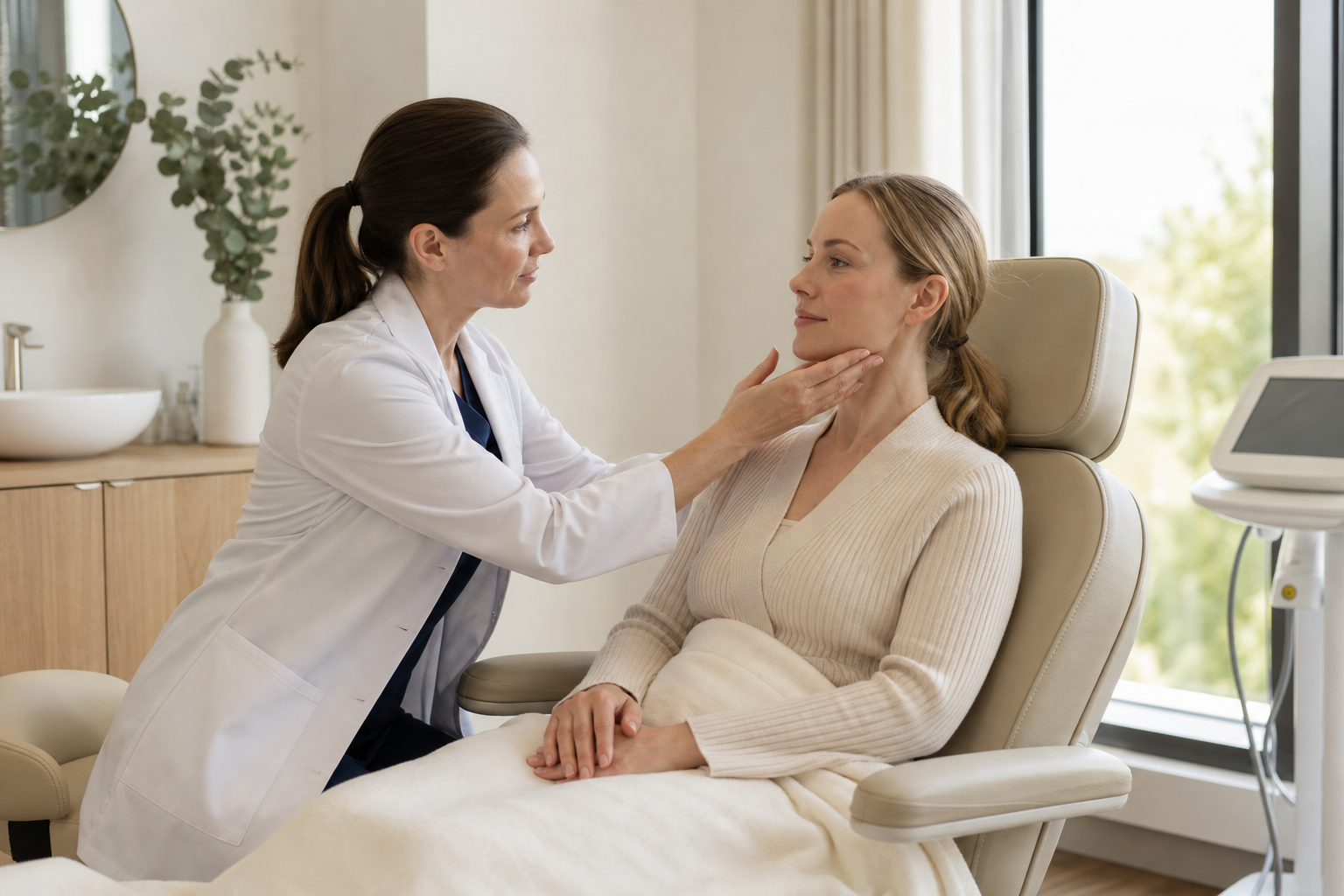
Rosacea and diffuse redness are pervasive dermatological conditions that affect millions worldwide, often causing significant emotional distress and a noticeable impact on quality of life. Characterized by persistent facial redness, visible capillaries, and sometimes inflammatory lesions, these conditions pose a therapeutic challenge. Fortunately, advances in dermatological technology have introduced highly effective interventions such as laser and Intense Pulsed Light (IPL) therapies. These modalities have become pivotal in reducing symptoms and restoring the skin's natural appearance.
Choosing between laser and IPL treatments is not a matter of preference alone but requires a nuanced understanding of their mechanisms, indications, and outcomes. This article examines the distinctions between laser and IPL therapies for rosacea and diffuse redness, focusing on efficacy, safety, suitability, and patient considerations. By exploring the characteristics and clinical applications of both approaches, we aim to equip affected individuals and practitioners with the knowledge necessary to make informed treatment decisions that optimize results.
Understanding the nuances of rosacea and diffuse redness, and matching the correct vascular treatment to the severity and depth of the condition, is crucial. Lasers offer precision targeting of deeper capillaries, whereas IPL delivers a broader, gentler light treatment suited for surface and widespread redness. This editorial delves into these differences and evaluates how each treatment can be tailored to individual skin needs.
Fundamentals of Laser Treatments in Managing Rosacea and Diffuse Redness
Laser therapy employs a focused beam of light with a specific wavelength designed to target particular chromophores within the skin – most notably hemoglobin in blood vessels. This selective absorption heats and coagulates the dilated or broken capillaries responsible for persistent redness, effectively diminishing their visibility. The precision of lasers minimizes damage to surrounding tissue, making it a powerful option for dealing with prominent vascular lesions.
Several types of lasers are commonly used in vascular dermatology. Nd:YAG lasers, operating at 1064 nm, penetrate deeply and are well-suited to treating larger, deeper vessels often found in more severe rosacea cases. KTP lasers, emitting green light at 532 nm, are ideal for more superficial capillaries and smaller vessels, providing shorter pulses for delicate areas. Pulsed Dye Lasers (PDL), with wavelengths around 585 to 595 nm, are renowned for their effectiveness in targeting superficial blood vessels and diffuse redness through selective thermocoagulation.
The high degree of control in laser settings – pulse duration, fluence, and spot size – enables dermatologists to customize treatments based on vessel size, depth, and patient skin type. Typically, significant improvement occurs after one or two sessions, although multiple treatments may be necessary to maintain benefits. Some transient side effects such as redness, swelling, or mild bruising can occur, but these usually resolve within days.
Broad-Spectrum Approaches: The Role of Intense Pulsed Light (IPL) Therapy
IPL therapy utilizes a broad spectrum of non-coherent light instead of a single wavelength, filtered to target various skin concerns simultaneously. Unlike lasers, IPL delivers a gentle but effective treatment over a wider area, addressing diffuse redness alongside other skin imperfections such as pigmentation and texture irregularities. The versatility of IPL stems from its ability to stimulate collagen production while closing off superficial blood vessels, leading to improved skin tone and resilience.
IPL tends to be favored for milder rosacea and diffuse redness where redness is extensive but capillaries remain relatively shallow. The treatment sessions require less downtime, with most patients experiencing only minor redness that dissipates quickly. Furthermore, IPL can serve as an introductory treatment for patients seeking non-aggressive options or those sensitive to laser interventions.
However, due to its less targeted nature, IPL may not fully address deeper or more significant vascular lesions, often necessitating multiple treatments over weeks to months. Careful adjustment of IPL parameters is essential to avoid adverse pigmentation changes, especially in individuals with darker skin types.
Matching Treatment to the Clinical Presentation of Rosacea and Redness
Successful management begins with a thorough clinical evaluation to characterize the extent and nature of vascular involvement. Patients exhibiting profound, well-demarcated capillaries and persistent inflammation are generally better candidates for laser therapy. The depth and diameter of affected vessels determine which specific laser system will provide the most efficacious results.
Conversely, for patients presenting with widespread diffuse redness and numerous fine surface capillaries without localized telangiectasias, IPL offers an effective modality with a favorable safety profile. Selecting the appropriate treatment also involves consideration of skin phototype, as IPL is relatively contraindicated for darker complexions due to risks of hyper- or hypopigmentation. Some laser types, such as Nd:YAG, are safer for higher Fitzpatrick skin types due to deeper penetration and reduced melanin absorption.
Dermatoscopic and vascular imaging aids contribute valuable insight into vascular architecture and help tailor the choice of device, ensuring targeted and effective treatment aligned with each patient's unique presentation.
Balancing Treatment Efficacy, Safety, and Recovery Considerations
Both laser and IPL therapies carry inherent risks that must be balanced against their potential benefits. Laser treatments, particularly those that penetrate deeply, may entail longer recovery times with peeling, redness, swelling, and in rare cases, pigmentary alterations. Strict photoprotection and post-treatment care are essential to mitigate complications and preserve treatment gains.
IPL therapy is generally well tolerated, offering a shorter rebound period and minimal disruption to daily activities. Nonetheless, repeated sessions are often necessary to achieve and maintain clinical improvement, which can affect patient compliance and overall treatment cost.
Ultimately, patient preferences regarding downtime and tolerance for transient discomfort should inform treatment planning. Open discourse about realistic outcomes and side effect profiles fortifies patient trust and satisfaction.
Integrating Combined and Personalized Therapeutic Strategies
Emerging evidence and clinical experience increasingly support combining laser and IPL modalities as part of individualized treatment regimens. For example, laser therapy can target prominent, deeply situated vasculature, followed by IPL sessions to modulate widespread redness and promote dermal rejuvenation. Such a multipronged approach often yields superior cosmetic and symptomatic relief than single-modality treatments.
Additionally, adjunctive therapies like topical anti-inflammatory agents, sunscreen use, and lifestyle modifications potentiate long-term success. Some clinics incorporate LED phototherapy and other vascular lasers to further refine treatment sequences and maximize outcomes.
These personalized protocols hinge on expert assessment and continuous monitoring, underscoring the importance of specialized dermatological care in managing rosacea and vascular skin changes effectively.
Essential Guidance for Patients Considering Laser or IPL Treatments for Rosacea
Patients contemplating vascular treatments should approach their choices with comprehensive understanding and realistic expectations. Key factors include evaluating severity of redness, depth of vascular involvement, skin type, lifestyle requirements, and financial considerations. While laser treatments offer precise and potent solutions for intense cases, their cost and recovery demands may be limiting.
In contrast, IPL delivers a gentler, more versatile option with minimal downtime, although it often requires multiple sessions to maintain its benefits. Discerning patients must also recognize that no treatment guarantees complete resolution of rosacea, which is a chronic condition demanding ongoing care.
The paramount first step remains consultation with experienced dermatologists who can perform detailed clinical evaluations and recommend tailored therapeutic pathways. Through professional guidance, patients can confidently navigate the spectrum of options and select the modality best aligned with their needs and lifestyle.


