RF neck lifting represents a significant advancement in non-invasive aesthetic treatments, offering an effective option for those seeking to tighten and rejuvenate the delicate skin on their neck. Utilizing radiofrequency energy, this technology stimulates the deep layers of the skin to promote collagen and elastin production, which are vital for maintaining skin firmness and elasticity. As a treatment, RF neck lifting has gained popularity due to its ability to deliver visible skin revitalization without the need for surgery, prolonged recovery, or high risk of complications.
This article explores who is ideally suited for RF neck lifting, outlining the mechanisms behind the procedure, various radiofrequency techniques, patient selection criteria, and realistic expectations. Understanding these aspects is crucial for individuals considering this therapy, whether they are dealing with early signs of skin laxity or aiming to maintain a youthful neck contour. By detailing the benefits and limitations, we aim to provide a comprehensive guide to help readers make informed decisions about incorporating RF neck lifting into their skincare regimen.
The suitability of RF neck lifting hinges on specific skin concerns and patient profiles. It is predominantly designed for adults experiencing mild to moderate skin laxity of the neck, often evident through subtle sagging, loss of tone, or fine lines caused by aging. Unlike invasive surgical facelifts, RF neck lifting appeals to those who prefer minimal downtime and a gentler approach to skin rejuvenation.
What Is Radiofrequency (RF) Neck Lifting and How Does It Work?
Radiofrequency neck lifting is a cosmetic procedure that leverages radiofrequency energy to heat the deeper layers beneath the skin's surface without harming the outer layer. This controlled heating effect promotes the production of new collagen and elastin fibers by activating fibroblast cells. Collagen is the primary structural protein responsible for skin strength, while elastin provides the skin with its stretch and recoil abilities. Together, these proteins maintain a youthful, firm appearance.
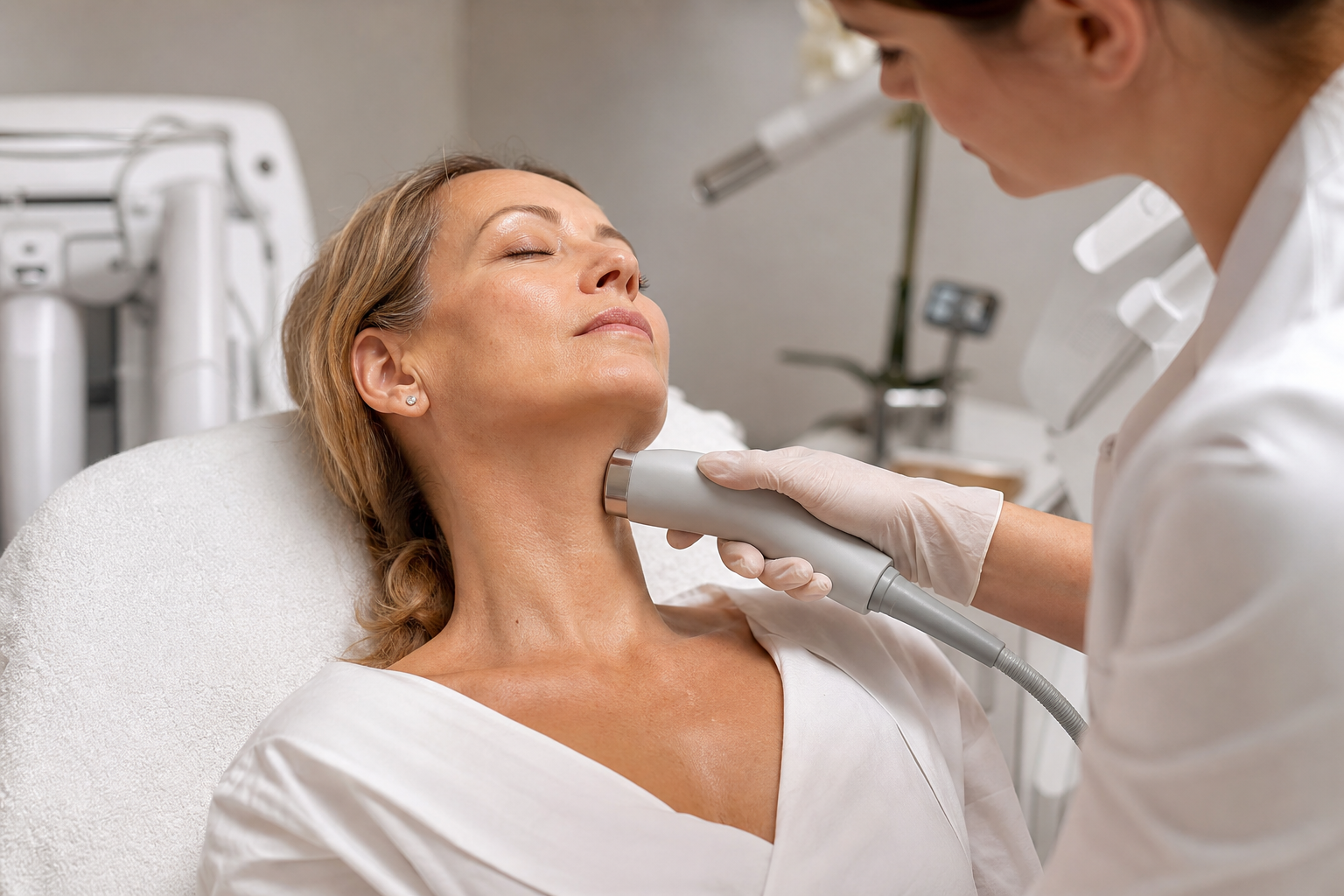
The neck area poses unique challenges for aesthetic treatments due to its thinner skin and exposure to environmental factors that accelerate aging, such as sun exposure and constant movement. As one ages, the collagen network naturally diminishes, leading to looseness and wrinkles. By applying RF energy to this region, collagen remodeling is stimulated, resulting in tightened skin and increased elasticity.
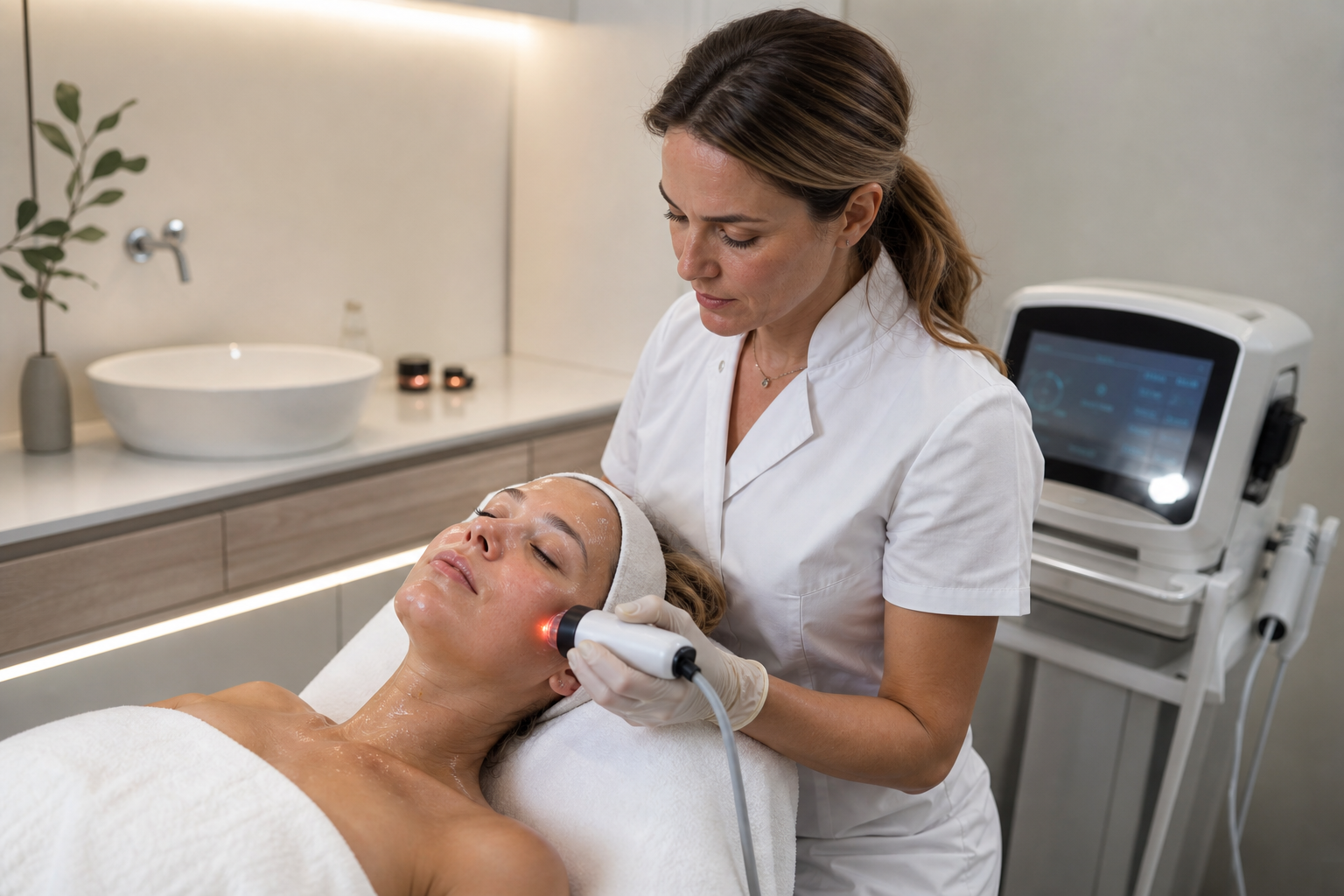
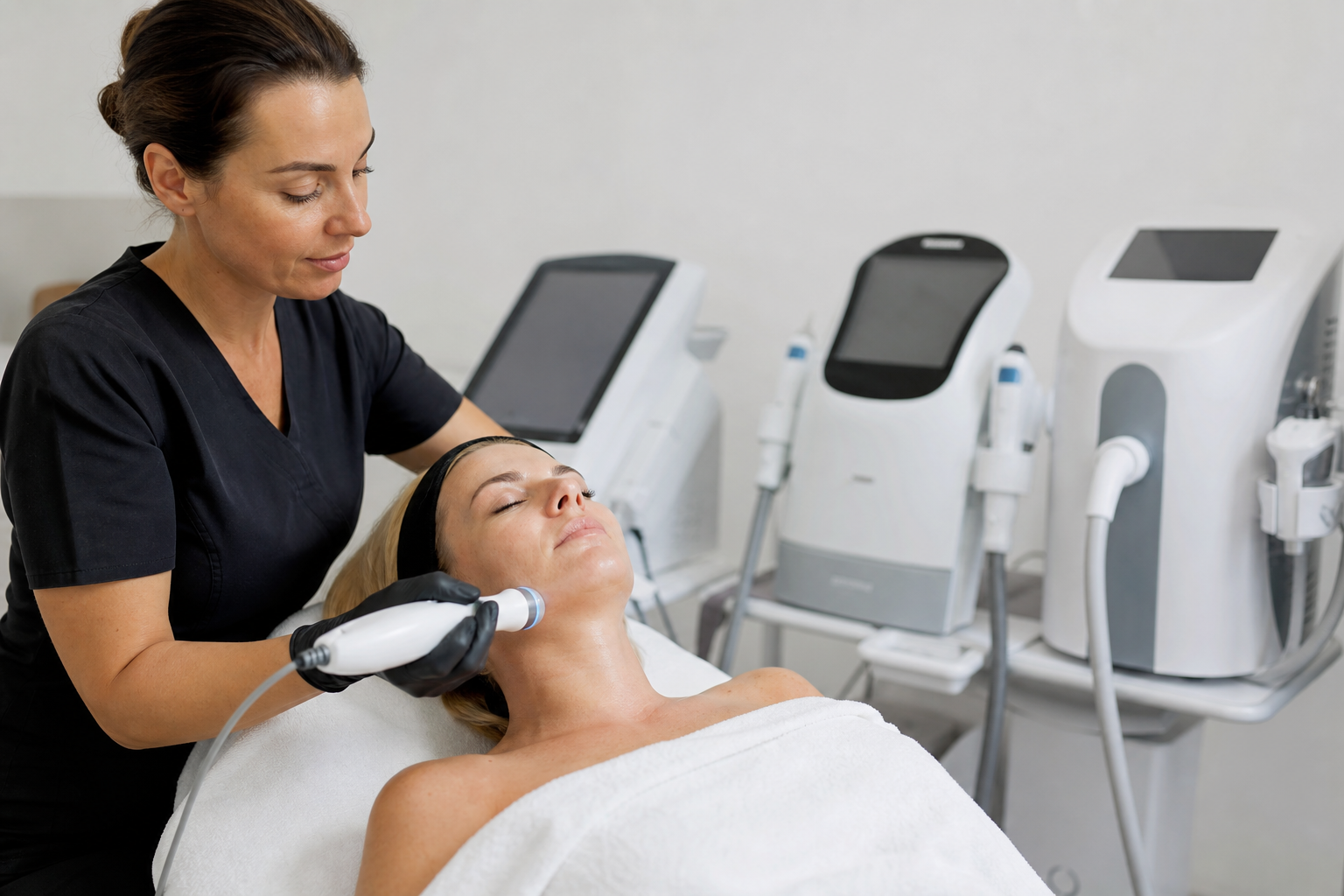
During the procedure, a handheld device delivers radiofrequency waves in a controlled manner, often moving in circular or vertical motions to ensure even treatment across the neck. Patients typically describe a warming sensation without discomfort. The depth and intensity of energy can be adjusted based on individual skin thickness and treatment goals.
Who Is an Ideal Candidate for RF Neck Lifting?
Identifying the right candidates for RF neck lifting is essential to achieving satisfactory outcomes. The treatment best suits adults generally between the late thirties and early sixties who notice early signs of neck laxity but are not yet ready or willing to undergo surgical intervention.
Ideal candidates usually have mild to moderate skin slackness characterized by the appearance of fine lines, subtle creping, or slight sagging without significant excess skin or fat deposits under the chin. The procedure is effective for individuals whose skin still retains some level of firmness but could benefit from enhanced tone and texture.
Moreover, candidates should have realistic expectations about the outcomes. RF neck lifting is designed for skin rejuvenation and is not a substitute for surgical lifts that dramatically alter neck contours or remove substantial excess skin. Patients with severe skin drooping or substantial submental fat may require other treatments or a combination of therapies to achieve desired results.
It is also important for candidates to be in good general health without active skin infections, open wounds, or inflammatory conditions in the neck area. Certain medical conditions and pregnancy necessitate consulting a healthcare professional before undergoing RF treatments.
Understanding Different Types of RF Techniques for Neck Lifting
The term "RF neck lifting" encompasses several distinct treatment modalities that vary in invasiveness, device technology, and procedural intensity. Understanding these differences ensures patients select the most appropriate approach for their needs.
Non-Invasive RF Neck Lifting: This modality involves the use of devices that apply radiofrequency energy externally without penetrating the skin. The procedure is painless, poses minimal risk, and requires no downtime. It is particularly suited for mild skin laxity and patients prioritizing comfort and convenience.
Fractional RF without Needles: Fractional RF technology delivers multiple small radiofrequency pulses to the skin in a grid-like pattern, stimulating collagen more intensively than uniform RF. Because this approach is skin-surface based, it offers enhanced stimulation compared to non-fractional RF while maintaining minimal invasiveness.
RF Microneedling: This treatment combines the benefits of microneedling and radiofrequency energy by using tiny needles to penetrate the skin and deliver RF energy directly into deeper dermal layers. It stimulates a more robust collagen response and can treat moderate skin laxity and textural issues. RF microneedling requires some downtime due to skin recovery but offers more dramatic rejuvenation effects.
Each technique has specific indications and suits different degrees of skin aging, patient tolerance, and desired results. Consultation with a qualified aesthetic professional can help determine the most fitting method based on individual conditions.
What Are the Benefits and Limitations of RF Neck Lifting?
RF neck lifting offers several appealing advantages that make it an attractive option for skin rejuvenation:
Benefits:
First, it is a non-surgical, minimally invasive procedure with a low risk of side effects, making it accessible to many patients. The absence of incisions eliminates scarring and the need for anesthesia.
Second, there is minimal to no downtime post-procedure. Patients can resume daily activities immediately, which is especially important for those with busy lifestyles.
Third, the stimulation of collagen and elastin not only tightens the skin but also improves texture and tone, delivering a more youthful and refreshed appearance. The effects typically develop gradually over several weeks, offering natural-looking enhancements.
Limitations:
RF neck lifting may not provide substantial tightening for individuals with significant skin laxity or excess fat deposits. In such cases, surgical options or combined treatments may be necessary.
The efficacy of RF treatments depends on multiple factors including skin type, age, and the device used. Multiple sessions are often required to achieve optimum results.
Additionally, results are not permanent; maintenance treatments are generally recommended to sustain the skin’s improved condition.
How to Prepare for RF Neck Lifting and What to Expect During Treatment
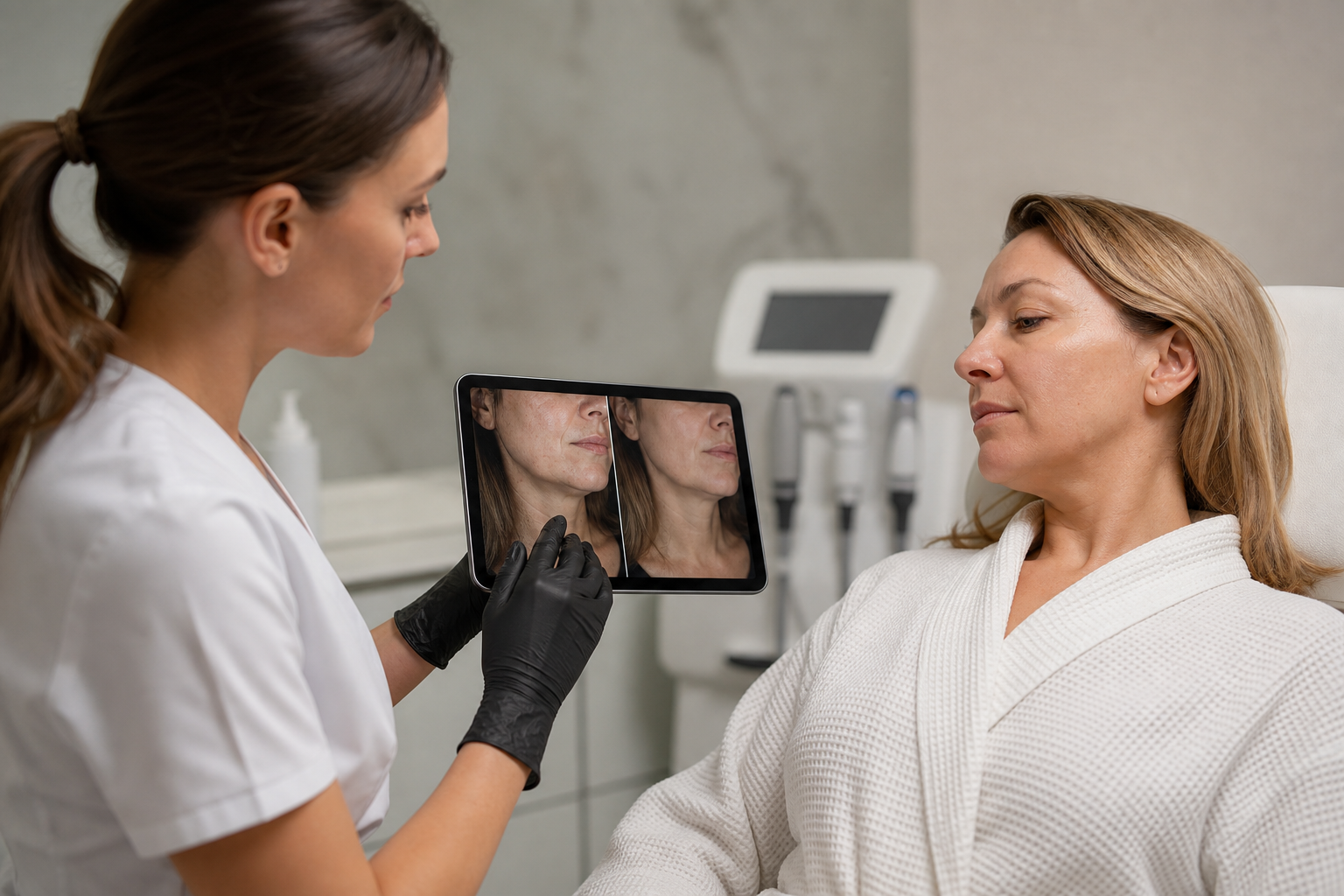
Preparation begins with a thorough consultation to assess candidacy, review medical history, and establish realistic goals. Patients should disclose any skin issues or medical conditions.
On the day of treatment, the skin is cleansed and sometimes a topical anesthetic is applied to enhance comfort. The clinician then uses the RF device over the treatment area, ensuring even coverage and appropriate energy levels.
The session commonly lasts between 30 to 60 minutes, depending on the extent of the area and chosen technology. Most patients experience a gentle warming sensation without pain.
Post-treatment, slight redness or mild swelling may occur but typically subsides within a few hours. No special aftercare is usually necessary beyond routine skin moisturization and sun protection.
Common Questions about RF Neck Lifting
Is RF neck lifting safe for all skin types? Yes, RF treatments are generally safe for all skin tones because the technology does not rely on light-based energy, which can pose risks for darker skin types. However, a qualified specialist should evaluate individual risks.
How soon will results appear? Collagen remodeling is gradual, so improvements typically become noticeable after 4 to 6 weeks, with continued enhancement up to 6 months post-treatment.
How many sessions are needed? Most treatment plans involve a series of 3 to 6 sessions spaced several weeks apart to achieve optimal results.
Is the procedure painful? Most patients report minimal discomfort. The sensation is often described as soothing heat rather than pain.
Can RF neck lifting replace a surgical facelift? No. While RF treatments effectively improve mild to moderate skin laxity, they are not substitutes for surgery in cases of significant aging changes.