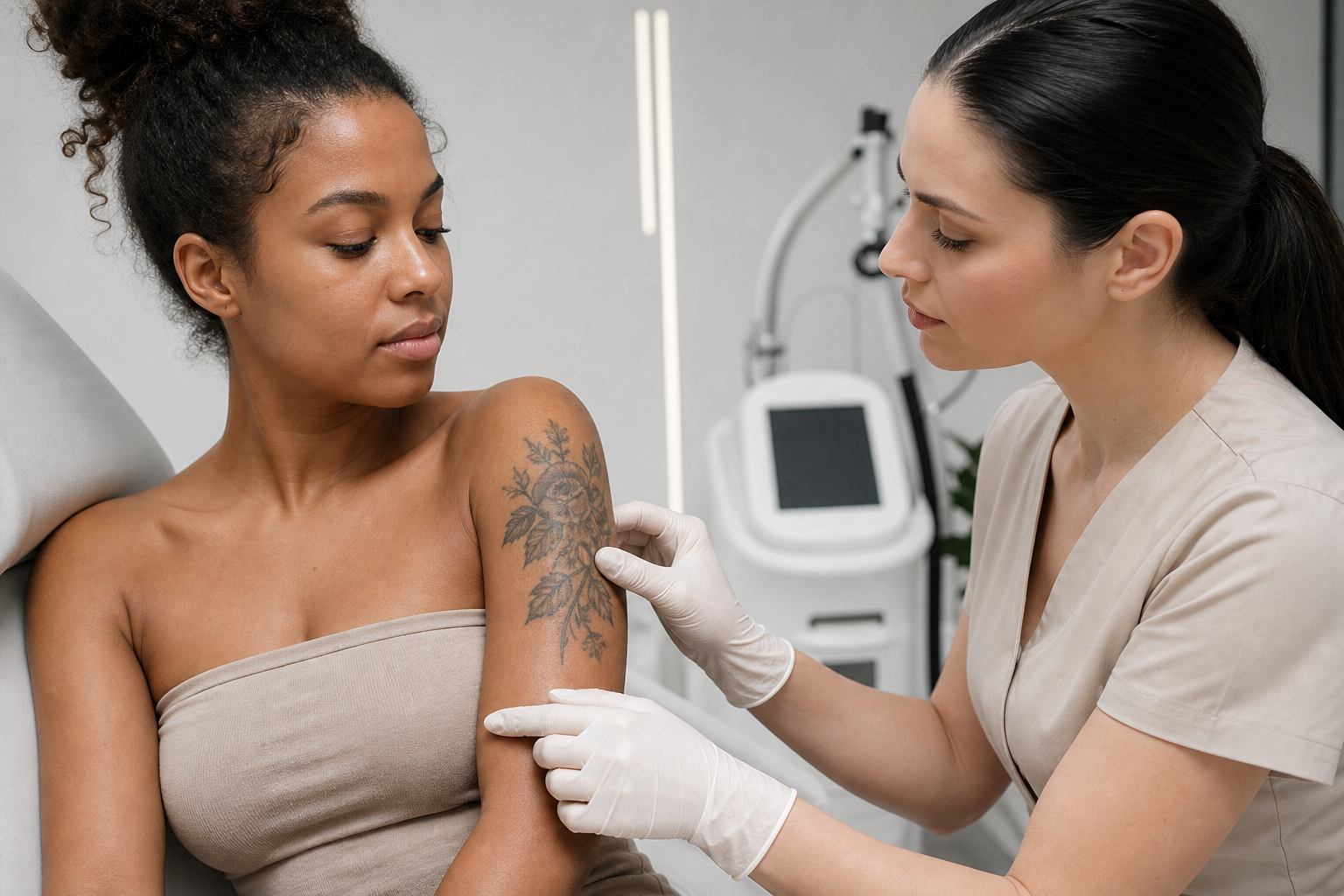
Skin changes are a common concern for many, especially those seeking or undergoing cosmetic procedures like laser tattoo removal. The skin is a complex organ that often signals underlying health issues or reactions through visible alterations in color, texture, or the development of lesions. Knowing when such changes demand a professional medical assessment is crucial to preventing complications and ensuring optimal skin health. This is particularly important for individuals with darker or tanned skin types, where reactions to treatments can be more pronounced and require careful management.
This article is designed to inform individuals who have noticed any changes in their skin, as well as those considering or having experienced laser tattoo removal treatments. It aims to clarify the spectrum of skin changes—from benign irritations to potentially serious conditions—and provide clear guidance on when medical evaluation is necessary. Understanding these indicators promotes timely intervention, enhances treatment safety, and supports successful outcomes.
As laser tattoo removal gains popularity within the field of advanced treatments, recognizing the expected reactions, potential risks, and signs warranting medical attention becomes vital. Particularly in darker or tanned skin, specific challenges and precautions exist. This comprehensive exploration will address these nuances to help readers navigate skin health confidently during and after laser procedures.
What Types of Skin Changes Should Prompt Medical Attention?
The skin can exhibit a wide array of changes, including variations in pigmentation, the appearance of new moles or spots, persistent redness, swelling, or the formation of wounds. While many such changes might be transient and harmless, others could indicate serious underlying conditions requiring prompt medical evaluation.
Key skin changes that should never be ignored include the development of new or changing moles—particularly those that alter in size, shape, color, or border irregularity—as these may be early signs of melanoma or other skin cancers. Persistent wounds or lesions that fail to heal might indicate chronic infections or malignant transformations, necessitating expert examination.
Intense irritation manifesting as prolonged redness (erythema), swelling (edema), or pain, especially following exposure to irritants or treatments like laser therapy, can signal allergic reactions or infections. Additionally, the emergence of new lumps or nodules on the skin which grow rapidly or behave atypically might represent benign cysts or more serious tumors, both of which need diagnostic assessment, often involving biopsy.
Why Is Medical Assessment Crucial After Laser Tattoo Removal Treatments?
Laser tattoo removal utilizes specific wavelengths of light to target and fragment tattoo pigment particles in the skin. Despite its widespread use and general safety under professional care, this procedure can provoke various skin reactions, some of which may require medical intervention.
Post-treatment complications that should raise concern include excessive inflammation and swelling that persist beyond the expected timeline, which could suggest infection or adverse inflammatory responses. Unacceptable pigmentary changes like hyperpigmentation (darkening) or hypopigmentation (lightening) that do not resolve over time may necessitate specialized dermatological care.
Scarring, including hypertrophic scars or keloids, represents another significant risk, especially for patients with darker skin tones, where an increased propensity to develop such scars exists. Bacterial or viral infections are also a concern when treated skin develops overt signs such as pus, escalating redness, or pain, thereby requiring urgent medical evaluation.
How Does Skin Phototype Influence Risk and Reaction After Laser Treatments?
The natural pigmentation and biological characteristics of darker or tanned skin (higher Fitzpatrick phototypes) affect how the skin absorbs laser energy and heals afterward. Melanin content influences laser-tissue interactions and can increase the likelihood of adverse pigmentary changes.
Individuals with darker skin are more susceptible to prolonged erythema, excessive swelling, and pigmentary abnormalities following laser procedures due to heightened melanin absorption and inflammatory responses. This necessitates specialized treatment planning, including appropriate laser selection, pre- and post-treatment skin care, and close monitoring.
Recognizing early warning signs in these patients is essential: persistent redness or swelling, rapid onset of darkened spots not present prior to treatment (indicative of hyperpigmentation), and textural changes such as roughness or nodule formation suggest fibrosis or abnormal healing. These findings highlight the need for experienced practitioners who understand the unique care requirements of darker skin to minimize risks and ensure safe outcomes.
What Are the Expected Skin Reactions Following Laser Tattoo Removal?
It is normal to experience transient skin changes shortly after laser tattoo removal sessions. Typically, these include mild redness, slight swelling in the treated area, occasional itching, or a mild burning sensation. The formation of minor crusting or scabbing as the skin heals is also common.
Such effects usually resolve within a few days to a week with appropriate skin care, which involves avoiding sun exposure, maintaining hydration, and applying recommended topical agents. Recognizing that these symptoms are expected prevents unnecessary alarm and supports adherence to post-treatment instructions.
Nonetheless, certain symptoms exceed the normal course and should prompt medical consultation. Persistent or worsening pain, spreading redness, discharge such as pus, or dramatic color changes and skin breakdown signal complications like infection, allergic response, or abnormal healing requiring professional management.
What Preventive Measures and Skin Care Practices Enhance Safety After Laser Treatments?
Preventing adverse reactions and ensuring skin safety during laser tattoo removal depends heavily on meticulous pre-treatment assessment and diligent post-treatment care. Key preventive strategies include avoiding sun exposure both prior to and following procedures to reduce the risk of pigmentary alterations or burns.
Using high-SPF broad-spectrum sunscreens and physical barriers to sunlight complements these efforts. Maintaining proper skin hydration with suitable, fragrance-free moisturizers supports skin barrier integrity and healing.
Avoiding unregulated do-it-yourself (DIY) treatments or home remedies is imperative, as such practices may irritate the skin, cause infections, or worsen existing conditions. Following the guidance of trained medical professionals who provide tailored advice optimizes the safety and efficacy of laser tattoo removal.
Frequently Asked Questions Regarding When to Seek Medical Advice for Skin Changes After Laser Treatments
Does every rash or redness after laser tattoo removal require a doctor's visit? Not necessarily. Mild, short-lived redness and irritation are common and often resolve independently. However, if symptoms persist beyond a few days or worsen, medical evaluation is warranted.
Can improper laser technique cause permanent scar formation? Yes. Inadequate laser settings, especially in individuals with darker skin, can lead to scarring and pigment changes. Seeking experienced practitioners reduces this risk.
How can I distinguish a normal treatment reaction from an allergic response? Allergic reactions generally involve intense itching, significant swelling extending beyond the treatment area, and spreading redness.
Is there a risk of complications on non-tanned, lighter skin? While the risk is comparatively lower due to different melanin levels, complications can still occur and require vigilance.


