Folliculitis after laser hair removal is a concern that frequently emerges among individuals seeking to achieve long-term hair reduction through advanced cosmetic procedures. This condition, characterized by inflammation around hair follicles following laser treatments, can cause discomfort and anxiety if not properly understood or managed. For those undergoing laser hair removal, or similar skin treatments targeting hair follicles, comprehending the nature of folliculitis, distinguishing it from normal post-treatment skin reactions, and knowing the appropriate care steps is imperative. This knowledge not only helps safeguard skin health but also ensures that the benefits of laser procedures are maximized without unnecessary complications.
Laser hair removal has become a popular method for those desiring smooth, hair-free skin with lasting effects. However, as with any procedure that deliberately targets follicular structures, there is a risk of side effects including follicular inflammation or folliculitis. Such inflammatory responses can arise due to bacterial invasion, irritation, friction, or occlusion following treatment. Distinguishing folliculitis—an inflammatory condition requiring attention—from expected skin responses like perifollicular swelling is critical for patients and clinicians alike. Moreover, understanding contributory factors such as sweating, clothing choices, and post-treatment care prevents exacerbation and promotes optimal recovery.
This comprehensive editorial will delineate the difference between folliculitis and normal perifollicular changes after laser hair removal, explore why certain lifestyle or environmental factors may increase risk, caution against improper self-treatment techniques, and highlight when professional evaluation is warranted. Whether you are considering laser hair removal or have recently undergone sessions, grasping these aspects empowers you to navigate your skincare journey with confidence and care.
What Is Folliculitis and How Does It Differ from Normal Perifollicular Swelling After Laser Hair Removal?
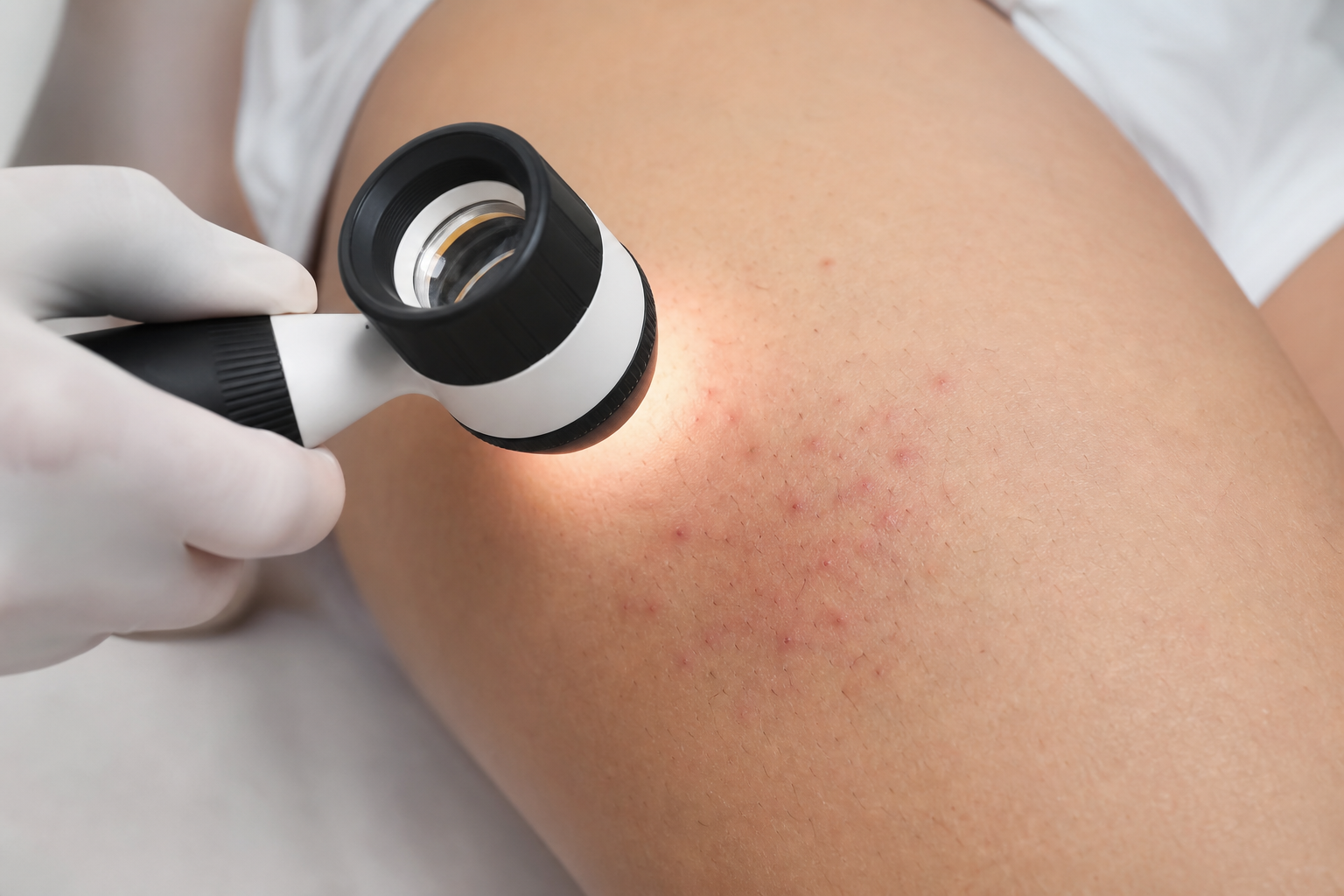
Folliculitis is an inflammatory skin condition targeting hair follicles, often manifesting as clusters of red, inflamed bumps or pustules which can be painful or itchy. It may result from bacterial infection, mechanical irritation, or chemical insults affecting the follicular unit. After laser hair removal, folliculitis represents a pathologic response where the follicle becomes inflamed beyond normal expectations, sometimes accompanied by pus formation or tenderness.
In contrast, perifollicular swelling is a common, expected transient reaction to laser hair removal treatment. This swelling is typically characterized by mild redness and slight edema surrounding the hair follicle due to minor trauma inflicted by laser energy. It is generally painless or only mildly uncomfortable, resolving spontaneously within a few days as the skin recovers. This reaction is part of the therapeutic process, indicating the laser’s effect on the follicular structures targeted for hair reduction.
Recognition of the difference between these conditions is vital. While perifollicular swelling requires no intervention beyond standard post-care, folliculitis may necessitate changes in treatment or additional therapies. Failure to appropriately identify folliculitis can lead to prolonged inflammation, discomfort, or even secondary infections, potentially complicating the laser hair removal experience.
Who Is Most Susceptible to Developing Folliculitis Following Laser Hair Removal?
Folliculitis after laser hair removal can occur in anyone undergoing the procedure but is more probable in certain individuals and under specific circumstances. Those with sensitive skin types or pre-existing dermatological conditions may have heightened skin reactivity and thus increased risk. Additionally, individuals prone to excessive sweating or who regularly wear tight or non-breathable clothing following treatment risk exacerbating follicular irritation through friction and moisture retention.
Furthermore, improper post-procedure hygiene, including the use of harsh skincare products or failure to keep the treated area clean and dry, can disrupt the skin’s protective barrier. This disruption facilitates bacterial colonization and inflammation. In some cases, immune system factors or underlying health conditions can influence susceptibility, making professional evaluation a useful precaution in patients with complicated dermatological histories.
Understanding these risk factors helps candidacy assessments for laser hair removal and guides personalized aftercare recommendations to minimize the chance of folliculitis development.
What Are the Primary Causes and Contributing Factors of Folliculitis After Laser Hair Removal?
The development of folliculitis post-laser treatment is multifactorial. One central cause is bacterial invasion of the damaged hair follicle. The laser’s selective targeting damages the follicle, making it more vulnerable to infection by common skin bacteria such as Staphylococcus aureus. This infection is often precipitated or worsened by mechanical factors that compromise skin integrity.
Friction caused by tight, synthetic, or abrasive clothing rubbing against the freshly treated skin increases irritation and microtrauma around follicles, creating an environment conducive to inflammation. Similarly, sweating generates moisture and heat, favoring bacterial proliferation and increasing follicular blockage from sweat and oils.
Occlusive dressings or the overuse of heavy emollients and creams post-treatment can trap bacteria and moisture against the skin, augmenting the risk for folliculitis. Additionally, irritants such as alcohol-containing or strong exfoliating products used prematurely on the treated area may damage skin barriers, further enabling infection and inflammation.
Given these factors, it is clear that a combination of procedural effects and external influences can significantly predispose the skin to folliculitis after laser hair removal.
Why Should Folliculitis Not Be Aggressively Squeezed or Treated at Home After Laser Hair Removal?
At the first sign of pustules or bumps resembling traditional acne lesions, the natural inclination may be to squeeze or pick at these areas to relieve discomfort or hasten resolution. However, this approach is contraindicated, especially following laser hair removal.
Aggressive squeezing or manipulation may worsen inflammation or spread infection deeper into the skin or to adjacent follicles, creating a more extensive and painful condition. Mechanical trauma from squeezing can also damage the delicate epidermal barrier at a time when it is already recovering from laser-induced injury, delaying healing and increasing the risk of scarring.
Moreover, unsupervised attempts at antibiotic treatment carry risks of inappropriate dosing, resistance development, and masking of symptoms. Therefore, home remedies that involve manipulation or self-medication should be avoided unless directed by a qualified healthcare provider.
The safest course is to maintain gentle skin care, refrain from irritation, and consult a dermatologist promptly if signs of worsening infection or persistent symptoms arise.
When Is It Necessary to Seek Clinic or Dermatology Review for Folliculitis After Laser Hair Removal?
Not all post-laser skin changes require professional intervention; however, certain symptoms clearly necessitate medical evaluation. The presence of multiple pustules, clusters of painful or spreading lesions, or signs of systemic involvement such as fever should prompt urgent consultation to rule out more serious infections or complications.
Additionally, persistent or worsening pain, redness extending beyond the immediate treatment site, and lesions that fail to improve after a few days of conservative care warrant dermatological assessment. In these cases, targeted treatments including topical or systemic antibiotics, anti-inflammatory agents, or specialized wound care may be indicated to prevent progression and minimize scarring.
Timely professional input ensures appropriate diagnosis and management, providing peace of mind and supporting optimal recovery outcomes.
How Can Folliculitis Be Prevented After Laser Hair Removal?
Preventing folliculitis begins with meticulous preparation and aftercare. Prior to treatment, patients should be advised to maintain good skin hygiene and avoid shaving immediately before the procedure unless instructed otherwise. Post-treatment, several strategies help reduce the risk:
Maintain Cleanliness: Gently cleanse the treated area with mild, non-irritating cleansers to remove sweat and bacteria without compromising the skin barrier.
Avoid Friction and Tight Clothing: Wear loose, breathable clothing made of natural fibers to minimize mechanical irritation and moisture buildup.
Control Sweating: Refrain from strenuous exercise or activities that induce heavy sweating for several days post-treatment, as sweating encourages bacterial growth and follicular occlusion.
Limit Occlusive Products: Avoid heavy creams, oils, or occlusive dressings unless recommended by the treatment provider, as these can trap heat and bacteria.
Follow Professional Guidance: Use only the recommended post-care products designed to soothe and protect the skin after laser hair removal, as advised by the treating clinic or dermatologist.
These preventive measures serve to protect vulnerable follicles in the critical healing phase, lowering the risk of inflammatory complications like folliculitis.
What Are the Typical Signs and Symptoms of Folliculitis After Laser Hair Removal to Watch For?
Early recognition of folliculitis is essential for timely management. Common signs include:
Red bumps or pustules localized around hair follicles, sometimes grouped and containing yellowish or white pus;
Mild to moderate tenderness or itching at the affected sites;
Increasing redness or swelling beyond the immediate area affected by laser;
A sensation of warmth or burning localized over inflamed follicles;
In more severe cases, systemic symptoms such as low-grade fever or malaise may accompany localized signs.
It is important to differentiate these symptoms from typical post-laser redness or mild swelling that do not include pustulation or progressive discomfort.
How Should One Manage Initial Folliculitis Symptoms at Home After Laser Hair Removal?
When mild folliculitis is suspected, initial self-care should focus on gentle skin management and close observation. Key recommendations include:
Keeping the area clean and dry: Wash with lukewarm water and mild cleansing agents without scrubbing.
Applying soothing topical agents: Use dermatologist-approved products such as non-comedogenic emollients or mild anti-inflammatory creams if advised.
Avoiding irritation: Refrain from shaving, waxing, or using exfoliants until the skin fully recovers.
Monitoring the lesion: Observe for changes in size, color, number, or pain level, indicating progression or improvement.
If symptoms do not improve within 3-5 days or worsen, promptly seek professional evaluation to determine the need for targeted therapy.
Common Questions About Folliculitis After Laser Hair Removal
Can I use antibiotics on my own to treat folliculitis? Unsupervised antibiotic use is discouraged due to risks of resistance and possible side effects. A dermatologist’s assessment is important before starting any antibiotic therapy.
How long does perifollicular swelling last after laser hair removal? Typically, this mild swelling resolves within a few hours to several days without medical intervention.
Is scarring a common consequence of folliculitis? When folliculitis is untreated or aggressively manipulated, scarring can occur. Proper care minimizes this risk.
Does clothing choice affect risk of post-laser folliculitis? Yes, tight or synthetic fabrics increase friction and moisture retention, promoting follicular inflammation. Loose, breathable clothes are advisable.
The Importance of Professional Follow-Up and Skin Care After Laser Hair Removal
Laser hair removal procedures require expertise not only during application but also in post-care management. Regular follow-up visits allow trained dermatologists or clinicians to monitor healing, identify early complications such as folliculitis, and adjust care protocols accordingly. This professional oversight contributes to enhanced treatment outcomes and patient satisfaction.
Adhering to recommended skin care routines, avoiding triggers that impair skin barrier function, and promptly addressing evolving symptoms all play crucial roles in maintaining healthy skin post-laser treatment. As with all advanced esthetic procedures, a partnership between patient and practitioner underpins safe, effective results.