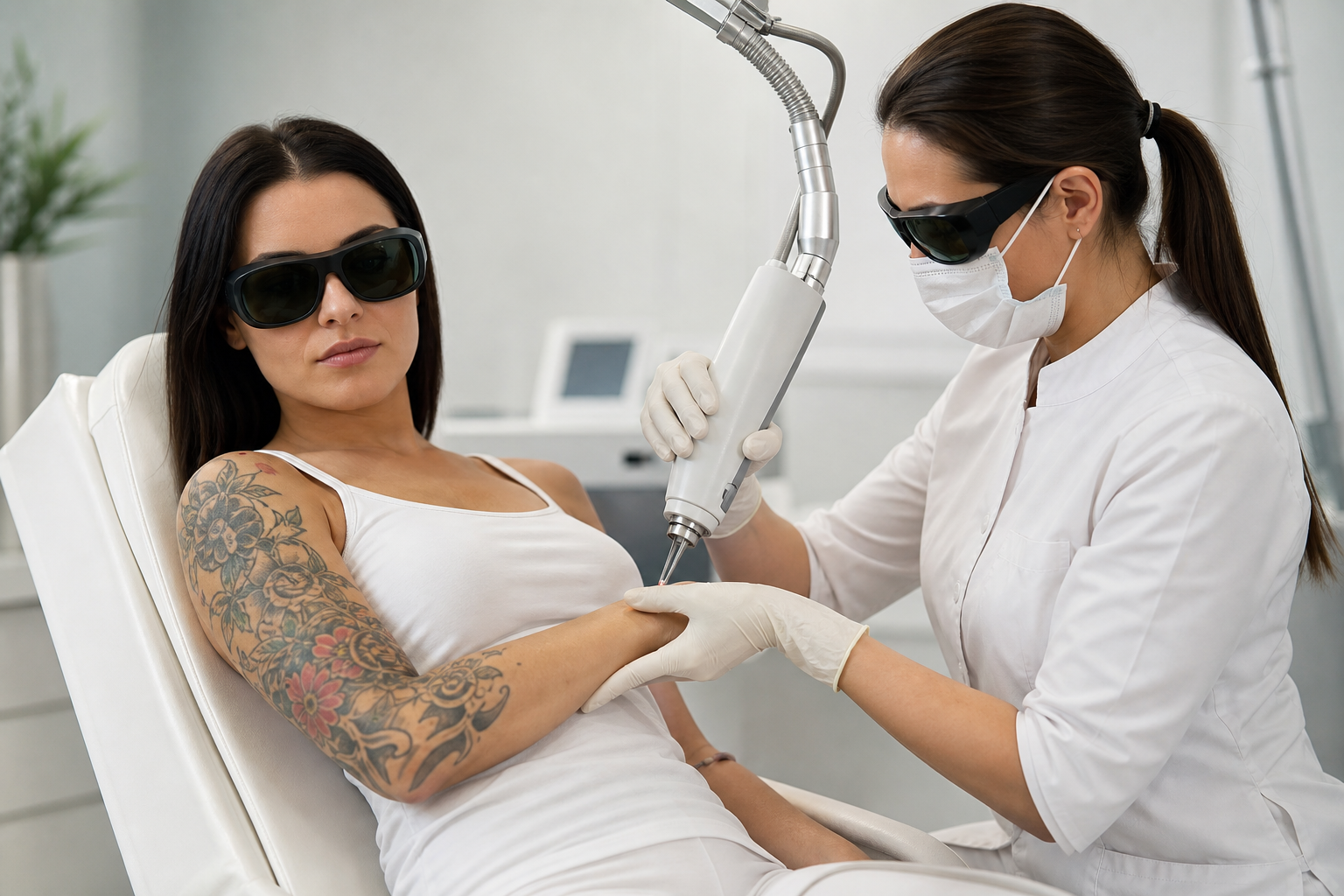
The question of whether laser tattoo removal can leave a scar is one that resonates with many individuals considering this increasingly popular aesthetic procedure. Tattoos, once permanent marks of identity or expression, are now often subject to change as people’s tastes, circumstances, or priorities evolve. Laser tattoo removal stands as the leading method for erasing unwanted ink, promising a gradual fading of tattoo pigment through advanced technology. However, concerns about potential scarring remain a pivotal factor for anyone weighing this option.
This editorial explores the nuances surrounding laser tattoo removal and its relationship with skin scarring. It is essential reading for prospective patients, dermatologists, and skincare professionals who wish to understand the complex interplay of treatment, safety, skin biology, and outcomes. Understanding the risks of scarring, how to minimize them, and the particular challenges in different skin types can empower informed decision-making and help manage expectations effectively.
The importance of this topic extends beyond mere aesthetic considerations. Scars can alter skin texture and appearance in often unpredictable ways, influencing confidence and quality of life. Therefore, a comprehensive explanation of laser tattoo removal’s mechanisms, potential side effects, especially scarring, and steps to prevent adverse outcomes, is not only desirable but necessary for anyone exploring this field.
What Is Laser Tattoo Removal and How Does It Work?
Laser tattoo removal is a medical procedure that employs highly concentrated beams of light to target and break down tattoo pigments embedded within the skin. Specialized lasers, most notably Q-switched lasers, emit pulses of light at specific wavelengths designed to shatter ink particles into smaller fragments. Once fragmented, these pigments are gradually eliminated by the body's immune system over a series of treatments.
Multiple sessions are typically required to achieve significant fading or complete clearance of a tattoo. The interval between treatments allows the skin to heal and the immune system to clear the pigment debris safely. Advances in laser technology enable practitioners to adjust wavelengths and energy settings to better address a variety of ink colors and depths, ensuring more effective and tailored treatments.
Compared to earlier methods—such as excision or dermabrasion—laser tattoo removal offers superior precision and safety with relatively lower downtime. Nonetheless, it constitutes a controlled injury to the skin, and the risk of unintended skin changes, including pigmentation shifts or scarring, remains a critical consideration.
Who Is Most at Risk for Scarring After Laser Tattoo Removal?
The development of scars after laser tattoo removal results from a multifactorial process influenced by both patient-specific and procedural factors. Understanding who is more vulnerable to this outcome can help mitigate risks and guide patient selection.
Skin Phototype and Pigmentation
Individuals with darker skin tones or those who maintain a tan possess higher melanin concentrations, which absorb not only tattoo pigment but also laser energy. This can cause unintended collateral damage to surrounding skin cells, elevating the risk of inflammatory reactions that may culminate in hypertrophic or keloid scarring. Careful parameter adjustment and selection of laser type are thus essential for these skin types.
Tattoo Characteristics
The depth and density of ink, color composition, and anatomical location of a tattoo influence treatment difficulty and risk. Deeper and denser tattoos often require more aggressive sessions, increasing chances of skin trauma and subsequent scarring. Areas with thinner skin or reduced vascularity are also more susceptible.
Treatment Technique and Equipment
The specific laser technology, energy settings, pulse durations, and the expertise of the operator substantially determine treatment safety. Overexposure or improper settings can cause burns, blisters, and damage to the dermal layers, precipitating abnormal wound healing and scar formation.
Individual Healing Response
Some patients inherently have a propensity for abnormal scarring due to genetic factors or pre-existing conditions such as diabetes, which impair wound healing. Previous scarring tendency should be assessed to estimate risk.
What Are Common Skin Reactions Following Laser Tattoo Removal, and Which Signal the Need for Medical Attention?
After laser treatment, the skin typically displays transient redness, swelling, and mild discomfort akin to a sunburn. This acute inflammatory response is part of normal healing and generally subsides within days. Temporary blistering or formation of delicate scabs can also occur as the skin sheds damaged layers.
Attention is warranted if the patient experiences severe pain, pus formation, persistent or intensifying redness, or unusual pigmentation changes. These signs may indicate infection or problematic wound healing that necessitates prompt medical assessment. Likewise, failure of the skin to heal properly over multiple weeks with the presence of visible ulcerations or thickened scar tissue should trigger re-evaluation by a dermatologist.
Recognizing the difference between routine post-treatment effects and complications is crucial to prevent permanent skin damage. Patients must receive clear postoperative care instructions and have access to professional guidance if concerns arise.
How Can Scarring Be Prevented During and After Laser Tattoo Removal?
Preventative strategies for scarring begin well before the first laser pulse. Proper patient evaluation, including assessment of skin type, tattoo characteristics, and medical history, is paramount for planning treatment.
During the session, using the most appropriate laser technology, carefully customizing settings to the patient's skin and tattoo, and avoiding overly aggressive treatments reduces the risk. Employing cooling devices and protective measures also helps sparing the epidermis.
Post-procedure care is an essential component of scar prevention. Adequate hydration, strict sun avoidance, and diligent application of sunscreen protect healing skin from further damage. Patients are advised against picking or scratching treated areas to prevent disruption of the natural repair process. Use of emollients and topical agents recommended by dermatologists can facilitate optimal wound healing.
Consistent follow-up appointments enable monitoring of skin recovery and early intervention should any abnormalities develop.
Why Is Laser Tattoo Removal Especially Complex for Darker and Tanned Skin?
Skin with higher melanin levels reacts more intricately to laser energy due to the pigment's light absorption properties. Lasers designed to break down tattoo inks may inadvertently target melanin, increasing risks of burns, pigmentation alterations, and scarring. Additionally, tanned skin behaves similarly because recent UV exposure boosts melanin concentration temporarily.
Therefore, protocols for darker or recently tanned skin often involve reduced laser energy, longer intervals between treatments, and sometimes alternative wavelengths that are less absorbed by melanin. This approach decreases thermal injury to the surrounding tissue but may necessitate more sessions for effective tattoo clearance.
Practitioners must be knowledgeable about these considerations and tailor treatments meticulously, balancing efficacy and safety.
When Should a Dermatologist Examine a Tattoo Before Removal Procedures?
A thorough dermatologic evaluation prior to laser removal is critical, especially for complex, large, or older tattoos. The clinician examines the skin’s condition, identifies any underlying dermatoses, evaluates the tattoo's ink composition, and assesses the patient's overall risk profile for adverse effects, including scarring.
This examination also facilitates the identification of potentially malignant or atypical skin lesions masquerading as tattoos, as well as conditions that may contraindicate laser use. Furthermore, dermatologists advise on individualized pre-treatment protocols, such as skin preparation or pausing tanning practices.
Such medical oversight enhances safety and optimizes outcomes by ensuring that patients undergo removal procedures only when appropriate.
What Can Patients Expect During and After Laser Tattoo Removal?
Each laser tattoo removal session lasts from several minutes to an hour, depending on the extent and complexity of the tattoo. Patients typically feel transient discomfort described as snapping or heat. Cooling measures can help alleviate this sensation.
Post-treatment, affected skin appears pink or red, mildly swollen, and sometimes blistered. These symptoms fade over days with proper care. Several weeks of healing occur between sessions, with gradual fading of the tattoo pigment visible after multiple treatments.
Success varies based on multiple factors, including tattoo color, skin type, and laser parameters. Though complete removal is not always guaranteed, scars can usually be avoided or kept minimal with appropriate technique and aftercare.
How Does Practitioner Experience Influence Safety and Outcomes?
The skill and knowledge of the treatment provider play a decisive role in minimizing the risk of scarring and other adverse effects. Experienced practitioners expertly select laser settings tailored to each patient's skin type and tattoo features, monitor skin responses during and after sessions, and adjust treatment plans accordingly.
Equally important is the practitioner's ability to recognize early signs of complications and implement preventive or corrective measures. Lack of expertise increases the likelihood of improper laser use, overtreatment, or insufficient care instructions, all of which can lead to permanent skin damage, including scarring.
Therefore, patients should seek treatment from licensed dermatologists or certified laser specialists with proven experience and access to advanced laser devices.