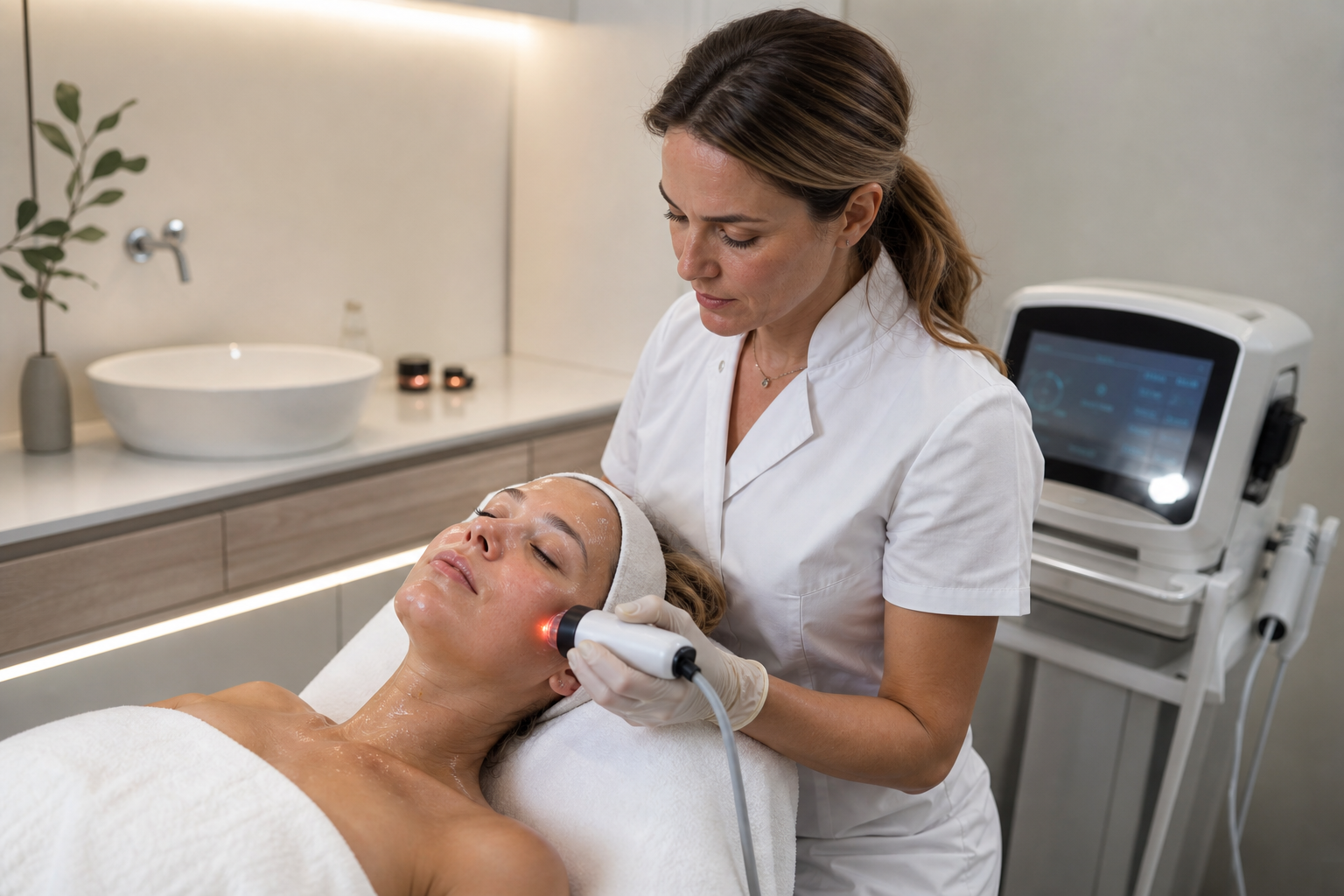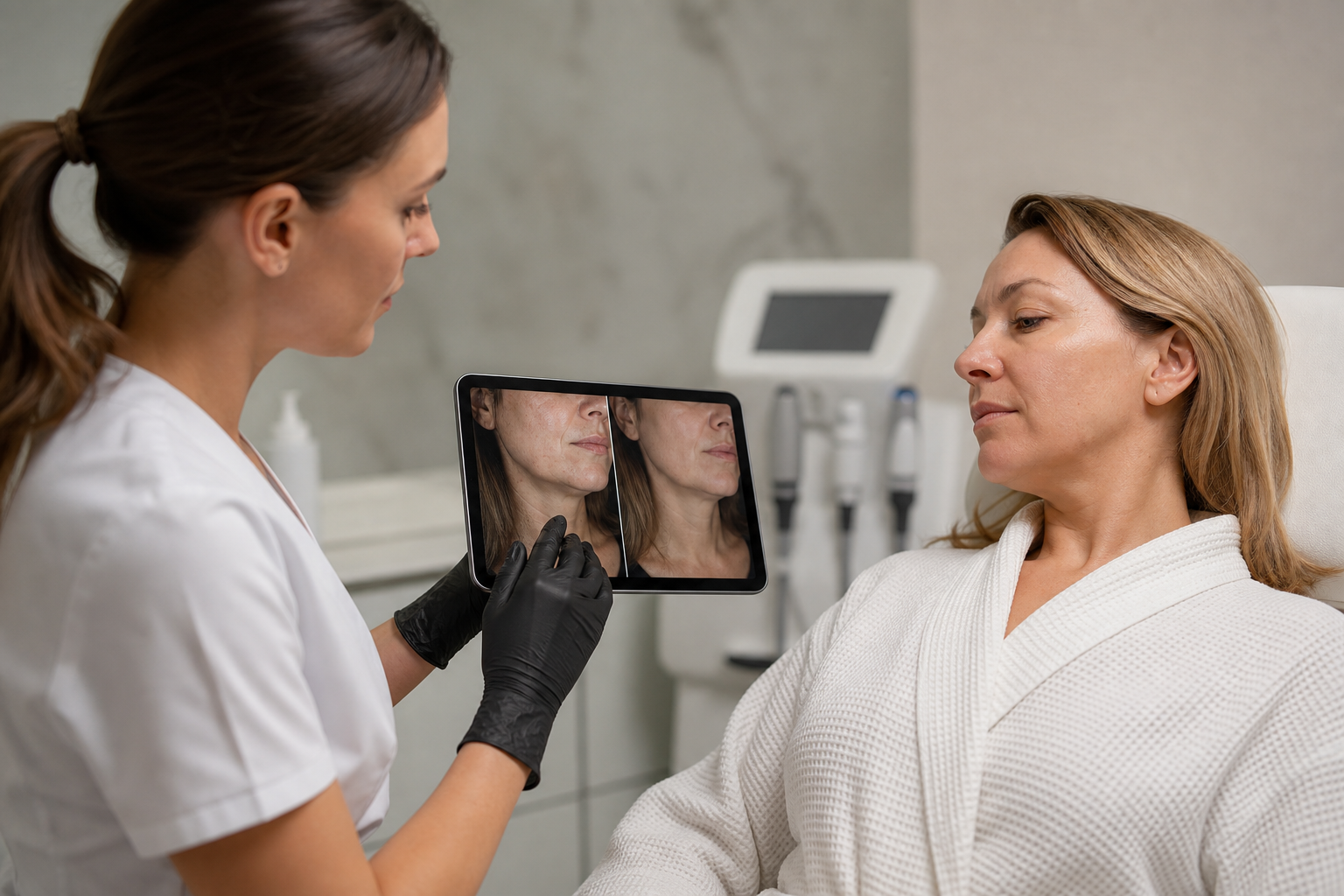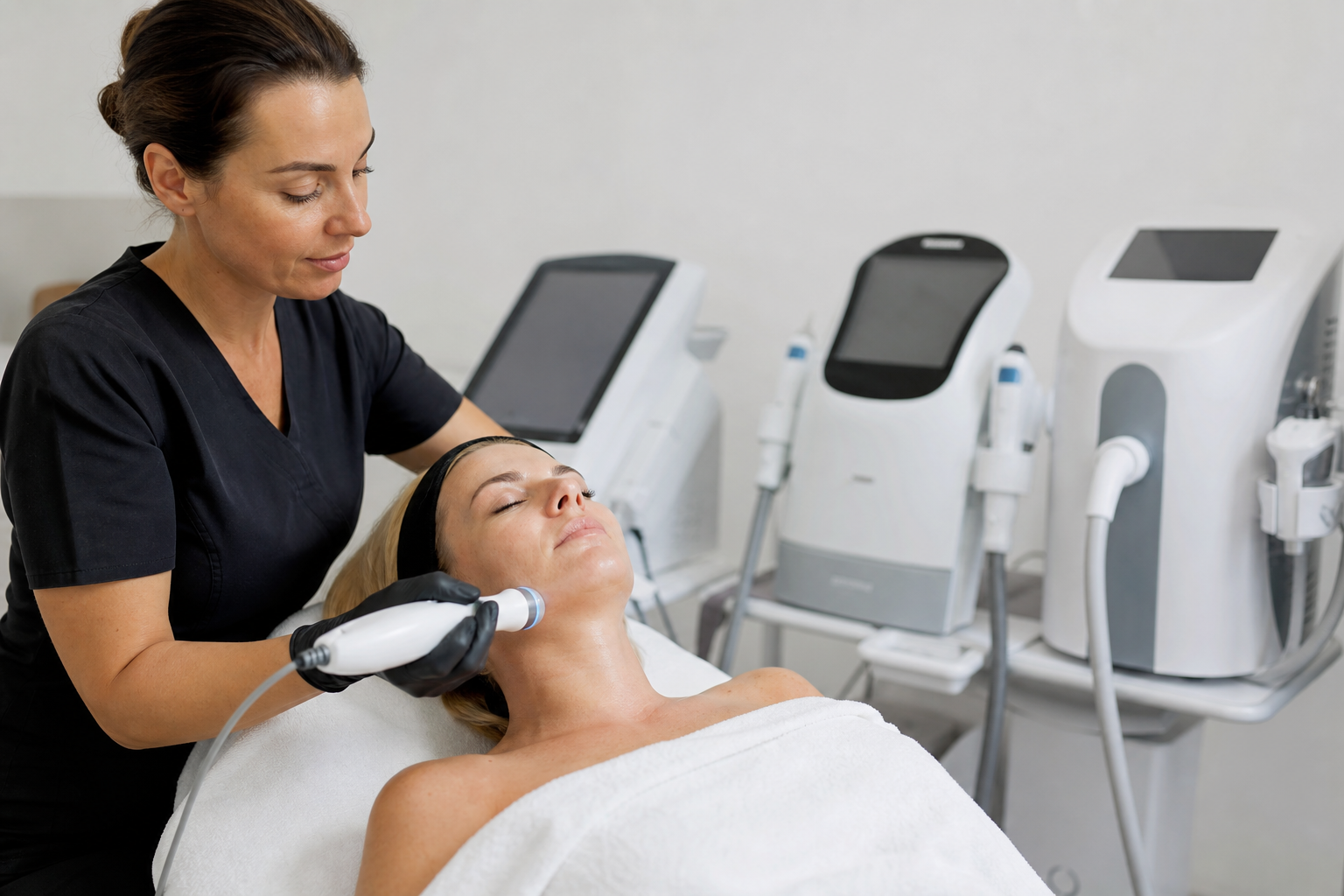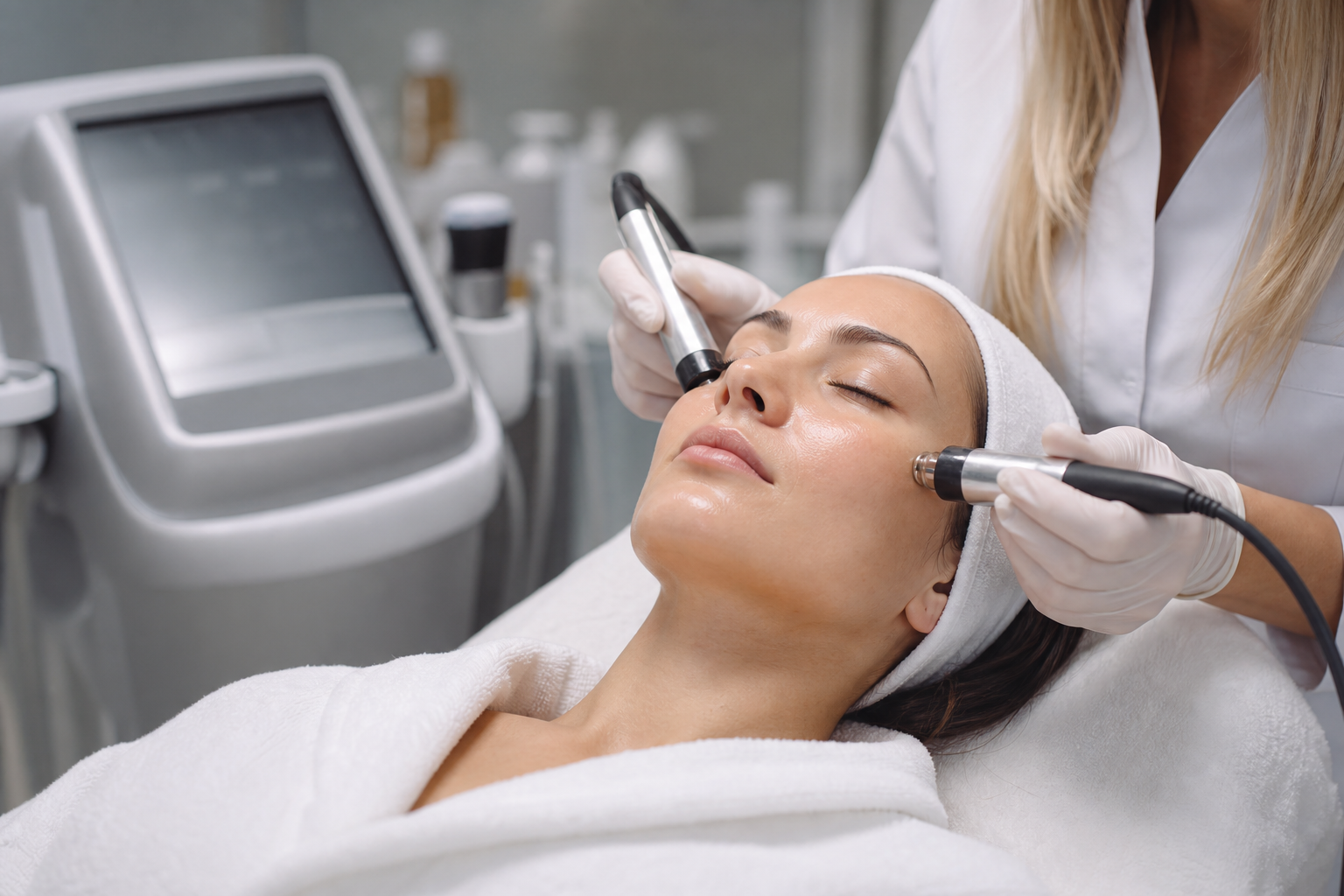
In the evolving landscape of aesthetic medicine, radiofrequency (RF) treatments have secured a prominent role in the pursuit of youthful, radiant skin without the invasiveness of surgery. Among these advancements, RF lifting—or radiofrequency skin tightening—stands out as a scientifically grounded method designed to stimulate the skin’s natural collagen and elastin production, promoting firmer, smoother, and more resilient skin. Within this category, two main technologies—monopolar and bipolar RF—offer distinct mechanisms of action and therapeutic benefits.
This detailed exploration is intended for individuals contemplating non-invasive facial rejuvenation options, as well as practitioners seeking to deepen their understanding of the differences between monopolar and bipolar RF devices. Understanding these distinctions is crucial not only for achieving optimal clinical outcomes but also for tailoring treatments to individual patient needs and expectations.
Why does it matter which RF technology is used? Because the choice influences the depth of energy penetration, the precision of treatment, patient comfort, recovery time, and ultimately the efficacy for specific skin conditions. In this comprehensive article, we will delve into the principles of monopolar and bipolar RF, discussing how each works, who benefits most from each type, their advantages and limitations, and practical considerations for selecting the most appropriate modality for facial rejuvenation.
What Is Radiofrequency Skin Tightening and How Do Monopolar and Bipolar Systems Differ?
Radiofrequency skin tightening employs controlled radiofrequency energy to generate heat within the dermis, the middle layer of the skin where collagen and elastin reside. This thermal stimulation triggers the skin’s natural repair process, inducing fibroblast activity and leading to the synthesis of new collagen and elastin fibers. The result is an improvement in skin tone, elasticity, and overall texture.
The core difference between monopolar and bipolar RF devices lies in their electrode configurations and the consequent depth and pattern of energy delivery. Monopolar RF utilizes a single active electrode to deliver energy, with a separate grounding pad completing the circuit, allowing the current to penetrate deeply into the skin and subcutaneous tissues. Conversely, bipolar RF deploys two electrodes positioned close together, confining the current flow to a more superficial region between them, ideal for targeted and controlled heating of the upper dermal layers.
These functional distinctions provide a framework for understanding how varying clinical indications can be matched with the most appropriate RF technology.
How Does Monopolar RF Work and Who Benefits Most from It?
Monopolar RF treatments generate heat that penetrates deeply into facial tissues, reaching the connective layers beneath the skin surface. The electrical current emitted from one electrode travels through the tissue to the grounding pad, creating volumetric heating that enhances collagen remodeling even in the deeper skin structures.
This deep penetration makes monopolar RF especially suitable for individuals exhibiting pronounced skin laxity, sagging in the lower face and neck, or those seeking more substantial skin tightening and contouring effects. It also offers benefits for larger or more fibrous areas in facial rejuvenation, where stimulating the underlying fascia can yield improved support and tone.
However, due to its more intense and penetrating nature, monopolar RF treatments typically require stringent professional oversight to maintain patient safety and comfort, as overheating or burns are potential risks if not properly administered. Treatment sessions might be longer or spaced further apart to accommodate skin recovery following deeper tissue heating.
What Are the Characteristics and Applications of Bipolar RF for Facial Rejuvenation?
Bipolar RF devices, by virtue of their paired electrodes positioned close to each other, focus the radiofrequency energy within a shallower and more confined tissue plane, predominantly targeting the upper to mid-dermis. This results in a gentle, controlled heating that effectively stimulates collagen synthesis without penetrating as deeply as monopolar devices.
The precision inherent in bipolar RF makes it particularly advantageous for delicate facial regions, such as the periorbital area, cheeks, and forehead, where excessive heat and deeper penetration could pose risks due to thinner skin and underlying structures. Additionally, bipolar RF’s treatment sessions are often quicker, more comfortable, and associated with minimal downtime, making it a favored option for patients seeking a subtle rejuvenation effect with minimal disruption to their routines.
Due to its milder nature, bipolar RF is commonly recommended for individuals with mild to moderate signs of aging, early skin laxity, or those with a preference for conservative, maintenance-oriented skin tightening treatments.
How to Decide Between Monopolar and Bipolar RF: Tailoring Treatments to Individual Needs
Choosing the optimal RF treatment modality involves an assessment of several patient-specific factors, including skin condition, age, the extent of skin laxity, treatment goals, pain tolerance, and previous history with aesthetics procedures.
For patients with significant sagging or who desire more dramatic lifting effects, monopolar RF generally offers a deeper, more intensive collagen stimulation suited to their needs. Conversely, for cases requiring finesse—such as younger individuals aiming to delay aging signs or those with thinner, sensitive skin—bipolar RF provides a well-balanced approach that prioritizes safety and comfort over maximum penetration depth.
It's important to integrate patient preferences regarding treatment frequency, recovery tolerance, and sensitivity to discomfort alongside clinical indications. Physicians and aestheticians must guide patients through an honest discourse about expected outcomes, benchmarks of improvement, and the realistic limitations of each technology.
What Are the Advantages and Limitations of Monopolar and Bipolar RF Technologies?
Monopolar RF shines in its capacity to reach subdermal tissues robustly, making it effective for deeper skin tightening and body contouring applications, beyond just facial rejuvenation. Its ability to address extensive skin laxity and larger treatment areas gives it a unique place in regenerative aesthetics.
The chief limitations include a higher risk profile for burns or discomfort due to its deeper energy delivery and an often longer recovery or downtime period. Additionally, monopolar RF devices necessitate precise clinician expertise and careful patient selection to mitigate risks.
Bipolar RF offers a safer treatment profile with limited side effects, making it suitable for sensitive and superficial applications. The advantages encompass shorter session durations, lower discomfort levels, and faster return to routine activities. However, the trade-off lies in its reduced penetration depth, meaning multiple sessions may be needed to sustain or enhance results for more pronounced aging concerns.
Both systems require maintenance treatments and realistic goal setting to maximize patient satisfaction and prolong youthful skin appearance.
How Do Minimally Invasive RF Treatments Complement Traditional Monopolar and Bipolar Techniques?
Beyond classic monopolar and bipolar RF, innovations such as RF microneedling and fractional RF expand the therapeutic arsenal by combining radiofrequency energy with physical microinjuries. These methods intensify dermal stimulation and collagen induction through controlled skin disruption coupled with thermal energy, targeting tissue remodeling more directly and effectively.
While traditional monopolar and bipolar devices remain non-invasive or minimally invasive modalities, RF microneedling adds an element of controlled skin injury that necessitates a modest recovery phase but can offer more substantial rejuvenation benefits. Patients seeking enhanced results that surpass non-invasive techniques may consider these next-generation treatments under expert guidance.
Integrating these advanced technologies requires an understanding of patient suitability, progression of treatment plans, and balancing invasiveness with desired outcomes.
What Should Patients Expect Before, During, and After RF Facial Rejuvenation?
Prior to RF treatment, a thorough consultation is essential to evaluate skin type, aging signs, and contraindications such as active infections, implants, or certain medical conditions. Patients are advised to avoid recent sun exposure, harsh chemical peels, or retinoid applications that could increase skin sensitivity.
During the procedure, patients typically experience a warming sensation, sometimes mild tingling or heat, indicative of effective tissue heating. Therapists ensure patient comfort by adjusting energy levels and treatment duration accordingly. Sessions generally last between 20 to 60 minutes depending on the area treated and device used.
Post-treatment reactions may include transient redness, slight swelling, or warmth that generally resolve within hours. Skin may appear refreshed and show initial tightening effects immediately, but the full benefits develop over weeks as collagen remodeling matures.
Patients should follow aftercare instructions, including sun protection and moisturizing, to support healing and prolong results.
How Does RF Lifting Fit Within the Broader Spectrum of Non-Invasive Rejuvenation?
RF lifting is a crucial component within a comprehensive matrix of non-invasive aesthetic interventions aimed at rejuvenation without surgery. It harmonizes well with other modalities such as ultrasound-based treatments, laser therapies, and injectable procedures, contributing to multifaceted skin enhancement strategies.
Its unique attribute is stimulating intrinsic biological pathways to rebuild skin architecture naturally, creating a gradual and authentic enhancement that avoids the artificial appearance sometimes associated with other methods.
As part of individualized treatment plans, RF lifting can play a key role in early intervention for aging skin, maintenance therapy for sustained youthfulness, or combination protocols to address complex concerns.