In the realm of advanced skin treatments, laser technology has become an invaluable tool, especially for those seeking to effectively address pigmentation concerns. One of the most common questions posed by patients and skincare professionals alike is: "How many treatment sessions are usually needed?" The answer, however, is far from one-size-fits-all. The number of sessions required depends on a multitude of factors including the diagnosis of the pigmentation, the patient’s skin type or phototype, the specific laser device and its technology, and the clinician's tailored protocol.
This article is tailored for individuals considering laser treatment for pigmentation removal, whether they are at the start of their journey, midway through treatment, or simply looking to understand the process better. A clear understanding of how many sessions are typically necessary, as well as the elements influencing this number, is critical for setting realistic expectations and ensuring the process is as safe and effective as possible.
Laser treatments for pigmentation are complex procedures that demand precise planning, preparation, and post-care maintenance. The commitment to a suitable number of sessions, guided by expert advice and grounded in evidence-based protocols, directly impacts the longevity and quality of results. In this comprehensive discussion, we will explore the determining factors for session count, the procedural workflow including preparation and recovery, how to realistically time your expectations for visible outcomes, and the essential role of photoprotection and ongoing maintenance.
What Factors Determine the Number of Laser Treatment Sessions for Pigmentation?
Determining how many laser sessions are needed to treat pigmentation effectively requires a nuanced understanding of the underlying diagnosis. Pigmentation disorders vary widely, ranging from melasma, solar lentigines, and post-inflammatory hyperpigmentation to other localized dark spots. Each of these has unique characteristics regarding depth, cause, and responsiveness to laser intervention.
Melasma, often hormonally influenced and recurrent by nature, may necessitate a longer treatment course with carefully spaced sessions to minimize recurrence and adverse effects. On the other hand, solar lentigines or sunspots, which tend to be more superficial, usually respond more quickly and may require fewer treatments to achieve satisfactory results.
Beyond diagnosis, a patient’s skin phototype critically influences treatment planning. Darker skin types (Fitzpatrick skin types IV to VI) are more prone to complications such as post-inflammatory hyperpigmentation or hypopigmentation if lasers are used aggressively. For these patients, lower energy settings and more conservative treatment regimes are advisable, often increasing the number of sessions but prioritizing safety and skin integrity. Conversely, lighter phototypes allow for higher laser energies and potentially fewer sessions.
The selection of the laser device also profoundly impacts session frequency. Various lasers operate on different wavelengths and modes, targeting pigments at different skin depths. Q-switched lasers, for example, are commonly used for deeper pigmented lesions, but optimal results typically emerge after multiple sessions. Nd:YAG lasers may be preferred in patients with darker skin tones to reduce risk, requiring a customized session count based on individual response.
Lastly, the clinician’s protocol—rooted in their expertise and knowledge of the patient’s unique case—tailors the treatment intervals, duration, and session number. This personalized approach balances efficacy with patient safety and comfort, ensuring the best possible outcome.
How Should Patients Prepare for Laser Pigmentation Treatment?
Preparation for laser treatment is foundational for ensuring safety and optimizing results. The process begins with an in-depth consultation where the clinician confirms the diagnosis, evaluates skin type, reviews medical history, and discusses patient goals. This stage is crucial for selecting the appropriate laser device and customizing the treatment protocol.
Patients are typically advised to avoid sun exposure and use vigorous photoprotection measures for several weeks prior to treatment. This minimizes active pigmentation and reduces tanning, which can elevate the risk of side effects. The application of broad-spectrum sunscreen with a high SPF is non-negotiable during this preparatory phase.
It is also generally recommended to discontinue certain skincare products and medications that increase photosensitivity, such as retinoids, glycolic acid, and some antibiotics, under the guidance of the treating clinician.
In some cases, pre-treatment with skin-lightening agents or topical depigmenting creams may be prescribed to enhance laser efficacy by reducing baseline pigmentation, making the treatment more predictable and effective.
What Happens During a Laser Pigmentation Treatment Session?
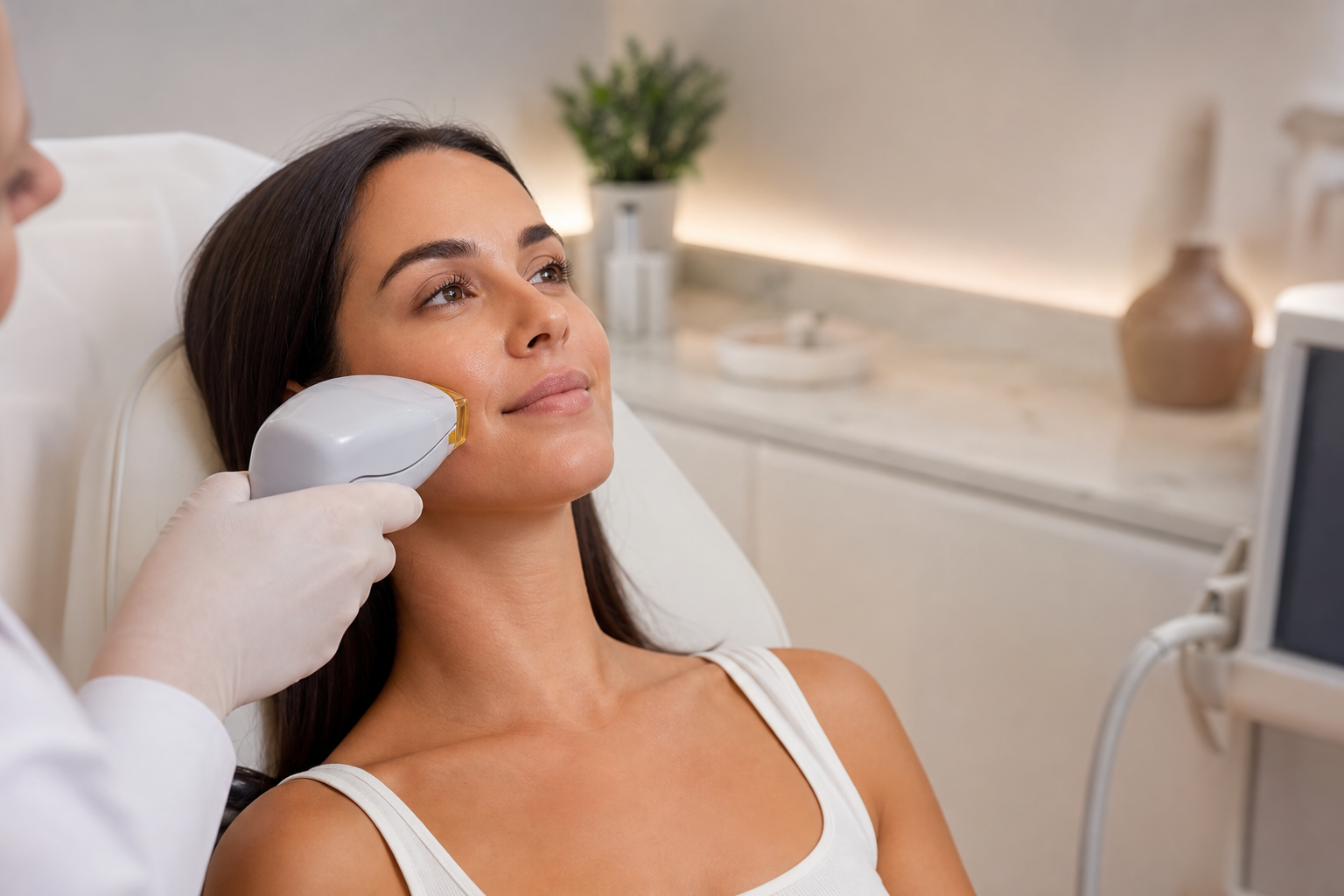
A typical laser session for pigmentation correction lasts roughly 20 to 45 minutes, varying based on the treatment area size and pigmentation severity. Patients may experience a sensation akin to mild snapping or warmth on the skin, but most modern laser systems incorporate cooling mechanisms to reduce discomfort.
Throughout the procedure, careful parameter adjustments ensure the laser energy targets pigmentation without harming surrounding tissues. Patient cooperation and clinician vigilance during the session are paramount to minimize adverse effects.
Sessions are generally scheduled several weeks apart—commonly between 3 to 6 weeks—to allow the skin to recover and the treated pigment to be naturally processed and cleared by the body.
What Is the Recovery Process After Laser Treatments for Pigmentation?
Post-treatment recovery varies depending on the laser used and the individual's skin response. Early after a session, it is normal for treated areas to show erythema (redness) and mild swelling, often resolving within a few hours to several days.
The skin may also exhibit sensitivity, dryness, or minor peeling as part of the natural healing and pigment elimination process. It is critical during this time to avoid sun exposure and continue using high-SPF photoprotection diligently to prevent new pigmentation and support even skin regeneration.
Patients are generally advised against applying irritant or abrasive skincare products during the healing phase to prevent complications. Following clinician instructions for topical care, moisturizing, and sun protection significantly enhances recovery quality and outcome durability.
When Can Patients Expect to See Visible Improvements and Final Results?
Visible improvement in pigmentation usually begins to manifest after the first or second treatment, but these early changes are often subtle. Optimal results tend to appear progressively following the completion of the full treatment series, which typically spans from 3 to 6 sessions or more, dependent on individual circumstances.
Skin remodeling and pigment removal are gradual processes as the laser energy stimulates cellular turnover and disrupts melanin deposits. Consequently, having realistic expectations for gradual change is essential to patient satisfaction and treatment adherence.
For challenging conditions like melasma, maintenance and ongoing skin care are necessary to sustain improvements due to the condition’s chronic and fluctuating nature.
Why Does Pigmentation Sometimes Darken After Laser Treatment?
A perplexing but relatively common occurrence post-laser treatment is the temporary darkening of pigmented areas, also referred to as a paradoxical darkening or a pathological pigment response. This phenomenon is thought to result from the laser fragmenting melanin particles, which then transiently concentrate closer to the skin surface before being naturally cleared.
This response is not indicative of treatment failure but rather a part of the pigment clearance process. Clinicians typically counsel patients about this possibility beforehand and may adjust treatment plans accordingly.
Strict adherence to post-treatment care and photoprotection helps mitigate extended pigment darkening and supports timely resolution.
Why Is Maintenance Important After Completing Laser Pigmentation Treatments?
Finishing a course of laser treatments does not imply the end of skin care responsibilities. Maintenance is vital to preserve the achieved aesthetic results, prevent recurrence, and support skin health. The skin remains susceptible to pigmentation triggers such as UV exposure, hormonal influences, and the natural aging process.
Continuous use of broad-spectrum sun protection is indispensable in maintenance. Additionally, employing specialized skincare products designed to maintain balanced pigmentation can prolong the treatment benefits.
Periodic follow-up visits with the treating clinician allow for early intervention should pigmentation begin to recur, and supplementary laser or adjunctive treatments may sometimes be recommended as preventive measures.
When Should One Decide to Start Laser Treatment for Pigmentation and How Long Does the Entire Process Take?
Choosing to initiate laser treatment should be a deliberate decision made in consultation with a qualified specialist who can assess the condition accurately and offer a personalized plan. Ideal candidates are motivated to adhere to medical advice, including preparation, treatment, and rigorous post-treatment care.
The comprehensive process—from preparatory measures, through treatment sessions, to full recovery—can span multiple weeks to several months. Sessions are generally spaced by 3 to 6 weeks, allowing the skin to heal and adapt optimally.
Patience and commitment to the recommended treatment schedule are crucial for attaining the best possible results with minimized risk.


