Laser hair removal has become a popular and effective solution for long-term hair reduction, offering individuals smooth and hair-free skin with minimal maintenance. However, alongside its benefits, some patients experience mild side effects, including itching after laser hair removal. Understanding why itching occurs, distinguishing it from more serious reactions, and knowing how to manage this symptom are vital for anyone considering or undergoing this treatment.
This article addresses the common concern of itching following laser hair removal, clarifying the underlying causes, appropriate self-care measures, and when professional intervention is necessary. Whether you are a prospective patient researching what to expect or someone who has recently undergone treatment facing uncomfortable sensations, this guide aims to provide comprehensive, reassuring, and practical advice aligned with current clinical recommendations.
Itching immediately after laser hair removal is often a normal and temporary response linked to the skin's reaction to heat, dryness, or perifollicular inflammation. Recognizing these typical causes and differentiating them from conditions such as hives, contact dermatitis, infections, or allergic reactions not only supports safe post-treatment care but also enhances the overall cosmetic outcome.
What Causes Itching After Laser Hair Removal?
Laser hair removal works by directing concentrated laser light into the hair follicles, heating and disabling them to reduce hair growth effectively over multiple sessions. This controlled thermal energy can provoke a mild inflammatory response in the surrounding skin, which commonly manifests as itching.
One primary contributor to itching post-treatment is the heat generated during the procedure. When laser energy is absorbed, it raises the temperature in targeted areas, which may activate nerve endings responsible for transmitting itch sensations. This heat-induced irritation is generally transient, resolving within hours or a couple of days.
Another significant factor is skin dryness. Laser treatments can disrupt the skin’s protective barrier, reducing natural moisture levels. Dehydrated skin tends to become tight and itchy, thus requiring attentive hydration.
Perifollicular inflammation—a mild swelling or redness around hair follicles targeted by the laser—is a particularly common cause of itching after sessions dedicated to hair removal. This inflammatory response encourages follicle damage and hair shedding but may result in discomfort as the skin heals.
Importantly, the intensity of itching caused by these mechanisms is usually mild to moderate and short-lived. It typically emerges within the first 24 hours following treatment and diminishes as the skin recovers. Persistent, severe, or spreading itching may signal a need for further evaluation.
How to Differentiate Routine Post-Treatment Itching from More Serious Skin Reactions?
Not all itching after laser hair removal is benign. Differentiating between routine post-laser itch and symptoms indicating complications is essential for appropriate management.
Hives (Urticaria): These appear as raised, red, and intensely itchy welts or bumps, sometimes spreading over large skin areas. Their occurrence after laser hair removal could suggest an allergic response to topical products or gels used during the procedure.
Contact Dermatitis: Resulting from exposure to irritants or allergens in creams, antiseptics, or other substances, contact dermatitis causes redness, swelling, flaky skin, and persistent itching. Unlike mild post-laser itch, it lasts longer and often requires dermatological care.
Infections: When the skin barrier is compromised due to scratching or improper aftercare, bacterial or fungal infections can develop. Signs include increasing redness, warmth, localized swelling, pain, and sometimes pus formation. Infection demands medical attention to prevent worsening.
Severe Allergic Reactions: Though rare, serious allergic responses like angioedema or anaphylaxis necessitate urgent medical care. Symptoms extend beyond itching to include facial or throat swelling, difficulty breathing, or dizziness.
Understanding these distinctions empowers patients to recognize when itching is a normal side effect versus a warning sign requiring consultation with a healthcare professional, such as the dermatologist or technician who performed the laser procedure.
What Preventative Measures Reduce Itching After Laser Hair Removal?
Preparation and post-treatment care are crucial for minimizing itching and other discomforts associated with laser hair removal.
Prior to treatment, maintaining well-hydrated skin is beneficial. Avoiding harsh cleansers, exfoliants, or chemical products that strip natural oils helps preserve moisture. Patients are also advised to limit sun exposure and refrain from tanning, as sun-damaged skin is more prone to irritation.
Immediately following laser sessions, gentle skin care should be prioritized. Applying soothing and fragrance-free moisturizers can restore hydration and reduce dryness-induced itching. It is equally important to avoid hot baths or showers and refrain from applying potentially irritating substances on treated areas.
Moreover, patients should resist the tempting urge to scratch or rub itchy skin. Mechanical irritation can prolong inflammation, worsen symptoms, and increase the risk of secondary infections.
Following specific instructions provided by the treating clinic ensures that patients use suitable topical products and engage in habits that promote skin recovery without aggravating symptoms.
Which Gentle Methods Can Alleviate Itching Consistent with Clinical Guidance?
Many simple non-pharmacological approaches are effective for soothing mild itching after laser hair removal.
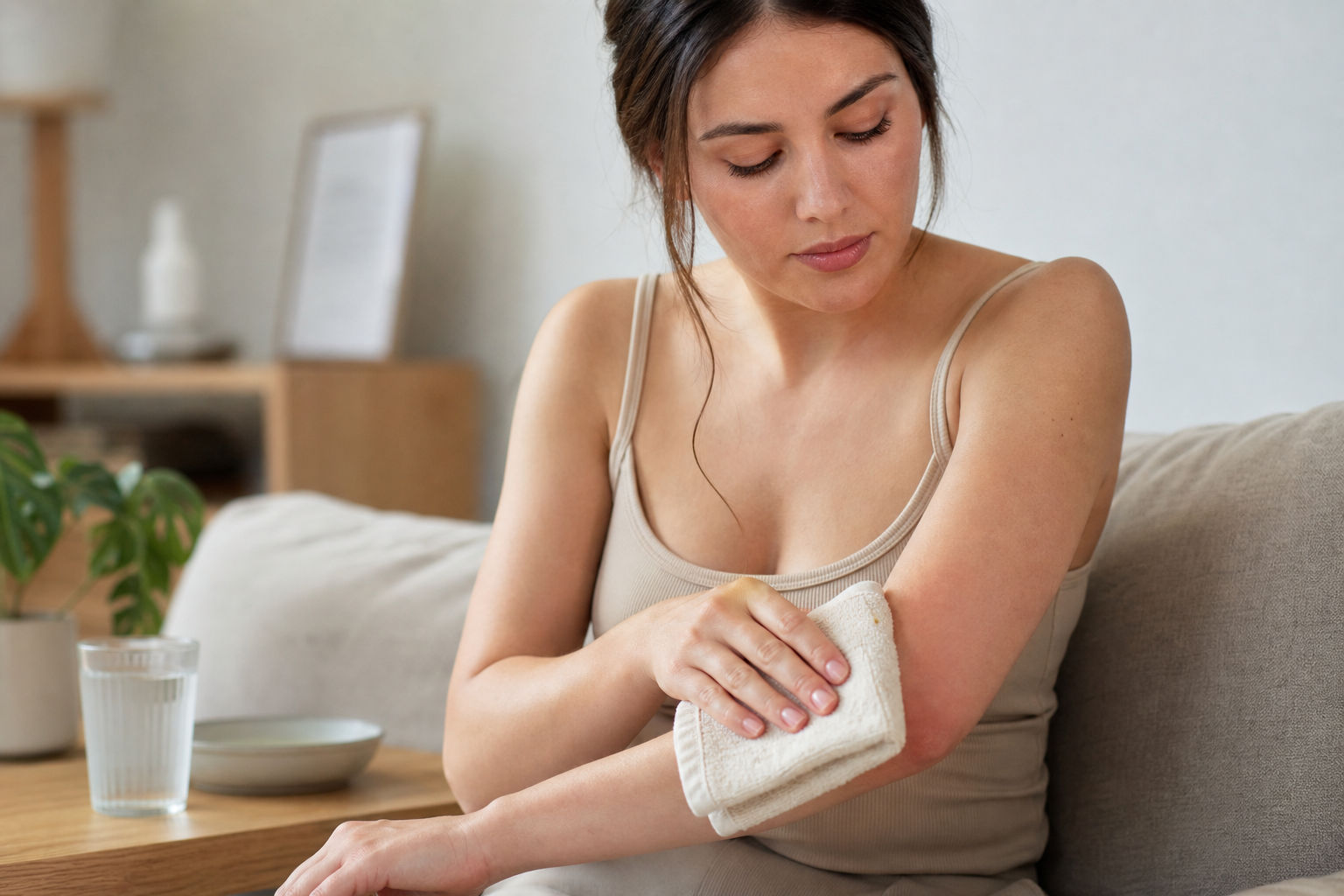
Cold Compresses: Applying cool, damp cloths or cold packs to the treated area can reduce skin temperature, diminish inflammation, and relieve itching sensations.
Moisturizing Products: Use of emollients and moisturizers formulated for sensitive skin can help rebuild the skin’s natural barrier, lock in moisture, and alleviate tightness and itch associated with dryness.
Avoiding Irritants: This includes steering clear of fragranced soaps, alcohol-based toners, and exfoliating scrubs that could disturb fragile post-laser skin.
Appropriate Clothing: Wearing loose, breathable garments made from natural fibers such as cotton minimizes friction and allows skin to heal comfortably.
It is imperative to adhere strictly to the clinic's aftercare recommendations and not to self-medicate with over-the-counter topical products indiscriminately, as some substances might exacerbate irritation or provoke allergic reactions.
When Should Patients Seek Professional Medical Advice for Itching Post-Laser Hair Removal?
Although mild itching is usually harmless and self-limited, certain developments should prompt timely consultation with healthcare providers:
• Persisting or worsening itch lasting beyond a few days without improvement.
• Appearance of new skin changes such as expanding redness, swelling, blistering, or discharge.
• Presence of symptoms suggestive of infection, including pain, warmth, or pus.
• Sudden emergence of hives, severe rash, or systemic symptoms like facial swelling or breathing difficulties.
Early assessment enables diagnosis of complications and initiation of appropriate interventions, which may involve prescription treatments or supportive care tailored by a professional. Timely response can prevent escalation of problems and safeguard the health of the treated skin.
How Does Understanding Itching Improve Overall Laser Hair Removal Safety?
Patient education regarding expected post-treatment sensations, including itching, fosters better cooperation and adherence to aftercare protocols. Clear communication from clinics about potential side effects, their typical duration, and warning signs reduces anxiety and enhances treatment satisfaction.
Moreover, informed patients are more equipped to avoid behaviors that might compromise results or cause adverse events, such as scratching or using unsuitable skincare products. This knowledge ultimately contributes to improved safety profiles of laser hair removal procedures.
Clinics providing comprehensive pre- and post-treatment counseling demonstrate commitment to holistic patient care, facilitating smoother recoveries and more effective outcomes. Access to authoritative information sources and actively encouraging patient questions form an integral component of modern laser hair removal practices.
What Are the Practical Steps to Support Healthy Skin and Minimize Itching After Laser Hair Removal?
Integrating simple habits into daily routines can significantly ease itching and promote skin healing post-laser:
• Cleanse treated areas gently using lukewarm water and mild, fragrance-free cleansers.
• Apply recommended moisturizers regularly; rehydrate skin multiple times daily as needed.
• Avoid direct sun exposure for several days following treatment; use high-SPF sunscreen when outdoors.
• Wear loose-fitting clothes that reduce friction and pressure on sensitive skin.
• Refrain from using makeup, deodorants, or perfumed products on treated zones immediately after sessions unless otherwise advised.
• Keep nails trimmed to minimize damage should inadvertent scratching occur.
• Stay hydrated and maintain a balanced diet to support skin integrity and repair.
By following these steps, patients foster an optimal healing environment that helps the skin restore its barrier function and minimizes the intensity and duration of post-laser itching.