Melasma is a persistent and complex skin condition characterized by irregular patches of hyperpigmentation, primarily affecting sun-exposed areas such as the face. Its management remains a profound challenge in dermatology due to its multifactorial causes, including genetic predisposition, hormonal influences, and ultraviolet (UV) exposure. Among various treatment modalities, laser therapy has emerged as a sought-after option for diminishing the visible signs of melasma. However, despite its potential benefits, laser treatment can paradoxically exacerbate melasma, raising concerns for patients and clinicians alike.
This article serves as a detailed exploration of why melasma can worsen after laser treatment. It is intended for individuals considering laser therapies for melasma and for dermatologists and aesthetic practitioners seeking a nuanced understanding of the risks, limitations, and best practices associated with laser interventions in pigmentary disorders. Recognizing the reasons behind the potential aggravation of melasma post-laser treatment is crucial for optimizing patient outcomes and ensuring patient safety.
Understanding the delicate balance of laser application, individual skin variability, and the importance of adjunctive measures clarifies why a personalized and cautious approach must be the cornerstone of any treatment plan. In doing so, this piece emphasizes the indispensable role of combination therapy, stringent photoprotection, and realistic patient expectations in managing melasma effectively.
What Is Melasma and Why Is Its Treatment Intrinsically Challenging?
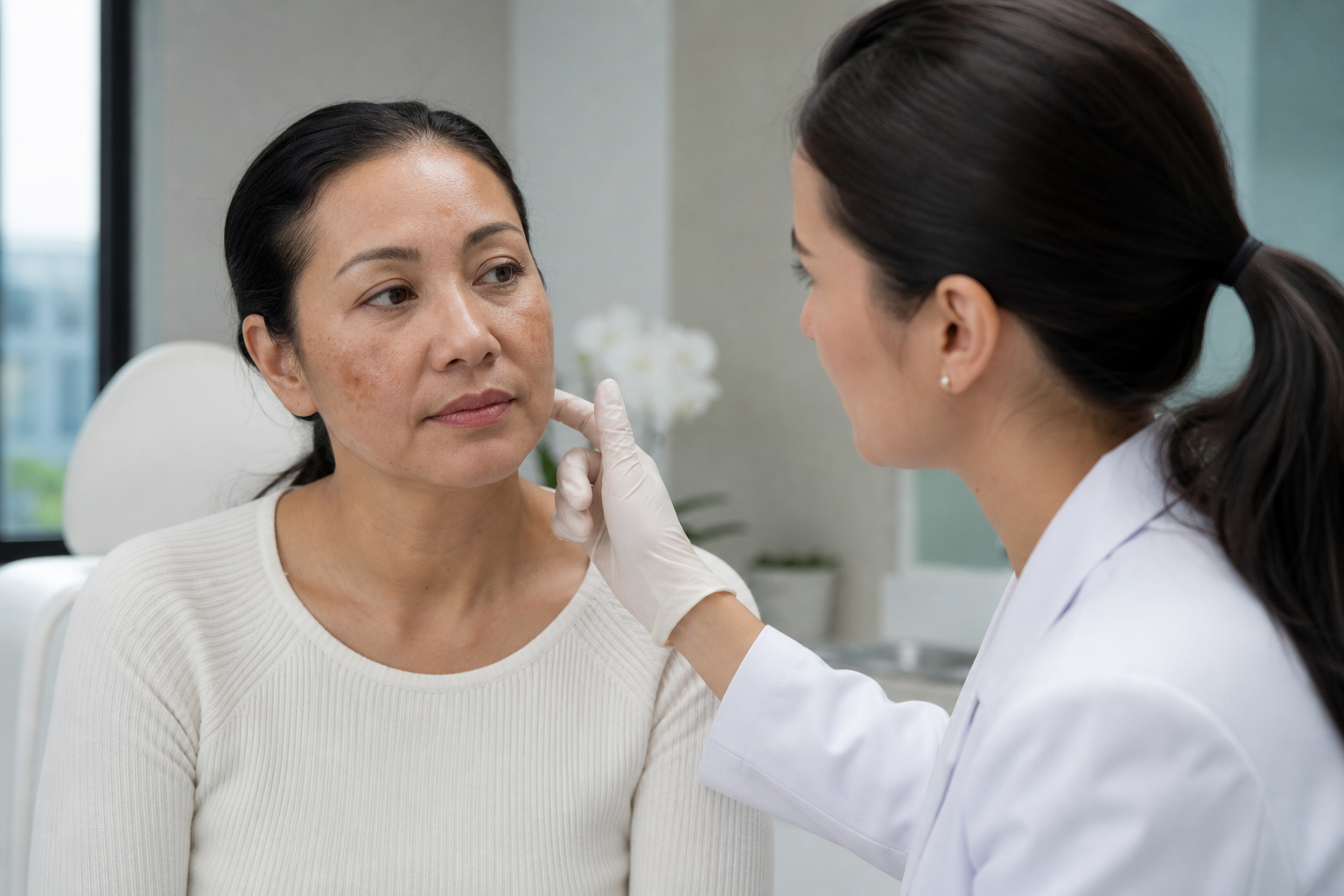
Melasma manifests as irregularly shaped brown or gray-brown macules, predominantly appearing on the cheeks, forehead, upper lip, nose, and chin. Its prevalence is higher in women, especially those with darker phototypes and those exposed to hormonal fluctuations—such as during pregnancy, oral contraceptive use, or hormone replacement therapy. Besides these internal factors, external triggers such as chronic sun exposure, heat, and visible light contribute significantly to its development and recurrence.
The complexity of melasma lies in its pathophysiology. The pigmentation can reside superficially in the epidermis, deeper within the dermis, or in a mixed pattern, each affecting treatment responsiveness. The multifaceted nature of melasma explains why many therapies yield incomplete or temporary results and why relapses are common.
Comprehensive management begins with understanding these underlying factors, which then informs the therapeutic approach. This appreciation is particularly pivotal when considering laser treatments, which work by targeting pigmented skin but may inadvertently trigger adverse reactions.
How Do Laser Treatments Interact With Melasma?
Lasers used in melasma therapy employ various mechanisms: photothermal, photomechanical, or photoacoustic effects aimed at disrupting melanin particles and stimulating skin remodeling. Technologies commonly applied include Q-switched Nd:YAG lasers, fractional lasers, picosecond lasers, and intense pulsed light (IPL), each with distinctive parameters and modes of action.
Laser treatments can provide visible improvement by breaking down melanin deposits and promoting collagen synthesis for skin texture enhancement. However, the efficacy and safety of these treatments hinge on appropriate laser selection, treatment settings, frequency, and the patient’s skin phototype and melasma subtype.
While some individuals report marked amelioration of pigmentation after laser sessions, others may develop undesirable skin inflammation or hyperpigmentation, underscoring the need for careful customization and cautious optimism.
Why Can Melasma Worsen After Laser Treatment?
The paradoxical worsening of melasma following laser therapy primarily stems from post-inflammatory hyperpigmentation (PIH) and inadequate targeting of pigment depth. Laser energy induces controlled microscopic skin injury and inflammation. In response, melanocytes may become overstimulated, increasing melanin production as a protective mechanism against perceived damage.
This inflammatory cascade not only challenges the skin’s pigmentary stability but also risks inducing new hyperpigmented lesions or accentuating existing melasma spots. The risk intensifies if the laser parameters are too aggressive for the patient’s skin type or if post-procedural care is insufficient.
Additionally, melasma pigment located deep within the dermis may not respond to lasers designed primarily for superficial pigmentation. Partial treatment of pigment can lead to heterogenous lightening, thereby enhancing visual contrast and the illusion of worsening.
Critical to this process is sun exposure post-treatment. Even minimal UV irradiation can activate melanocytes and cause repigmentation, often more aggressively than before, transforming a treatment intended to improve appearance into one that exacerbates skin discoloration.
What Are Common Complications and Risks Linked to Laser Treatment of Melasma?
Beyond the risk of PIH, laser therapies may introduce additional complications. These include erythema (redness), edema (swelling), epidermal disruption, and rarely scarring, particularly in individuals with darker skin phototypes (Fitzpatrick types IV–VI). Scars or dyspigmentation resulting from overtreatment can be especially distressing.
Non-uniform outcomes are common, with pigmentation fluctuating during the treatment course. Such variability demands that providers remain vigilant and adjust treatment plans promptly. The expertise of the practitioner and adherence to conservative protocols often dictate the balance between benefit and harm.
How Should Laser Treatment for Melasma Be Approached to Minimize Risks?
Management of melasma with lasers demands an individualized framework, rooted in thorough patient assessment. This evaluation encompasses the depth and pattern of pigmentation, skin phototype, history of pigmentary disorders, and lifestyle factors such as sun exposure.
Patient education is essential to set realistic expectations and understand limitations. Emphasizing that lasers are not curative but part of a comprehensive management strategy helps maintain patient trust and compliance.
Combination therapy enhances safety and effectiveness. The integration of topical agents such as hydroquinone, tretinoin, azelaic acid, and antioxidants supports laser treatment by reducing melanogenesis and stabilizing skin barrier function.
The choice of laser is another critical component. Less aggressive methods, such as laser toning or picosecond lasers, demonstrate favorable safety profiles in patients with melasma compared to more invasive fractional ablative treatments, which carry a higher risk of adverse effects. Employing conservative parameters and fractional technologies where appropriate can also help mitigate complications.
Why Is Strict Photoprotection Crucial Post-Laser Treatment?
Following laser therapy, the skin’s natural defenses are compromised, making photoprotection paramount. Ultraviolet and visible light exposure post-treatment can re-stimulate melanocytes and negate any improvement achieved by the laser.
Patients should be counseled to adopt rigorous sun avoidance measures, including the use of broad-spectrum sunscreens with high sun protection factor (SPF 50+), physical barriers such as wide-brimmed hats, and avoidance of peak sun hours.
Attentive skin care involving soothing and reparative products fosters barrier restoration and reduces inflammation risks. Consistent photoprotection not only enhances therapeutic outcomes but also prevents recurrence and new lesion formation, forming the cornerstone of melasma management.
What Can Patients Expect During and After Laser Treatments for Melasma?
Patients must understand the gradual nature of therapeutic response. Laser treatments typically require multiple sessions spaced weeks apart to achieve meaningful results. Transient redness, swelling, or mild discomfort may occur shortly after sessions but usually resolves within days.
Some temporary pigmentary changes may manifest transiently before improvement becomes apparent. However, if hyperpigmentation intensifies or persists, prompt consultation with a dermatologist is necessary to evaluate adjustments in therapy.
The relapsing and chronic nature of melasma means that laser therapy is often an ongoing management tool, with maintenance treatments and continuous topical and photoprotective regimens vital for long-term control. Patients should have no expectation of a permanent cure but rather focus on sustained improvement and quality-of-life enhancement.
Frequently Asked Questions About Laser Therapy for Melasma
Can laser permanently cure melasma?
Currently, no treatment, including laser therapy, can guarantee a permanent cure for melasma due to its multifactorial nature. Laser treatment primarily aims to reduce visible pigmentation and improve quality of life.
Which lasers are considered safer for treating melasma?
Pico-second lasers and low-fluence Q-switched Nd:YAG lasers (laser toning) have shown better safety profiles with reduced risks of PIH in suitable candidates, especially those with darker skin types.
How can post-laser worsening of melasma be prevented?
Preparation with topical depigmenting agents, selecting conservative laser parameters, ensuring strict photoprotection, and close monitoring during the treatment course are key preventive strategies.
Is combining topical therapy with laser treatments beneficial?
Yes, integrating topical agents such as hydroquinone or azelaic acid with laser therapy can enhance efficacy and reduce relapse, forming a synergistic approach to melasma management.