Laser hair removal by body area is a refined discipline within cosmetic dermatology, addressing the permanent reduction of unwanted hair through targeted laser technology. This treatment is particularly suited for individuals seeking long-term solutions to hair growth concerns across diverse body regions, each presenting unique anatomical and physiological challenges. Understanding the nuances of each treatment area—ranging from the delicate contours of the face to the expansive surfaces of the back and legs—is essential for optimizing outcomes, managing expectations, and ensuring patient comfort.
The significance of laser hair removal transcends mere aesthetics; it embraces advancements in technology that consider hair density, follicular pigment, growth cycles, and skin sensitivity, all influenced by hormonal factors and individual variability. By dissecting laser hair removal through the lens of body-specific characteristics, patients and clinicians alike can tailor therapeutic strategies that respect the complexities of hair biology and dermal architecture. This comprehensive editorial serves as a central resource for navigating the interplay between laser parameters and body area distinctions, highlighting protocols, comfort considerations, and realistic results without relying on generalized guarantees.
Whether contemplating treatment for the intimate precision of the upper lip or the broader canvases of the abdomen and legs, recognizing the differential behavior of hair follicles, pain thresholds, and hormonal influences is pivotal. This article therefore addresses the needs of diverse readers—from prospective candidates evaluating suitability to practitioners refining their approach—ensuring a well-rounded understanding of how laser hair removal adapts across bodily domains.
How Anatomical and Hair Characteristics Inform Laser Hair Removal Strategies Across Body Areas
The effectiveness and safety of laser hair removal hinge significantly on the anatomical and histological particularities of the targeted body area. Variations in skin thickness, hair shaft calibre, follicular density, and pigment concentration shape the customization of laser parameters such as wavelength, pulse duration, and fluence.
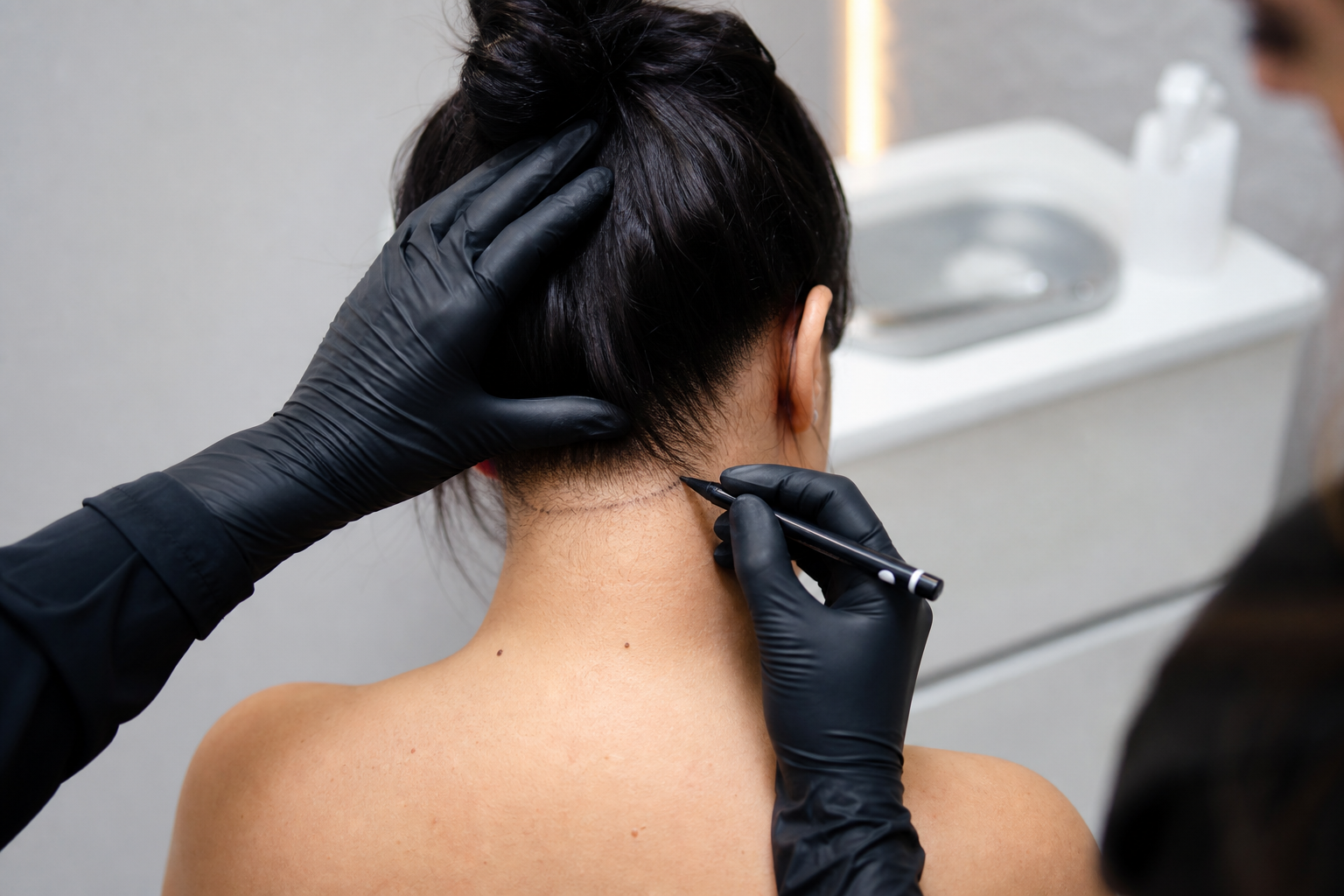
For instance, facial hair, particularly on the upper lip and chin, tends to consist of finer, less dense hairs compared to the underarms or legs, which often exhibit coarser, darker hair. This disparity necessitates calibrated laser settings that maximize follicle disruption while preserving surrounding tissue integrity. Areas like the neck and bikini line introduce additional challenges due to hormonal sensitivity, which can provoke persistent or recurrent hair growth, thereby influencing the required number of treatment sessions.
Moreover, the presence of skin folds, natural friction zones, and variations in melanocyte concentration require practitioners to exercise caution during treatment. The delicate epidermis of the face calls for gentler energy delivery and effective cooling techniques, contrasting with sturdier areas such as the arms and back where more robust pulses may be tolerated to target thicker follicles.
Facial Laser Hair Removal: Navigating Hormonal Sensitivity and Fine Hair Management
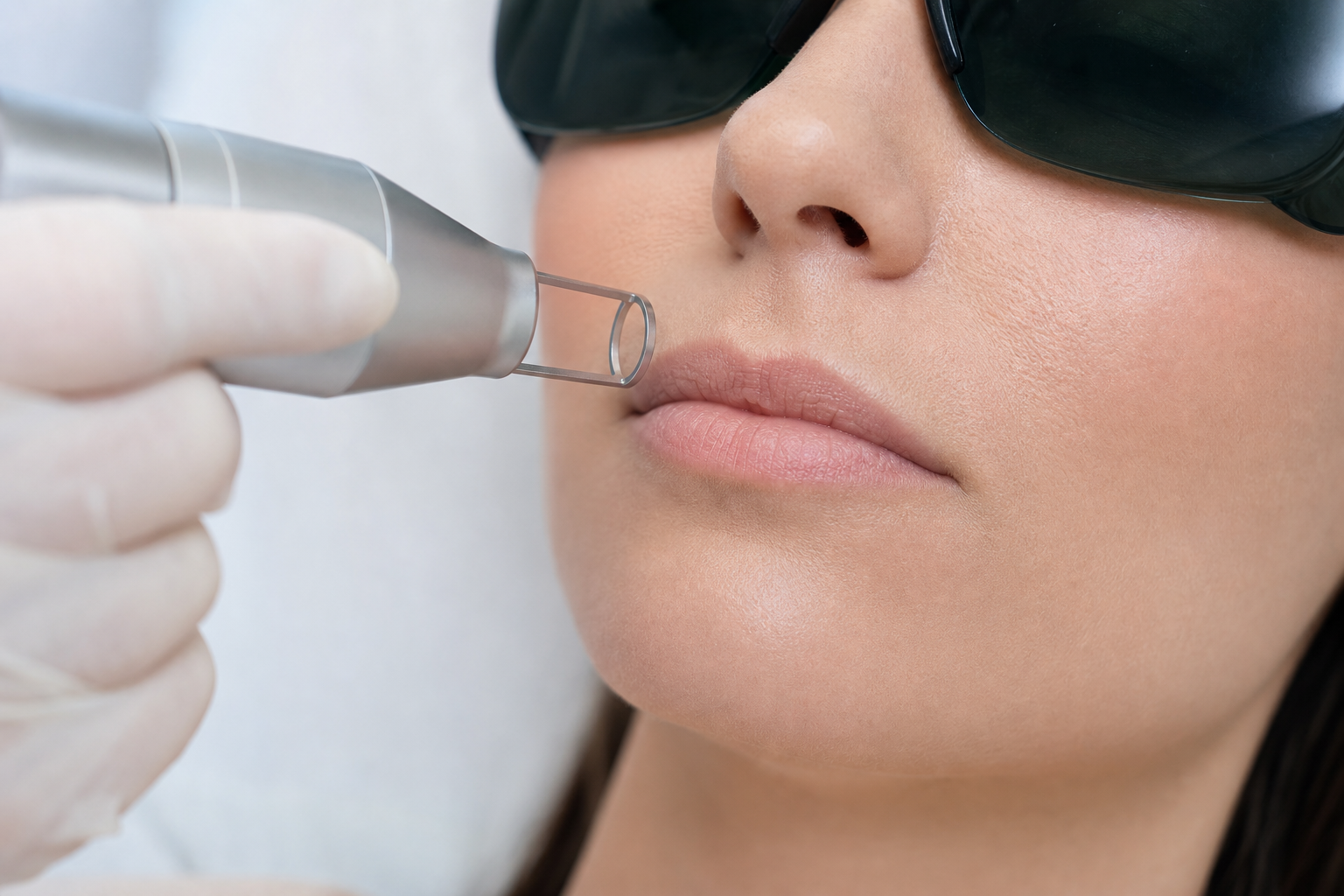
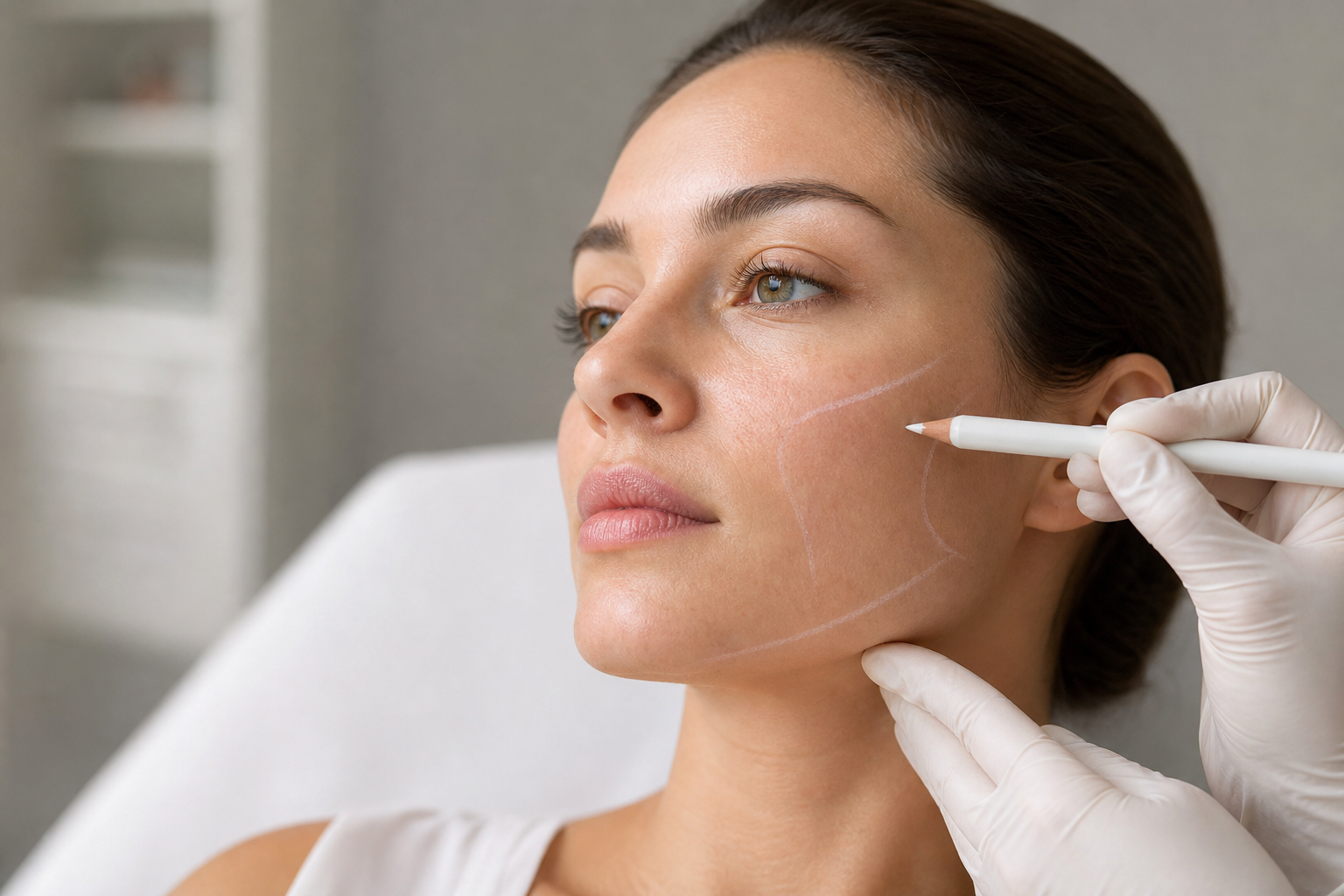
Laser hair removal on the face demands a specialized approach due to the intricate interplay between hair follicle biology and hormonal influences. Facial hair, especially in regions such as the upper lip, chin, and neck, is susceptible to fluctuations induced by androgens and other endocrine factors, which can lead to refractory or delayed response to treatment.
The lower density and finer calibre of facial vellus hairs pose a technical challenge, often necessitating the use of lasers with shorter pulse durations and precise targeting to minimize thermal damage to the surrounding skin. Multiple treatment sessions are generally required, spaced carefully to coincide with the anagen (growth) phase of hair follicles, enabling gradual and effective follicular destruction.
Patients undergoing facial laser hair removal must also consider the potential for transient erythema and hyperpigmentation, especially in those with higher Fitzpatrick skin types. Incorporating advanced cooling systems and pre-treatment skin conditioning can mitigate these risks and improve comfort.
Underarm Laser Hair Removal: Balancing Efficacy, Comfort, and Hygiene Benefits
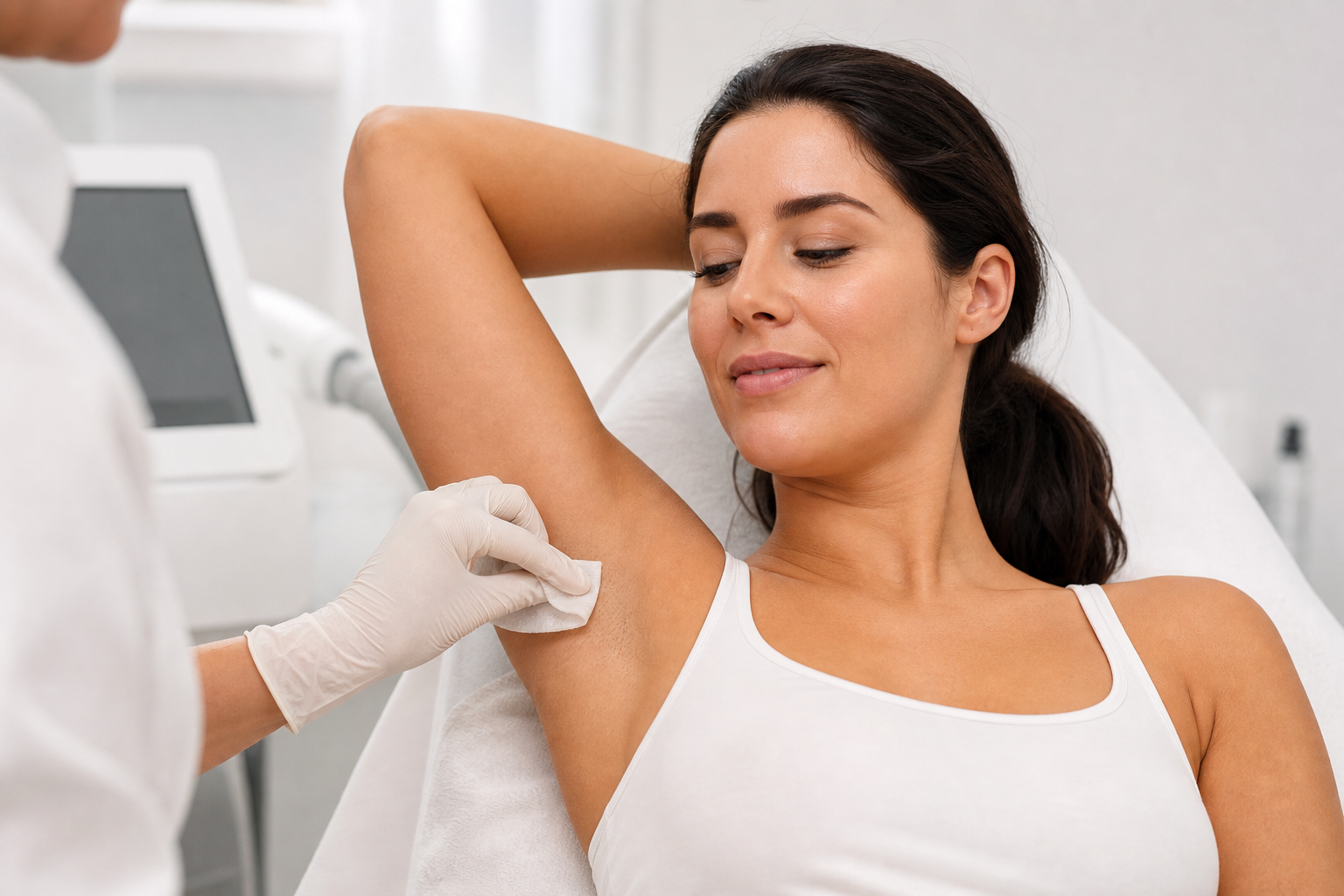
The axillary region is characterized by densely packed, pigmented hair follicles that respond well to laser hair removal due to ample melanin content, offering favorable absorption of laser energy. The relatively thin but resilient skin in this area can generally tolerate moderate laser intensities, although practitioners must remain vigilant for accidental irritation of lymphatic tissue and sweat glands.
Treatment in the underarms often results in not only the cosmetic benefit of hair reduction but also improvements in hygiene, as the reduction of hair diminishes sweat retention and odor-causing bacterial colonization. This multifaceted benefit contributes significantly to patient satisfaction.
Protocol adjustments include multiple sessions at intervals accommodating follicular regrowth cycles, with session counts influenced by individual hair density and hormonal status. While pain thresholds vary, many patients report moderate discomfort alleviated by topical anesthetics or integrated cooling during treatment.
Arms and Legs: Addressing Large Surface Areas and Hair Variation
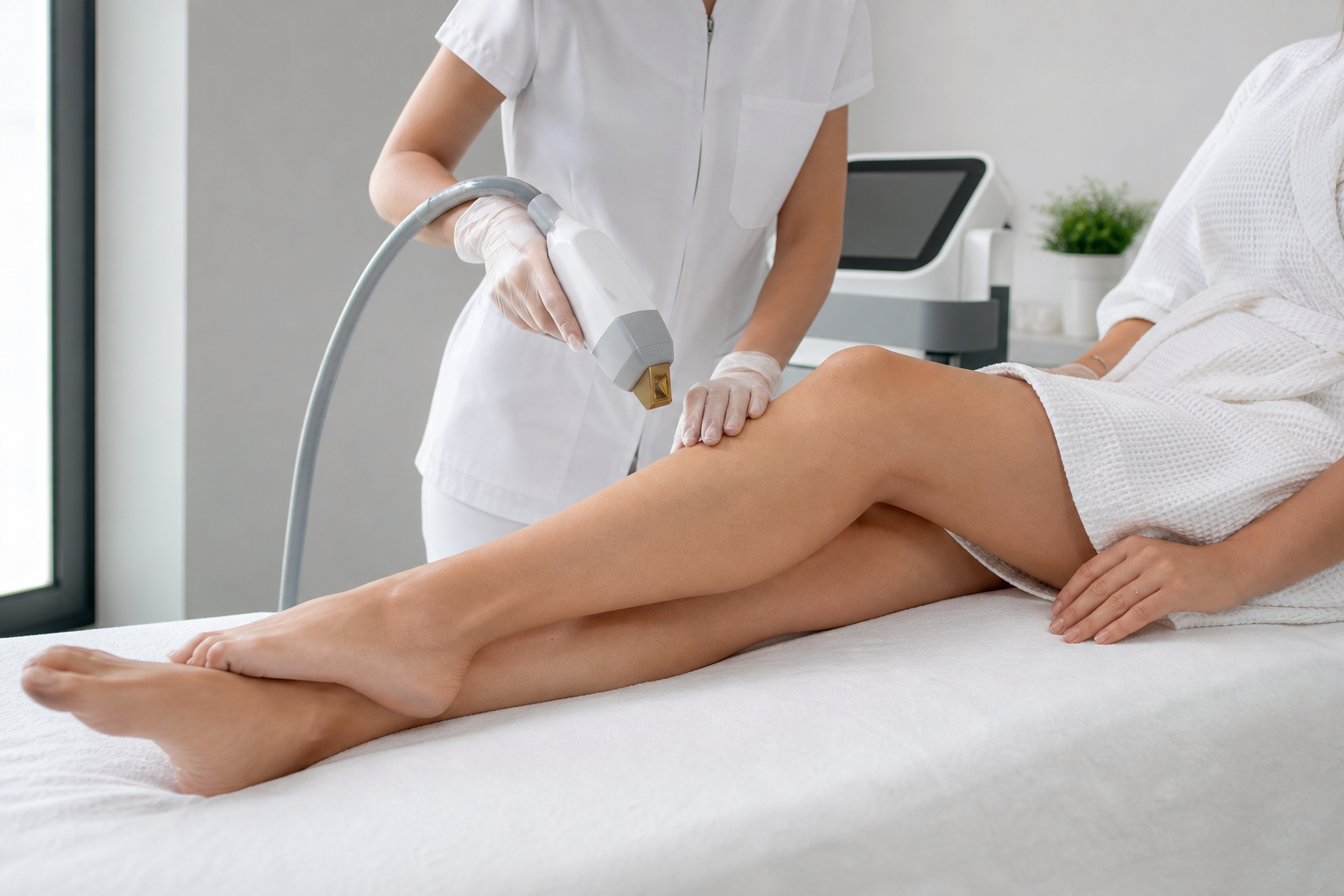
Laser hair removal on the arms and legs involves managing extensive surface areas with heterogeneous hair distribution and diverse hair types. The hair on the upper arms may be finer and sparser than that on the forearms or lower legs, necessitating adjustment of laser parameters within a single session to optimize efficacy.
The typically coarse and dense hair found on the legs makes these areas well-suited for laser treatment, often requiring fewer sessions to achieve substantive hair reduction. Treatment duration is inherently longer due to the area’s size, demanding meticulous treatment planning and proper patient positioning to ensure thorough coverage and safety.
Patients benefit from pre- and post-treatment skin care regimens to mitigate irritation and dryness, which can be more pronounced due to the extensive skin surface subjected to laser energy.
Abdominal and Back Regions: Managing Hormonal Influences and Variable Hair Patterns
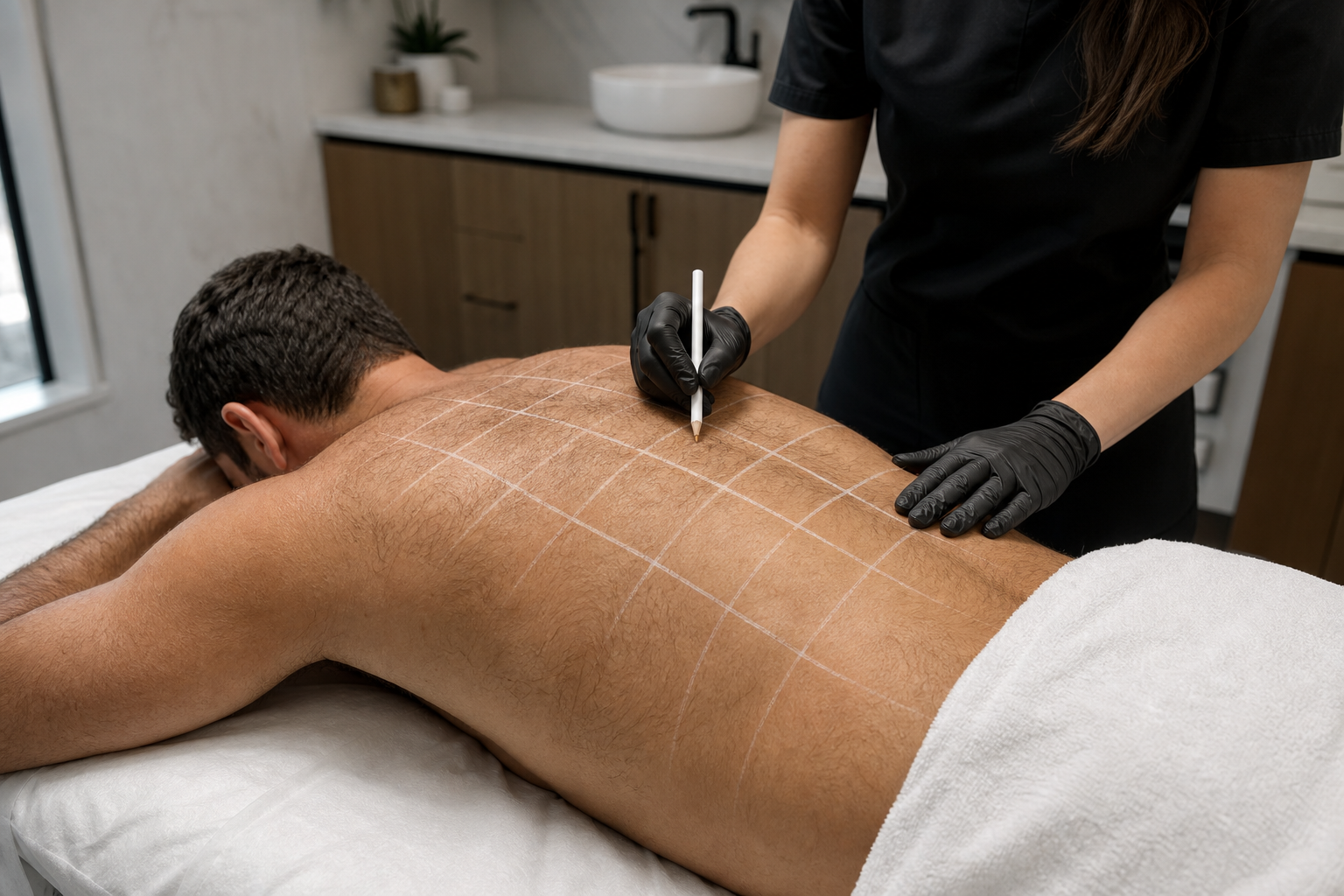
The abdomen and back offer distinctive challenges in laser hair removal owing to their broad expanse and the variability in hair texture, density, and hormonal modulation. Male patients typically present dense, thick hair on the back, while females may experience hormonal influences leading to intermittent hirsutism on the lower abdomen.
Laser protocols in these areas prioritize the efficient coverage of large zones while respecting the skin’s tolerance limits. High-capacity laser devices with rapid pulse repetition rates and large spot sizes facilitate treatment within manageable timeframes.
Session frequency and quantity are largely dependent on individual hair growth cycles and hormonal milieu, necessitating periodic re-evaluation to maintain results and address any emerging hair growth related to endocrine changes.
Bikini and Intimate Areas: Prioritizing Precision, Comfort, and Safety
Treatment of the bikini and intimate regions encompasses meticulous attention to skin sensitivity, follicular characteristics, and patient comfort. Hair in these zones is dense, heavily pigmented, but accompanied by thin, delicate skin with heightened sensitivity due to mucosal proximity and inherent friction.
Laser hair removal here requires lower energy settings and enhanced cooling techniques to minimize discomfort and prevent adverse events. The application of topical anesthetics or cooling devices is common practice, ensuring a tolerable procedure.
Patients should anticipate a series of treatments spaced appropriately to address the variable growth phases, with care to avoid interference from waxing or plucking that could disrupt the follicular integrity necessary for laser efficacy.
Feet, Toes, and Other Small-Diameter Areas: Tailored Approaches for Delicate Zones
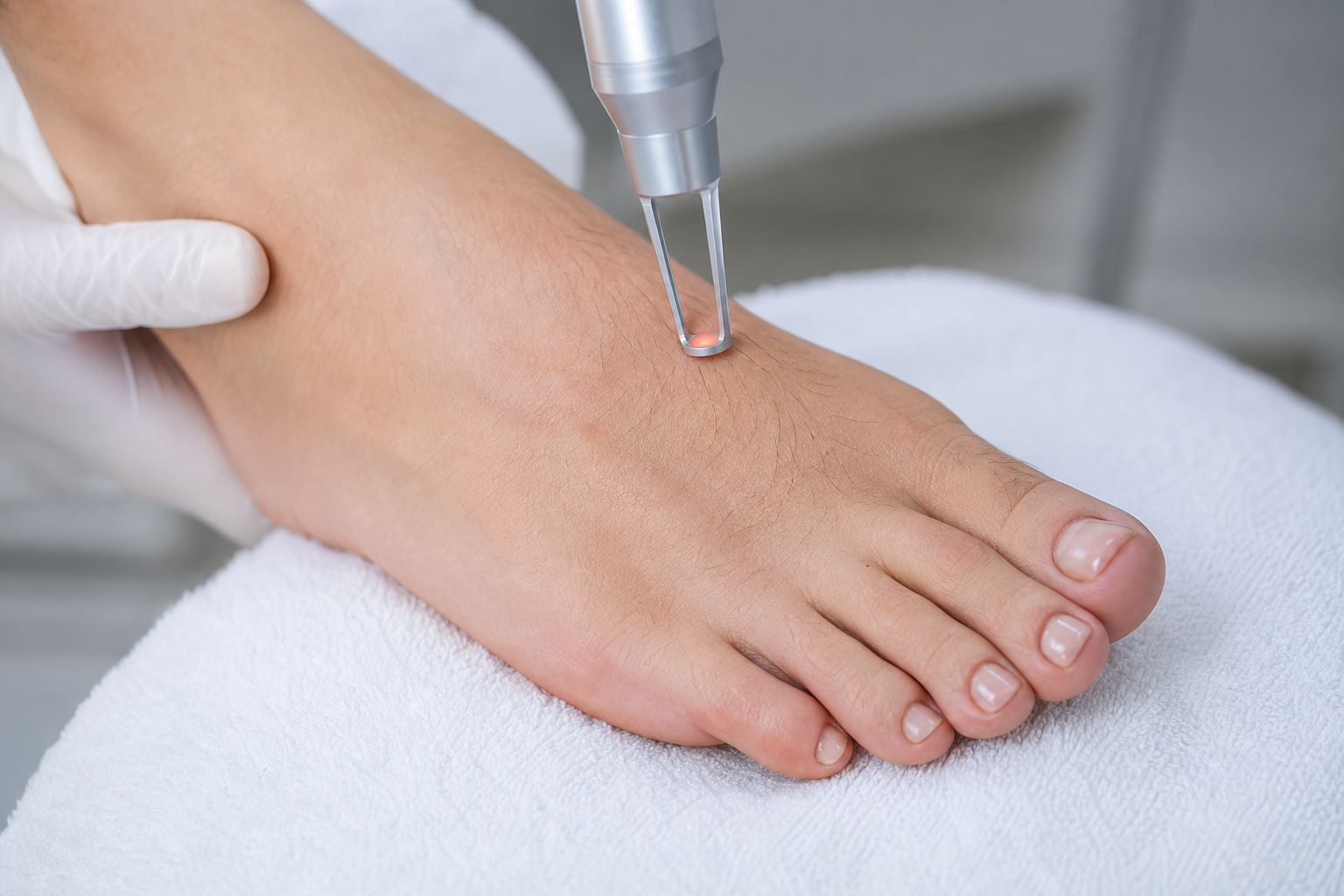
Small, intricate areas such as the feet and toes present unique challenges in laser hair removal owing to limited surface area and thin skin overlay. Hair in these regions can be fine and sporadic, necessitating precise laser targeting with equipment capable of small spot sizes and controlled pulse durations.
Patient comfort is often enhanced by the brief duration of treatment sessions on these zones; however, repetition and patience are crucial due to the unpredictable nature of follicular growth in distal extremities.
Specialist technicians are key in delivering effective treatment, ensuring proper angle, coverage, and safety in these less accessible areas.
Why Laser Hair Removal Protocols and Session Counts Differ by Body Area and Individual
The absence of a universal laser hair removal regimen underscores the necessity of individualized treatment planning. Variability in hair colour, density, growth phase synchrony, skin pigmentation, and patient-specific hormonal influences shapes the duration, intensity, and frequency of laser sessions.
For example, intrinsically hormonal regions like the face and neck may require more sessions over extended periods compared to larger, hormonally neutral zones like the legs or arms. Skin type also modulates laser parameter selection to minimize risks of hypo- or hyperpigmentation.
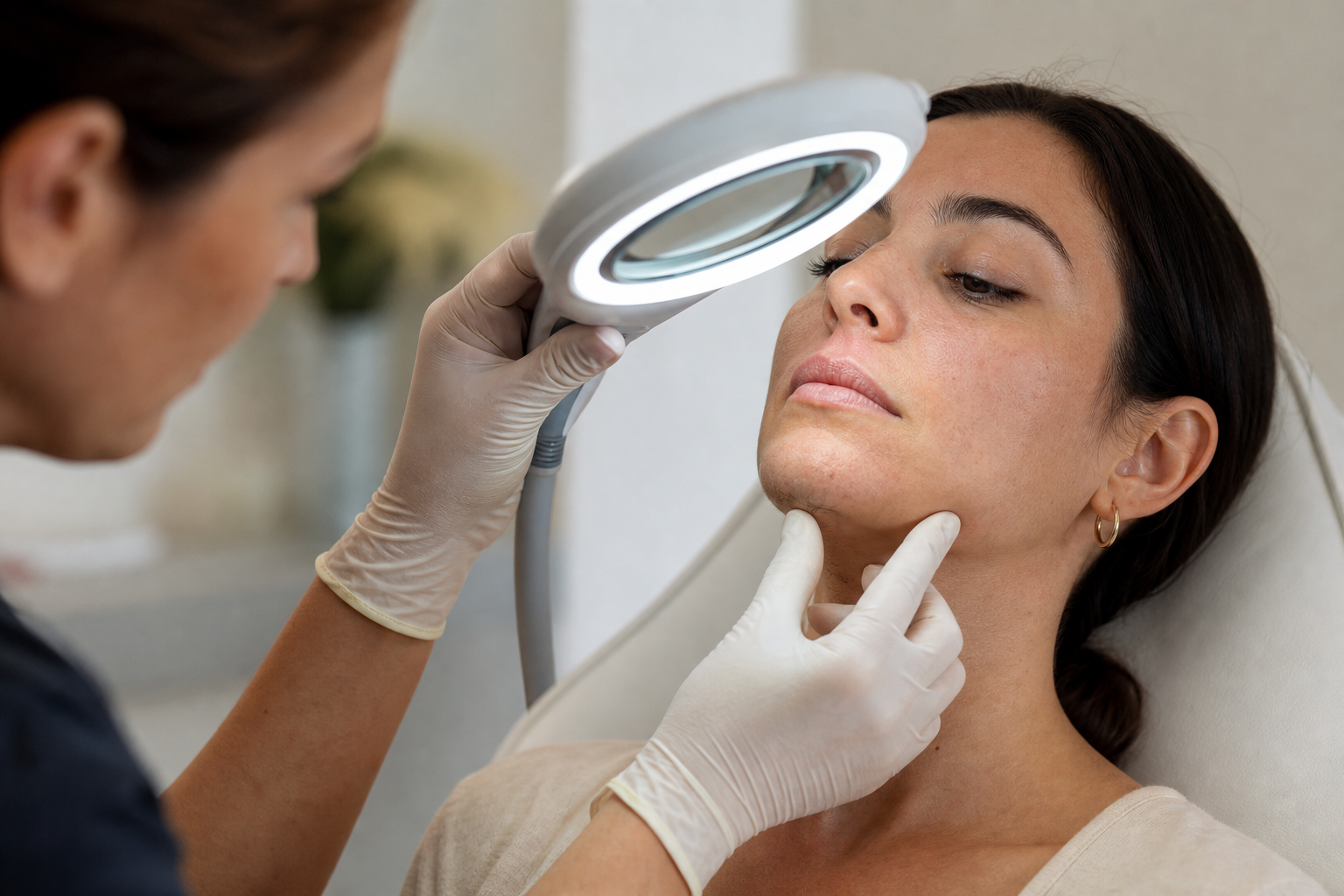
Clinical experience and diagnostic tools, including dermoscopy and phototrichograms, inform the strategic timing of treatments, optimizing hair follicle targeting while allowing for skin recovery and reducing adverse effects.
Integrating Regional Knowledge for Optimized Laser Hair Removal Plans
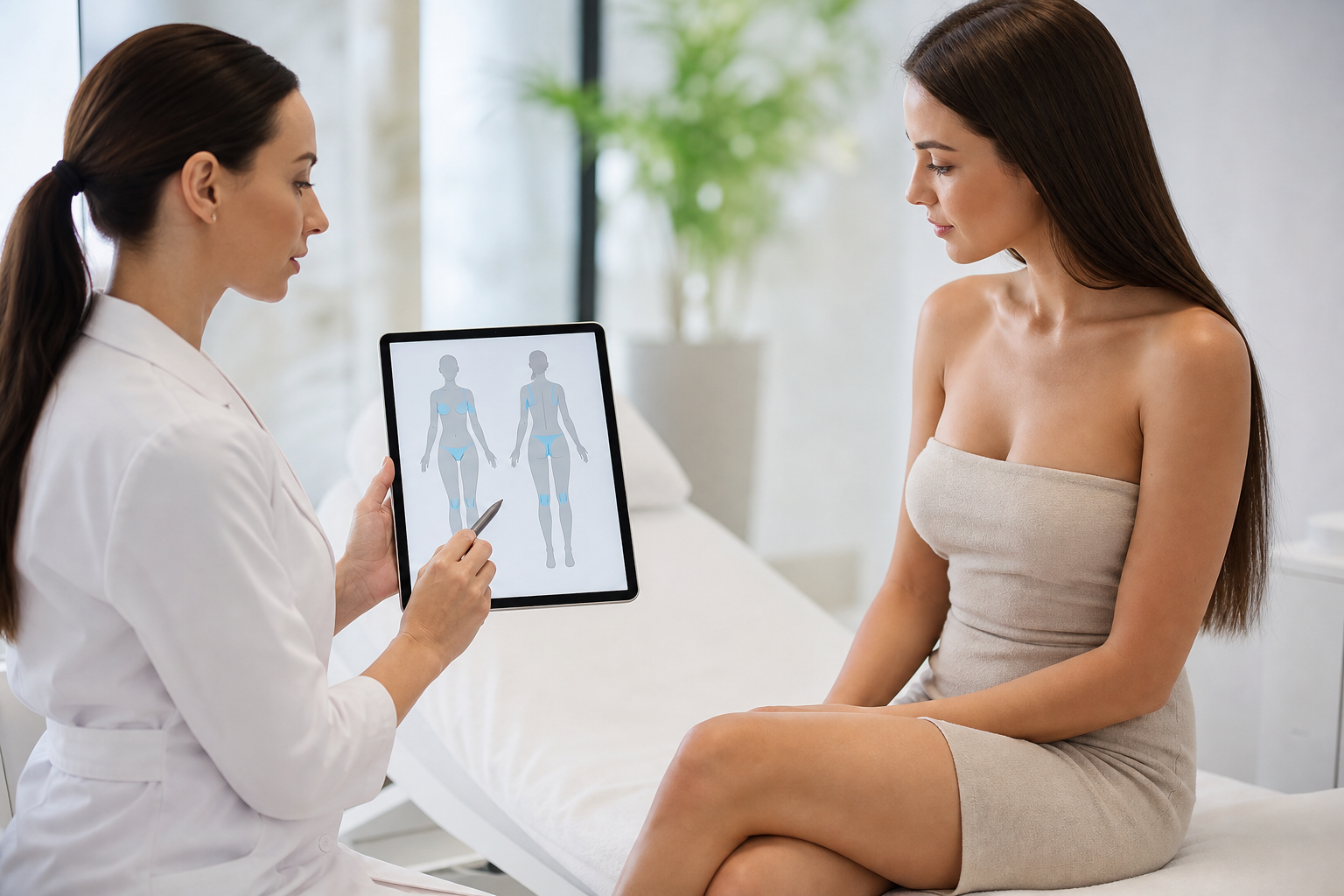
Successful laser hair removal necessitates synthesizing comprehensive knowledge of anatomy, hair biology, and patient physiology to forge customized treatment pathways. Combining insights about skin and hair attributes specific to each body region with considerations of pain management and patient lifestyle leads to improved satisfaction and outcomes.
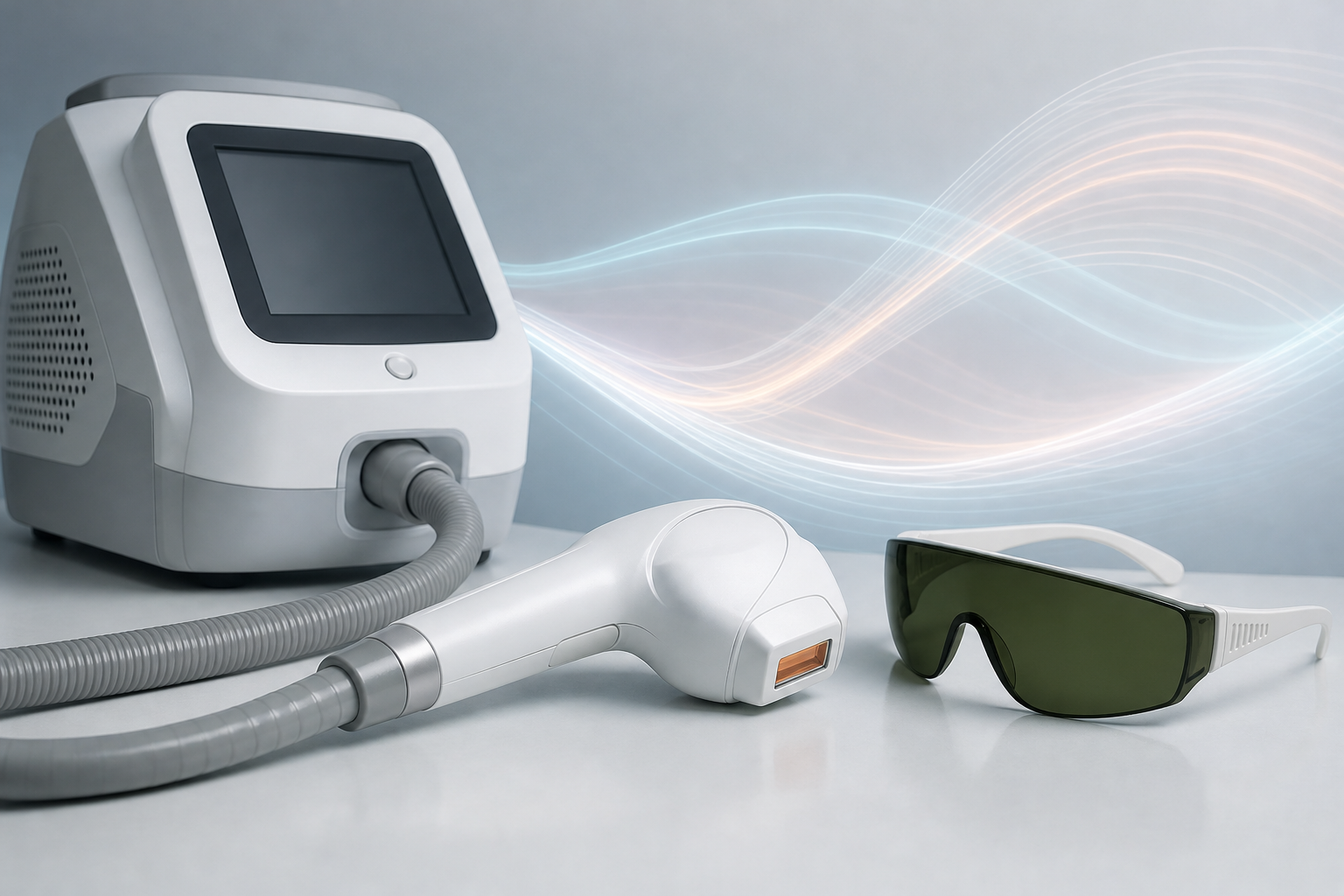
Advancements in laser technology, featuring adjustable wavelengths and multi-modal cooling systems, enable clinicians to tailor treatments with precision. This adaptability enhances safety and comfort, fostering adherence to treatment regimens and facilitating sustained hair reduction.
Moreover, ongoing patient education regarding realistic endpoints and maintenance protocols is fundamental in achieving durable aesthetic results and maintaining skin health.