
Editorial Feed
228 articles
Can Spray Tan Cause Irritation or an Allergic Reaction?
Spray tans provide a UV-free tanning alternative but may cause skin irritation or allergic reactions in sensitive individuals due...
Read more
Soothing Treatments for a Damaged Skin Barrier
A damaged skin barrier leads to dryness, irritation, and sensitivity by disrupting the skin's protective lipid layer. Soothing tre...
Read more
Skincare for Eczema-Prone Skin
Managing eczema-prone skin requires a specialized and careful skincare approach focused on restoring the skin's protective barrier...
Read more
The Role of Phytic Acid in the Hydra Peeling pH Treatment Protocol
Phytic acid plays a crucial role in the Guinot Hydra Peeling pH treatment by providing gentle exfoliation and maintaining skin pH...
Read more
Age Summum for Fine Lines and Uneven Texture: Tracking Changes Through Documented Experience
Guinot's Age Summum is a targeted manual anti-aging facial designed to reduce fine lines and improve uneven skin texture through e...
Read more
When to Apply Oil in Your Skincare Routine
Facial oils should be applied after water-based products like toners and serums to effectively lock in moisture and protect the sk...
Read more
Spray Tan Checklist: 24 Hours Before Your Appointment
Proper preparation in the 24 hours before a spray tan is essential for achieving an even, natural-looking glow. Key steps include...
Read more
How to Build an Effective Hydration Routine
An effective hydration routine is essential for maintaining healthy, elastic skin tailored to your unique skin type. This guide de...
Read more
Can Spray Tan Be Applied to Both the Face and Body?
Spray tan can be safely applied to both the face and body, with tailored formulations and techniques for each area. While it provi...
Read more
The Ten Biggest Myths About Self-Tanning
Self-tanning offers a safe, temporary way to achieve a sun-kissed look without UV exposure. This article debunks the ten most comm...
Read more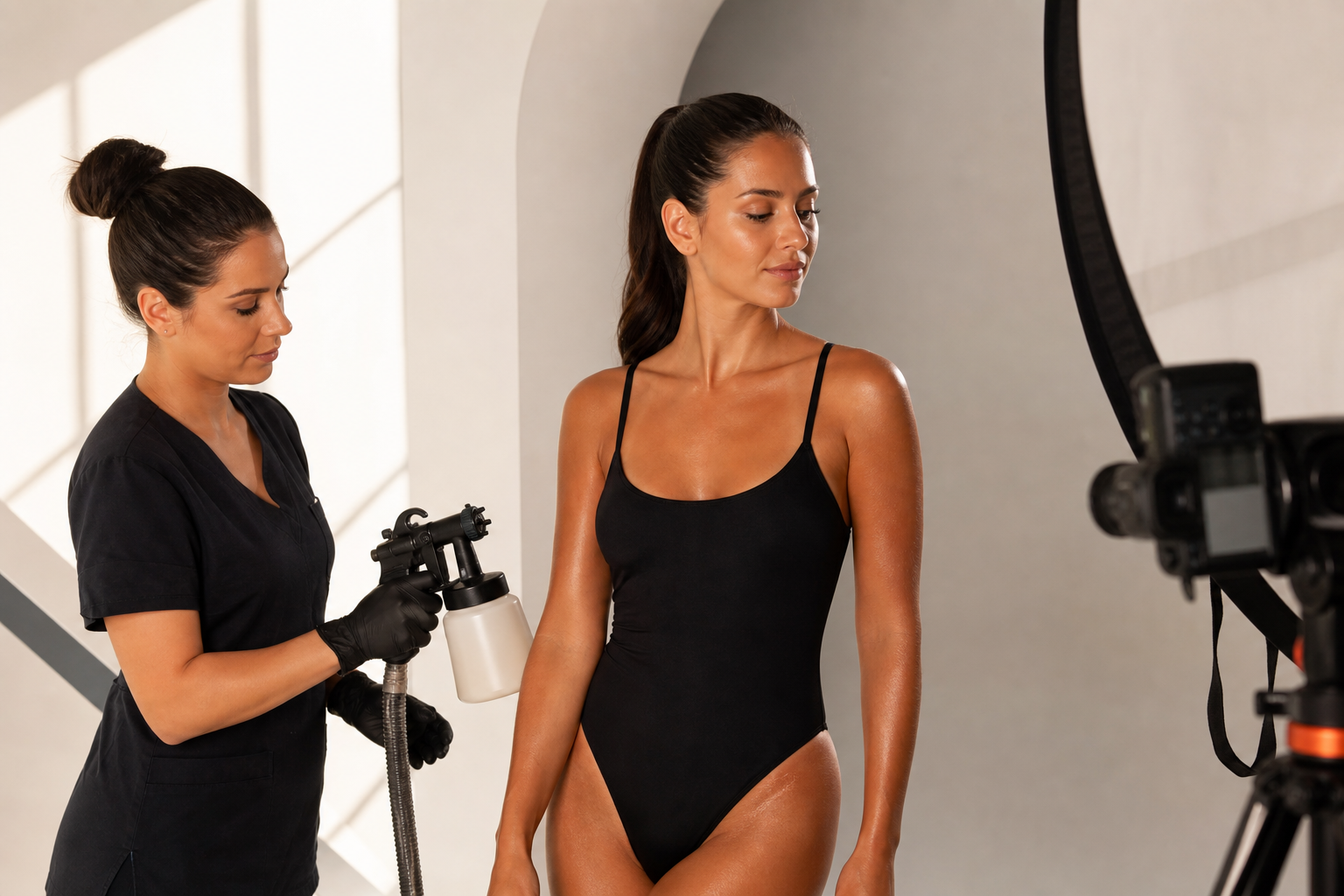
Does Spray Tan Look the Same in Person and in Photos?
Spray tans offer a safe, UV-free way to achieve a bronzed glow, but their appearance can vary between real life and photographs du...
Read more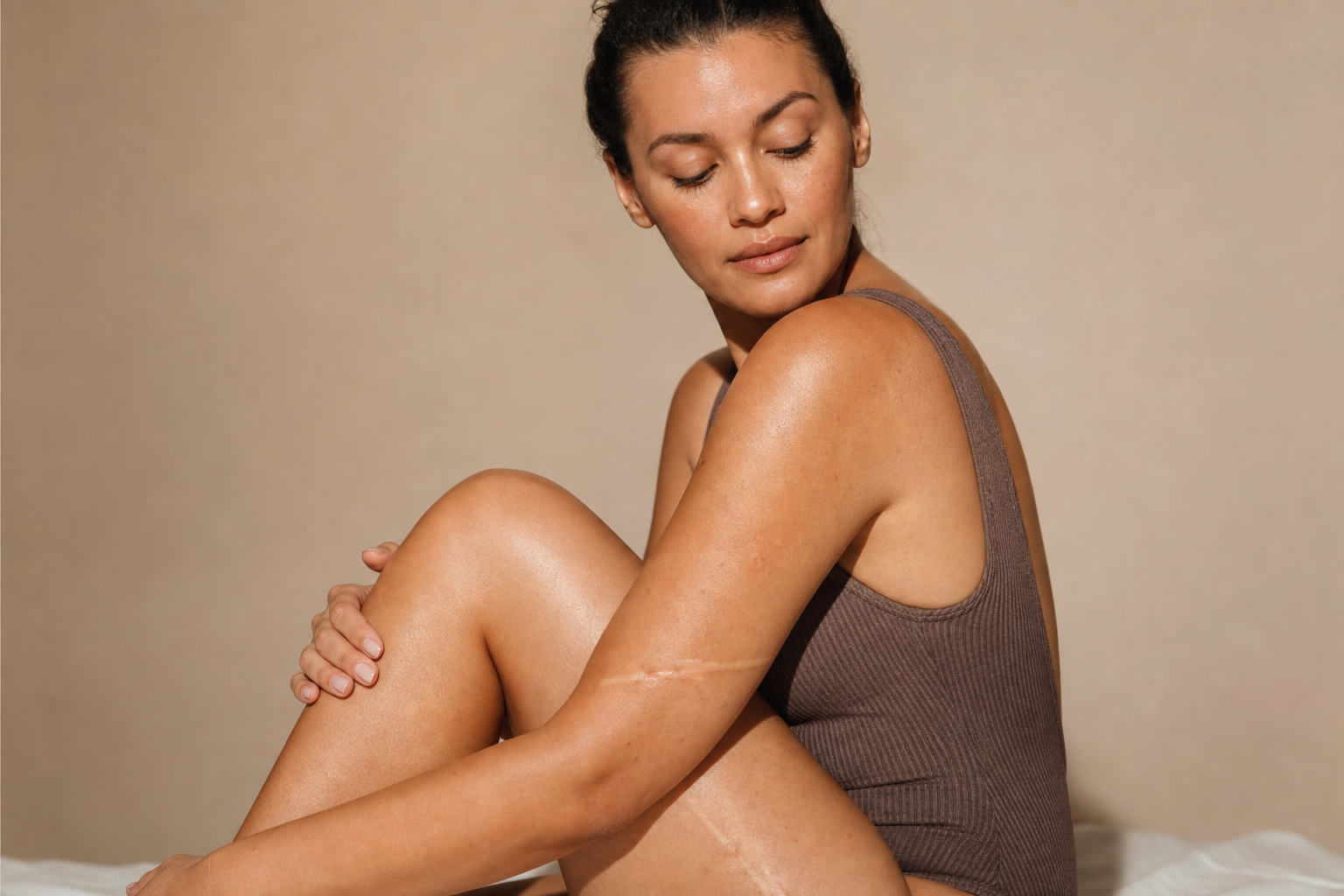
How Does Self-Tanner Look Over Scars?
Self-tanning over scars can soften their appearance by blending discoloration, but results vary due to scar texture and pigmentati...
Read more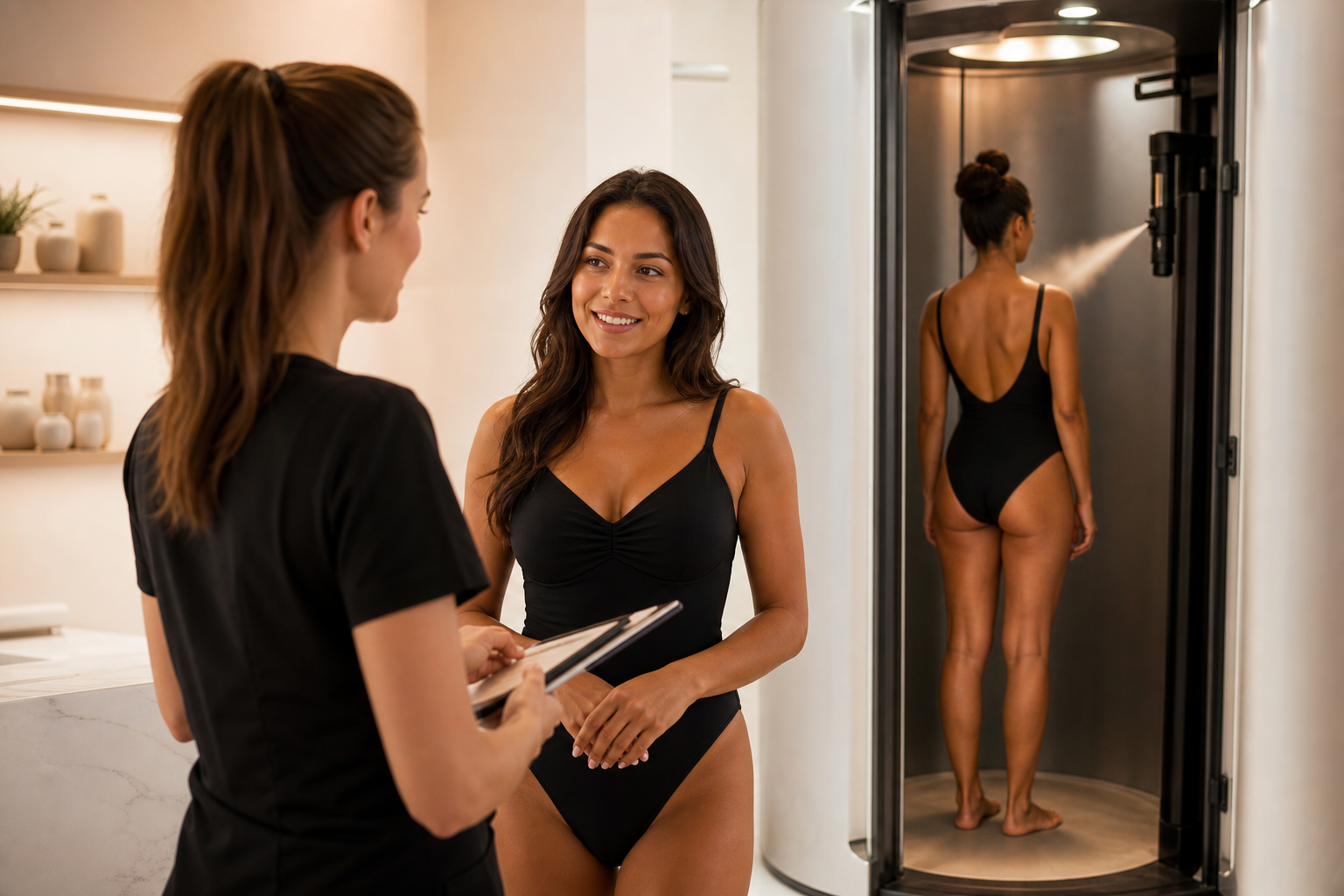
What Happens at Your First Spray Tan Appointment?
A first spray tan appointment offers a safe, UV-free way to achieve a sun-kissed glow. This guide details the consultation, prepar...
Read more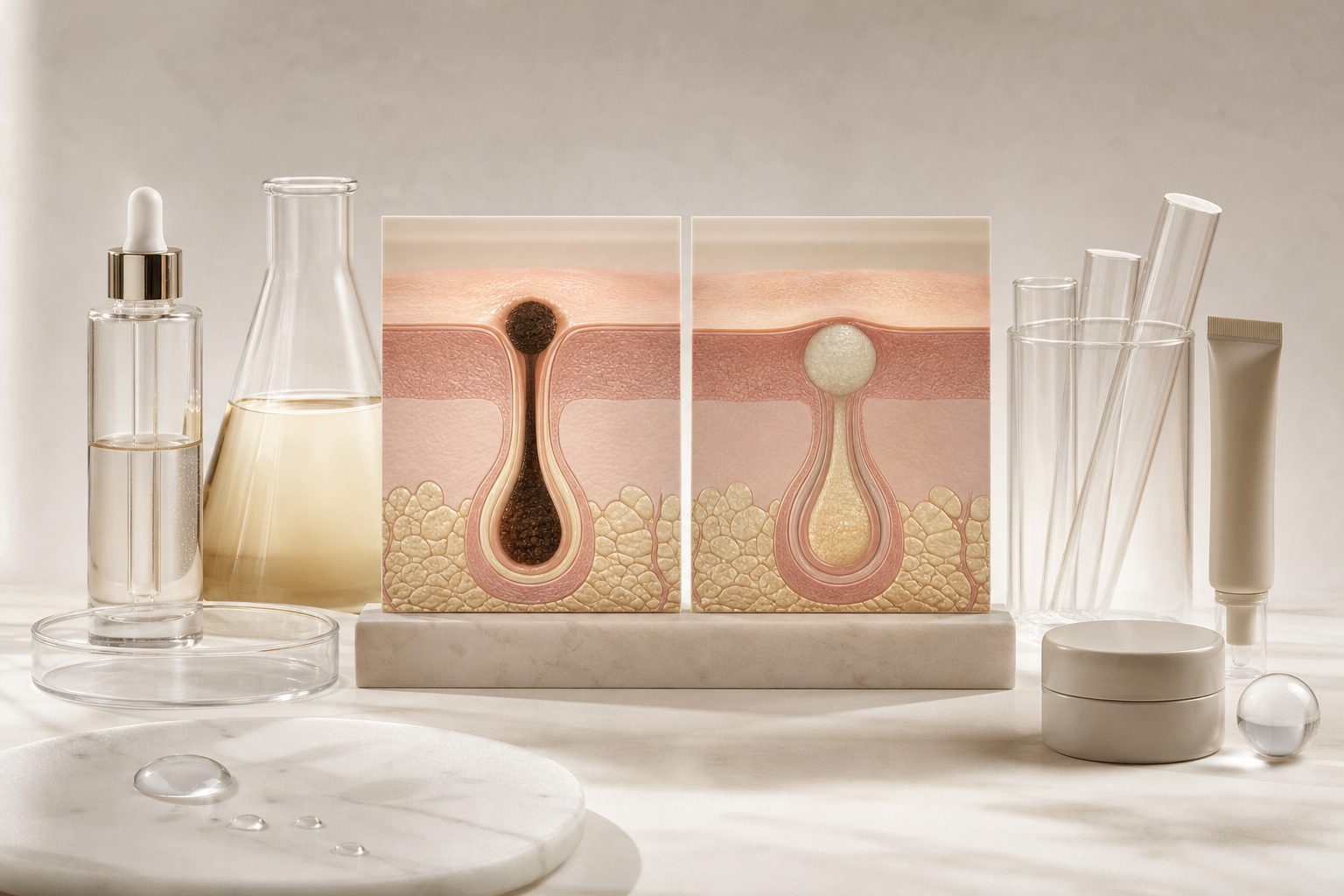
Open and Closed Comedones: Understanding the Differences
Open and closed comedones are distinct types of blackheads differing in appearance and formation. Understanding these differences...
Read more
How to Build a Skincare Routine for Acne-Prone Skin
Building a skincare routine tailored for acne-prone skin involves selecting gentle, non-comedogenic products and consistent care t...
Read more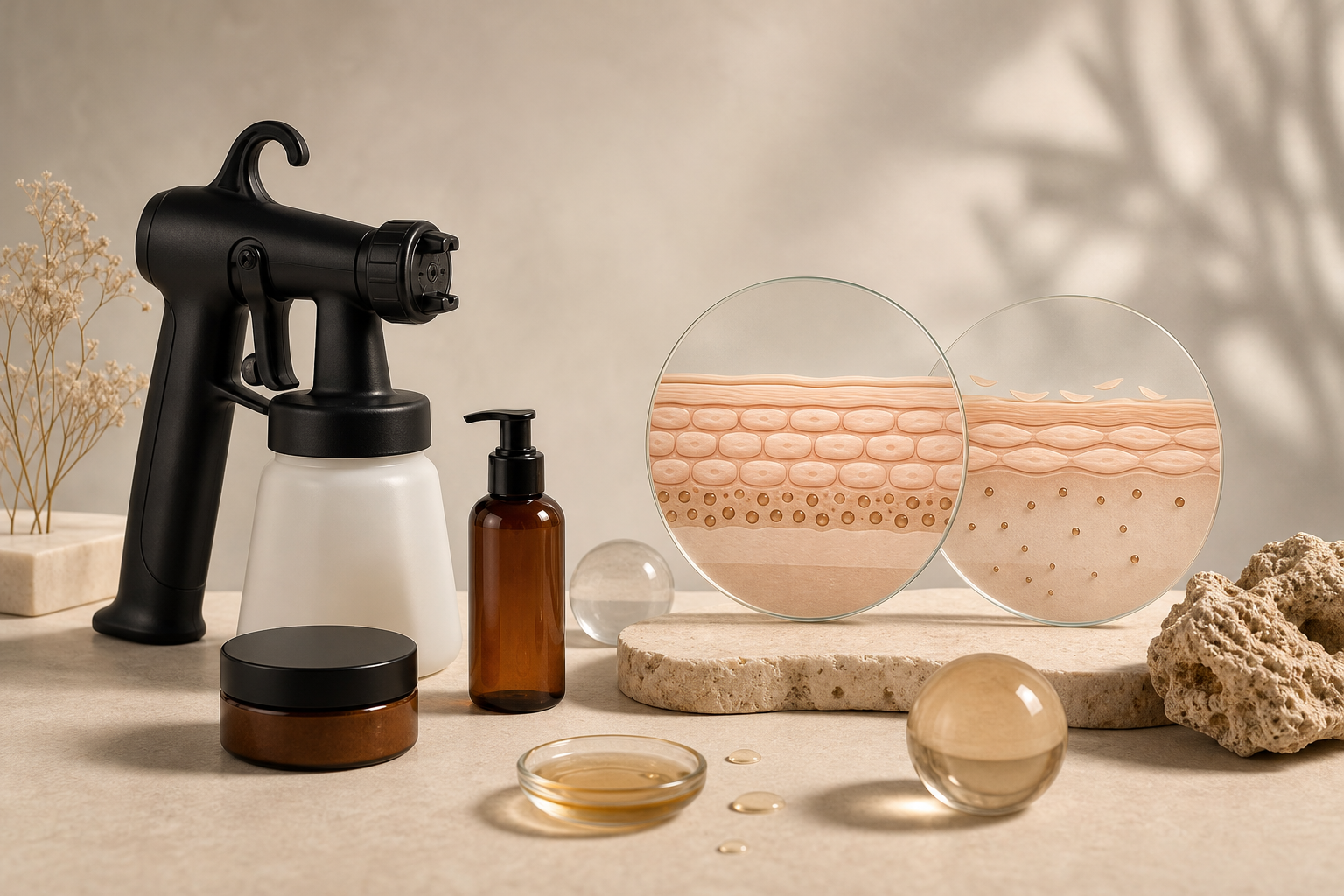
How Long Does Spray Tan Last and Why Does It Fade Faster on Some People?
Spray tans last between 5 to 10 days as DHA reacts with the skin's outer layer, which naturally exfoliates over time. Factors such...
Read more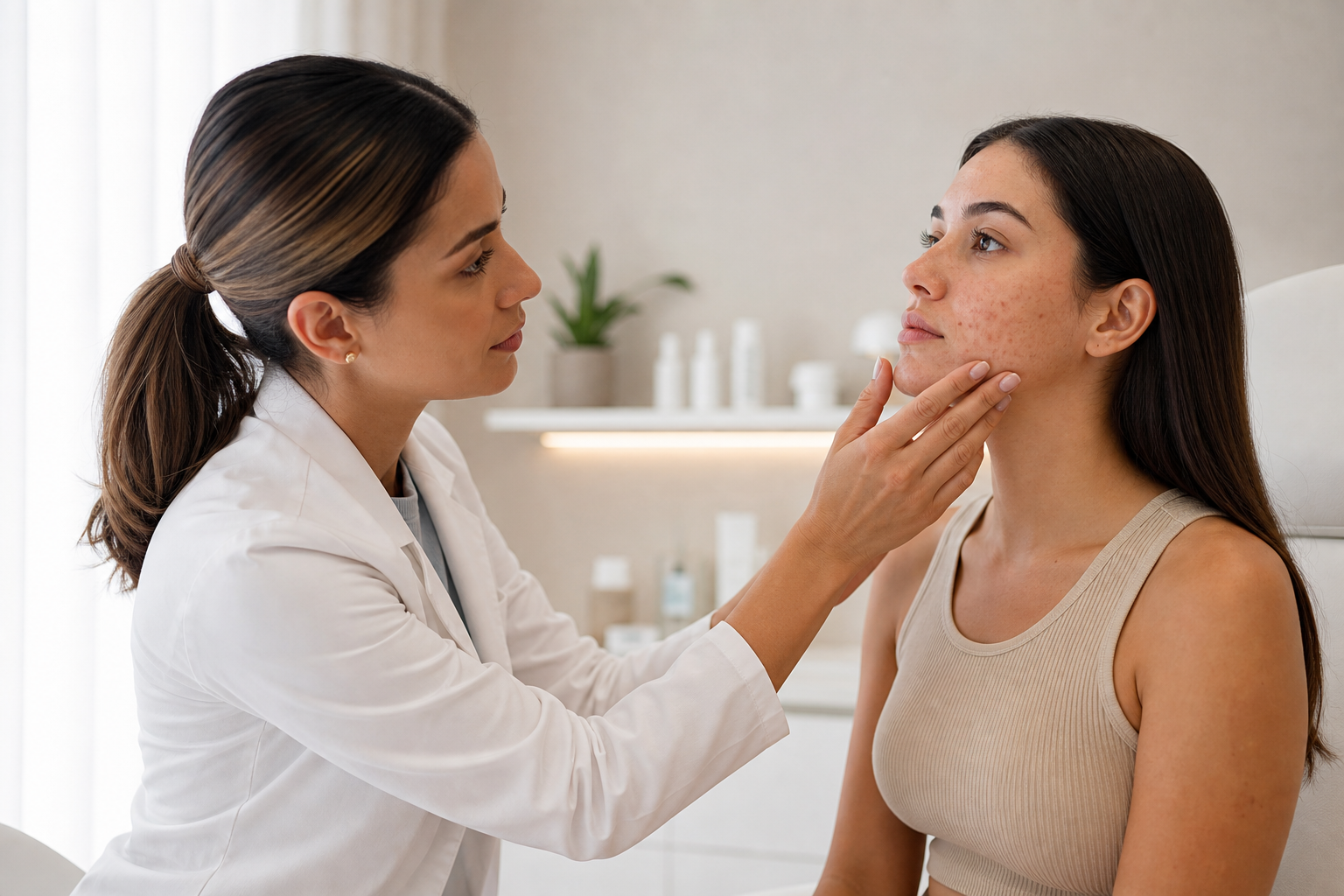
How Dermatologists Determine Acne Treatment
Dermatologists determine acne treatment through a comprehensive evaluation of acne type, severity, patient history, and psychosoci...
Read more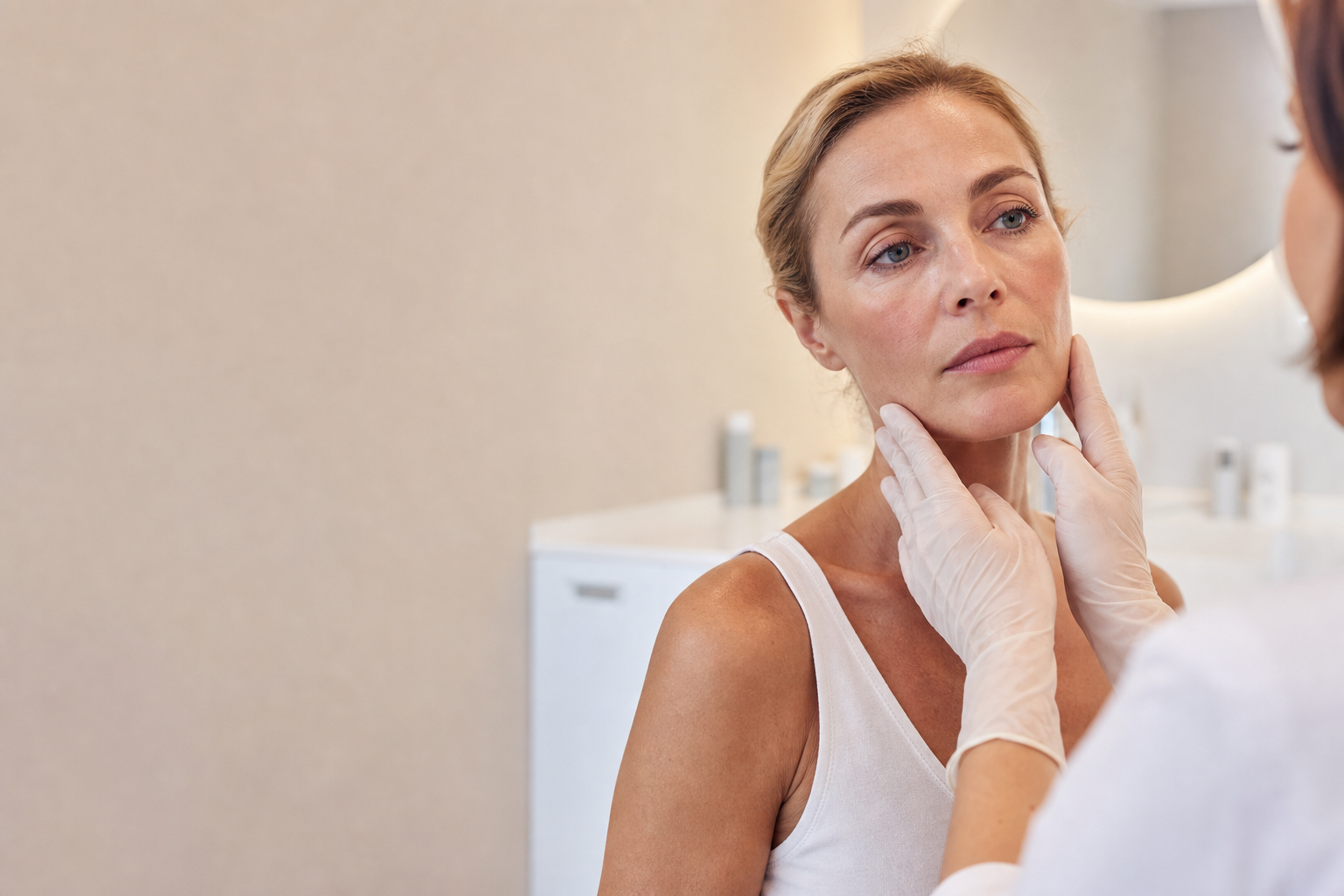
When Are Cosmetic Treatments Not Enough?
Cosmetic facial treatments effectively address early signs of aging by improving hydration and surface texture. However, when deep...
Read more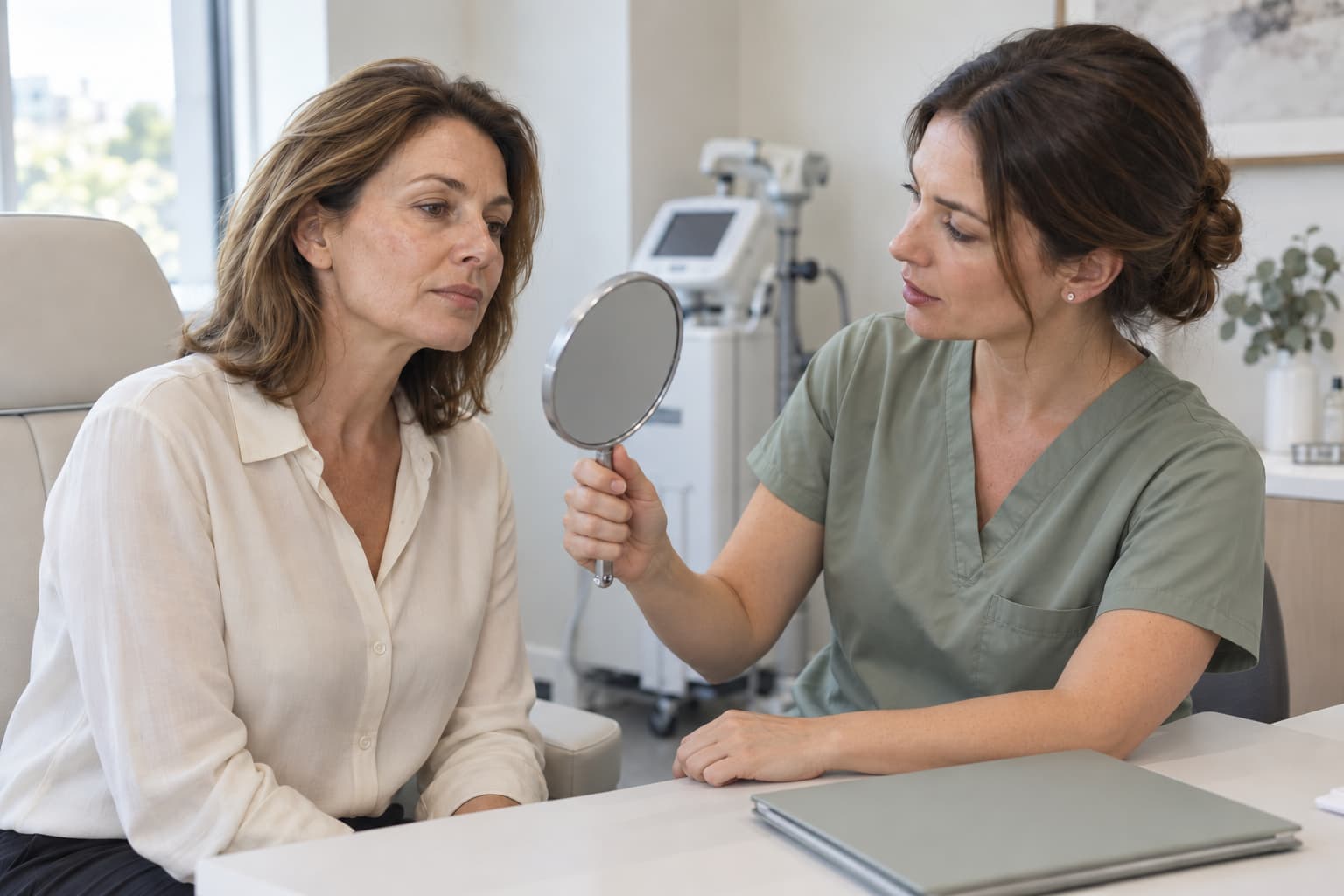
How to Properly Combine Anti-Aging Treatments
Combining facial anti-aging treatments effectively requires understanding each method's indications, timing, and safety to maximiz...
Read more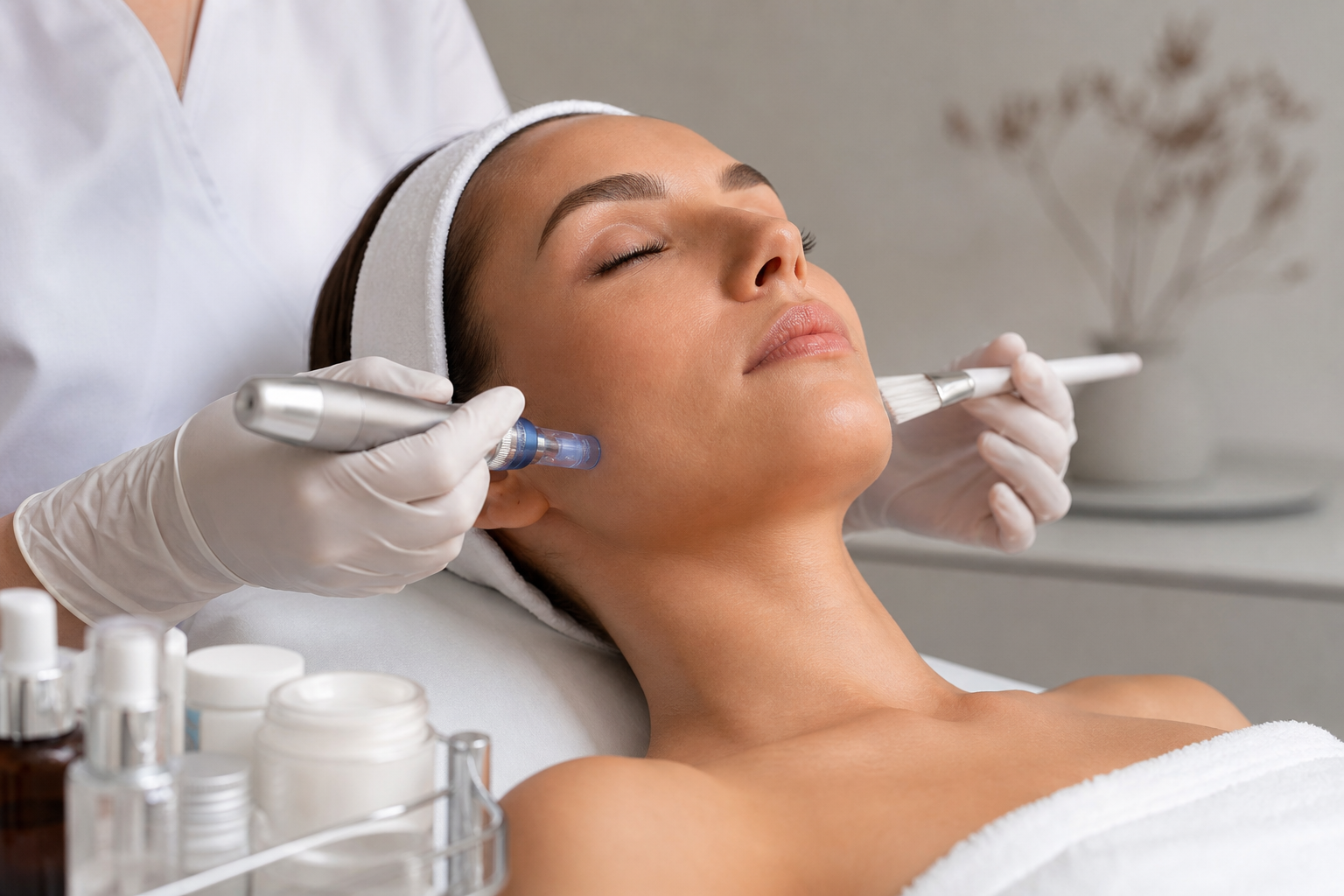
Microneedling and Chemical Peeling: Sequence and Timing
Combining microneedling and chemical peeling can enhance facial rejuvenation by stimulating collagen and exfoliating damaged skin....
Read more
How to Prepare for an Anti-Aging Facial Treatment
Anti-aging facial treatments encompass various procedures aimed at reducing wrinkles, improving skin texture, and restoring firmne...
Read more
Morning Skincare Routine for Oily and Problematic Skin
A morning skincare routine tailored for oily and problematic skin is essential to control excess oil, reduce breakouts, and preven...
Read more
UVA and UVB Radiation: What Is the Difference?
UVA and UVB are the two primary types of ultraviolet radiation reaching Earth's surface, each differing in wavelength, skin penetr...
Read more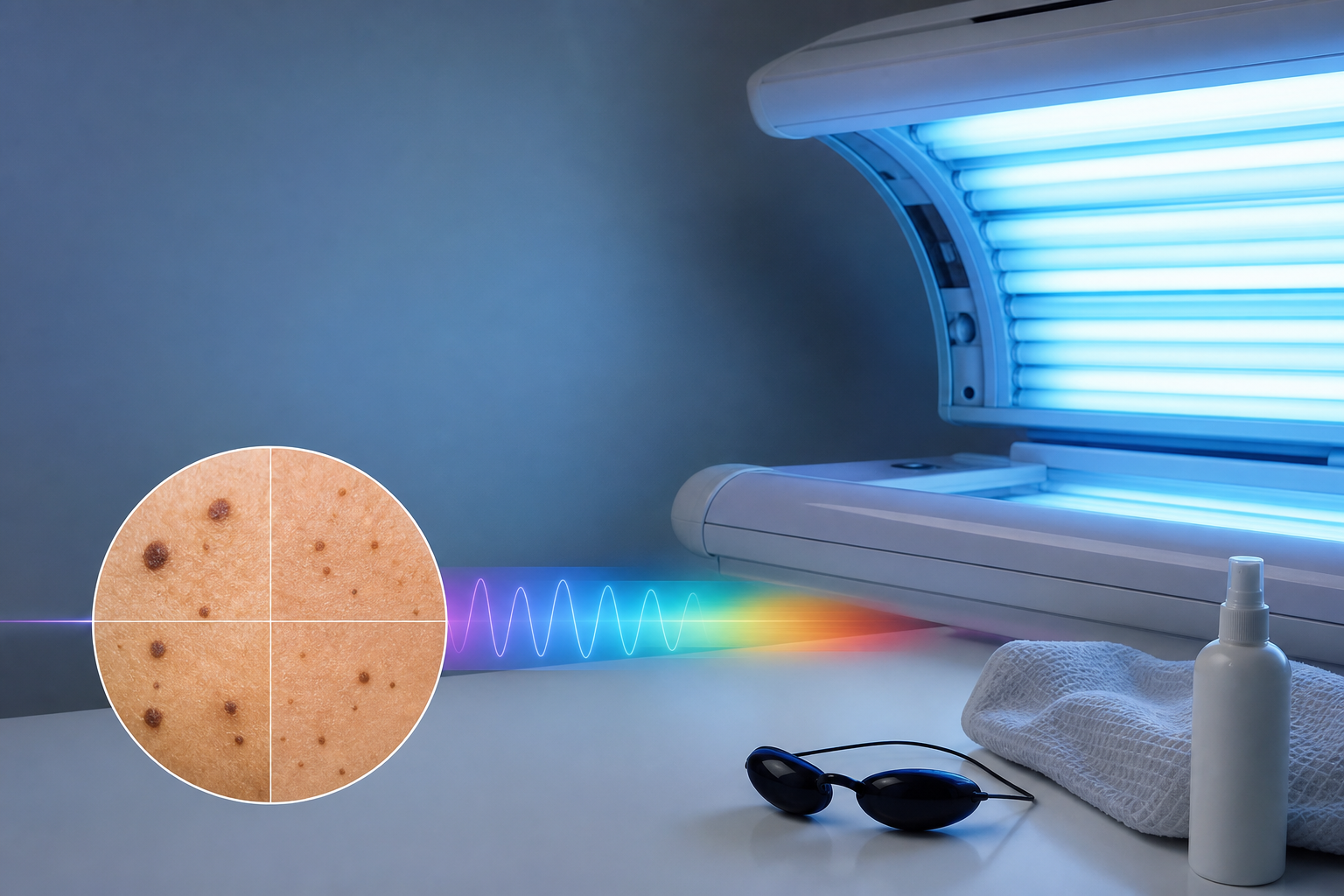
Sunbeds and a High Number of Moles
Sunbeds emit ultraviolet radiation classified as carcinogenic, raising melanoma risk especially for individuals with many moles. T...
Read more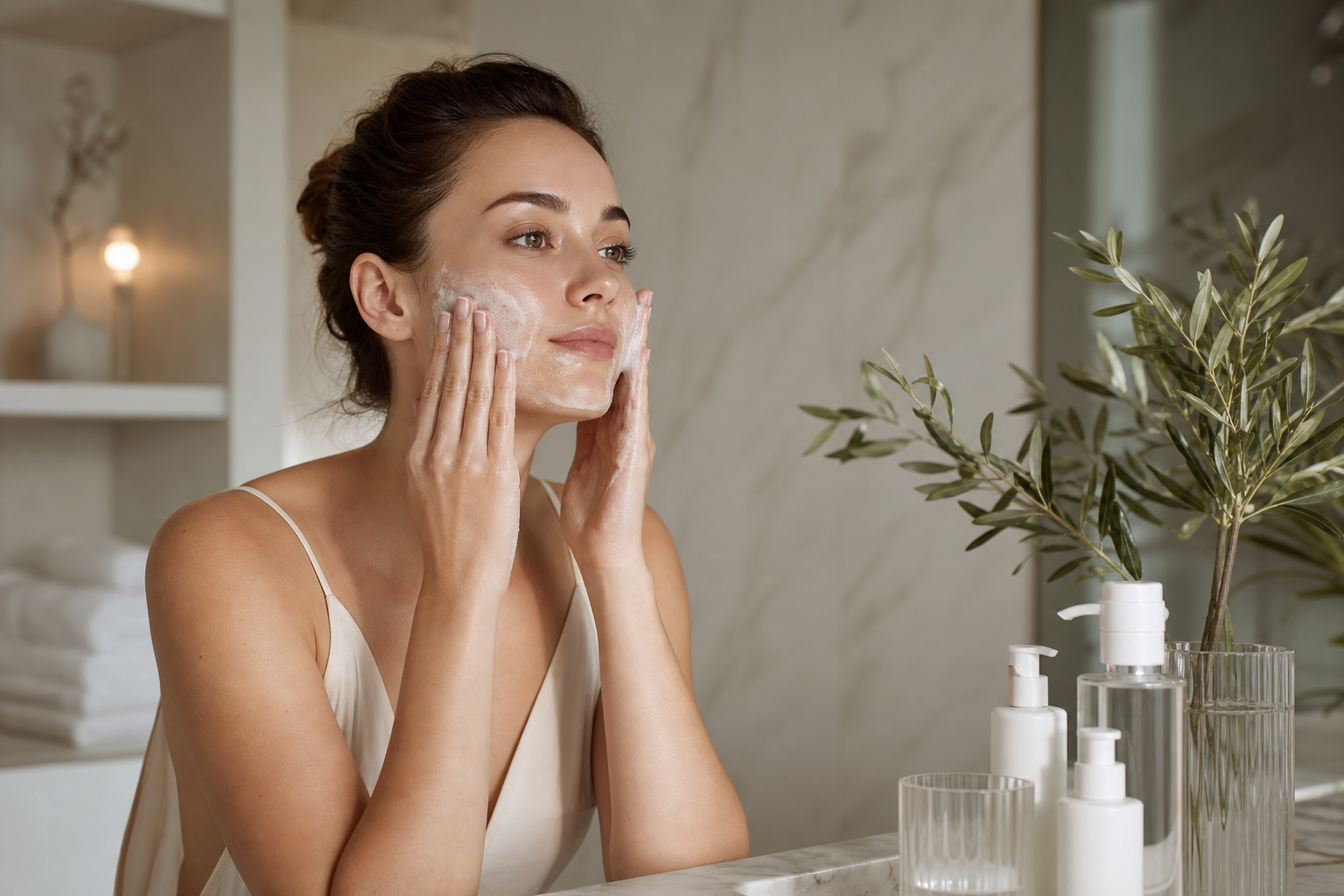
How to Properly Cleanse Your Face Morning and Night
Properly cleansing your face both morning and night is essential for maintaining healthy, radiant skin. This article guides you th...
Read more
How Does DHA Temporarily Change the Appearance of the Skin's Surface?
Dihydroxyacetone (DHA) temporarily darkens the skin's surface by reacting with dead skin cells to create a bronzed glow. While it...
Read more
What Does a Salon Need to Introduce a Spray Tan Service?
Introducing a spray tan service requires salons to invest in specialized equipment, professional tanning solutions, and strict hyg...
Read more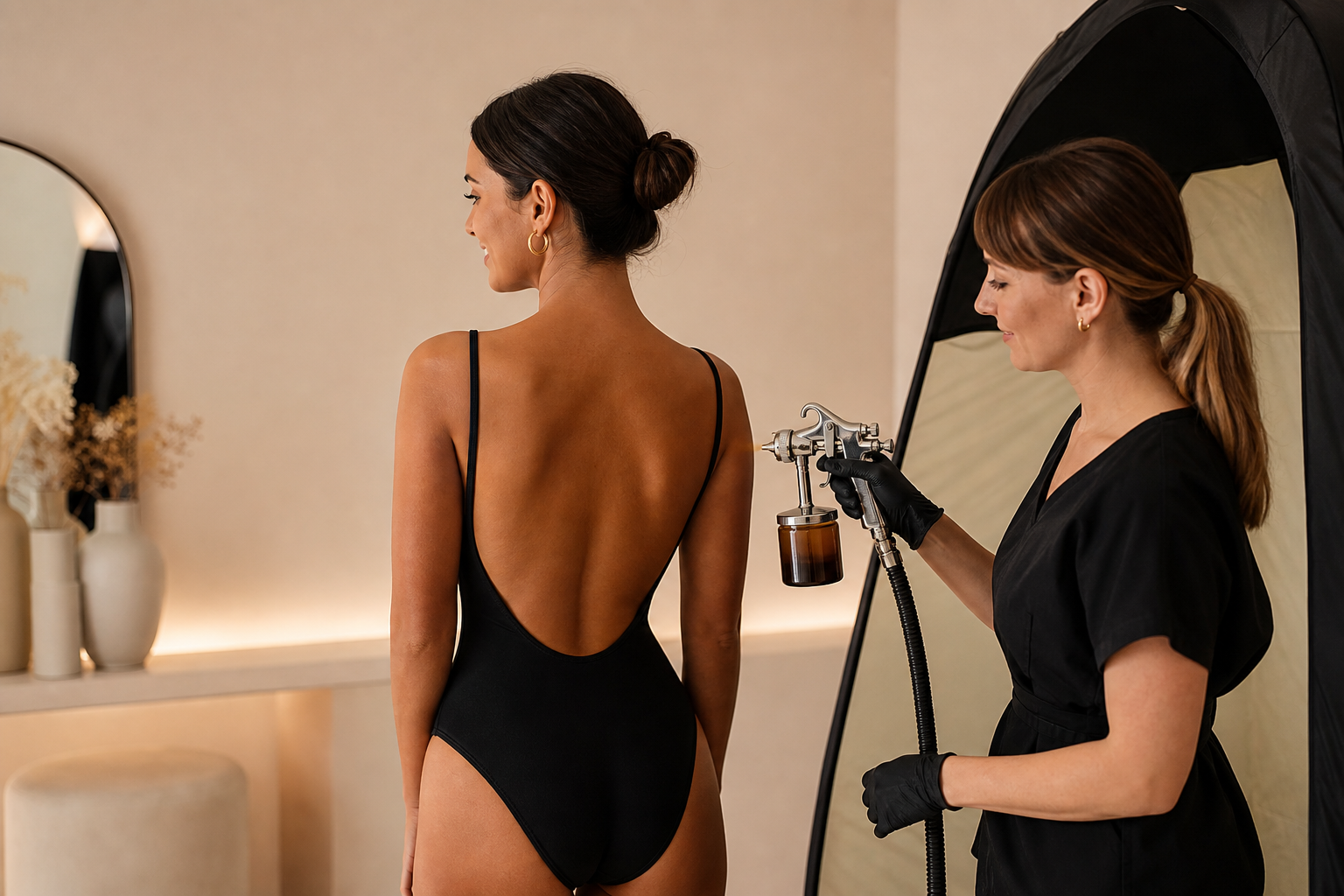
What Is a Spray Tan and How Is It Different from Sunbathing?
A spray tan offers a UV-free cosmetic tan by chemically tinting the skin's surface, providing a safe alternative to traditional su...
Read more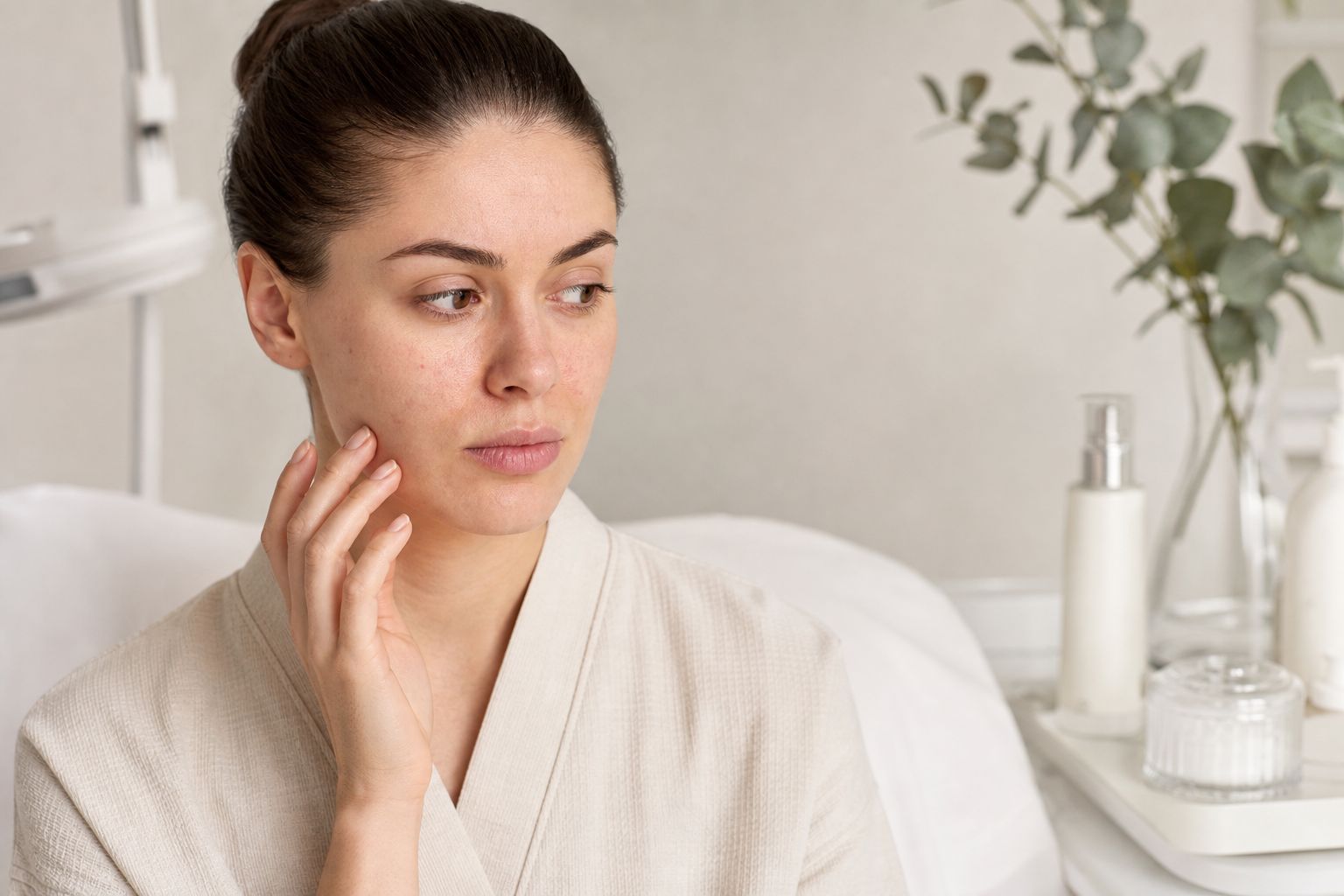
Who Should Avoid Deep Facial Cleansing?
Deep facial cleansing is an effective skincare treatment for removing blackheads and impurities, yet it is unsuitable for individu...
Read more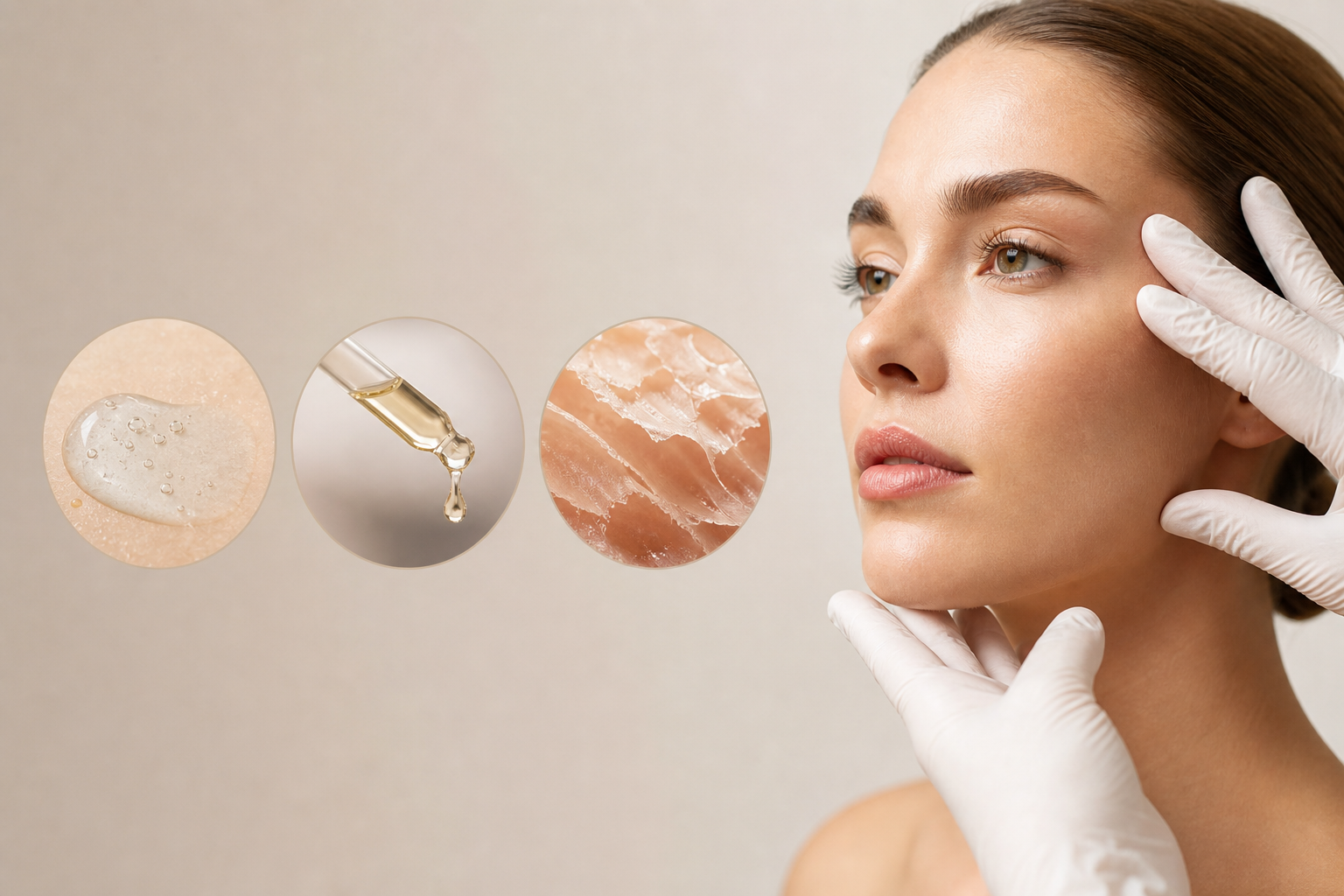
Superficial, Medium-Depth, and Deep Peels: Key Differences
Chemical peels—superficial, medium-depth, and deep—offer varying levels of skin rejuvenation tailored to different anti-aging need...
Read more
How Water Intake Impacts Skin Appearance
Adequate water intake contributes to skin hydration, enhancing elasticity and comfort, but its effects are gradual and influenced...
Read more
Professional Facial Cleansing for Acne
Professional facial cleansing for acne targets deep impurities and inflammation, offering a specialized treatment beyond daily ski...
Read more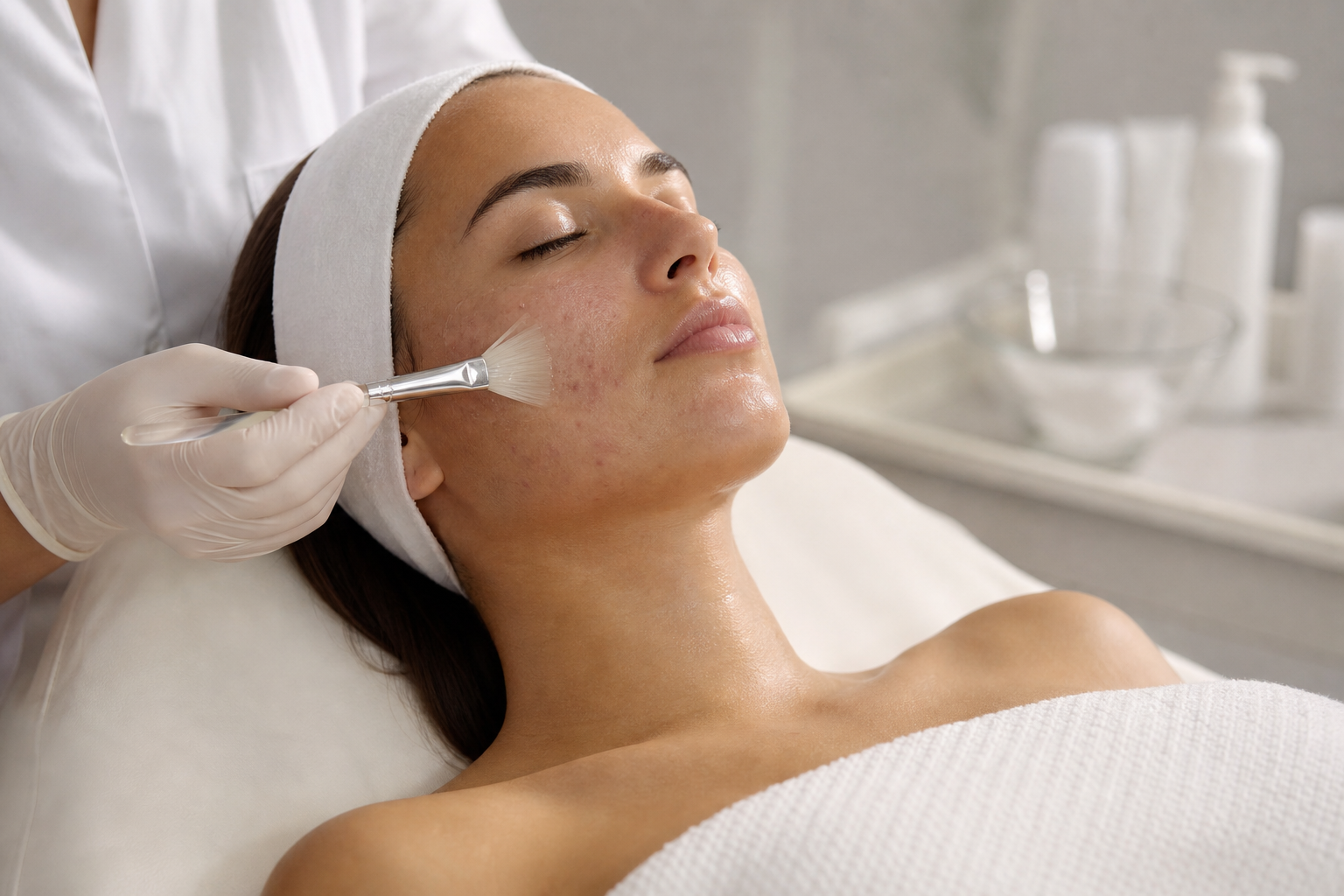
How Chemical Peels Affect Acne: A Professional Guide
Chemical peels offer a targeted approach to managing mild to moderate acne by exfoliating skin, clearing pores, and promoting rege...
Read more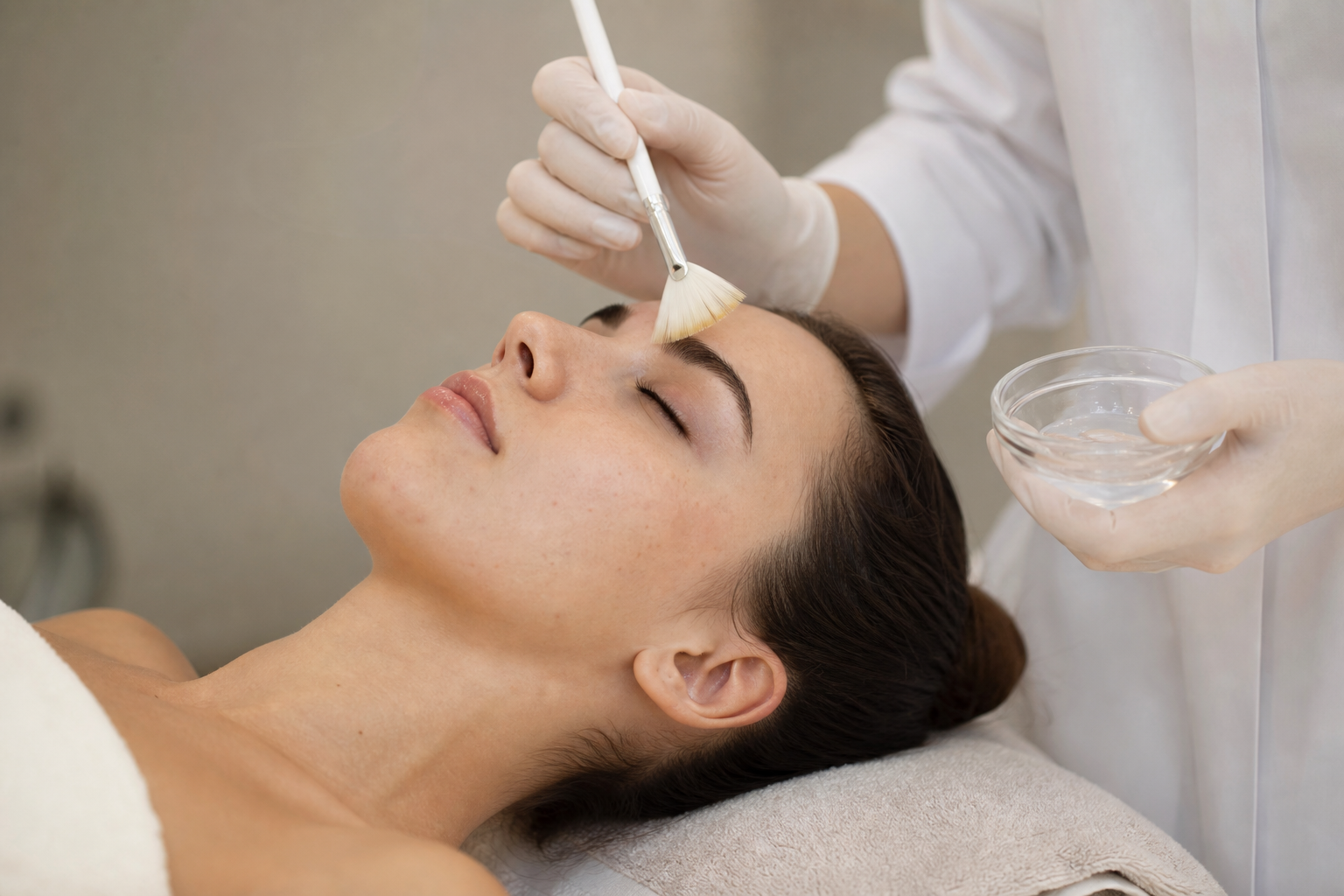
Best Peels for Comedonal Acne: Expert Recommendations
Chemical peels offer an effective approach to treating comedonal acne by exfoliating clogged pores and promoting skin regeneration...
Read more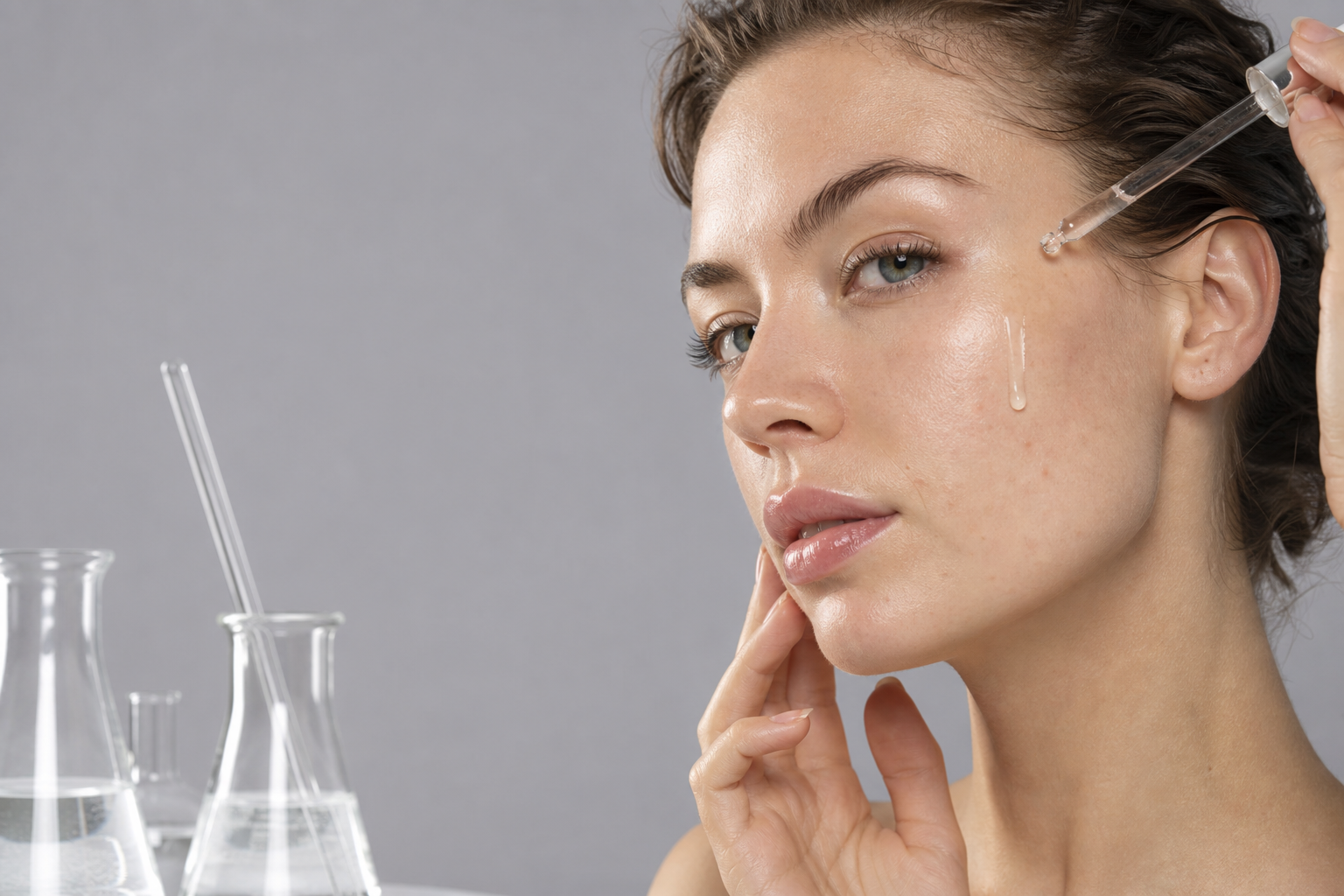
Salicylic Acid for Acne and Blackheads
Salicylic acid, a beta-hydroxy acid, is widely recognized for its effectiveness in treating acne and blackheads by deeply uncloggi...
Read more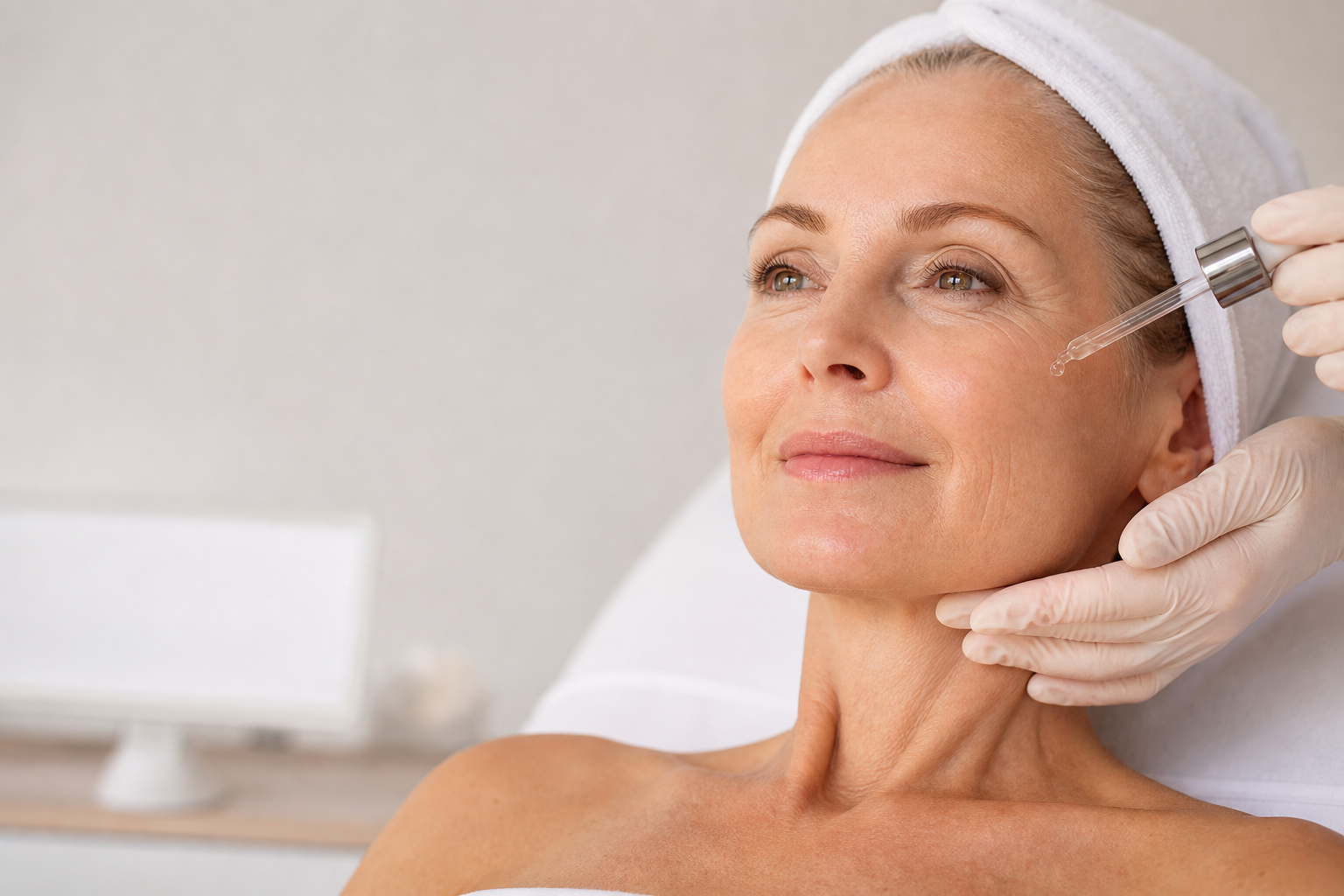
Benzoyl Peroxide: Proper Use in Anti-Aging Facial Treatments
Benzoyl peroxide is traditionally used to treat acne but also holds potential in anti-aging facial treatments by reducing inflamma...
Read more
Hyaluronic Acid – A Comprehensive Guide
Hyaluronic acid is a key molecule in skincare known for its exceptional ability to retain moisture and enhance skin elasticity. Th...
Read more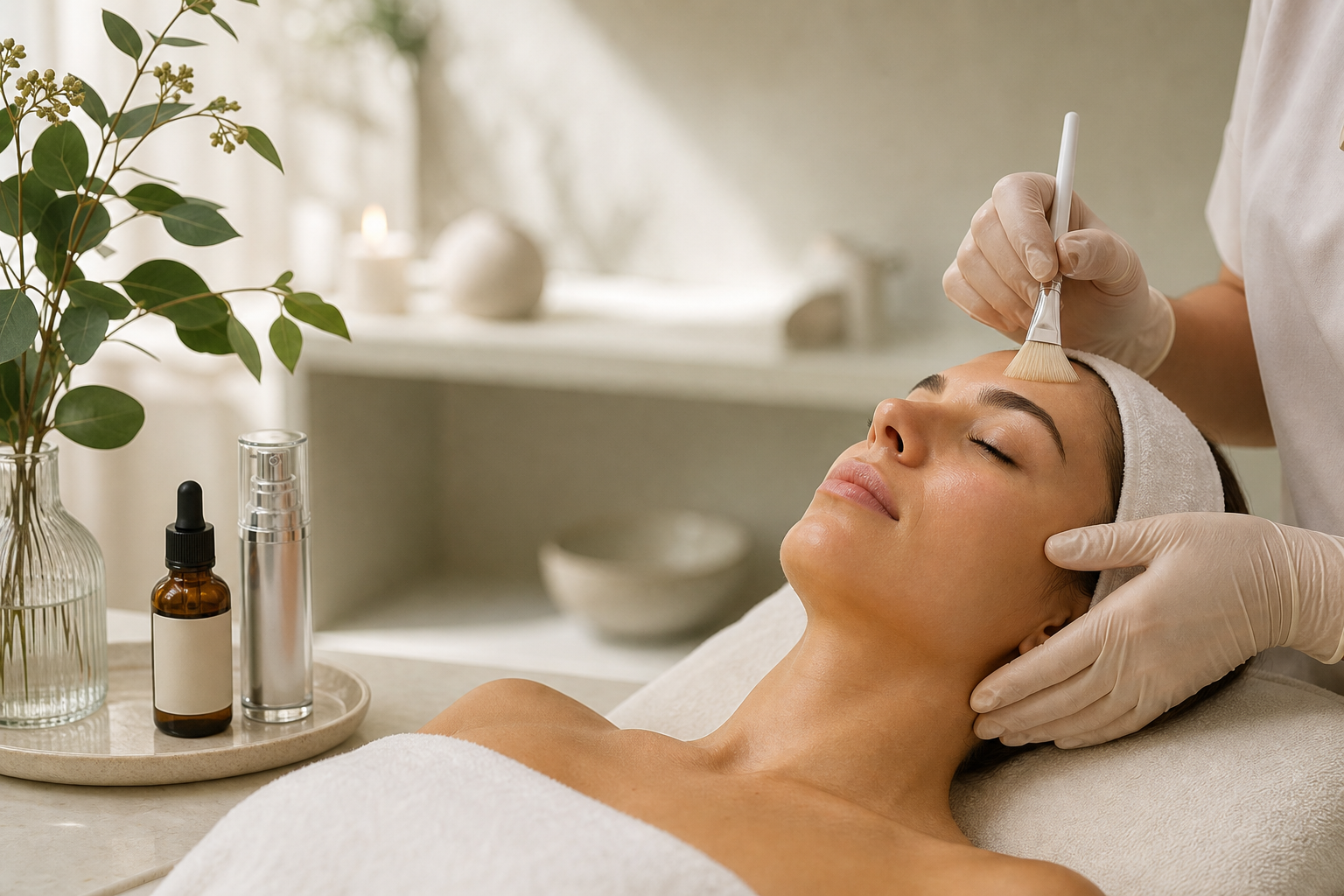
Should You Stop Using Retinol Before Facial Treatments?
Retinol, a powerful vitamin A derivative, can increase skin sensitivity, making it advisable to pause its use before facial treatm...
Read more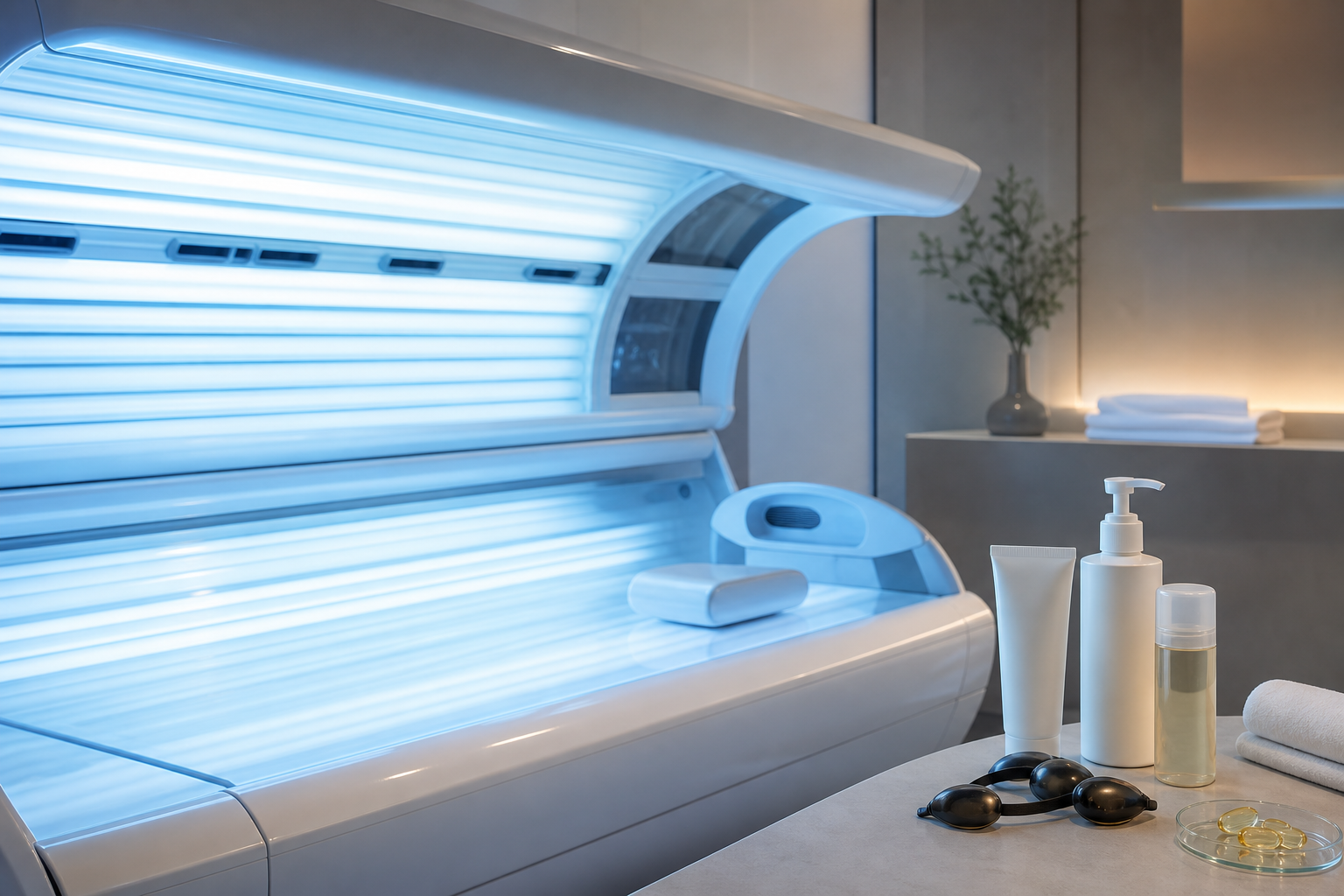
Are Sunbeds a Reliable Source of Vitamin D?
Sunbeds emit primarily UVA radiation with limited UVB, making them an inconsistent and unreliable source for vitamin D synthesis....
Read more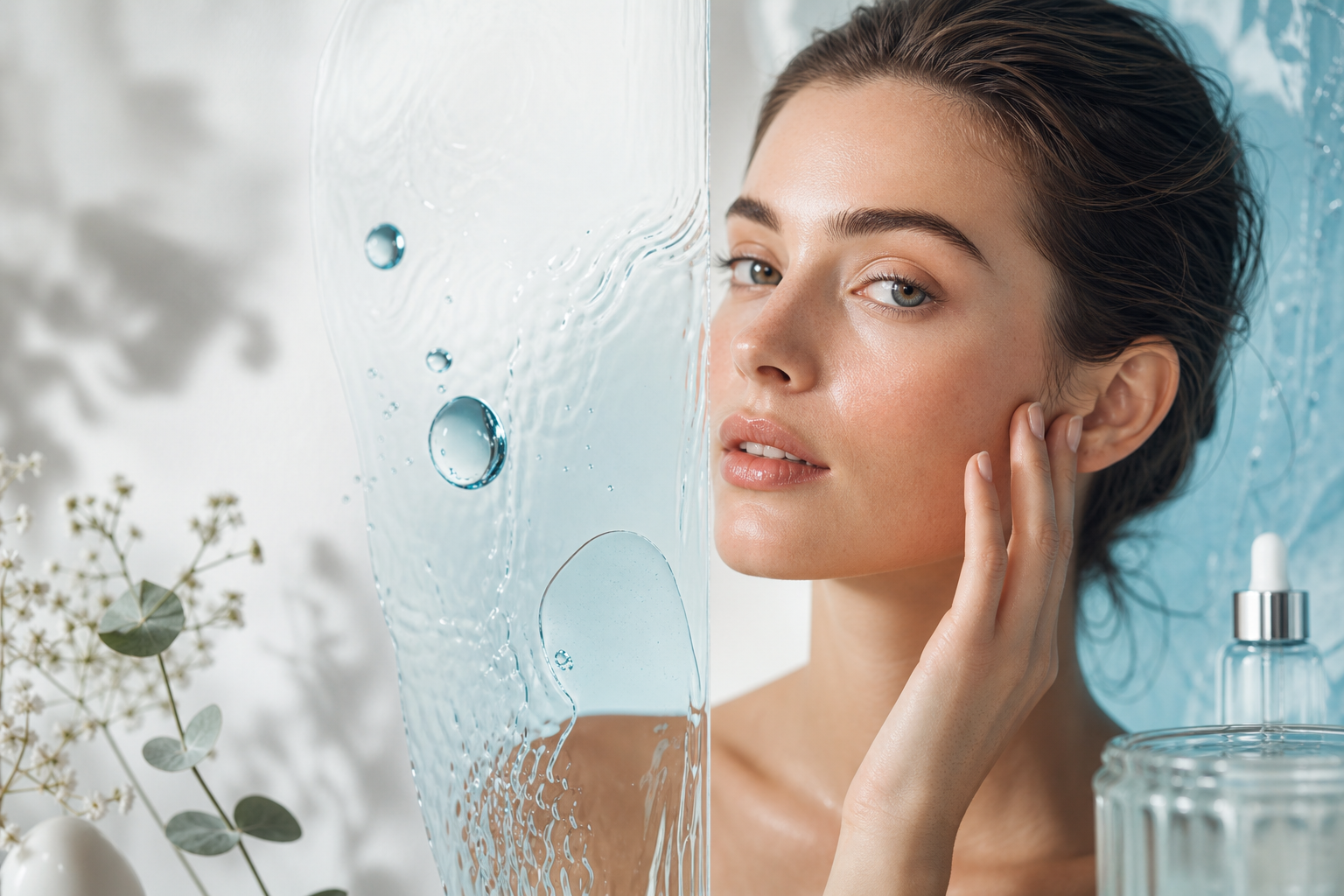
What Is Dehydrated Skin?
Dehydrated skin results from insufficient water content in the skin's layers, distinct from dry skin caused by lack of oils. This...
Read more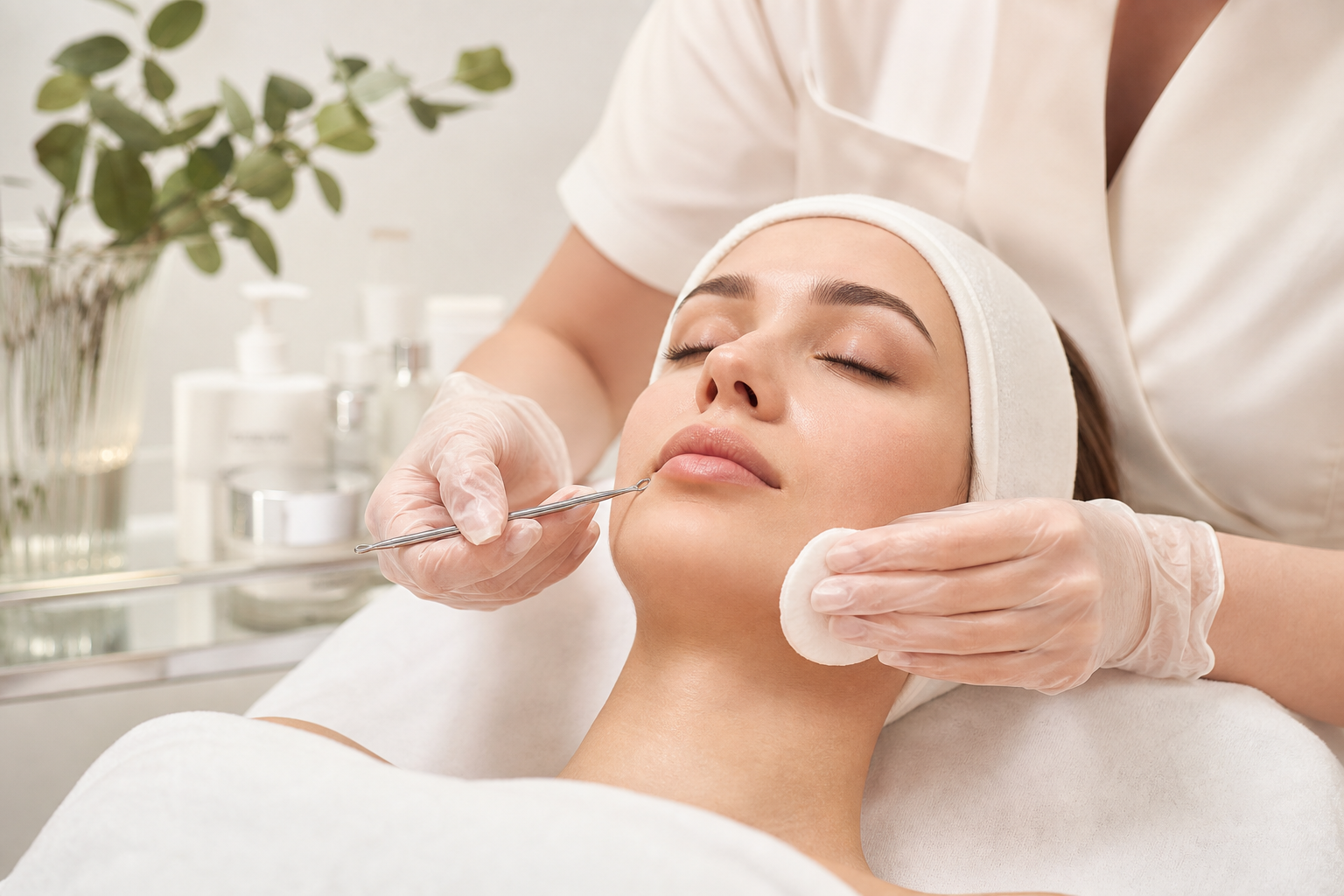
Step-by-Step Guide to Deep Facial Cleansing
Deep facial cleansing is a comprehensive skincare treatment that goes beyond surface cleansing to remove impurities deeply lodged...
Read more
How to Care for Your Skin After a Chemical Peel
Proper care following a chemical peel is essential to support skin healing, enhance treatment results, and avoid complications. Th...
Read more
Sunbeds and Melanoma Risk
Sunbeds emit ultraviolet radiation classified as a Group 1 carcinogen by IARC, with no safe exposure threshold identified. Use of...
Read more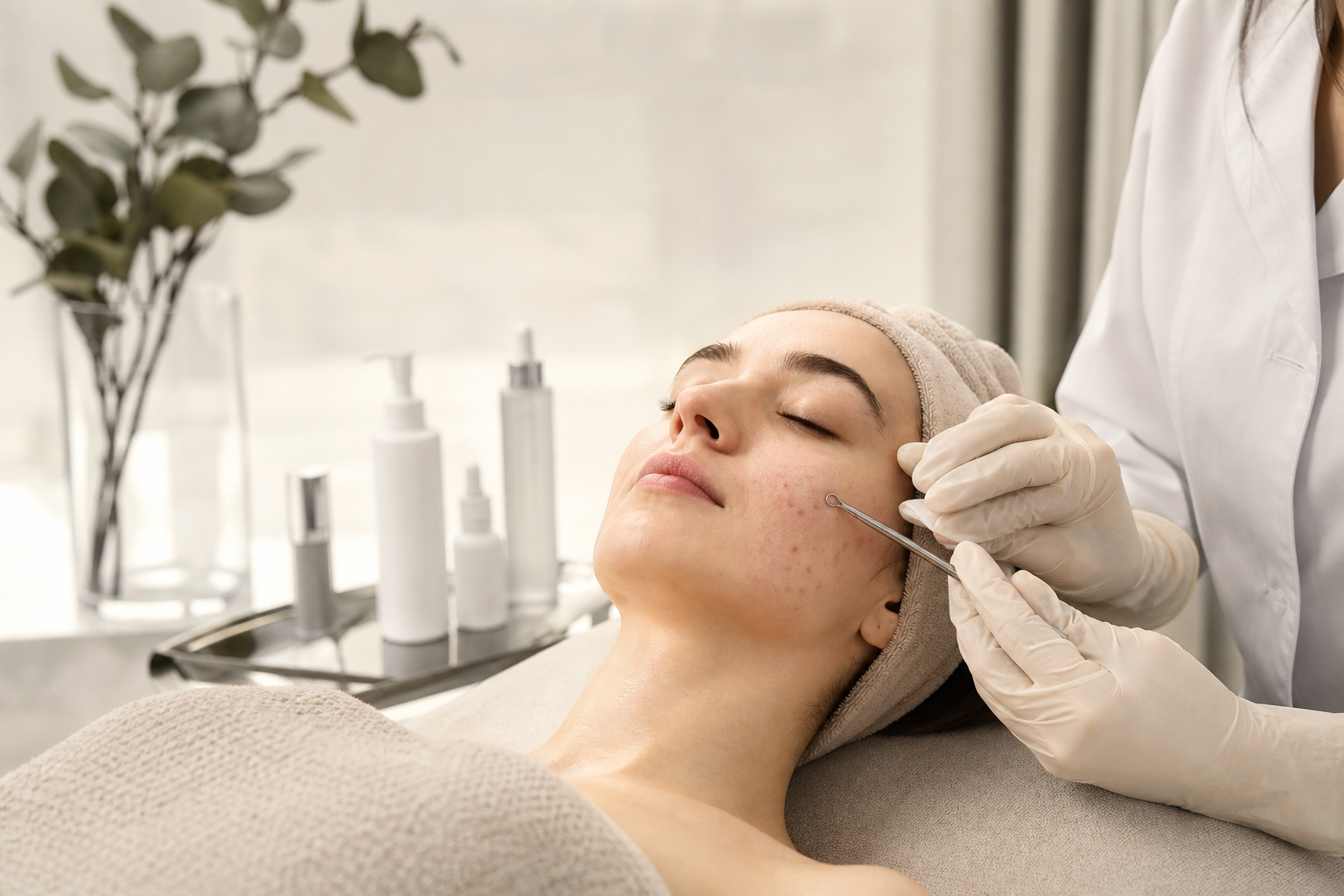
Which Types of Acne Can Be Safely Extracted Manually?
Manual extraction is safely applicable primarily to non-inflammatory comedonal acne, such as blackheads and whiteheads. Attempting...
Read more
How Does Skin Undertone Affect Spray Tan Formula Choice?
Understanding your skin's undertone is essential for choosing the right spray tan formula that ensures a natural, even, and flatte...
Read more
Hydrating Oily and Dehydrated Skin
Oily skin can be paradoxically dehydrated, producing excess oil yet lacking sufficient moisture beneath the surface. This article...
Read more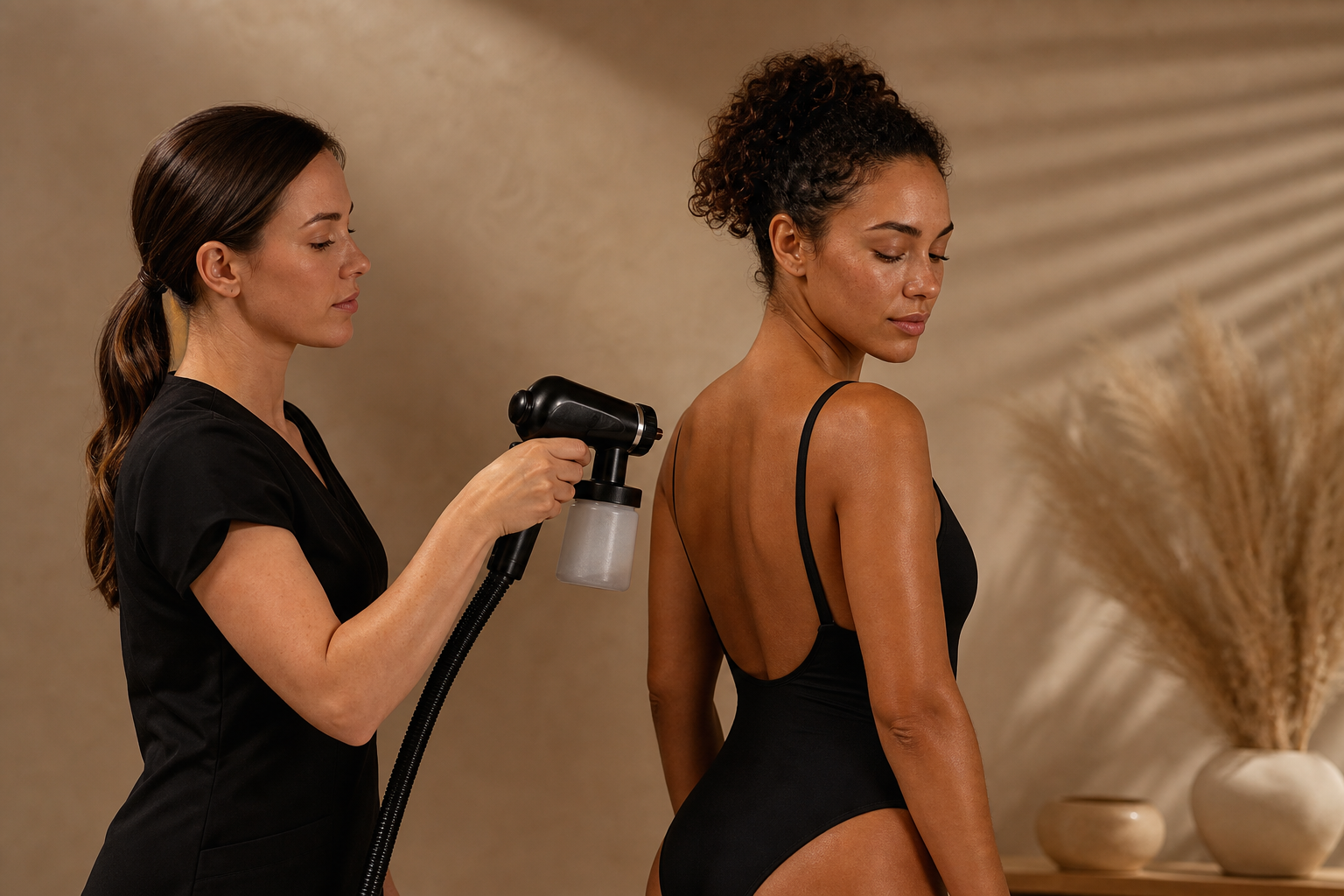
Spray Tanning and Dry Skin
Spray tanning offers a sun-safe glow alternative but presents challenges for dry skin, including uneven color and faster fading. P...
Read more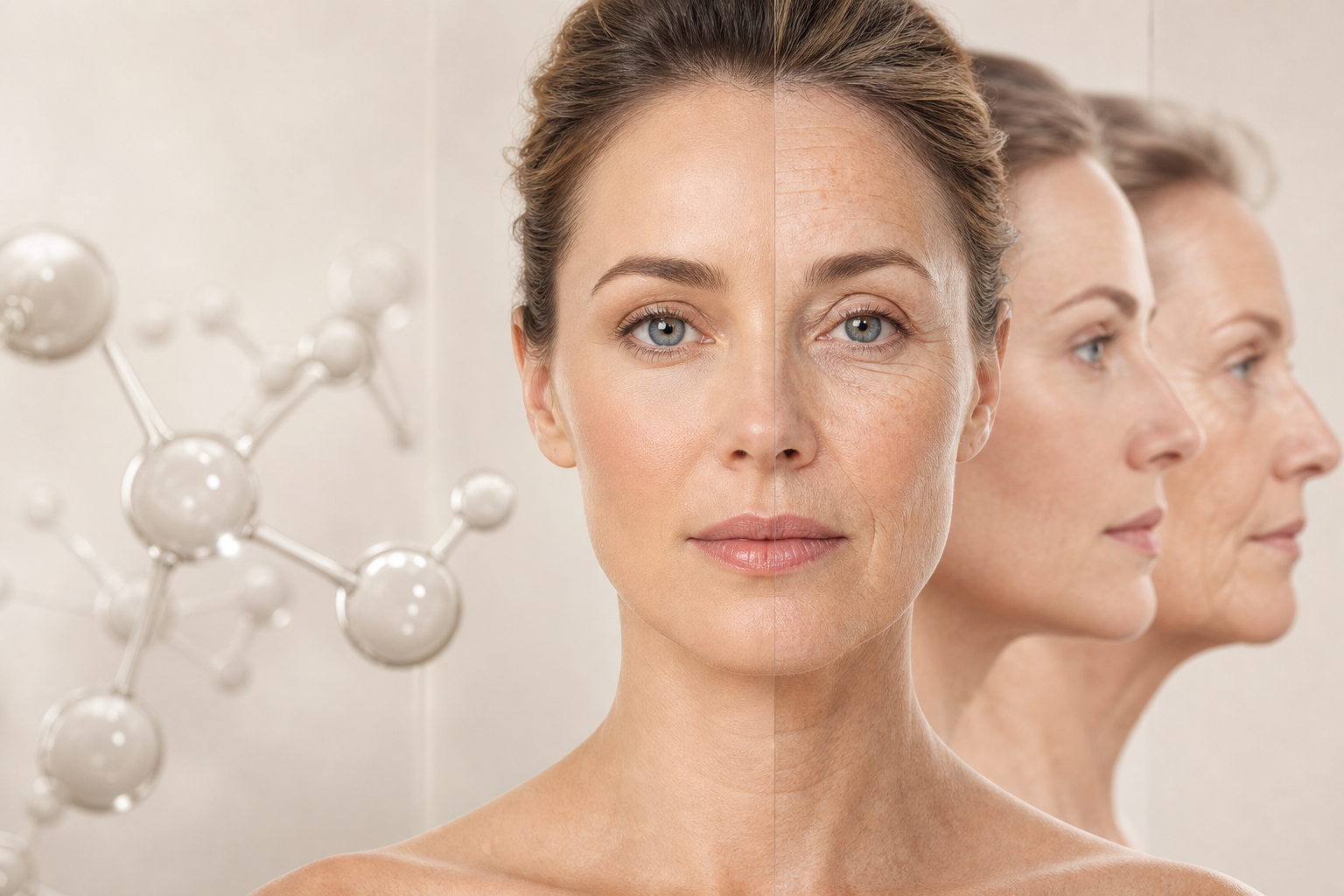
Chronological vs. Premature Skin Aging: Understanding the Differences
Understanding the differences between chronological and premature skin aging is key for effective anti-aging facial treatments. Th...
Read more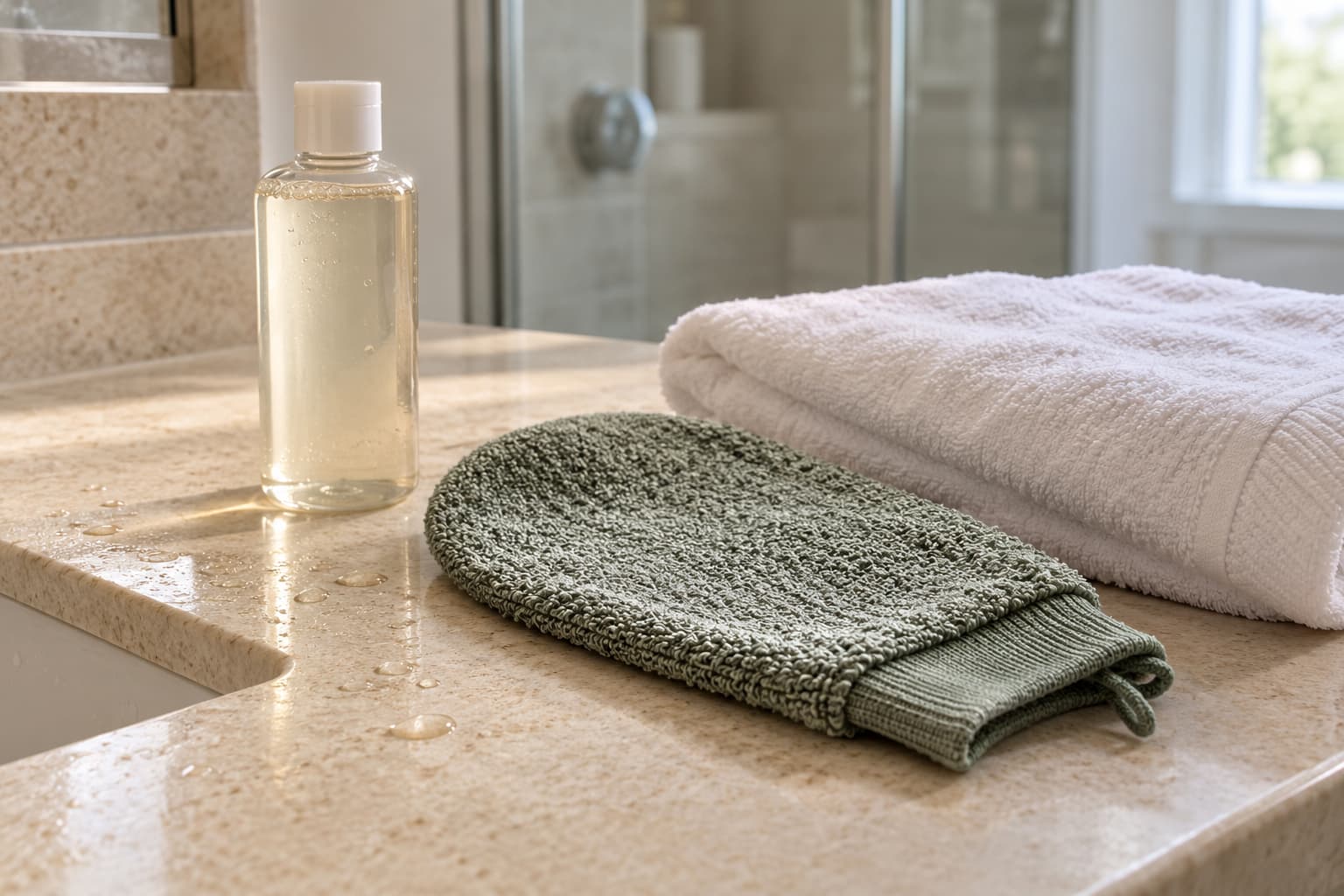
How to Prepare Your Skin for a Professional Spray Tan
Properly preparing your skin is essential for achieving an even, long-lasting spray tan. This guide outlines practical steps like...
Read more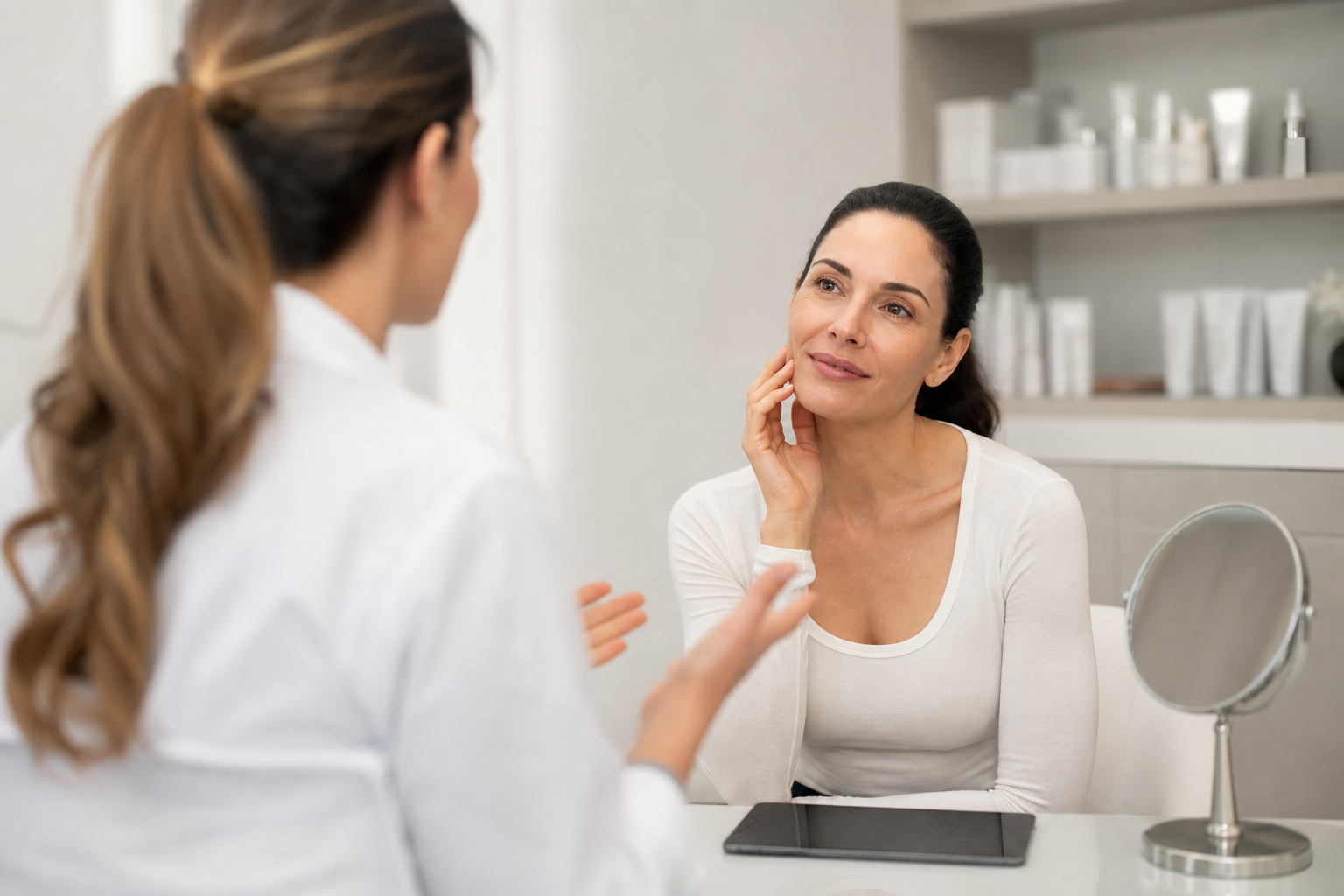
Key Questions to Ask During Your Pre-Treatment Consultation
A pre-treatment consultation is essential for anyone considering facial anti-aging treatments. It ensures personalized care by ass...
Read more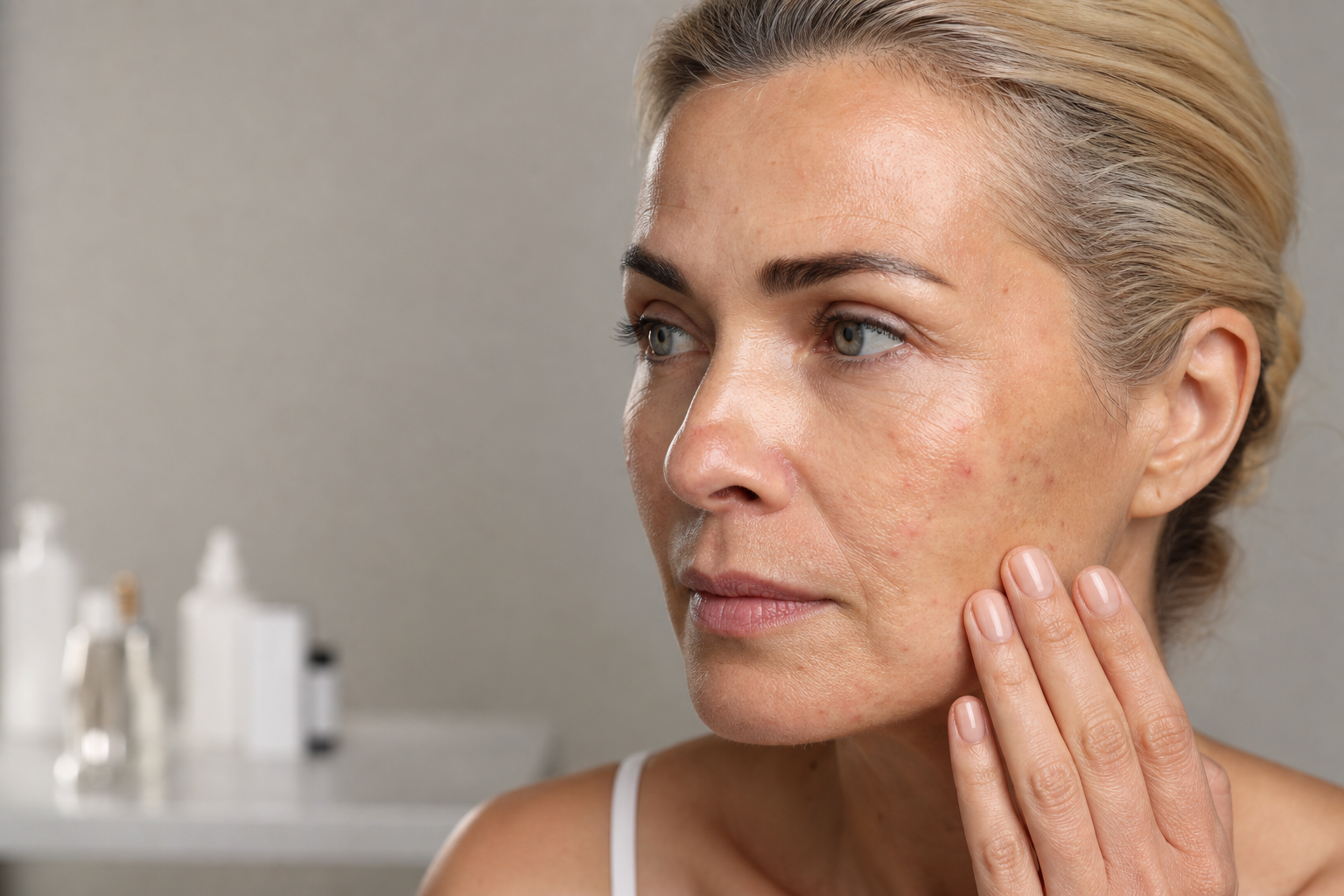
How Acne Develops: Insights for Anti-Aging Facial Treatments
Understanding acne development is essential when combining anti-aging facial treatments. This guide explains how acne mechanisms i...
Read more
Does Deep Cleansing Help with Acne?
Deep cleansing is an important facial treatment that can help manage mild to moderate acne by thoroughly removing impurities and e...
Read more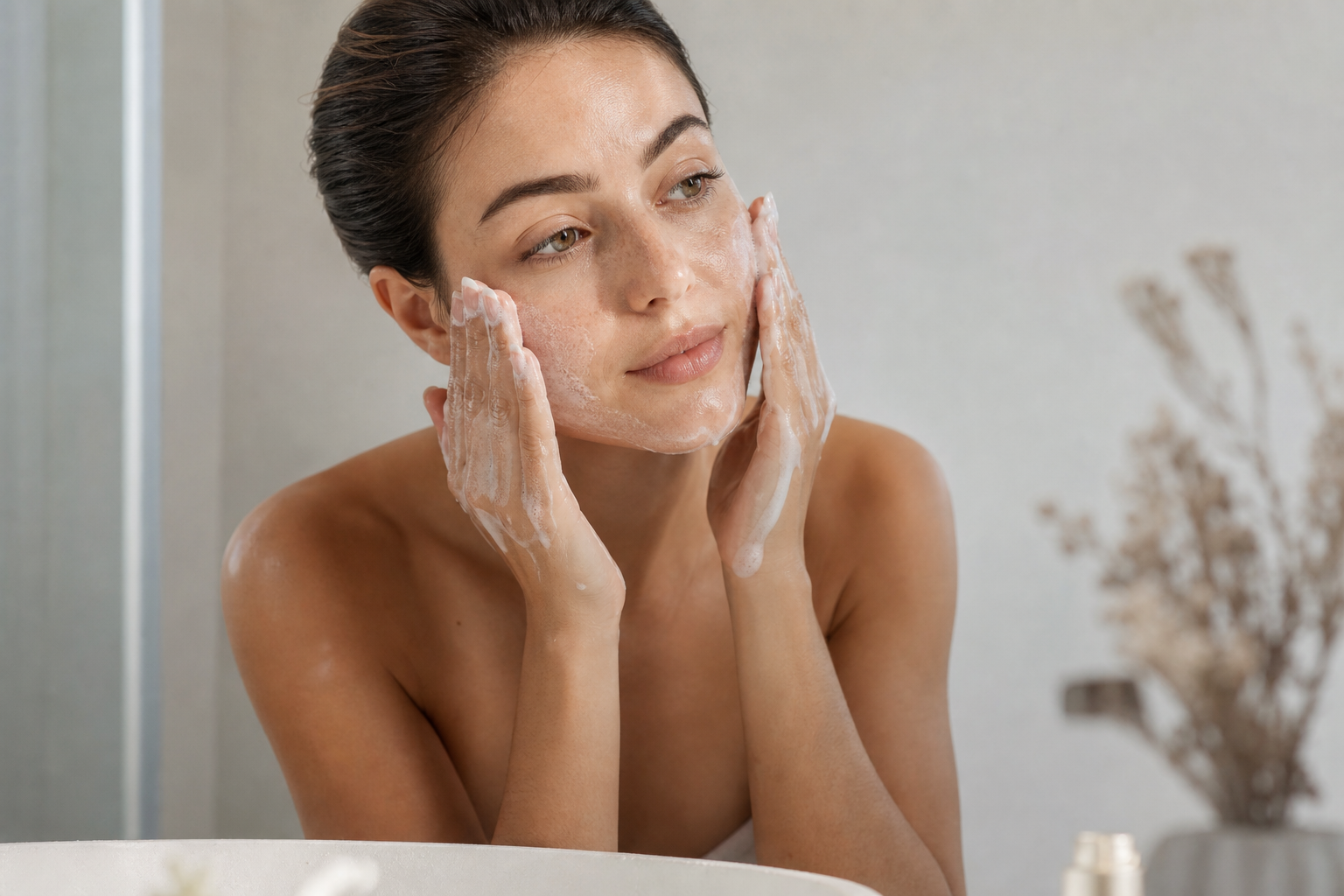
How to Properly Cleanse Acne-Prone Skin
Proper cleansing of acne-prone skin is essential for managing breakouts and supporting anti-aging treatments. This article outline...
Read more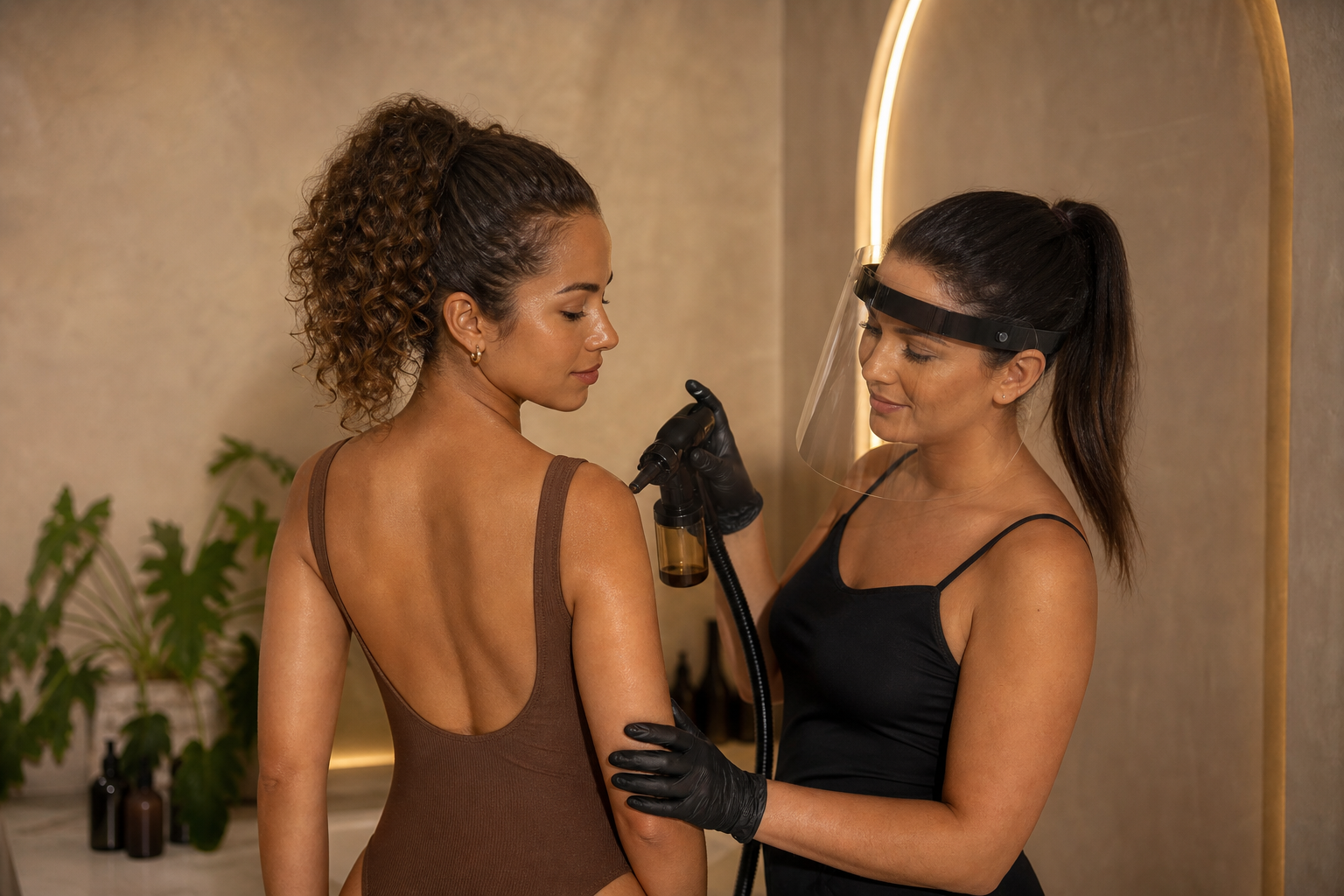
What Is DHA in Self-Tanning Products?
DHA, or dihydroxyacetone, is the active ingredient in most self-tanning products that safely creates a temporary tan by reacting w...
Read more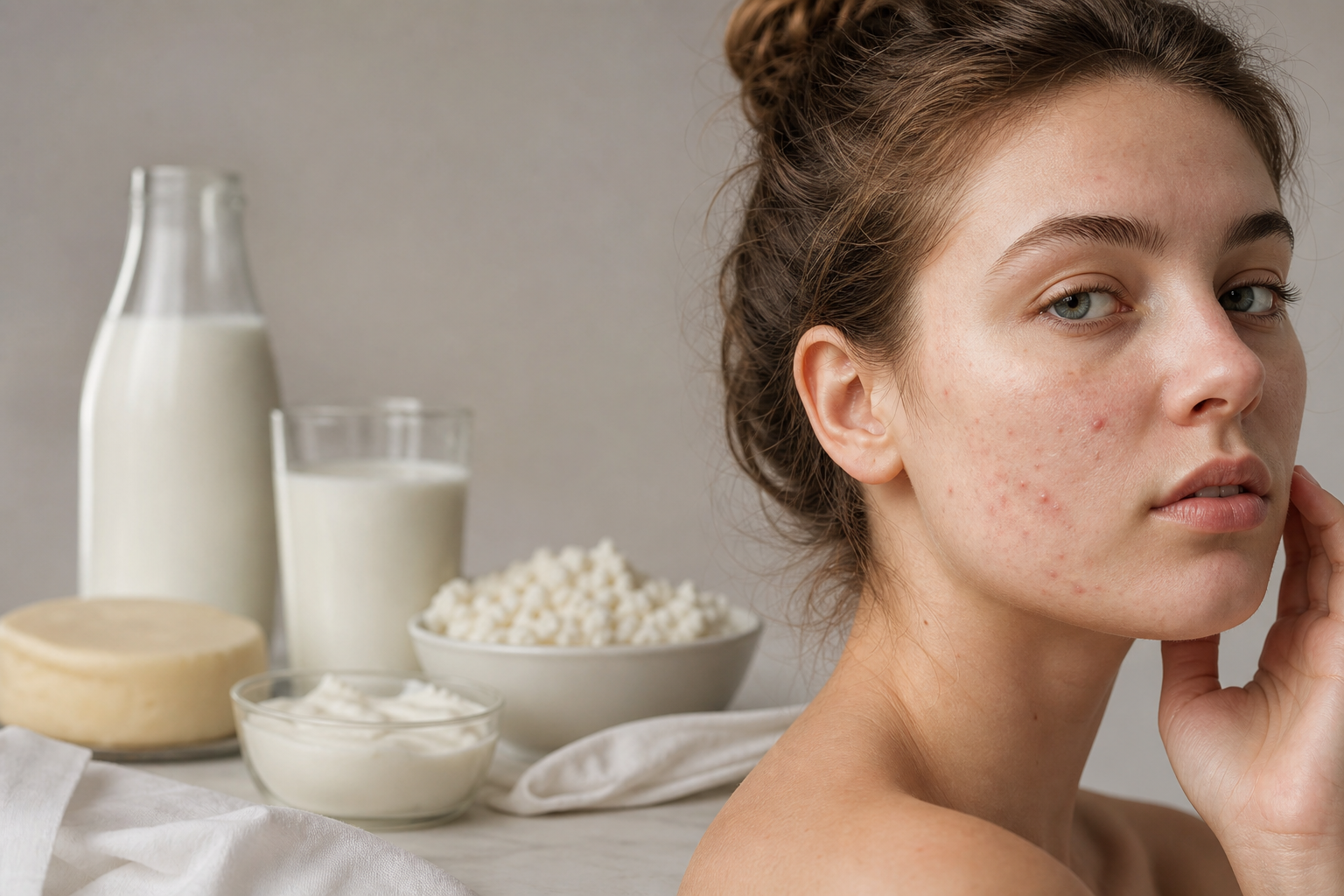
Dairy Products and Acne
This article delves into the complex relationship between dairy consumption and acne, particularly for those undergoing anti-aging...
Read more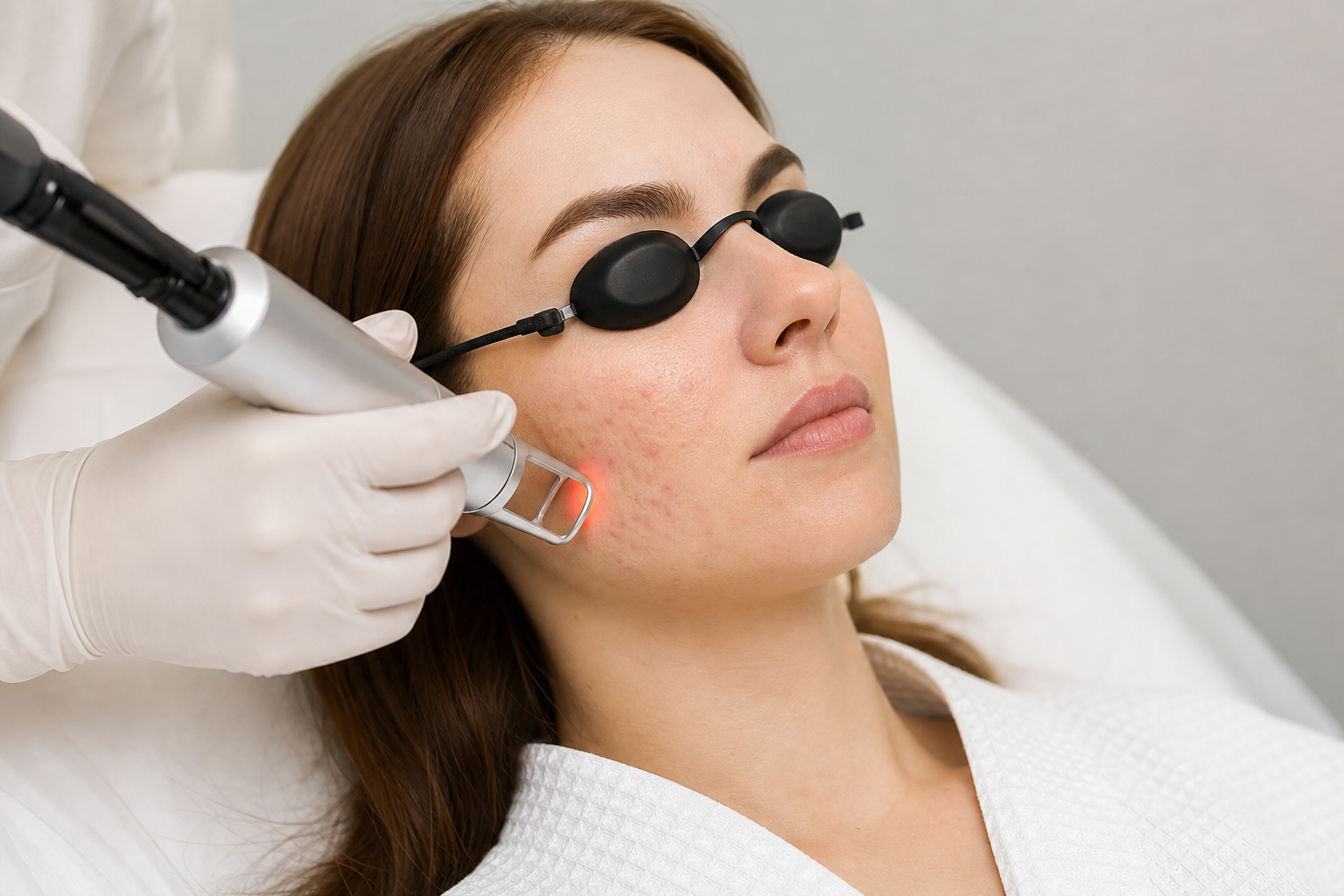
Can Laser Therapy Cure Active Acne?
Laser therapy offers a nuanced approach to managing active acne by targeting bacterial and inflammatory factors while promoting sk...
Read more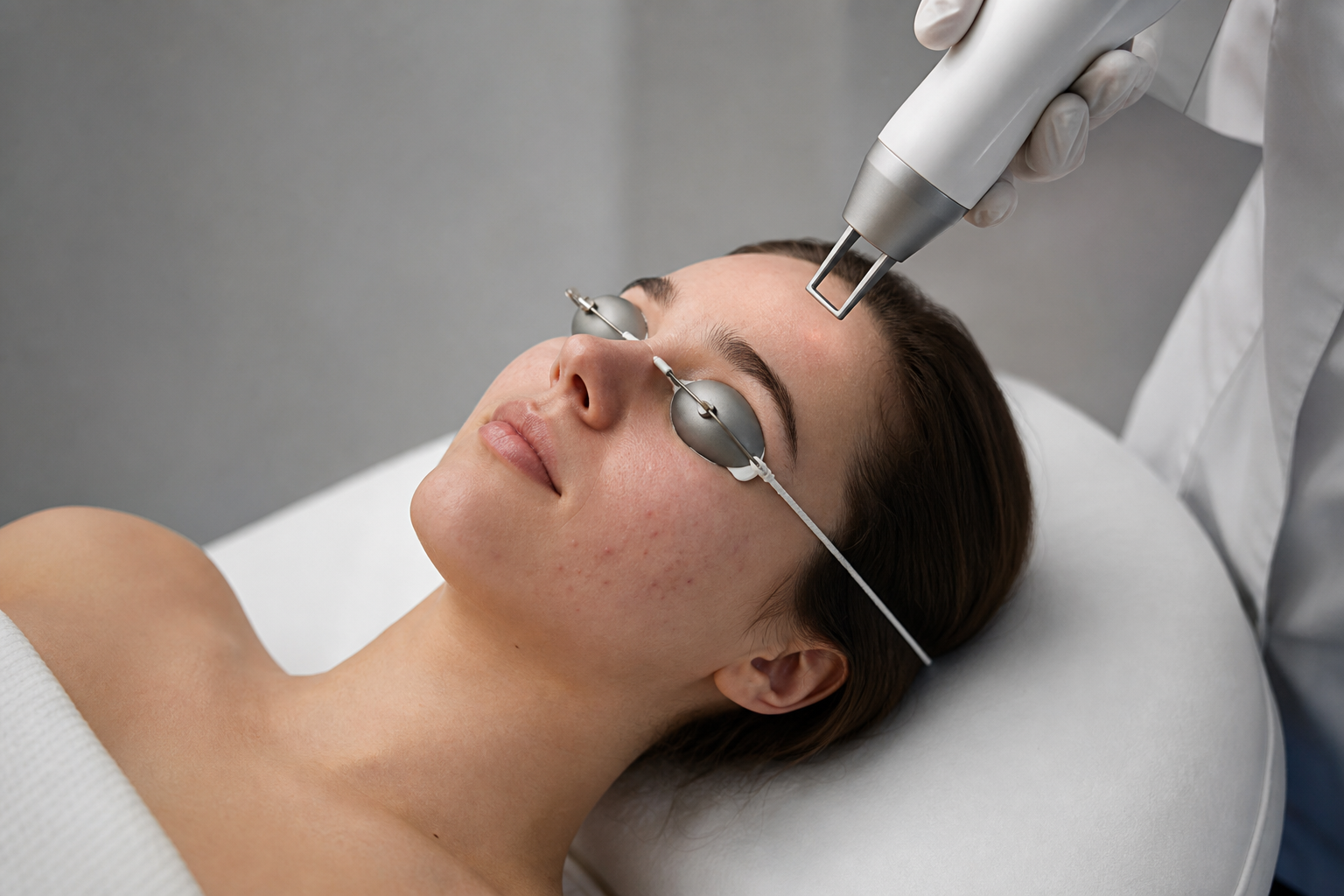
Which Lasers Are Used to Treat Active Acne?
Laser treatments have become an advanced option for managing active acne by targeting bacteria, reducing inflammation, and promoti...
Read more
What Is the Skin's Protective Barrier and How Does It Work?
The skin's protective barrier is a vital outer layer that defends against environmental threats and prevents moisture loss, suppor...
Read more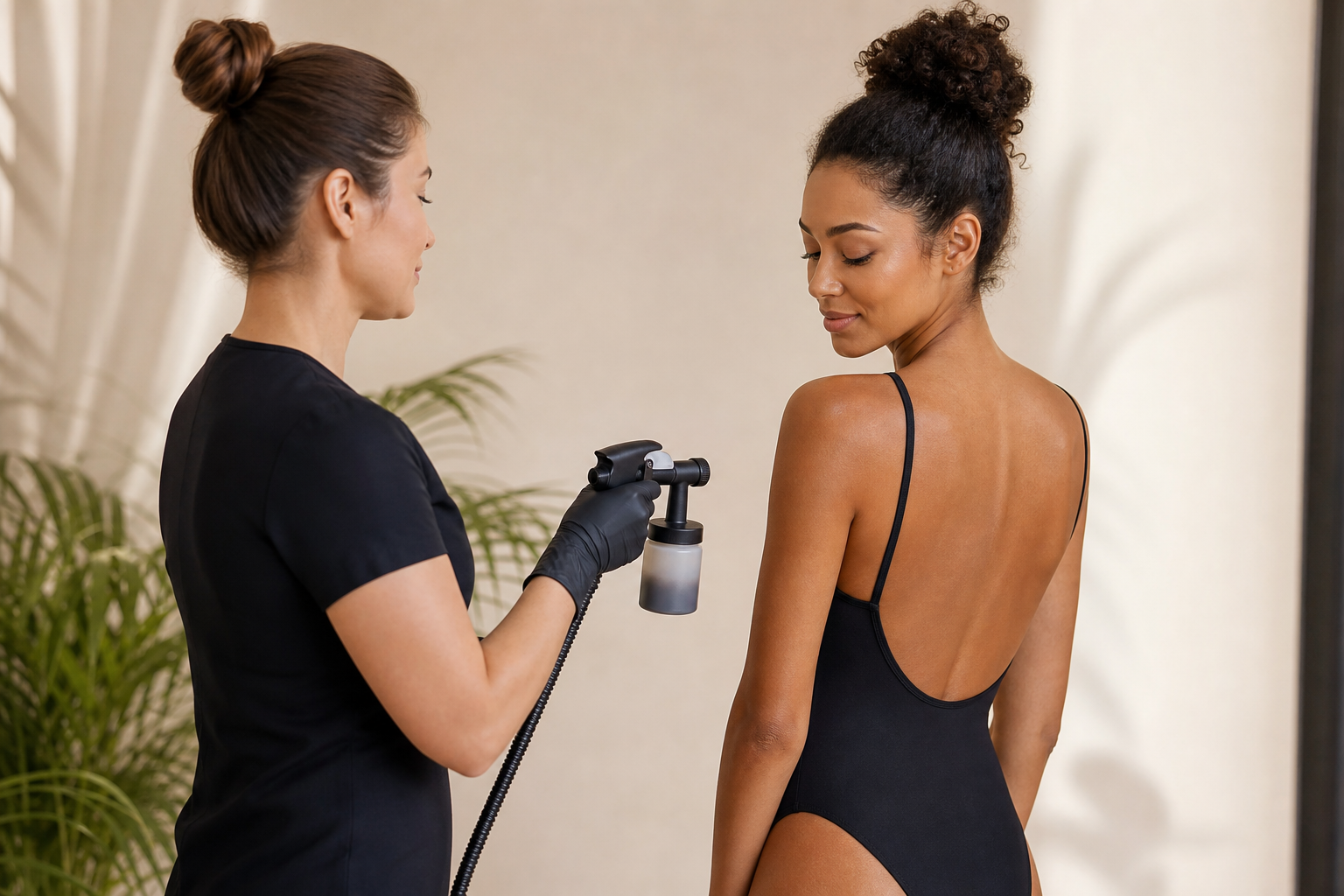
Does Spray Tan Clog Pores?
Spray tan does not clog pores as its active ingredient, DHA, reacts only with the skin's surface dead cells without affecting pore...
Read more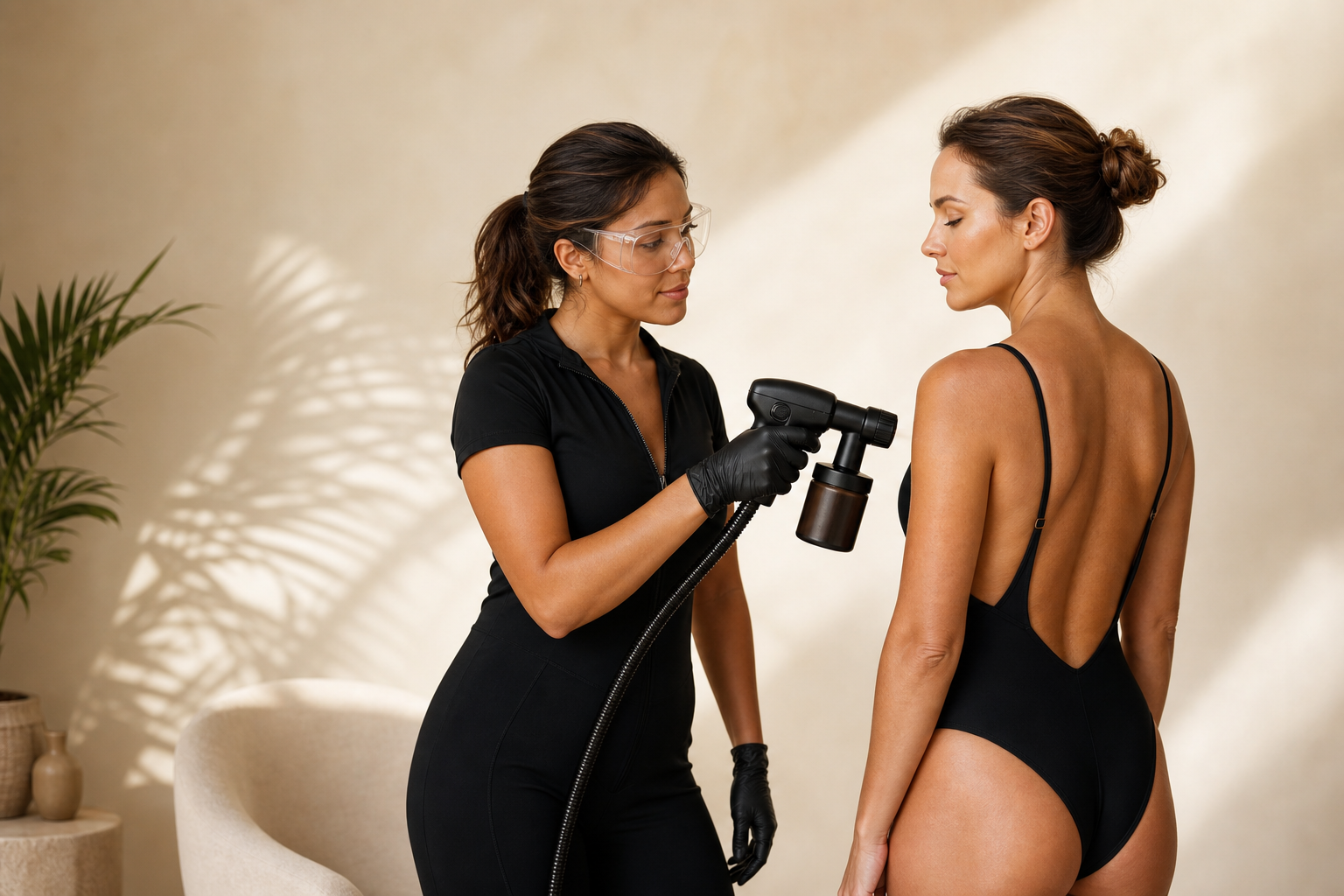
Does Spray Tanning Damage the Skin?
Spray tanning applies a temporary pigment to the skin's surface without UV exposure, making it safer than sunbathing or tanning be...
Read more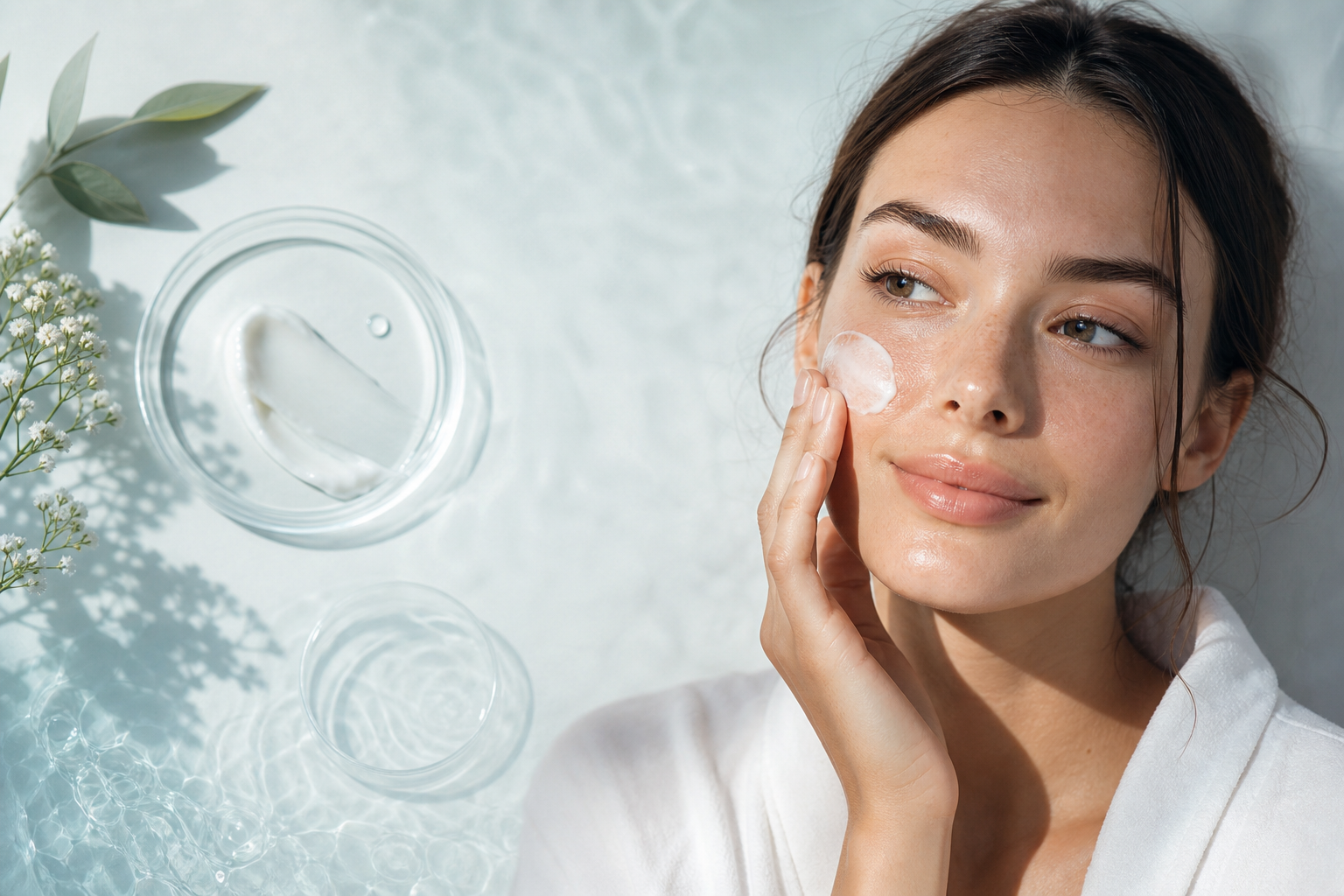
How to Read the Ingredients of a Moisturizing Cream
Decoding the ingredients of moisturizing creams empowers you to choose products that truly benefit your skin. This guide explains...
Read more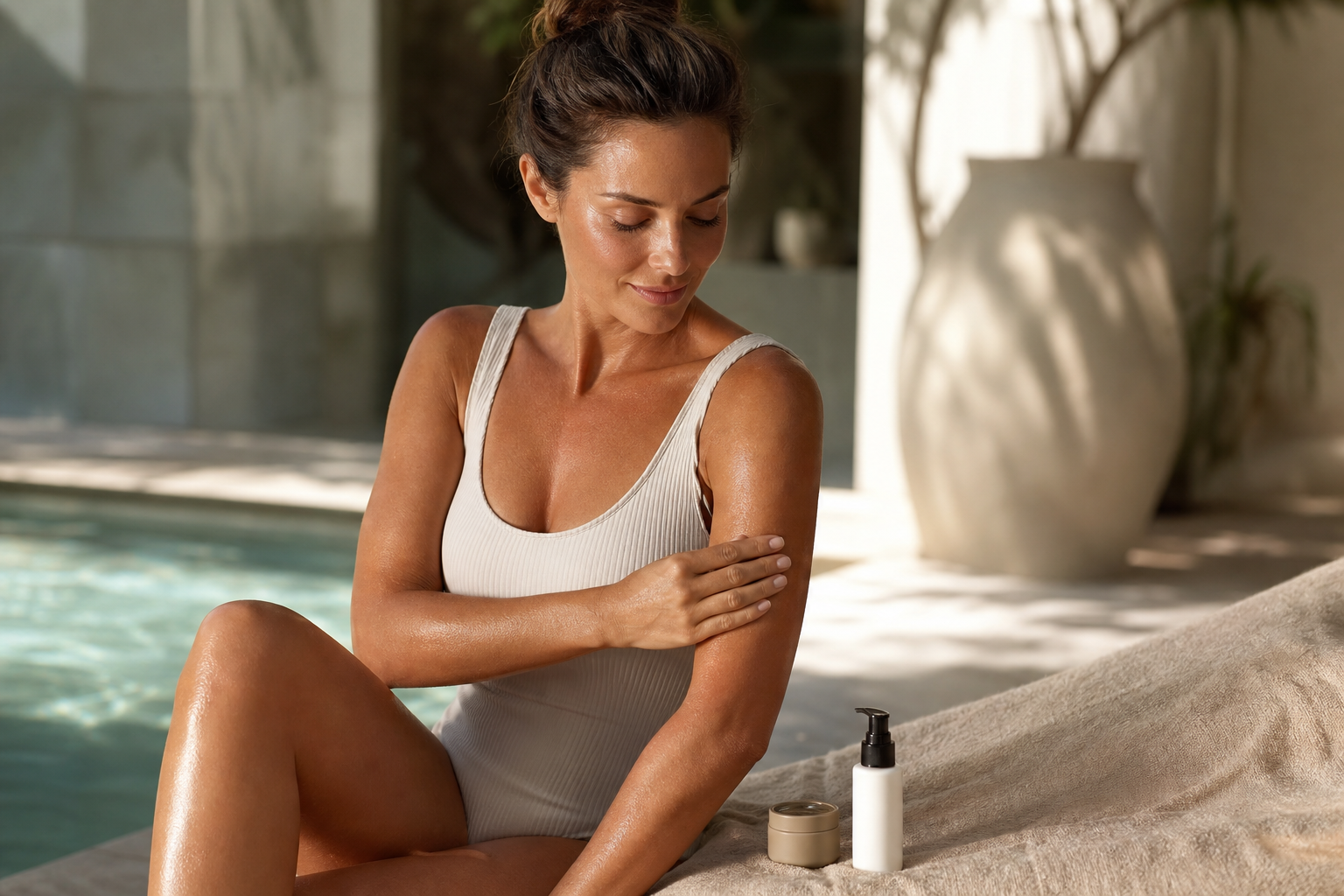
What Determines How Long a Spray Tan Lasts?
Spray tan longevity depends on skin type, pre-treatment preparation, and post-care habits. Understanding these factors helps users...
Read more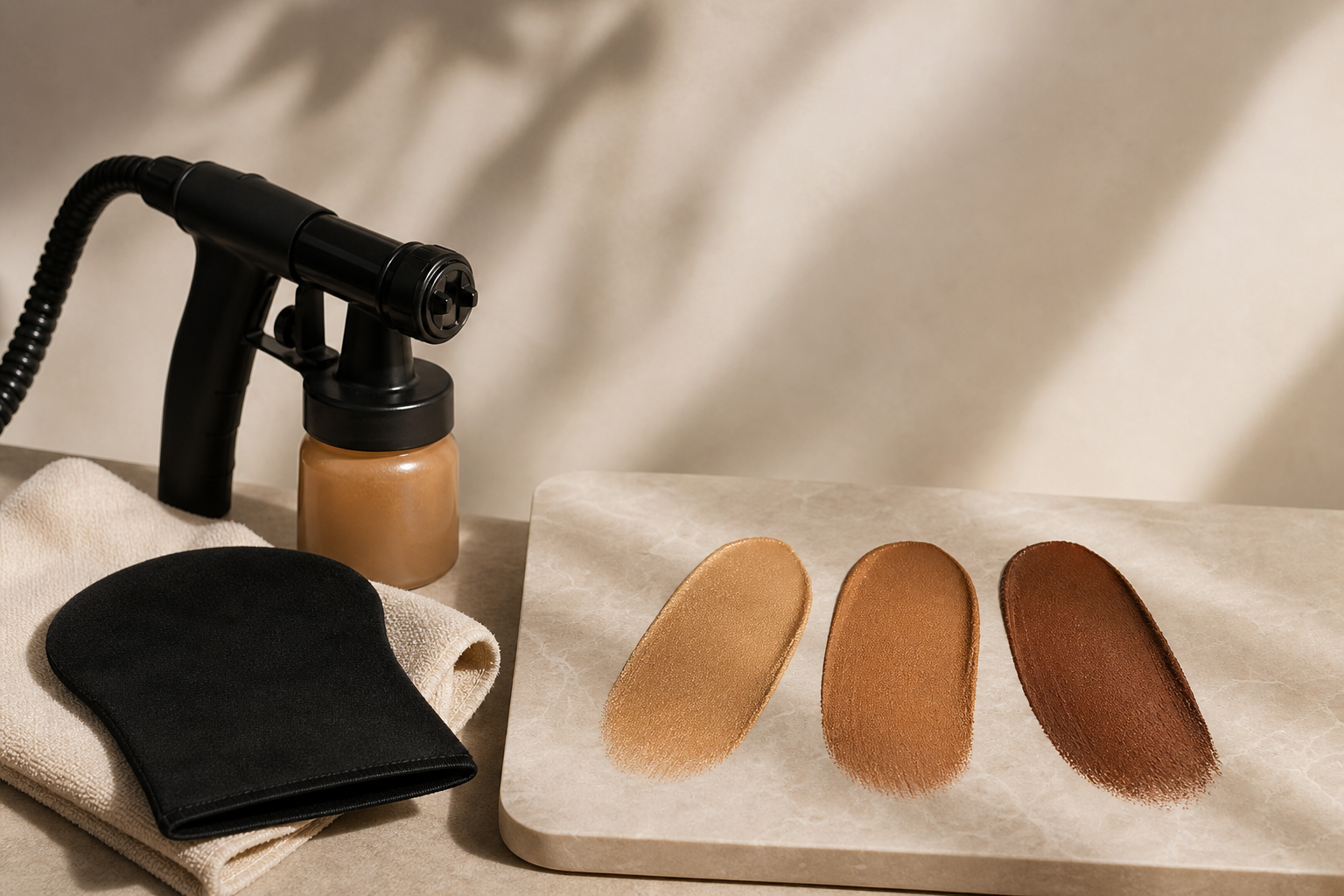
Light, Medium or Dark Spray Tan: What Do the Labels Mean?
Understanding the labels light, medium, and dark spray tan is key to choosing a shade that complements your natural skin tone and...
Read more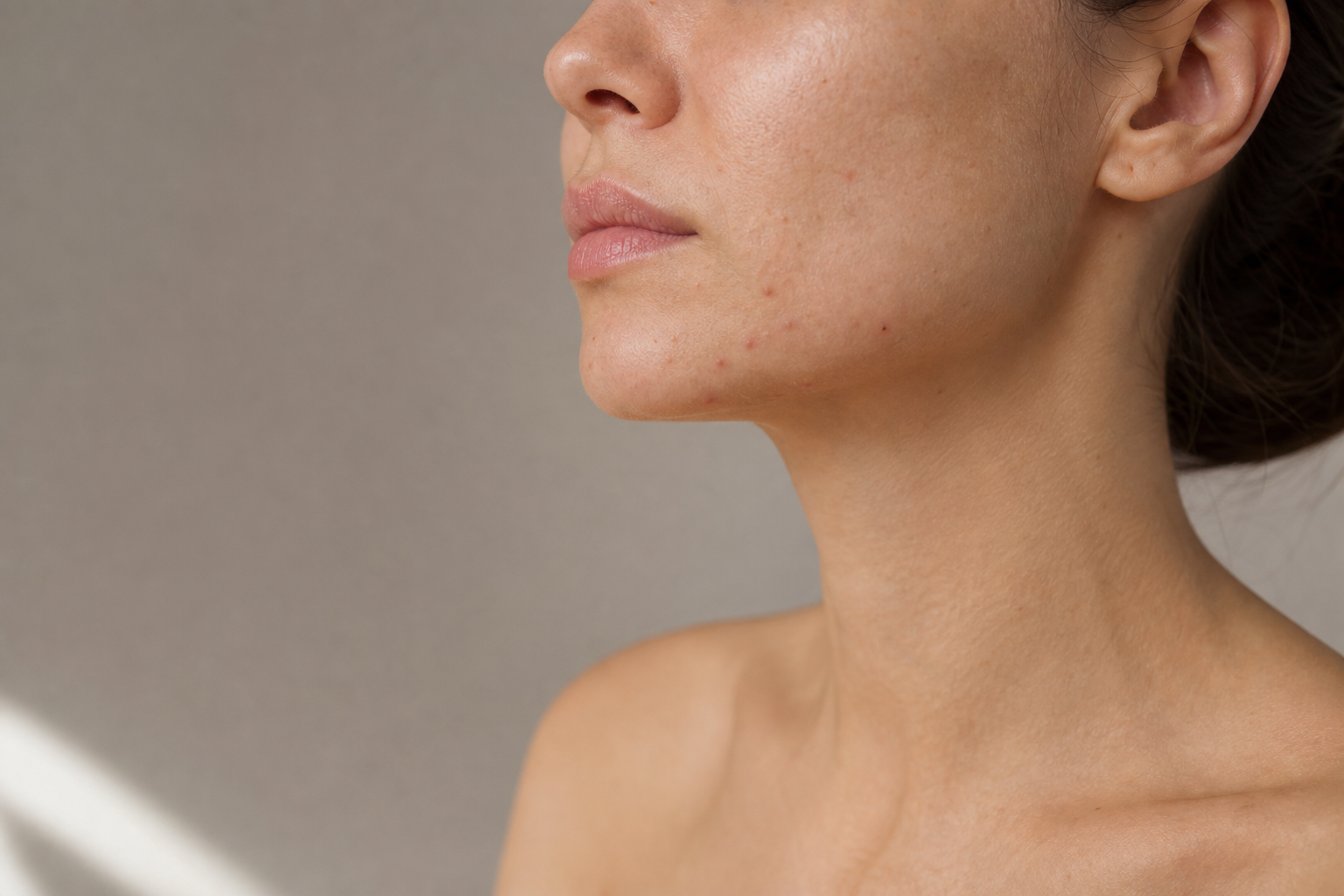
Why Do Hormonal Acne Breakouts Occur on the Chin and Jawline?
Hormonal acne frequently affects the chin and jawline due to these areas' higher androgen receptor concentration and sebum product...
Read more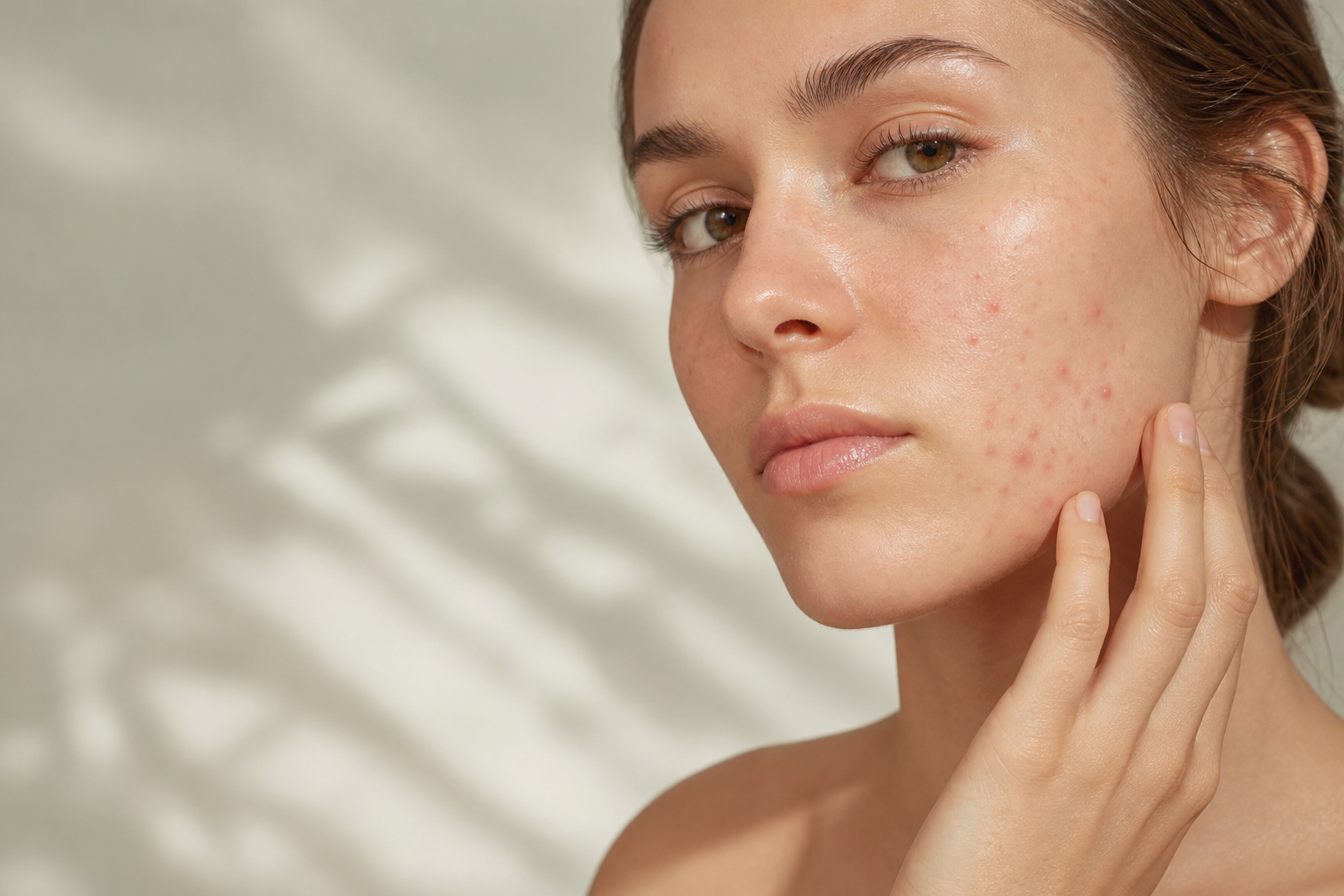
Why Do Acne Spots Leave Marks?
Acne spots leave marks due to complex skin healing processes involving pigmentation and vascular changes after inflammation. These...
Read more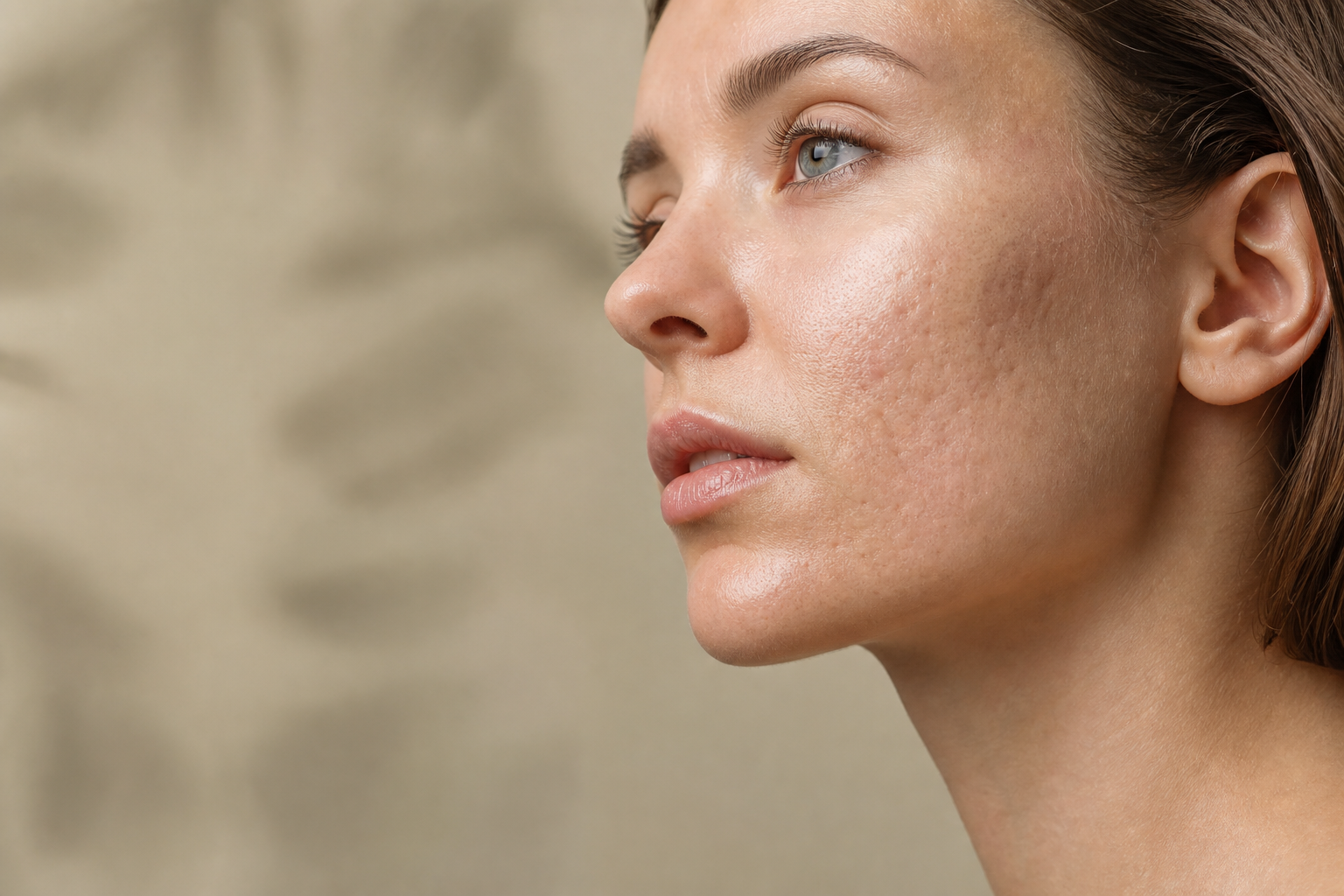
How Acne Scars Form: A Detailed Insight
Acne scars arise from the skin's inflammatory response to deep acne lesions, leading to varied scar types that affect appearance a...
Read more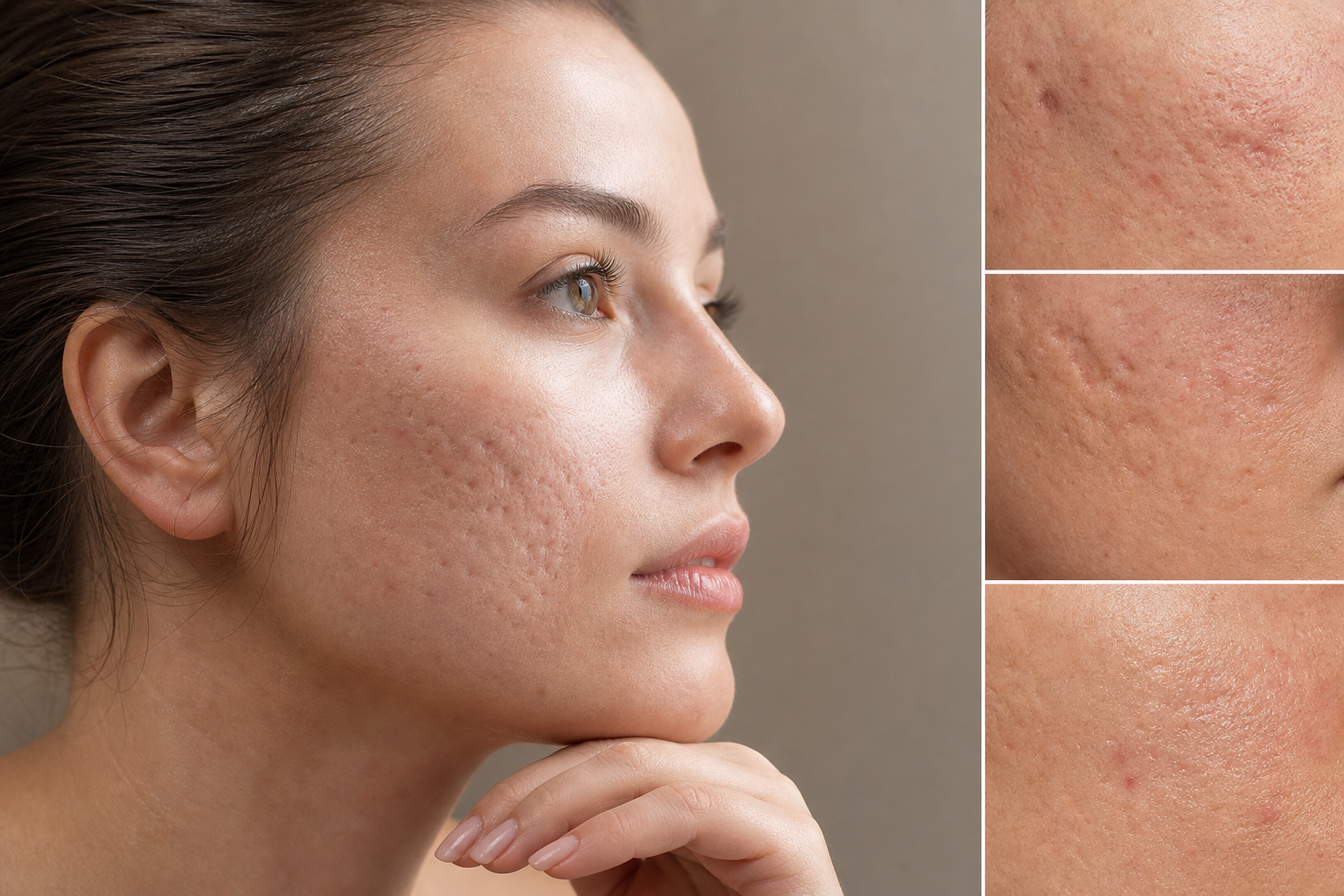
Types of Acne Scars: A Professional Guide
Acne scars, resulting from inflammatory acne lesions, present diverse types requiring tailored treatments. This guide details thei...
Read more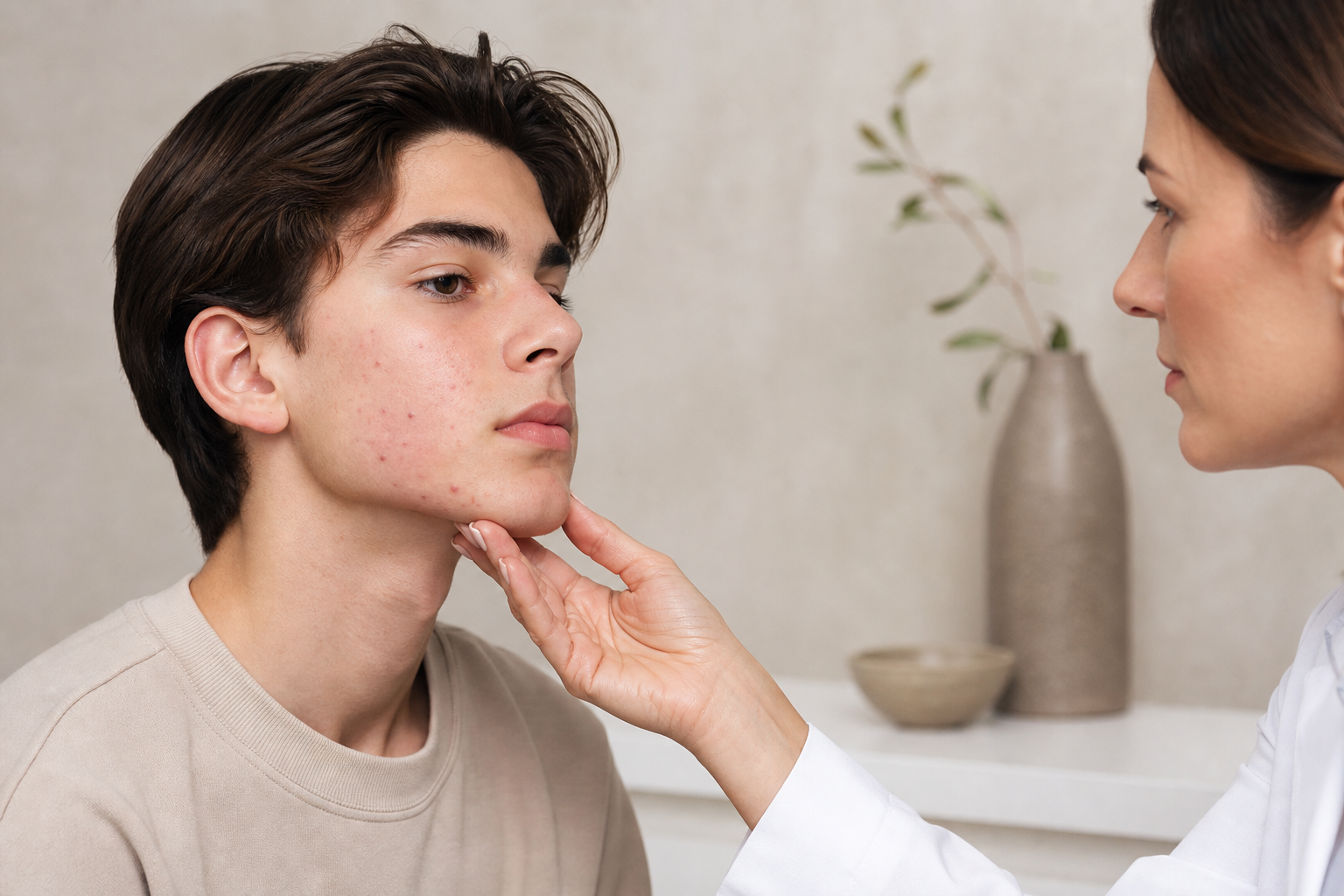
Teenage Acne: When to Start Treatment?
Teenage acne is a common yet complex condition that requires timely and informed treatment to prevent scarring and psychological i...
Read more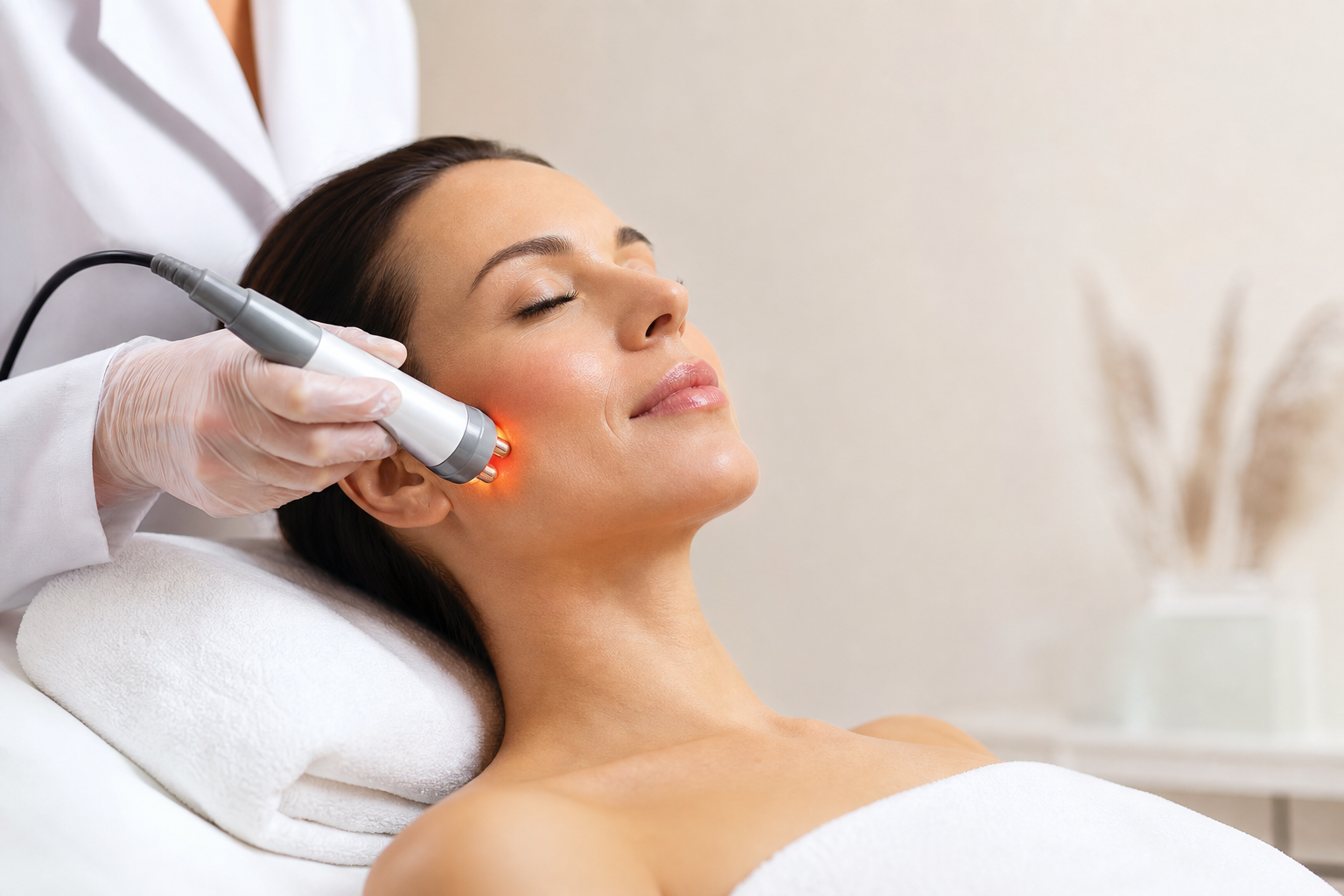
RF Facial Lifting – A Complete Guide
Radiofrequency (RF) facial lifting offers a non-invasive alternative to surgical anti-aging treatments by stimulating collagen and...
Read more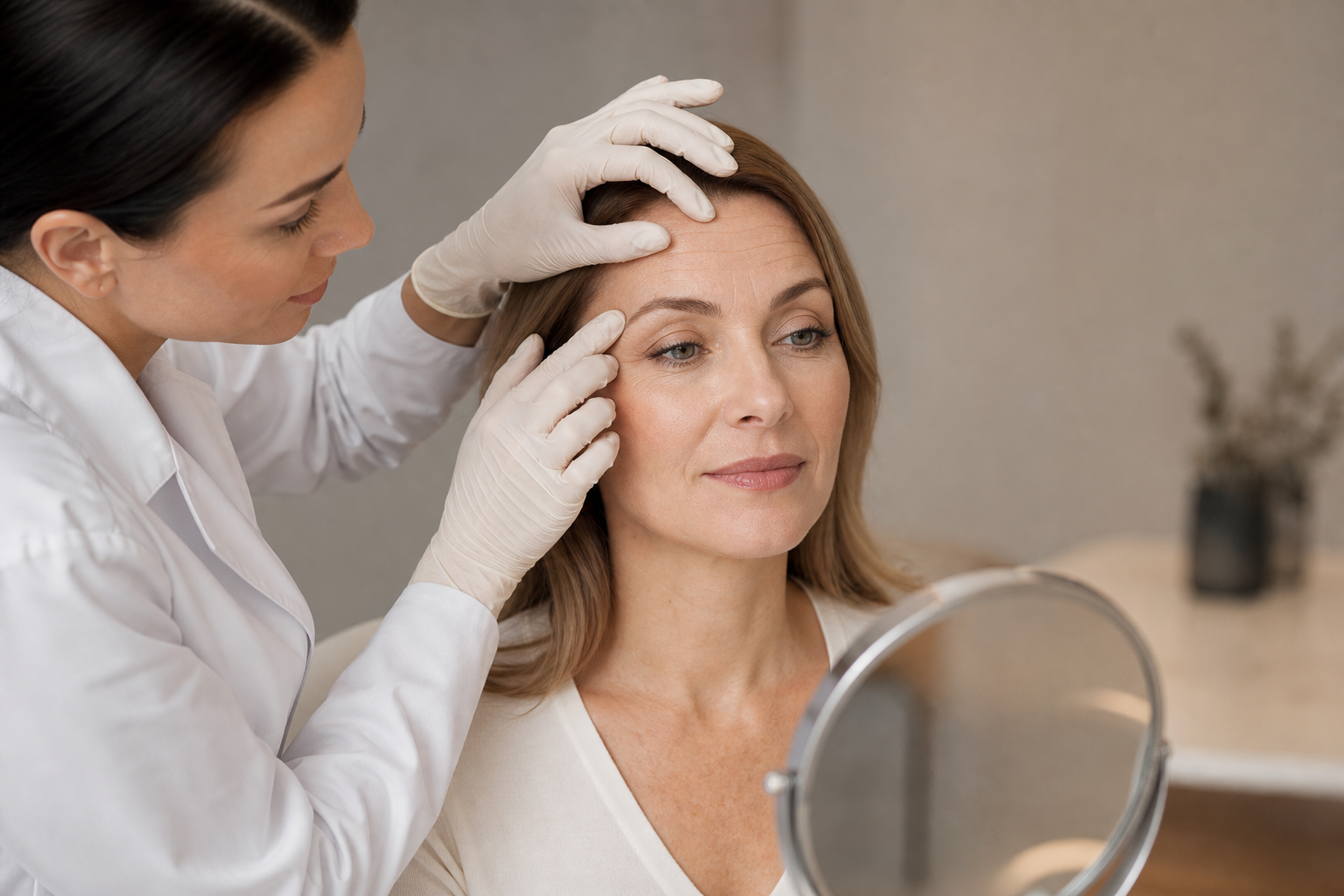
Top Treatments for Forehead Wrinkles
Forehead wrinkles signal early facial aging and affect one's appearance. This article discusses top treatments—like botulinum toxi...
Read more
AHA vs. BHA Acids: Understanding the Key Differences
AHA and BHA acids are key skincare ingredients that exfoliate and improve skin texture, each suited for different skin types and c...
Read more
Cleansing Dry and Dehydrated Skin
Cleansing dry and dehydrated skin demands a gentle, tailored approach that preserves the skin's natural moisture barrier while eff...
Read more
Botox for Wrinkles: A Comprehensive Guide
Botox effectively reduces dynamic facial wrinkles by relaxing targeted muscles, offering a popular non-invasive anti-aging option....
Read more
Professional Facial Hydration: What to Expect from the Treatment
Professional facial hydration treatments offer a deeper, medically supervised approach to restoring skin moisture and balance, sur...
Read more
Winter Skincare Routine for Dry and Dehydrated Skin
Winter causes dry and dehydrated skin due to cold air and indoor heating disrupting natural moisture and lipids. A tailored routin...
Read more
Why Can a Spray Tan Leave Streaks or Patches?
Spray tans offer a safe alternative to UV tanning but often result in streaks or patches due to skin texture, preparation, and app...
Read more
Sunbeds and Laser Pigmentation Removal
Sunbeds emit ultraviolet radiation that can worsen pigmentation irregularities and increase skin damage risks, especially around l...
Read more
Understanding Different Types of Acne
Acne manifests in various types, each demanding specific recognition and treatment, especially within anti-aging facial care. Unde...
Read more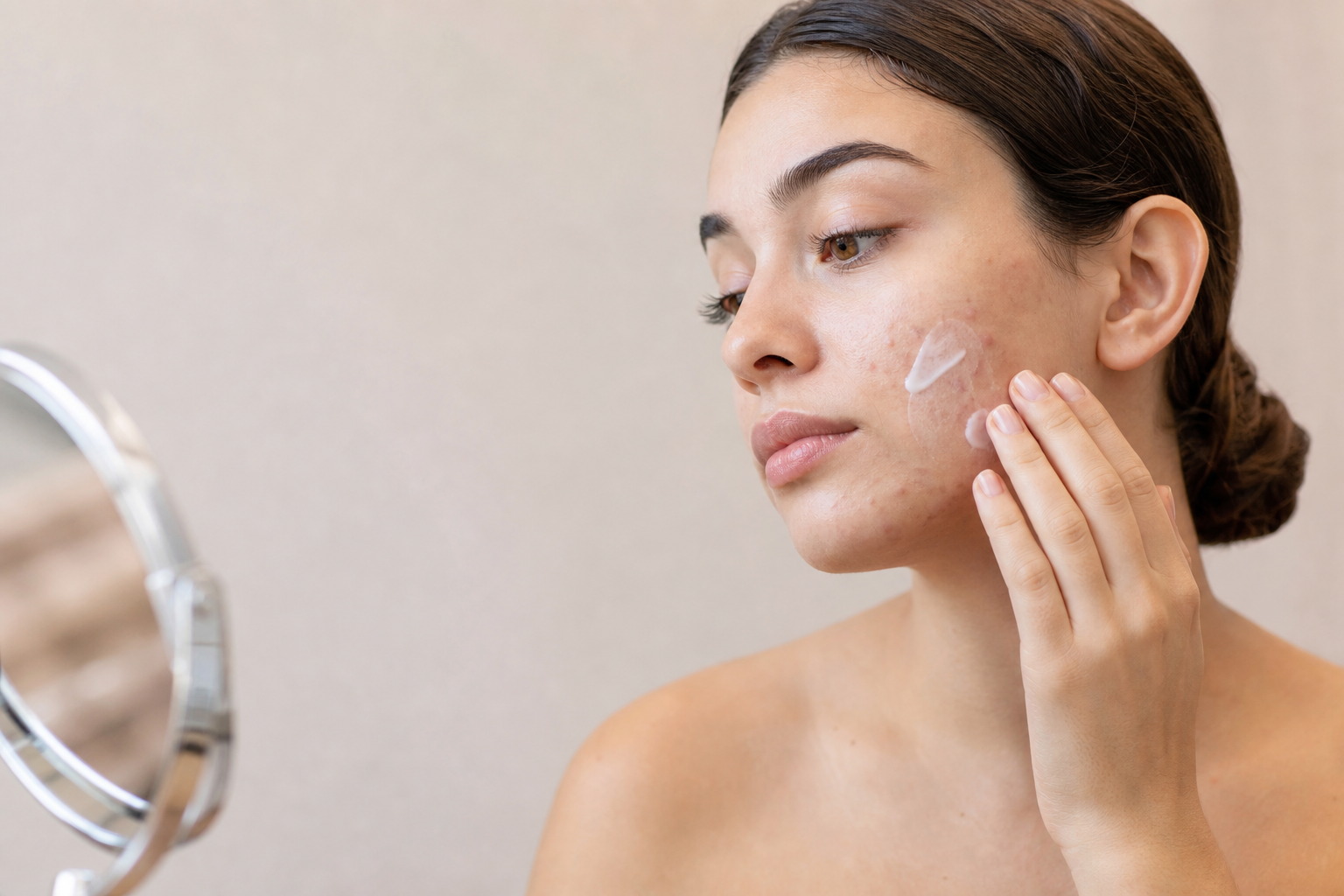
What Is the Best Treatment for Acne?
Acne is a multifaceted skin condition requiring personalized treatment strategies that address severity, skin type, and patient go...
Read more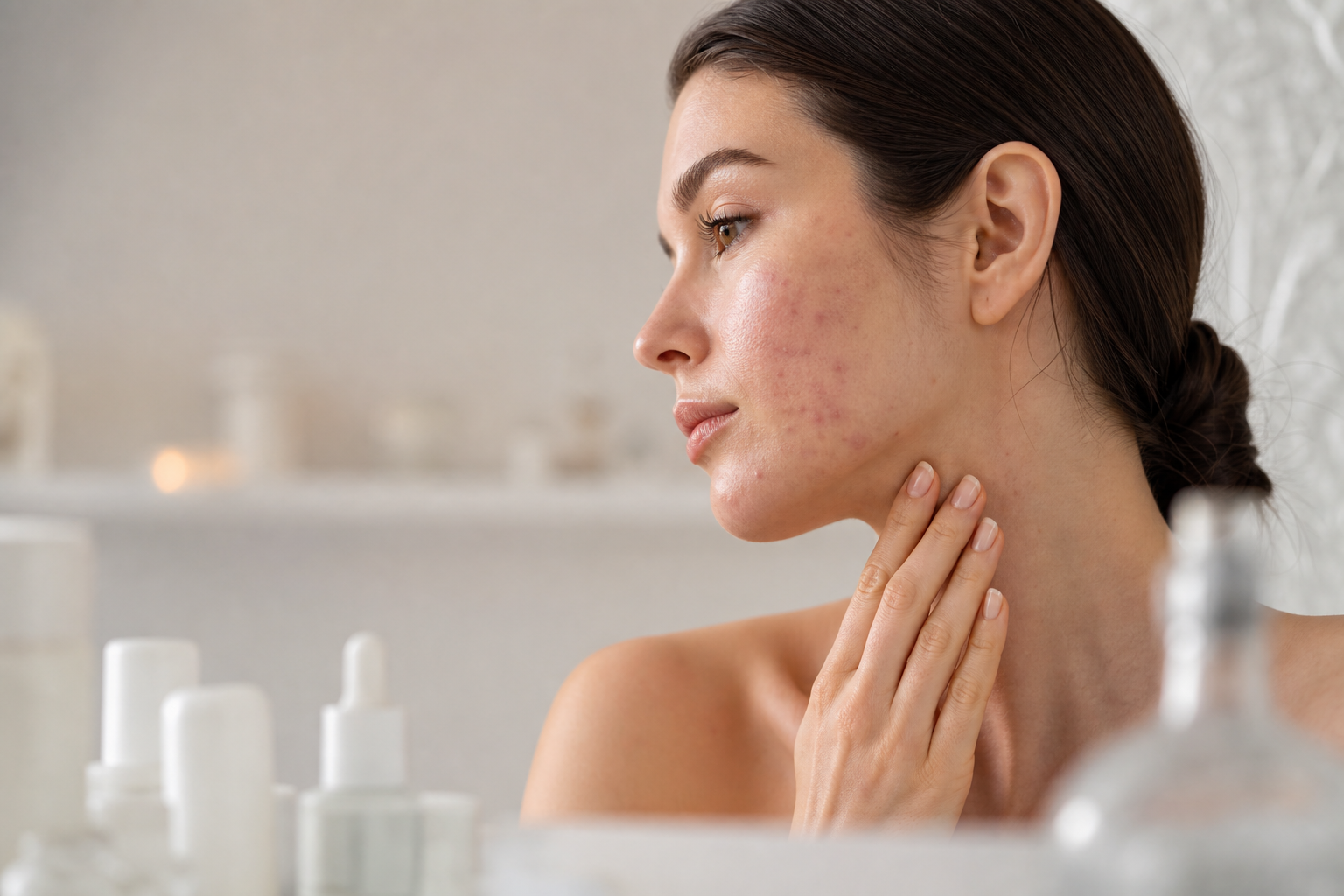
How to Identify Hormonal Acne
Hormonal acne arises from internal hormonal fluctuations, often affecting adults on the lower face with cyclical flare-ups. Recogn...
Read more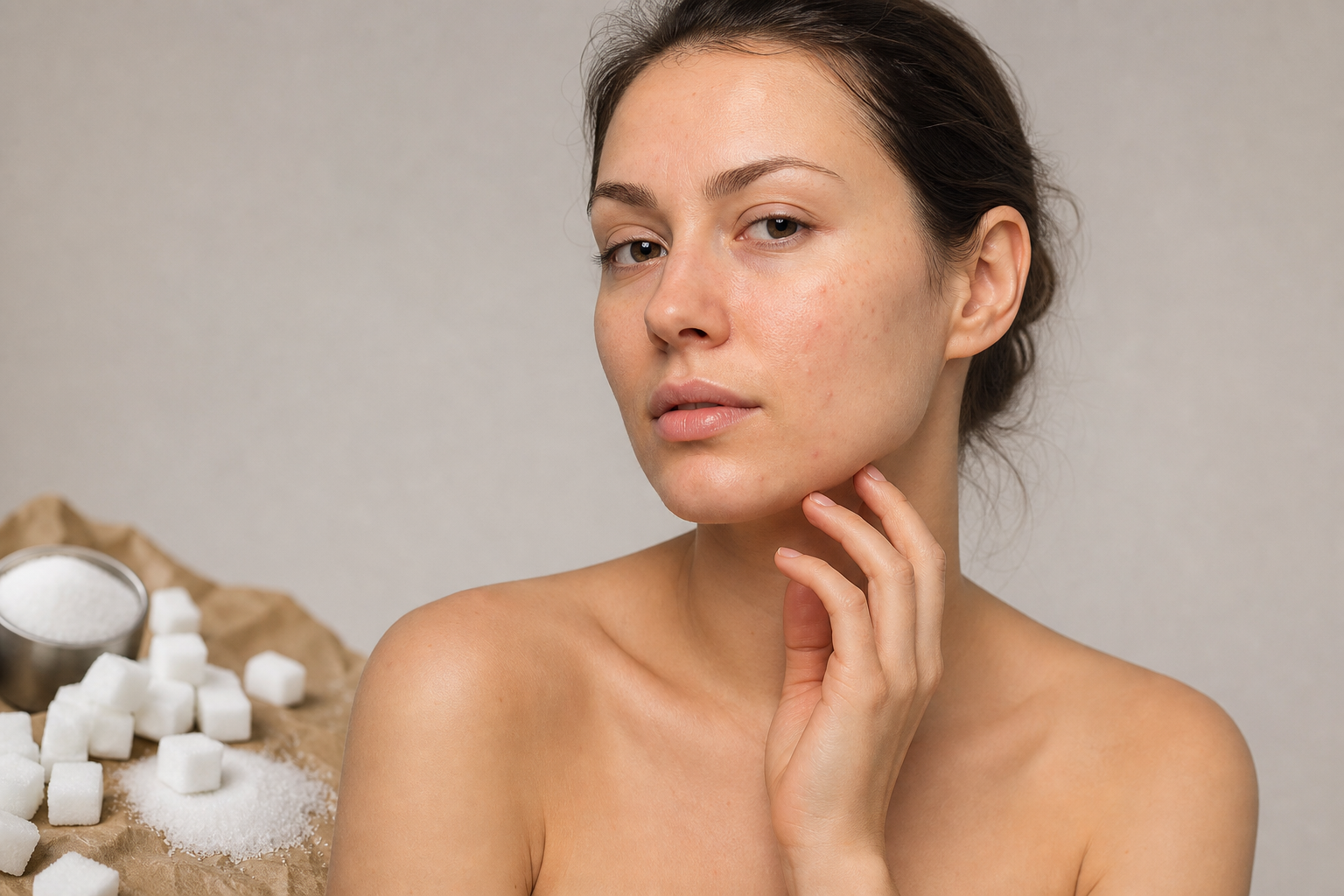
Sugar and Troubled Skin
This article examines how sugar consumption adversely affects troubled skin by promoting glycation, inflammation, and impaired col...
Read more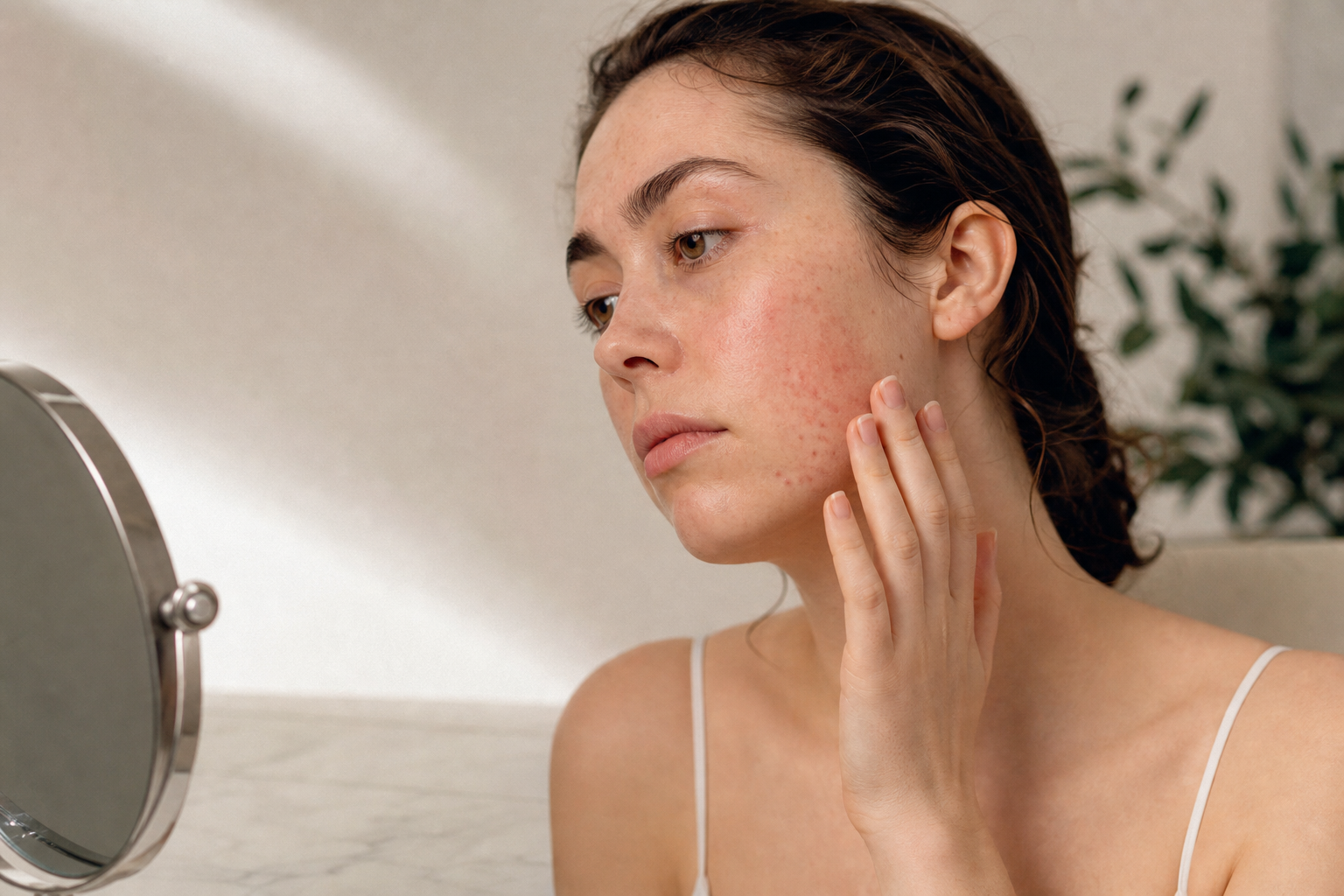
Adult Acne in Women
Adult acne in women is a complex condition influenced by hormonal changes and lifestyle, distinct from teenage acne. Integrating a...
Read more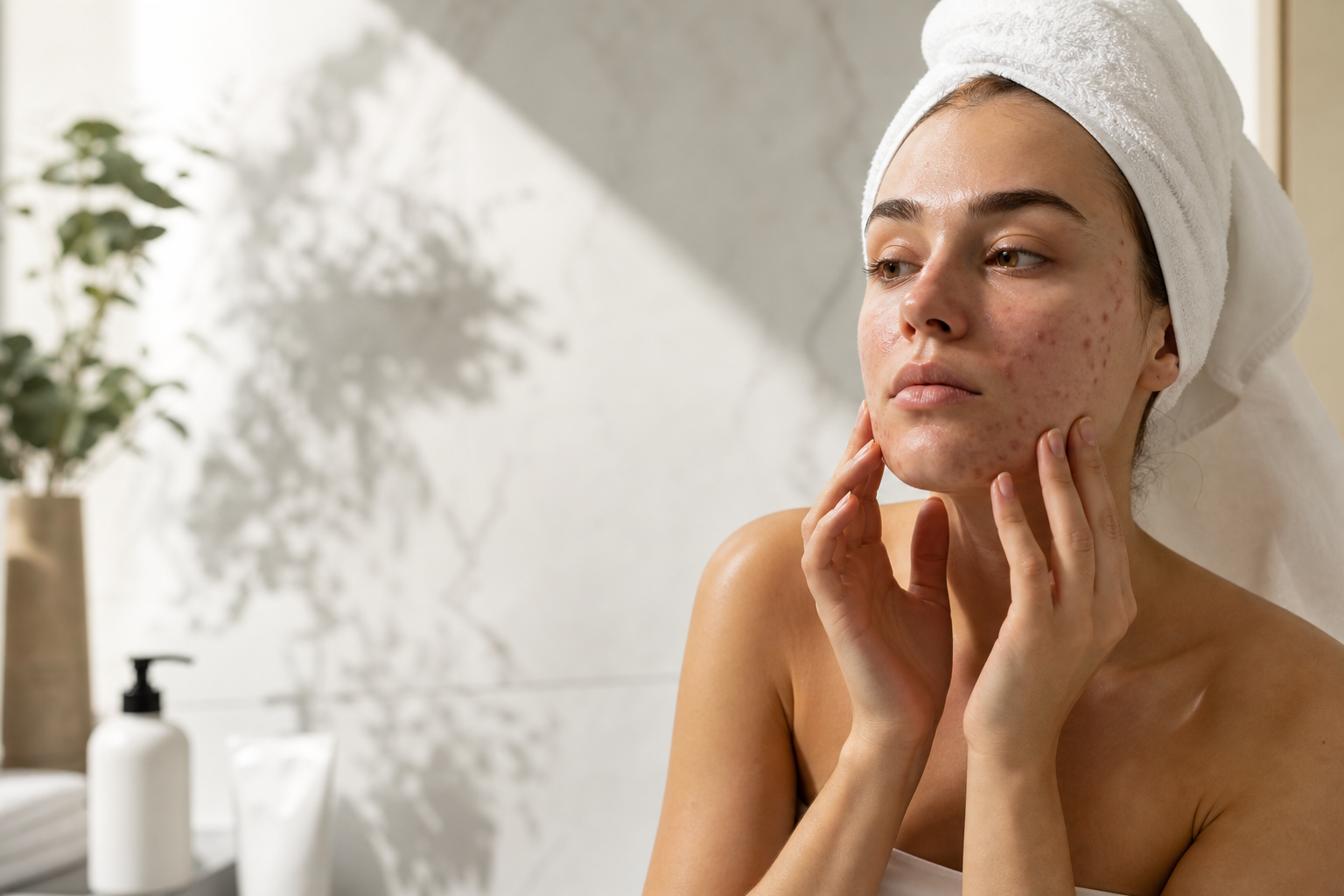
Are Acne Breakouts Caused by Poor Hygiene?
Acne breakouts are influenced by multiple factors beyond just hygiene. While cleanliness is important, excessive or harsh hygiene...
Read more
Does Sun Exposure Help with Acne?
Sun exposure can have complex effects on acne-prone skin, offering temporary antimicrobial and anti-inflammatory benefits but also...
Read more
Morning Skincare Routine for Dehydrated Skin
A tailored morning skincare routine is crucial for effectively addressing dehydrated skin by restoring moisture and strengthening...
Read more
Bridal Spray Tan: When Should You Book the Treatment?
Bridal spray tans offer a safe, UV-free way to achieve a radiant, even glow for your wedding day. Booking your treatment 2 to 3 da...
Read more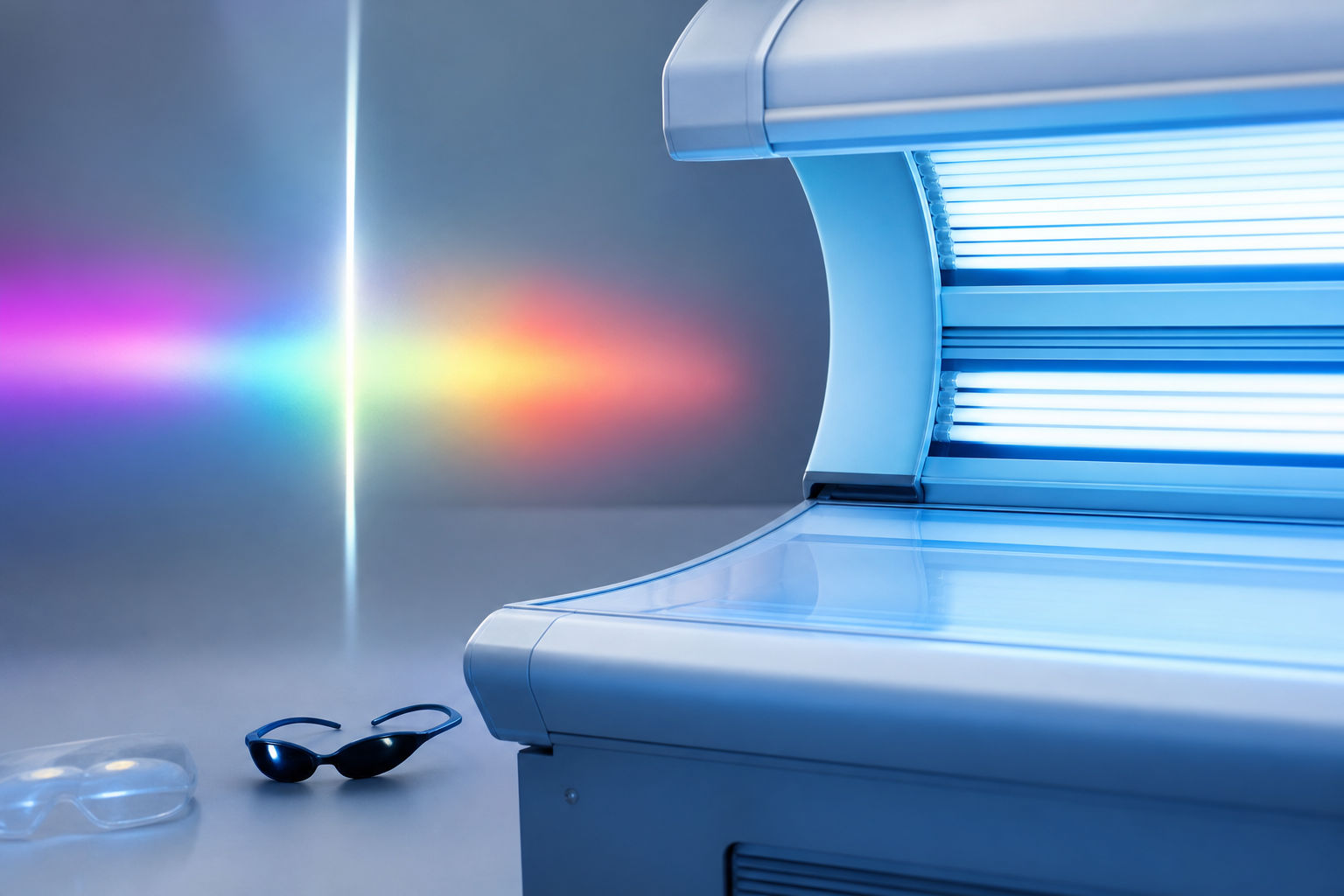
Sunbeds and Acute Damage to the Eye Surface
Sunbed use exposes the delicate eye surface to harmful ultraviolet radiation, causing acute injuries such as photokeratitis. With...
Read more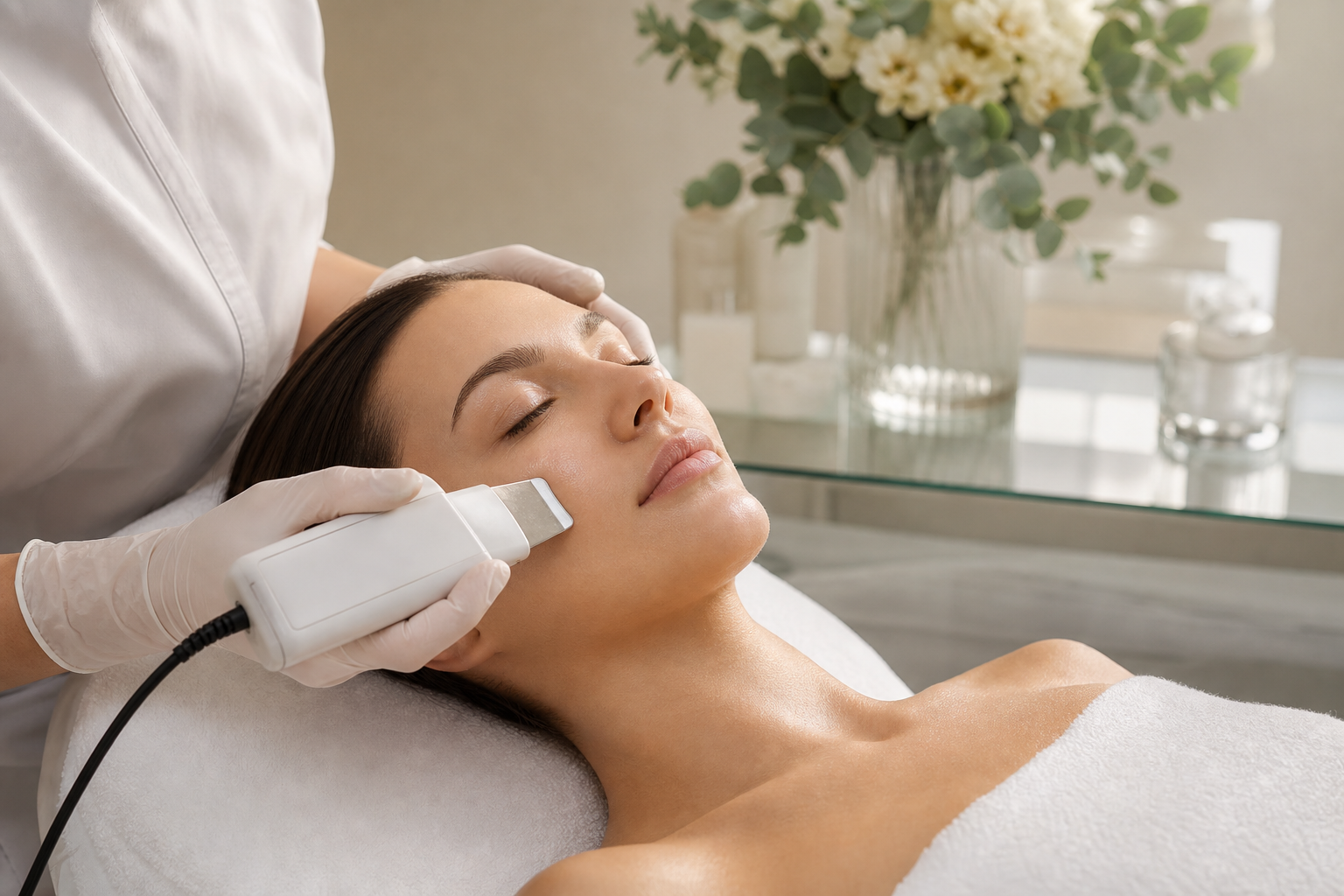
Ultrasonic Facial Cleansing: How It Works and Who Should Try It
Ultrasonic facial cleansing uses high-frequency sound waves to deeply clean pores and exfoliate skin gently. Ideal for oily, combi...
Read more
What Determines the Cost of a Facial Treatment?
The cost of a facial treatment varies based on factors such as location, treatment complexity, provider expertise, and product qua...
Read more
Which Anti-Aging Facial Treatment Is Best for Me?
Explore expert insights to determine the best anti-aging facial treatment tailored to your skin type, age, and goals. This article...
Read more
HydraFacial: Advanced Hydration Treatment for Radiant Skin
HydraFacial is a non-invasive skincare treatment that combines cleansing, exfoliation, extraction, and targeted serum infusion to...
Read more
Does a Base Tan Prevent Sunburn on Holiday?
A base tan provides only minimal protection against sunburn, equivalent to a low SPF of about 2 to 4. Relying on it as a safeguard...
Read more
Evening Skincare Routine for Dry and Sensitive Skin
A carefully crafted evening skincare routine for dry and sensitive skin focuses on gentle cleansing, deep hydration, and barrier r...
Read more
How to Properly Use Hyaluronic Acid
Hyaluronic acid is renowned for its unparalleled ability to attract and retain moisture, vital for skin hydration and elasticity....
Read more
How to Prepare Your Skin for Deep Cleansing
Proper skin preparation is essential to ensure the effectiveness and safety of deep cleansing treatments. This article offers expe...
Read more
Spray Tanning and Oily Skin
Spray tanning offers a UV-free way to achieve a temporary tan, but oily skin presents unique challenges such as uneven color and r...
Read more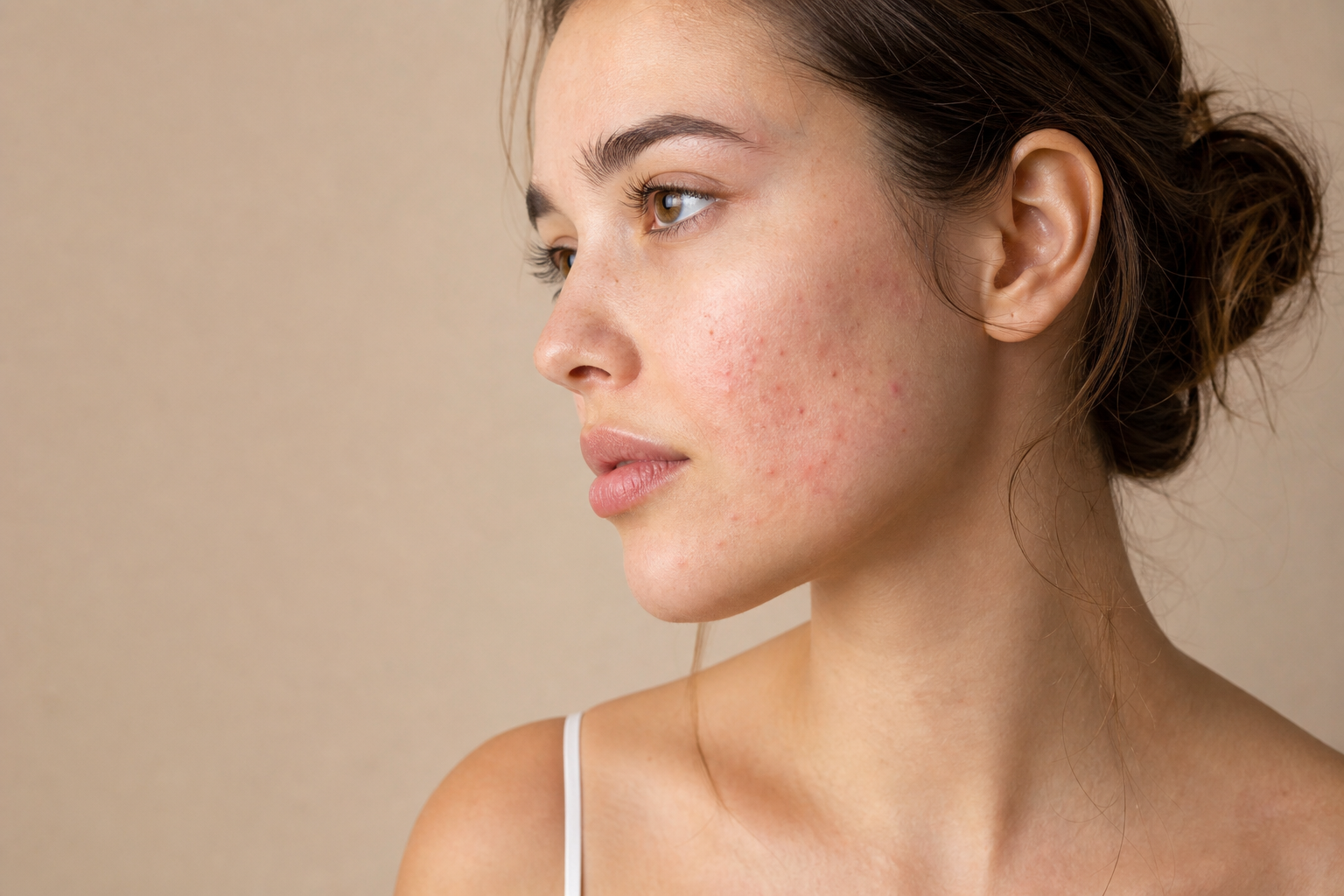
Red Spots After Acne – Post-Inflammatory Erythema
Post-inflammatory erythema (PIE) causes persistent red spots after acne, arising from vascular changes beneath the skin. This arti...
Read more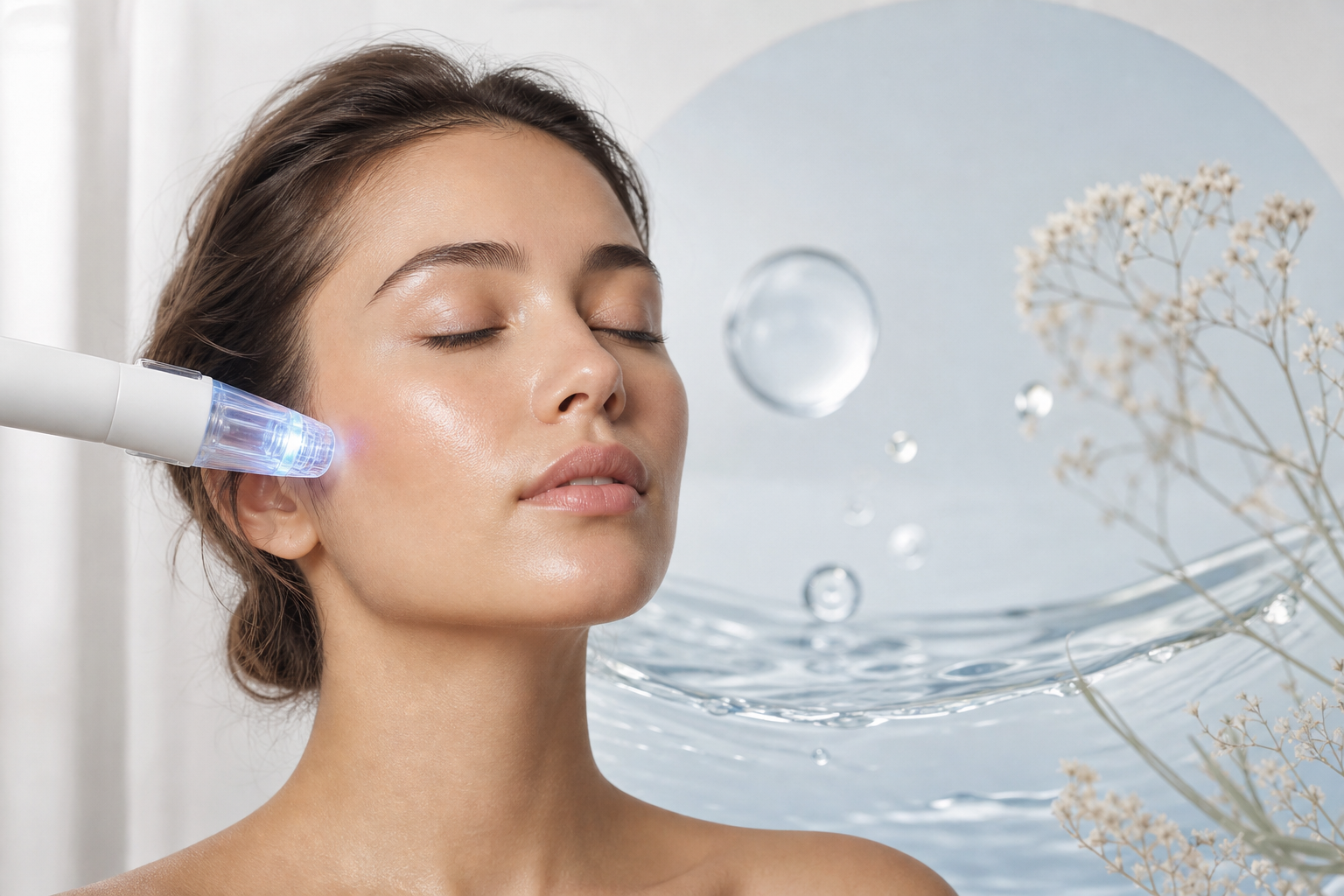
Needle-Free Mesotherapy: Results and Limitations
Needle-free mesotherapy offers a non-invasive alternative for skin hydration and revitalization using technologies like ultrasound...
Read more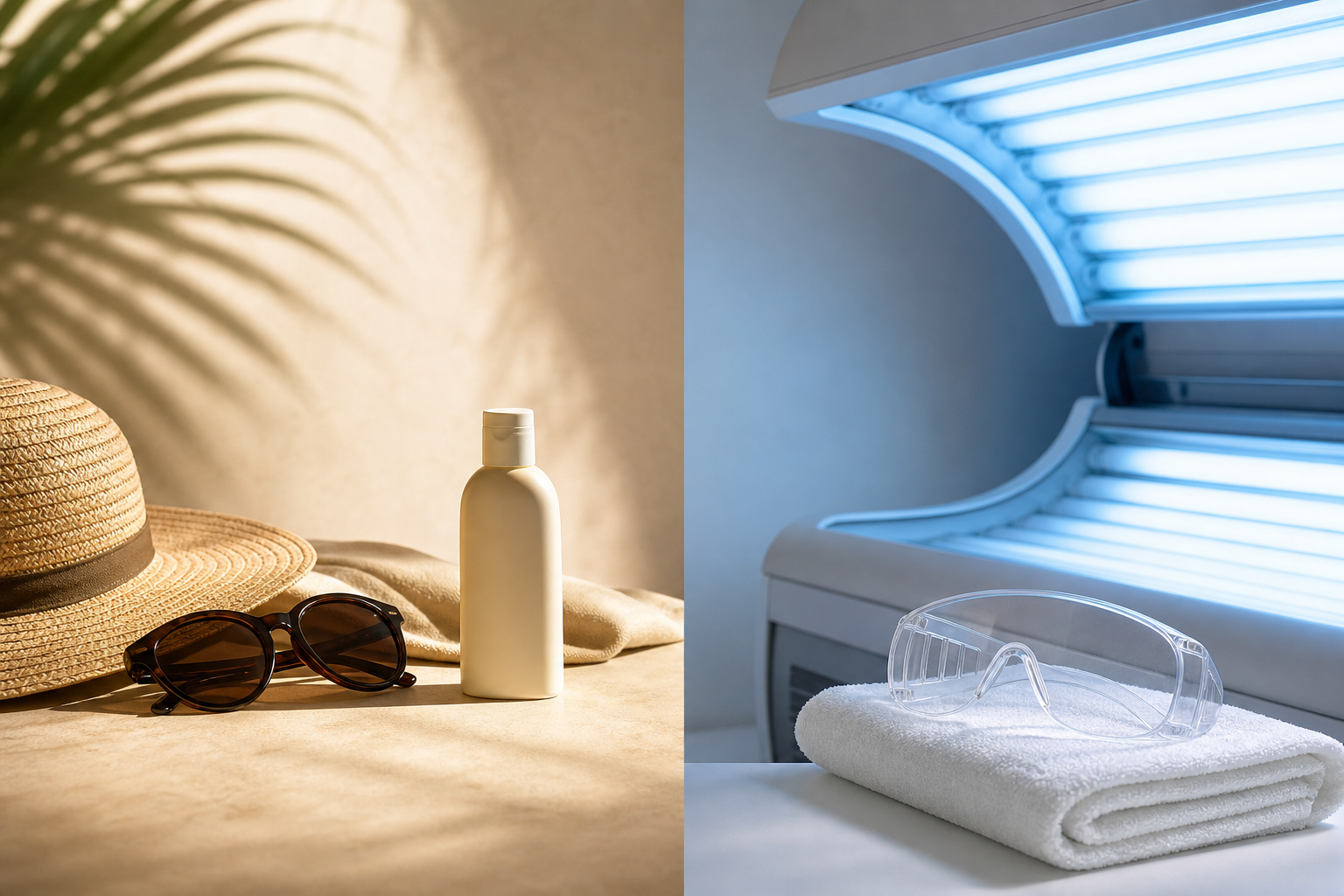
Are Sunbeds Safer Than Sunbathing?
Both sunbeds and natural sunbathing expose skin to harmful ultraviolet radiation associated with skin damage and cancer risk. Scie...
Read more
IPL Photorejuvenation: A Comprehensive Guide
IPL photorejuvenation is a non-invasive skin treatment that uses Intense Pulsed Light to reduce signs of aging, pigmentation, and...
Read more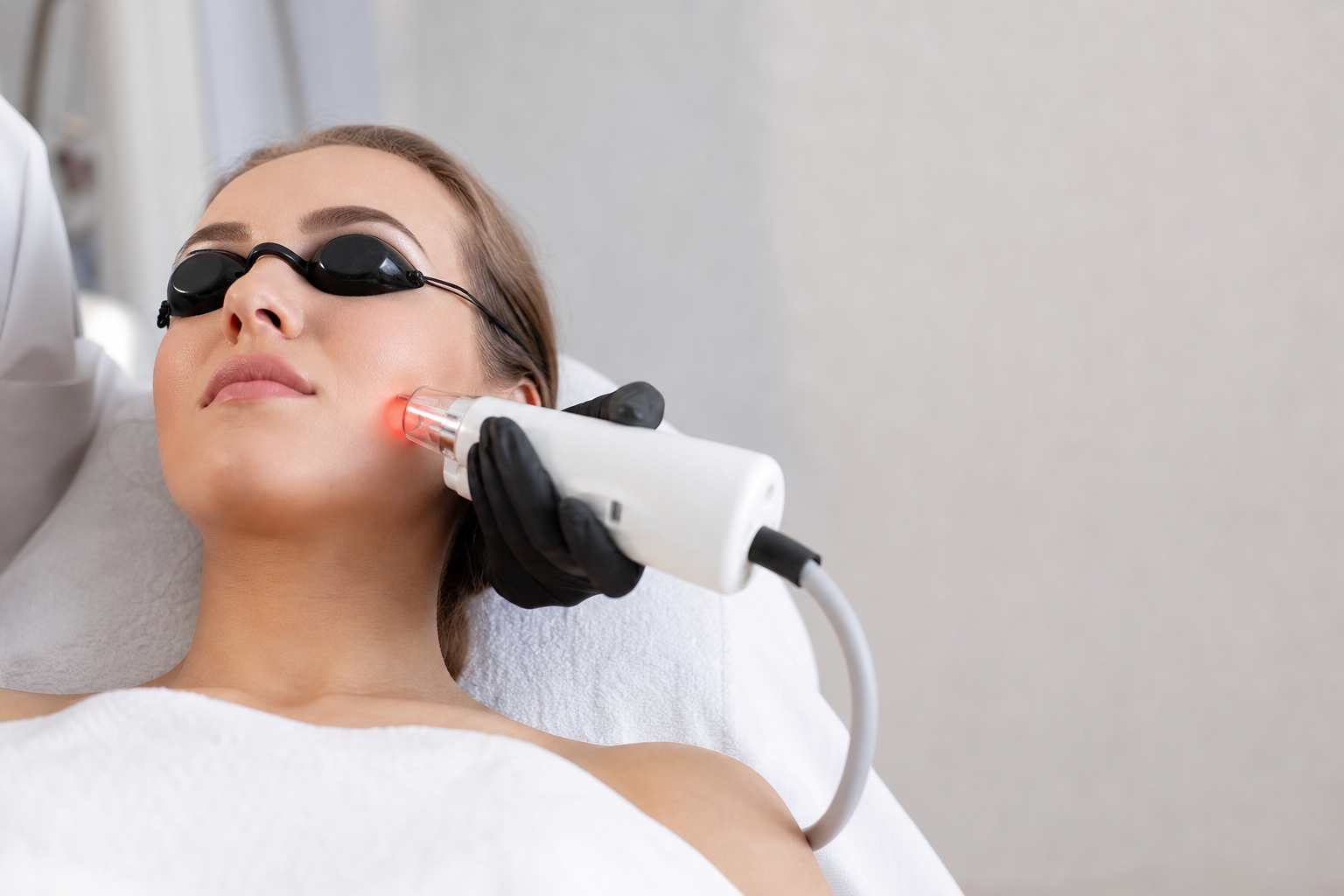
Laser Facial Rejuvenation: A Comprehensive Guide
Laser facial rejuvenation offers a scientifically backed, minimally invasive solution for reversing signs of aging like wrinkles a...
Read more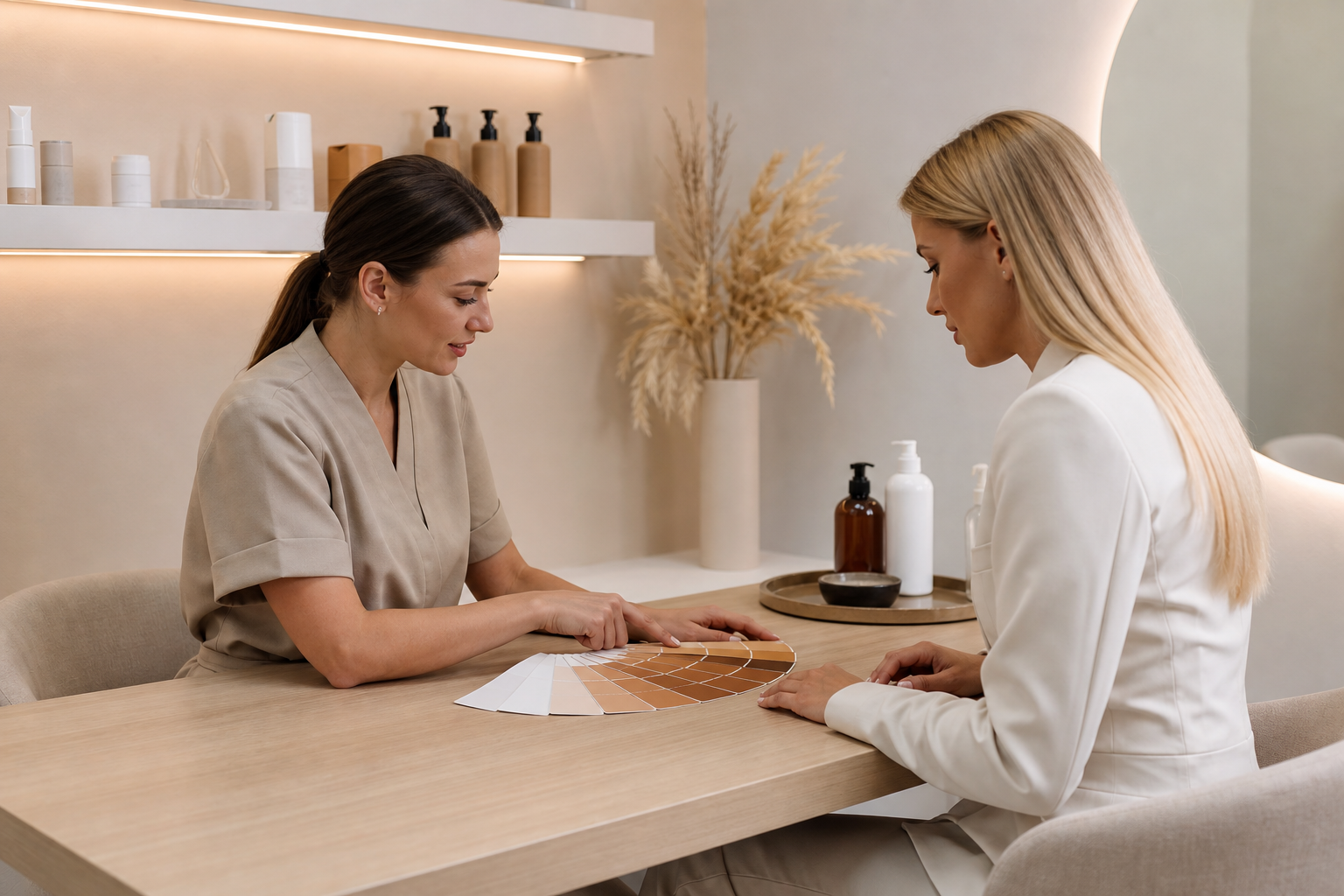
What Happens During a Spray Tan Consultation?
A spray tan consultation is a vital step that aligns client expectations with suitable tanning options based on skin type, tone, a...
Read more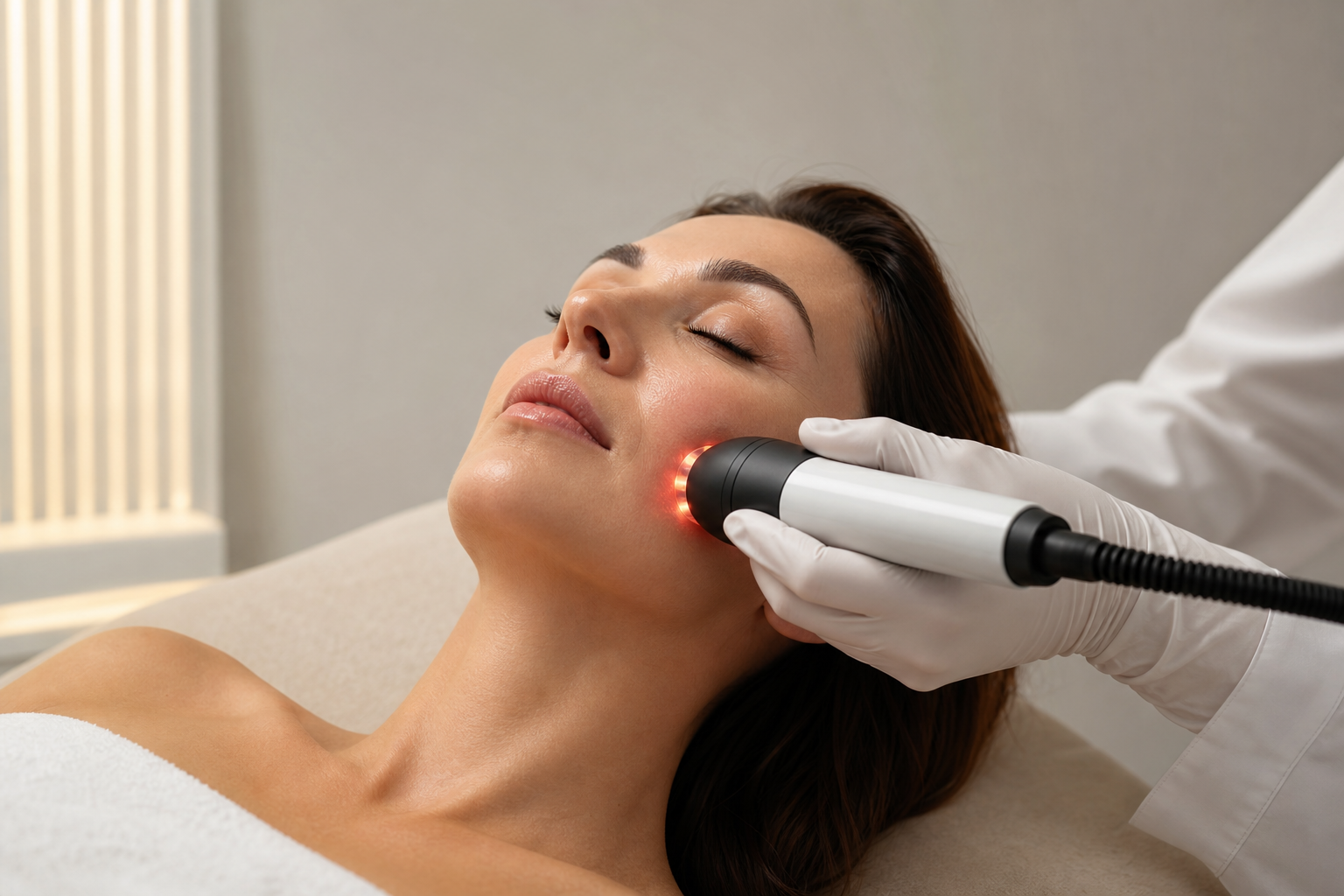
How Radiofrequency Stimulates Collagen
Radiofrequency (RF) therapy is a non-invasive treatment that uses controlled electromagnetic energy to stimulate collagen producti...
Read more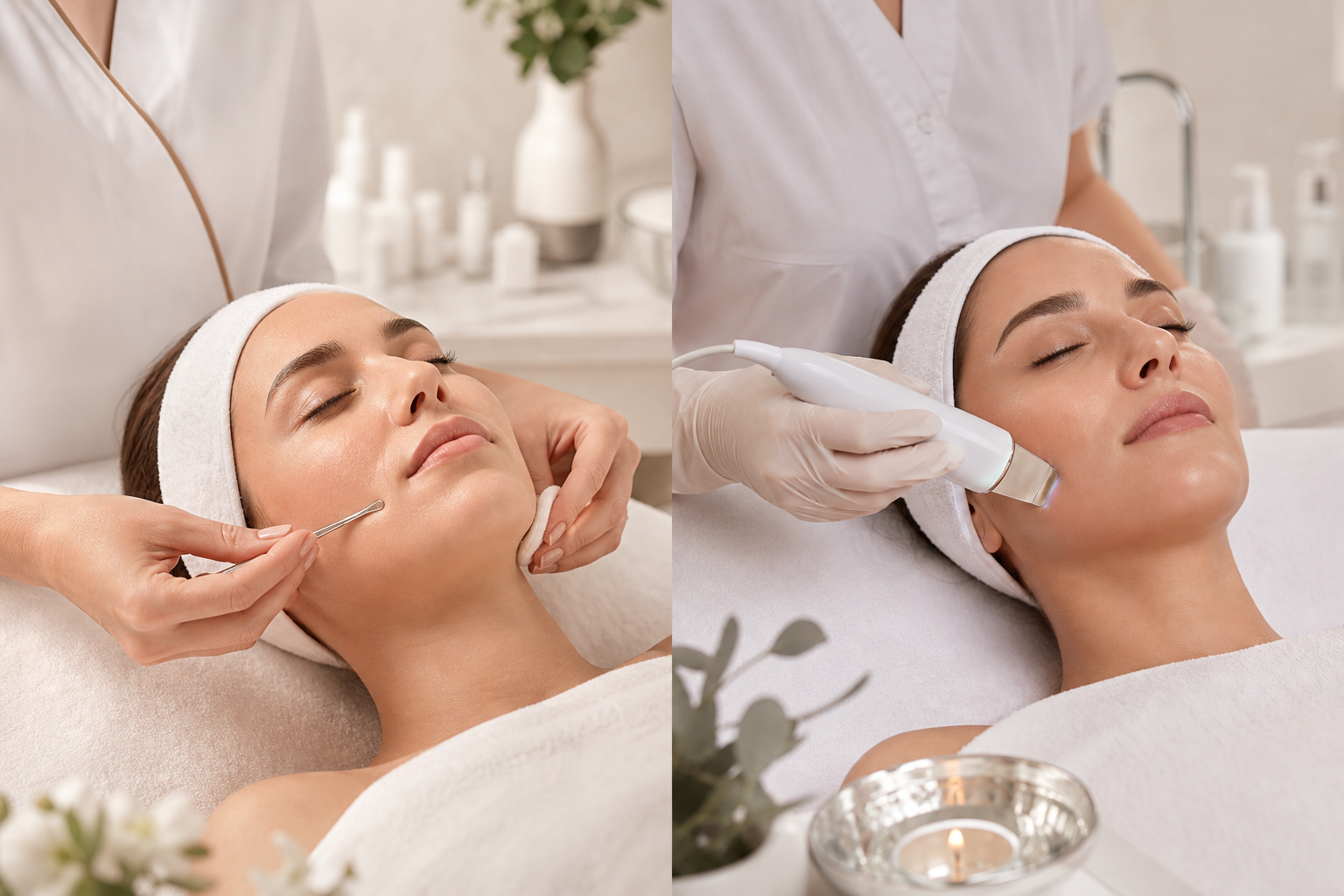
Traditional vs. Machine Facial Cleansing: Which Is More Effective?
Traditional and machine facial cleansing each offer distinct benefits and suit different skin types and concerns. Choosing the rig...
Read more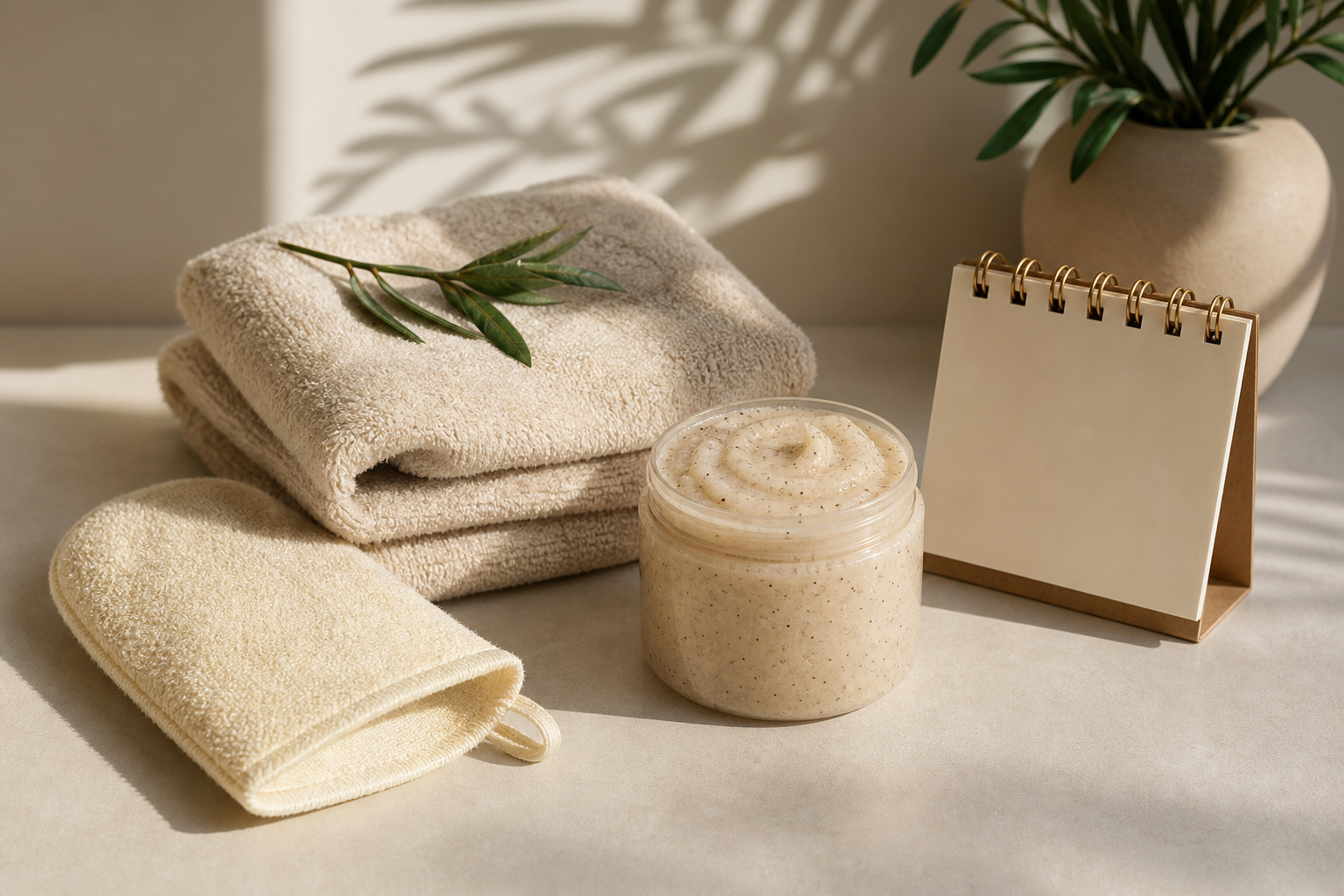
When Should You Exfoliate Before a Spray Tan?
Exfoliating 24 to 48 hours before your spray tan is essential for a smooth, even color and longer-lasting results. Proper timing a...
Read more
HVLP Spray Tan System: Essential Selection Criteria
Selecting the right HVLP spray tan system is essential for professionals seeking precise, safe, and efficient spray tanning result...
Read more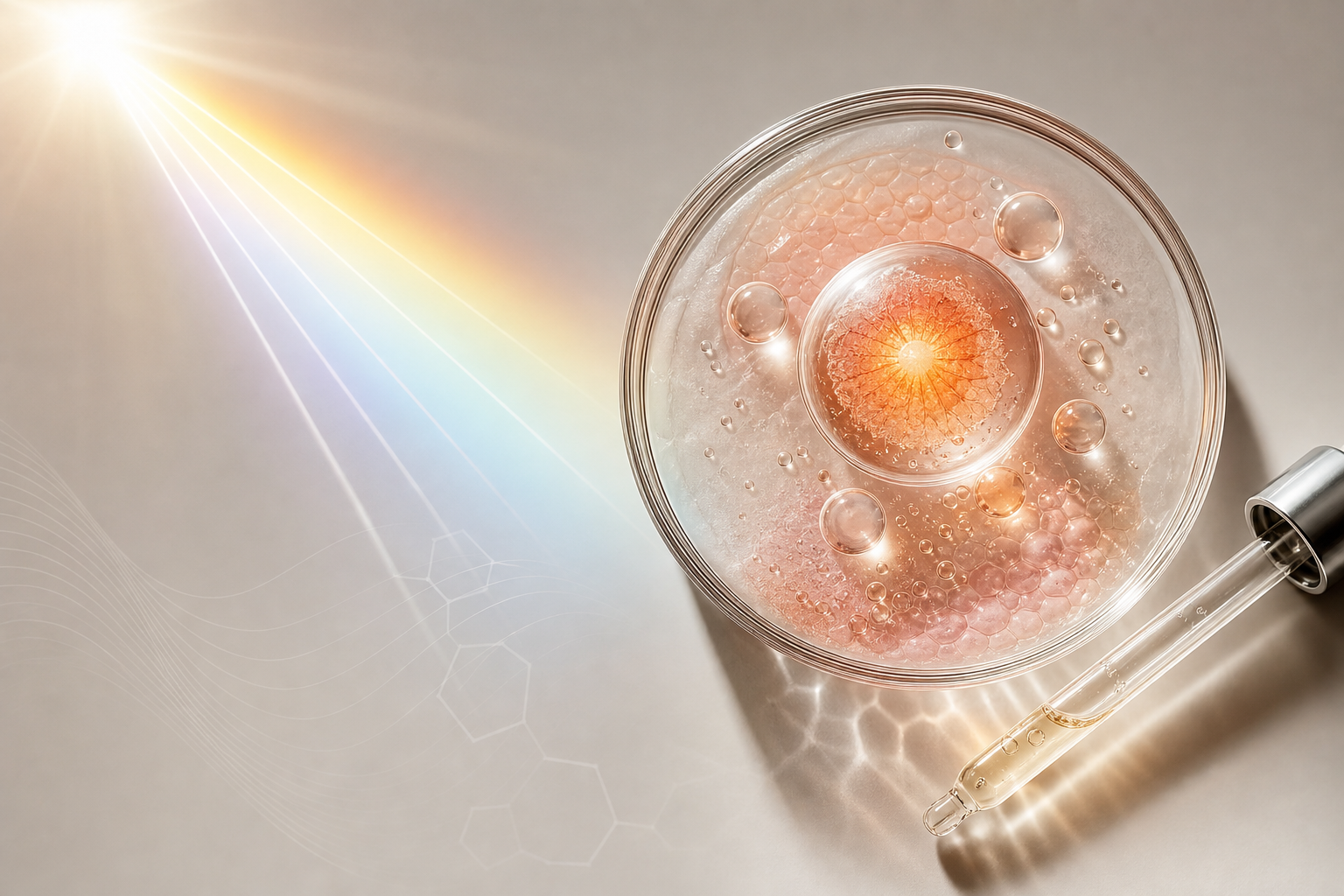
How Does UV Radiation Damage Skin Cells?
Ultraviolet (UV) radiation damages skin cells through direct DNA disruption and oxidative stress, leading to mutations that increa...
Read more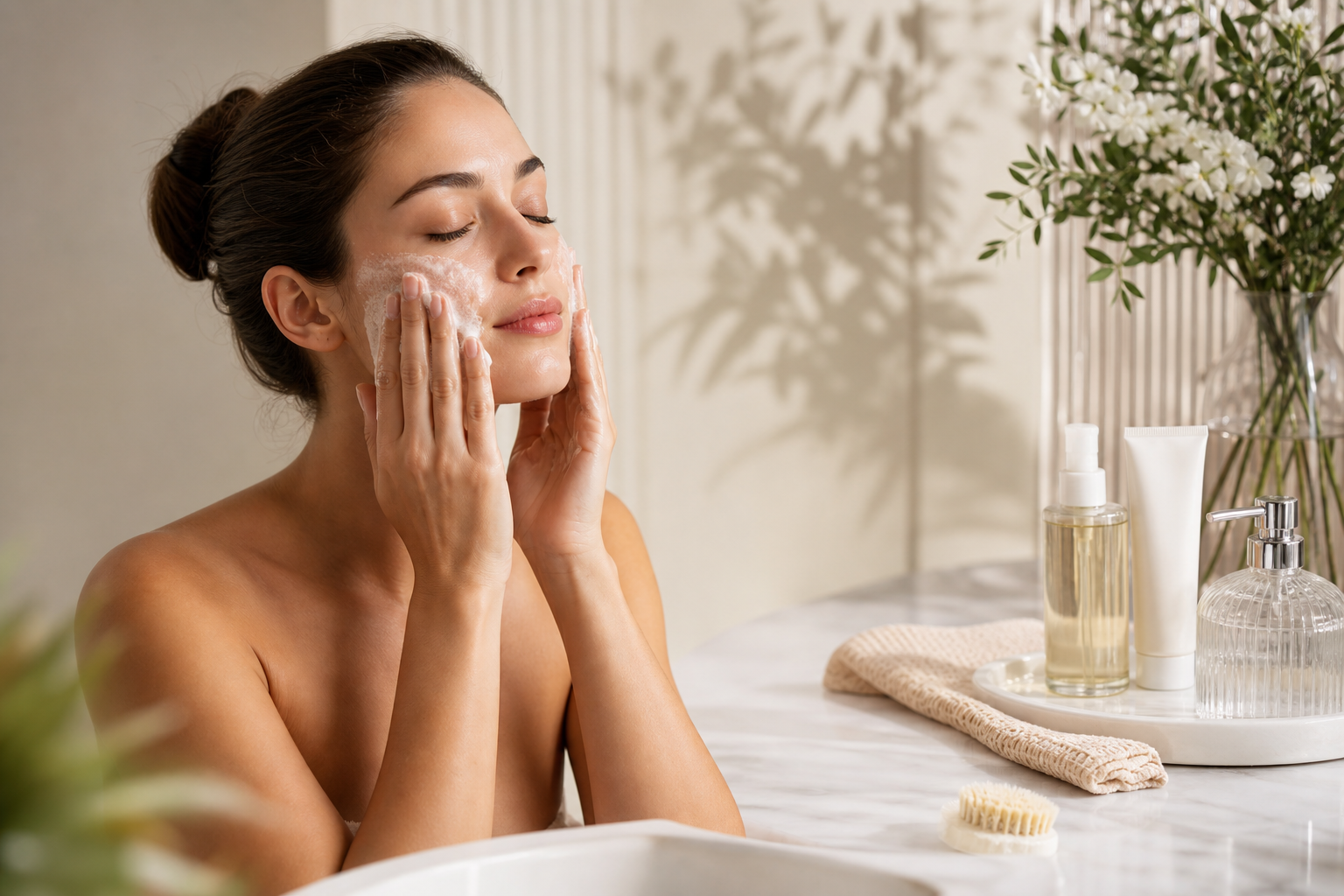
Double Cleansing: Who Benefits Most?
Double cleansing involves a two-step process that effectively removes makeup, sebum, and pollutants, making it especially benefici...
Read more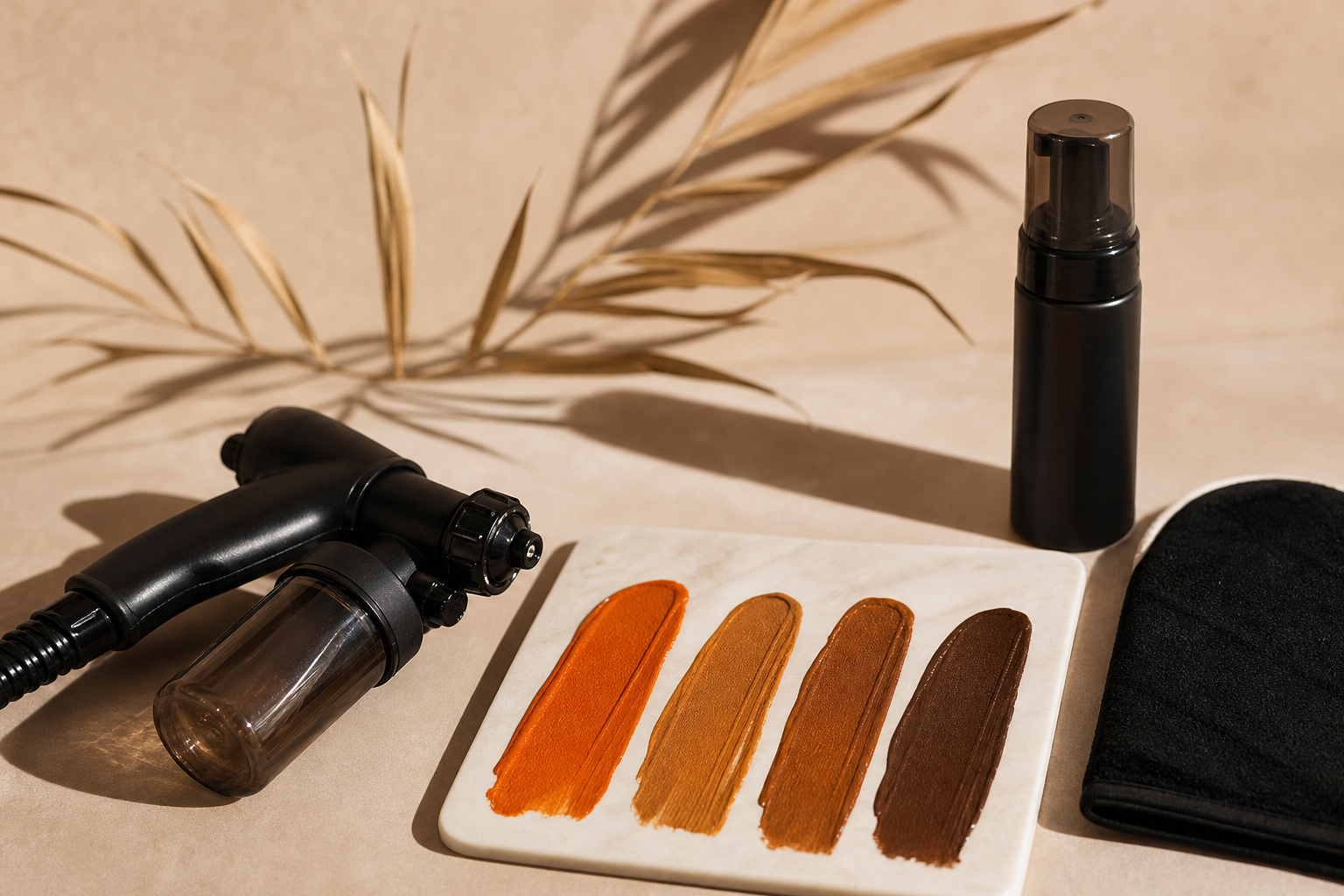
Does Every Spray Tan Look Orange?
Spray tans offer a safe alternative to sunbathing, but concerns about an unnatural orange hue persist. This article explores why s...
Read more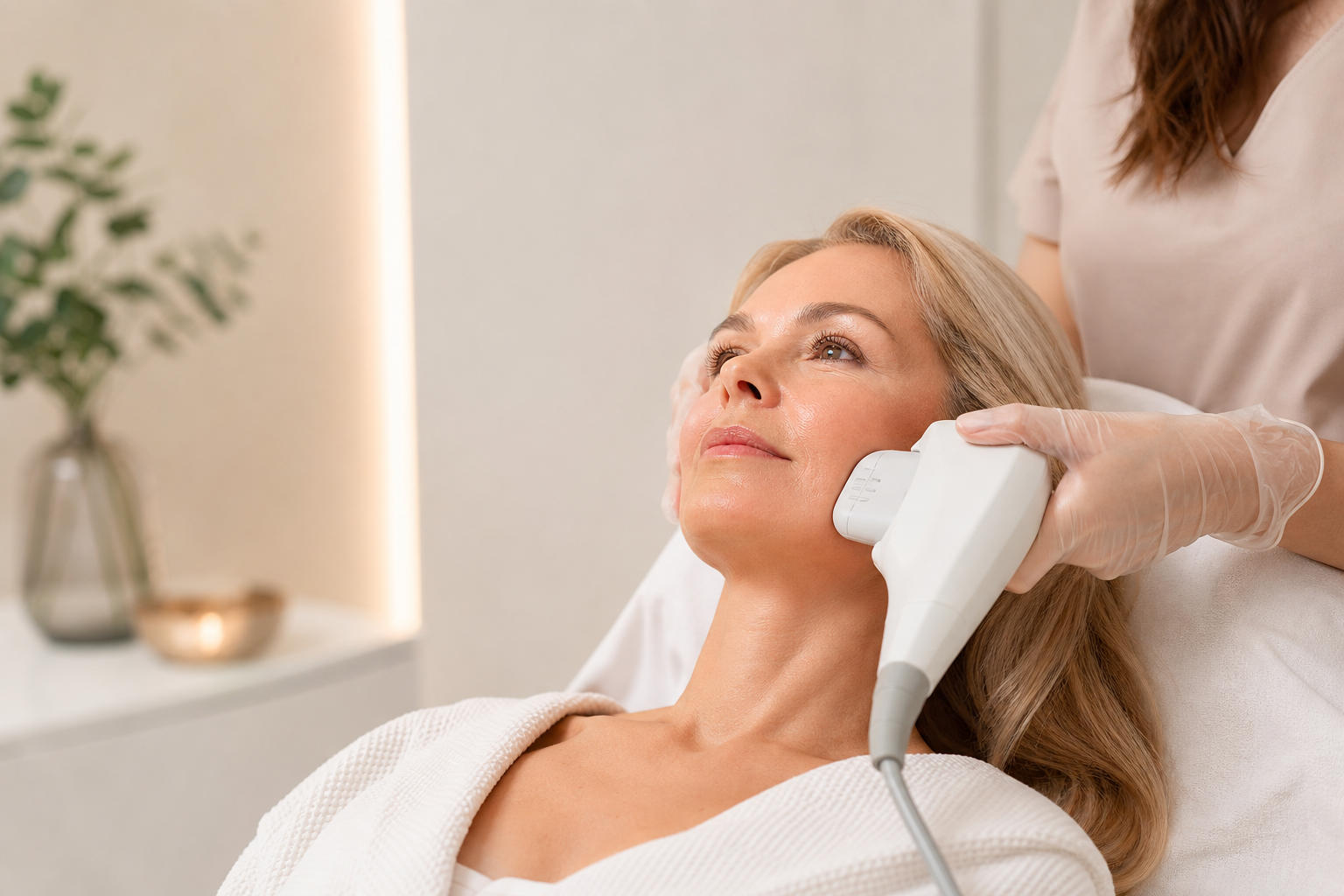
HIFU Face Lifting: A Comprehensive Guide
HIFU face lifting offers a non-invasive approach to facial rejuvenation by stimulating collagen deep within the skin to enhance fi...
Read more
Uneven Knees, Elbows and Ankles: Possible Causes
Uneven skin on knees, elbows, and ankles often results from dryness, friction, and thickening due to joint movement and environmen...
Read more
Can Skin Be Dehydrated Even If We Drink Enough Water?
Skin hydration depends on more than just water intake; damaged skin barriers and environmental factors often cause dehydration des...
Read more
How Many Days Does a Professional Spray Tan Last?
Professional spray tans provide a safe, UV-free way to achieve a natural-looking bronzed glow lasting typically 5 to 10 days. Prop...
Read more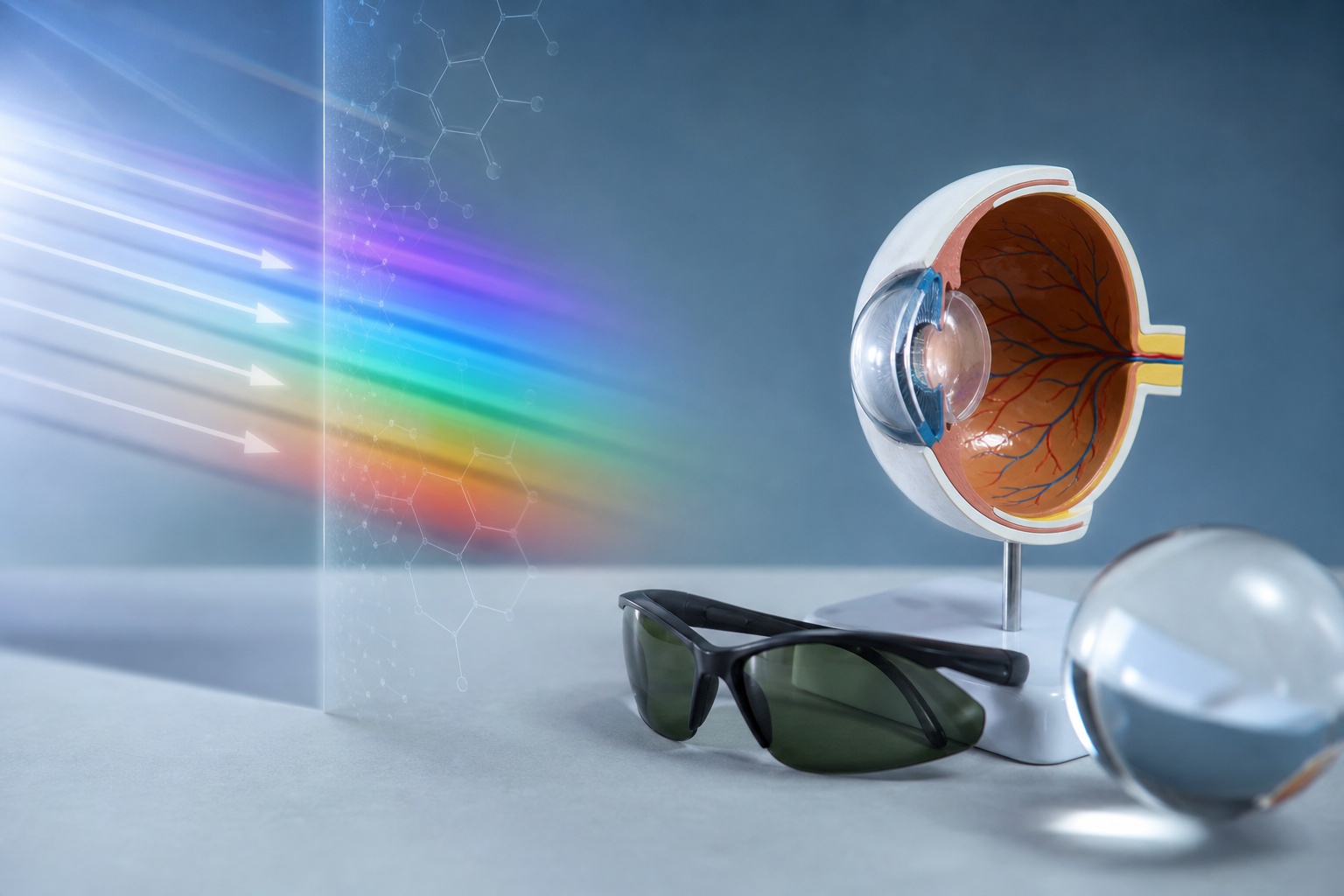
Why Are Closed Eyes Not Enough Protection?
Closing your eyes is a common instinctive response to bright light, but it does not provide sufficient protection against harmful...
Read more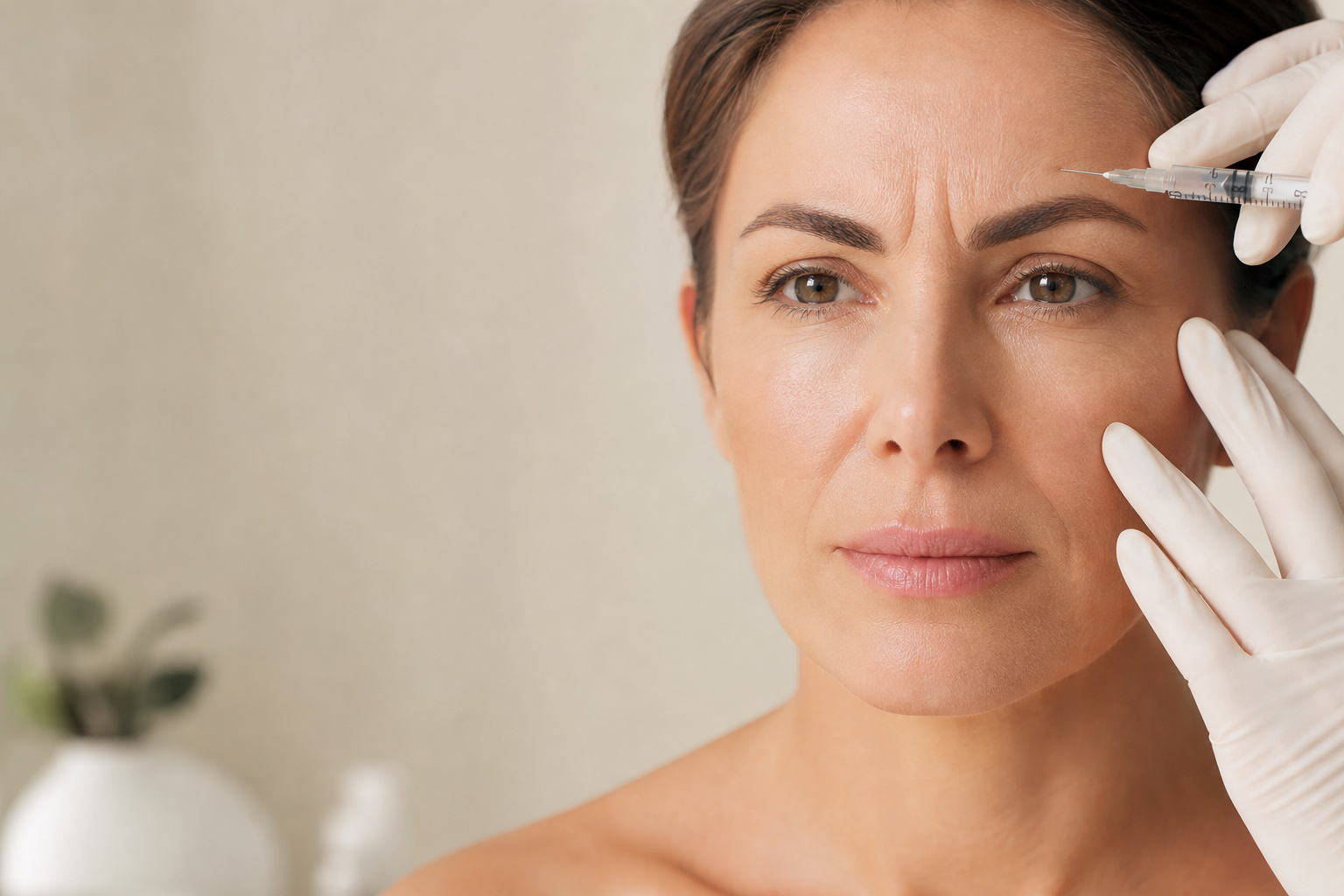
Treatments for Frown Lines Between the Eyebrows
Frown lines, or glabellar lines, are vertical wrinkles between the eyebrows caused by repeated facial muscle movements and aging....
Read more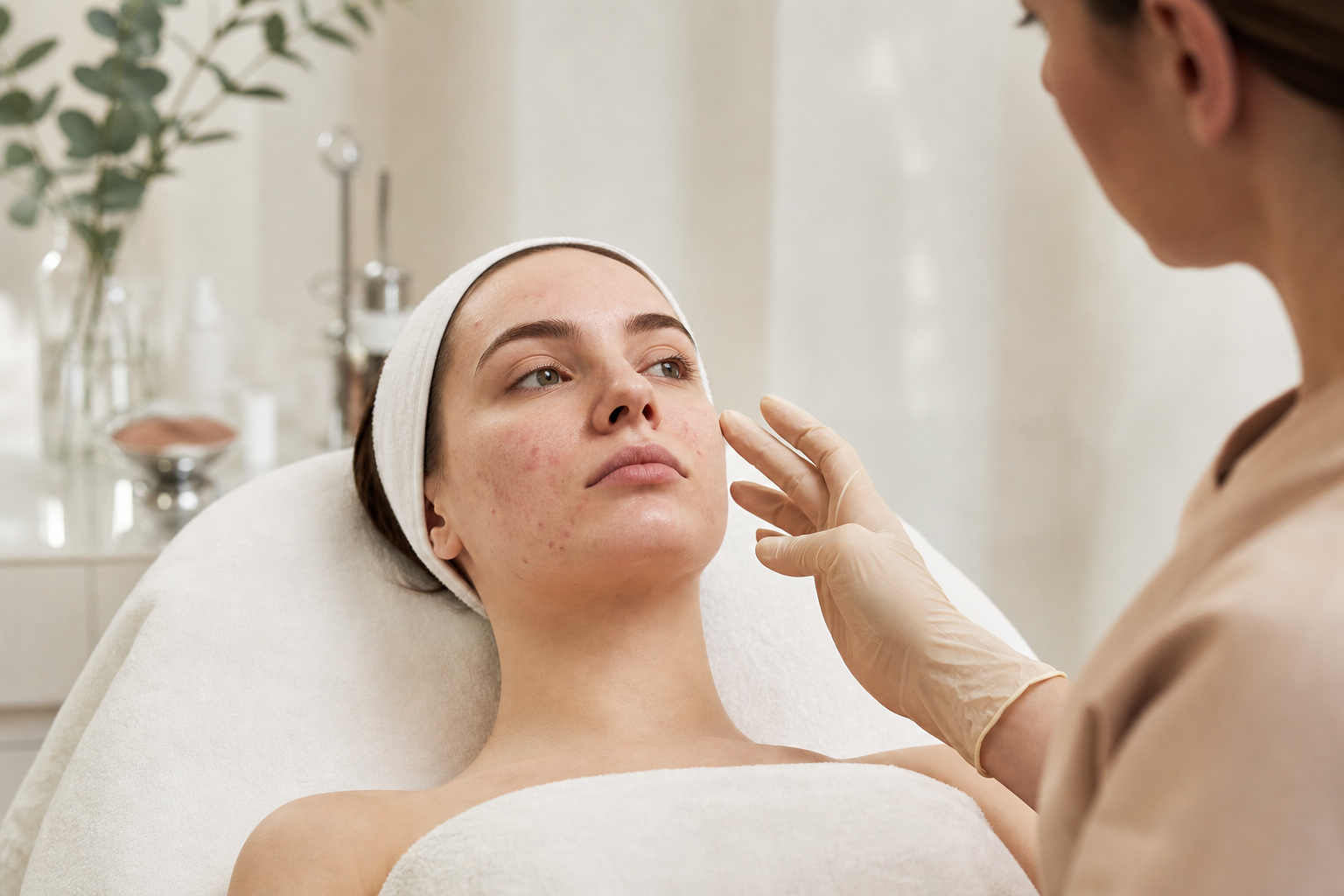
Contraindications for Manual Facial Cleansing
Manual facial cleansing effectively removes impurities but is unsuitable for certain skin conditions. Understanding contraindicati...
Read more
Spray Tan as an Alternative to UV Tanning
Spray tanning offers a UV-free alternative to traditional tanning, providing a bronzed look without exposure to harmful ultraviole...
Read more
Salicylic Acid: A Beginner’s Guide
Salicylic acid is essential for those with oily, problematic skin, offering deep pore cleansing and acne reduction. This guide pro...
Read more
Assessing Skin Condition Before Anti-Aging Treatments
Evaluating skin condition before anti-aging treatments is essential for tailoring safe and effective procedures. This process exam...
Read more
Sunbeds and Laser Hair Removal
This article examines the interactions between sunbed use and laser hair removal, highlighting safety considerations and the impac...
Read more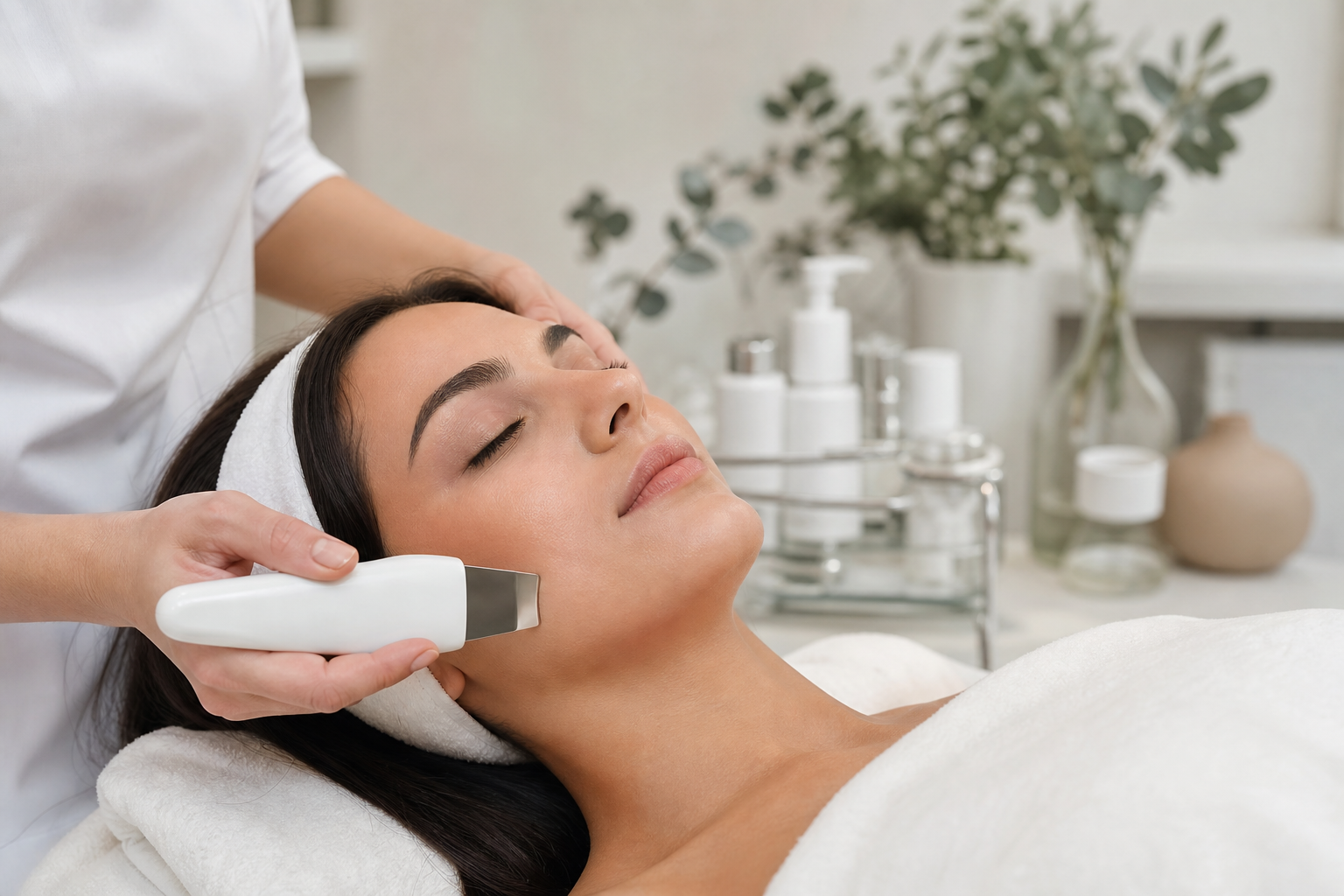
Cost of Deep Facial Cleansing Treatments in Serbia
Deep facial cleansing treatments in Serbia range from basic manual procedures to advanced options like HydraFacial, with prices in...
Read more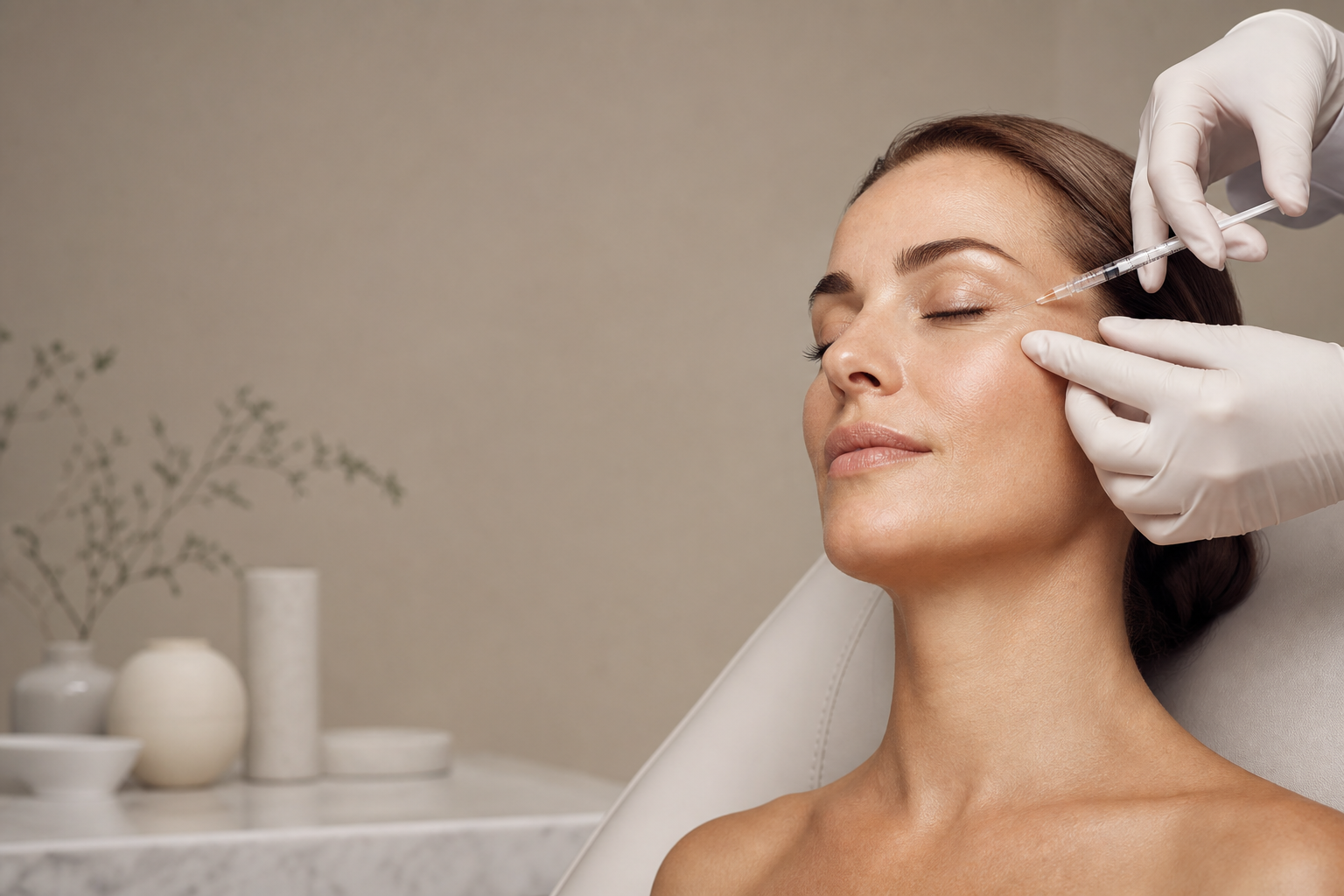
Injectable Anti-Aging Treatments: A Comprehensive Overview
Injectable anti-aging treatments provide targeted solutions to reduce wrinkles, restore facial volume, and improve skin quality. T...
Read more
How Cold Weather Affects the Skin
Cold weather challenges the skin's natural barrier by lowering moisture levels and causing increased dryness and sensitivity. Unde...
Read more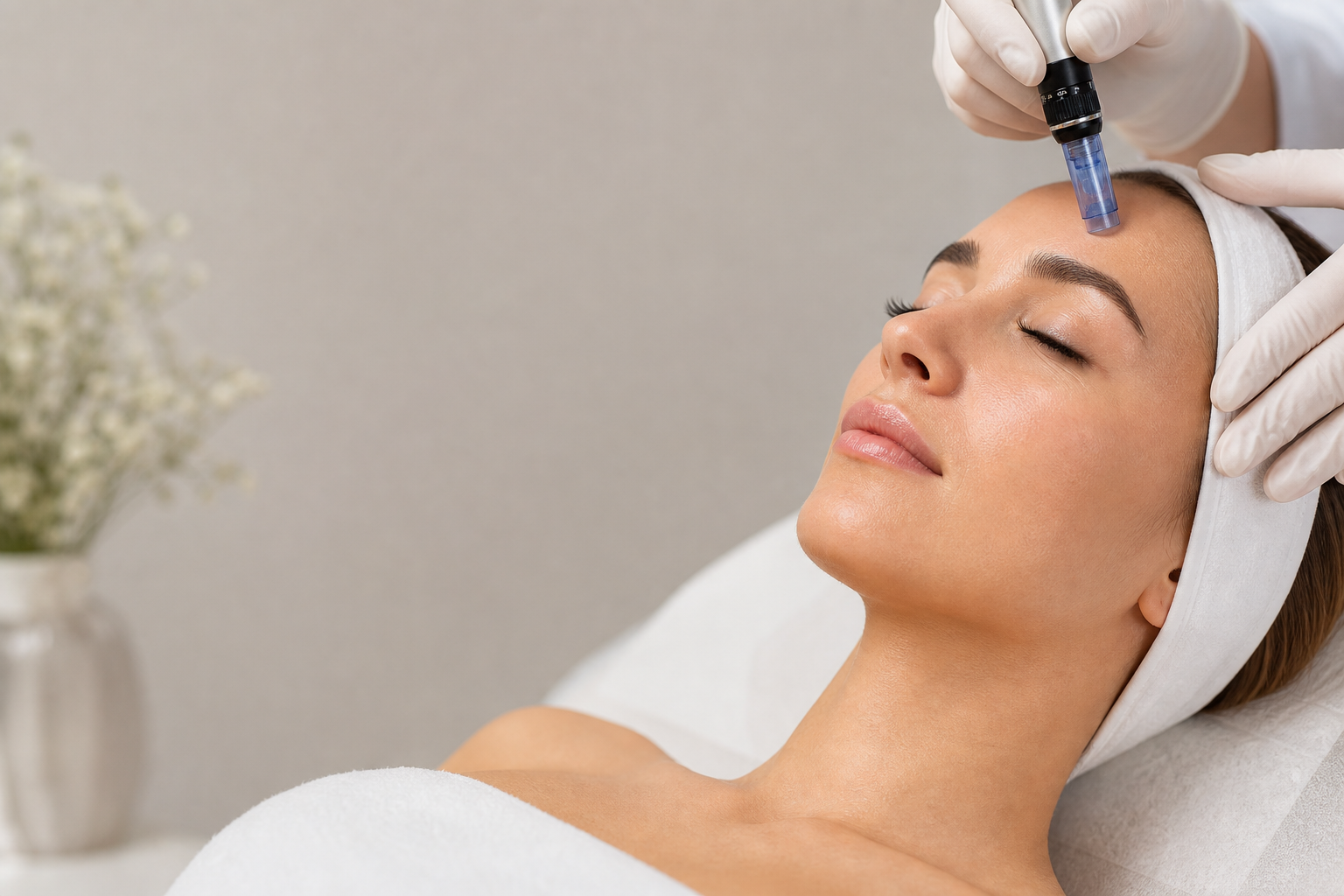
How Microneedling Stimulates Collagen Production
Microneedling is a minimally invasive facial treatment that stimulates collagen production to rejuvenate aging skin. This article...
Read more
Sunbeds and Very Fair Skin Phototypes
Sunbeds emit ultraviolet radiation classified as a Group 1 carcinogen, with no established safe exposure threshold. Individuals wi...
Read more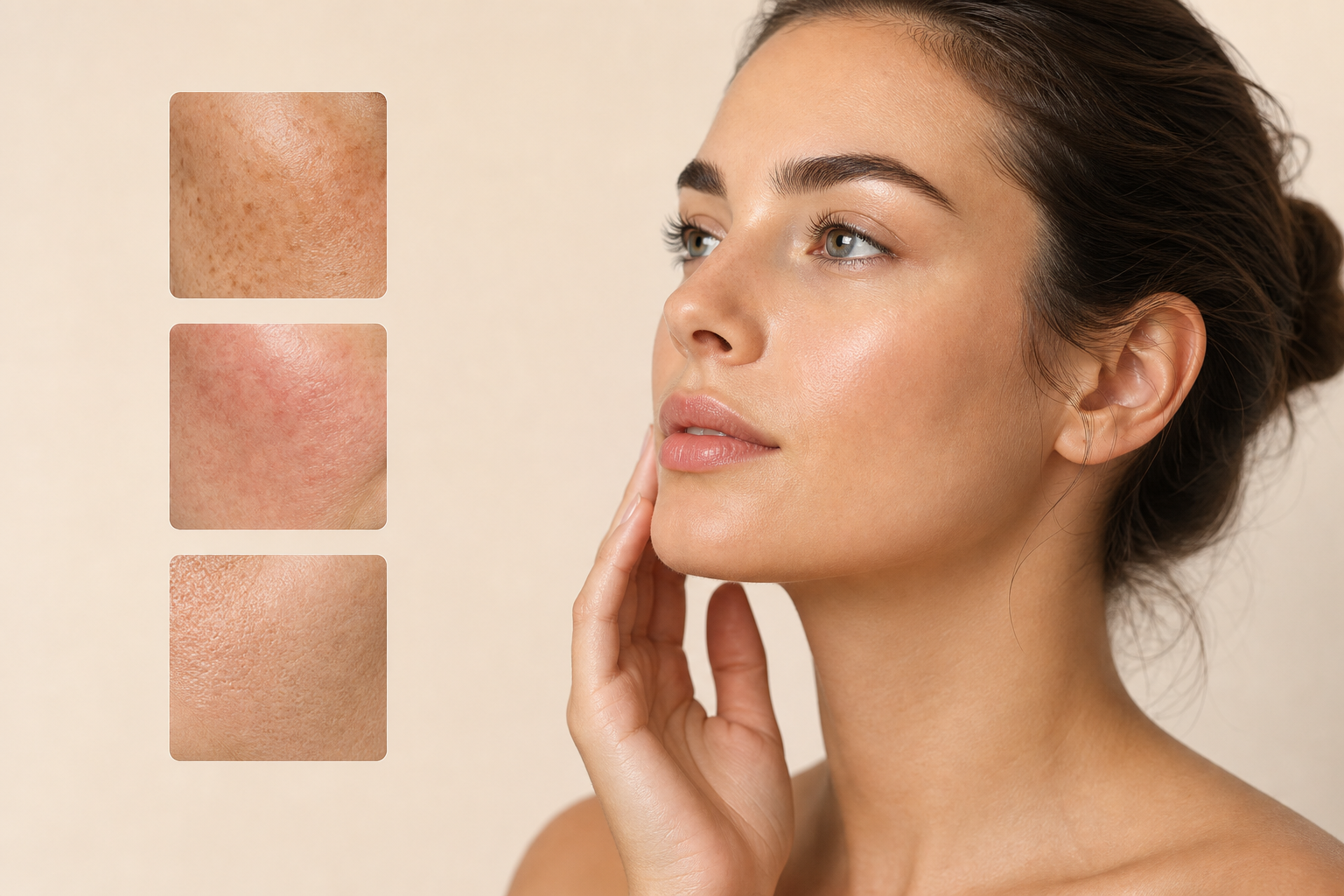
How IPL Affects Pigmentation, Redness, and Skin Texture
Intense Pulsed Light (IPL) therapy offers a non-invasive solution for addressing pigmentation irregularities, facial redness, and...
Read more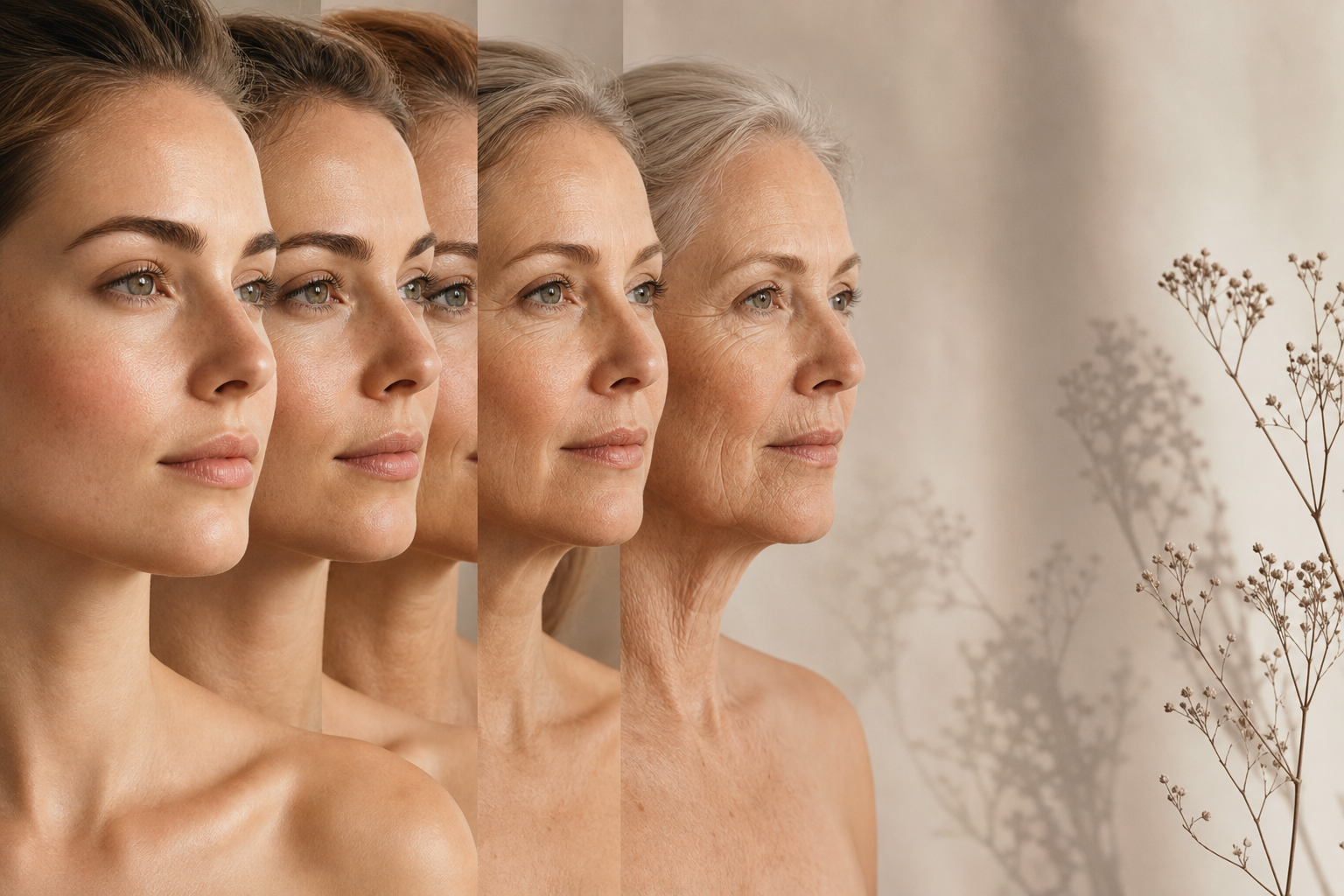
How Skin Ages: Changes After 25, 30, 40, and 50 Years
Understanding how skin ages after 25, 30, 40, and 50 years is crucial for selecting effective anti-aging facial treatments. This a...
Read more
Spray Tanning and Laser Hair Removal: Optimal Time Intervals Between Treatments
Combining spray tanning and laser hair removal requires careful timing to ensure safe and effective results. Waiting appropriate i...
Read more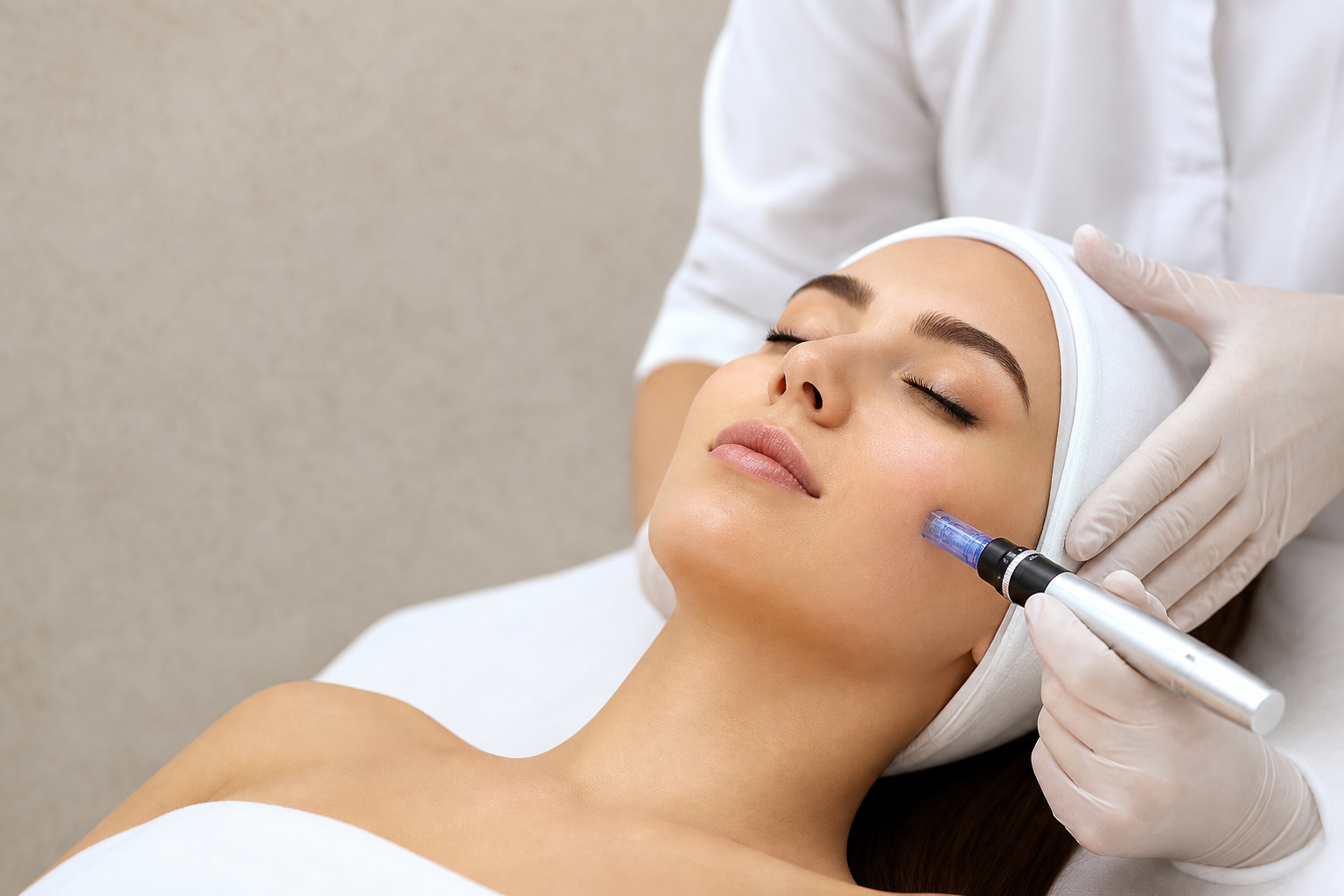
Microneedling for the Face: A Comprehensive Guide
Microneedling is a minimally invasive facial treatment that stimulates collagen and elastin production to improve skin texture, re...
Read more
How Often Should You Get Hydrating Treatments?
Hydrating treatments are essential for maintaining skin health and combating dryness caused by environmental factors. While daily...
Read more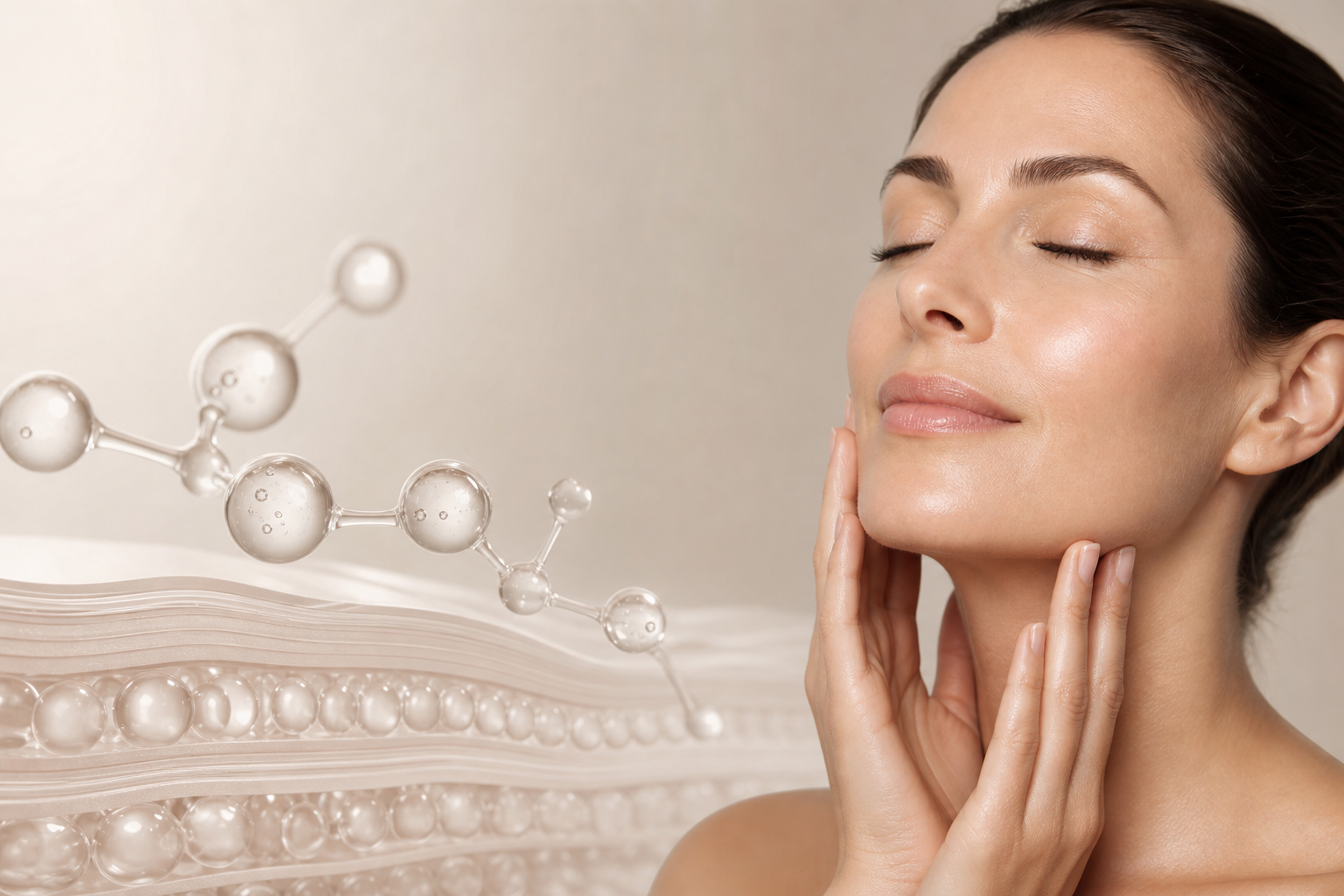
Deep Hydration as the Foundation of Anti-Aging Facial Care
Deep hydration targets the inner skin layers to restore moisture critical for anti-aging facial care, supporting collagen and elas...
Read more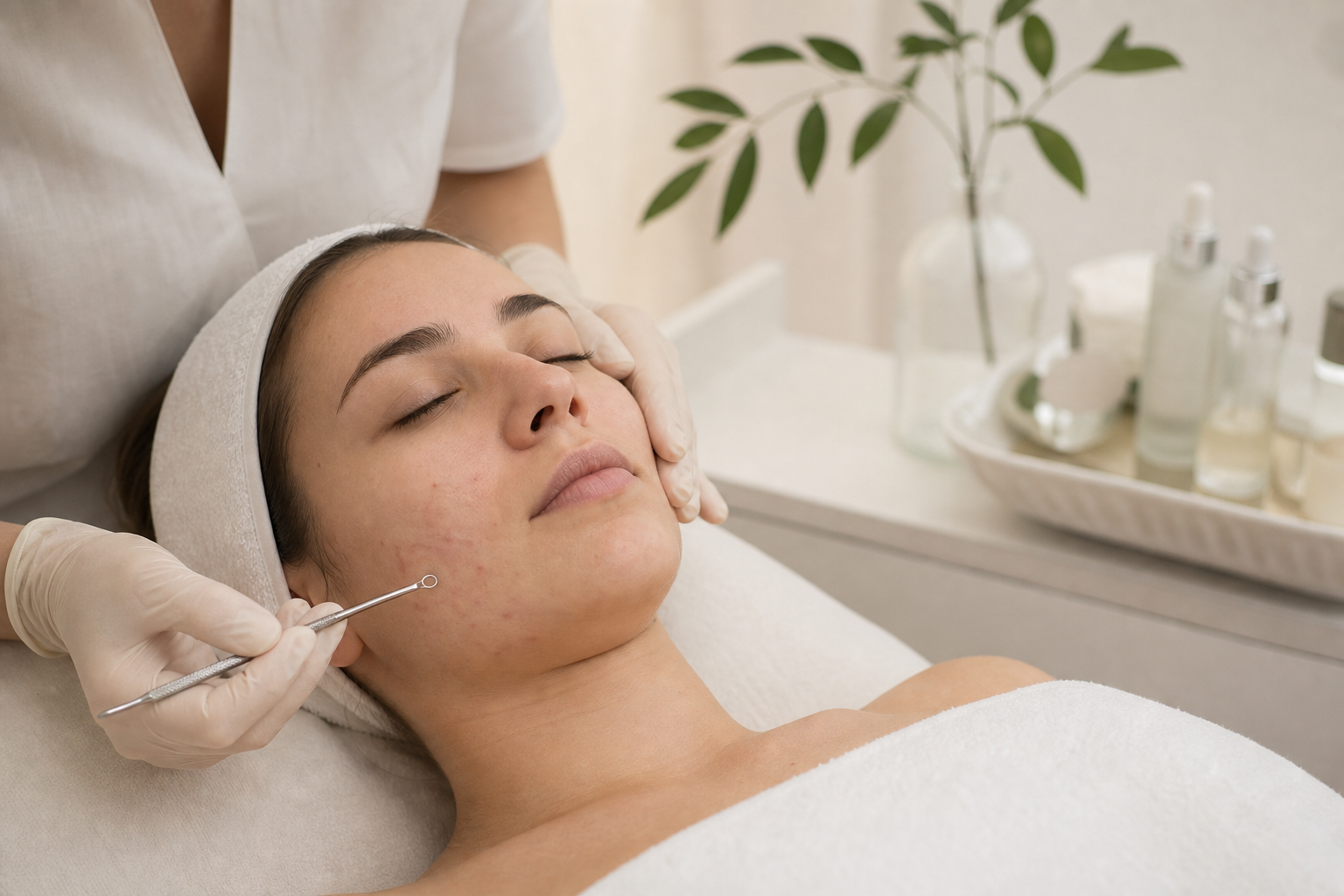
Does Deep Cleansing Help with Acne?
Deep facial cleansing can help reduce blackheads and excess sebum, aiding individuals with mild to moderate acne-prone skin. Howev...
Read more
How Does a Professional Choose the Right Spray Tan Shade?
Selecting the ideal spray tan shade requires professionals to assess skin tones, undertones, and client expectations meticulously....
Read more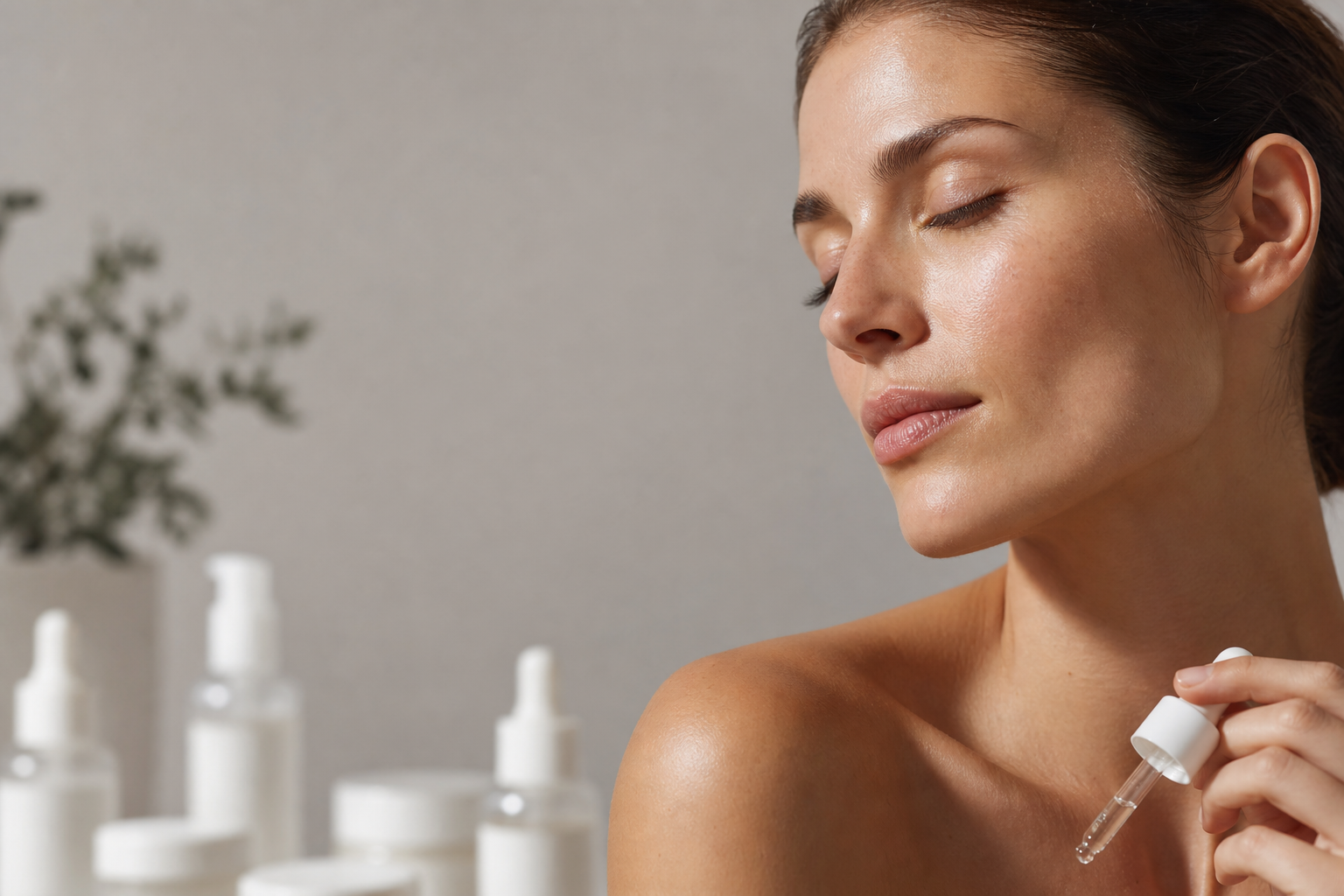
Is 'Non-Comedogenic' a Guarantee Against Acne?
"Non-comedogenic" skincare products are designed to reduce the risk of pore blockage and acne but do not guarantee an acne-free ou...
Read more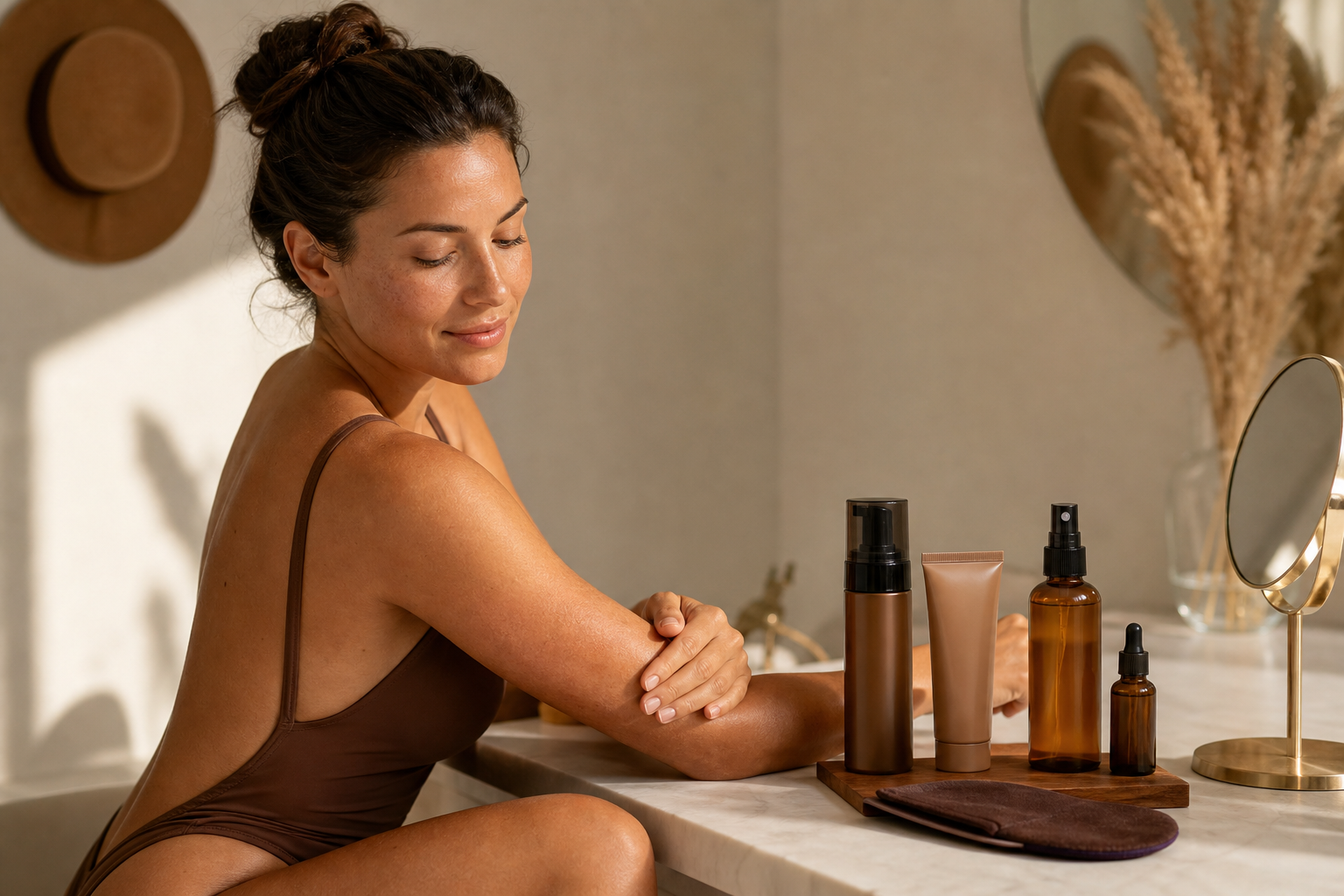
Self-Tanning Foam, Lotion, Spray or Drops: The Differences
Self-tanning products come in foams, lotions, sprays, and drops, each with distinct textures and application methods suited to dif...
Read more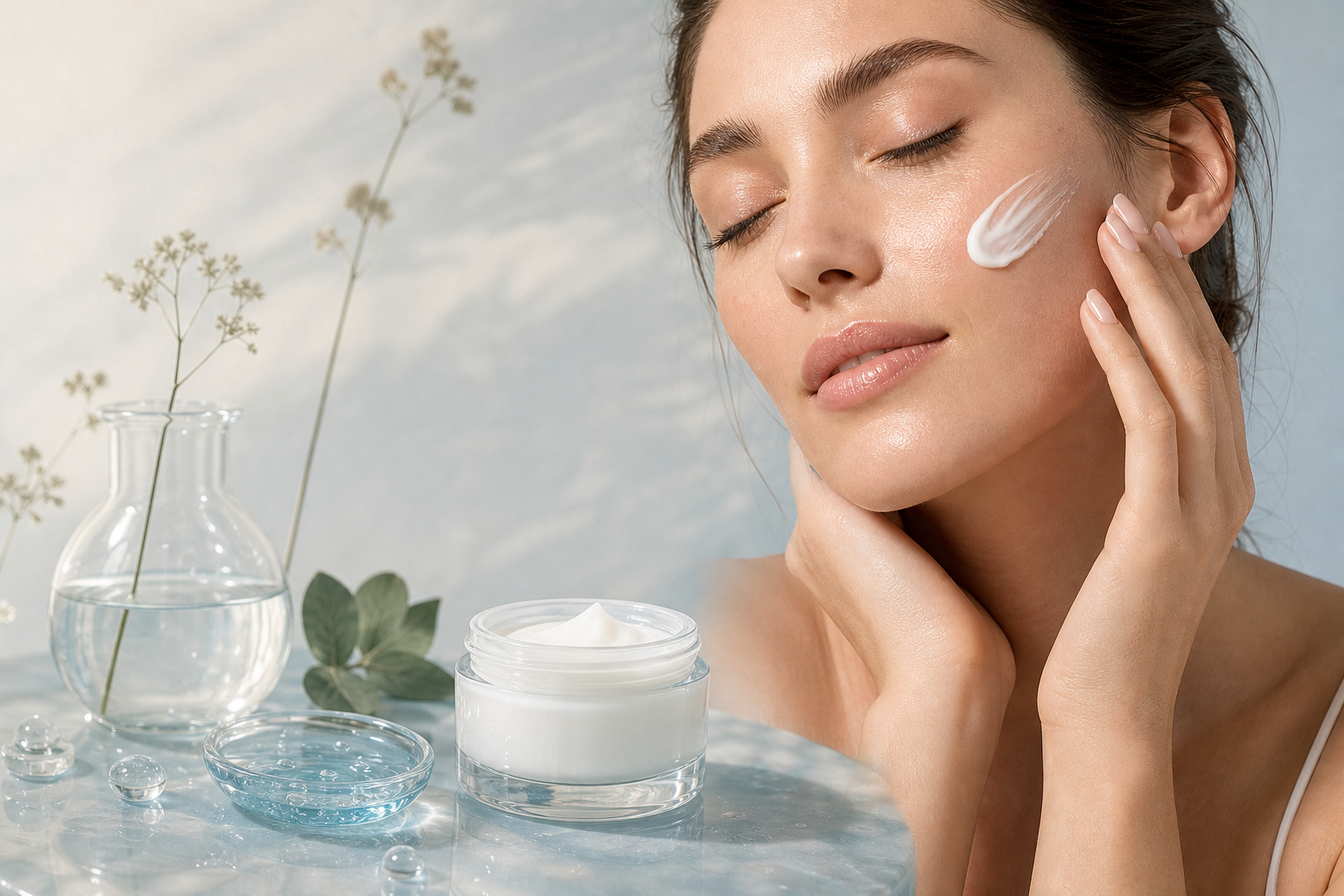
Key Ingredients Your Moisturizer Should Have
Selecting a moisturizer with the right combination of humectants, emollients, and occlusives is essential for effective skin hydra...
Read more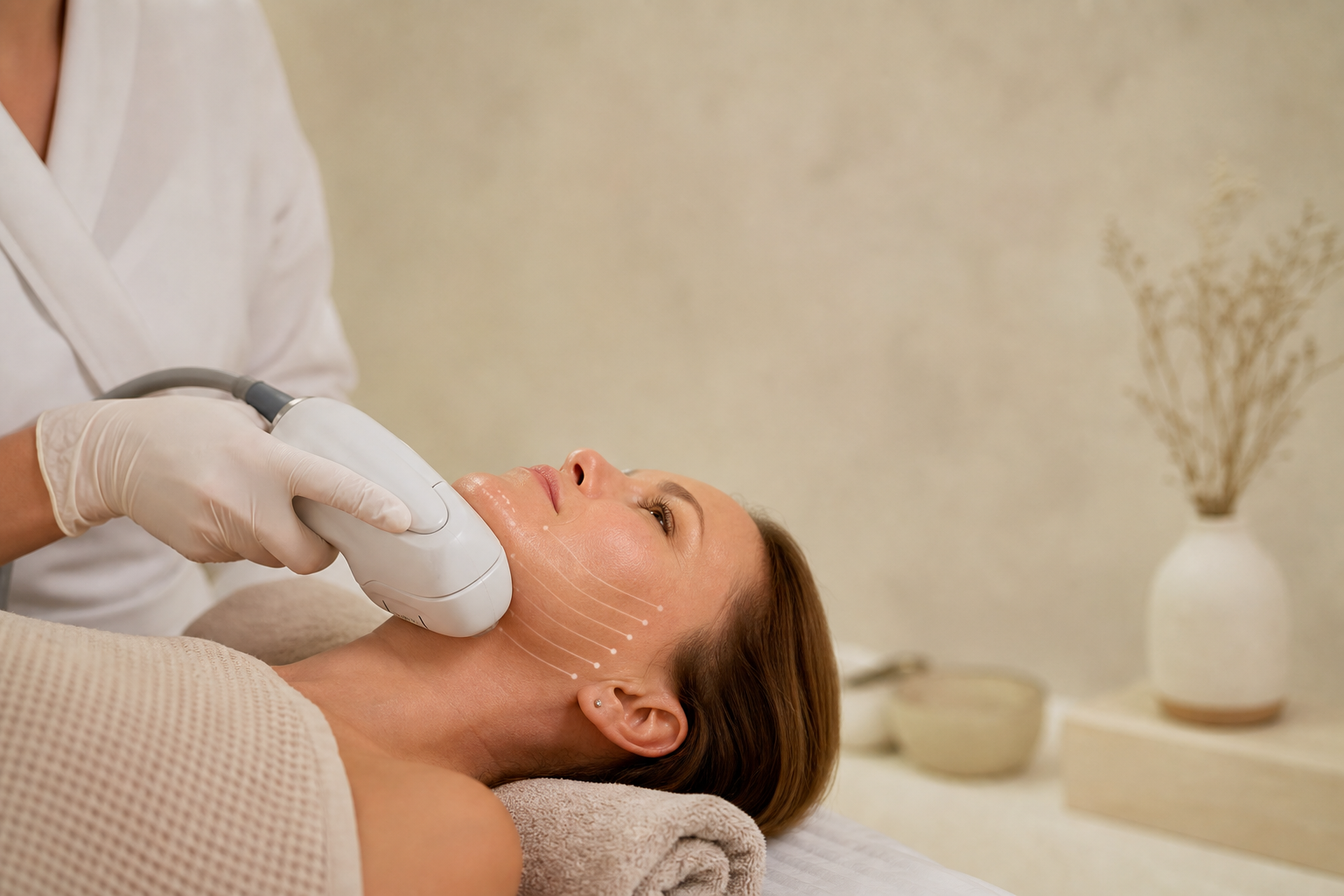
How Focused Ultrasound Tightens Skin
Focused ultrasound, or HIFU, is a non-invasive skin tightening treatment that stimulates collagen to reduce mild to moderate facia...
Read more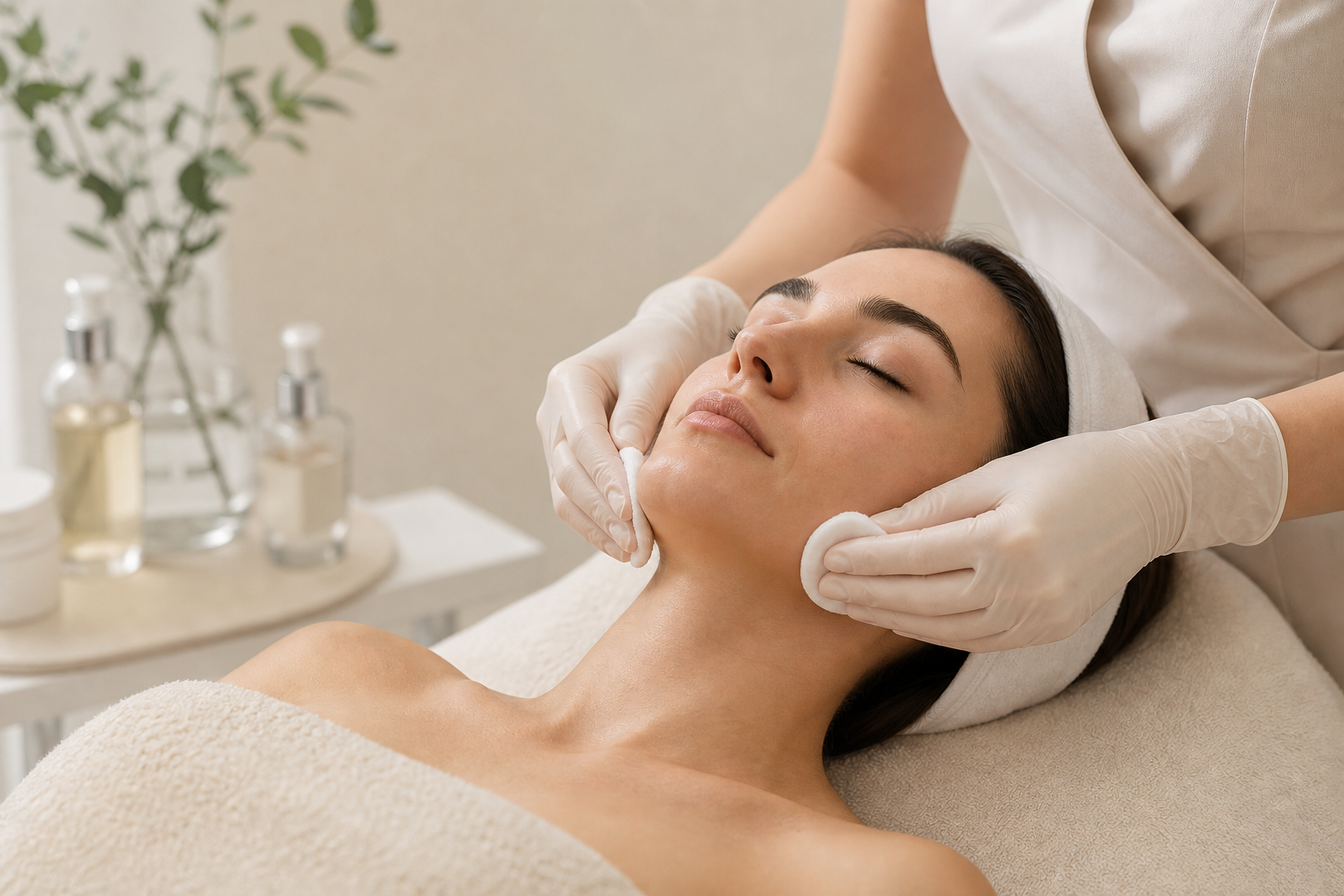
What Does Manual Facial Cleansing Entail?
Manual facial cleansing is a professional cosmetic procedure that deeply purifies the skin by extracting blackheads and impurities...
Read more
How to Identify a Damaged Skin Barrier
A damaged skin barrier manifests through redness, tightness, and flaking, signaling compromised skin protection and moisture loss....
Read more
The Formation of Blackheads: Understanding Causes and Care
Blackheads develop when excess sebum and dead skin cells clog pores, oxidizing upon air exposure to create dark spots. Understandi...
Read more
Deep Cleansing for Oily Skin
Deep cleansing for oily skin involves removing excess oil, impurities, and dead skin cells to unclog pores and reduce shine. Tailo...
Read more
Skin Recovery After Microneedling
Skin recovery after microneedling is essential for promoting collagen and elastin production, ensuring safe healing, and maximizin...
Read more
Do You Need a Spray Tan Trial Before Your Wedding?
A spray tan trial before your wedding helps ensure the perfect, natural-looking glow by allowing you to test the shade and prevent...
Read more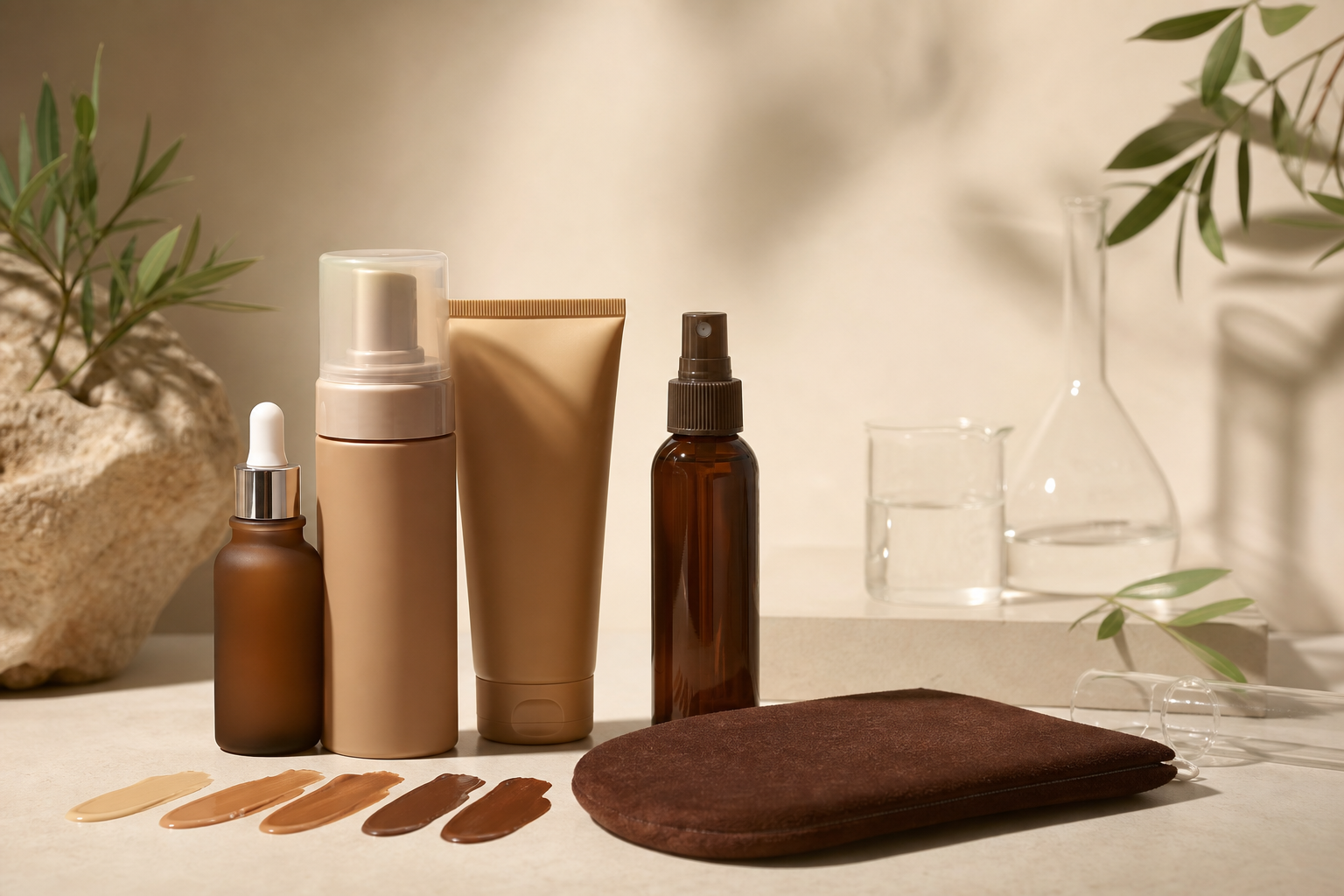
How to Achieve a Tanned Look Without Sunbeds
Achieving a tanned appearance without the health risks of sunbeds is both safe and attainable. This guide explains the dangers of...
Read more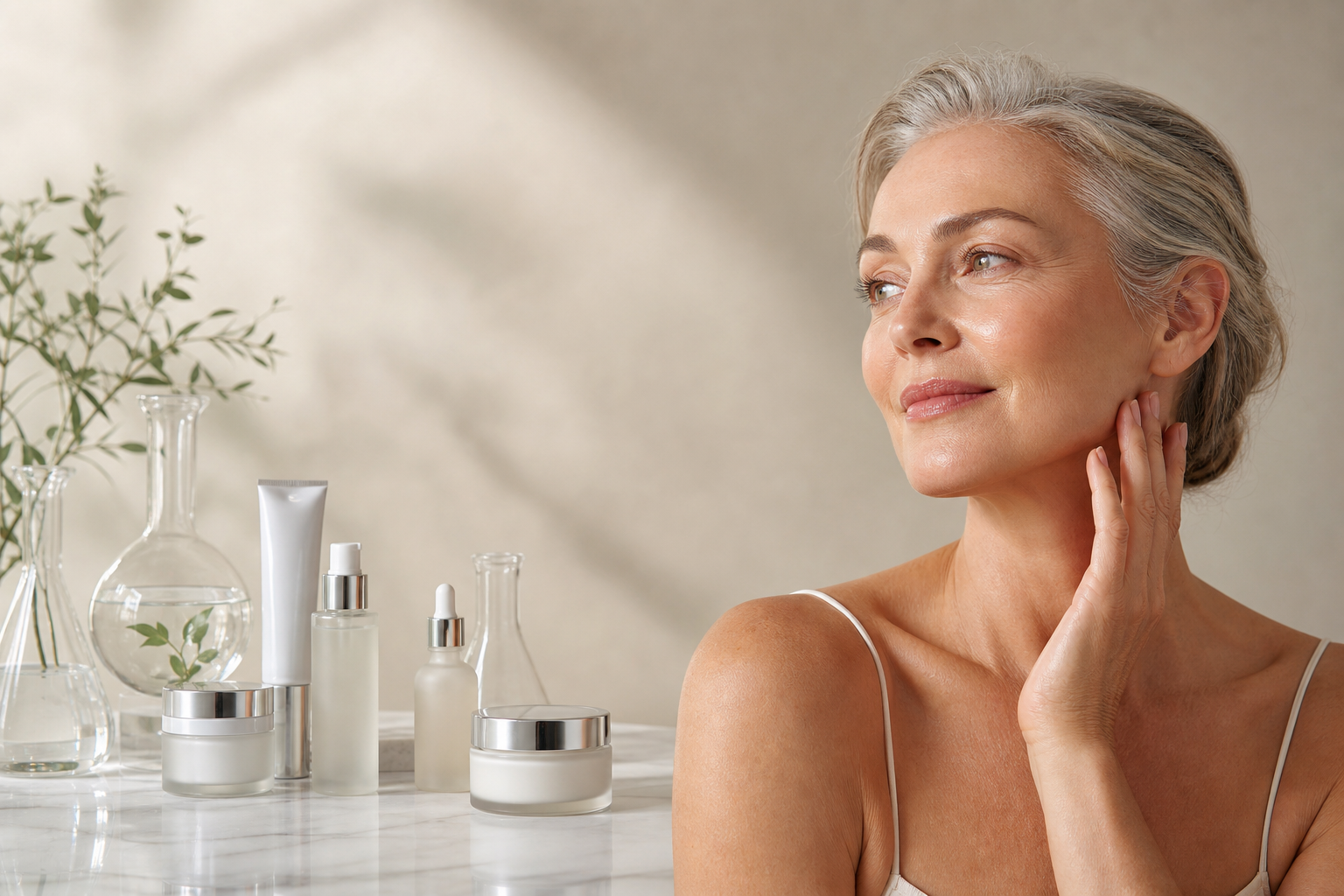
Anti-Aging Skincare Routine: A Step-by-Step Guide
This step-by-step guide offers a professional overview of anti-aging skincare routines, detailing essential treatments, active ing...
Read more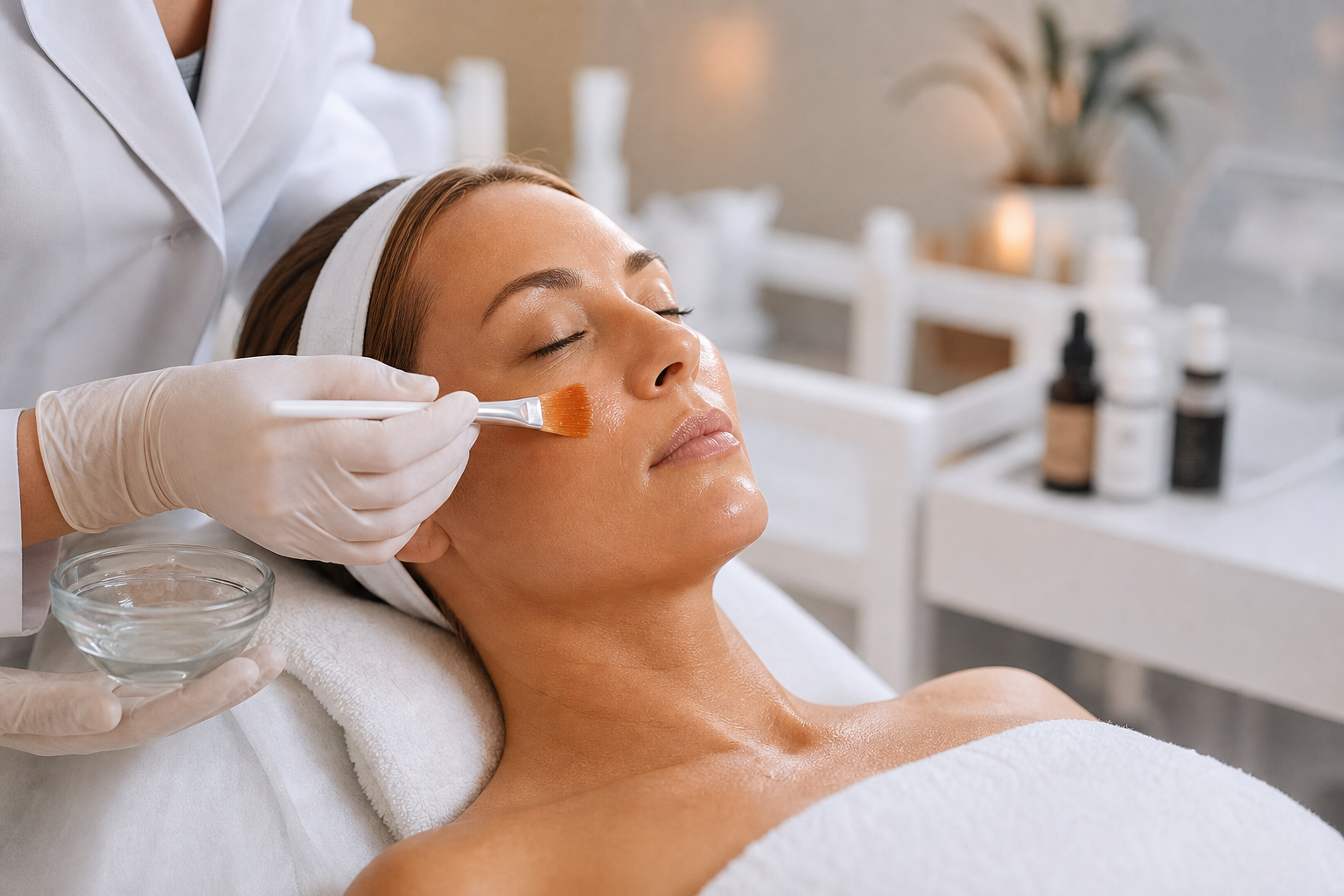
Chemical Peels as an Anti-Aging Treatment: A Comprehensive Guide
Chemical peels offer a scientifically backed method to combat visible signs of aging by exfoliating damaged skin and stimulating c...
Read more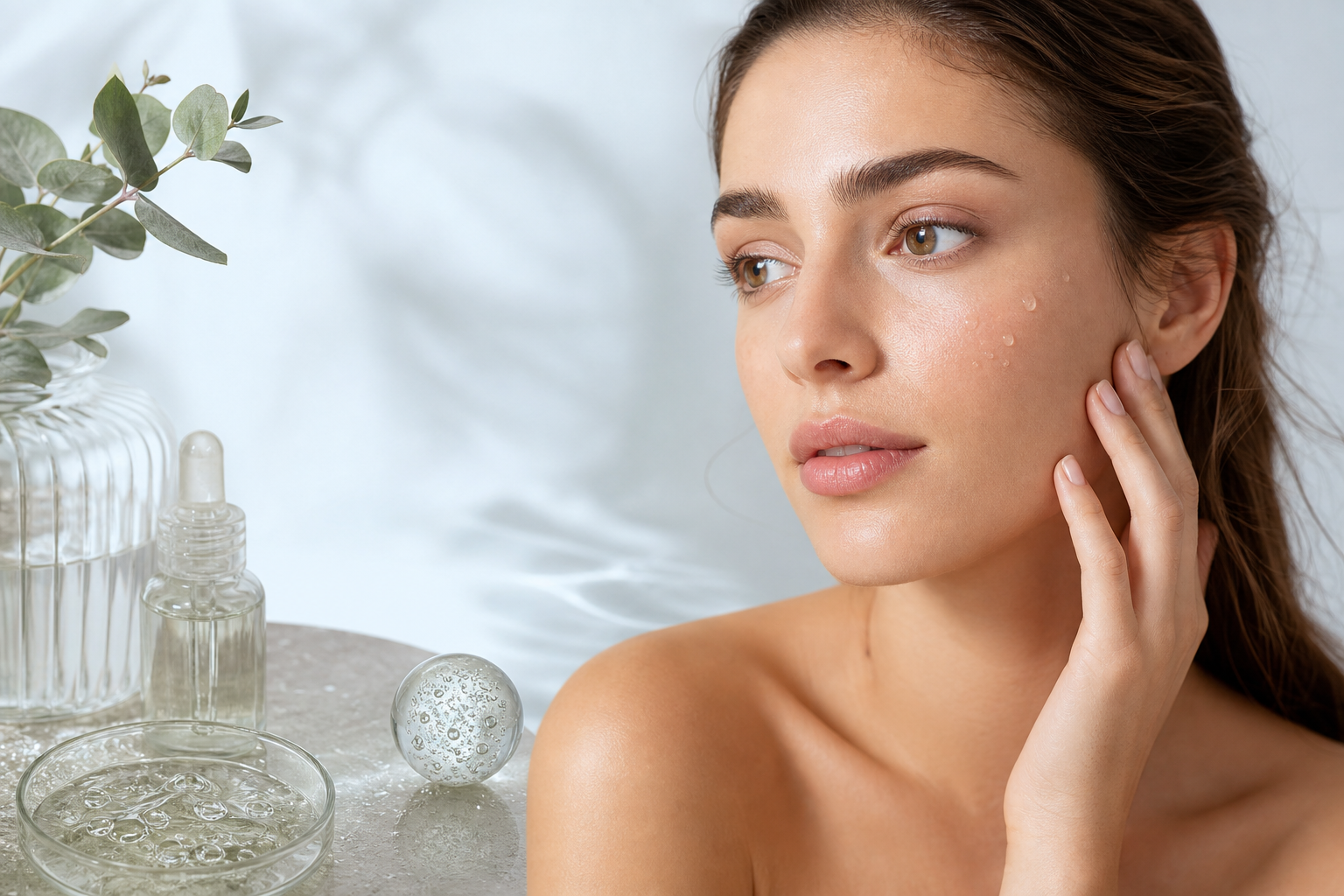
How to Recognize Facial Skin Dehydration
Facial skin dehydration occurs when the skin loses essential water content, leading to tightness, dullness, and fine lines. Distin...
Read more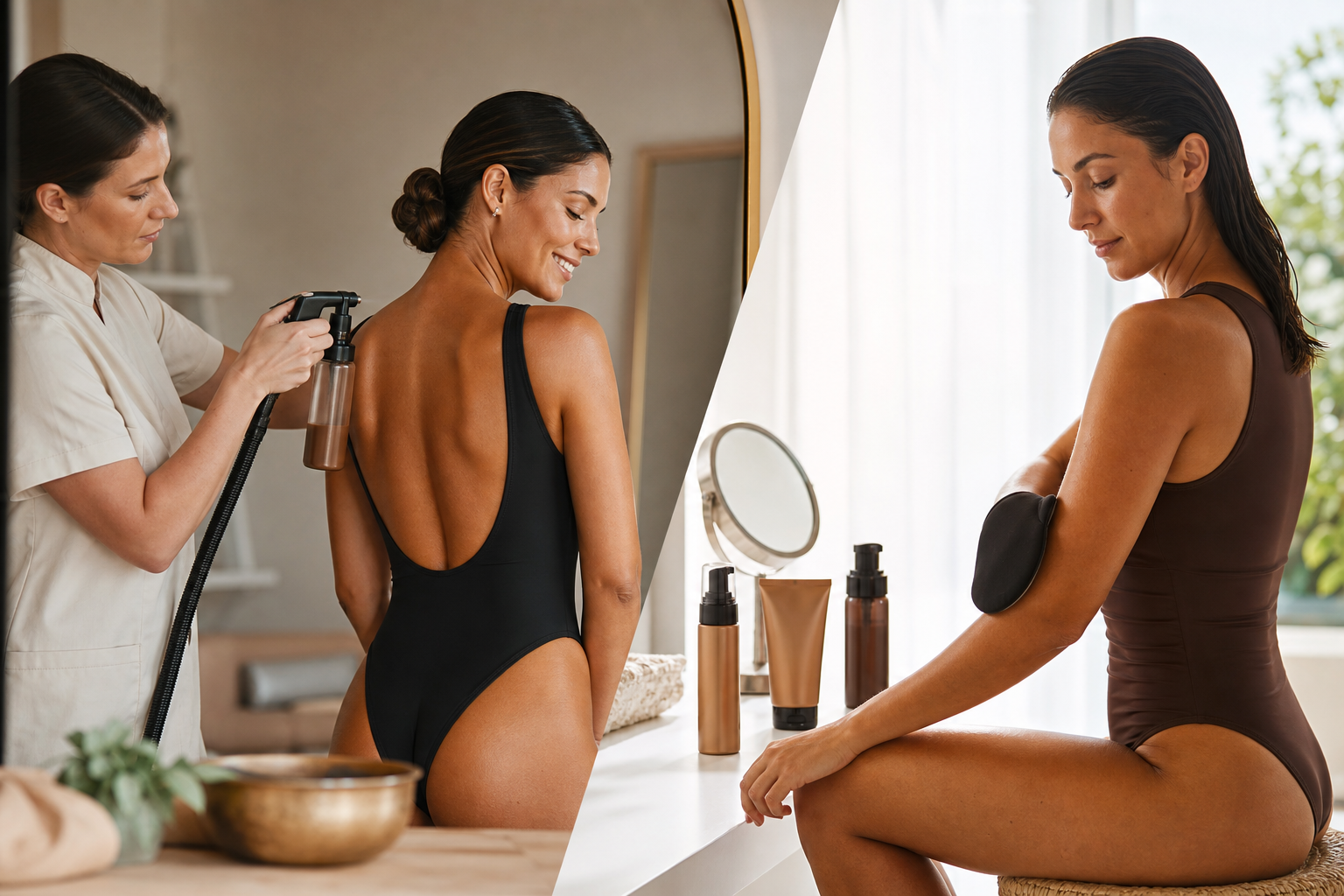
Professional Spray Tan Solution vs At-Home Product
Spray tanning offers a sunless way to achieve a bronzed look, with clear differences between professional salon solutions and at-h...
Read more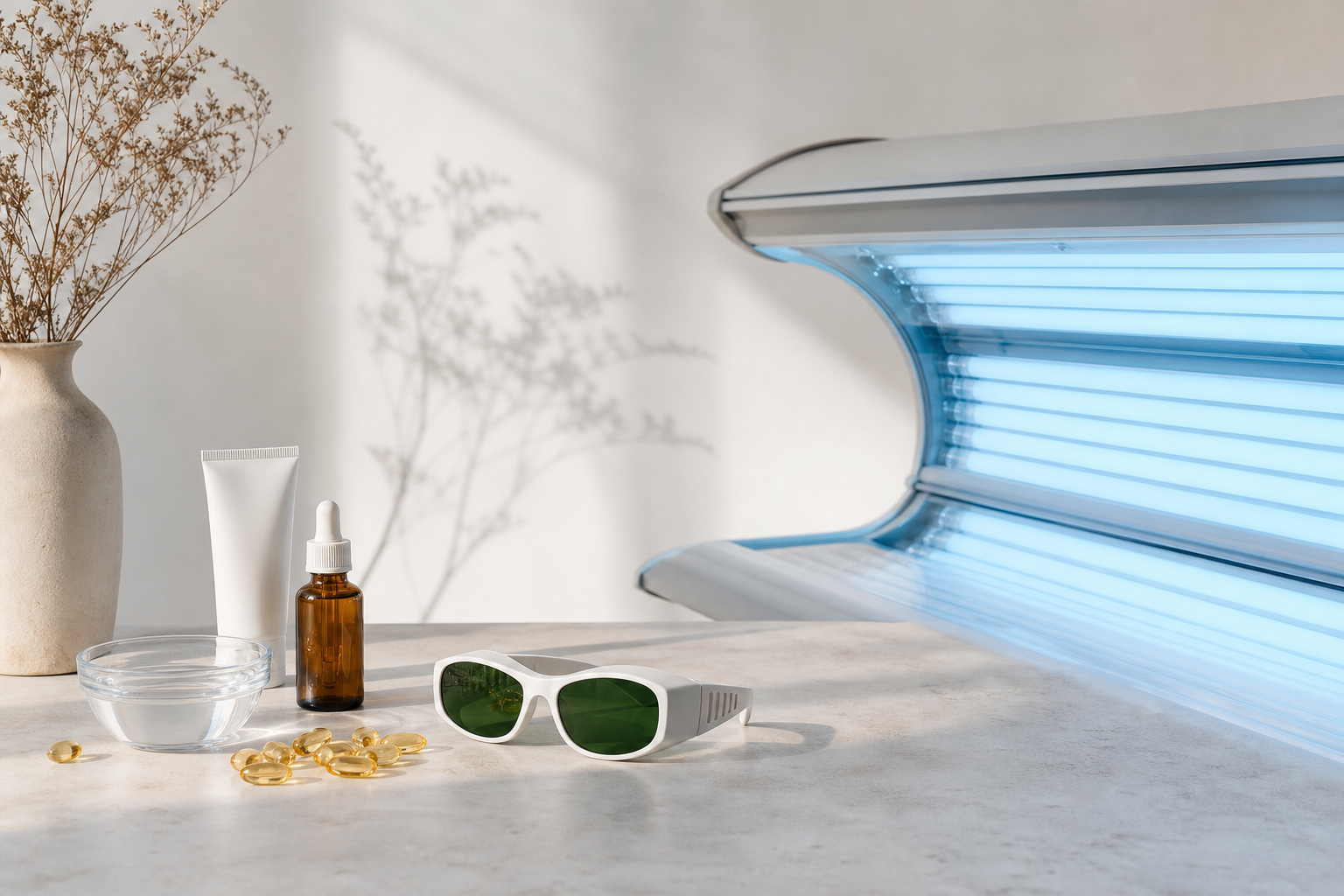
Why Are Sunbeds Not Recommended for Treating Vitamin D Deficiency?
Sunbeds emit ultraviolet radiation that can stimulate vitamin D synthesis but pose serious health risks including skin cancer and...
Read more
When to Start Anti-Aging Skincare
Anti-aging skincare involves timely and targeted treatments to slow and reduce the visible signs of aging such as wrinkles, loss o...
Read more
Hydrating Dry Skin
Dry skin results from the skin's diminished ability to retain moisture, causing tightness, flaking, and sensitivity. Proper hydrat...
Read more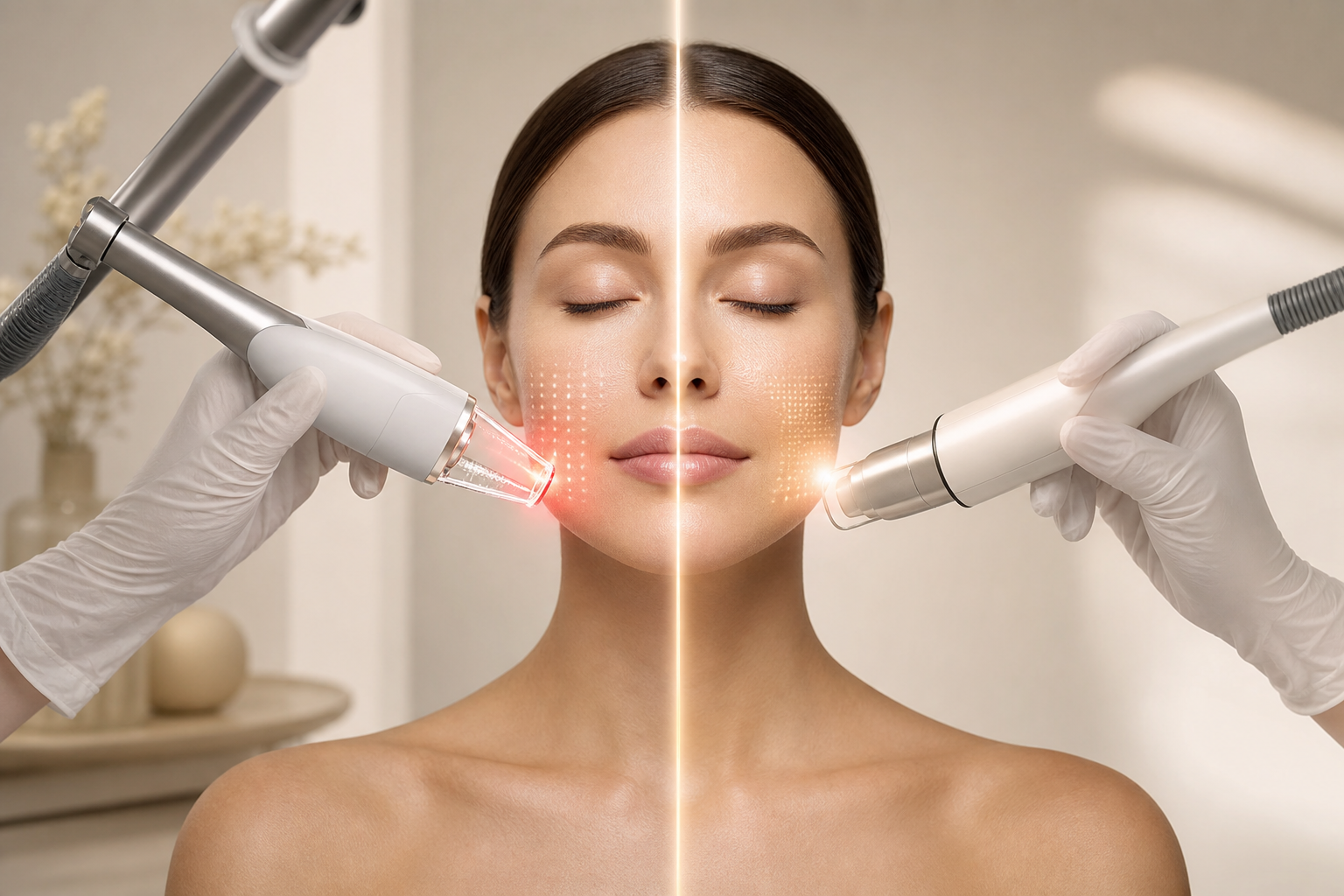
Ablative vs. Non-Ablative Lasers: Key Differences
Ablative and non-ablative lasers represent two distinct approaches in anti-aging facial treatments, each with unique mechanisms, b...
Read more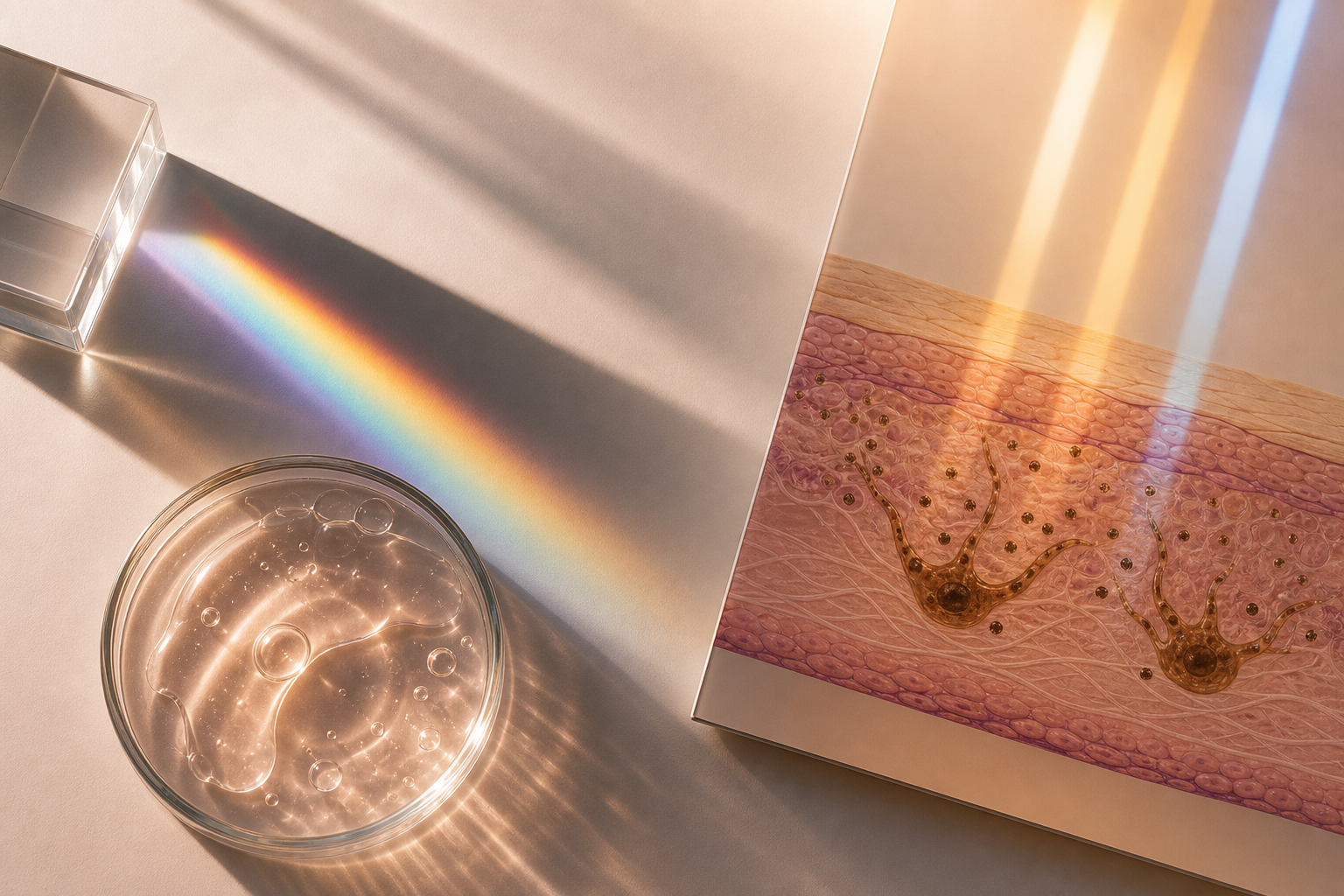
How Does Skin Tan Under UV Radiation?
Skin tanning is a complex biological response where UV radiation stimulates melanin production as a partial defense against damage...
Read more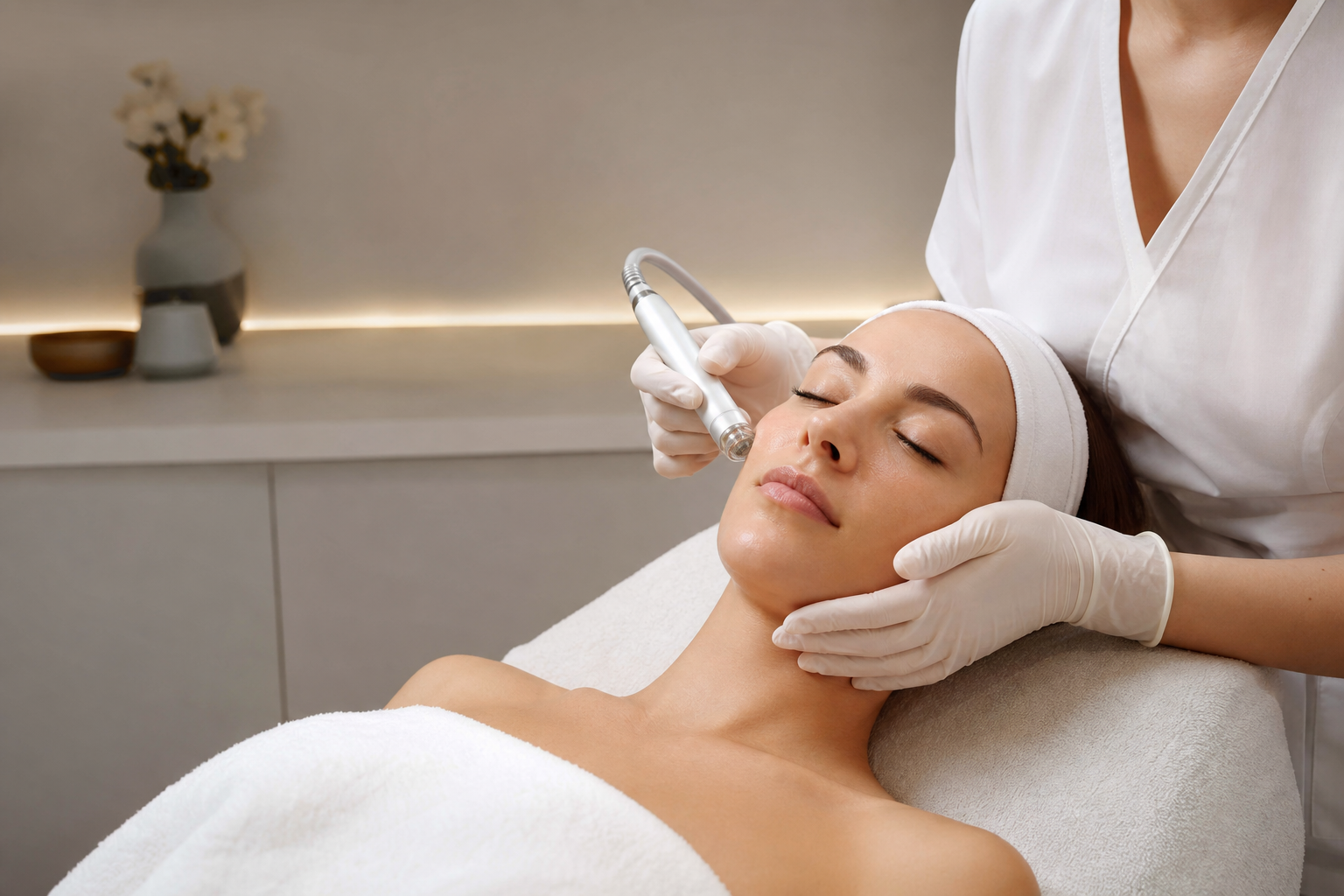
Professional Anti-Aging Facial Treatment: A Step-by-Step Guide
Professional anti-aging facial treatments offer expertly tailored skincare solutions to rejuvenate and maintain youthful skin by t...
Read more
Professional Spray Tan or At-Home Self-Tanner
Professional spray tanning and at-home self-tanners both offer UV-free options for achieving a tanned complexion. This article com...
Read more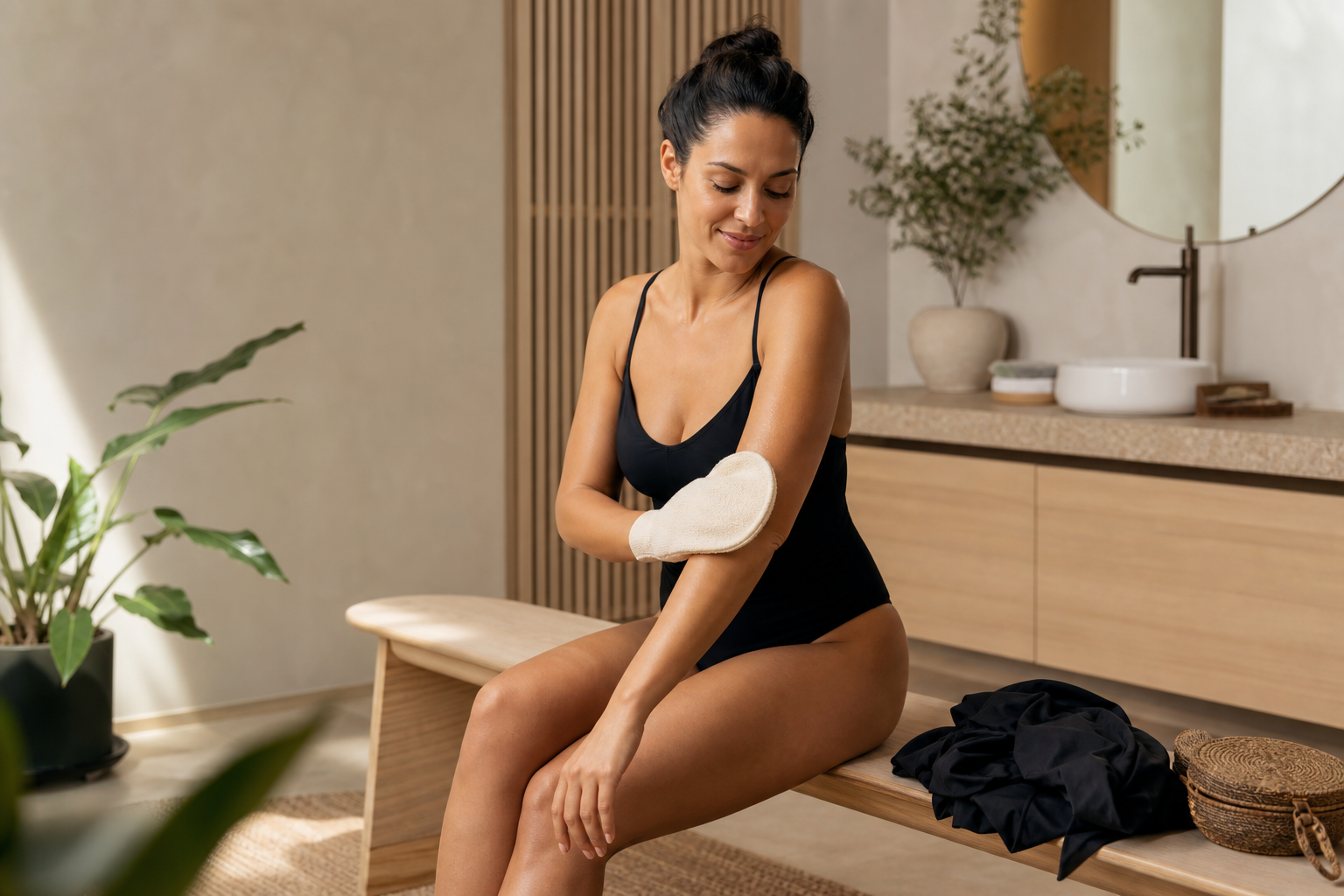
How to Prepare for a Spray Tan: A Pre-Appointment Guide
Preparing your skin properly before a spray tan is essential for achieving an even, natural-looking bronze that lasts. This guide...
Read more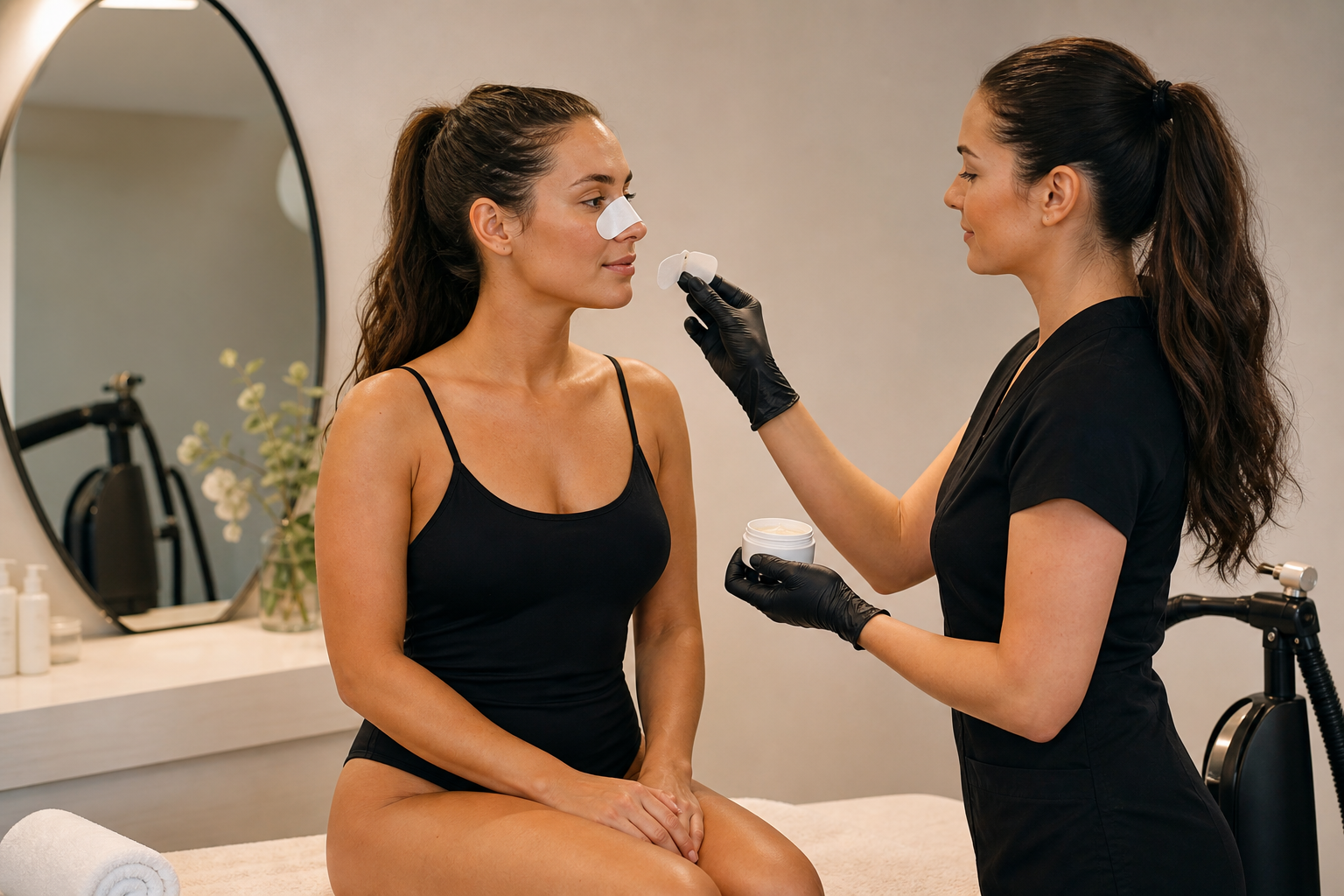
Is Spray Tanning Safe? DHA, Protection and Precautions
Spray tanning offers a sunless way to achieve a bronzed look using DHA, a sugar-based compound that colors the skin's surface temp...
Read more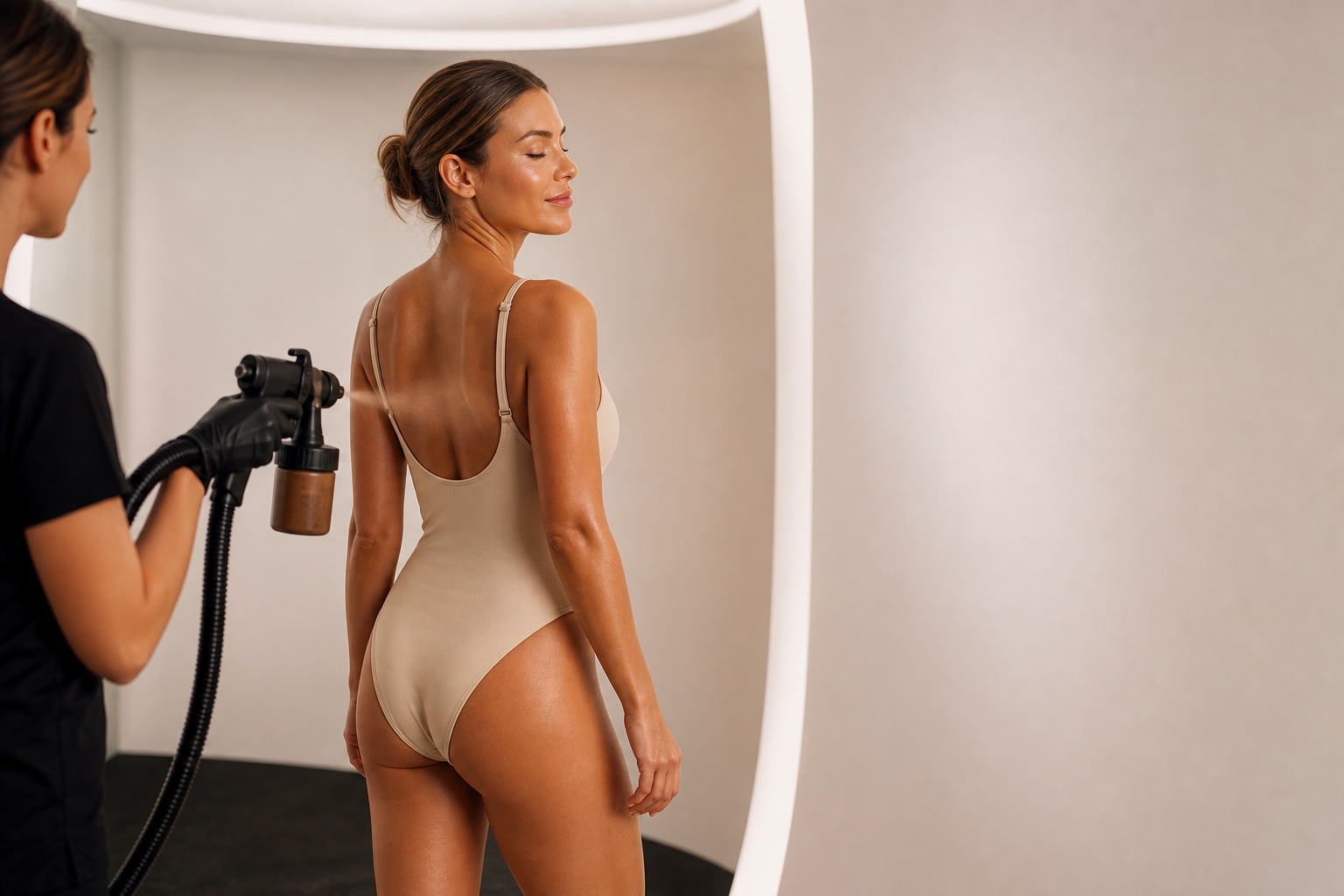
What Is a Spray Tan and How Does It Work?
A spray tan offers a UV-free way to achieve a natural-looking, sun-kissed glow through a chemical reaction on the skin's surface....
Read more
Spray Tan Myths and Answers to Frequently Asked Questions
Spray tanning provides a natural, customizable glow without UV risks, but common myths about orange tones, pore clogging, and sun...
Read more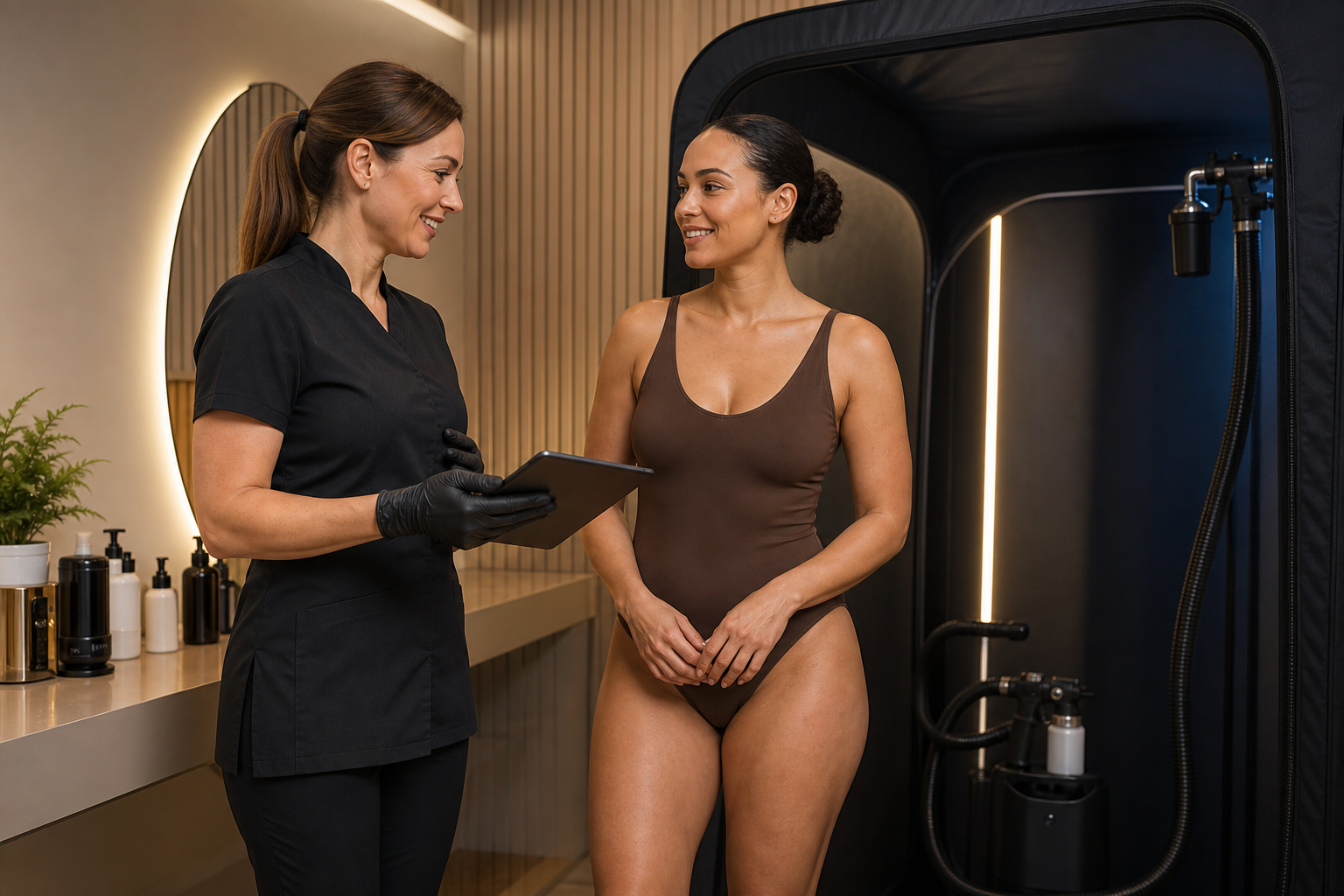
Introducing a Spray Tan Service in a Beauty Salon
Introducing a professional spray tan service offers beauty salons a safe alternative to UV tanning, enhancing client satisfaction...
Read more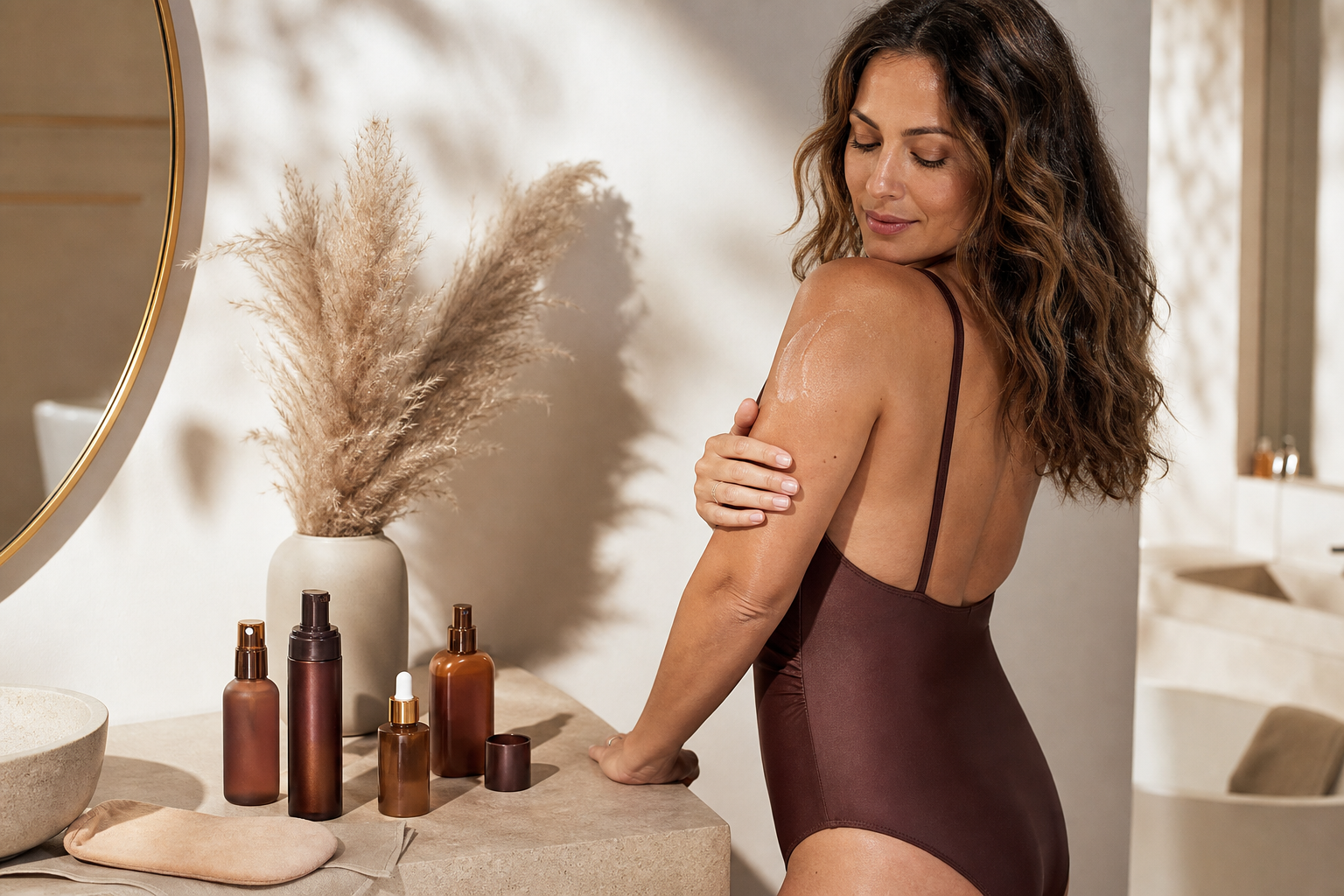
A Guide to Self-Tanning Products
This comprehensive guide explores the variety of self-tanning products available, detailing their forms, application techniques, a...
Read more
Spray Tans for Weddings, Holidays and Special Events
Spray tans offer a safe, customizable sun-kissed glow for weddings, holidays, and special events without UV exposure risks. Proper...
Read more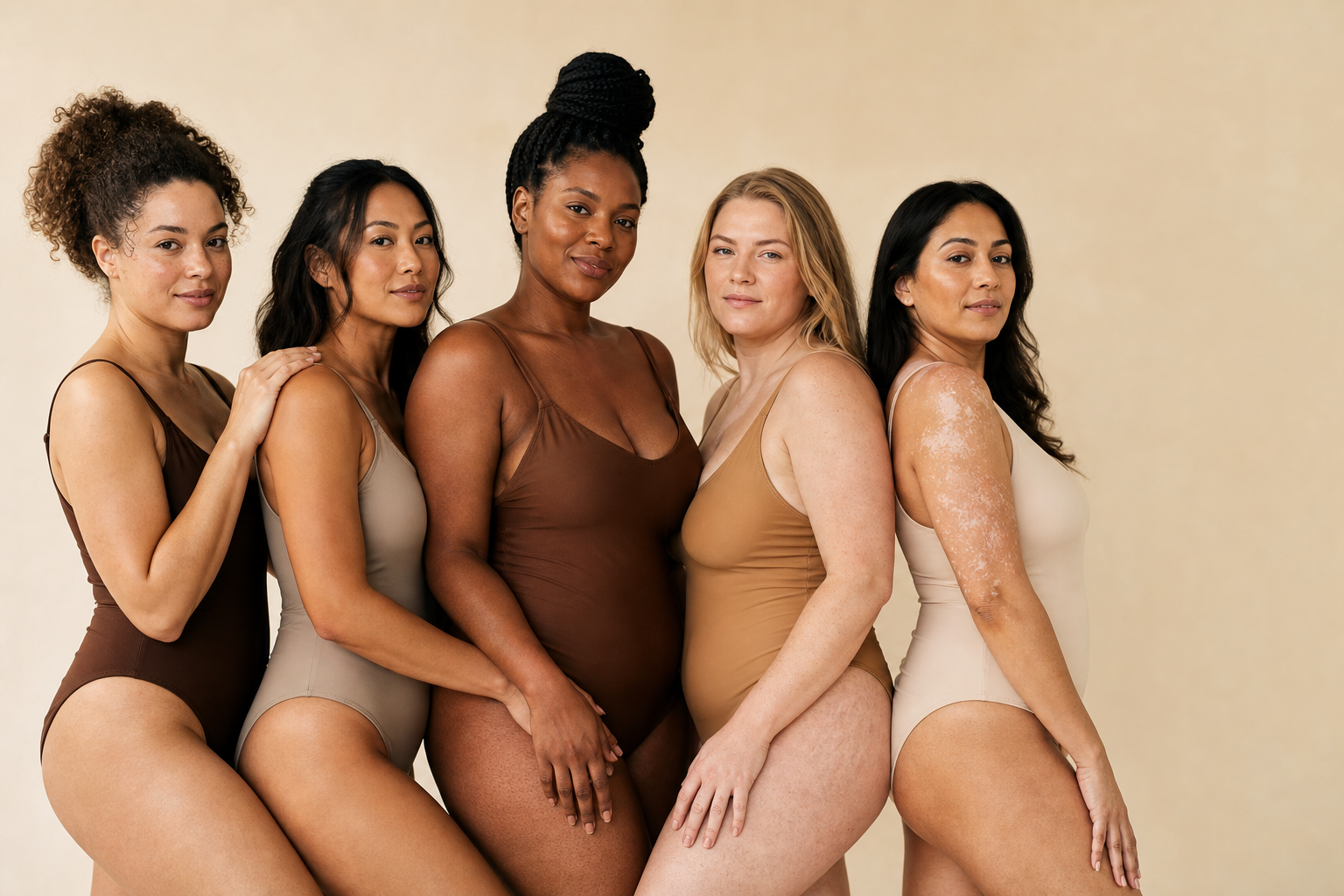
Spray Tanning for Different Skin Types and Conditions
Spray tanning offers a UV-free way to achieve a bronzed appearance but interacts uniquely with different skin types and conditions...
Read more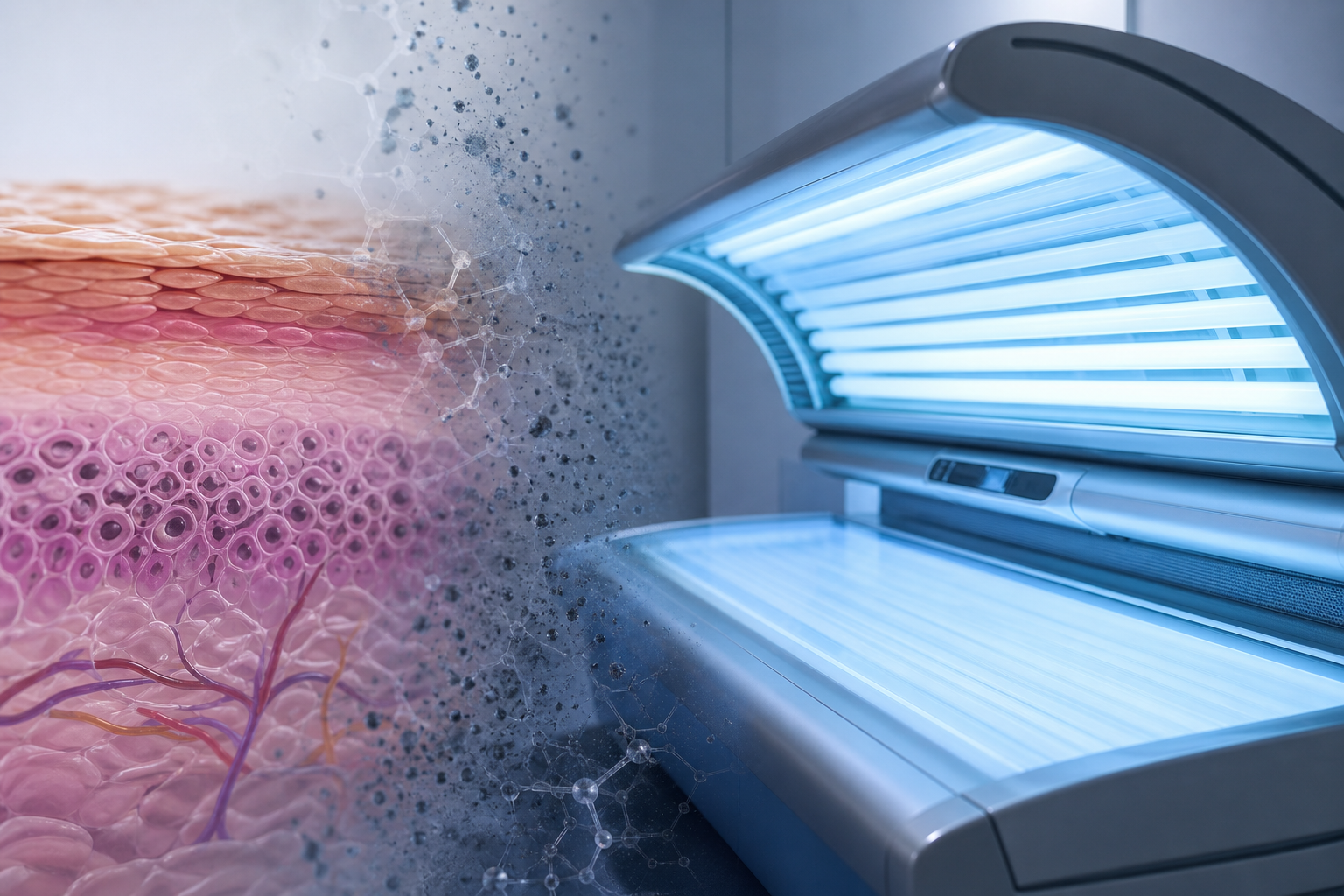
Sunbeds and Skin: Burns, Photoaging and Skin Cancer
Sunbeds emit ultraviolet radiation that poses significant risks, including skin burns, accelerated photoaging, and increased skin...
Read more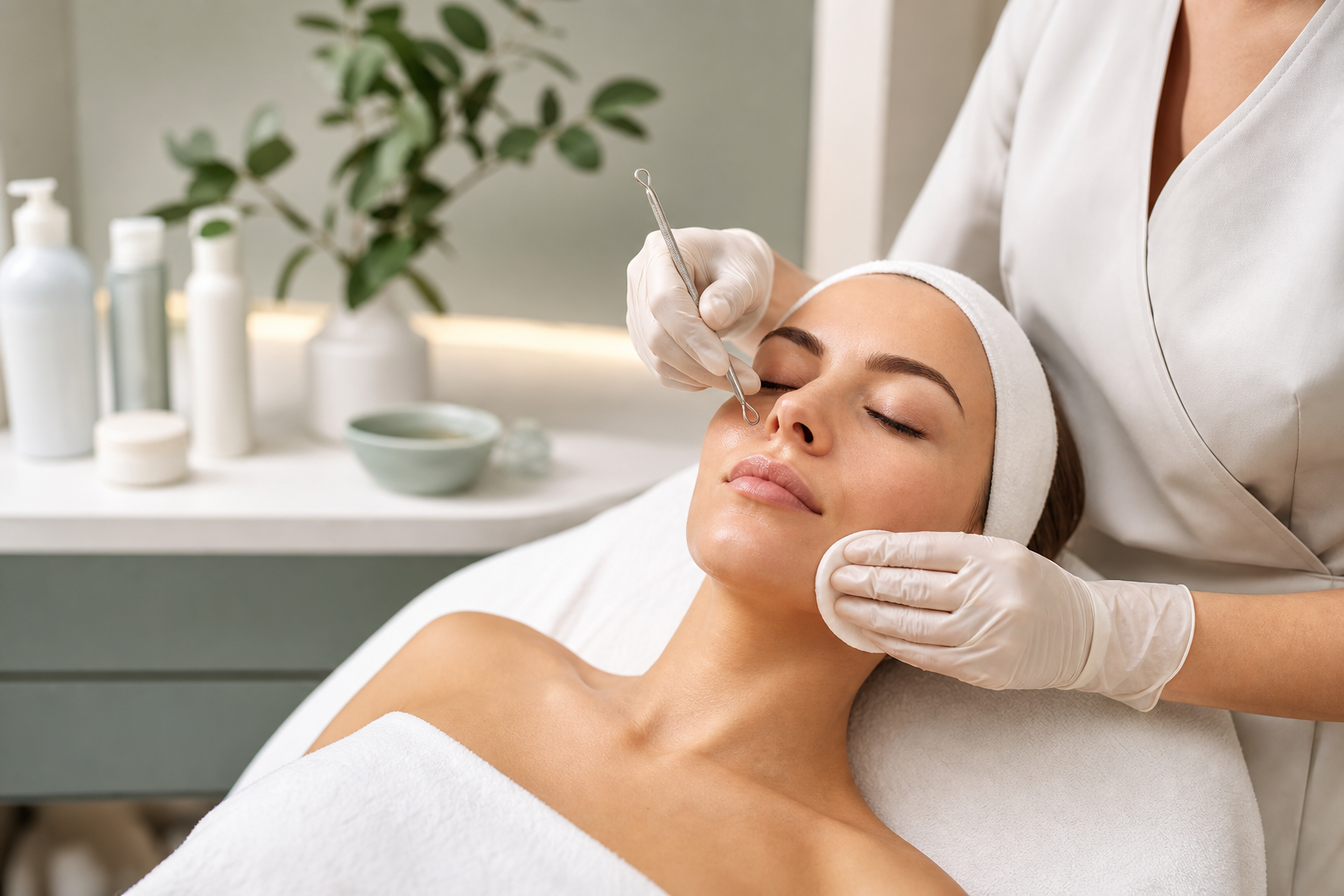
Is Deep Facial Cleansing Safe? Risks and Contraindications
Deep facial cleansing effectively removes impurities and revitalizes skin when performed correctly. Understanding potential risks,...
Read more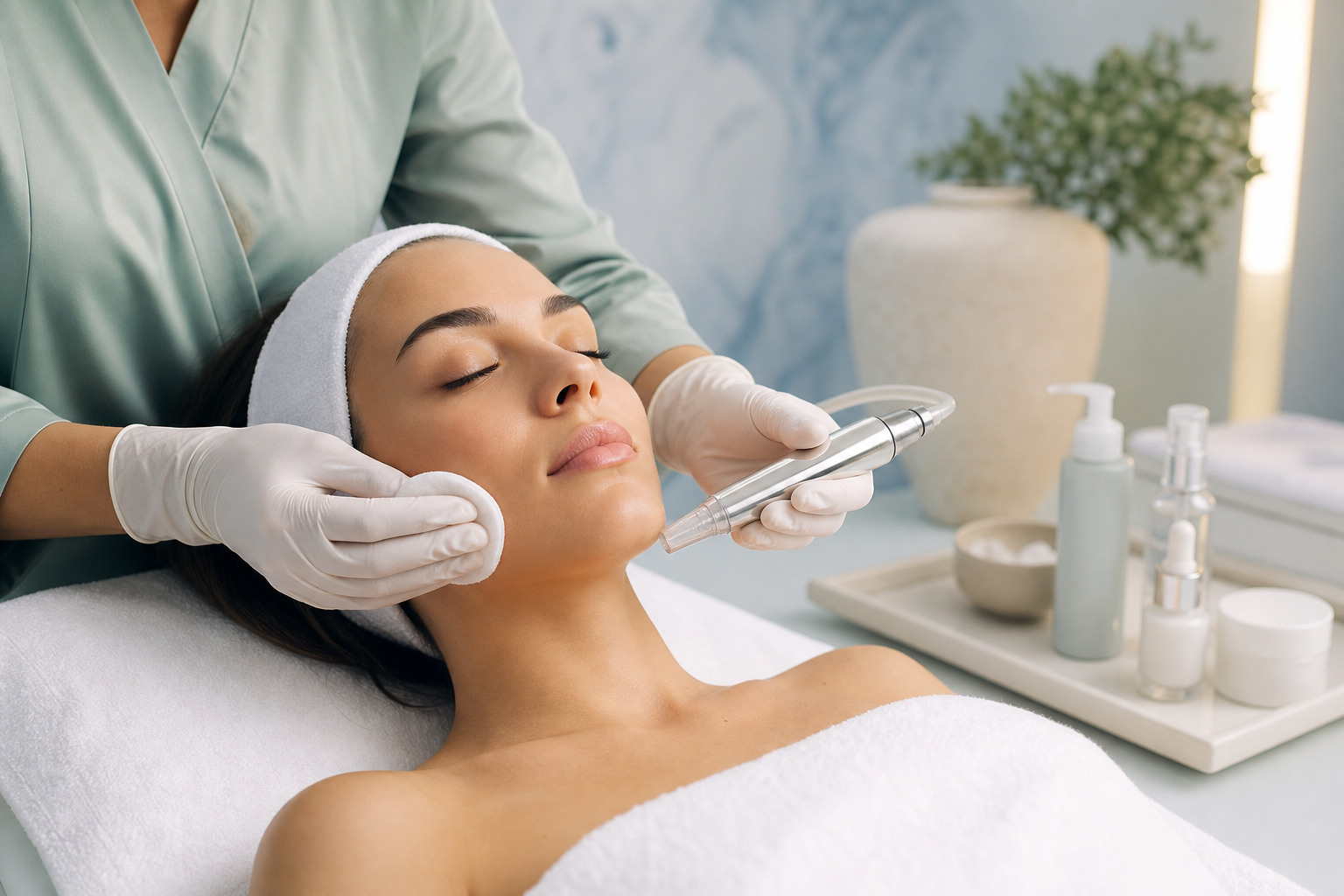
Before and After Deep Cleansing: Essential Guidelines for Safe Recovery
Deep facial cleansing is a comprehensive skincare treatment that removes deeply embedded impurities and promotes skin health. Foll...
Read more
Active Ingredients for Blackheads, Oily Skin, and Clogged Pores
Blackheads, oily skin, and clogged pores stem from excess sebum and dead skin cells that block pores and impact skin health. This...
Read more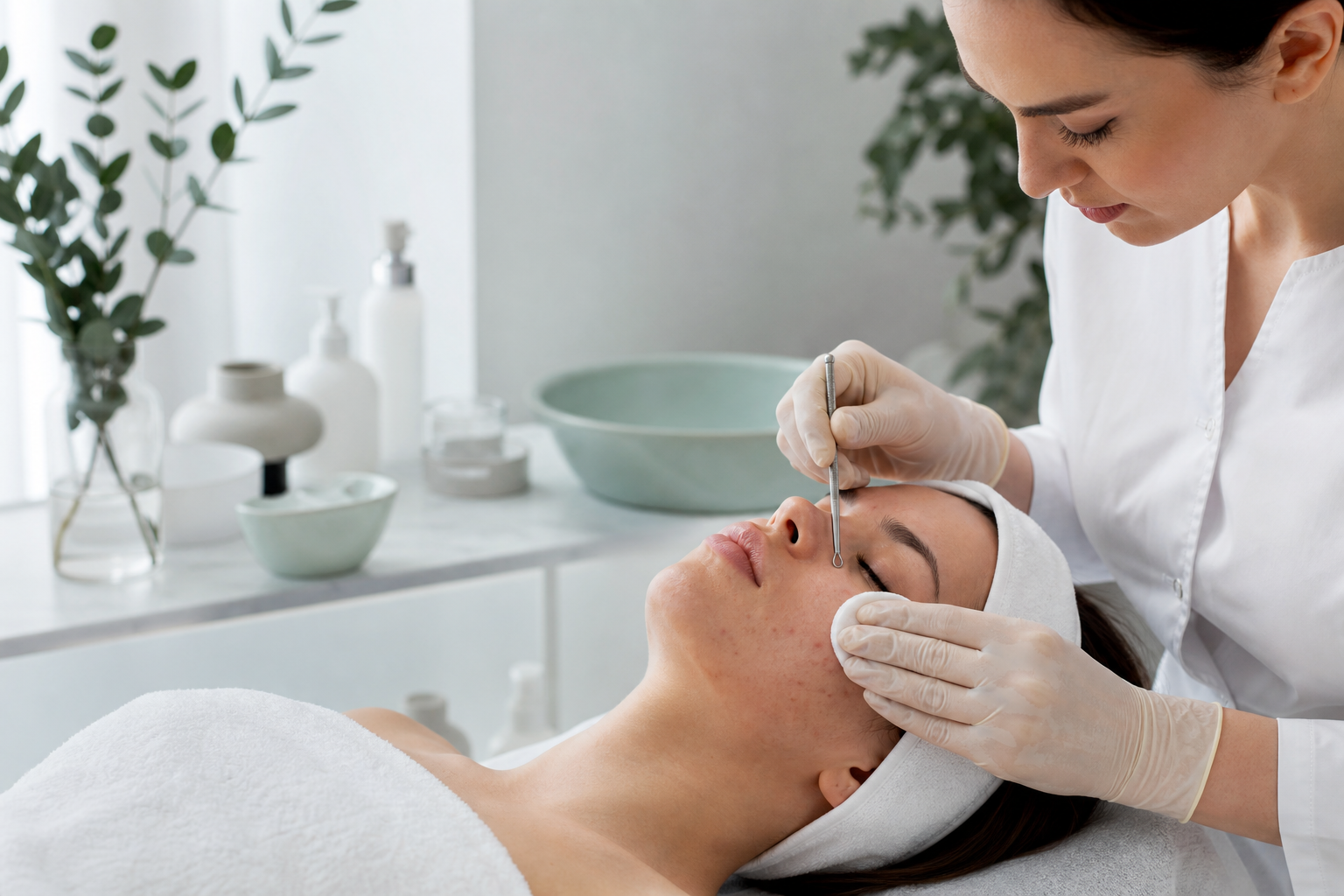
Deep Cleansing for Acne-Prone Skin: Options and Limitations
Deep cleansing is a vital step for those with acne-prone skin, targeting excess sebum, blackheads, and dead cells to reduce breako...
Read more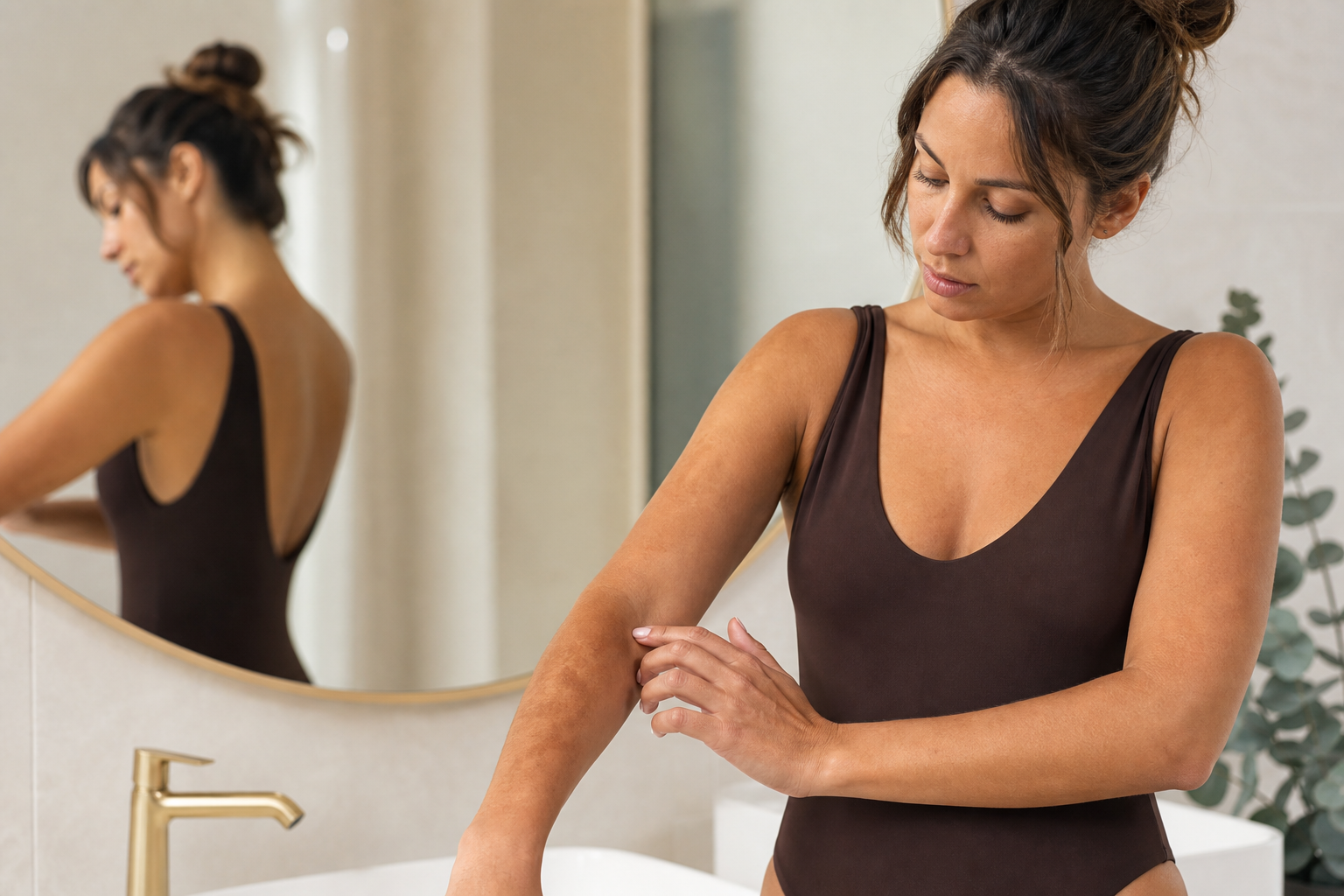
Common Spray Tan Problems and Why They Happen
Spray tanning offers a safe alternative to achieve a sun-kissed glow without UV exposure, but common issues like streaks, uneven f...
Read more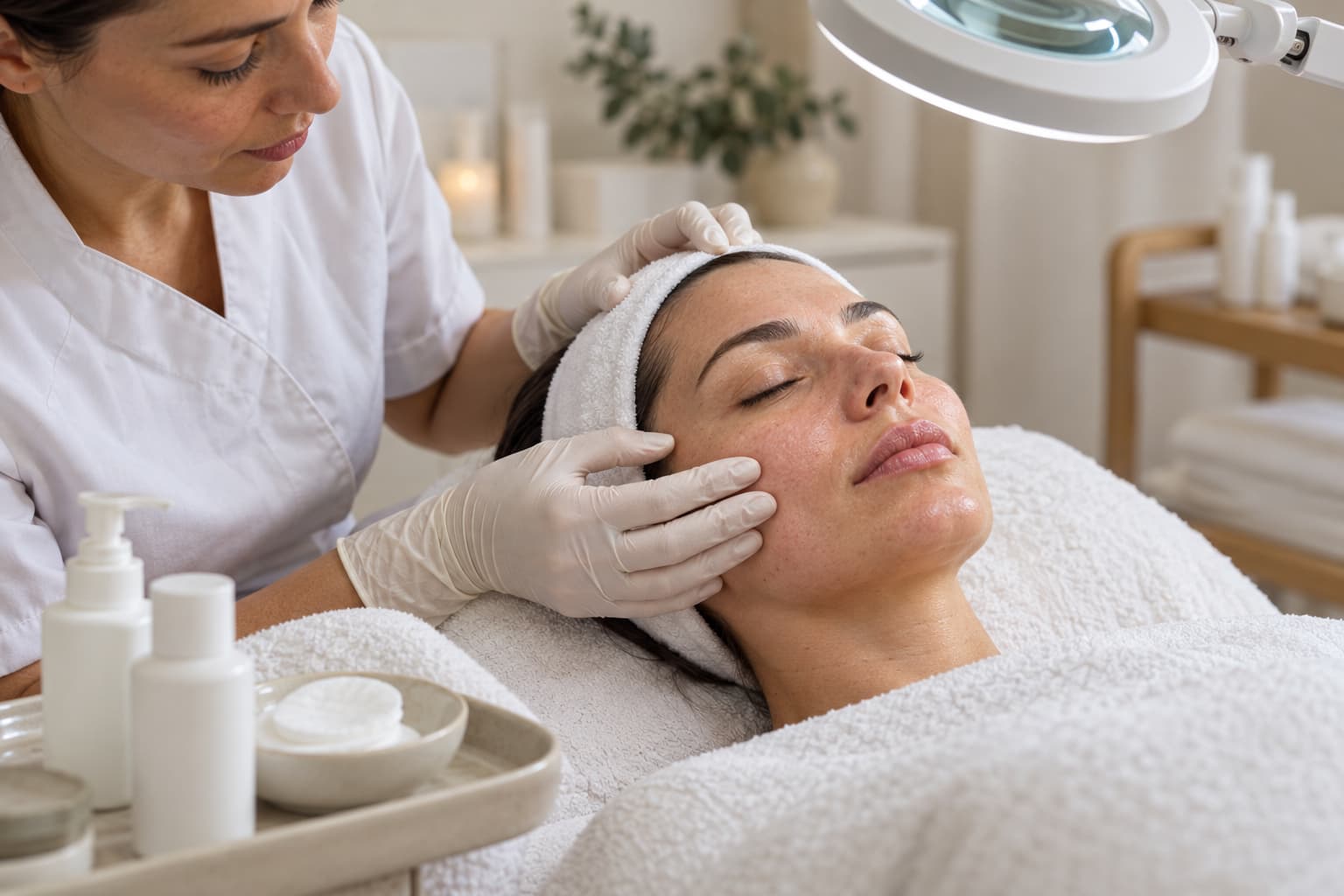
How to Tailor Deep Facial Cleansing to Your Skin Type
Deep facial cleansing enhances skin health by removing impurities, but requires customization to suit oily, dry, combination, or s...
Read more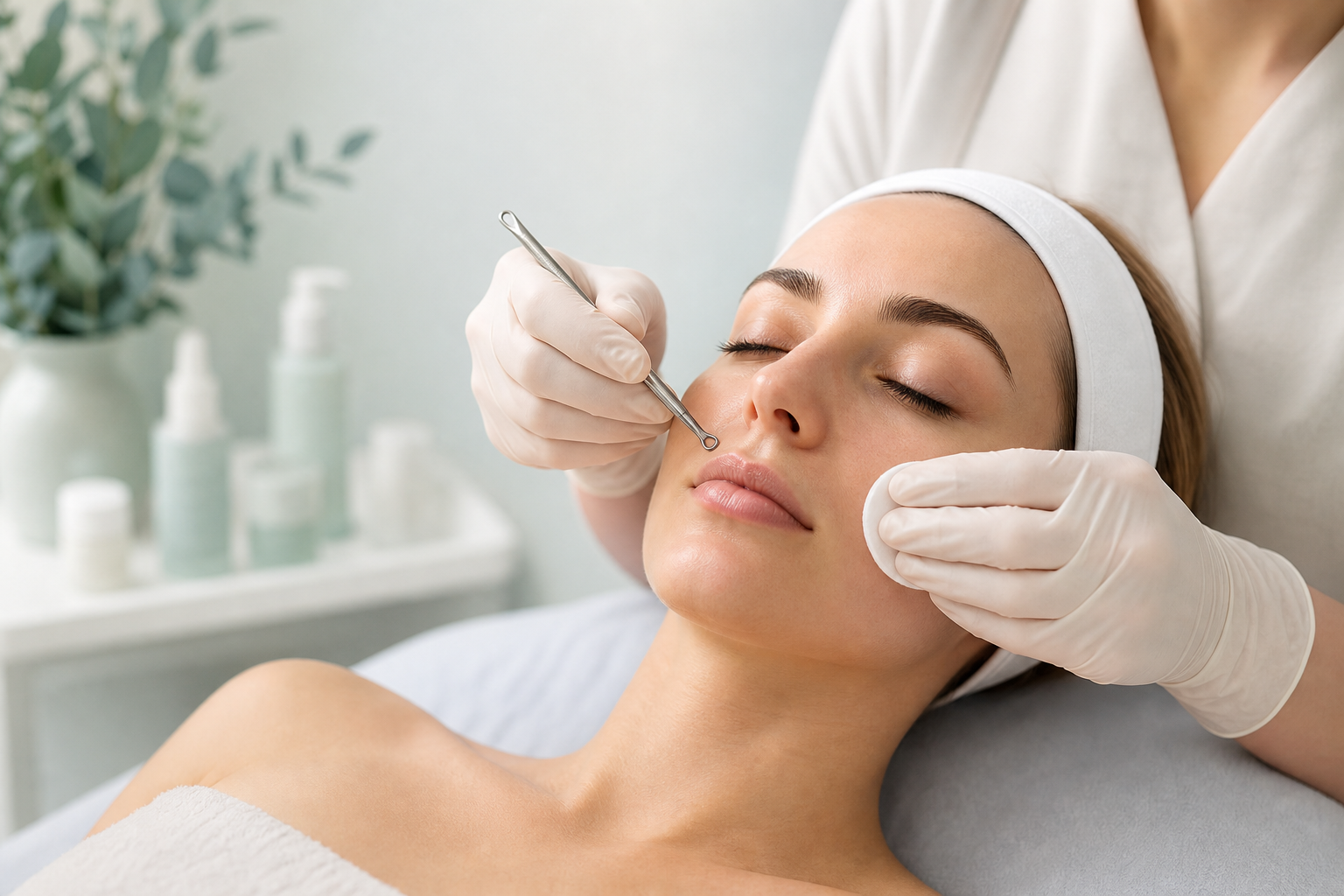
Blackheads and Clogged Pores: Causes, Removal, and Prevention
Blackheads and clogged pores are common skin concerns caused by excess sebum and dead cells blocking pores. Understanding their ca...
Read more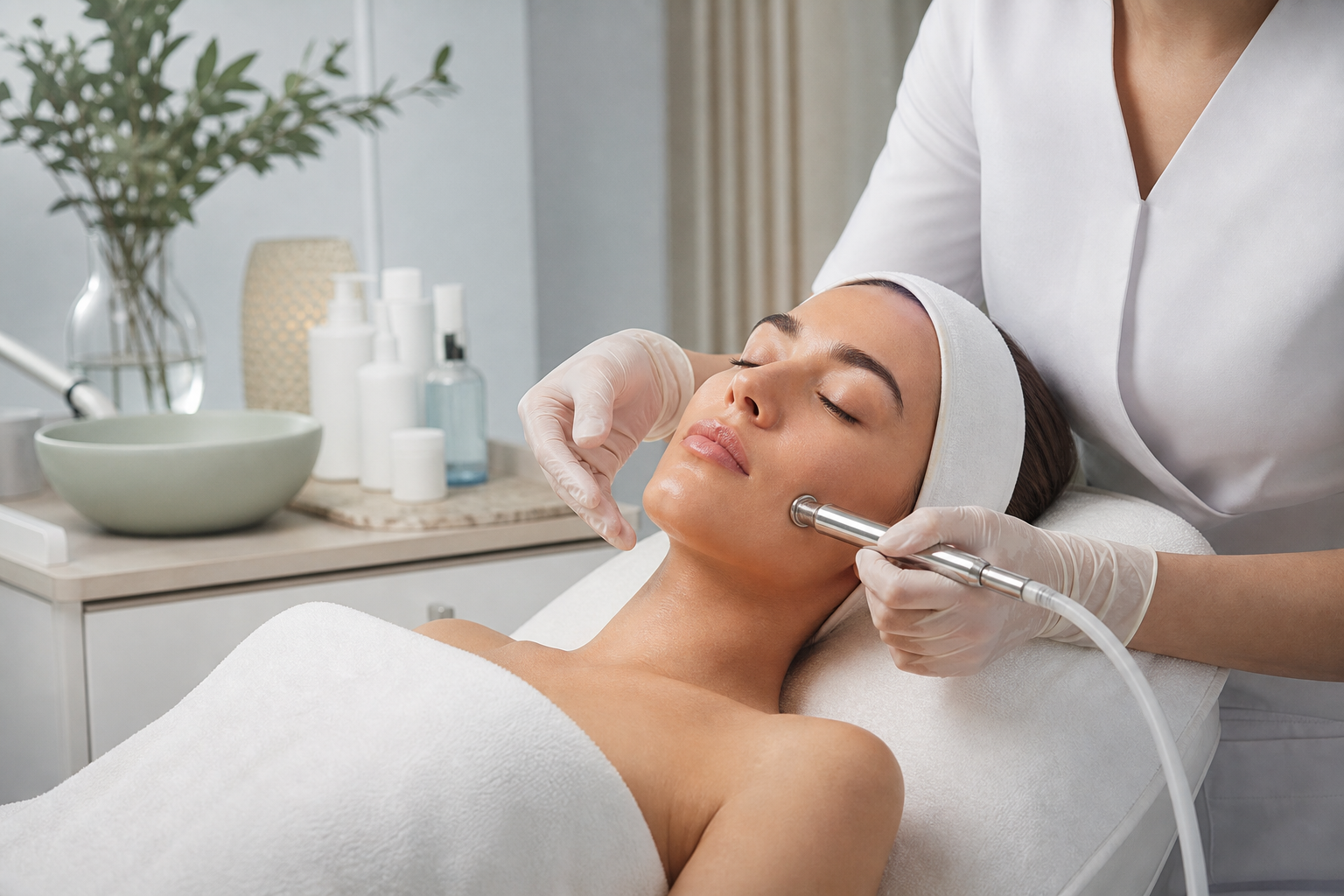
Facial Cleansing Techniques: How to Choose the Right Treatment
Facial cleansing is essential for healthy skin, offering diverse methods tailored to individual skin types and concerns. This guid...
Read more
Step-by-Step Hydration and Skin Renewal Routine
This article provides a detailed, step-by-step hydration and skin renewal routine designed to maintain skin elasticity, softness,...
Read more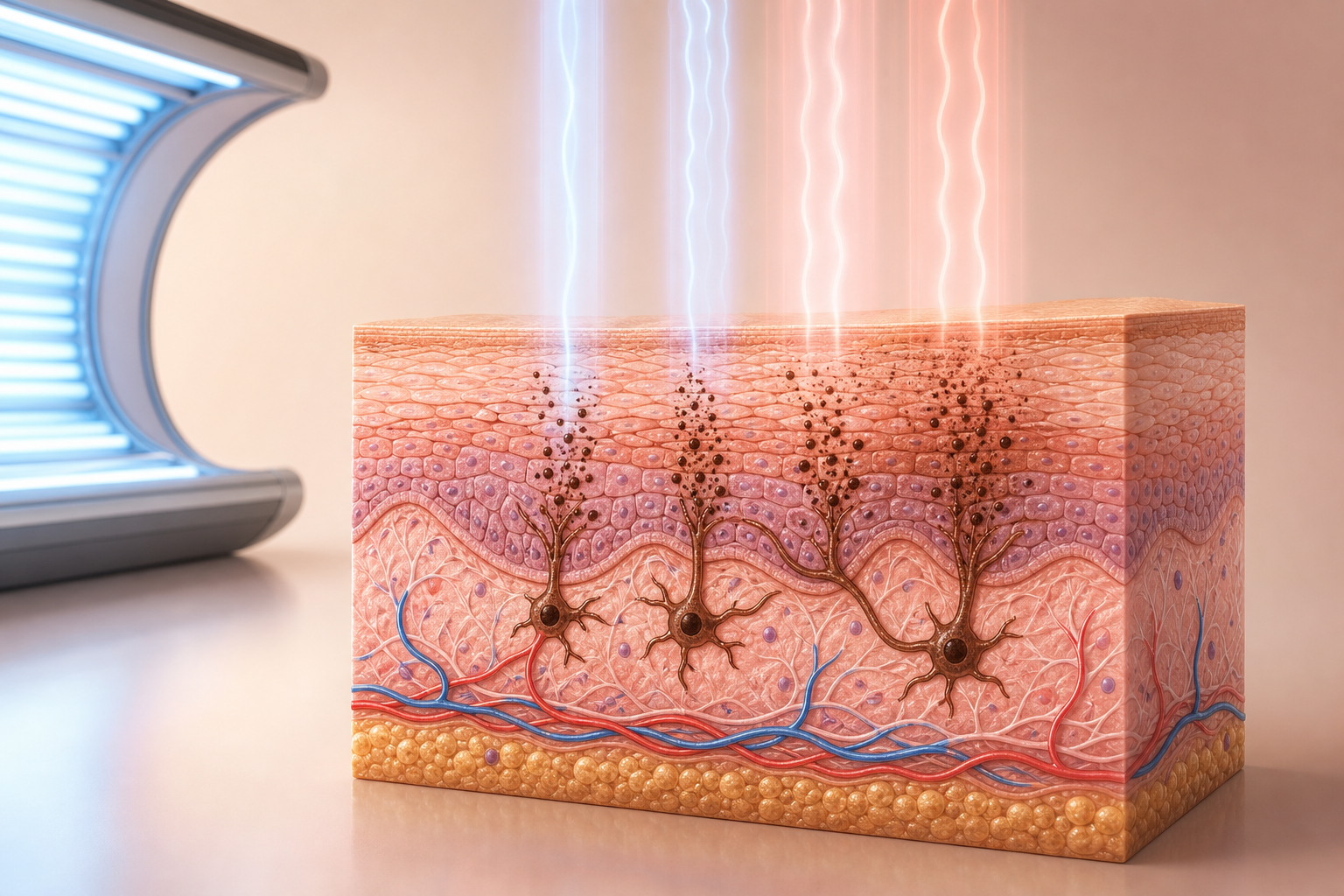
How Sunbeds Cause the Skin to Tan
Sunbeds tan the skin by emitting UVA and UVB rays that damage DNA and trigger melanin production as a defense. Classified as Group...
Read more
How Long Does a Spray Tan Last and How Do You Maintain It?
Spray tans offer a safe way to achieve a bronzed glow without UV exposure, but their longevity depends on skin type, product choic...
Read more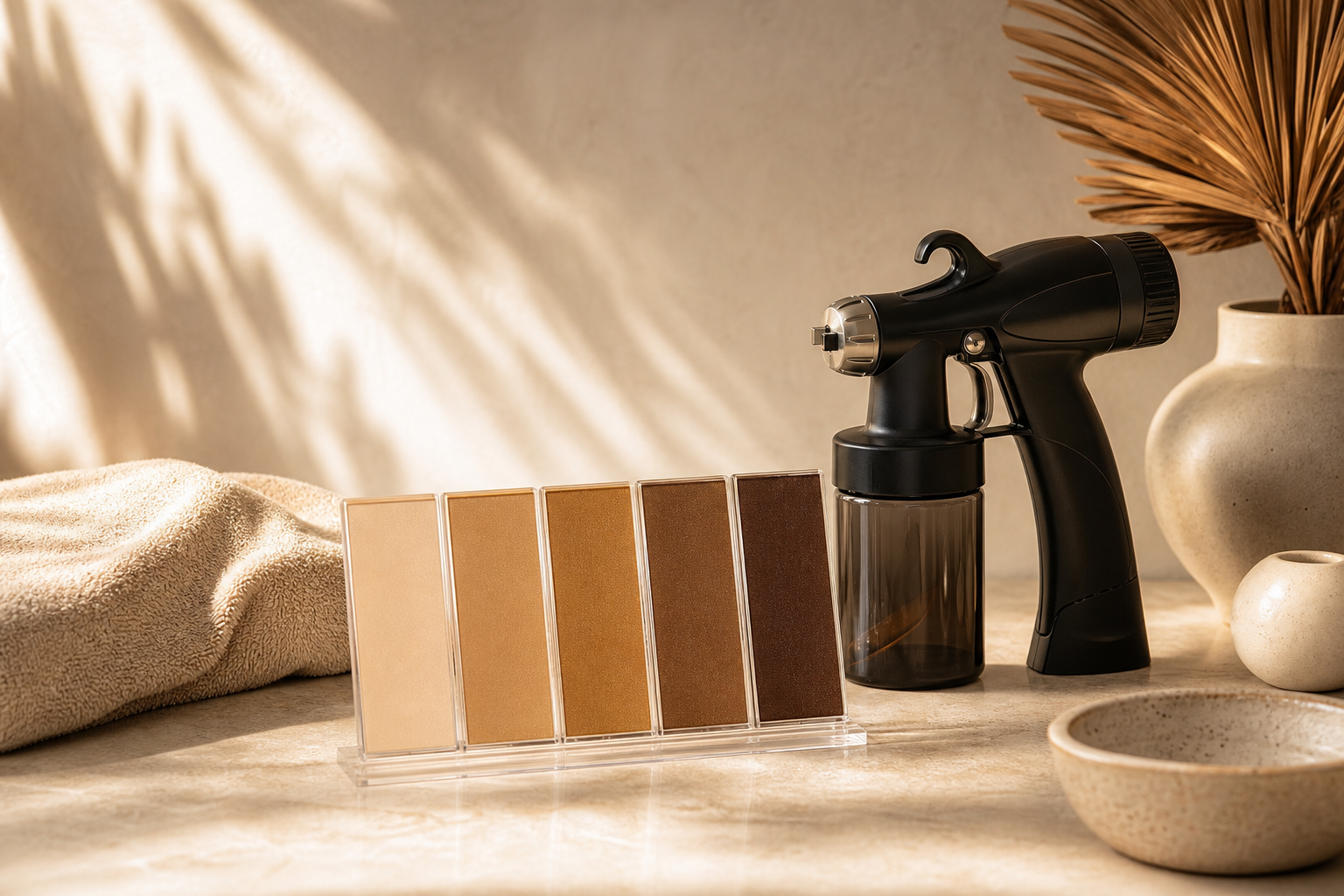
How to Choose a Spray Tan Shade for Your Skin and Desired Result
Selecting the perfect spray tan shade requires understanding your skin's undertone and desired look to achieve a natural, radiant...
Read more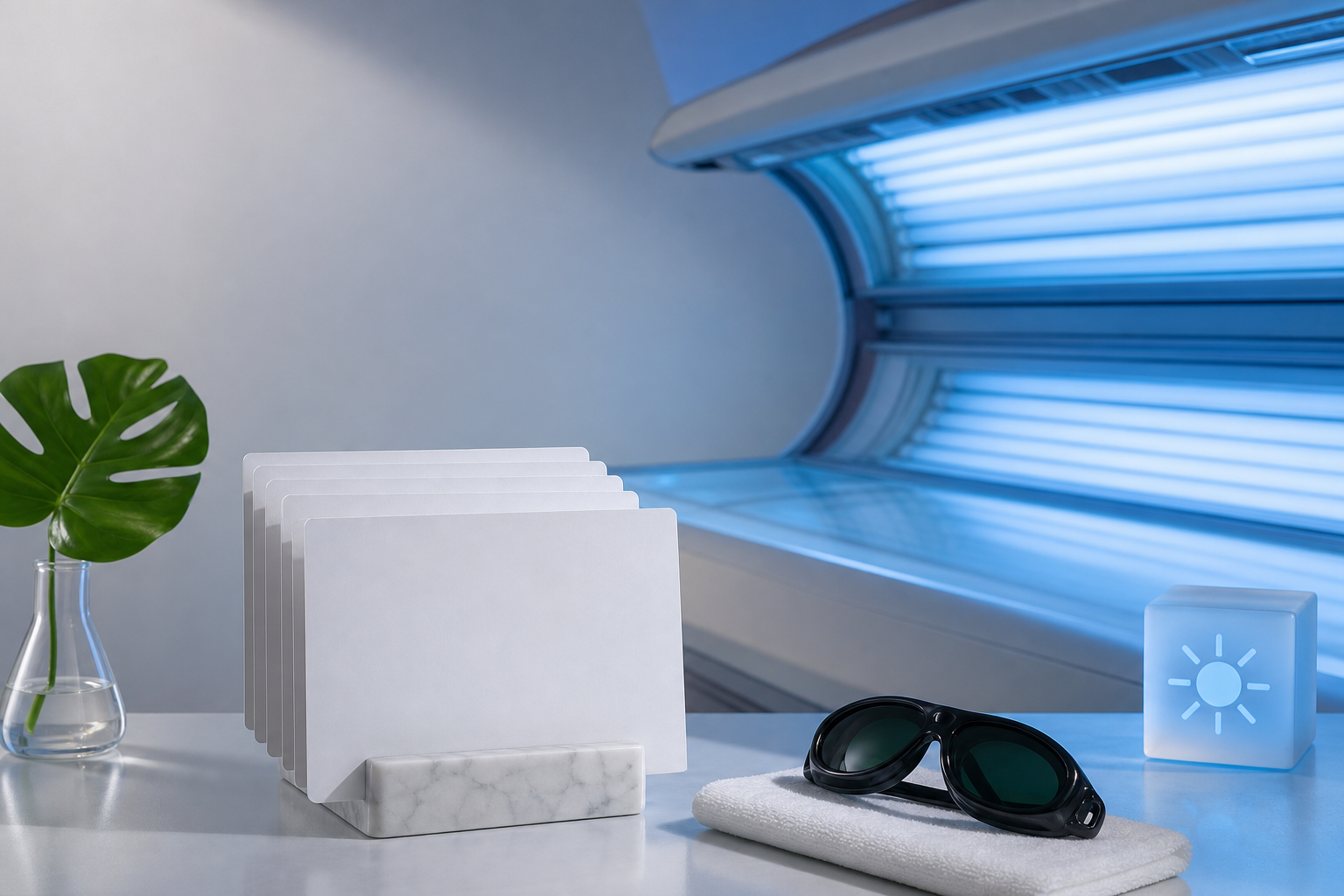
The Most Common Myths About Sunbeds
Sunbeds emit ultraviolet radiation that can cause DNA damage and skin cancer, with no safe exposure threshold. This guide debunks...
Read more
Sunbeds and Vitamin D: Facts and Myths
Sunbeds emit UV radiation that can trigger vitamin D production but carry significant cancer risks and no safe exposure threshold....
Read more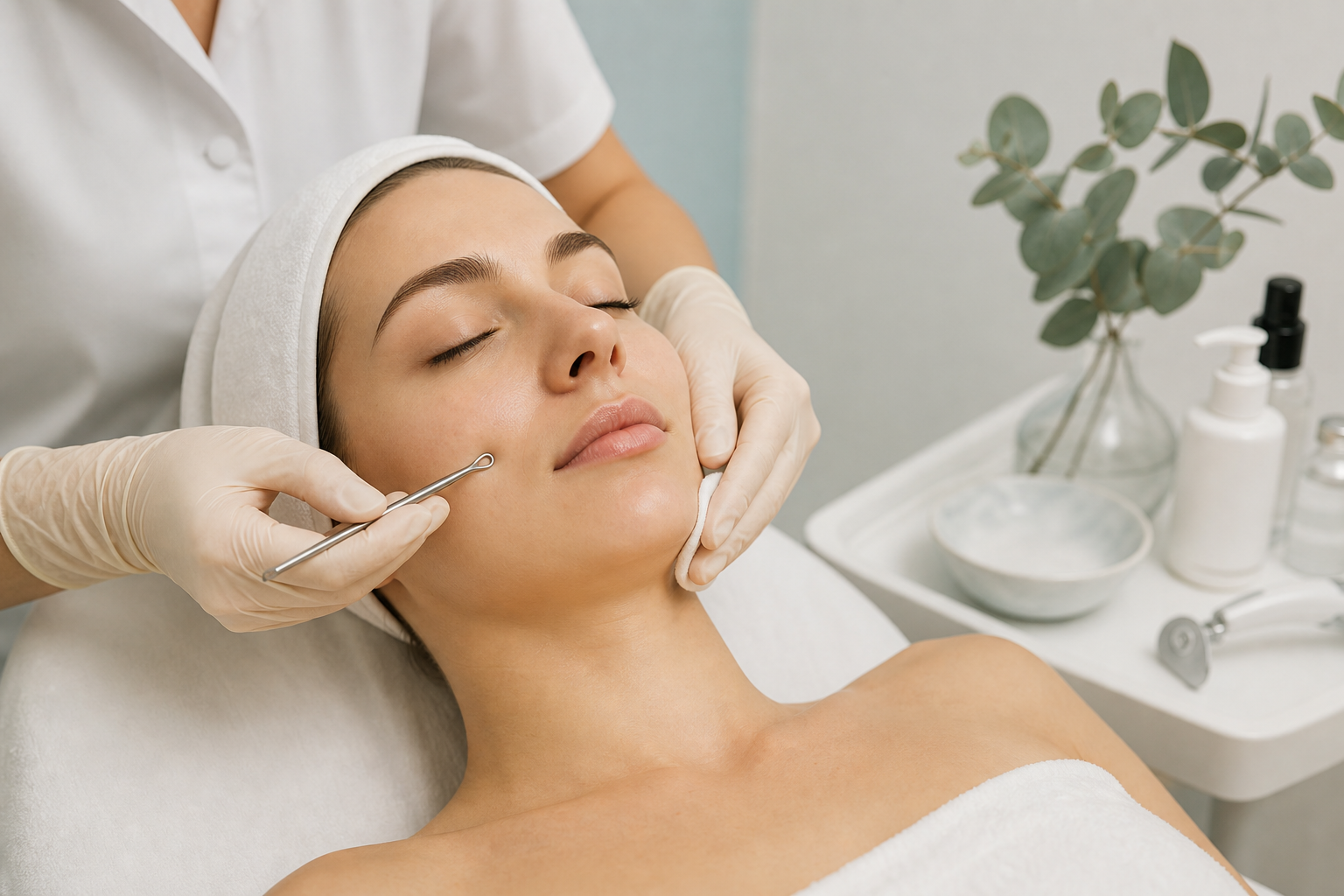
Classic Deep Facial Cleansing: Procedure, Results, and Recovery
Classic deep facial cleansing is a professional skincare treatment that deeply removes impurities, excess sebum, and blackheads to...
Read more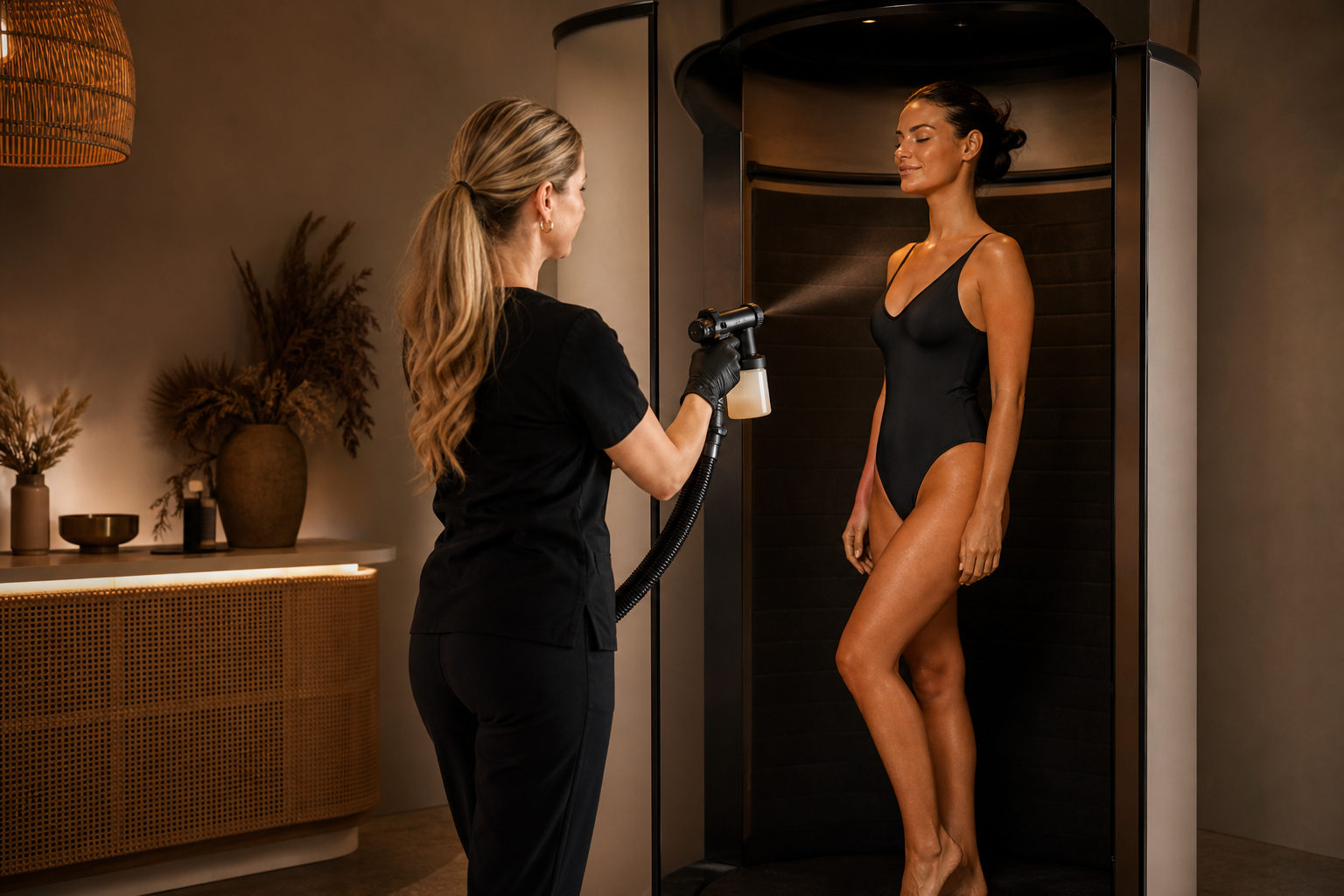
Professional Spray Tan Treatment: Process, Consultation and Expectations
Professional spray tan treatments provide a safe, natural-looking bronze without UV exposure, involving thorough consultations to...
Read more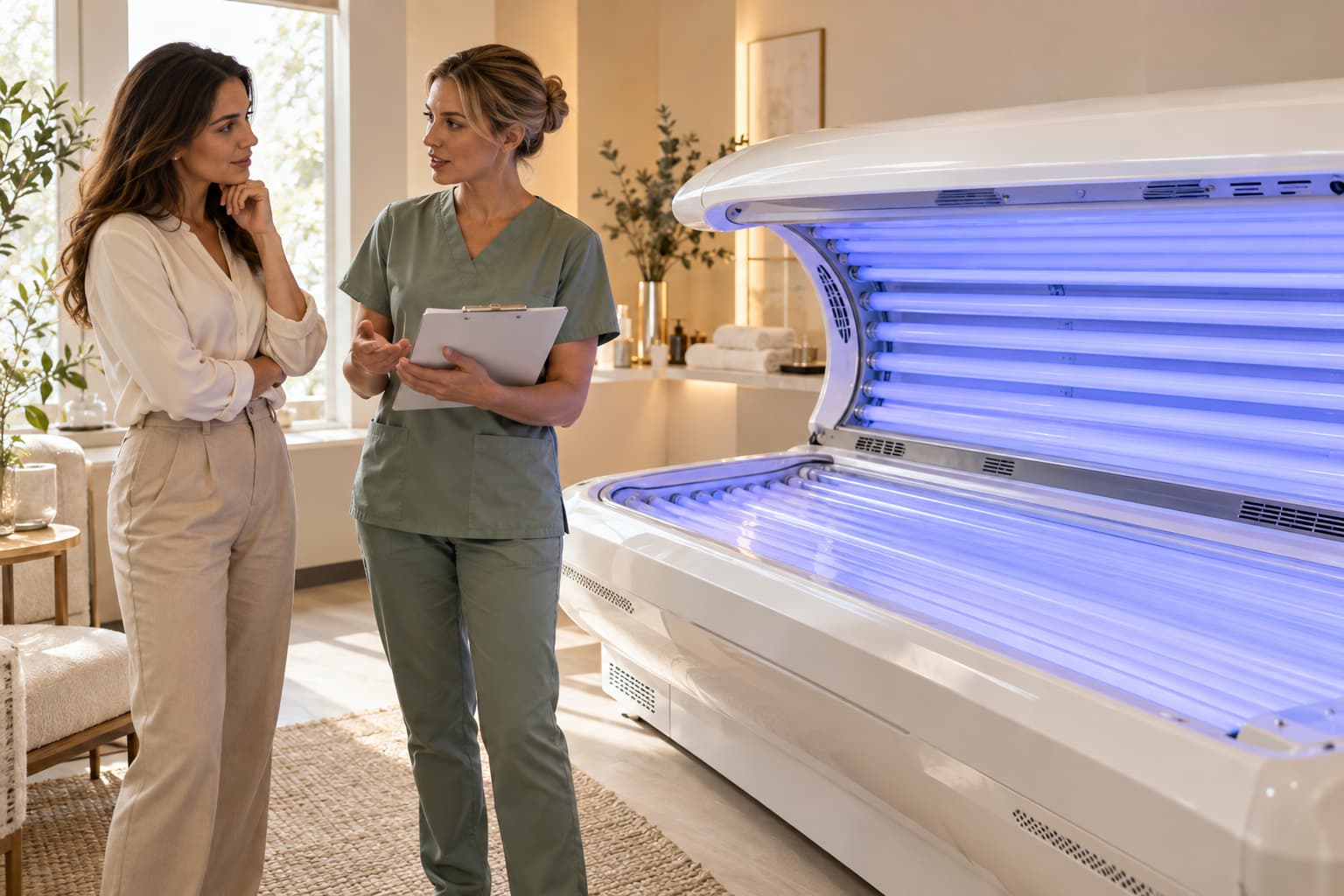
Sunbeds Before and After Aesthetic Treatments
Sunbeds emit UV radiation classified as a Group 1 carcinogen with no safe exposure level. Using sunbeds before or after aesthetic...
Read more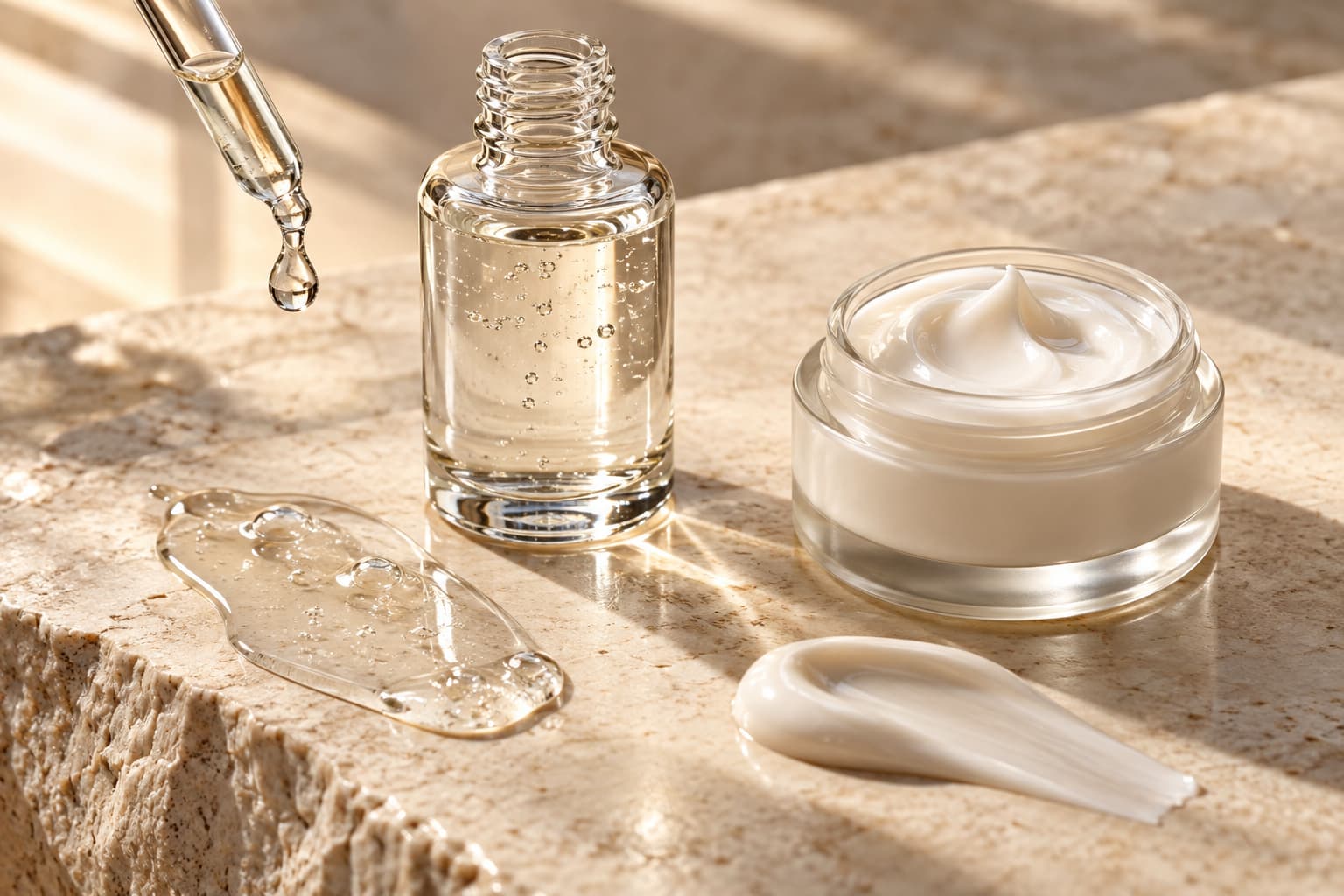
Top Ingredients for Skin Hydration and Renewal
This guide explores key skincare ingredients like hyaluronic acid, panthenol, and urea that enhance skin hydration and renewal. Un...
Read more
Sunbeds and Individual Risk Factors
Sunbeds emit carcinogenic UV radiation with no safe exposure threshold, posing increased risks especially for individuals with fai...
Read more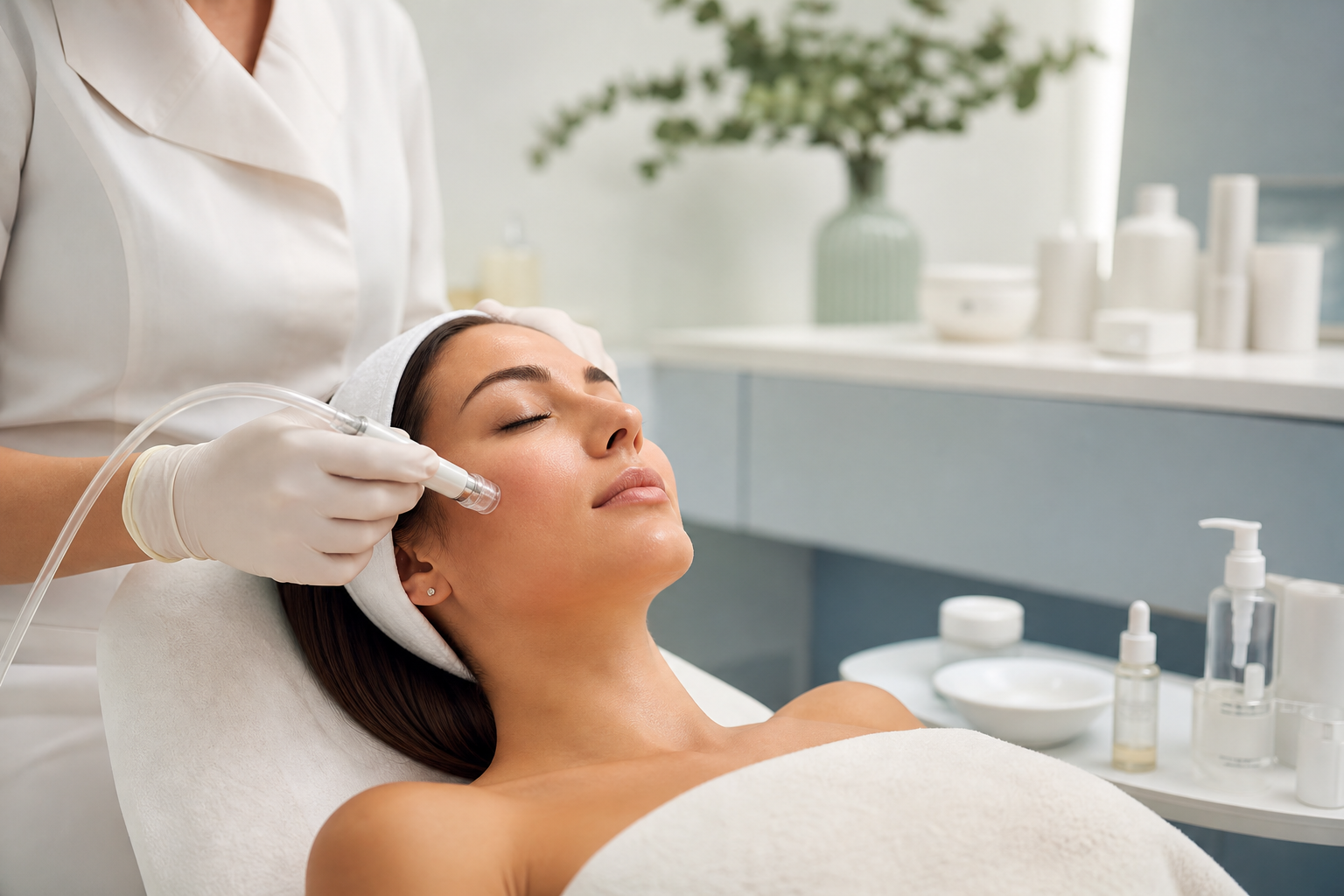
Deep Facial Cleansing: Costs and Choosing the Right Treatment
Deep facial cleansing is a professional skincare treatment that removes impurities deep within pores, improving skin clarity and t...
Read more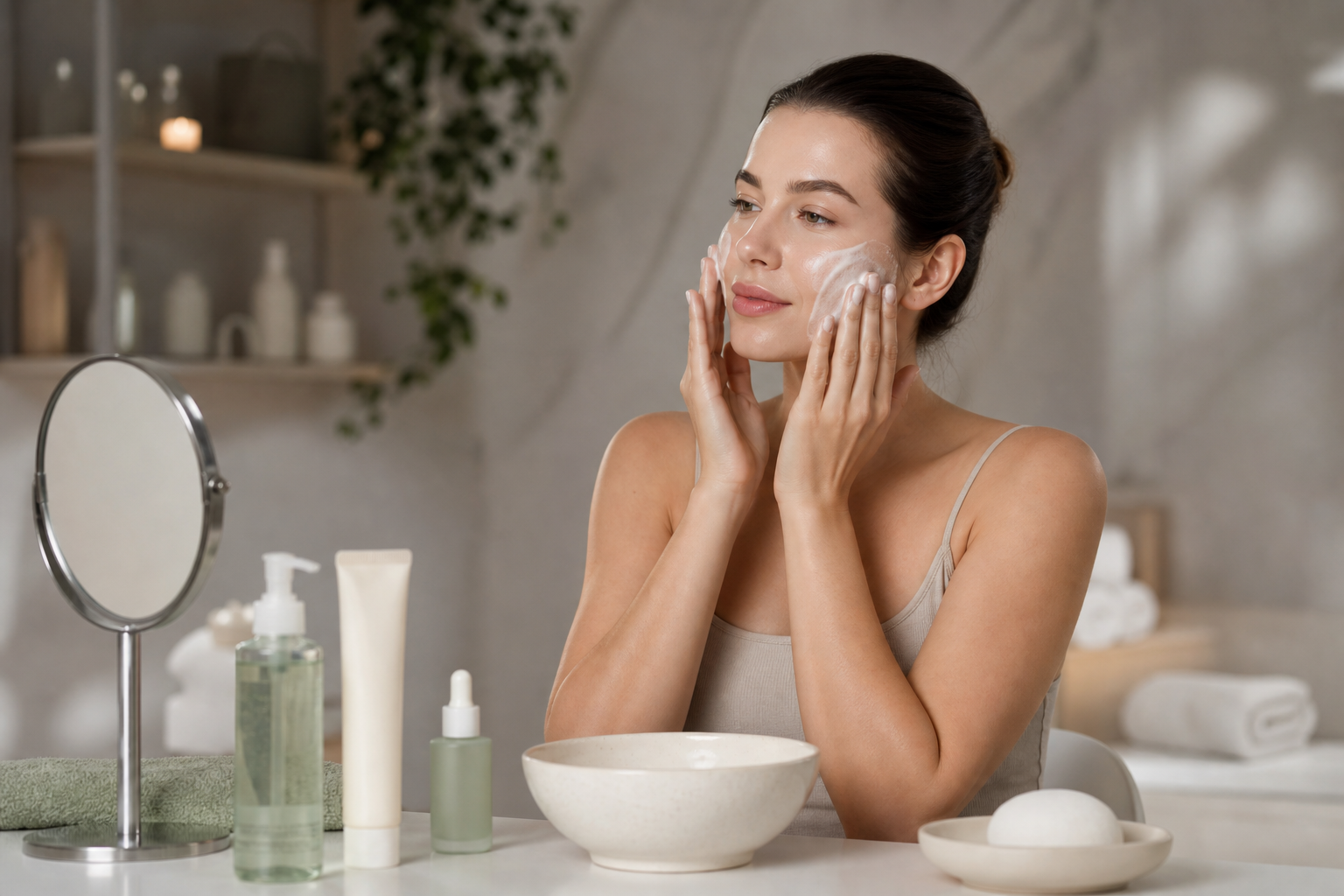
How to Cleanse Your Face Properly at Home: A Complete Guide
Proper face cleansing is crucial for maintaining healthy, radiant skin by effectively removing impurities without disrupting its n...
Read more
How UV Radiation from Sunbeds Can Affect the Eyes
UV radiation from sunbeds poses significant risks to eye health, causing both immediate and long-term damage. This guide details h...
Read more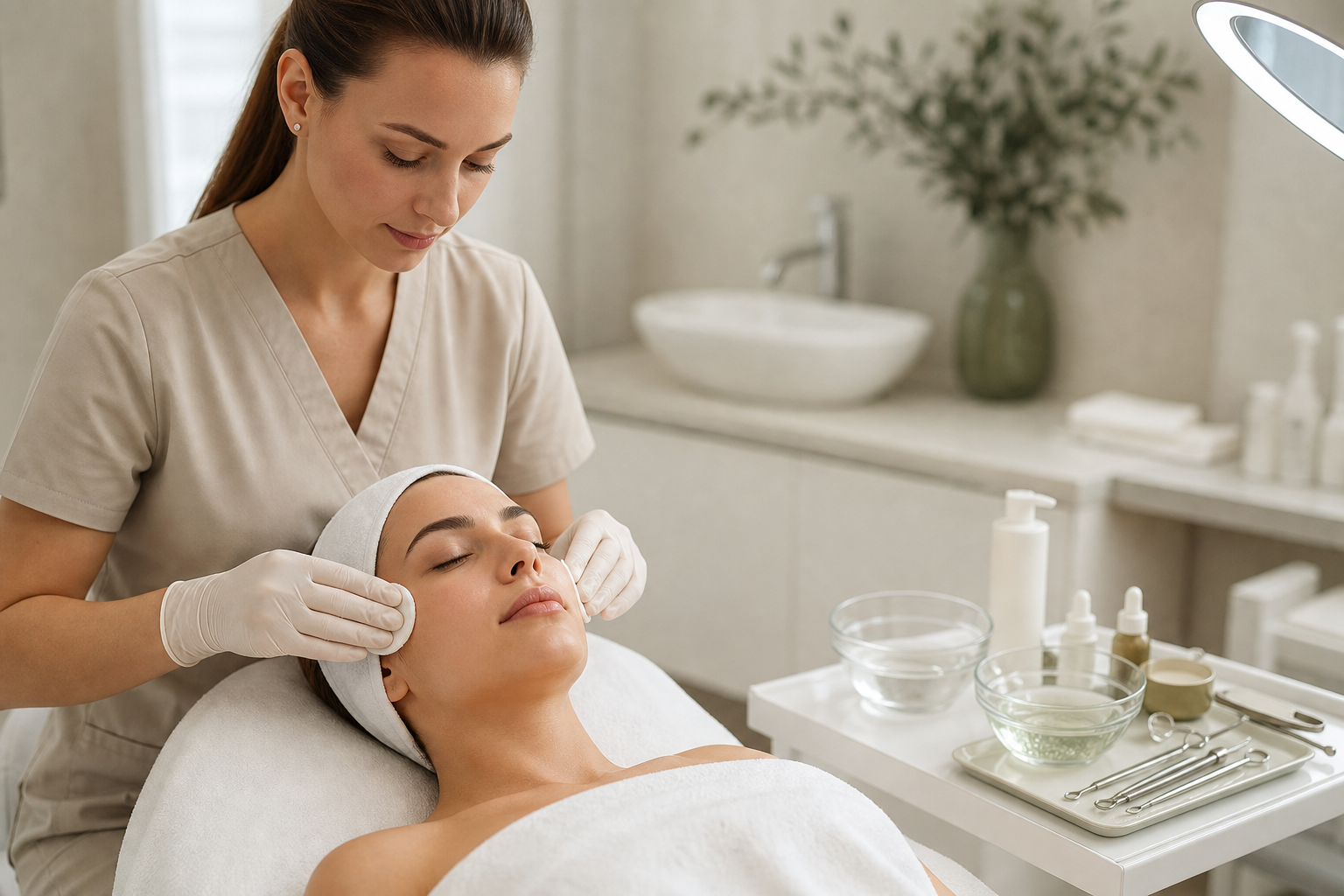
Deep Facial Cleansing: A Comprehensive Guide
Deep facial cleansing is an advanced skincare treatment targeting deeply embedded impurities like blackheads and excess sebum to e...
Read more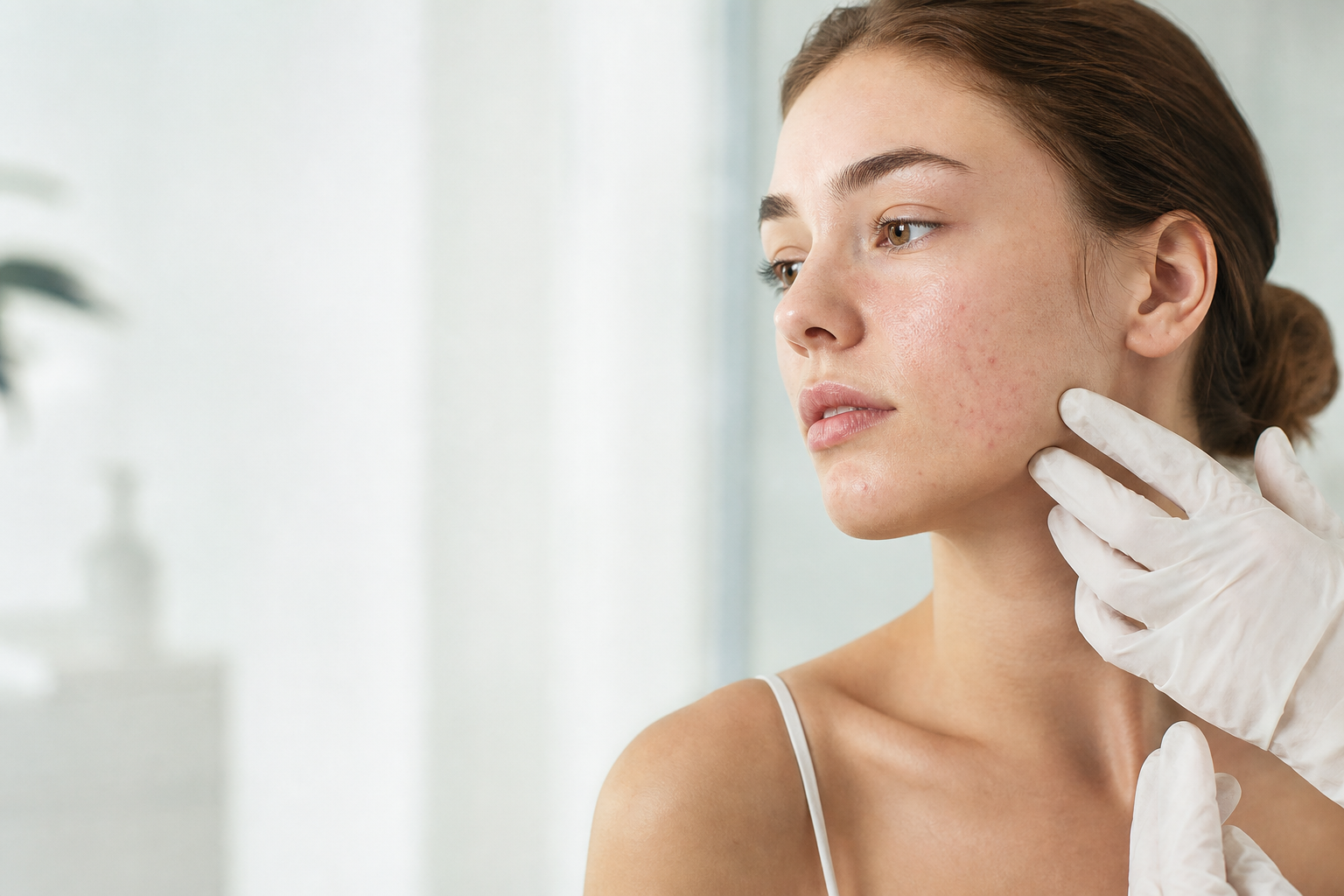
Acne and Problematic Skin: A Comprehensive Guide to Treatments
This comprehensive guide offers a medically grounded overview of acne and problematic skin treatments. It clarifies distinctions b...
Read more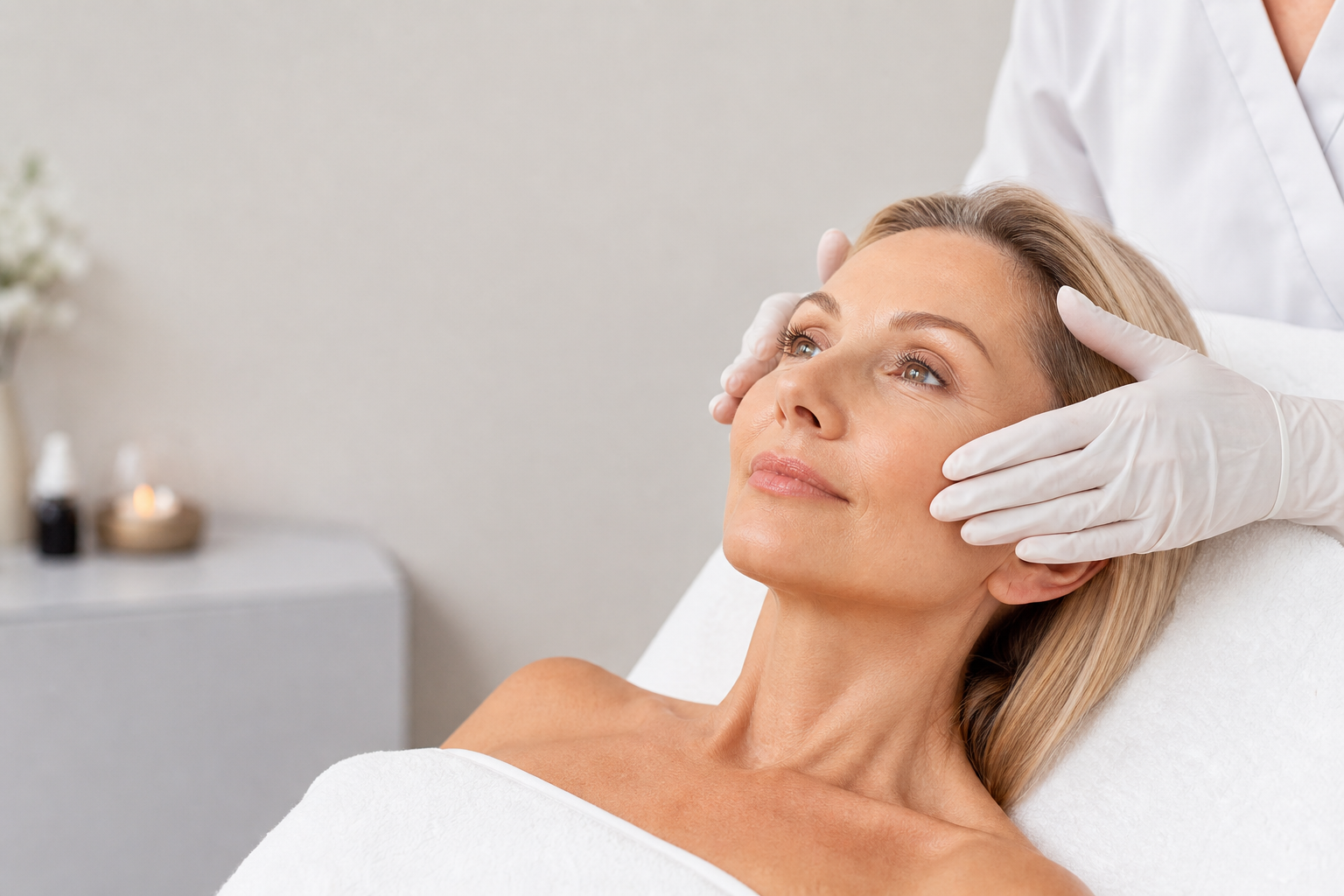
Anti-Aging Facial Treatments: A Complete Guide to Skin Rejuvenation
This comprehensive guide delves into the causes of skin aging and outlines tailored anti-aging facial treatments, from preventive...
Read more
Hydration and Skin Renewal: The Complete Guide
This comprehensive guide delves into the vital roles of hydration and skin renewal for maintaining healthy, radiant skin. It clari...
Read more
Spray Tan: The Complete Guide to a Sun-Kissed Look Without UV Exposure
Spray tanning offers a safe, UV-free method to achieve a natural-looking, sun-kissed complexion through DHA-based solutions. This...
Read more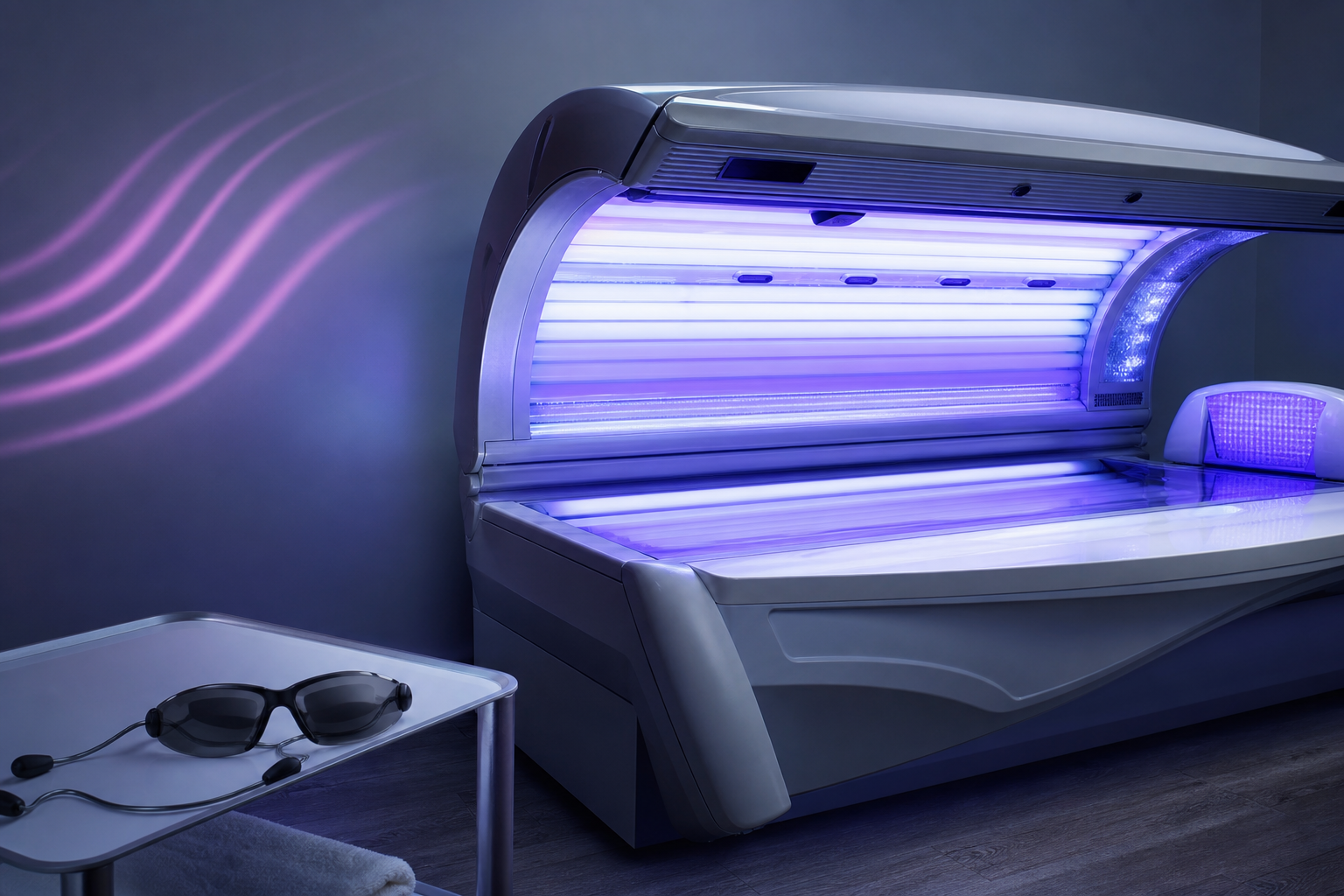
Sunbeds: How They Work, Health Risks and UV-Free Alternatives
Sunbeds emit UVA and UVB ultraviolet rays to induce skin tanning but carry significant health risks, including increased skin canc...
Read more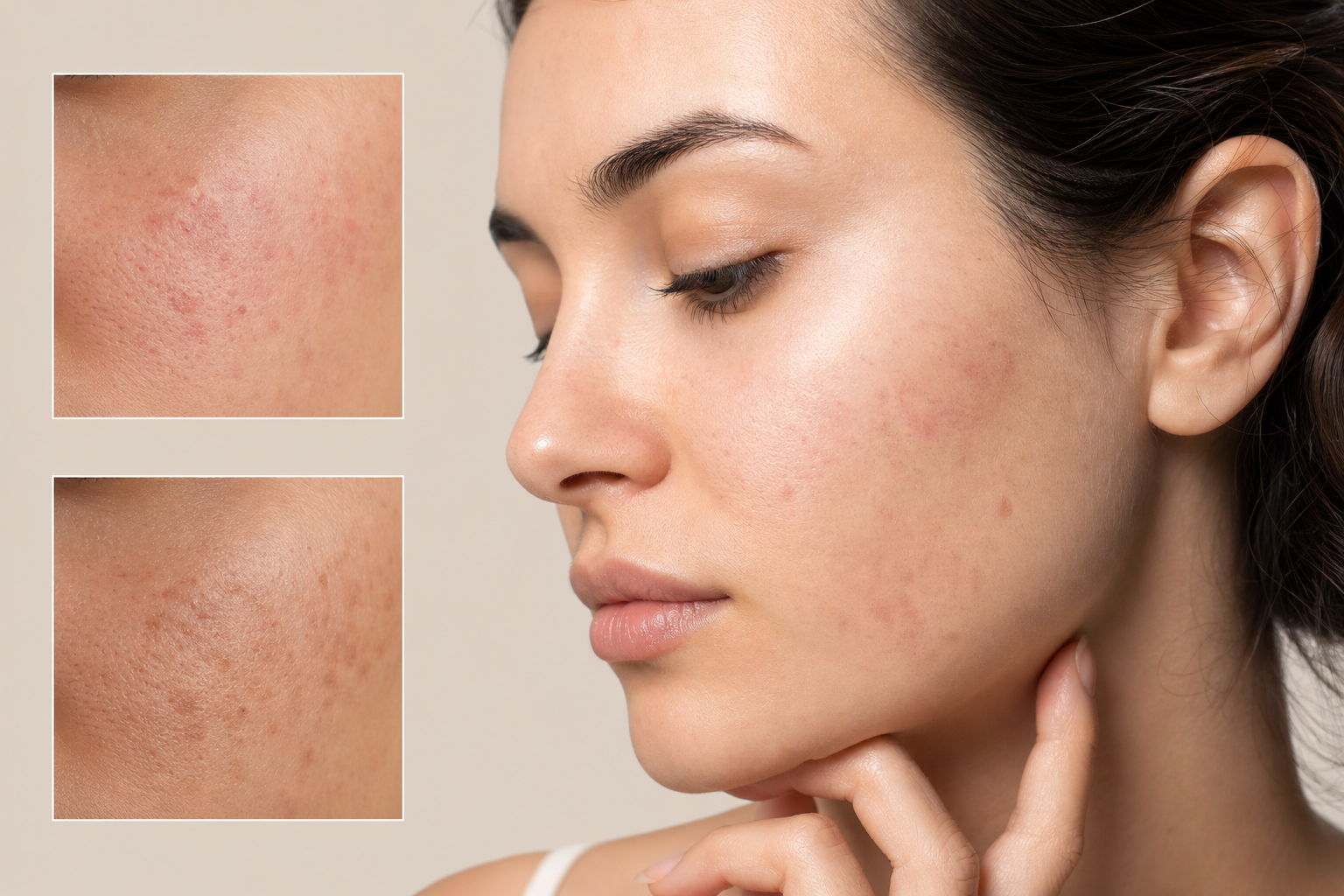
Post-Acne Marks: Understanding Red and Dark Skin Traces
Post-acne marks, including red (PIE) and dark (PIH) skin discolorations, commonly follow inflammatory acne and impact many globall...
Read more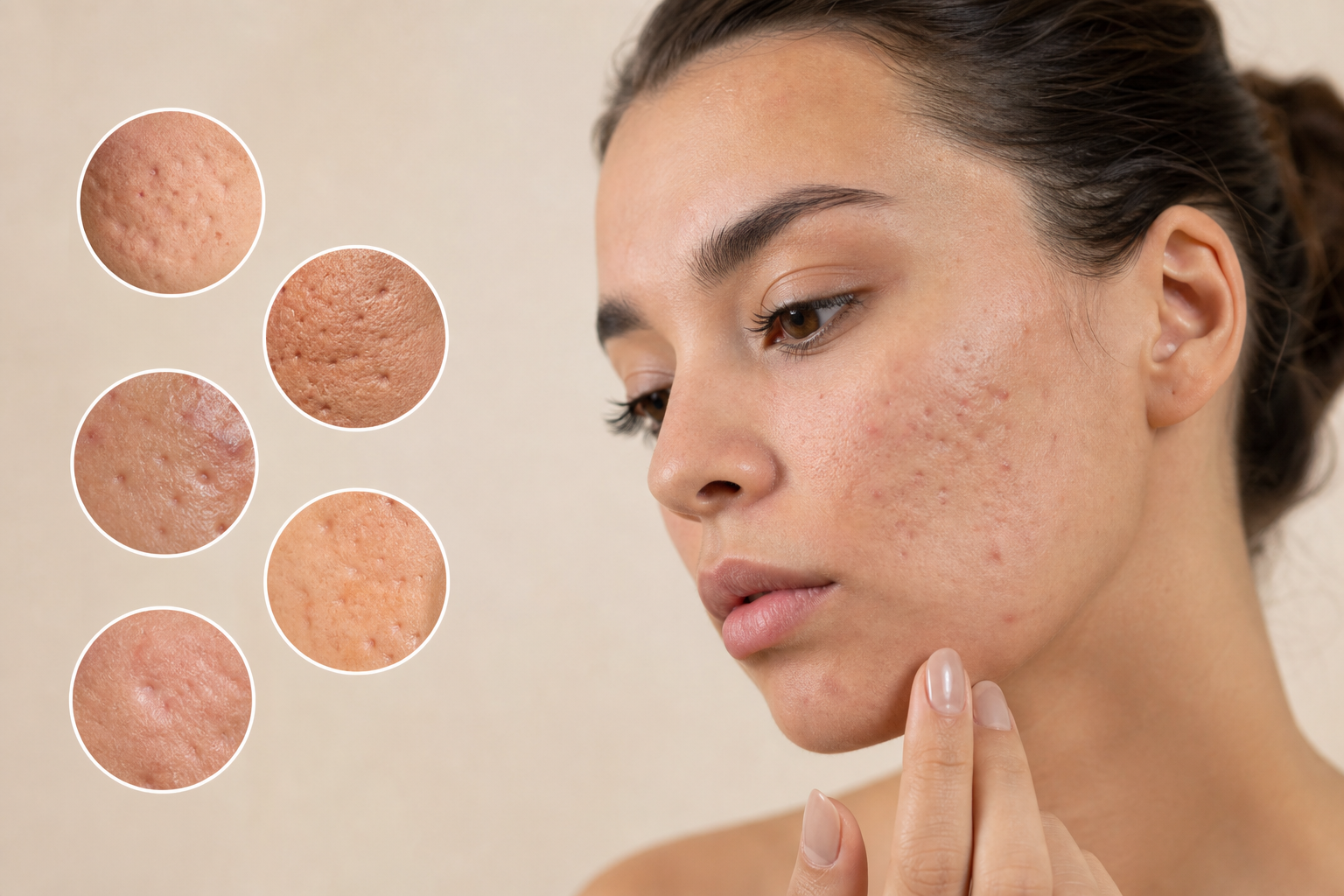
Acne Scars: Types and the Most Effective Treatments
Acne scars are permanent skin changes resulting from inflammatory acne that affect individuals' confidence and quality of life. Th...
Read more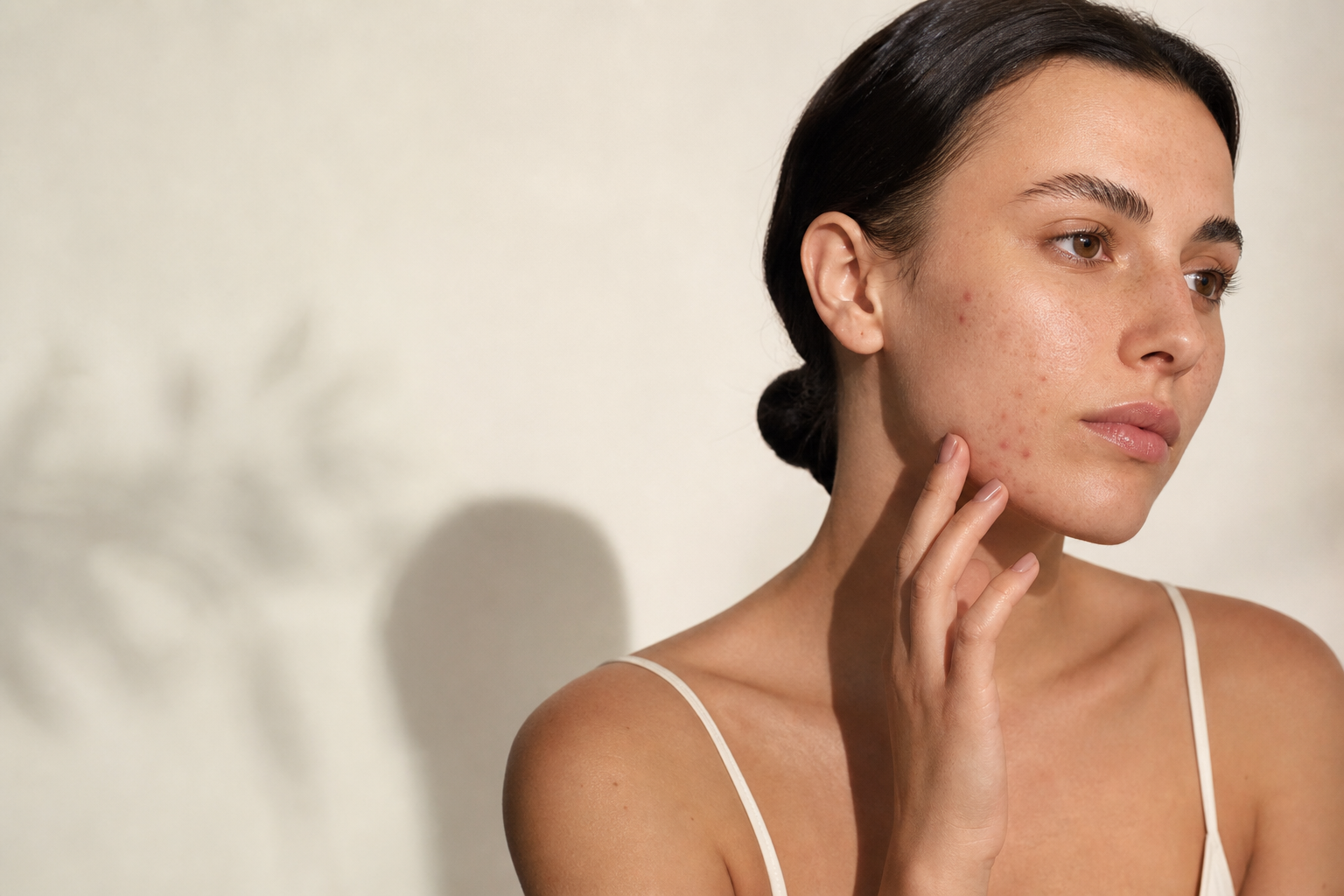
Common Mistakes and Myths About Acne
Acne management requires distinguishing between cosmetic skincare, salon procedures, and medical treatments to ensure safety and e...
Read more
Diet and Acne: What Really Affects Your Skin?
This article explores the complex relationship between diet and acne, highlighting evidence-based factors like high glycemic foods...
Read more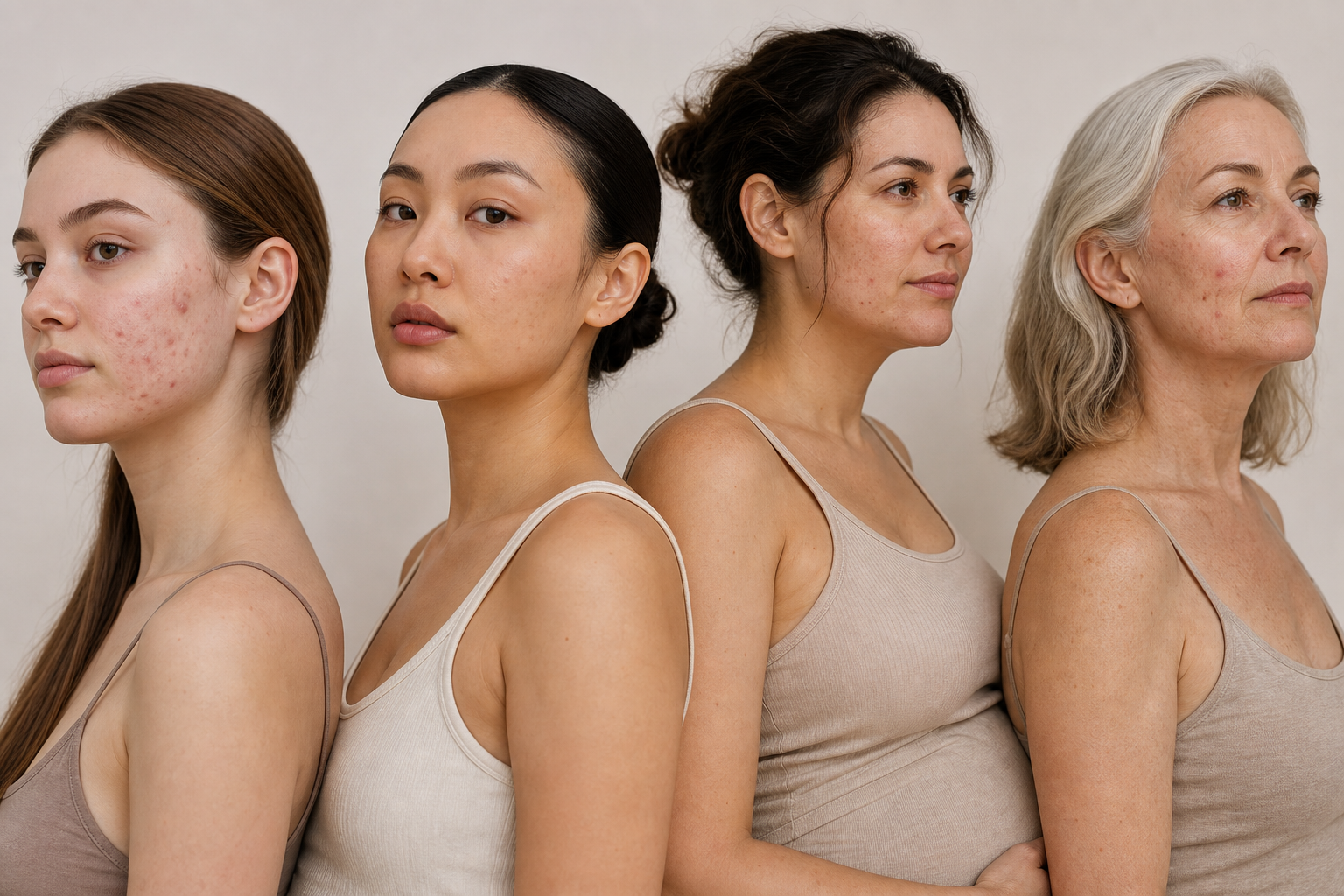
Acne Across Life Stages and Skin Conditions
Acne affects individuals uniquely across different life stages and skin conditions, necessitating tailored care approaches. This a...
Read more
Dermatological Treatments for Acne: Topical and Systemic Medications
Acne is a complex inflammatory skin disease requiring tailored dermatological treatments including topical and systemic medication...
Read more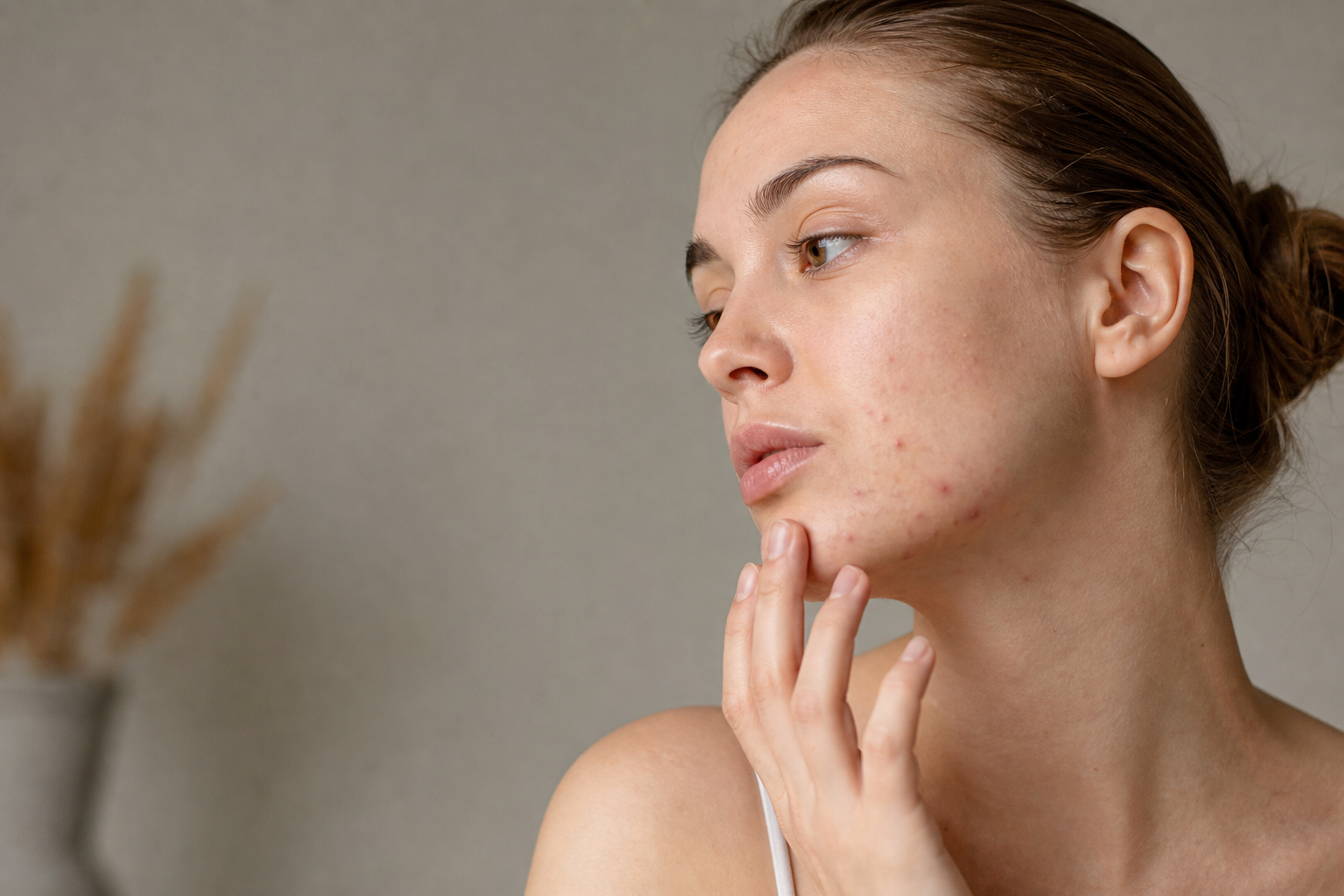
Hormonal Acne: Causes, Diagnosis, and Treatment
Hormonal acne is a distinct form of acne primarily affecting adult women, linked to hormonal fluctuations that trigger oily skin a...
Read more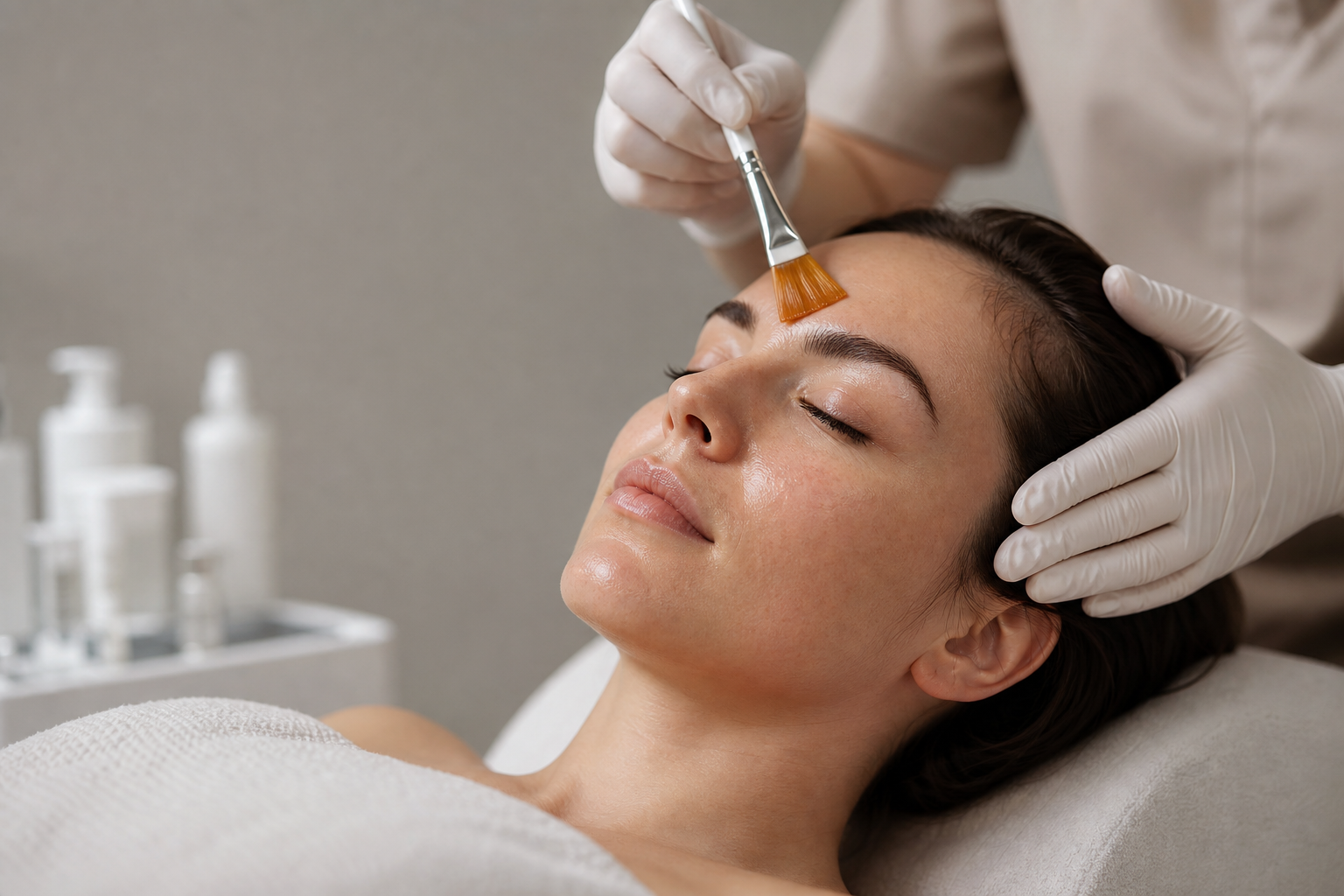
Chemical Peels for Acne: Types, Outcomes, and Risks
Chemical peels offer a medically informed approach to managing mild to moderate acne by exfoliating skin, reducing inflammation, a...
Read more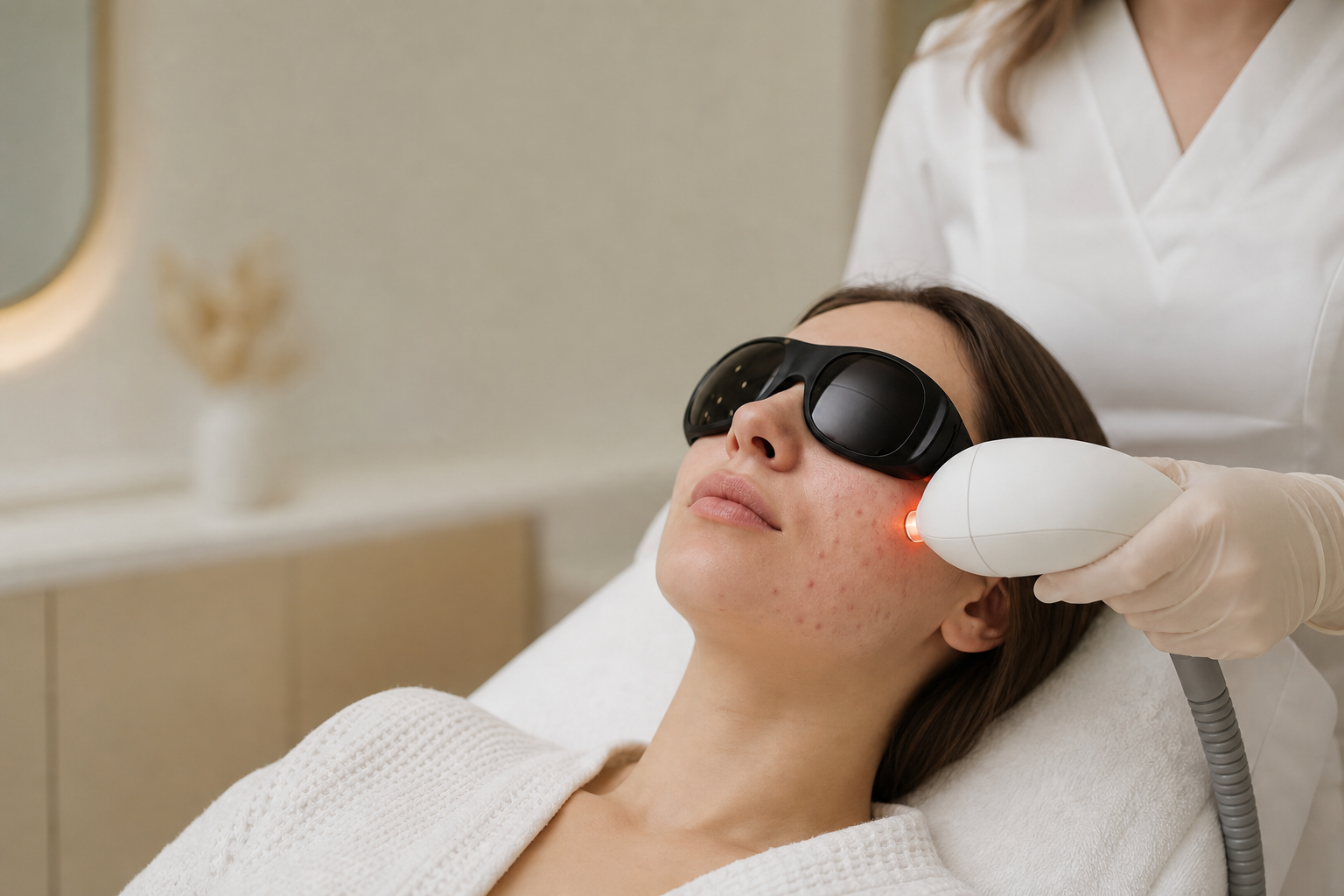
Laser Treatments for Acne: How They Work and Who They’re For
Laser treatments for acne use targeted light energy to reduce inflammation, combat bacteria, and promote skin healing. This articl...
Read more
Step-by-Step Skincare Routine for Acne and Problematic Skin
This article offers a medically grounded guide to managing acne and problematic skin through a gentle, informed skincare routine....
Read more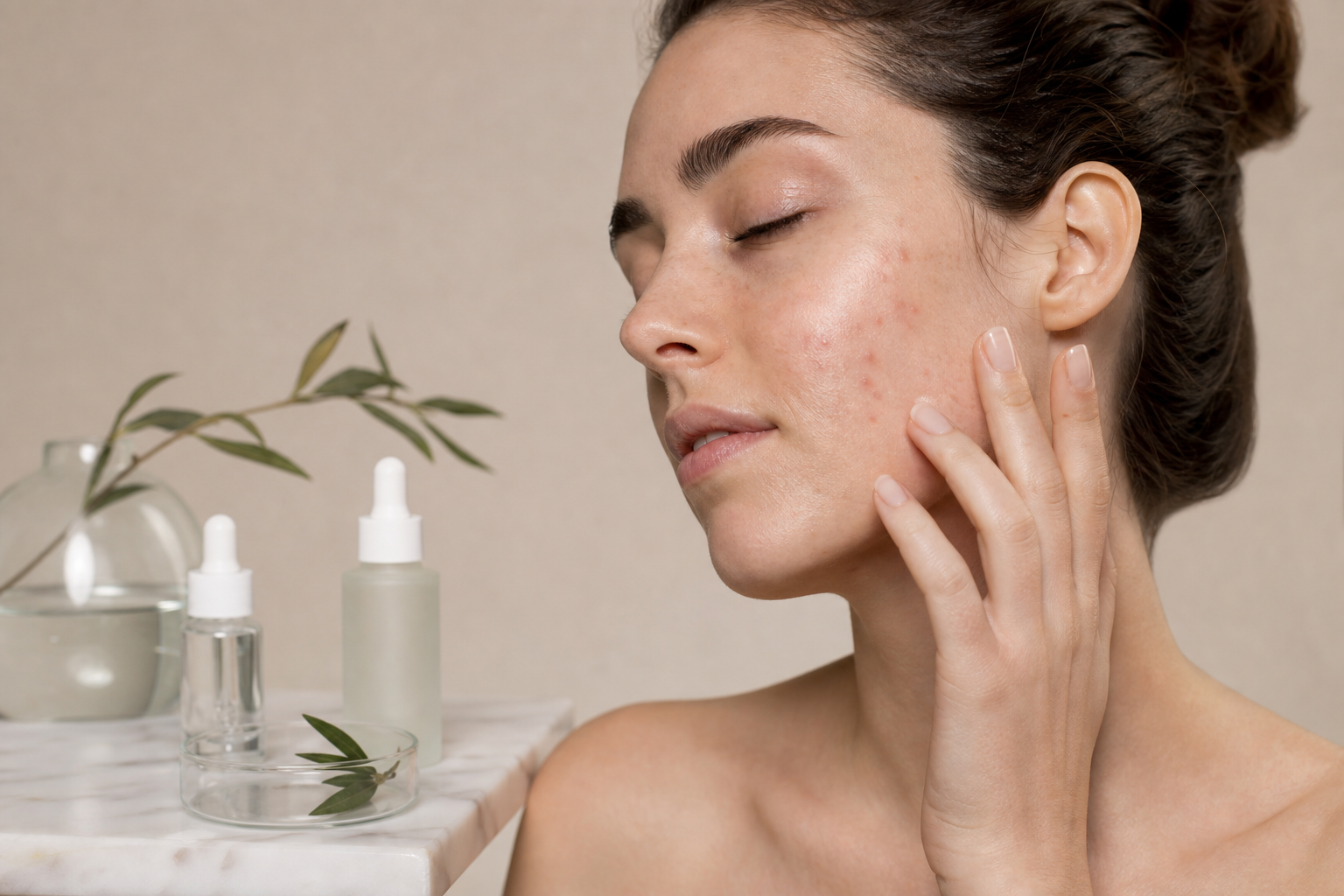
Top Active Ingredients for Acne and Congested Pores
Acne and clogged pores stem from complex skin processes involving excess oil, dead skin buildup, bacteria, and inflammation. This...
Read more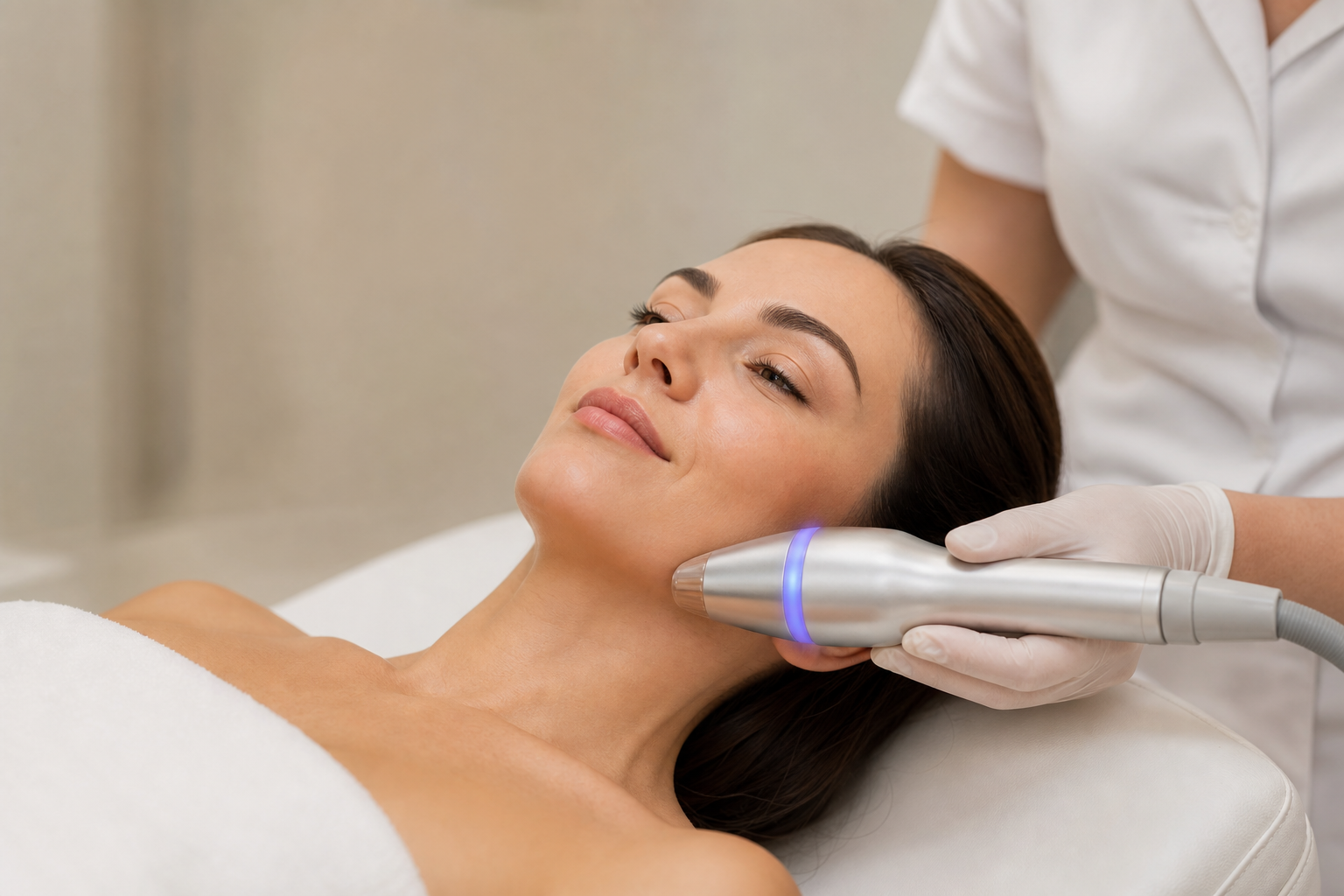
Radiofrequency Treatments and Skin Tightening
Radiofrequency treatments use electromagnetic waves to non-invasively stimulate collagen production, tightening skin and reducing...
Read more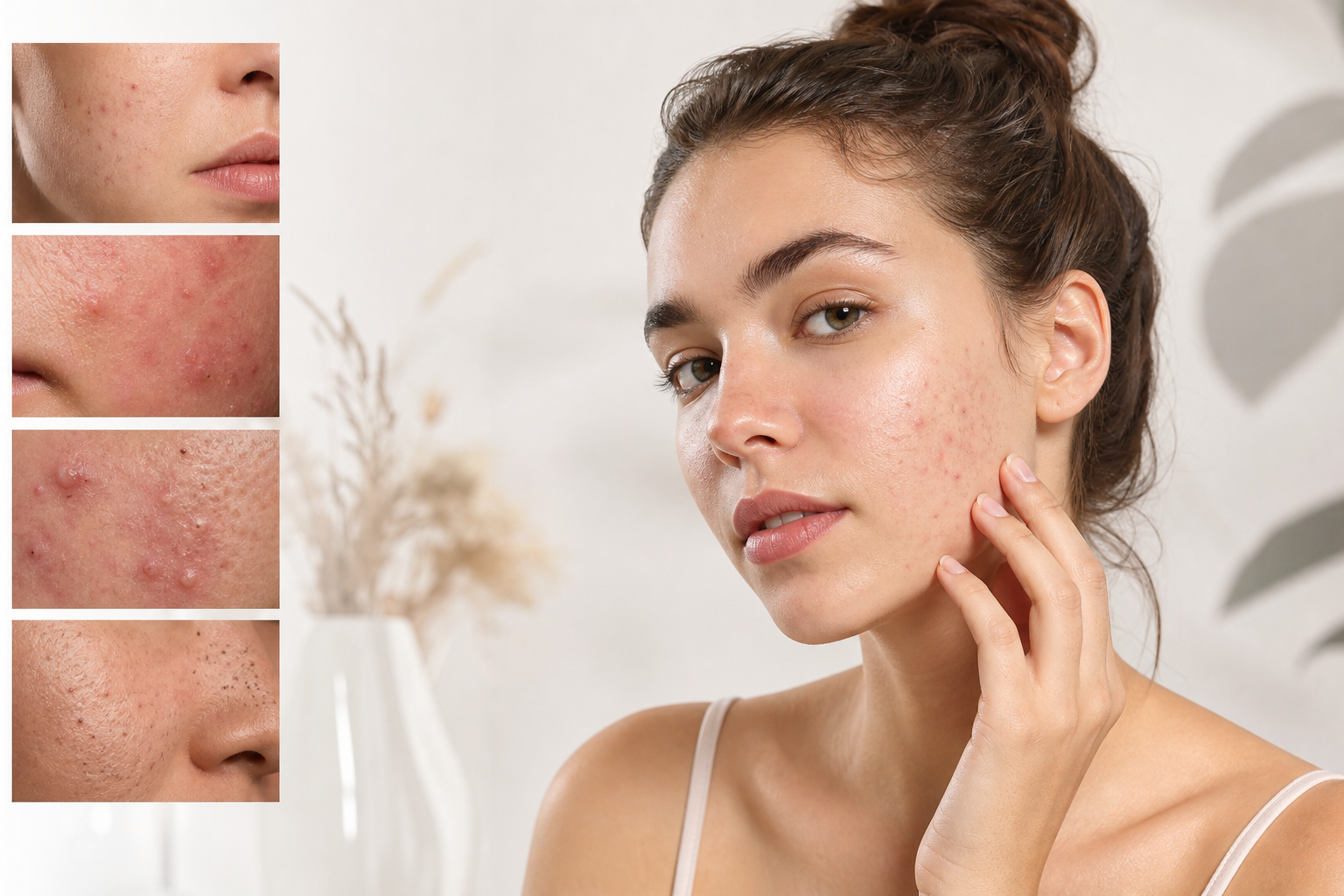
Types of Acne: Identifying the Problem and Choosing the Right Treatment
This comprehensive guide clarifies the various types of acne, helping readers distinguish among mild comedonal, inflammatory, nodu...
Read more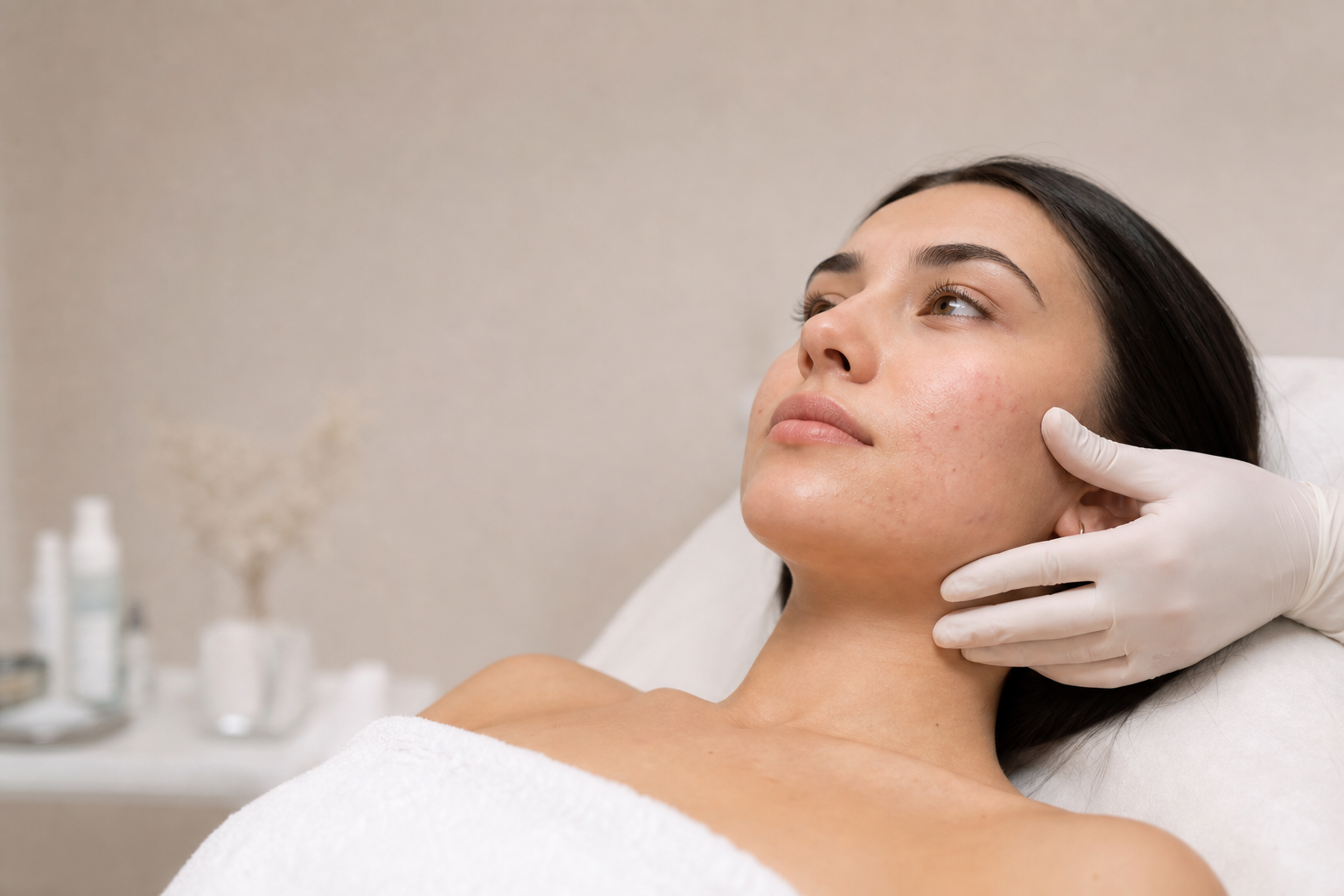
Expert Professional Treatments for Acne and Problematic Skin
Acne and problematic skin require nuanced professional care that balances cosmetic routines, salon treatments, and dermatological...
Read more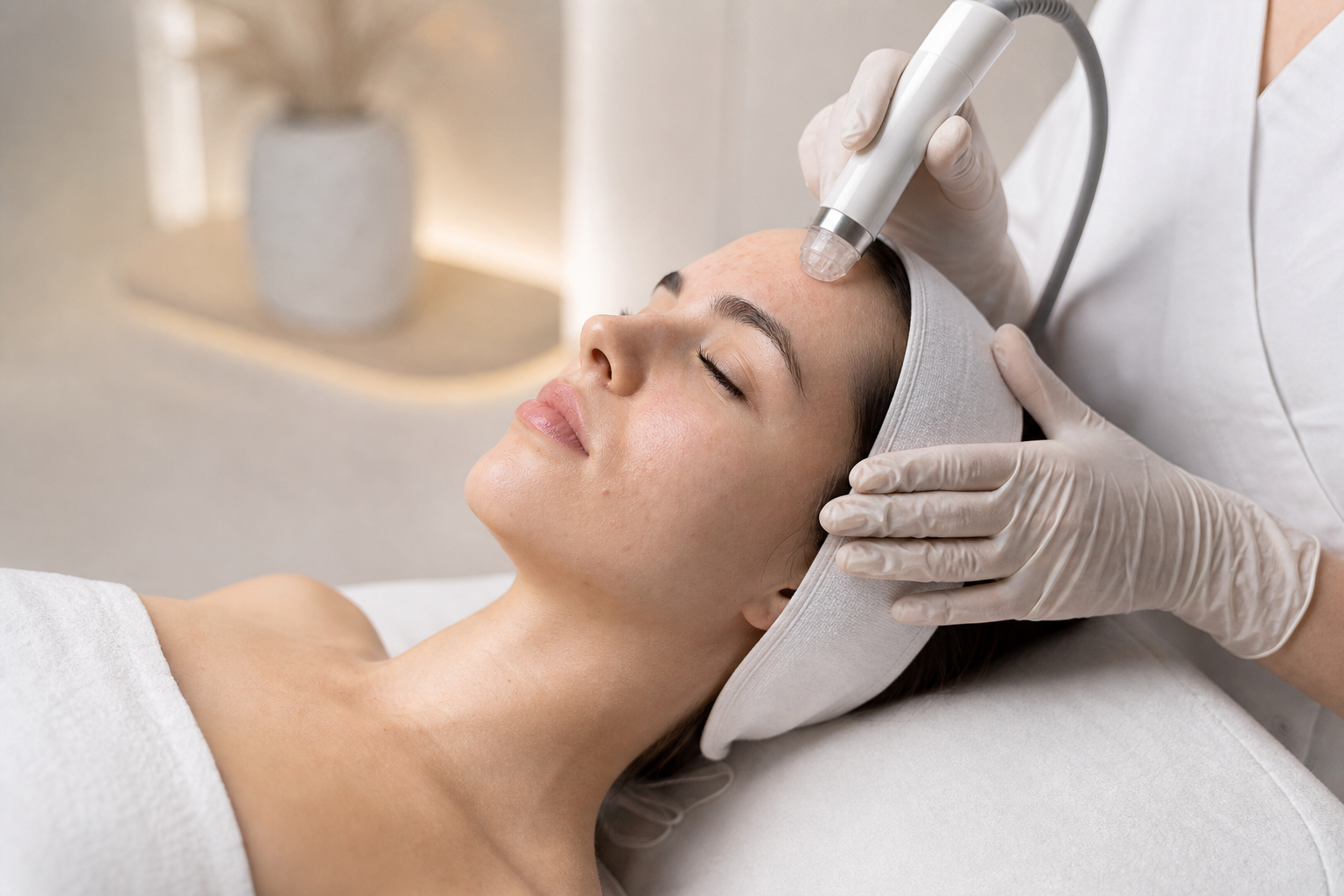
Deep Cleansing for Acne-Prone Skin: Procedures and Safety
Deep cleansing is a specialized skin care procedure targeting acne-prone skin by thoroughly removing impurities to reduce breakout...
Read more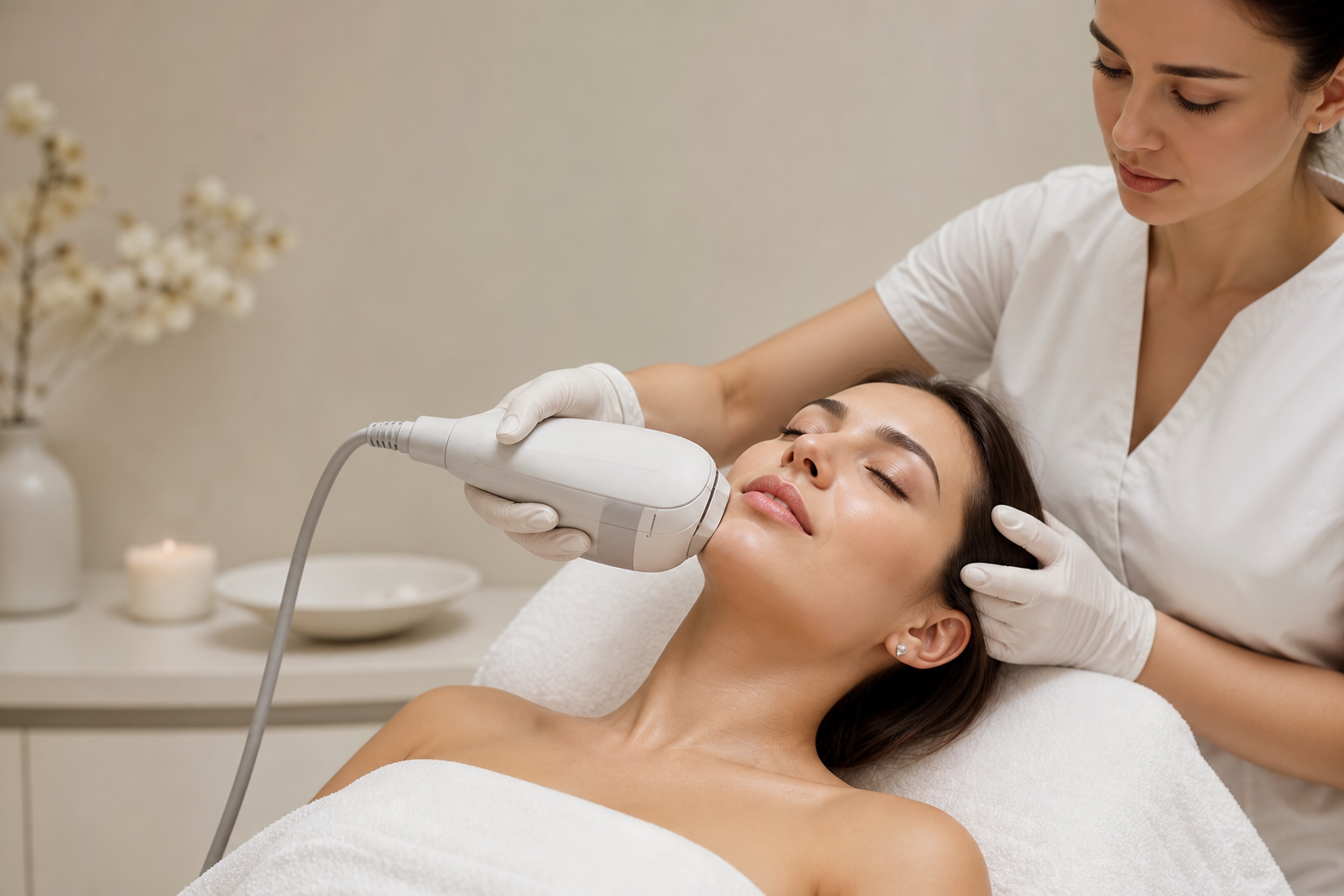
HIFU and Ultrasound Skin Tightening
HIFU and ultrasound skin tightening are advanced, non-invasive treatments that stimulate collagen production to enhance skin elast...
Read more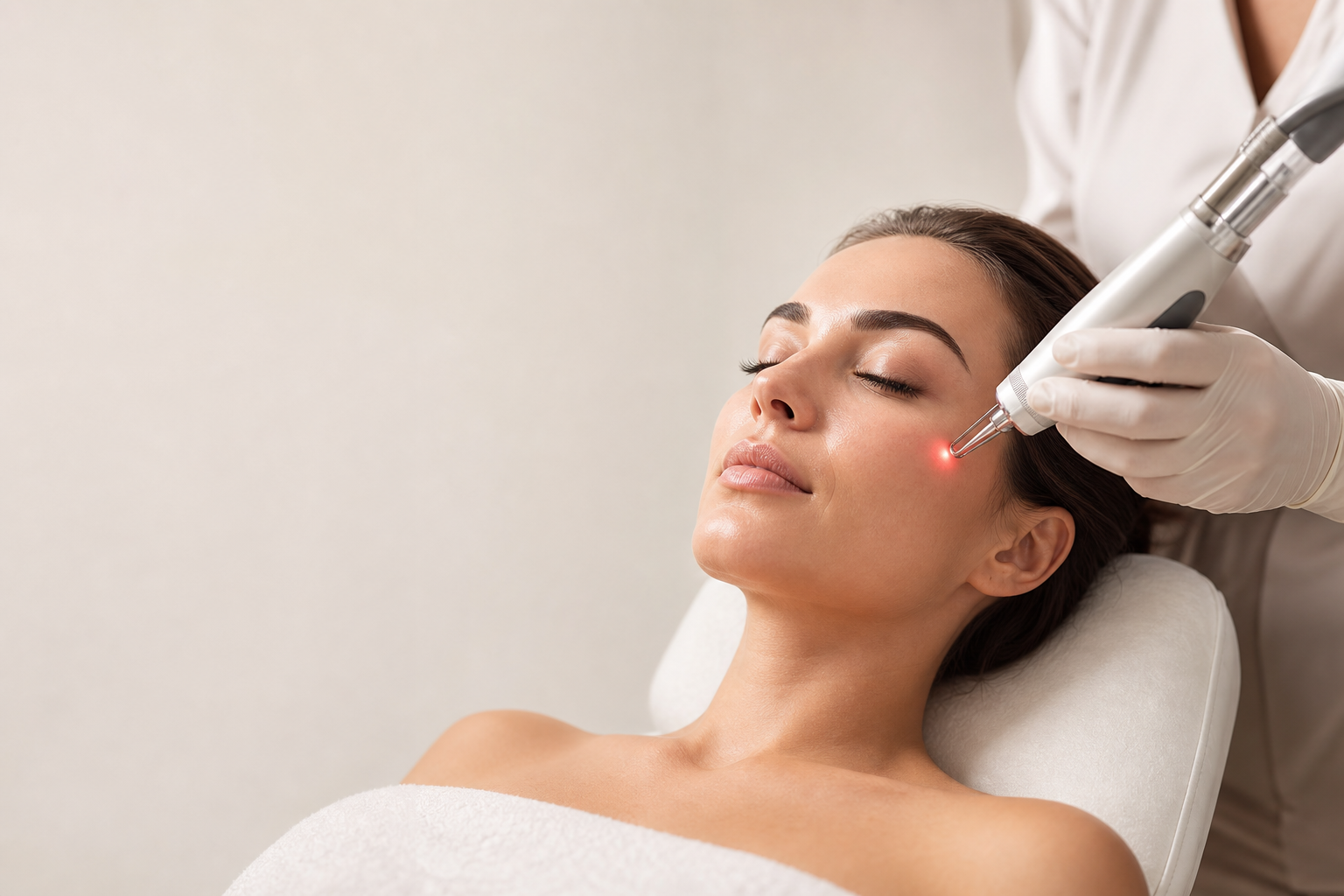
Laser Skin Rejuvenation
Laser skin rejuvenation utilizes advanced laser technologies to stimulate collagen and improve skin texture, tone, and firmness. T...
Read more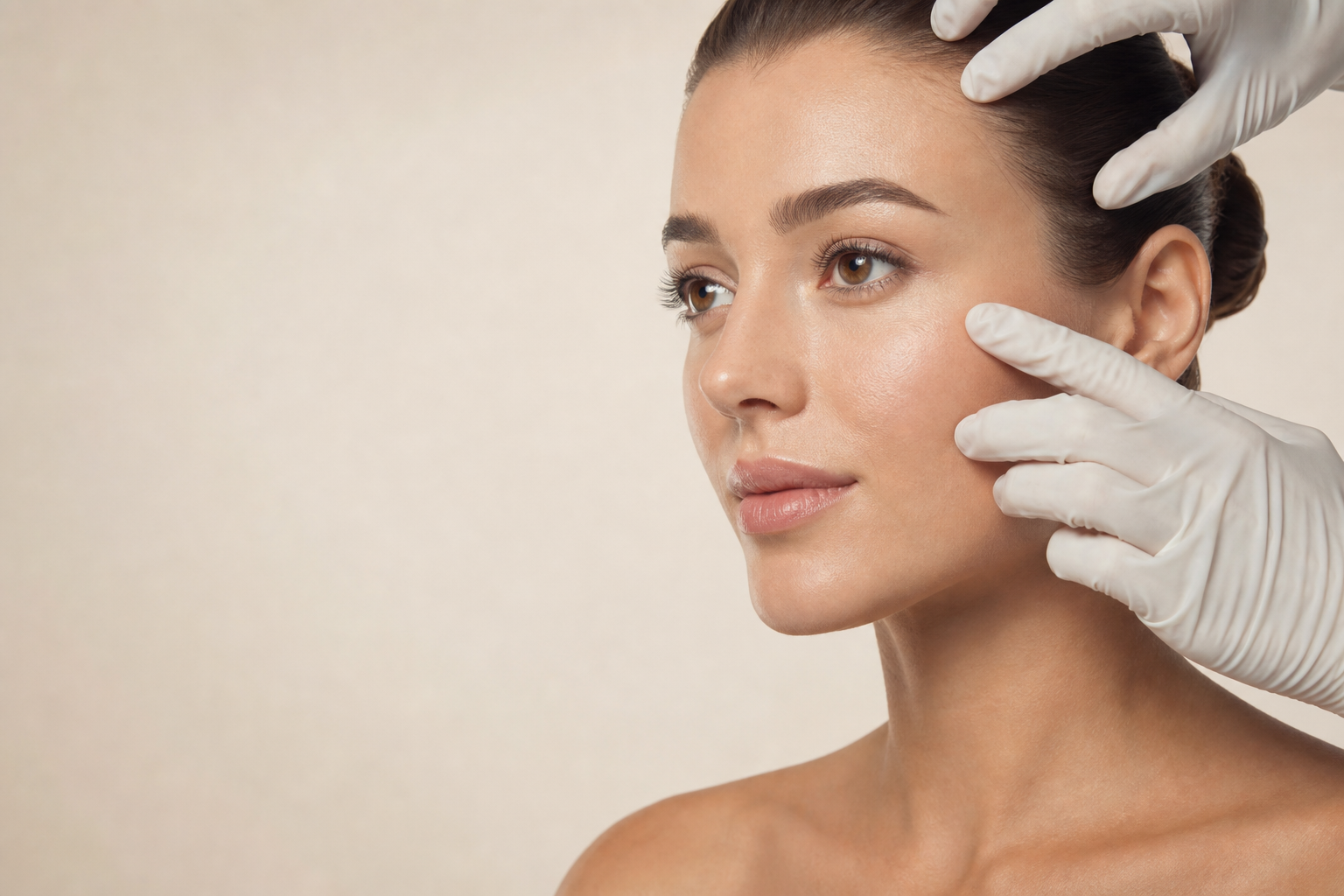
Rejuvenating Specific Areas
Targeted rejuvenation techniques focus on revitalizing specific facial and body areas where aging signs prominently appear, offeri...
Read more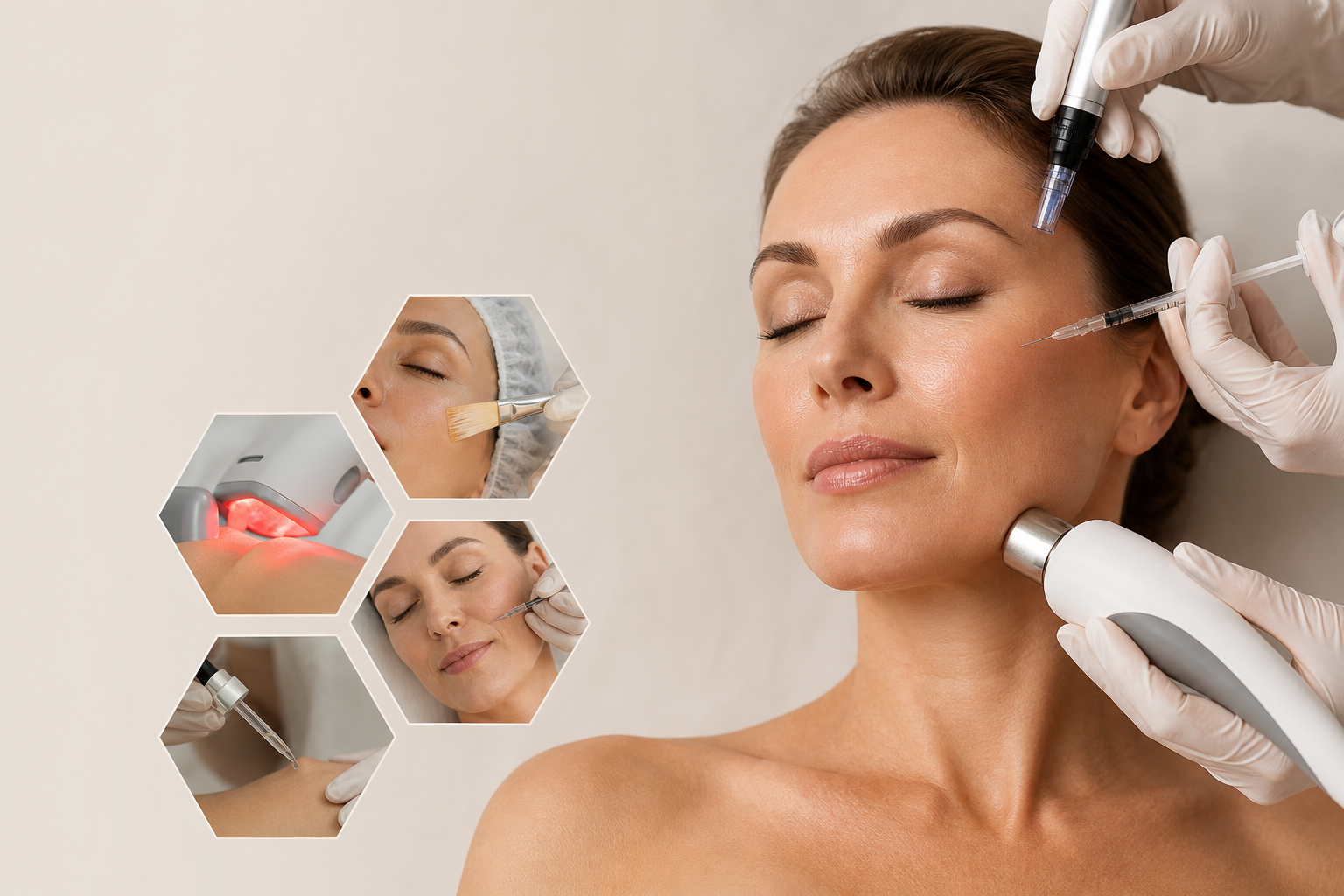
Combining Anti-Aging Treatments
Combining anti-aging treatments offers a comprehensive approach to skin rejuvenation by addressing multiple aging factors simultan...
Read more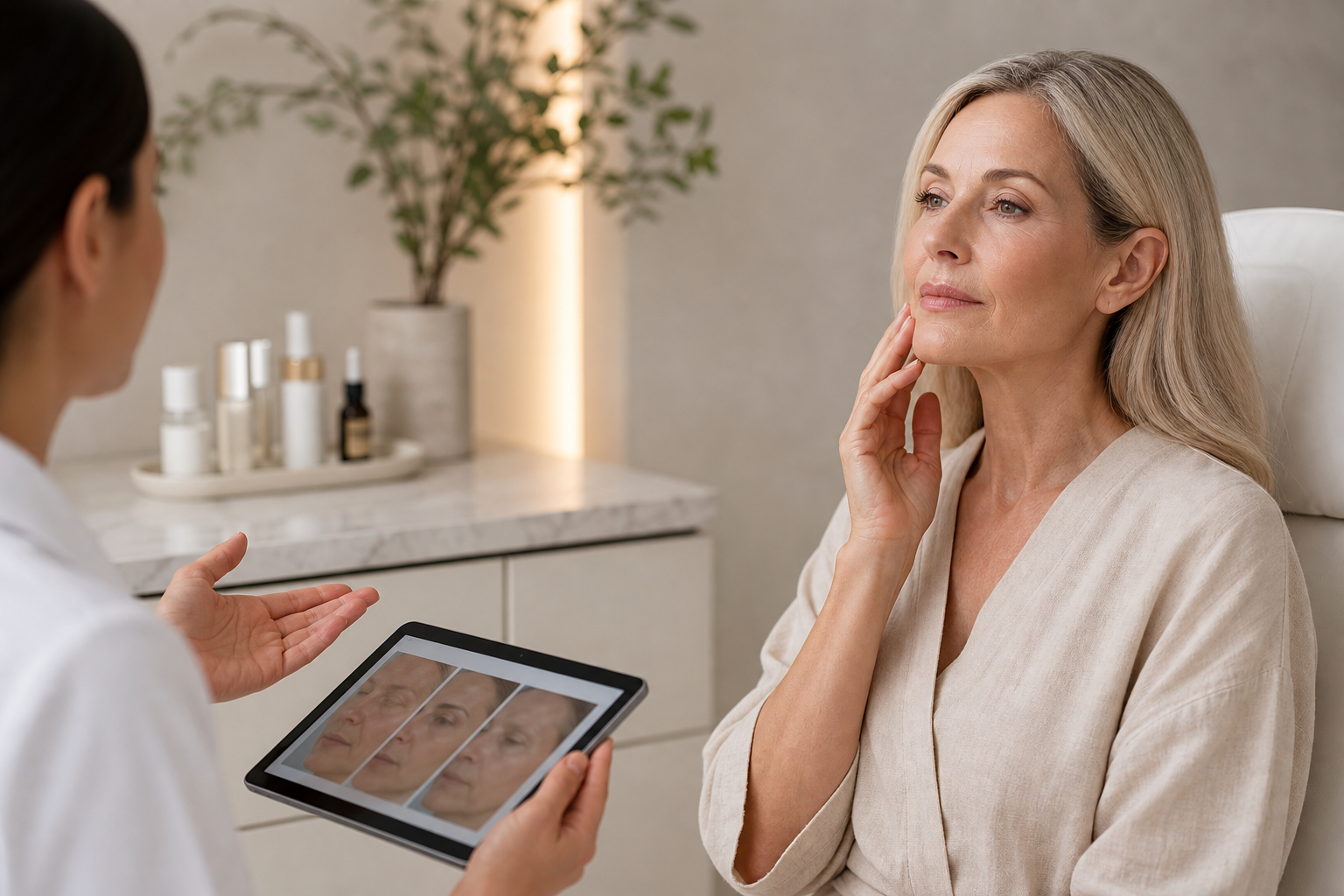
How to Choose an Anti-Aging Treatment
Selecting the right anti-aging treatment requires a personalized approach based on skin type, age, and specific concerns. This gui...
Read more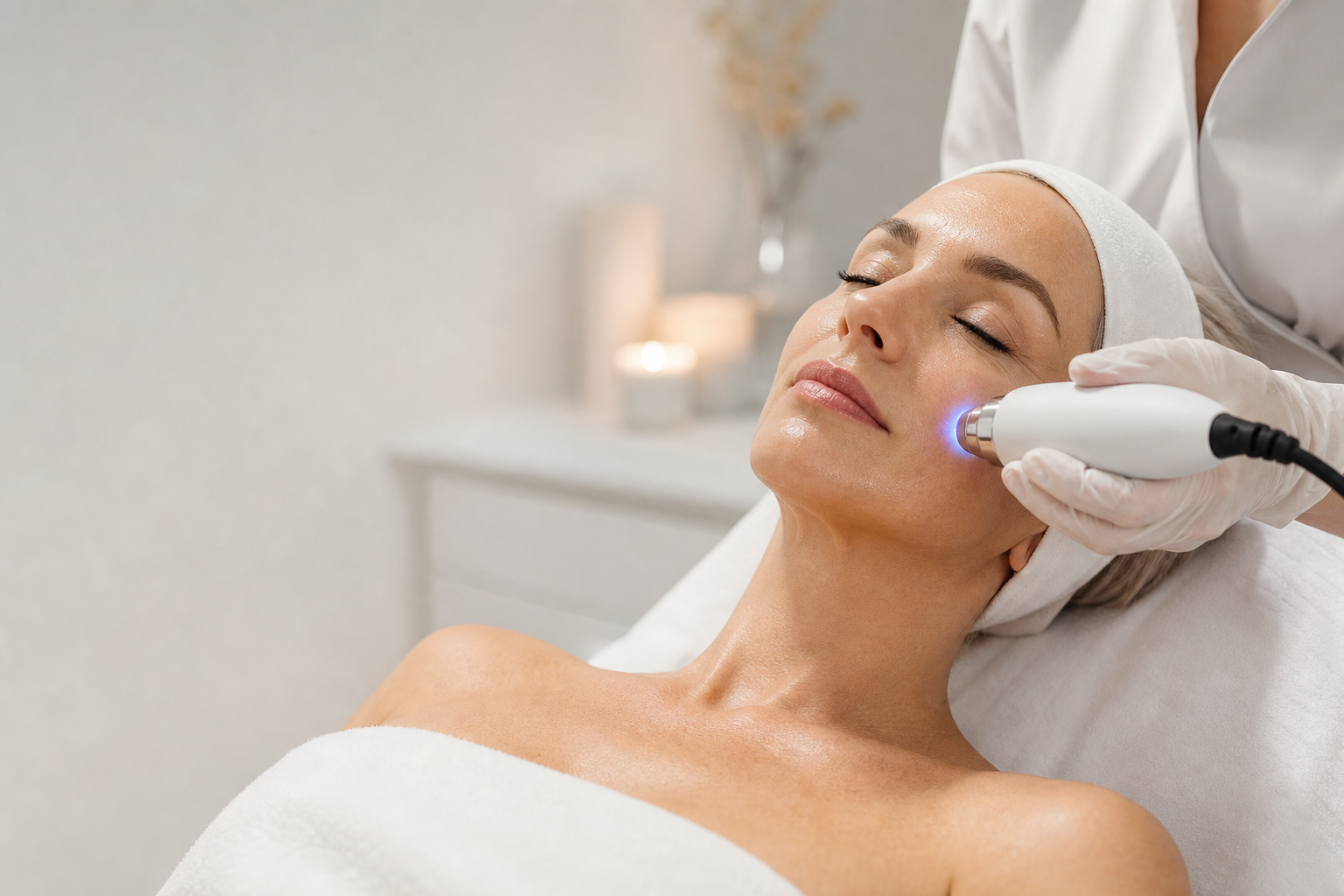
Professional Cosmetic Anti-Aging Treatments
Professional cosmetic anti-aging treatments offer advanced, non-invasive solutions to address wrinkles, firmness loss, and uneven...
Read more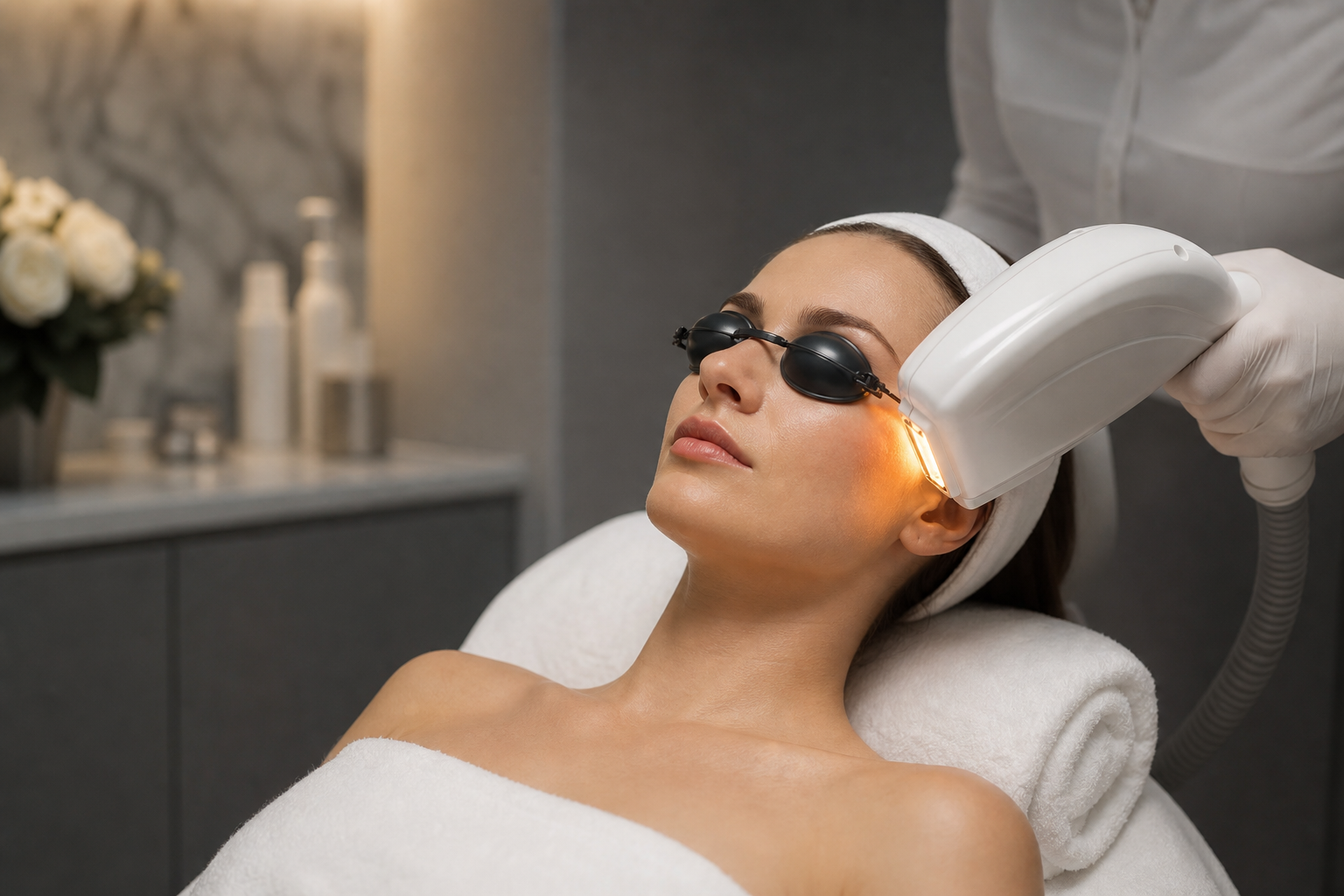
IPL, LED, and Light-Based Anti-Aging Therapies
Light-based anti-aging therapies like IPL and LED utilize specific light wavelengths to stimulate skin regeneration, targeting wri...
Read more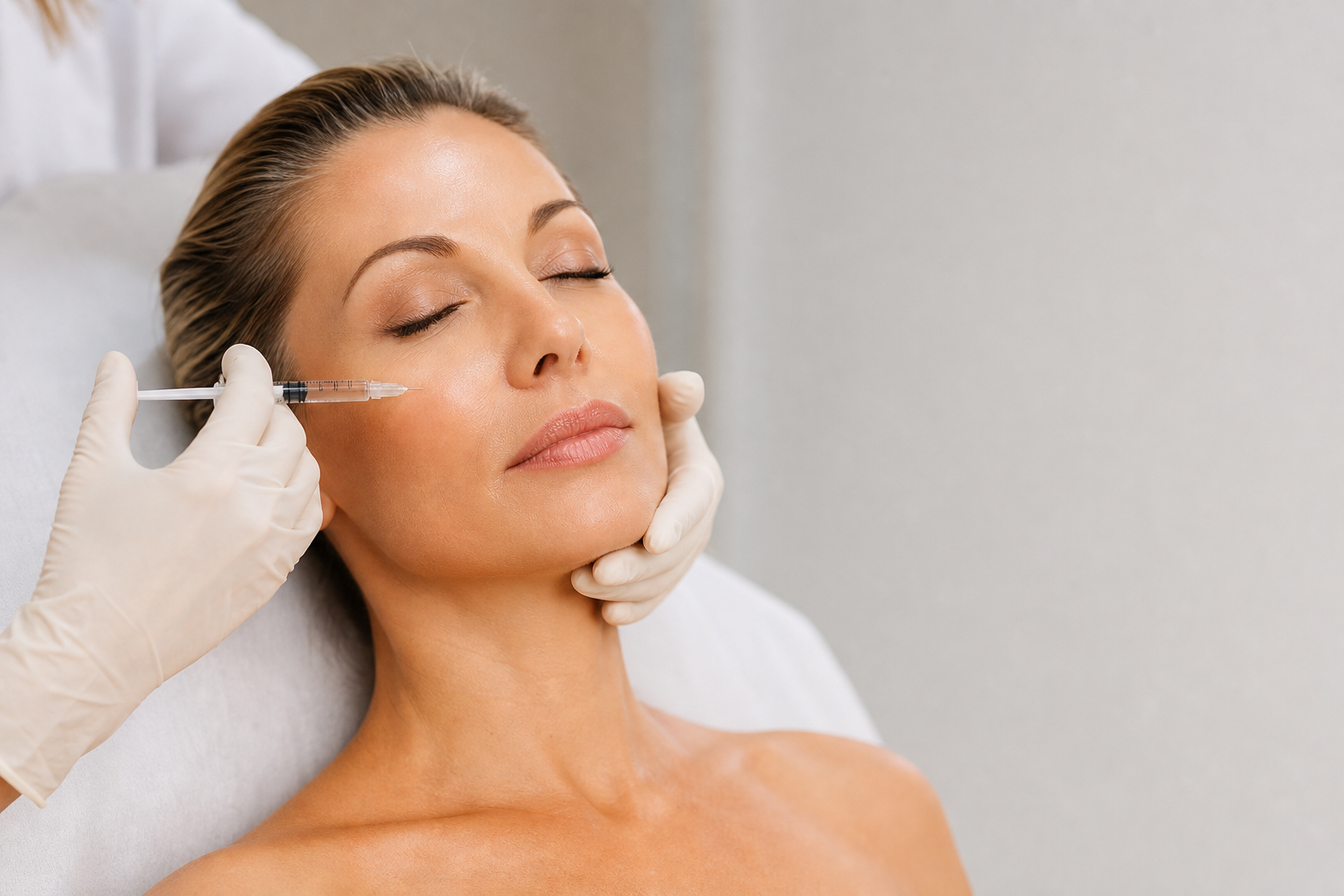
Injectable Anti-Aging Treatments
Injectable anti-aging treatments offer medically supervised solutions that target deeper skin layers to reduce wrinkles, restore v...
Read more
At-Home Anti-Aging Skincare
Discover comprehensive strategies for effective at-home anti-aging skincare to preserve youthful, radiant skin. Learn how to tailo...
Read more
Safety, Recovery, and Results
This article examines the essential balance of safety, recovery, and expected outcomes in needle-free anti-aging facial treatments...
Read more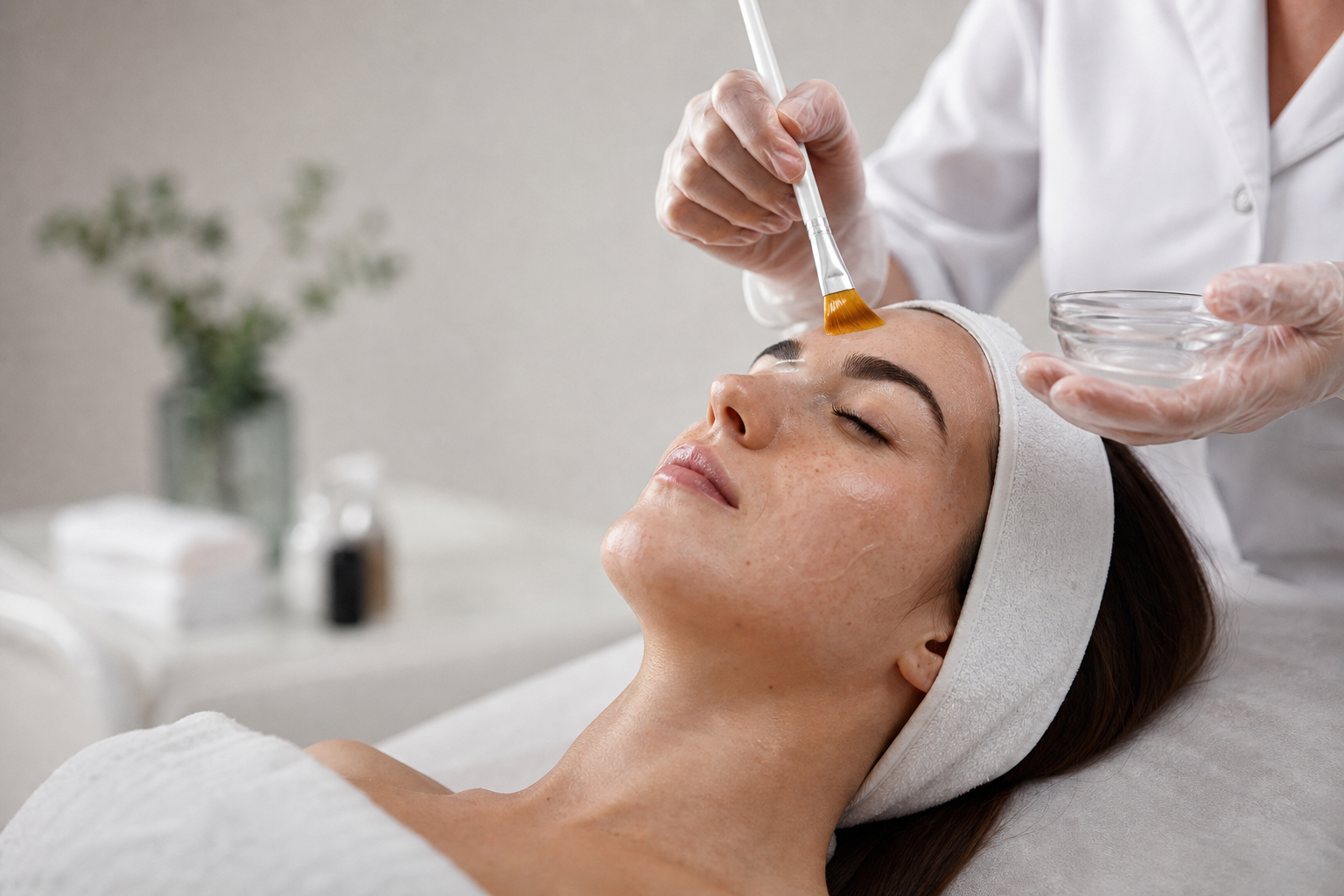
Chemical Peels for Skin Rejuvenation
Chemical peels provide a controlled exfoliation method to enhance skin texture, tone, and vitality by promoting cell turnover and...
Read more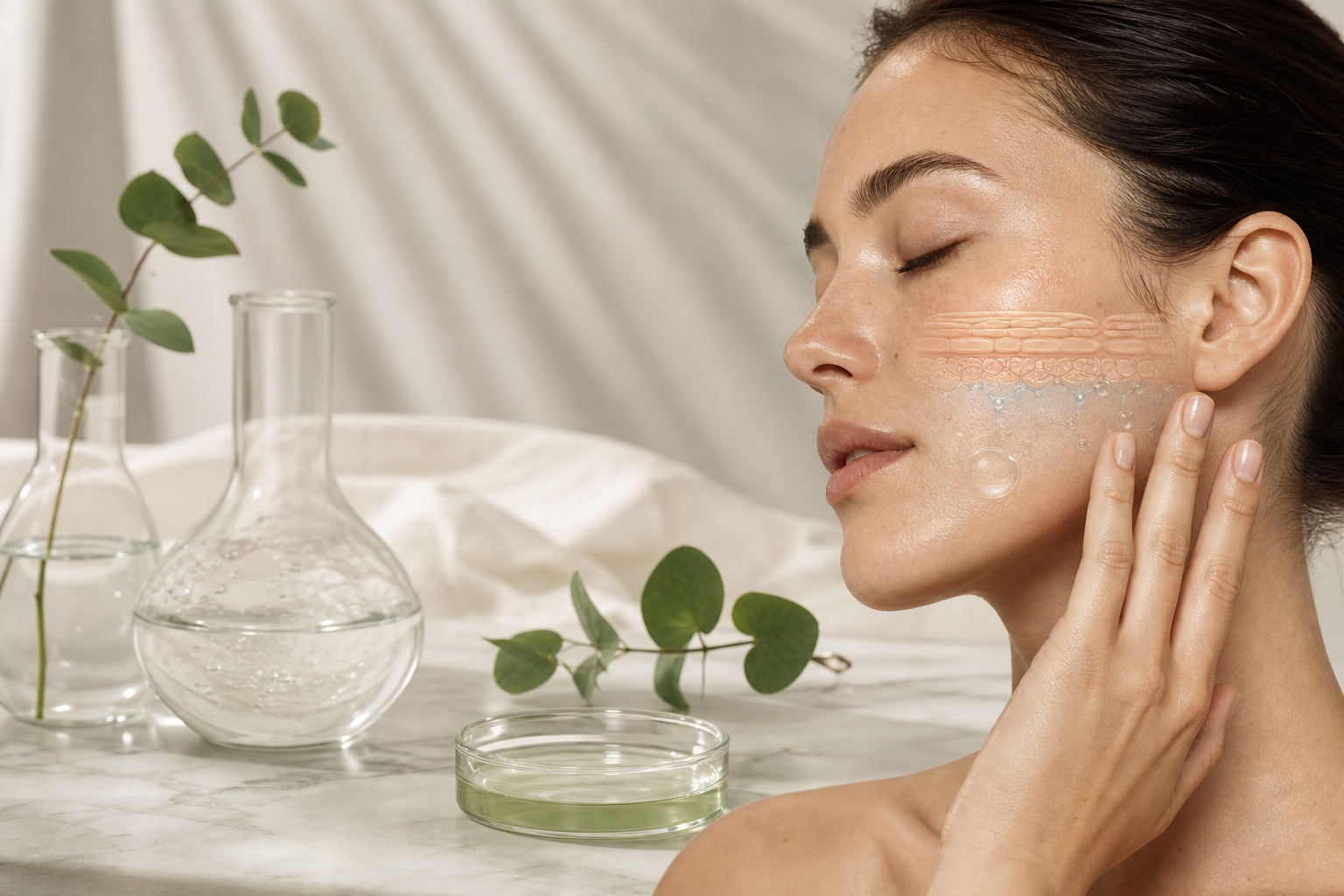
Compromised Skin Barrier: Symptoms, Causes, and Recovery
A compromised skin barrier leads to dryness, redness, and irritation by disrupting the skin's protective layer. Understanding its...
Read more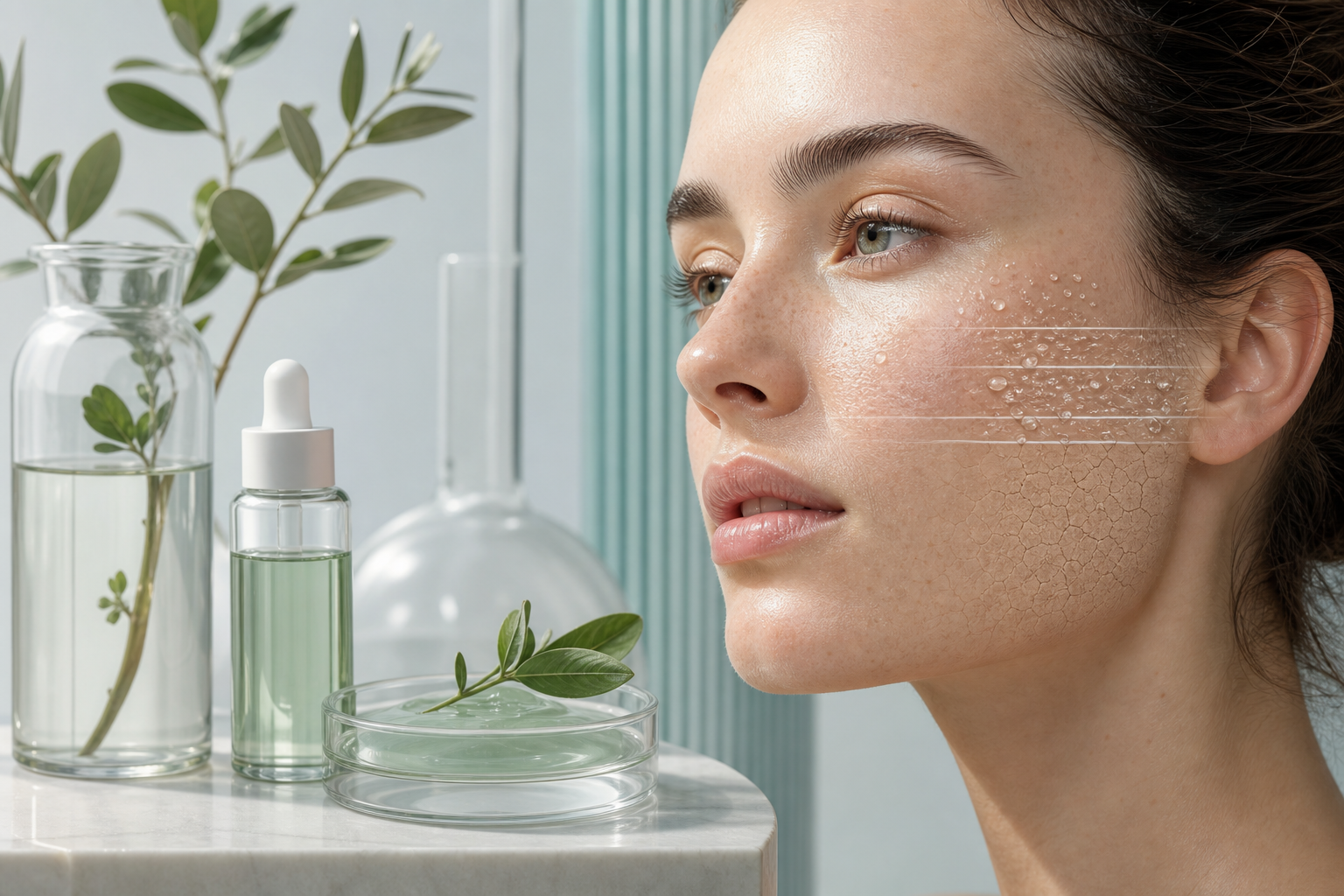
Dry vs. Dehydrated Skin: How to Tell the Difference
Dry and dehydrated skin are distinct conditions often mistaken for one another, each requiring unique skincare strategies. Underst...
Read more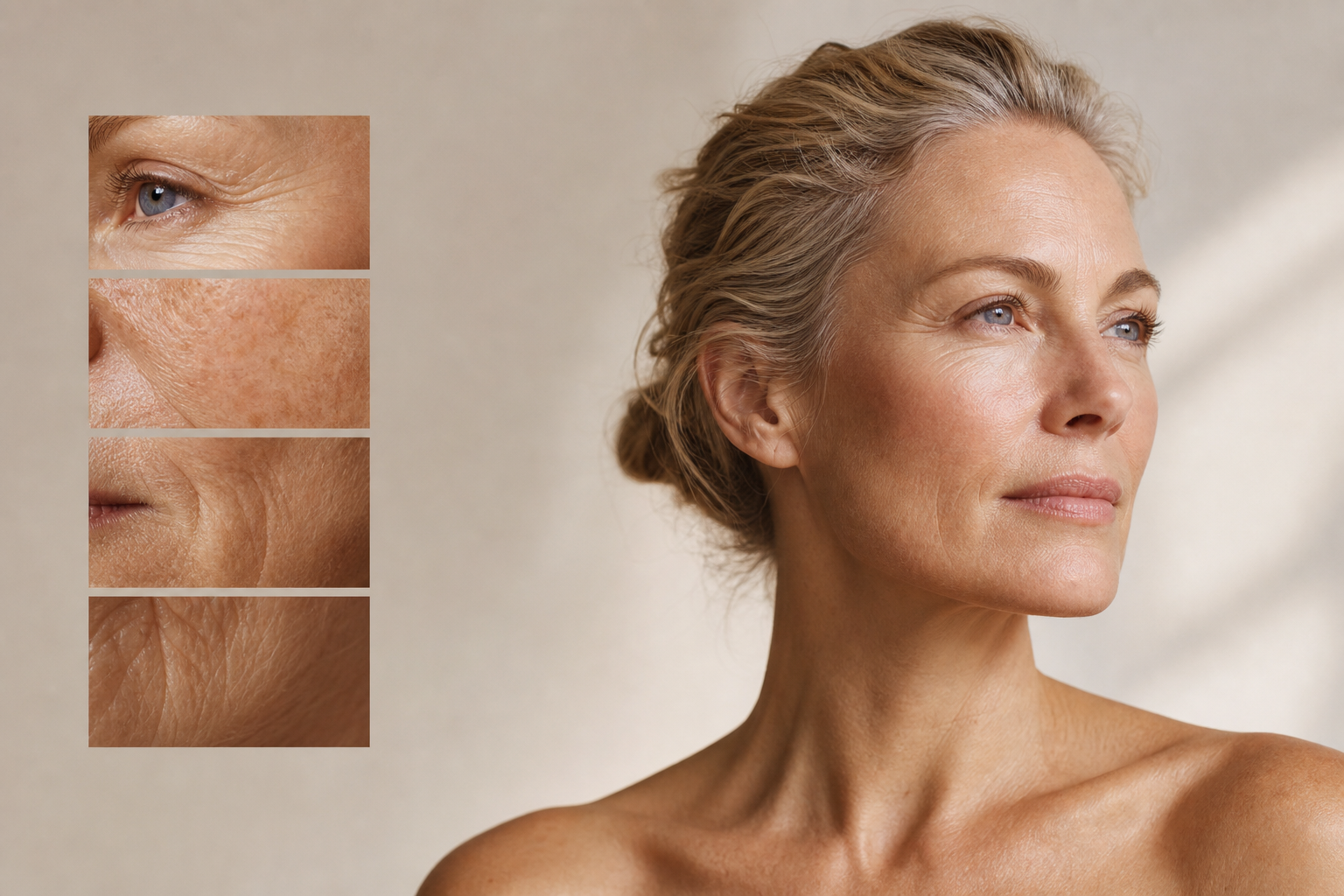
How Skin Ages
Skin aging is a natural, ongoing process influenced by both internal biology and external factors such as sun exposure. Understand...
Read more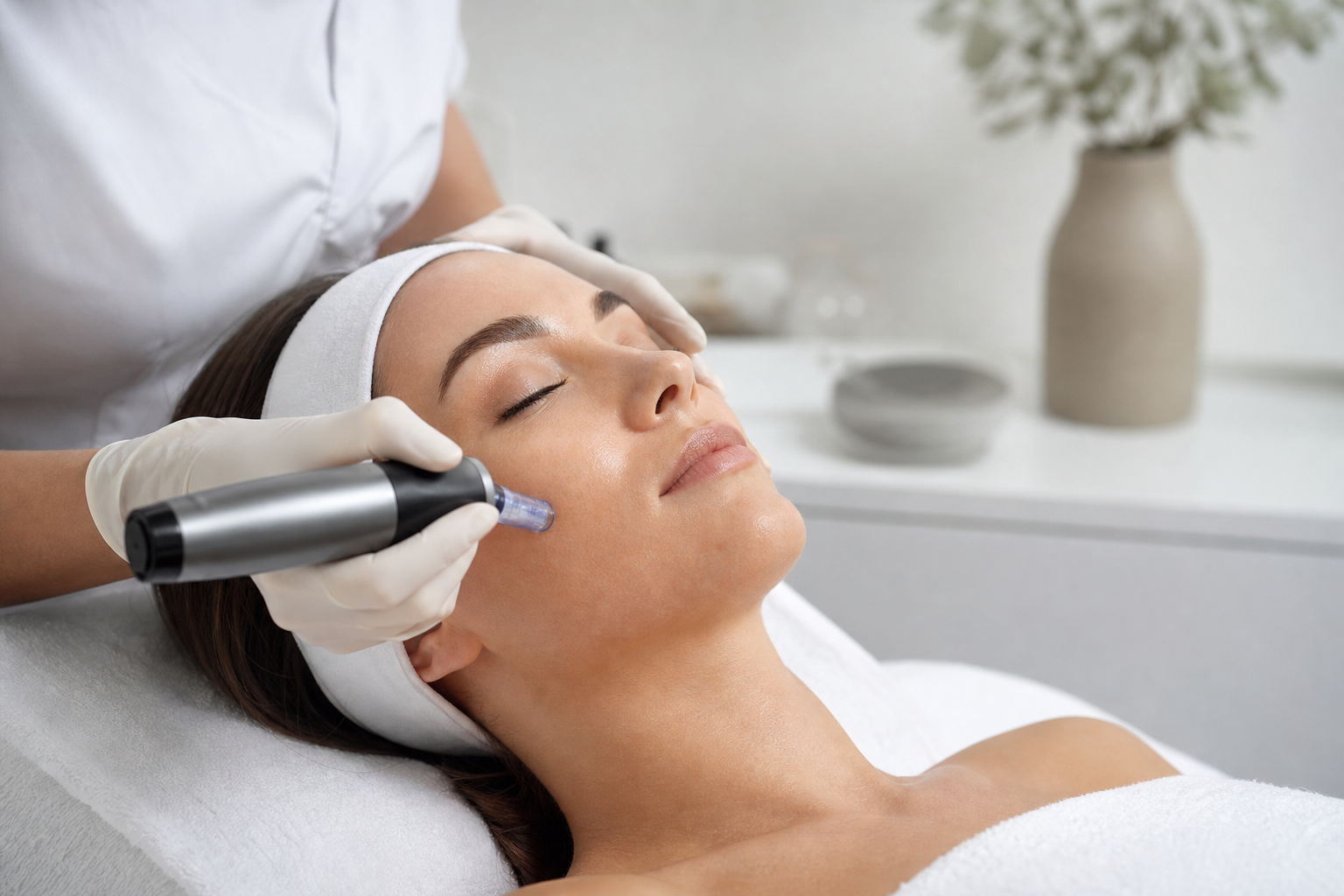
Microneedling and Collagen Stimulation
Microneedling is a minimally invasive skin treatment that stimulates collagen production to enhance skin texture, firmness, and ov...
Read more
Professional Skin Hydration Treatments: Options and Outcomes
Professional skin hydration treatments offer targeted solutions to deeply nourish and restore skin moisture beyond surface care. T...
Read more
How to Choose Products for Skin Hydration and Renewal
Selecting effective products for skin hydration and renewal involves understanding their functions, key ingredients like hyaluroni...
Read more
Nutrition, Water Intake, and Skin Hydration: What Truly Influences It?
Skin hydration depends on a balanced combination of nutrition, water intake, and environmental factors. Essential nutrients like o...
Read more
How Weather and Environment Affect Skin Hydration
Weather and environmental conditions significantly affect skin hydration by influencing moisture loss and barrier health. Adapting...
Read more
Skin Recovery After Aesthetic and Dermatological Treatments
Skin recovery after aesthetic and dermatological treatments is a vital phase that supports healing and maximizes results. This gui...
Read more
How to Tailor Hydration to Your Skin Type
Tailoring skin hydration to your specific skin type—dry, oily, combination, or sensitive—is crucial for maintaining a healthy comp...
Read more