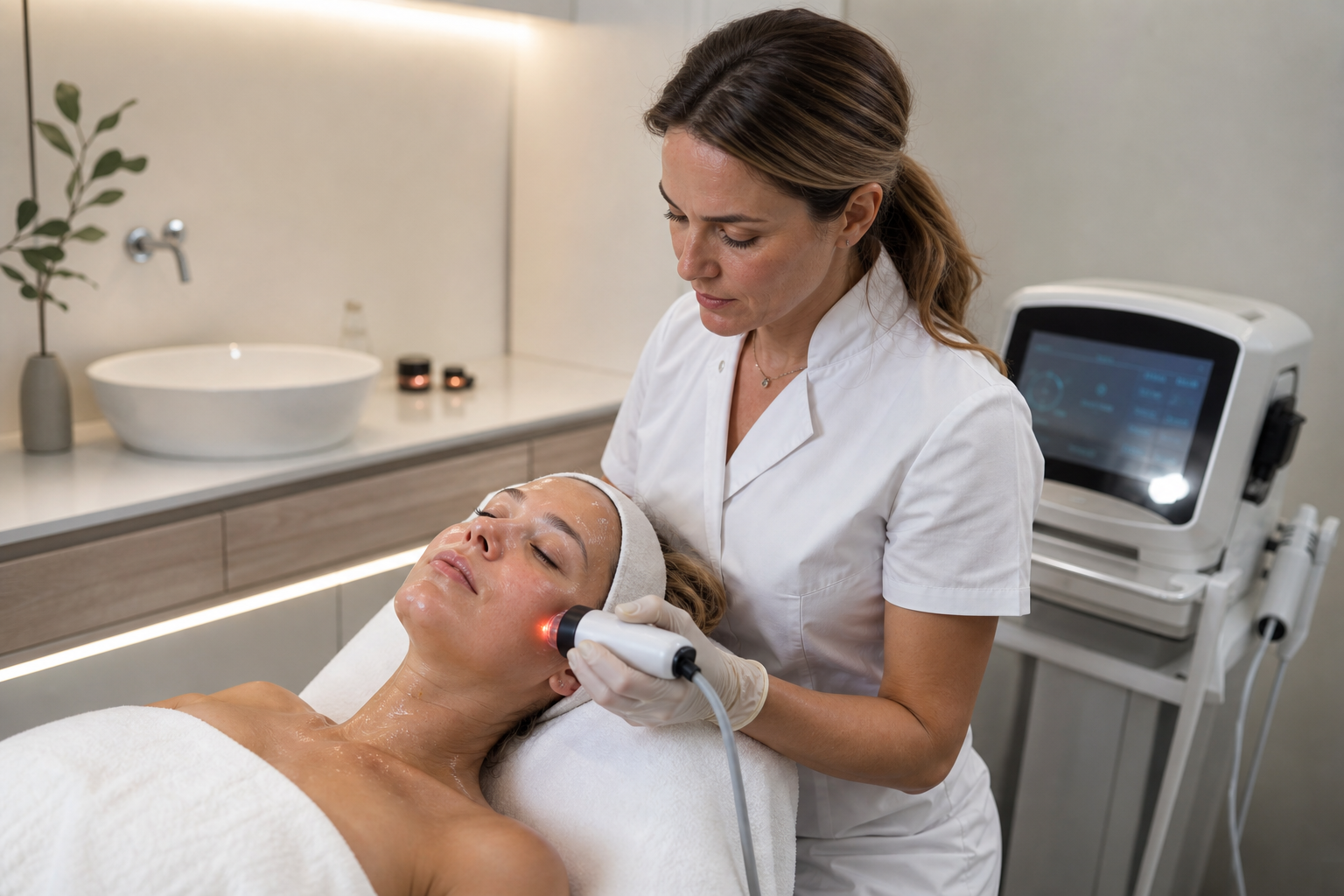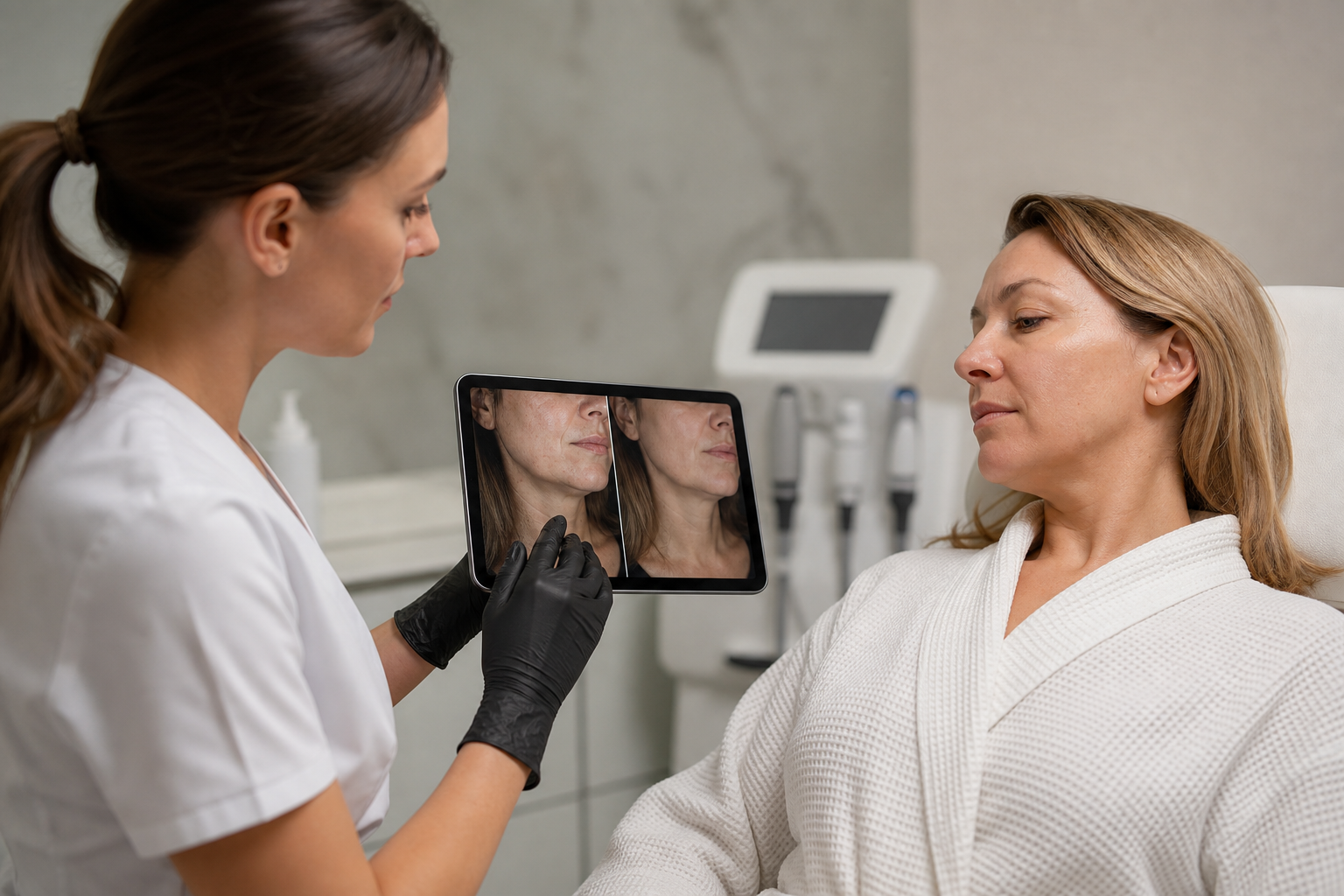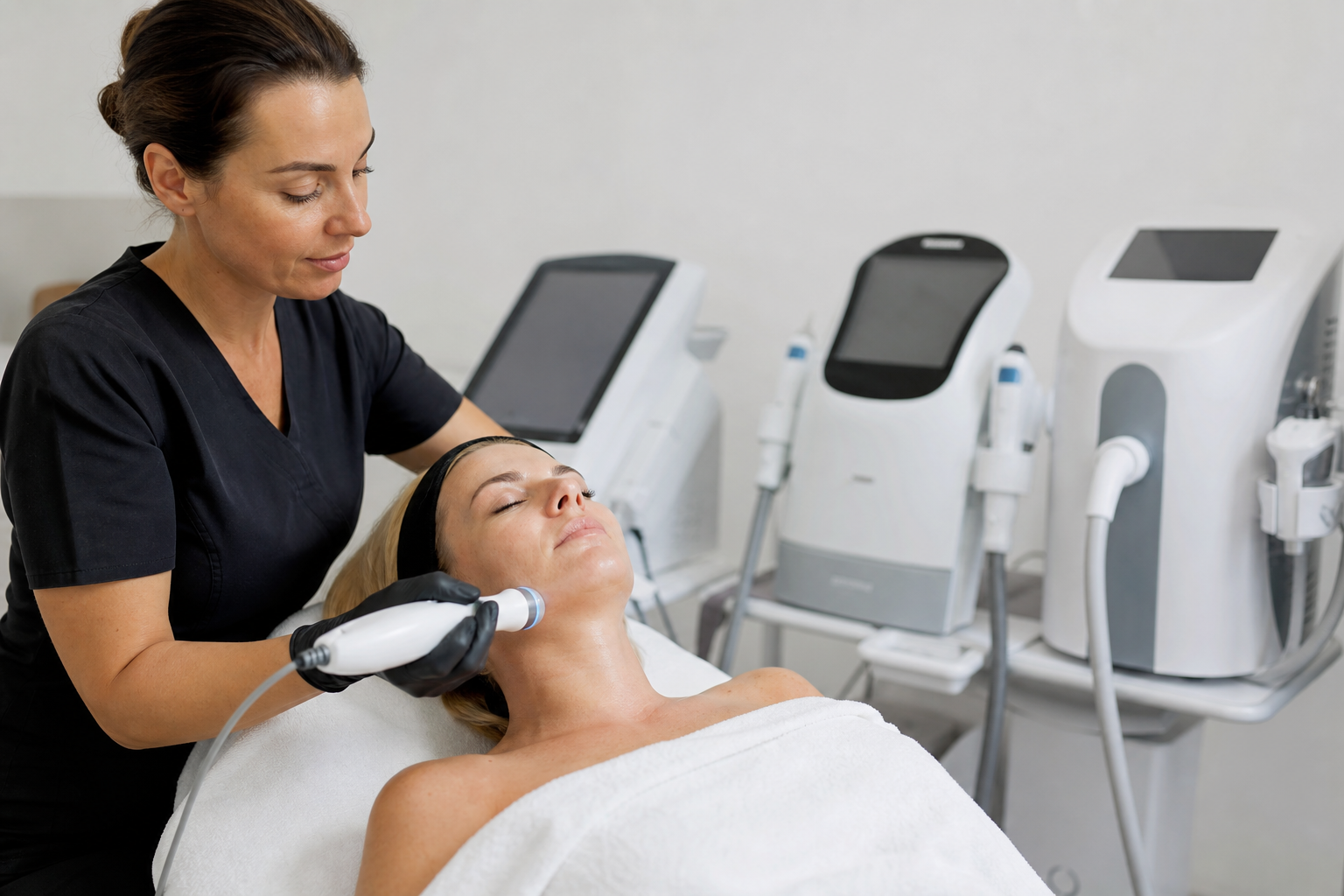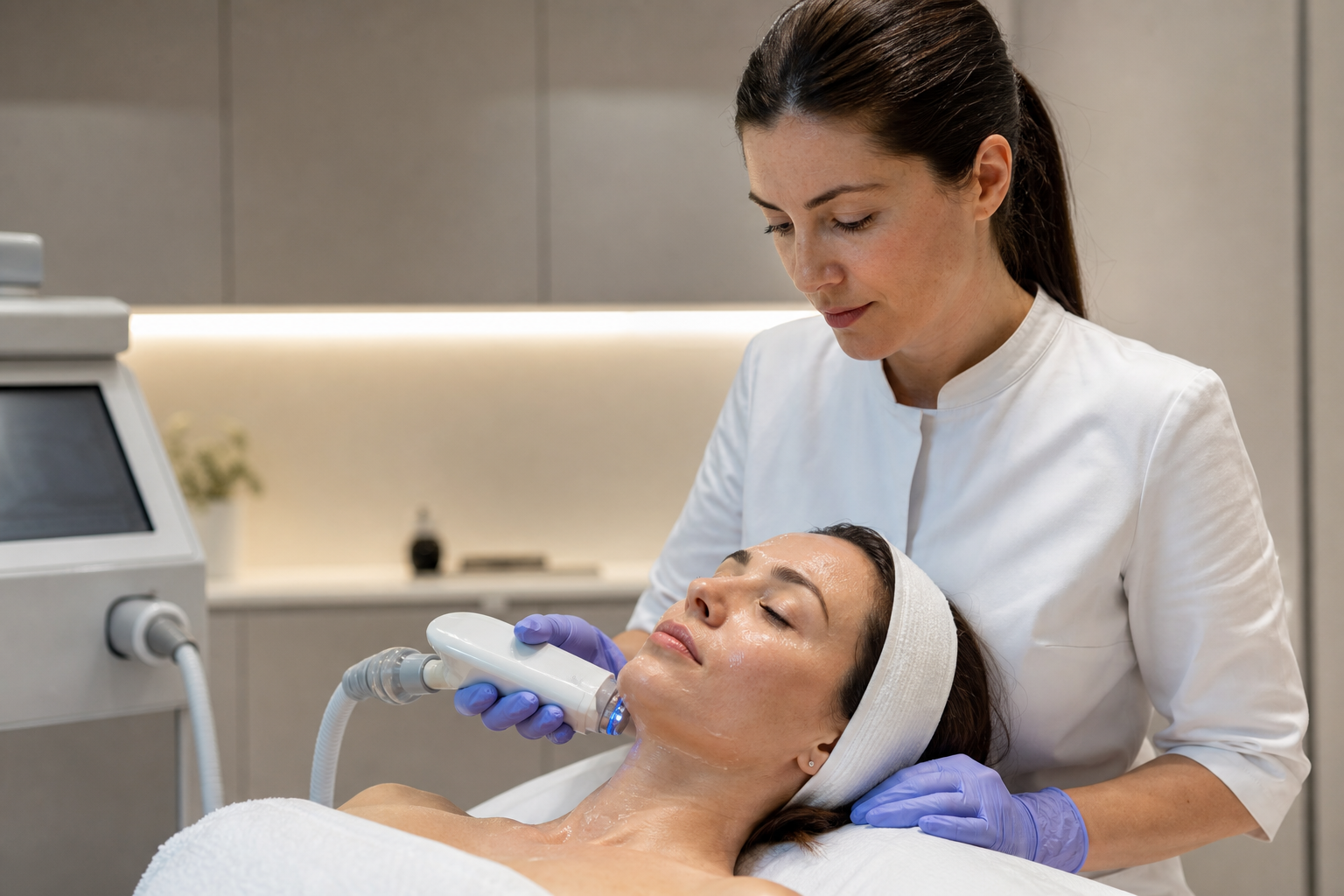
Facial RF treatment, commonly referred to as RF lifting, has emerged as a cutting-edge non-invasive technique designed to tighten and rejuvenate the skin using radiofrequency technology. This modern procedure employs controlled radiofrequency waves to stimulate the skin’s deeper layers, promoting natural regeneration by enhancing collagen and elastin production. Ideal for individuals seeking to refresh their facial appearance without surgery or extended recovery periods, RF facial treatments offer a subtle yet effective alternative to more invasive cosmetic interventions.
Understanding how long a facial RF treatment lasts is crucial for anyone considering this procedure. Not only does the actual session duration impact scheduling and expectations, but the longevity of the treatment's visible effects directly influences maintenance routines and overall satisfaction. This article addresses these critical aspects to provide a comprehensive insight into RF lifting: what the treatment entails, who benefits most, the expected results, and the timeline of those outcomes.
For those exploring skin-tightening options that balance efficacy with convenience, knowing the duration of the procedure and the persistence of its effects clarifies whether RF lifting aligns with their aesthetic goals and lifestyle. Through detailed exploration, readers can make an informed decision about undergoing facial RF treatment.
What Is Facial RF Treatment and How Does It Function in Skin Tightening?
Facial RF treatment harnesses radiofrequency energy to heat the dermis selectively, the deeper layer of the skin responsible for structural integrity. As the radiofrequency waves penetrate the skin, they stimulate fibroblasts—cells essential for synthesizing collagen and elastin proteins, which confer firmness and elasticity.
This controlled heating triggers a biological response: collagen fibers contract immediately, creating a temporary tightening effect. Over subsequent weeks and months, the body produces new collagen and elastin, leading to longer-lasting skin improvement. Unlike surgical facelifts, RF treatments do not involve cutting or incisions, making the process safer with minimal risk of complications.
There are several variants of RF skin treatments, ranging from completely non-invasive procedures that glide a device over the skin's surface to fractional RF and RF microneedling, which punctures the skin at micro levels to boost penetration and collagen induction. Each has unique applications and recovery timelines, but all share the premise of enhancing skin architecture through thermal stimulation.
Who Are the Ideal Candidates for RF Facial Lifting?
RF facial treatments are well-suited for individuals exhibiting early signs of skin laxity, fine lines, mild wrinkles, or a loss of elasticity and definition. Typically, candidates are those who prefer to avoid the downtime and risks associated with surgical facelifts but desire visible improvement in skin texture and firmness.
Ideal patients often range from their late 20s to 60s, though suitability depends more on skin condition than age alone. People with good overall health and realistic expectations about the outcome benefit most. It is important to note that RF treatments are not a substitute for surgical correction where more significant sagging or deep wrinkles exist.
Contraindications include active skin infections, certain autoimmune diseases, and those with implanted electronic devices like pacemakers. A thorough consultation with a dermatology or aesthetic specialist is essential to determine candidacy and customize the treatment plan accordingly.
How Long Does a Facial RF Treatment Session Typically Last?
The actual duration of a single RF facial treatment session generally ranges from 30 to 60 minutes. The exact timeframe depends on factors such as the size of the area treated, the specific RF technology used, and the treatment goals.
Non-invasive RF procedures often require systematic passes across the facial skin to achieve uniform heating, while fractional and microneedling RF methods may take slightly longer due to the precision involved in targeting specific skin zones. The treatment time is carefully calibrated to maximize skin stimulation while ensuring patient comfort and safety.
Clinicians ensure that the skin temperature reaches therapeutic levels necessary to effects collagen remodeling without causing burns or excessive discomfort. The sensation during treatment typically involves warmth and mild tingling, which most patients find tolerable and non-painful.
How Many Sessions Are Recommended, and What Is the Typical Treatment Schedule?
Optimal outcomes with facial RF treatments usually require a series of sessions, commonly between three to six appointments spaced two to four weeks apart. This schedule allows the skin to undergo a natural regenerative cycle while building cumulative collagen improvement.
The initial sessions often produce subtle visual differences, such as improved skin tone and softness, which progressively advance after subsequent treatments. Following the primary series, maintenance sessions every 6 to 12 months may be advised to preserve results and address ongoing skin aging.
Factors influencing the number of sessions include the patient's skin condition, age, lifestyle, and aesthetic objectives. Consulting with a qualified practitioner will help tailor a personalized treatment plan that balances effectiveness with convenience.
What Are the Immediate and Long-Term Effects of RF Facial Treatment?
The immediate post-treatment period may reveal a slight tightening sensation and a refreshed skin appearance due to collagen fiber contraction. Mild redness or warmth can occur but typically resolves within hours.
Over the next several weeks and months, newly synthesized collagen and elastin enhance skin firmness, reduce fine lines, and improve overall skin texture. The skin appears more youthful and resilient, with a subtle lifting effect that enhances facial contours.
The longevity of these benefits generally lasts from six months up to a year, though this varies depending on individual characteristics such as genetics, skincare habits, environmental exposure, and lifestyle choices. Consistency in post-treatment care supports prolonged results.
What Should Patients Expect During Preparation and Recovery from RF Lifting?
Preparation for an RF facial treatment is straightforward. Patients should avoid heavy sun exposure, tanning, and the use of exfoliating or irritating skincare products for several days before the procedure. On the day of treatment, the face should be thoroughly cleansed and free of makeup, oil, or lotions.
During the procedure, the practitioner typically applies a conductive gel to the skin, enhancing the transmission of radiofrequency energy. Patients may feel a pleasant warming sensation throughout the session. Anesthesia is generally not necessary for non-invasive RF treatments, although topical numbing can be used for microneedling variants.
Post-procedure recovery is minimal. Most individuals resume normal activities immediately, with only transient redness or slight tenderness, which resolves rapidly. Patients are usually advised to apply gentle moisturizers and use sun protection to safeguard sensitive skin as it rejuvenates.
Are There Any Risks or Side Effects Associated with Facial RF Treatments?
RF lifting is regarded as a safe and well-tolerated cosmetic procedure when performed by trained professionals using approved devices. Common side effects are mild and transient, including redness, swelling, or a sensation of heat that dissipates within hours.
More serious adverse events, though rare, could involve burns or blistering due to improper device handling or skin sensitivity. Therefore, selecting an experienced practitioner and following all pre- and post-treatment guidelines reduces risk significantly.
Patients with contraindications should avoid RF treatments or seek alternative therapies if advised by their healthcare providers. Transparency during pre-treatment consultations facilitates safe outcomes.
How Can Patients Maximize and Maintain the Results of RF Facial Treatments?
To prolong the improvements gained from RF lifting, maintaining a healthy skincare routine is essential. This includes regular hydration, application of antioxidant-rich serums, and broad-spectrum sun protection. Avoiding tobacco, excessive alcohol, and other lifestyle factors detrimental to skin health also supports sustained collagen integrity.
Periodic maintenance treatments help reinforce collagen production and counteract natural aging processes. Combining RF sessions with complementary therapies—such as microneedling, chemical peels, or professional facials—can amplify rejuvenation effects and address multiple aspects of skin health.
Patients are encouraged to consult with their aesthetic provider about personalized follow-up schedules and integrative care plans to preserve a youthful, radiant complexion.