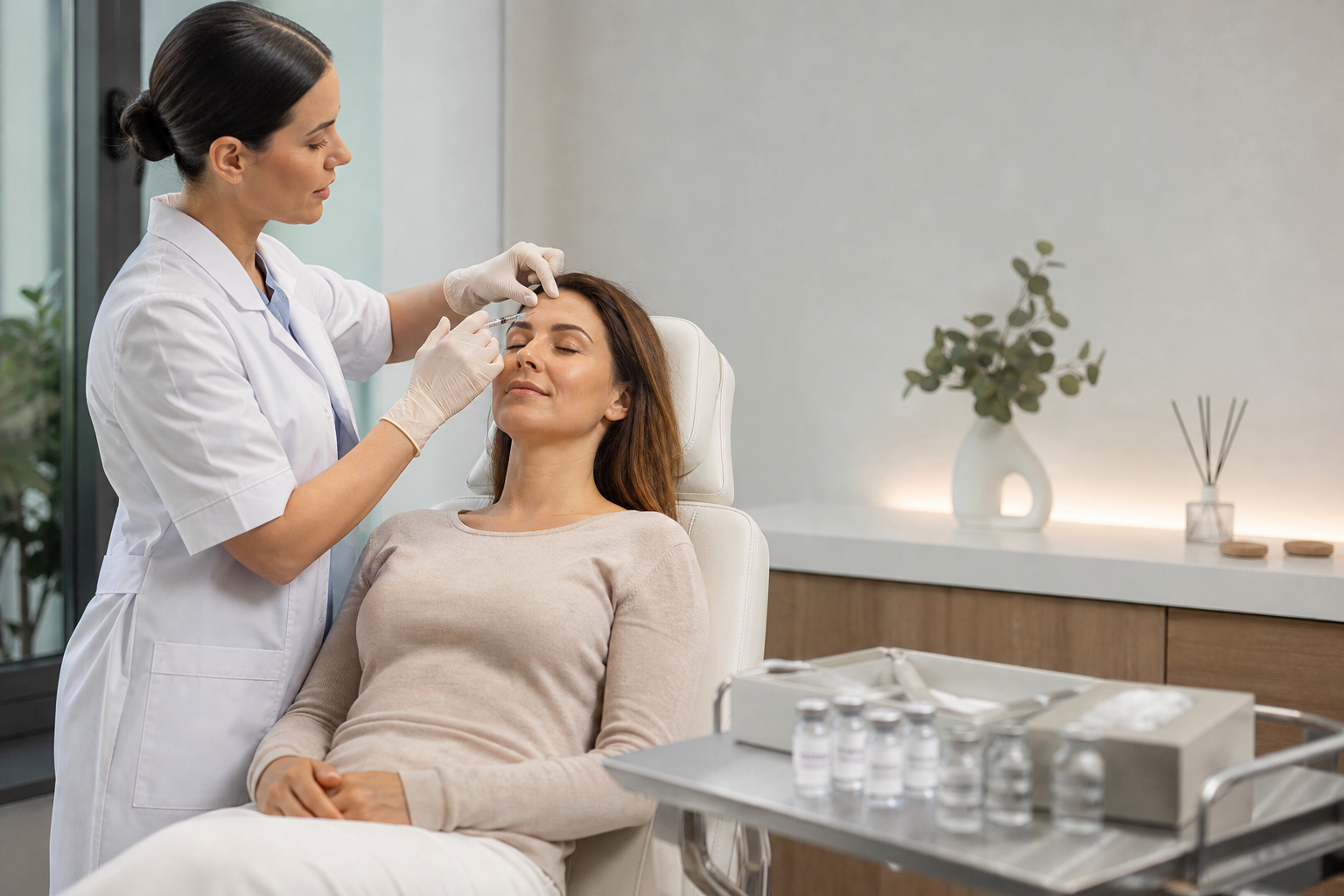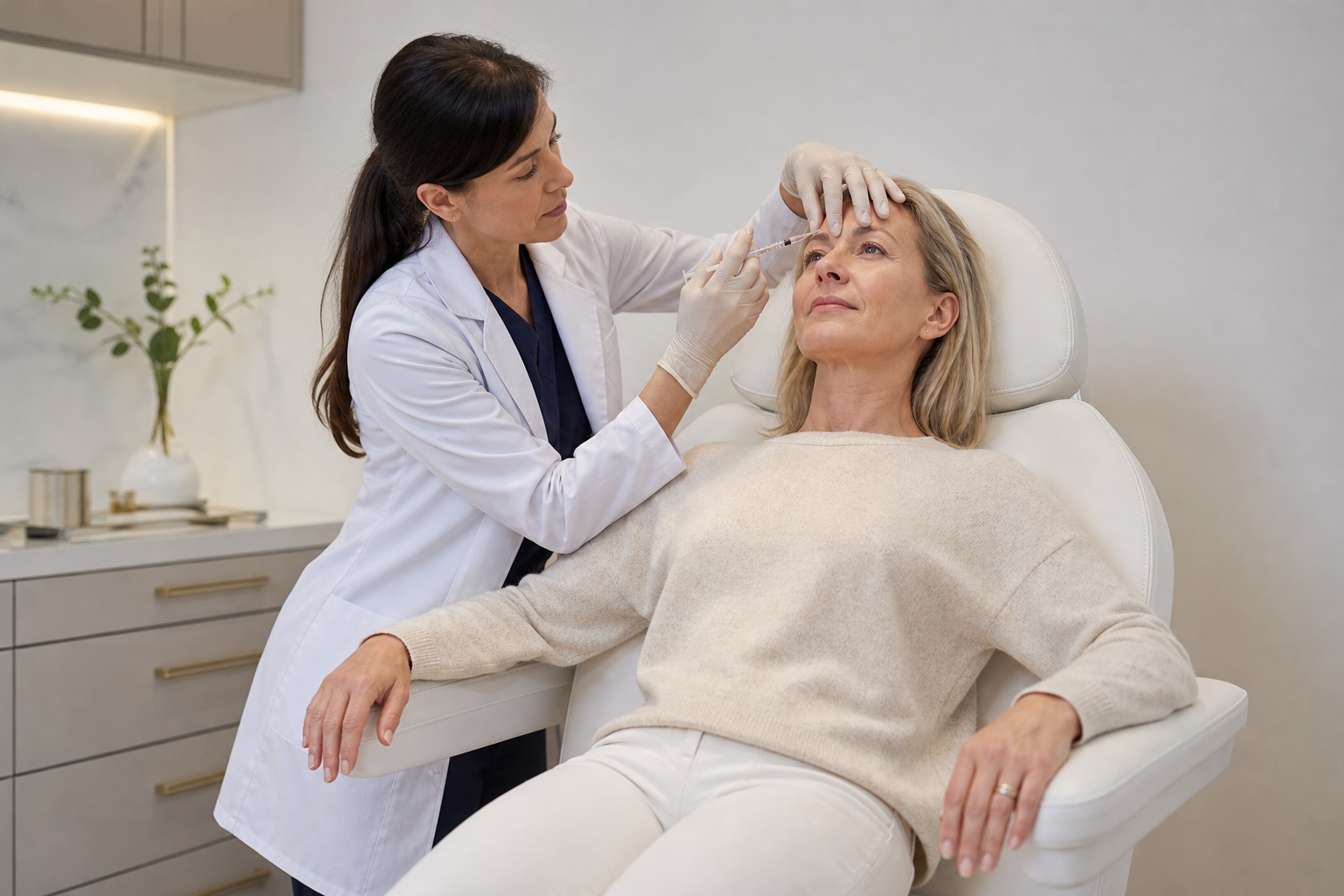
Choosing the right doctor, clinic, and dermatological products stands as a critical pillar in the realm of aesthetic treatments, especially when dealing with injectable procedures like Botox and dermal fillers. These choices are not mere formalities nor simple conveniences; they directly impact the safety, effectiveness, and longevity of the treatment outcomes. For anyone contemplating such treatments—whether a novice or someone seeking to change current providers—understanding how to navigate this complex selection process is essential. The decisions made here define not only the aesthetic results but also the overall patient experience and health security.
Esthetic medicine has blossomed into a widely accessible field, attracting vast patient interest. However, this increased accessibility carries inherent risks when matched with inadequate expertise, insufficiently regulated environments, or overinflated expectations of what products like Botox and hyaluronic acid fillers can achieve. Given this backdrop, empowering patients with knowledge about how to evaluate doctors, clinics, and the authenticity of products they will receive becomes paramount. This article embarks on a thorough exploration of these facets to equip readers with the tools necessary for informed decision-making and a safer path to aesthetic enhancement.
Understanding the nuanced requirements of esthetic procedures is fundamental. The interplay between the practitioner's skills, the clinical setting, and the quality of materials used ensures not only superior cosmetic results but also fulfills the primary medical responsibility of minimizing harm. The following sections examine these components systematically, highlighting specific considerations critical to the successful and responsible delivery of Botox and dermal filler treatments.
Professional Standards in Selecting a Doctor for Aesthetic Injections
At the core of any esthetic procedure lies the expertise of the medical professional performing it. Choosing a doctor should never be based solely on convenience or price. Instead, the prime criterion must be specialized knowledge in esthetic medicine, particularly regarding injectable treatments like Botox and hyaluronic acid fillers. Such knowledge extends beyond general medical training to include advanced education, certifications, and practical experience in esthetic dermatology or plastic surgery.
A competent practitioner will possess a deep understanding of facial anatomy, the pharmacology of botulinum toxin, and the biocompatibility of dermal fillers. They must be familiar with potential contraindications and prepared to manage complications that might arise. Prospective patients should actively seek details about the doctor's credentials, affiliations with recognized professional bodies, and clinical track records.
Transparency is a hallmark of professionalism. Reputable doctors will communicate clearly about what the treatment can realistically achieve, emphasizing both the possibilities and limitations. They avoid unrealistic promises and ensure patients comprehend the procedural steps, potential adverse effects, and the management plans in place should problems occur. Adequate time allotted for consultation, during which patients’ concerns and questions are thoroughly addressed, serves as a vital indicator of the doctor's commitment to patient-centered care.
The Clinic Environment: Setting Standards for Safety and Comfort
Beyond the individual practitioner's skills, the clinic where treatments occur plays a substantial role in determining safety and overall patient experience. Esthetic procedures require strict adherence to medical standards to minimize infection risk and guarantee the availability of emergency interventions if needed. The clinical environment should meet established hygiene protocols, maintain rigorous equipment sterilization, and provide a welcoming atmosphere conducive to patient comfort.
Prospective patients should carefully observe the clinic's condition and organization. Cleanliness, proper storage of medical products, and visibly clear procedures for patient care and safety are reassuring signs. Clinics operating within formal medical frameworks that comply with local healthcare regulations typically offer higher reliability compared to informal establishments or beauty salons without medical accreditation.
The difference is crucial because unauthorized use of injectable products and off-label applications outside regulated settings can lead to serious health complications. Legal frameworks in different countries often define where and by whom procedures like Botox injections may be administered. Respecting these laws protects patients from substandard practices and safeguards the integrity of the treatment.
Ensuring Authenticity and Traceability of Aesthetic Products
Injectable medicines used in aesthetic treatments, such as botulinum toxin and hyaluronic acid fillers, are highly regulated medical products. Their production, storage, and transportation must follow stringent quality controls to maintain efficacy and safety. Patients have the right to know the exact origin of these preparations and confirm that they are authorized for use in the country where treatment is performed.
Traceability is a fundamental safety mechanism, providing a chain of documentation from manufacturer to patient. This includes batch numbers, expiry dates, and records of administration. Such transparency helps in monitoring adverse reactions and facilitates accountability if quality issues arise. Doctors and clinics are obligated to provide clear information about the products used, empowering patients to make knowledgeable decisions.
Conversely, procurement from unverified sources or use of counterfeit or non-registered products exposes patients to risks of infection, ineffective treatment, or severe adverse events. Moreover, units of activity and dosing are specific to each brand and are not interchangeable, underscoring the need to employ only original, certified products. Selecting treatments with authentic and traceable products is inseparable from maintaining high standards of clinical care.
The Importance of a Responsible and Thorough Pre-Treatment Consultation
The consultation session marks the cornerstone of the entire aesthetic treatment journey. It is the moment when doctors assess patient health, understand aesthetic goals, and tailor the procedure accordingly. A responsible consultation moves beyond a scripted exchange—it is a comprehensive, individualized dialogue that builds trust and sets realistic expectations.
During this initial meeting, the physician reviews the patient's medical history, profiles potential contraindications, and evaluates the suitability of Botox or hyaluronic acid for the specific case. The discussion also includes an explanation of the technique, treatment duration, expected outcomes, and possible side effects. Patients are given space to express their desires and concerns, allowing the physician to adjust plans accordingly or, if necessary, refuse treatment in the interest of patient safety.
In contrast, rushed or superficial consultations may reflect poor medical practice and increase the likelihood of unsatisfactory or hazardous outcomes. Patients should be vigilant for situations where pre-treatment evaluation feels inadequate or impersonal, as this may signal a disregard for individualized care and safety protocols.
Post-Treatment Access and Continuous Medical Support
Completing the treatment procedure is not where medical responsibility ends. The period following an injection demands vigilant monitoring and ready availability of medical support. Proper post-treatment care and follow-up evaluations greatly influence the longevity and quality of results and ensure early detection of any complications.
Patients must have clear instructions on signs warranting urgent attention, such as difficulty breathing or swallowing, intense pain, swelling, or unexpected reactions, all of which require immediate medical intervention. Reliable clinics arrange scheduled follow-up appointments to assess treatment effects and intervene should any adjustments be necessary.
The assurance of ongoing physician accessibility fosters patient confidence and adds an important safety net. This continued relationship between doctor and patient exemplifies responsible practice and elevates the overall standard of aesthetic medicine.
The Role of Realistic Expectations and Customized Treatment Planning
A critical aspect often overlooked in aesthetic medicine is the calibration of patient expectations. While Botox and fillers offer remarkable possibilities for softening wrinkles and restoring youthful contours, they are not miracle solutions. A nuanced understanding between patient and doctor of what can be realistically achieved prevents dissatisfaction and unnecessary disappointment.
Each person’s facial anatomy, skin condition, age, and metabolic rate uniquely influence how treatments manifest and how long effects endure. A personalized approach, tailoring dosages, product selection, and technique to these factors, is essential for attaining optimal results. Attempting to apply uniform standards disregards individual differences and might compromise both efficacy and safety.
Moreover, factors external to the procedure, such as changes in seasons or underlying health shifts, can affect skin response and healing times. The aesthetic treatment plan should therefore incorporate flexibility to accommodate these variables, with clear communication about the temporal nature of injectable results and the need for maintenance sessions if desired.