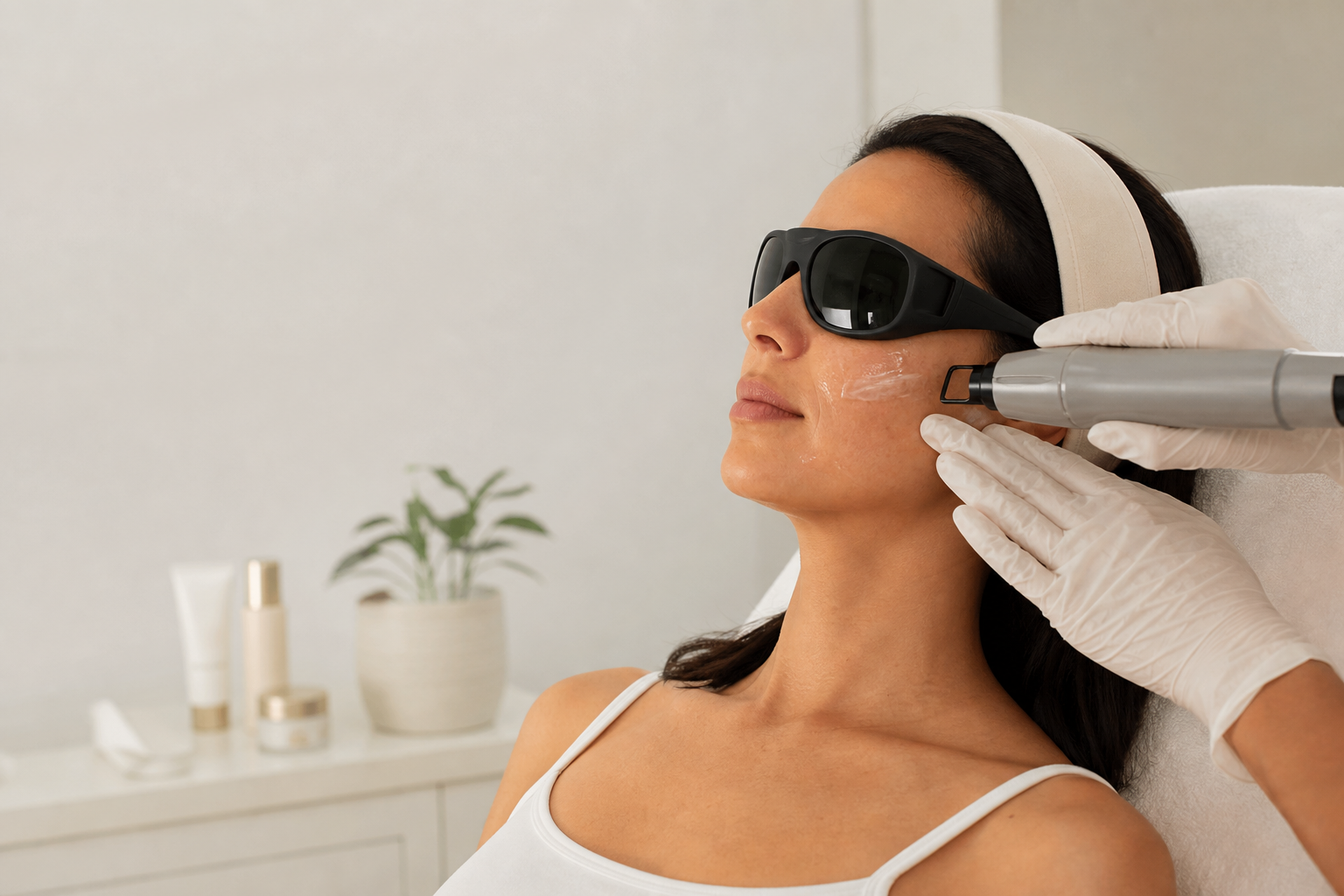
Summer presents a unique set of challenges and opportunities for those who have undergone or are considering laser treatments for skin pigmentation. With extended exposure to sunlight, increased UV radiation, and higher temperatures, maintaining the aesthetic and health outcomes of laser procedures during the warmer months becomes a critical concern. This article offers a comprehensive, medically responsible guide for patients and clinicians seeking to understand the nuances of sustaining results through summer's climate and hazards.
Laser pigmentation removal is a precise intervention targeting melanin deposits that cause dark spots, melasma, and uneven skin tone. While these treatments are effective, post-procedural skin is more vulnerable, particularly under intense sun exposure common in summer. Therefore, individuals who invest time, effort, and resources into laser therapies, especially for pigmentation correction, need carefully tailored advice on preparation, treatment, recovery, and ongoing maintenance to optimize and prolong benefits.
Whether you are someone about to embark on laser pigmentation treatments or a medical professional advising patients, appreciating the multifaceted approach required to maintain results during summer is indispensable. The protocols differ significantly depending on factors like diagnosis, device type, skin phototype, and expert clinical guidance. Understanding these variables and how to adapt care plans accordingly can preserve skin health and aesthetic improvements throughout the season.
What preparatory steps support successful laser pigmentation treatments during summer?
Preparation is foundational to the longevity of treatment outcomes when laser procedures are performed close to or during summer months. Prior consultation with a trained dermatologist or laser specialist is crucial to evaluate individual factors such as the type and depth of pigmentation, baseline skin sensitivity, and environmental exposure risks. This personalized assessment informs an optimal treatment protocol and post-care strategy.
Patients are generally advised to minimize or avoid sun exposure at least two weeks before undergoing laser treatment. Such abstinence helps reduce existing pigmentation intensity and conditions the skin for more effective laser penetration and healing. Complementary skin priming methods, including gentle exfoliation or targeted use of topical agents, may be recommended under supervision to improve laser response without compromising skin integrity.
Moreover, implementing a consistent high-SPF photoprotection regimen during this preparatory phase is critical. Products with broad-spectrum coverage shield against UVA and UVB rays, mitigating the skin's inflammatory and pigmentary responses that could otherwise diminish treatment efficacy or precipitate new lesions. Adequate hydration, nutritional support rich in antioxidants, and lifestyle adjustments further bolster skin resilience ahead of laser intervention.
How does the laser treatment protocol adapt in consideration of summer maintenance?
The design of the laser procedure itself may vary according to seasonally influenced factors. Devices emitting wavelengths matched to the patient's pigmentation type and skin phototype ensure targeted action while reducing collateral radiation absorption, which can aggravate photosensitivity. Lower-fluence settings or fractional delivery methods may be selected to balance efficacy with minimal downtime and inflammation during high UV exposure periods.
Clinicians often emphasize realistic expectations regarding the number of sessions required. Deeper or more complex pigmentations like melasma might necessitate multiple, spaced treatments rather than intensive single sessions, allowing for safer recovery aligned with summer protective measures. Each session should be scheduled to optimize healing intervals and consider the patient's ability to enforce daily photoprotection.
Communication about the visible progression of treatment effects is essential. Patients are informed of the typical transient symptoms such as redness, swelling, mild peeling, and the gradual fading of pigmentation over several weeks. Recognizing that immediate or sudden improvements are uncommon encourages adherence to maintenance routines and minimizes frustration or premature discontinuation.
What does recovery entail and how is it managed to preserve summer results?
Post-treatment recovery phase demands vigilant care to safeguard and extend the benefits derived from laser pigmentation procedures. During the initial recovery week, the skin barrier is particularly compromised, necessitating avoidance of direct sun exposure, excessive sweating, and mechanical irritation. Gentle cleansing coupled with intensive moisturizing helps restore skin homeostasis and comfort.
Using topical formulations prescribed by the treating clinician—often encompassing anti-inflammatory agents and barrier-strengthening compounds—promotes effective and orderly skin regeneration. Avoidance of harsh chemicals, exfoliants, and makeup is advised to prevent disruption of healing tissue. Patients should also be counseled to monitor for signs of adverse reactions such as persistent erythema, blistering, or hyperpigmentation flare-ups, which require prompt professional evaluation.
Regular follow-up visits enable the clinician to assess recovery progress and modify care as necessary, ensuring the skin remains protected and responsive. These visits often include reinforcement of sun protection strategies and adjustment of skincare products aligned with environmental exposures and skin condition evolution.
Why is photoprotection central to maintaining laser treatment outcomes in summer?
Ultra-violet (UV) radiation is the principal environmental factor jeopardizing the durability of laser treatment results. UV exposure can trigger melanocyte activation, promoting new and recurrent pigmentation changes even on treated skin. Thus, photoprotection is not merely recommended but paramount in the post-procedural protocol.
The application of broad-spectrum sunscreens with SPF values of 50 or higher, formulated for sensitive skin types, must be integrated into multiple daily applications throughout daylight hours. Complementary protective measures such as wearing wide-brimmed hats, UV-blocking clothing, and seeking shade during peak sunlight periods significantly reduce cumulative UV impact.
Adhering to these practices helps prevent post-inflammatory hyperpigmentation and other photoinduced complications. Consistent photoprotection also supports the skin's natural healing processes and preserves the clarity and uniformity achieved by laser treatments, thereby maximizing patient satisfaction during summer.
How can patients sustain their skin health and treatment benefits beyond immediate recovery?
Maintaining laser treatment results during summer is an ongoing commitment to strategic skincare beyond the acute healing window. Daily routines tailored to individual skin types that incorporate gentle cleansing, hydration, and antioxidant-rich serums provide the biochemical support necessary for skin maintenance.
Dietary choices that emphasize foods high in vitamins C and E, carotenoids, and other antioxidants reinforce defense mechanisms against environmental oxidative stress. Lifestyle factors including adequate sleep, stress management, and avoidance of smoking further contribute to skin vitality.
Routine dermatological check-ups are recommended to detect early signs of pigmentation recurrence and to determine if supplementary treatments or adjustments to photoprotection are warranted. If new or persistent pigmentation develops, safe and clinician-supervised reintervention utilizing laser or adjunctive modalities can help reestablish aesthetic balance.
What variations in protocols are influenced by diagnosis, device, phototype, and clinician advice?
Treatment and maintenance protocols for laser pigmentation management are not one-size-fits-all; they reflect a complex interplay of diagnostic, technological, and individual factors. The diagnosis—whether solar lentigines, melasma, post-inflammatory pigmentation, or other dermatoses—dictates treatment aggressiveness, expected outcomes, and susceptibility to recurrence.
The type of laser device—ranging from Q-switched lasers, picosecond lasers, to fractional ablative systems—each has specific parameters, depth of penetration, and risk profiles. Selecting the appropriate device aligned with the patient’s skin phototype is essential to reduce complications such as burns or paradoxical pigmentation. Darker phototypes, for example, may require more conservative approaches and enhanced monitoring.
Ultimately, clinician expertise in evaluating these variables and customizing protocols accordingly determines the success and safety of both treatment and summer maintenance. Clinical discretion ensures that guidelines on sun avoidance, product selection, and post-care regimens are individualized, fostering optimal long-term results.
How do patient behaviors and environmental factors impact the durability of summer skin results?
Beyond clinical measures, patient lifestyle choices play a critical role in preserving laser treatment outcomes through summer. Consistent adherence to photoprotective strategies, avoidance of prolonged outdoor activities during peak UV times, and mindfulness about reapplying sunscreen after sweating or swimming are indispensable habits.
The skin’s response capacity can be compromised by environmental stressors like pollution, heat, and humidity common in summer, which may promote inflammation and pigmentary alterations. Proactive skincare addressing these factors—using barrier-repairing and anti-inflammatory ingredients—augments resistance.
Compliance challenges underscore the importance of patient education and realistic counseling from clinicians. Providing actionable, tailored advice empowers individuals to take ownership of their skin health journey, thereby reinforcing maintenance outcomes achieved through medical treatments.
What realistic timelines and expectations should patients have for visible and lasting improvements?
Patients are best served when informed about the realistic timelines associated with laser pigmentation treatments, especially concerning summer maintenance. Initial visible improvements typically emerge within several weeks post-treatment, reflecting gradual pigment degradation and skin repair processes. Complete clearance can require several months and often multiple sessions.
Importantly, results are cumulative and contingent on consistent follow-up care. Maintenance of results during summer therefore involves not only patience but steadfast commitment to protective skincare. Understanding the non-instantaneous nature of pigment correction helps manage expectations and fosters sustained engagement.
Furthermore, acknowledging that some pigmentations have a chronic or recurrent tendency encourages patients to view maintenance as a long-term partnership with their healthcare provider, rather than a single-event resolution.
How do clinical follow-up and adjunctive therapies support summer maintenance?
Professional follow-up visits post-laser treatment are fundamental to evaluating treatment efficacy, skin recovery, and any emerging pigmentary changes. These consultations enable timely modifications to skincare regimens or introduction of adjunctive therapies such as topical lightening agents, chemical peels, or maintenance laser sessions as deemed appropriate.
Adjunctive therapies require careful selection to complement laser-induced changes without exacerbating sensitivity or inducing irritant reactions. Clinicians tailor these based on ongoing assessment, seasonal considerations, and patient tolerance. This dynamic approach ensures comprehensive care extending beyond the procedural intervention into holistic skin health management.
Ultimately, continual monitoring and timely intervention mitigate relapse risks and reinforce the stability of results through the challenges summer presents.


